4 Or More Shots From 4 Or More Films is just what it says it is, 4 shots from 4 of our favorite films. As opposed to the reviews and recaps that we usually post, 4 Shots From 4 Films lets the visuals do the talking!
Today, on what would have been his birthday, we take the time to pay tribute to one of our favorite directors. Needless to say, when it comes to David Lynch, there’s an embarrassment of riches.
Here are….
8 Shots From 8 David Lynch Films
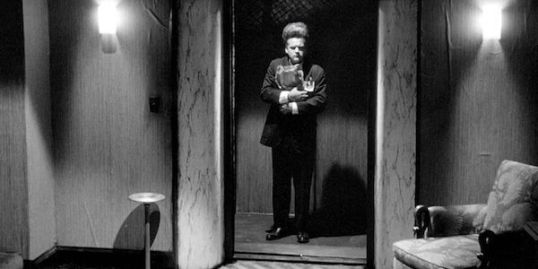
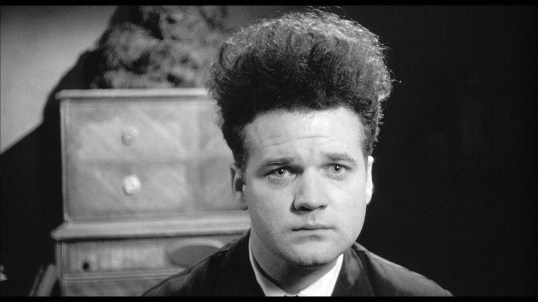
Eraserhead (1977, dir by David Lynch, DP: Frederick Elmes, Herbert Cardwell)
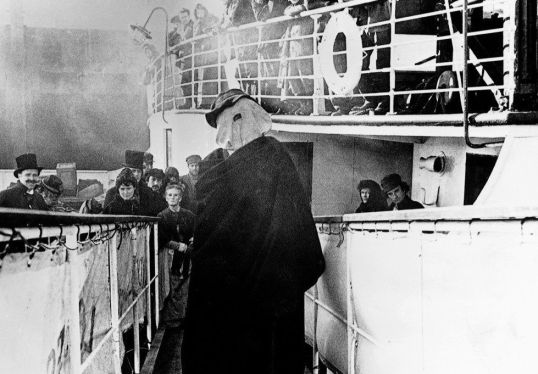
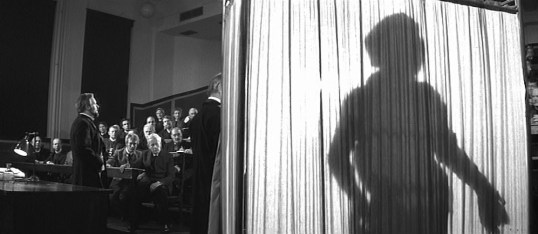
The Elephant Man (1980, dir by David Lynch, DP: Freddie Francis)
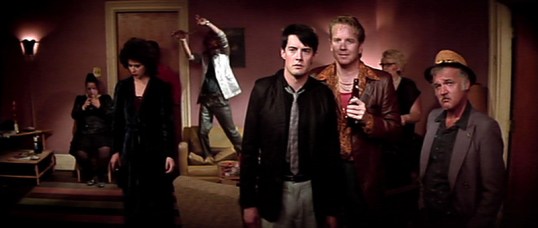
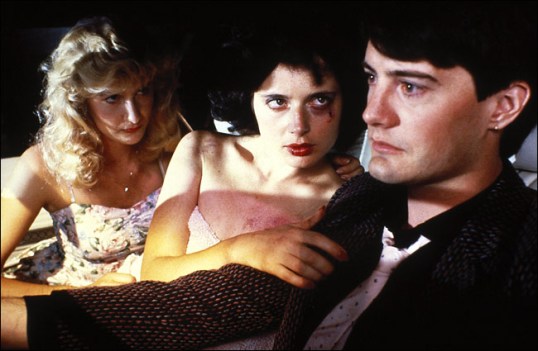
Blue Velvet (1986, dir by David Lynch, DP: Frederick Elmes)
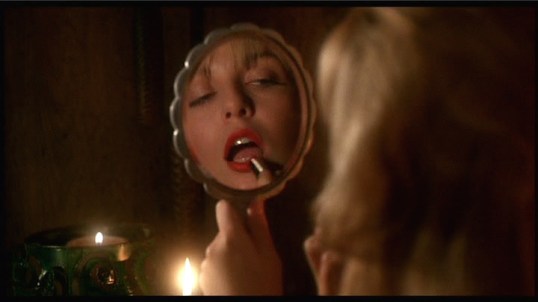
Twin Peaks: Fire Walk With Me (1992, dir by David Lynch, DP: Ron Garcia)
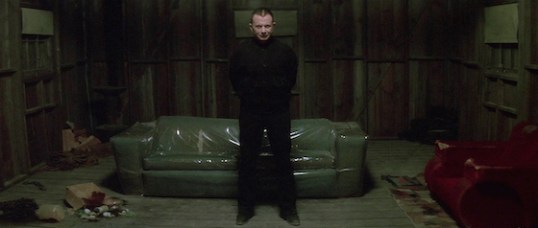
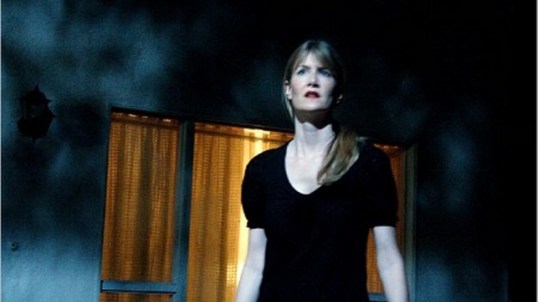
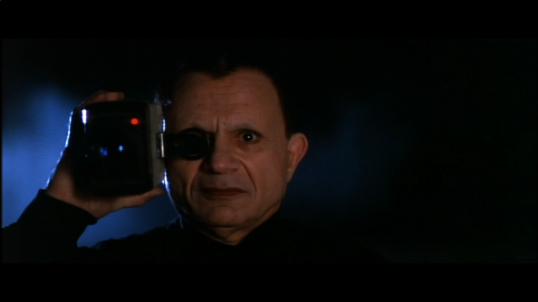
Lost Highway (1997, dir by David Lynch, DP: Peter Deming)
The Straight Story (1999, dir by David Lynch, DP: Freddie Francis)
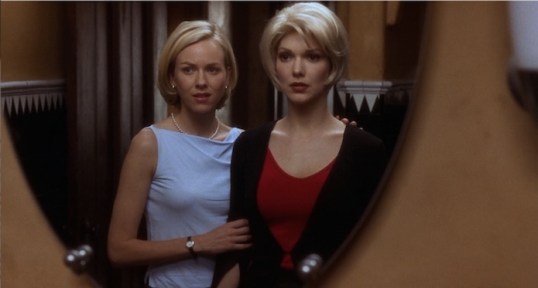
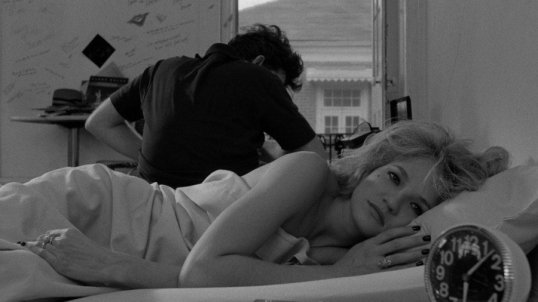
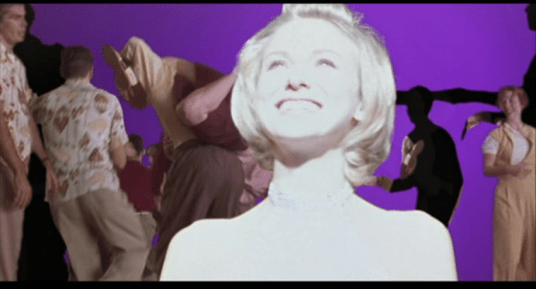
Mulholland Drive (2001, dir by David Lynch, DP: Peter Deming)
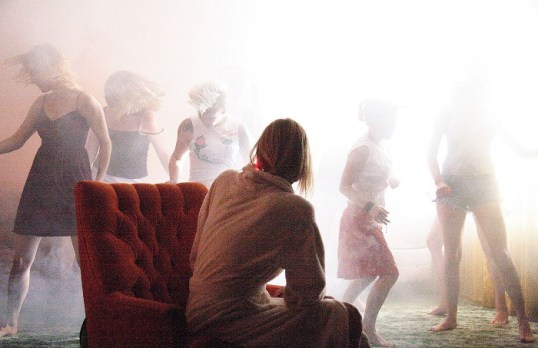
Inland Empire (2006, dir by David Lynch, DP: David Lynch)
First released in 1986 and still regularly watched and imitated, Blue Velvet is one of the most straight forward films that David Lynch ever made.
For all the talk about it being a strange and surreal vision of small town America, the plot of Blue Velvet is not difficult to follow. After his father has a stroke that leaves him confined to a hospital bed, Jeffrey Beaumont (Kyle MacLachlan) returns home from college. Lumberton appears to be a quiet and friendly little town, with pretty houses and manicured lawns and friendly people. Jeffrey, with his dark jacket and his expression of concern, appears a little out-of-step with the rest of the town. He’s been away, after all. One day, while walking through a field, Jeffrey discovers a rotting, severed ear. Jeffrey picks up the ear and takes it Detective Williams (George Dickerson). Detective Williams, who looks like he could have stepped straight out of an episode of Dragnet, is such a man of the innocent 1950s that his wife is even played by Hope Lange.
“Yes, that’s a human ear, alright,” Williams says, deadpan.
Blue Velvet (1986, dir by David Lynch, DP: Frederick Elmes)
With the help of Detective Williams’s blonde and seemingly innocent daughter, Sandy (Laura Dern), Jeffrey launches his own investigation into why the ear was in the field. He discovers that Lumberton has a teeming criminal underworld, one that is full of men who are as savage as the ants that we saw, in close-up, fighting over that ear in the field. Jeffrey discovers that a singer named Dorothy (Isabella Rossellini) is being sexually blackmailed by a madman named Frank Booth (Dennis Hopper). When Dorothy discovers Jeffrey hiding in her closet (where he had been voyeuristically watching her and Frank), it leads to Jeffrey and Dorothy having a sadomasochistic relationship. “Hit me!” Dorothy demands and both the viewer and Jeffrey discover that he’s got his own darkness inside of him. “You’re like me,” Frank hisses at Jeffrey at one point and, if we’re to be honest, it almost feels like too obvious a line for an artist like David Lynch. Lynch once described the film as being “The Hardy Boys in Hell,” and the plot really is as straightforward as one of those teenage mystery books.
That said, Blue Velvet also features some of Lynch’s most memorable visuals, from the brilliant slow motion opening to the moment that the camera itself seems to descend into the ear, forcing us to consider just how fragile the human body actually is. The film goes from showcasing the green lawns and blue skies to Lumberton to tossing Jeffrey into the shadowy world of Dorothy’s apartment building and suddenly, the entire atmosphere changes and the town becomes very threatening. We find ourselves wondering if even Detective Williams can be trusted. That said, my favorite visual in the film is a simple one. Sandy and Jeffrey walk along a suburban street at night and the camera shows us the dark trees that rise above them, contrasting their eerie stillness to Sandy and Jeffrey’s youthful flirtation.
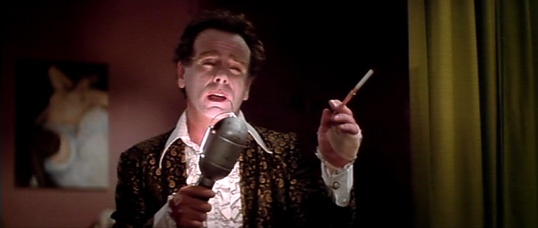
Dean Stockwell in Blue Velvet
Dean Stockwell shows up as Ben, an associate of Frank’s who lip-synchs to Roy Orbison’s In Dreams while Frank himself seems to have a fit of some sort beside him. In retrospect, Blue Velvet played a huge role in Dennis Hopper getting stereotyped as an out-of-control villain but that doesn’t make him any less terrifying as Frank Booth. Hopper, recently sober after decades of drug abuse and self-destructive behavior, summoned up his own demons to play Booth and he turns Frank into a true nightmare creature. Isabella Rossellini is heart-breaking as the fragile Dorothy. That said, the heart of the film belongs to Kyle MacLachlan and Laura Dern and both of them do a wonderful job of suggesting not only the darkness lurking in their characters but also their kindness as well. For all the talk about Lynch as a subversive artist, he was also someone who had a remarkable faith in humanity and that faith is found in both Jeffrey and Sandy. MacLachlan and Dern manage to sell moments that should have been awkward, like Sandy’s monologue about the returning birds or Jeffrey’s emotional lament questioning why people like Frank have to exist. Both Jeffrey and Sandy lose their innocence but not their hope for a better world.
BlueVelvet is a straight-forward mystery and a surreal dream but mostly it’s an ultimately hopeful portrait of humanity. The world is dark and full of secrets, the film says. But that doesn’t mean that it can’t be a beautiful place.
Blue Velvet (1986, dir by David Lynch, DP: Frederick Elmes)
4 Or More Shots From 4 Or More Films is just what it says it is, 4 shots from 4 of our favorite films. As opposed to the reviews and recaps that we usually post, 4 Shots From 4 Films lets the visuals do the talking!
Today, the Shattered Lens wishes a happy birthday of one of the most important and independently minded filmmakers of the past 40 years, Jim Jarmusch!
It’s time for….
4 Shots From 4 Jim Jarmusch Films
Stranger Than Paradise (1984, dir by Jim Jarmusch, DP: Tom DiCillo)
Down by Law (1986, dir by Jim Jarmusch, DP: Robby Muller)
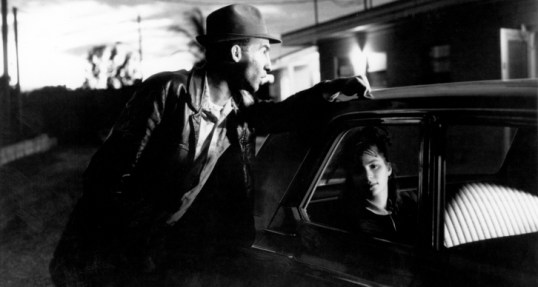
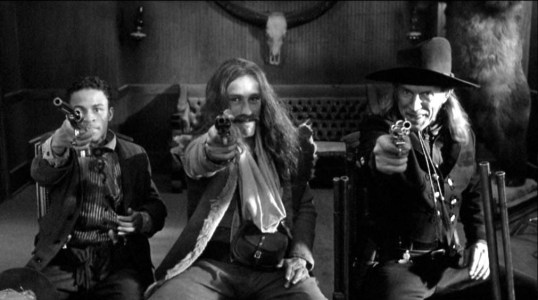
Dead Man (1995, dir by Jim Jarmusch, DP: Robby Muller)
The Dead Don’t Die (2019, dir by Jim Jarmusch, DP: Frederick Elmes)
4 Or More Shots From 4 Or More Films is just what it says it is, 4 shots from 4 of our favorite films. As opposed to the reviews and recaps that we usually post, 4 Shots From 4 Films lets the visuals do the talking!
Today, on what would have been his birthday, we take the time to pay tribute to one of our favorite directors. Needless to say, when it comes to David Lynch, there’s an embarrassment of riches.
Here are….
20 Shots From David Lynch
Eraserhead (1977, directed by David Lynch, DP: Frederick Elmes and Herbert Cardwell)
The Elephant Man (1980, dir by David Lynch, DP: Freddie Francis)
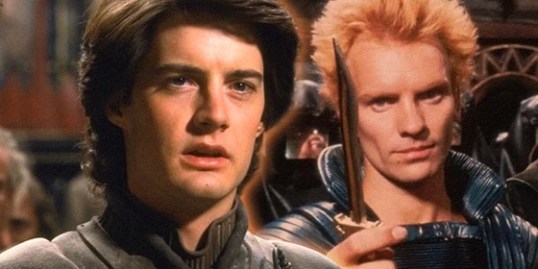
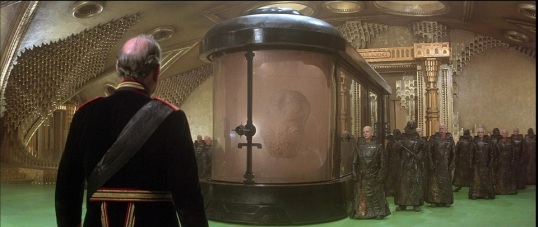
Dune (1984, dir by David Lynch, DP: Freddie Francis)
Blue Velvet (1986, dir by David Lynch, DP: Frederick Elmes)
Twin Peaks: The Pilot (1990, dir by David Lynch, DP: Ron Garcia)
Twin Peaks 1.3 “Zen or the Skill To Catch a Killer” (1990, dir by David Lynch, DP: Frank Byers)
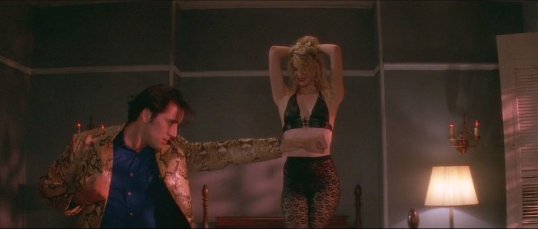
Wild At Heart (1990, dir by David Lynch, DP: Frederick Elmes)
Twin Peaks 2.7 “Lonely Souls” (1990, dir by David Lynch, DP: Frank Byers)
Twin Peaks 2.22 (1991, dir by David Lynch, DP: Frank Byers)
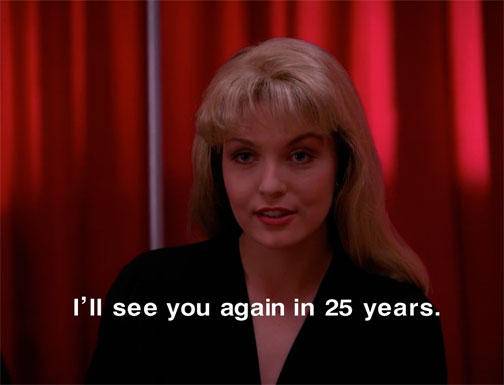
Twin Peaks: Fire Walk With Me (1992, dir by David Lynch, DP: Ron Garcia)
On The Air 1.1 “The Lester Guy Show” (dir by David Lynch, DP: Ron Garcia)
Lost Highway (1997, dir by David Lynch, DP: Peter Deming)
The Straight Story (1999, dir by David Lynch, DP: Freddie Francis)
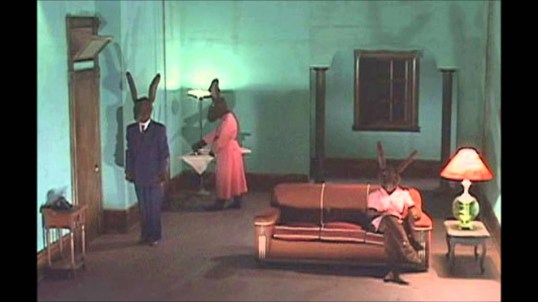
Rabbits (2002, dir by David Lynch, DP: David Lynch)
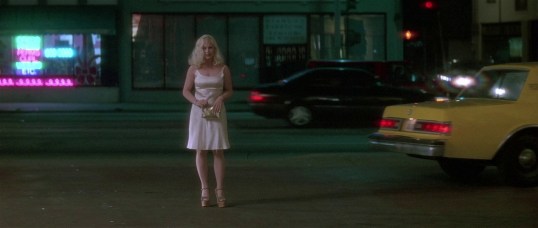
Mulholland Drive (2000, dir by David Lynch, DP: Peter Deming)
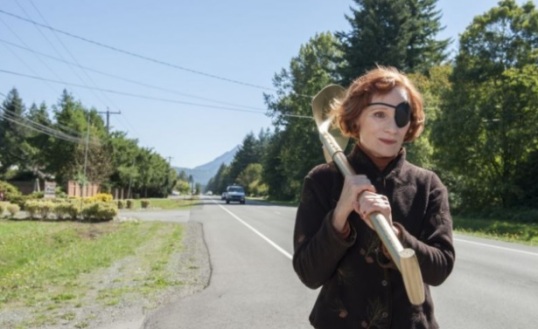
Twin Peaks: The Return Part 3 (dir by David Lynch, DP: Peter Deming)
Inland Empire (2006, dir by David Lynch, DP: David Lynch)
Twin Peaks: The Return Part 8 (2017, dir by David Lynch, DP: Peter Dening)
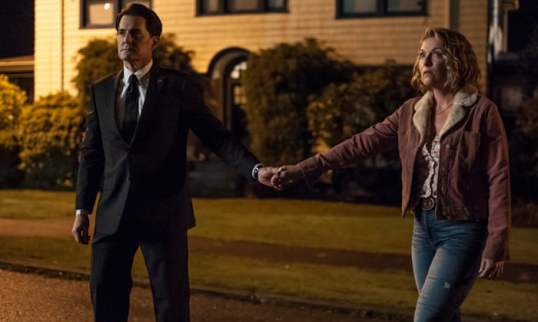
Twin Peaks: The Return Part 18 (2017, dir by David Lynch)
What Did Jack Do? (2017, dir by David Lynch, DP: Scott Ressler)
I’ve been thinking about Eraserhead ever since I first heard the news about David Lynch’s passing.
Filmed in harsh but beautiful black-and-white and first released in 1977 (after a production period that lasted for seven years), Eraserhead tells the story of Henry Spencer (Jack Nance), an awkward young man who has the haircut that gives the film it’s name and who wanders through the film like an alienated character in a Kafka story. He lives in an industrial landscape and almost every scene seems to have the sound of machinery droning away in the background. He lives in an dark apartment and it appears that there’s a woman living in a radiator who sings that, “In heaven, everything is fine,” while stomping on sperm creatures. Occasionally, a mysterious woman in the hallway talks to him. Henry doesn’t seem to have a job or any sort of interests. He doesn’t really have much of a personality. Jack Nance, who would go on to become a member of David Lynch’s regular ensemble, has a permanently dazed expression on his face. It’s hard not to feel sorry for Henry, even if he isn’t quite sympathetic. In Heaven, everything is fine but in Henry’s world, it’s much different.
Henry has a girlfriend named Mary X (Charlotte Stewart). Mary lives with her parents in an apartment near the train tracks. When Henry goes over to her place for dinner, her father shows off how he can’t feel anything in his arm. Eating a piece of chicken becomes awkward when it appears to be alive and bleeding. Mary seems to have some sort of seizure. Mary’s mother informs Henry that Mary has had a mutant baby and Henry must take care of it. The baby (represented by a grotesque puppet) has no arms or legs or, it would appear, skin. It cries constantly, despite Henry’s attempts to care for it. The baby is the only truly sympathetic character in the film.
Eraserhead is often described as being a film that’s difficult to understand but, by Lynch standards, it’s not that hard to figure out. Lynch himself said that the film was fueled by his own anxiety over being a father and, throughout the film, Henry tries to take care of the baby but everything he does just makes things worse. As is often the case with Lynch’s film, many viewers get caught up in wondering why when they should just be paying attention to what happens. Why is the baby a mutant? Because it is. Why does Henry live in the middle of an industrial park? Because he does. Who is the scarred man who appears at the start of the film and who apparently pushes the levers that lead to Mary’s pregnancy? Again, it’s less important who he is and more important that he’s there and now, Henry is a father despite being woefully unprepared. Even if the viewer learned the scarred man’s identity (or if Henry even learned of his existence), it wouldn’t change Henry’s situation. (Technically, of course, the man is Sissy Spacek’s husband and frequent Lynch collaborator, Jack Fisk.) Eraserhead is a visually surreal film but it’s also an very emotionally honest one. Henry may be stuck in, as Lynch once put it, a “dream of dark and disturbing things,” but his fears and his anxiety are portrayed realistically That emotional honesty is something that would appear in all of Lynch’s work and it’s why he was one of our most important filmmakers.
Sadly, David Lynch is now gone. So is Jack Nance. But their work will live on forever.
Eraserhead (1977, dir by David Lynch, DP: Frederick Elmes, Herbert Cardwell)
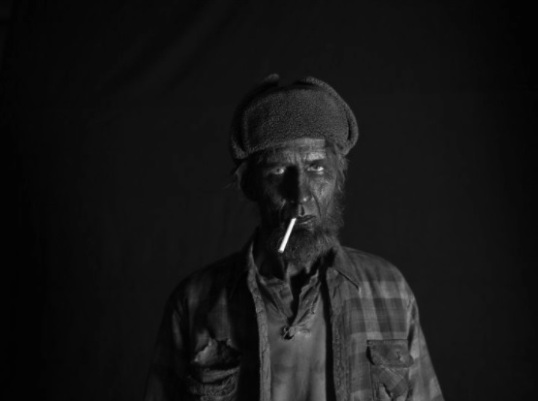
Twin Peaks: The Return Part 3 (dir by David Lynch, DP: Peter Deming)
4 Or More Shots From 4 Or More Films is just what it says it is, 4 shots from 4 of our favorite films. As opposed to the reviews and recaps that we usually post, 4 Shots From 4 Films lets the visuals do the talking!
Today, the Shattered Lens wishes a happy 78th birthday to David Lynch! And that means that it’s time to pay tribute to one of our favorite filmmakers.
Here are….
8 Shots From 8 David Lynch Films
Eraserhead (1977, dir by David Lynch, DP: Frederick Elmes, Herbert Cardwell)
The Elephant Man (1980, dir by David Lynch, DP: Freddie Francis)
Blue Velvet (1986, dir by David Lynch, DP: Frederick Elmes)
Twin Peaks: The Pilot (1990, dir by David Lynch, DP: Ron Garcia)
Lost Highway (1997, dire by David Lynch, DP: Peter Deming)
The Straight Story (1999, dir by David Lynch, DP: Freddie Francis)
Mulholland Drive (2001, dir by David Lynch, DP: Peter Deming)
Twin Peaks: The Return Part 18 (2017, dir by David Lynch, DP: Peter Deming)
4 Or More Shots From 4 Or More Films is just what it says it is, 4 shots from 4 of our favorite films. As opposed to the reviews and recaps that we usually post, 4 Shots From 4 Films lets the visuals do the talking!
This October, I’m going to be doing something a little bit different with my contribution to 4 (or more) Shots From 4 (or more) Films. I’m going to be taking a little chronological tour of the history of horror cinema, moving from decade to decade.
Today, we take a look at 2019!
4 Shots From 4 Horror Films: 2019
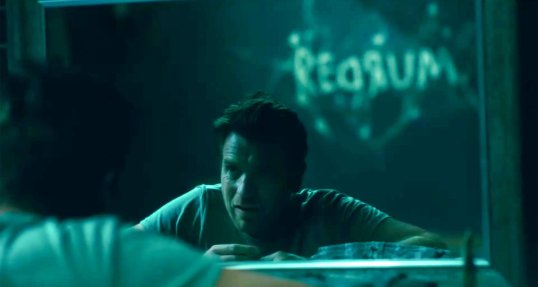
Doctor Sleep (2019, dir by Mike Flanagan, DP: Michael Fimognari)
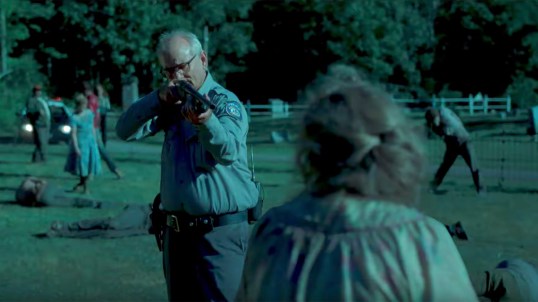
The Dead Don’t Die (2019, dir by Jim Jarmusch, DP: Frederick Elmes)
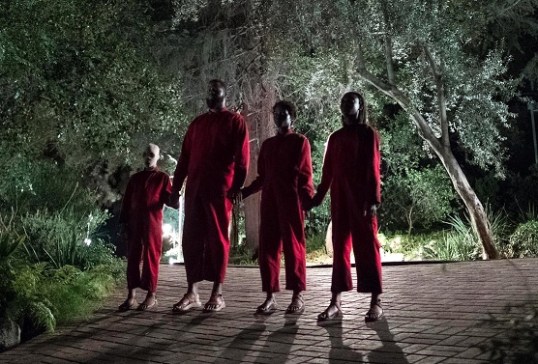
Us (2019, dir by Jordan Peele, DP: Mike Gioulakis)
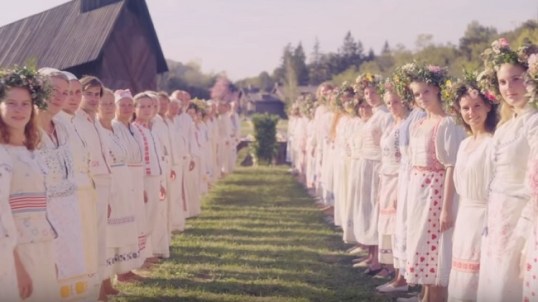
Midsommar (2019, dir by Ari Aster, DP: Pawel Pogorzelski)
4 Or More Shots From 4 Or More Films is just what it says it is, 4 shots from 4 of our favorite films. As opposed to the reviews and recaps that we usually post, 4 Shots From 4 Films lets the visuals do the talking!
This October, I’m going to be doing something a little bit different with my contribution to 4 (or more) Shots From 4 (or more) Films. I’m going to be taking a little chronological tour of the history of horror cinema, moving from decade to decade.
Today, we take a look at three very important years: 1975, 1976, and 1977!
10 Shots From 10 Films: 1975 — 1977
Deep Red (1975, dir by Dario Argento, DP: Luigi Kuveiller)
Trilogy of Terror (1975, dir by Dan Curtis. DP: Paul Lohmann)
Eaten Alive (1976, dir by Tobe Hooper. DP: Robert Caramico)
The Omen (1976, dir by Richard Donner, DP: Gilbert Taylor)
Carrie (1976, dir by Brian De Palma, DP: Mario Tosi)
Shock (1977, dir by Mario Bava, DP: Alberto Spagnoli)
The Hills Have Eyes (1977, dir by Wes Craven, DP: Eric Saarinen)
Suspiria (1977, dir by Dario Argento, DP: Luciano Tuvalia)
Eraserhead (1977, directed by David Lynch, DP: Frederick Elmes and Herbert Cardwell)
Shock Waves (1977, dir by Ken Wiederhorn, DP: Reuben Trane)
4 Or More Shots From 4 Or More Films is just what it says it is, 4 shots from 4 of our favorite films. As opposed to the reviews and recaps that we usually post, 4 Shots From 4 Films lets the visuals do the talking!
Today, the Shattered Lens wishes a happy 76th birthday to David Lynch! And that means that it’s time to pay tribute to one of our favorite filmmakers.
Needless to say, when it comes to David Lynch, there’s an embarrassment of riches.
Here are….
20 Shots From David Lynch
Eraserhead (1977, dir by David Lynch, DP: Frederick Elmes, Herbert Cardwell)
The Elephant Man (1980, dir by David Lynch, DP: Freddie Francis)
Dune (1984, dir by David Lynch, DP: Freddie Francis)
Blue Velvet (1986, dir by David Lynch, DP: Frederick Elmes)
Twin Peaks: The Pilot (1989, dir by David Lynch, DP: Ron Garcia)
Twin Peaks 1.3 “Zen or the Skill To Catch a Killer” (1990, dir by David Lynch, DP: Frank Byers)
Wild At Heart (1990, dir by David Lynch, DP: Frederick Elmes)
Twin Peaks 2.7 “Lonely Souls” (1990, dir by David Lynch, DP: Frank Byers)
Twin Peaks 2.22 (1991, dir by David Lynch, DP: Frank Byers)
Twin Peaks: Fire Walk With Me (1992, dir by David Lynch, DP: Ron Garcia)
On The Air 1.1 “The Lester Guy Show” (dir by David Lynch, DP: Ron Garcia)
Lost Highway (1997, dir by David Lynch, DP: Peter Deming)
The Straight Story (1999, dir by David Lynch, DP: Freddie Francis)
Mulholland Drive (2001, dir by David Lynch, DP: Peter Deming)
Rabbits (2002, dir by David Lynch, DP: David Lynch)
Inland Empire (2006, dir by David Lynch, DP: David Lynch)
Twin Peaks: The Return Part 3 (dir by David Lynch, DP: Peter Deming)
Twin Peaks: The Return Part 8 (2017, dir by David Lynch, DP: Peter Dening)
Twin Peaks: The Return Part 18 (2017, dir by David Lynch)
What Did Jack Do? (2017, dir by David Lynch, DP: Scott Ressler)
4 (or more) Shots From 4 (or more) Films is just what it says it is, 4 (or more) shots from 4 (or more) of our favorite films. As opposed to the reviews and recaps that we usually post, 4 (or more) Shots From 4 (or more) Films lets the visuals do the talking.
Today, the Shattered Lens wishes a very special 75th birthday to the one and only David Lynch. As should be evident by now, we’re big fans of David Lynch around here. Not only is he a wonderfully unique filmmaker but he’s also literally the only person who can do what he does. Trust me — I’ve seen hundreds of films that were made by people who obviously thought they were going to be the next David Lynch and none of them even come close. David Lynch is a filmmaker who can make the most surreal images seem like the most natural thing in the world.
Speaking of images, it’s time for….
14 Shots From 13 David Lynch Films
Eraserhead (1977, dir by David Lynch, DP: Frederick Elmes, Herbert Cardwell)
The Elephant Man (1980, dir by David Lynch, DP: Freddie Francis)
Dune (1984, dir by David Lynch, DP: Freddie Francis)
Blue Velvet (1986, dir by David Lynch, DP: Frederick Elmes)
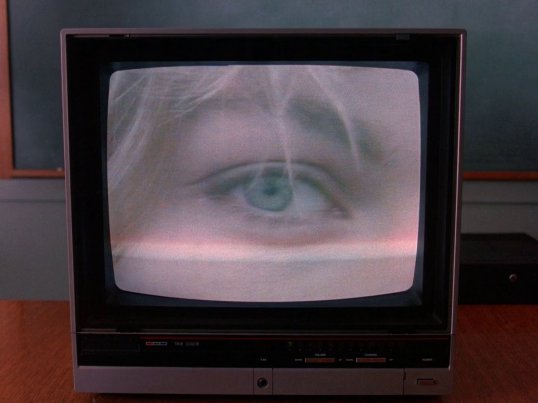
Twin Peaks 1.3 “Zen or the Skill To Catch a Killer” (1990, dir by David Lynch, DP: Frank Byers)
Wild At Heart (1990, dir by Frederick Elmes)
Twin Peaks 2.22 “Beyond Life and Death” (1991, dir by David Lynch, DP: Frank Byers)
Twin Peaks: Fire Walk With Me (1992, dir by David Lynch, DP: Ron Garcia)
Lost Highway (1997, dir by David Lynch, DP: Peter Deming)
The Straight Story (1999, dir by David Lynch, DP: Freddie Francis)
Mulholland Drive (2001, dir by David Lynch, DP: Peter Deming)
Inland Empire (2006, dir by David Lynch, DP: David Lynch)
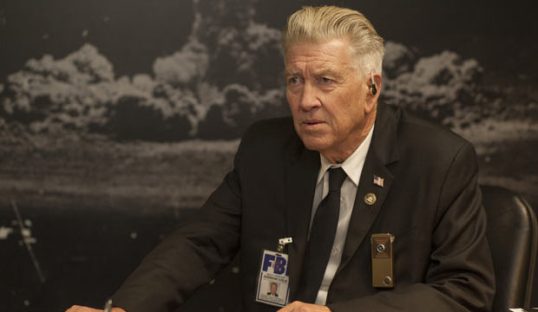
Twin Peaks: The Return Part 15 (dir by David Lynch, DP: Peter Deming)
Twin Peaks: The Return Part 18 (2017, dir by David Lynch, DP: Peter Deming)
 4 Or More Shots From 4 Or More Films is just what it says it is, 4 shots from 4 of our favorite films. As opposed to the reviews and recaps that we usually post, 4 Shots From 4 Films lets the visuals do the talking!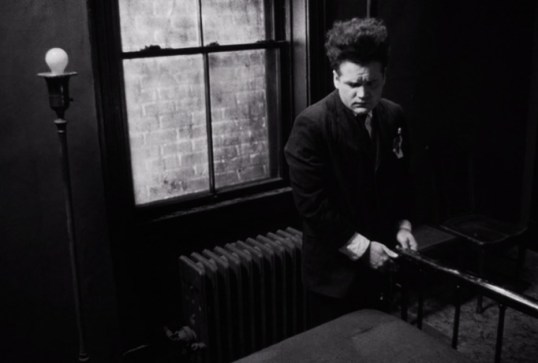














 Through the Shattered Lens