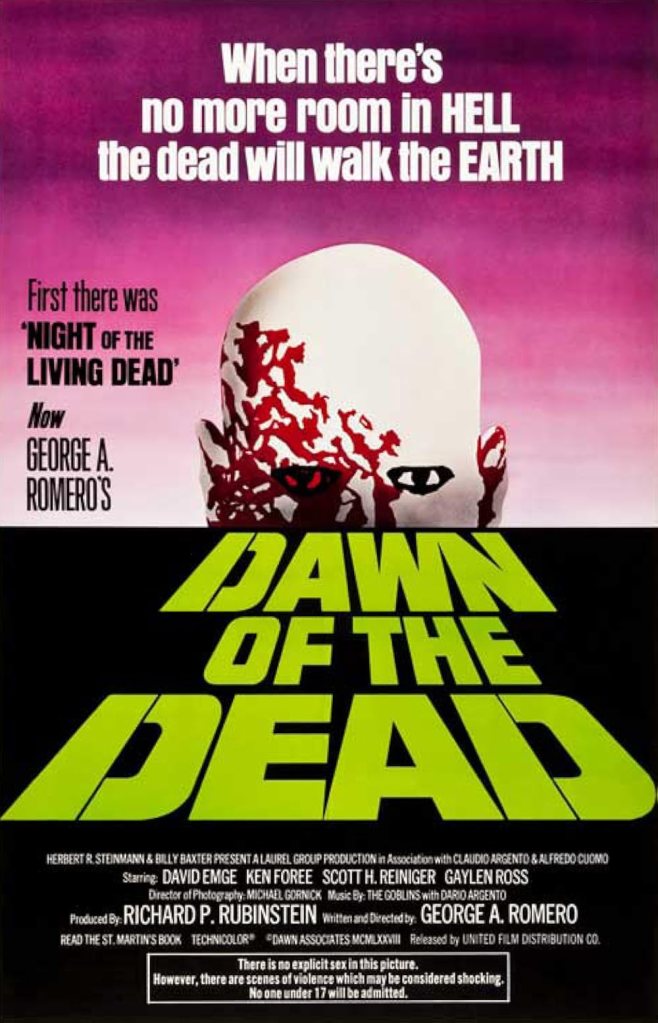
The original Dawn of the Dead, which was released in 1978 and directed by George Romero, is not only one of the most influential horror films of all time. (Even more so than Night of the Living Dead,Dawn was responsible for inspiring the Italian zombie boom.) It’s also a rather dark satire of humanity and commercialism. With the world ending, both humans and zombies head to the mall. Briefly, the humans manage to form their own peaceful society but, inevitably, they end up screwing it all up. The Dead may be slow and not particularly intelligent but, as poor old Steve discovered in that elevator, they’re absolutely determined to get what they want.
Dawn of the Dead ends with an apocalytpic combination of bikers, zombies, and one helicopter that has next to no fuel. Our two remaining survivors head off in search of some place safe but we all know that helicopter isn’t going to stay in the sky for long. In its way, the ending of Dawn of the Dead is even more bleak than the end of Night of the Living Dead. With the end of this film, Romero’s message is clear. Society is as dead as the creatures tearing it down.
4 Shots From 4 Films is just what it says it is, 4 shots from 4 of our favorite films. As opposed to the reviews and recaps that we usually post, 4 Shots From 4 Films lets the visuals do the talking!
Today would have been George Romero’s 86th birthday.
Now, those of you who have been reading us since the beginning know how important the work of George Romero has been to this site. A mutual appreciation of Night of the Living Dead is one of the things that first brought many of us together. It’s a film that we watch ever Halloween and Arleigh’s review of the original remains one of our most popular posts. If this site had a patron saint, it would probably be George Romero.
And yet, Romero wasn’t just a director of zombie films. He made many films, dealing with everything from hippie lovers (There’s Always Vanilla) to wannabe vampires (Martin) to government conspiracies (The Crazies) and eccentric bikers (Knightriders). George Romero was one of the pioneers of independent films and today, on his birthday, we should all take a minute to consider and appreciate the man’s cinematic legacy. It’s not just horror fans who owe George Romero a debt of gratitude. It’s lovers of cinema everywhere.
With that in mind, here are….
4 Shots From 4 George Romero Films
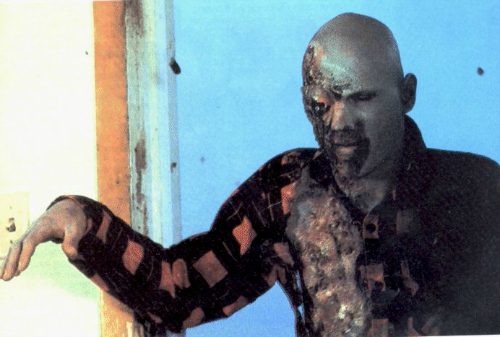
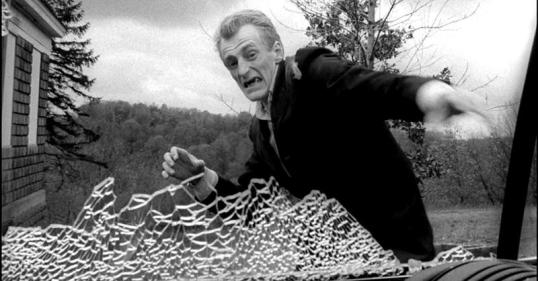
Night of the Living Dead (1968, dir by George Romero, DP: George Romero)
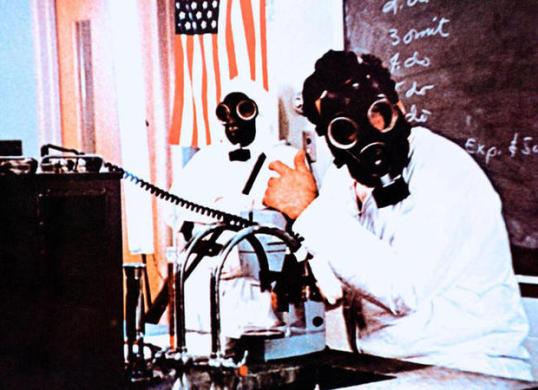
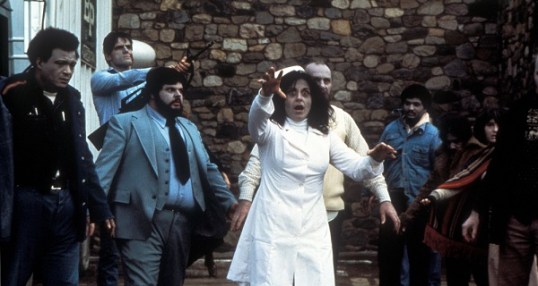
The Crazies (1973, dir by George Romero, DP: S. William Hinzman)
Martin (1978, dir by George Romero, DP: Michael Gornick)
Dawn of the Dead (1978, dir by George Romero, DP: Michael Gornick)
“When there’s no more room in hell, the dead will walk the earth.” — Peter
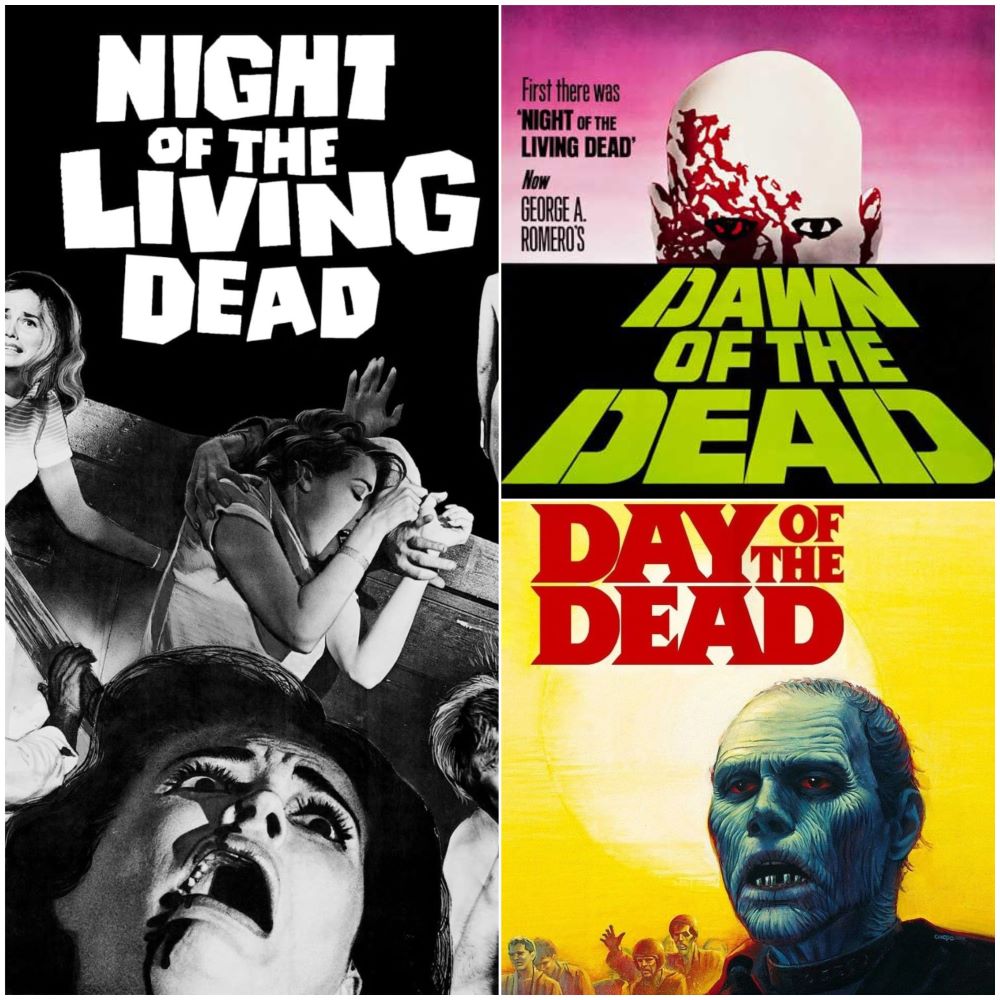
George A. Romero’s zombie trilogy—Night of the Living Dead (1968), Dawn of the Dead (1978), and Day of the Dead (1985)—stands as a landmark achievement in horror cinema, weaving the evolution of the zombie genre with a profound commentary on human nature and societal collapse. Emerging during periods of significant social and political upheaval, each film reflects the anxieties, tensions, and cultural dynamics of its decade. Romero’s zombies were not merely monsters to instill fear but mirrors reflecting society’s darkest fears, prejudices, and failures. The trilogy explores pressing questions about survival, morality, racial and class structures, and the fragility of human relationships when civilization breaks down, making these films persistently relevant beyond their gore and suspense.
What makes Romero’s trilogy particularly striking is its layered richness—each installment presents a standalone narrative that deepens the conversation about humanity’s response to apocalypse while encapsulating the spirit of its era. Night of the Living Dead confronts issues of race, violence, and distrust within a claustrophobic haven; Dawn of the Dead takes viewers to a sprawling shopping mall, a metaphor for 1970s consumer culture’s hollow comforts and social alienation; and Day of the Dead delves into the psychological and ideological fractures under extreme duress in a military bunker, highlighting themes of authoritarianism, scientific ethics, and the struggle for hope in despair. Together, these films form a powerful, intergenerational critique that resonates with viewers as much for their social insights as for their seminal contributions to the horror genre.
The Real Threat: Humans Versus Zombies
In Romero’s trilogy, the zombies provide relentless external pressure, but it is human flaws that become the dominant threat. Night of the Living Dead introduces the idea that fear, selfishness, and mistrust within small groups erode their chances of survival. The movie’s confined setting in a rural farmhouse encapsulates a microcosm of society teetering on the brink. Ben, played by Duane Jones, stands out not just for his calm leadership but also for the racial and social tensions his presence introduces—especially in conflict with Harry, whose obsession with control echoes real-world social divides. The film’s infamous ending, where Ben is killed by a white posse, resonates as a powerful allegory for racial violence, underscoring that the apocalypse in Romero’s world is as much a societal failure as a supernatural event.
Moving to Dawn of the Dead, the threat shifts toward a metaphorical critique of consumer culture. The survivors’ refuge in a shopping mall represents a modern temple of capitalism, filled with distractions and material goods that provide temporary relief but ultimately expose human weakness. The zombies’ endless wandering in this retail environment ridicule our real-world repetitive consumption, blurring lines between life and death. Human conflicts intensify as greed and recklessness among the survivors hasten their downfall. The bikers’ violent intrusion and consequent chaos symbolize how societal fractures and selfishness can undo fragile pockets of order. Here the zombies are a mirror to humanity’s brainless rituals, and the real menace is people’s inability to rise above base instincts.
In Day of the Dead, the human threat turns authoritarian and fractured. Set in a cramped underground bunker, the story mines the clash between military pragmatism and scientific inquiry. Soldiers and scientists represent ideologies that fail to reconcile, leading to paranoia, cruelty, and betrayal. Dr. Logan’s work with Bub—the zombie who exhibits flickers of memory and humanity—raises ethical questions, while Captain Rhodes’ hardline attitude embodies the brutal will to survive at any cost. The psychological breakdowns and mounting violence illustrate Romero’s grim thesis: when order and communication collapse, humanity itself becomes the deadliest monster. Romero’s zombies evolve here beyond simple horror fodder into symbolic reflections of humanity’s tragic failures.
Reflecting the Decades
Night of the Living Dead uses black-and-white cinematography to invoke a stark, documentary-like immediacy. This choice grounds the horror in a realism that intensifies dread, making the threat palpable and the social commentary more haunting. The film’s sound design—ambient crickets, creaking homes, radio reports—immerses viewers in a palpable tension. The limited setting and raw performances engage the audience emotionally, resembling a tragic stage play with themes of mistrust and panic spiraling out of control.
Dawn of the Dead shifts dramatically in visual and tonal approach. Its vibrant color palette contrasts the black-and-white predecessor, reflecting the mall’s artificial glow and the pop culture that it satirizes. The film balances broad dark humor with shocking gore, crafting an atmosphere that is surreal yet recognizably familiar. Tom Savini’s makeup and effects render the zombies grotesquely vivid, framing the film’s critique of capitalism with visceral impact. The pacing is more expansive, covering diverse spaces and character arcs as the survivors roam the mall’s labyrinthine insides, a metaphor for society’s complex detours and distractions.
Day of the Dead reverts to a darker, claustrophobic visual style in shadowy tunnels and corridors. The lighting is grim, reflecting the emotional suffocation and moral decay of its characters. Savini’s effects reach a gruesome peak here; every bite, wound, and decomposing corpse is rendered with intense anatomical detail. The film’s soundscape—filled with eerie silence punctuated by horrific violence—places viewers deep in the bunker’s oppressive atmosphere. Its pacing allows tension to build relentlessly, mirroring the psychological disintegration on screen. The film’s tone is unyieldingly bleak, underscoring an apocalypse not just of bodies but of hope and humanity.
The Films as Cultural Mirrors
Romero’s films serve as powerful cultural artifacts, each embodying concerns of its time.
Night of the Living Dead arrived in the late 1960s amid civil rights movements and the Vietnam War. The casting of Duane Jones as Ben was revolutionary, providing an implicit challenge to racial norms without overt political messaging. The film’s stark rural setting underscores isolation and vulnerability, while the tense, fractured group dynamics mirror societal conflicts over race, power, and distrust. The film’s haunting finale, with Ben’s death at the hands of a white mob, connects it powerfully to ongoing real-world violence against African Americans and demands reflection on humanity’s darkest impulses.
In contrast, Dawn of the Dead reflects the 1970s’ explosion of consumer and mass culture. Adventure into a shopping mall—a temple of capitalist excess—becomes a metaphor for societal malaise. Romero critiques consumerism’s seductive yet dehumanizing effects, suggesting that even amid an apocalypse, humans cannot escape compulsions to buy, hoard, and consume. The characters’ indulgence in the mall’s resources reveals social and moral exhaustion, and their downfall exposes the fragility beneath the comfortable facade of consumer society. The film’s biting humor and grotesque shocks harbor an underlying sadness about alienation and decay.
Day of the Dead encapsulates 1980s political anxieties around militarism, institutional authority, and distrust. The bunker setting becomes a suffocating arena where ideological conflicts tear apart what little society remains. This film foregrounds questions around science versus brute force, morality versus survival, and communication breakdown as symbolic of a society fracturing under Reagan-era pressures. The mental breakdowns and spiraling violence illustrate a grim view that humanity might be beyond redemption when stripped of trust and compassion. Its darkness reflects the decade’s cultural cynicism and fears of social disintegration.
Microcosms of Society
Romero’s stories unfold through tight-knit groups whose conflicts illuminate broader social themes.
In Night, Ben’s calm and tactical leadership contrasts sharply with Harry Cooper’s selfishness and paranoia. Their tensions reflect generational and racial divides. Ben strives for unity while Harry clings to control, highlighting a central question of cooperation versus individualism in survival. The other characters, including the traumatized Barbara and the fragile family unit, represent varying responses to fear, illustrating fractured human connections intensified by crisis.
Dawn enlarges the survivor group and diversifies personality types: news reporter Francine, biker gang members, military-like figures, and civilians who each represent different social attitudes. Their conflicts—between indulgence and survival, hope and despair—reflect their inability to fully commit to collective welfare. The chaotic intrusion of bikers on the mall roof, desperate to claim resources, accelerates the internal collapse, demonstrating the fragility of constructed order amid human greed.
Day uses a sharply divided group between scientists and soldiers, emphasizing ideological conflict. Dr. Logan embodies scientific curiosity and empathy, while Captain Rhodes champions military control and harsh pragmatism. Their clash catalyzes the group’s disintegration. Supporting characters like Miguel display mental fragility brought on by isolation and stress. Bub, the experimental zombie, emerges as a surprising figure of sympathy and ethical ambiguity, challenging simplistic notions of life and death. The bunker thus becomes a pressure cooker for the darkest human and philosophical dilemmas.
Evolution of the Undead as Symbol
Zombies are initially mindless monsters but become more layered symbols throughout the trilogy.
In Night, zombies are terrifying yet simple threats. Their inexplicable transformation turns death into relentless hunger, symbolizing uncontrollable social forces and fears of decay.
In Dawn, zombies’ repetitive behavior in the mall symbolizes consumerism’s zombification of society—mindless consumption, ritual, and alienation repeated beyond death. They act as dark reflections of the living’s mechanical habits.
Day transforms zombies into tragic figures represented by Bub, whose flickers of memory and social responsiveness invite empathy. This evolution raises moral questions about identity, consciousness, and the possibility of redemption or understanding within terror. The zombies become mirrors not only of societal collapse but of humanity’s potential for both cruelty and compassion.
Legacy and Impact
Romero’s trilogy didn’t merely redefine zombies but transformed horror into a powerful vehicle for social commentary, intertwining visceral storytelling with sharp critiques of society’s deep flaws and fears. Each film uses the undead not only as monsters but as metaphors reflecting the social and political issues of its time, making the horror resonate beyond the screen.
Night of the Living Dead broke ground by embedding racial and societal tensions into the horror narrative during a turbulent period of the 1960s civil rights movement and political unrest. The black lead character’s fate and the film’s stark depiction of fear and mistrust captured fractured American society—highlighting systemic racial violence, distrust, and the breakdown of community bonds. The zombies, once mindless folk creatures, became symbols of societal collapse, indiscriminate and relentless, emphasizing the idea that the real destruction comes from within human systems and relationships.
Dawn of the Dead advanced Romero’s social critique by targeting consumerism and capitalist excess. The setting of the shopping mall as a sanctuary turned trap was a brilliant allegory for how materialism numbs society, creating cycles of empty consumption akin to the zombies’ repetitive wandering. The film studied societal emptiness beneath the comforts of consumer culture, exploring how greed, self-interest, and a loss of empathy undermine collective survival. Notably, Romero touched on economic and racial inequalities, reflecting real struggles faced by minority and marginalized communities, such as urban violence and police brutality, though these themes are more coded than in Night.
Day of the Dead delivers a bleak critique of institutional failure and authoritarianism amid the 1980s political climate. The bunker’s contained setting represents a society strangled by mistrust between military power and scientific inquiry. As paranoia grows, ethical boundaries and communication collapse, showing a dystopia where humanity’s darkest traits rise to the surface. Characters personify ideological conflicts, illustrating the futility of survival without unity or compassion. The ethical complexity introduced through Bub, the almost-human zombie, forces deeper reflection on humanity and monstrosity. The film presciently portrays societal fragmentation, authoritarian impulses, and mental health crises as ongoing threats to civilization, deepening Romero’s grim message that humanity’s greatest dangers lie within itself.
Romero’s films continue to influence horror and popular culture by demonstrating how genre cinema can engage with pressing social issues. They laid the groundwork for zombie stories as allegories for everything from capitalism and consumerism to racial injustice and political dysfunction. Examples of films and shows influenced by Romero’s Dead trilogy are numerous and diverse. The 2004 remake of Dawn of the Dead by Zack Snyder revitalized zombie cinema for a modern audience while keeping the core social commentary, inspiring other fast-paced, action-oriented zombie films. The television series The Walking Dead drew heavily from Romero’s depiction of the undead apocalypse and the struggles of survivors, exploring themes of community, morality, and leadership in a broken world. Films like 28 Days Later introduced a new breed of zombies with ultra-fast infection rates, yet owe a thematic debt to Romero’s human-centric apocalyptic narratives. The video game series Resident Evil incorporates survival themes and social breakdown, reflecting the fractured human relationships Romero explored. Even non-zombie films like The Road invoke similar bleak atmospheres and moral complexities in post-apocalyptic settings. Romero’s influence also extends to comics, literature, and other media, making his trilogy a foundational pillar in modern horror and pop culture.
In sum, Romero’s trilogy remains a vital cultural touchstone. Each film captures the zeitgeist of its era while addressing timeless questions about human nature, survival, and society under crisis. The powerful fusion of gore, suspense, and social commentary in these movies gives them lasting relevance and impact far beyond the horror genre. They compel audiences to confront the monsters outside and the darker forces within themselves and their communities.
Today’s horror scene that I love is from George Romero’s 1978 zombie masterpiece, Dawn of the Dead.
The first time I saw this film, I was so upset when Roger died. Not only was Roger my favorite character but I also knew that if Roger — who was so funny and so charismatic and so competent — couldn’t survive then that meant that no one was going to survive.
Dawn of the Dead (1978, dir by George Romero, DP: Michael Gornick)
Dario Argento not only produced and edited the European cut for 1978’s Dawn of the Dead, he also introduced George Romero to Goblin. The Italian band, famous for their horror movie soundtracks, provided the classic score to Dawn of the Dead.
(Admittedly, the score is is used far more prominently in Argento’s cut of the film than in Romero’s.)
For today’s horror song of the day, here is Goblin’s Main Theme From Dawn of the Dead.
This October, I’m going to be doing something a little bit different with my contribution to 4 Shots From 4 Films. I’m going to be taking a little chronological tour of the history of horror cinema, moving from decade to decade.
“When the dead walk, señores, we must stop the killing… or lose the war.”
In 1968, horror cinema was irrevocably changed by the emergence of George A. Romero’s vision, signaling the beginning of a transformative era for the genre. Romero, who had spent much of his early career making industrial and educational films, shifted gears dramatically by crafting Night of the Living Dead, an independent film that did more than just scare audiences—it shattered the conventions of horror. This was a film that rejected the glossy, Gothic monsters of studios like Universal and Hammer, replacing them with raw, unvarnished depictions of human decay and social collapse. The fear Romero invoked was no longer supernatural; it was born from human frailty and social upheaval.
Night of the Living Dead introduced audiences to an entirely new kind of monster: the zombie, not as a mystical or alien infection, but as the reanimated corpse of an ordinary person. This change was more than cosmetic. It shifted the source of horror from “the other” to a reflection of ourselves. Death itself had become weaponized, turning friend into foe in the most visceral way imaginable. The infection was no longer a far-off fantasy but an internal threat. Although the word “zombie” was scarcely spoken in Romero’s first three Dead films, the concept solidified into the cultural lexicon, haunting audiences with the idea that anyone—even the people closest to us—could become the enemy.
Despite the landmark impact of Night of the Living Dead, it would take a decade before Romero was able to produce its sequel. The first film’s shocking violence and disturbing social commentary made Hollywood studios wary of financing a continuation. However, a breakthrough came when Italian horror maestro Dario Argento learned of Romero’s plans and offered to co-finance Dawn of the Dead under the condition that he would receive European distribution rights and be allowed to edit a version for his audience. This international collaboration proved pivotal, allowing Romero to create what many consider not just a sequel but a towering masterpiece of horror cinema.
Released in 1978, Dawn of the Dead solidified Romero’s reputation as a visionary filmmaker willing to confront uncomfortable truths. The Motion Picture Association of America refused the film an R-rating due to its graphic content, and Romero opted to release it unrated to avoid association with the X-rating, which was then primarily linked to pornography. While this restricted the number of theaters willing to show the film, it did not hinder its success. The movie drew large audiences hungry for a horror story that dared to depict society’s unraveling with brutal honesty.
From its opening, Dawn of the Dead confronts viewers with the chaos midst societal collapse rather than building toward it. Traditional authority figures—news anchors, government officials, police—are portrayed as overwhelmed, often ineffective, and sometimes themselves sources of danger. The film’s opening sequence, set inside a frenzied television newsroom, captures this chaos vividly; reporters and producers struggle to maintain composure while the world outside falls apart. This scene encapsulates one of Romero’s central themes: the erosion of trust in institutions during extreme crisis. As media credibility falters, survivors are left in an informational vacuum, further imperiling their ability to cooperate or find sanctuary. This mistrust resonates strongly today, echoing recent real-world crises where institutional failure has worsened public panic and political division.
A critical early sequence—the tenement raid—brilliantly illustrates the film’s social complexity. The conflict here stems not only from the undead but from a clash of cultures: the low-income inhabitants hold tightly to their traditions, especially the respect and mourning of their dead, while the government, scientists, and law enforcement—detached “outsiders”—seek to destroy the infected bodies coldly as threats. This refusal to recognize the residents’ humanity and cultural practices sparks a brutal firefight, symbolizing the broader breakdown of social cohesion. Romero uses this conflict to show that the apocalypse is fueled as much by misunderstandings and institutional coldness as by the undead threat itself.
Within this crumbling world, the film centers on four survivors who become our guides through Romero’s apocalyptic landscape: Roger (Scott Reiniger) and Peter (Ken Foree), two disillusioned Philadelphia SWAT officers who desert after that violent raid; Stephen (David Emge), a helicopter pilot; and Fran (Gaylen Ross), a television producer. These characters represent the fractured remnants of a society that once clung to institutions but is now adrift. Their escape from Philadelphia aboard a stolen news helicopter is less a triumphant flight than a retreat into uncertainty.
Their destination is a suburban shopping mall near Monroeville, Pennsylvania. The mall, abandoned but intact, quickly becomes their fortress. Clearing out the zombies inside and barricading the doors seems like a triumph—an oasis amid apocalypse. The survivors revel in a surreal form of luxury that stands in stark contrast to the danger outside. For a time, they indulge in consumer comforts previously unattainable: fine clothes, gourmet food, and even jewelry. This phase is both a coping mechanism and a critique. Romero uses the mall setting as a dark mirror to American consumer culture. The shoppers turned zombies wander these halls as if drawn by habit, herding toward the very symbols of consumption that once defined the pre-apocalyptic world.
Romero’s critique extends beyond consumerism run amok; he exposes consumerism itself as a new religion for America. In the 1970s, as economic and social uncertainties shook the nation, megamalls emerged as the new temples of worship where consumer habits became ritualistic acts of devotion. The film’s setting drives home this analogy—the mall is not simply a marketplace but a sacred space where the rituals of buying and consuming provide meaning and identity. The zombies’ relentless, automatic wandering through the mall’s stores reflects a zombified devotion to these rituals, implying that consumerism has replaced spiritual and community values, offering hollow salvation in its place.
This portrayal is not accidental but deliberately satirical. The mall is a gilded cage, symbolizing consumerism’s dominance over American identity. Even in the apocalypse, the survivors replicate the rituals of capitalism, clinging to items of superficial value and meaning. The zombies’ mindless shuffling through stores like Woolworth’s and the food court underscores this grotesque cycle. Romero’s message is sharp: consumerism is a kind of death, a trance that distracts from and perhaps accelerates societal decay. The film implies that in America, the line between life and death blurs within the walls of the shopping mall because it is there that life’s priorities have long been warped.
While consumerism forms a visible backdrop, Dawn of the Dead probes deeper, exposing a darker undercurrent: humanity’s inherent violent nature as the real engine of destruction. The undead are monstrous and fearful, but they lack the complexity and self-destructiveness of the living. Throughout the film, Romero presents violence not as a rare failing but as a baseline condition of human behavior. The survivors themselves struggle to suppress impulses of aggression, paranoia, and selfishness that grow more toxic over time.
Roger’s reckless bravado during their clearing of the mall leads to a fatal bite from a zombie, making his death a metaphor for the cost of unchecked aggression. The living kill as readily as the dead, but with purpose and calculation that is often more destructive. The raiding biker gang that ultimately invades the mall appears as a harsh symbol of this self-inflicted violence. Unlike the zombies, whose threat is instinctive, the bikers wield cruelty consciously, plundering and destroying the survivors’ fragile sanctuary. Their incursion shatters any illusion of security and exposes the futility of individualistic survival strategies when cooperation is absent.
The unraveling of the survivors’ cohesion over the course of the film underscores one of Romero’s most bleak insights: humanity’s greatest enemy is itself. Even small groups that depend on trust and unity quickly fragment amid fear and scarcity. Despite the severity of their predicament, the four protagonists are often consumed by petty grievances, distrust, and self-preservation. Romero suggests that unless cooperation becomes a collective imperative, survival is impossible. The dead multiply endlessly, but it is the living who ensure society’s demise by turning against each other first.
Romero’s Dawn of the Dead also marks the cinematic arrival of Tom Savini, whose pioneering make-up effects would forever transform horror filmmaking. Savini and members of his team not only crafted many of the film’s grisly effects but also played some of the biker gang antagonists, blending artistry and performance. While the gore in Dawn can appear somewhat garish or cartoony on film, largely due to lighting effects and the practical limits of makeup technology at the time, Savini’s work set the standard for modern horror effects. His techniques and vision became the bedrock of the gore genre, influencing decades of horror cinema thereafter. His legacy continued as he later directed the 1990 remake of Night of the Living Dead, bringing Romero’s seminal vision to a new generation with his signature effects sensibility.
Ken Foree’s portrayal of Peter anchors the film emotionally; his performance balances toughness with vulnerability, capturing a man grappling with the collapse of law and societal norms while striving to retain his humanity. Scott Reiniger’s Roger provides a volatile contrast—impulsive, reckless, and ultimately tragic—as his aggression leads directly to his downfall. David Emge’s Stephen and Gaylen Ross’ Fran round out the core survivors, expressing pragmatism, grief, and the desperate need for connection as their world crumbles. Their dynamic interactions highlight Romero’s warning: human connection in times of extremity is fragile and fraught, undermined by fear and mistrust.
Romero’s expert use of sound and music further elevates the film. The eerie muzak playing through the mall’s PA system contrasts sharply with the groans of the undead and sudden bursts of violence, creating a haunting dissonance between normalcy and chaos. This effective sound design emphasizes the thematic conflict between consumerist detachment and encroaching apocalypse.
Beyond its horror, Dawn of the Dead serves as a time capsule of late-1970s American socio-political anxieties. America was reeling from the disillusionment of Vietnam, shaken by the Watergate scandal, and grappling with urban decay and economic malaise. The film vividly captures this zeitgeist: a society where institutions are distrusted, violence is normalized, and consumerism both numbs and destroys. Romero’s criticism extends to Cold War paranoia, reflected in his depiction of apocalypse not as a sudden cataclysmic event but a slow, grinding decline fueled by human self-destruction.
Romero’s directing style—unpolished at times but unflinching—adds authenticity to the film’s grim message. His use of long takes, handheld camera work, and naturalistic performances grounds the supernatural in the everyday, making the horror tangible. The bleak humor sprinkled throughout, such as the zombies’ fascination with the mall’s siren and muzak, darkens the tragedy with satirical bite.
Dawn of the Dead does not offer easy hope. Its ending—marked by betrayal, destruction, and resignation—echoes Romero’s worldview: humanity’s baser instincts, left unchecked, will always undermine salvation. Yet, in this stark vision lies an ironic beauty: survival is not only about killing or hiding but the recognition of our shared flaws and the possibility, however slim, of striving beyond them.
In conclusion, Dawn of the Dead remains a masterpiece of horror, combining groundbreaking practical effects, compelling performances, and incisive social commentary to create a film that is as relevant today as it was nearly fifty years ago. Romero’s work challenges viewers to confront the monsters within us all and questions whether human nature’s violent and consumerist impulses might prove more lethal than any undead army. Its enduring legacy lies not just in its scares but in its profound understanding of societal collapse and the fragile bonds that sustain civilization.
4 Or More Shots From 4 Or More Films is just what it says it is, 4 shots from 4 of our favorite films. As opposed to the reviews and recaps that we usually post, 4 Shots From 4 Films lets the visuals do the talking!
Today, we pay tribute to the year 1978! It’s time for….
4 Shots From 4 1978 Films
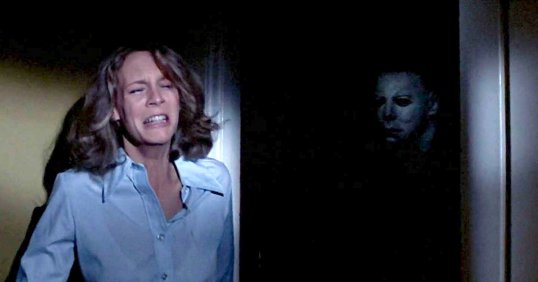
Halloween (1978, dir by John Carpenter, DP: Dean Cudney)
Dawn of the Dead (1978, dir by George Romero, DP: Michael Gornick)
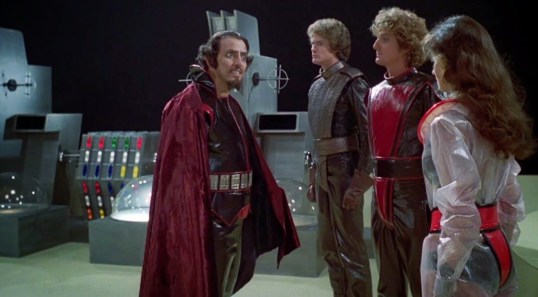
Starcrash (1978, dir by Luigi Cozzi, DP: Paul Beeson and Roberto D’Ettorre Piazzoli)
Salem’s Lot (1978, dir by Tobe Hooper, DP: Jules Bremmer)
4 Shots From 4 Films is just what it says it is, 4 shots from 4 of our favorite films. As opposed to the reviews and recaps that we usually post, 4 Shots From 4 Films is all about letting the visuals do the talking.
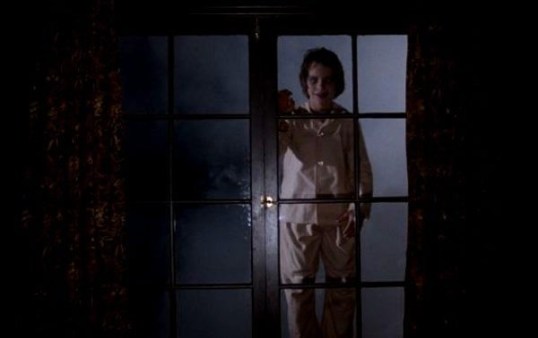
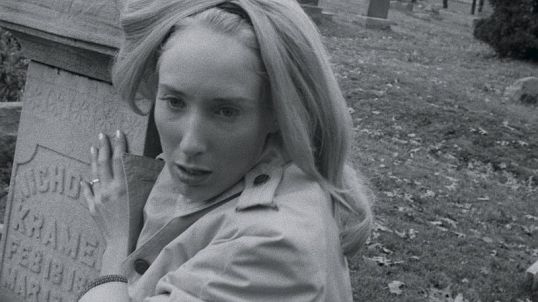
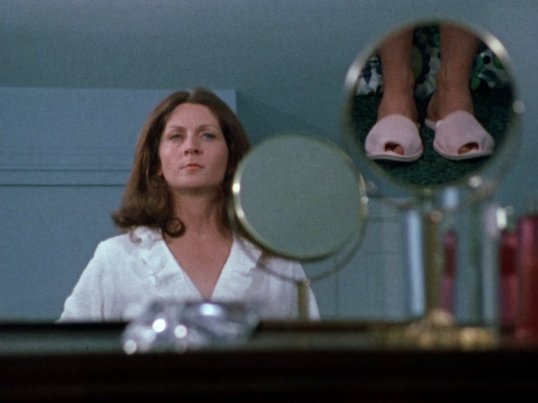
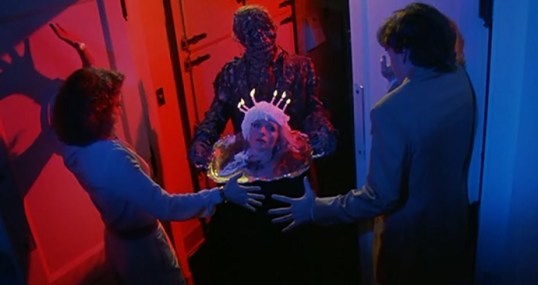
Today’s director is one of the most important names in the history of American horror cinema, George Romero!
4 Shots From 4 George Romero Films
Night of the Living Dead (1968, dir by George Romero, DP: George Romero)
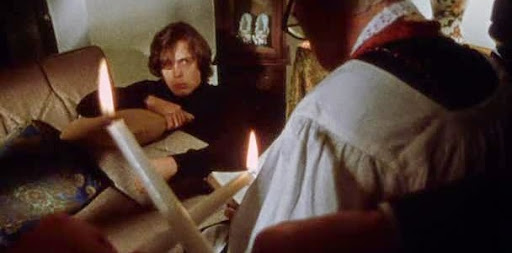
Season of the Witch (1973, dir by George Romero, DP: George Romero)
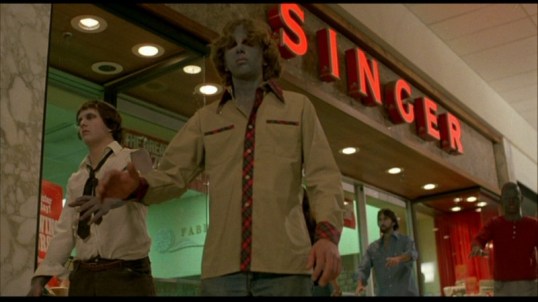
Dawn of the Dead (1978, dir by George Romero, DP: Michael Gornick)
Creepshow (1982, dir by George Romero, written by Stephen King, DP: Michael Gornick)


 Through the Shattered Lens