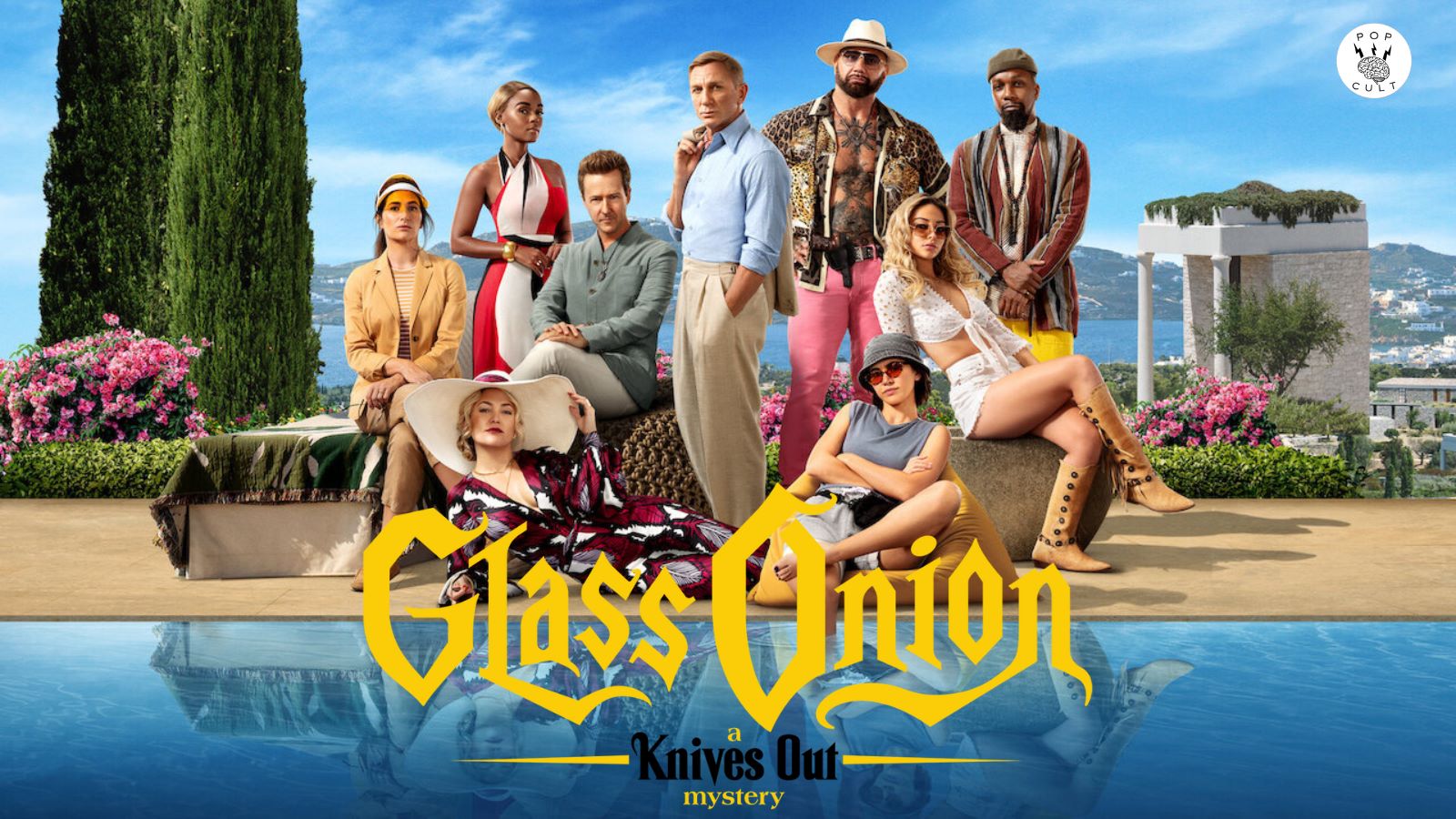
Review: Glass Onion: A Knives Out Mystery (dir. by Rian Johnson)


“Everyone loves a puzzle until it’s time to solve it.” — Benoit Blanc

Glass Onion: A Knives Out Mystery is a follow-up to the original Knives Out film, starring Daniel Craig as the ingenious detective Benoit Blanc. It builds on the premise of a murder mystery but wraps it inside a colorful, satirical commentary on wealth, influence, and the human condition. Set on the private island of a tech billionaire named Miles Bron, the story assembles a quirky cast of characters, all entangled in complicated relationships that unravel layer by layer. The casual tone of the movie masks a sharp, incisive look at the absurdities of the ultra-rich and the moral compromises they often make.

From the outset, Glass Onion shines with its clever blending of classic whodunit tropes and contemporary social critique. The gathering on the island is ostensibly for a murder mystery party, but the tension quickly escalates when the lines between game and reality blur. As detective Benoit Blanc begins to peel back the layers, it becomes clear that the story is much more than just a puzzle; it’s a reflection on fame, fortune, intellectual theft, and the lengths people will go to protect their reputations and secrets. The mystery itself is engrossing, delivering plenty of twists and turns that keep viewers guessing without feeling predictable.

The characters are vividly drawn, each embodying a certain archetype of privilege and excess, yet crafted with enough depth to avoid caricature. Miles Bron, in particular, captures the archetypal tech mogul—brash, arrogant, and unapologetically wealthy—but his flaws and vulnerabilities make him an intriguing focal point. His colorful group of friends each contribute their quirks and motives, creating a dynamic interplay that enriches the plot. Through their interactions, the film deftly explores themes of betrayal, sycophantic behavior, and the moral decay that can accompany unchecked power.

Edward Norton’s portrayal of Miles Bron has often been linked to Elon Musk, mostly because Bron’s flamboyant personality and billionaire tech mogul status seem reminiscent of Musk. However, director Rian Johnson and Norton himself have been clear that the character is not based specifically on Musk. Instead, Miles embodies the broader archetype of “tech bros”: exceedingly wealthy, extremely arrogant, and more than a bit sociopathic. Norton’s portrayal blends charm, obliviousness, and bravado, embodying this tech mogul stereotype more than mimicking any particular real-life figure. This approach allows the film to critique the broader billionaire culture, using Miles as a symbol of its excesses and absurdities, rather than targeting one individual.

A distinctive feature of Glass Onion is how it incorporates the reality of its production during the height of the COVID-19 lockdown. Set in May 2020, during global lockdowns, the film naturally weaves in social distancing and mask-wearing as part of its narrative fabric. This not only adds an element of authenticity but also becomes a device to reveal character traits—whether sincere compliance or performative adherence. The pandemic protocols also shaped production logistics, reducing extras and focusing tightly on the main cast, creating an intimate but tense atmosphere. By anchoring the isolation of its characters in a real-world health crisis, the film echoes classic mystery confinements while feeling relevant and immediate.

Emotional stakes in Glass Onion are amplified through Helen, who arrives on a personal mission to uncover the truth behind her sister’s death. Unlike many self-interested guests on the island, Helen represents a disruptive force challenging the privileged elite. Her story adds urgency and depth, highlighting themes of justice, accountability, and silence’s costs. This subplot weaves seamlessly into the larger narrative, enriching the mystery’s resolution with meaningful emotional weight.

Visually, the film dazzles with opulent settings and a vibrant color palette that amplify the sense of excess and detachment characterizing the guests’ lives. The private island itself almost becomes a character—a lush, insular playground where drama explodes amid luxury. Production design and cinematography balance whimsy with darker undertones, while costumes and set details root satire in an authentic world.

Craig returns as Benoit Blanc with a mix of charm, wit, and gravitas, anchoring the film amidst eccentric chaos. Blanc’s character delights as a master detective who enjoys intellectual puzzles but wrestles with moral questions. Meanwhile, the supporting cast gives nuanced performances that capture their characters’ complexities and motivations.

Narratively, Glass Onion triumphs by delivering an engaging mystery while embedding incisive social commentary on inequality and hypocrisy. The film compellingly probes how wealth and influence can obscure truth and the costs endured by those who confront power. The sharp, often humorous writing makes it both entertaining and thought-provoking.

Whether viewed casually or analyzed deeply, Glass Onion offers much to enjoy. Plot twists, sharp dialogues, visual style, and strong performances combine for an engrossing experience. At its core, the story emphasizes how the pursuit of personal gain can harm others, and reckoning with uncomfortable truths demands courage and sacrifice.

Ultimately, Glass Onion is a skillfully crafted, entertaining mystery that surpasses typical genre fare. It balances suspense, humor, and social critique naturally and compellingly. Cementing Rian Johnson’s success in the Knives Out franchise, it reclaims his reputation after the contentious backlash to The Last Jedi. While fan expectations proved insurmountable in that galaxy far, far away, Glass Onion confirms Johnson as a brilliant filmmaker capable of crafting sharp, layered stories. The film invites audiences to not only solve a crime but also reflect on integrity, power, and humanity’s search for justice and meaning. Its impact lingers long after the credits roll.

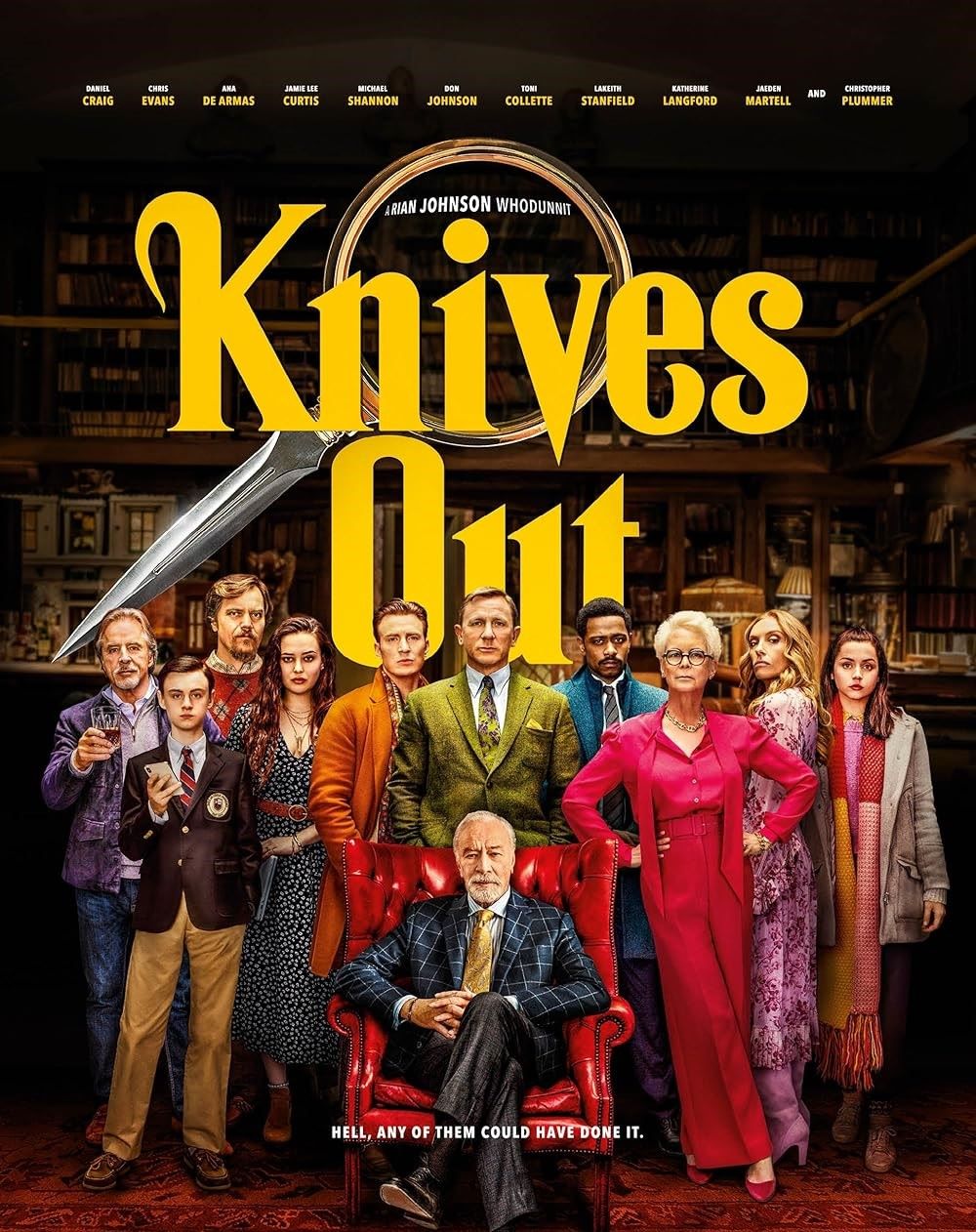
Review: Knives Out (dir. by Rian Johnson)


“The family is truly desperate. And when people get desperate, the knives come out.” — Benoit Blanc

After shaking up galaxies far, far away with Star Wars: The Last Jedi, Rian Johnson returned to solid ground in 2019 with Knives Out, a film so self-assured and inventive it practically felt like a director catching his breath while reminding the world what made him exciting in the first place. It was his first movie after that polarizing Star Wars entry, and he used the opportunity not to go bigger, but smarter—to take something intimate, character-driven, and refreshingly old-school and make it gleam again. Knives Out landed as a kind of palate cleanser for both him and the audience: a modern mystery that leaned into genre nostalgia while reinventing it with sharp humor and social bite. The result wasn’t just a change of pace—it was a confident display of craft from a filmmaker unbothered by his critics, operating with absolute control over every frame, every line, and every perfectly timed smirk.

The setup couldn’t be more classic: a wealthy family patriarch, Harlan Thrombey, turns up dead after his 85th birthday, leaving behind a tangled household of suspects, secrets, and strained smiles. His death looks like suicide, but something isn’t right. Enter Benoit Blanc, a Southern gentleman detective hired anonymously to snoop through the wreckage of lies and grievances. The scenario drips with vintage whodunit flavor, but Johnson’s genius lies in retooling that familiarity into something electrifyingly modern. The Thrombeys aren’t just eccentric millionaires—they’re avatars of American entitlement, each convinced of their own superiority while quietly dependent on the man they pretend to revere. By building his mystery around a clan that mirrors contemporary divisions of money, politics, and self-deception, Johnson injects wit and purpose into the genre without ever losing the fun of the game.

Jamie Lee Curtis plays the confident matriarch Linda, Michael Shannon the resentful son Walt, Toni Collette the spiritual grifter Joni, and Don Johnson the smirking son-in-law Richard—all of them playing heightened but recognizable shades of selfishness. Their sniping exchanges during the first act are among the film’s best sequences, packed with fast banter, political jabs, and casual hypocrisy. Johnson directs these moments like a verbal tennis match, letting personalities bounce and clash until the family’s shiny façade cracks enough for true frustrations to spill out. It’s sharp, funny, and chaotic, showing early on that no one in the Thrombey family is as self-made or self-aware as they claim to be.

Amid that colorful ensemble, the performance that most stunned audiences came from Chris Evans as Ransom Drysdale, Harlan’s playboy grandson and the family’s unapologetic black sheep. Coming off years of playing Marvel’s resolutely noble Steve Rogers, Evans dives into Ransom with visible glee, turning him into a figure of charm and mystery whose motives are never quite clear. He’s magnetic from the moment he appears—witty, cynical, a little dangerous—and Johnson clearly relishes using Evans’s clean-cut image to toy with expectations. Ransom strides into the story radiating confidence, but there’s a guarded, almost predatory intelligence behind his grin. His scenes crackle because the audience can’t quite decide where to place him: is he the rare Thrombey who sees through the family hypocrisy, or is he spinning his own kind of manipulation? That tension between self-awareness and deceit gives his every line an edge. Watching Evans in this role feels like a release for him and a thrill for viewers, a testament to both his range and Johnson’s intuitive casting.

Opposite that moral uncertainty stands Ana de Armas’s Marta Cabrera, Harlan’s kind and soft-spoken nurse who suddenly finds herself at the heart of the story. Marta grounds the entire film emotionally, her decency cutting through the Thrombeys’ arrogance like sunlight in a dusty room. She’s the migrant caretaker who everyone claims to love while casually condescending to, a detail Johnson uses to expose how often politeness masks prejudice. Marta’s inability to lie without vomiting, played initially for laughs, gradually becomes symbolic—a kind of moral honesty that makes her unique in a house ruled by deception. De Armas brings layered vulnerability to the role, balancing fear, guilt, and compassion with natural ease. Through her, Johnson turns the whodunit into something more human and emotionally resonant. She isn’t just a witness or a suspect; she’s the beating heart around which all the greed, paranoia, and privilege revolve.

Then there’s Daniel Craig’s Benoit Blanc, whose arrival shifts the film into another gear entirely. His Southern drawl—equal parts poetic and perplexing—sets the tone for what becomes one of Craig’s most playful performances. After years of portraying the stoic James Bond, he’s clearly having the time of his life as a detective who investigates with both intellect and intuition. Blanc operates less like a hard-nosed cop and more like a philosopher; he believes that solving a crime means understanding human weakness as much as evidence. His famous “donut hole” speech perfectly captures the balance Johnson strikes between earnestness and absurdity. Blanc may revel in his own melodrama, but he also brings heart to chaos, observing people’s contradictions without losing his sense of wonder. The result is a detective who’s less about revelation and more about revelation’s moral cost.

Visually, Knives Out belongs to a rare category of films that are so meticulously crafted they could be paused at any frame and still look compelling. Johnson and cinematographer Steve Yedlin transform Harlan’s mansion into a breathing character—an architectural echo chamber of secrets. The walls are lined with strange trinkets, elaborate paintings, and heavy mahogany furniture that suggest old money’s suffocating weight. There’s something both cozy and claustrophobic about the space, which mirrors the tension between family warmth and poisonous resentment. The camera glides through it with purpose, lingering on small details that gain meaning later, and the autumn-colored palette—deep reds, browns, and golds—wraps everything in an inviting melancholy. It’s as much a visual experience as it is a narrative one, and few modern mysteries feel as tactile.

Johnson’s writing keeps that sense of precision. The plot unfolds like clockwork, but the mechanics never feel mechanical. Instead, he keeps viewers off-balance by blending humor with genuine suspense. Instead of relying entirely on high-stakes twists, Johnson builds tension through empathy, giving us access to characters’ doubts and stakes rather than just their clues. The result is a mystery that keeps the audience guessing in emotional and moral dimensions, not just logical ones. Every revelation says as much about character as it does about the crime.

Underneath the quick humor and ornate mystery structure, Knives Out doubles as a satire of class and entitlement. Johnson sketches the Thrombeys as people who talk endlessly about fairness, morality, and self-reliance yet collapse into panic when their material comfort is threatened. Through them, he captures a peculiar American irony: the people most obsessed with earning their status are often those most insulated from real struggle. When the family gathers to argue over wealth and loyalty, Johnson doesn’t need to exaggerate—they expose themselves with every smug phrase and self-justified rant. It’s social commentary that’s biting but never heavy-handed because it plays out through personality instead of sermon.

Nathan Johnson’s score carries the story forward with playful precision, shifting from tension to whimsy in sync with the characters’ shifting loyalties. There’s something almost dance-like about the film’s rhythm: scenes of laughter can spiral into confession, and interrogations can dissolve into comedy without losing a beat. The editing supports that agility, cutting crisply between overlapping dialogue and close-ups that reveal just enough expression to keep us alert. Johnson’s sense of pacing feels theatrical in the best way—it’s about timing and tone rather than spectacle.

As with many of Rian Johnson’s works, contradiction fuels the story’s appeal. Knives Out is cynical about human greed but oddly hopeful about individual decency. It mocks arrogance but rewards empathy. Even when it toys with genre clichés, it does so out of affection, not scorn. Johnson clearly understands that mystery storytelling is as much about character and morality as deduction, and he uses humor and chaos as tools to explore who people become under pressure. The movie’s sophistication lies in how effortless it feels—its layers unfold smoothly, but the craft behind them is razor sharp.

The film’s ending closes with a visual that redefines power without needing words. After a story filled with deceit, pretension, and the scramble to control a legacy, it concludes on an image that says everything about perspective—who actually holds the moral high ground and how quietly dignity can win. Like the rest of the movie, it’s both playful and pointed, leaving you smiling while still turning the characters’ behavior over in your mind.

Looking back, Knives Out stands as a defining moment in Rian Johnson’s career. After the spectacle and dialogue storms of The Last Jedi, this lean, ensemble-driven mystery reaffirmed his strengths as a writer-director who thrives on structure, rhythm, and human contradictions. It’s a film that takes as much pleasure in observation as revelation, brimming with sly humor and performances that sparkle across the moral spectrum. Anchored by Ana de Armas’s poignant sincerity, Daniel Craig’s eccentric brilliance, and Chris Evans’s unpredictable charisma, it became one of the most purely enjoyable movies of its time. Witty without pretense, political without lecturing, and perfectly balanced between cynicism and heart, Knives Out remains proof that the old whodunit can still cut deep—and that Rian Johnson’s sharpest weapon is still his storytelling.

Wake Up Dead Man: A Knives Out Mystery Trailer


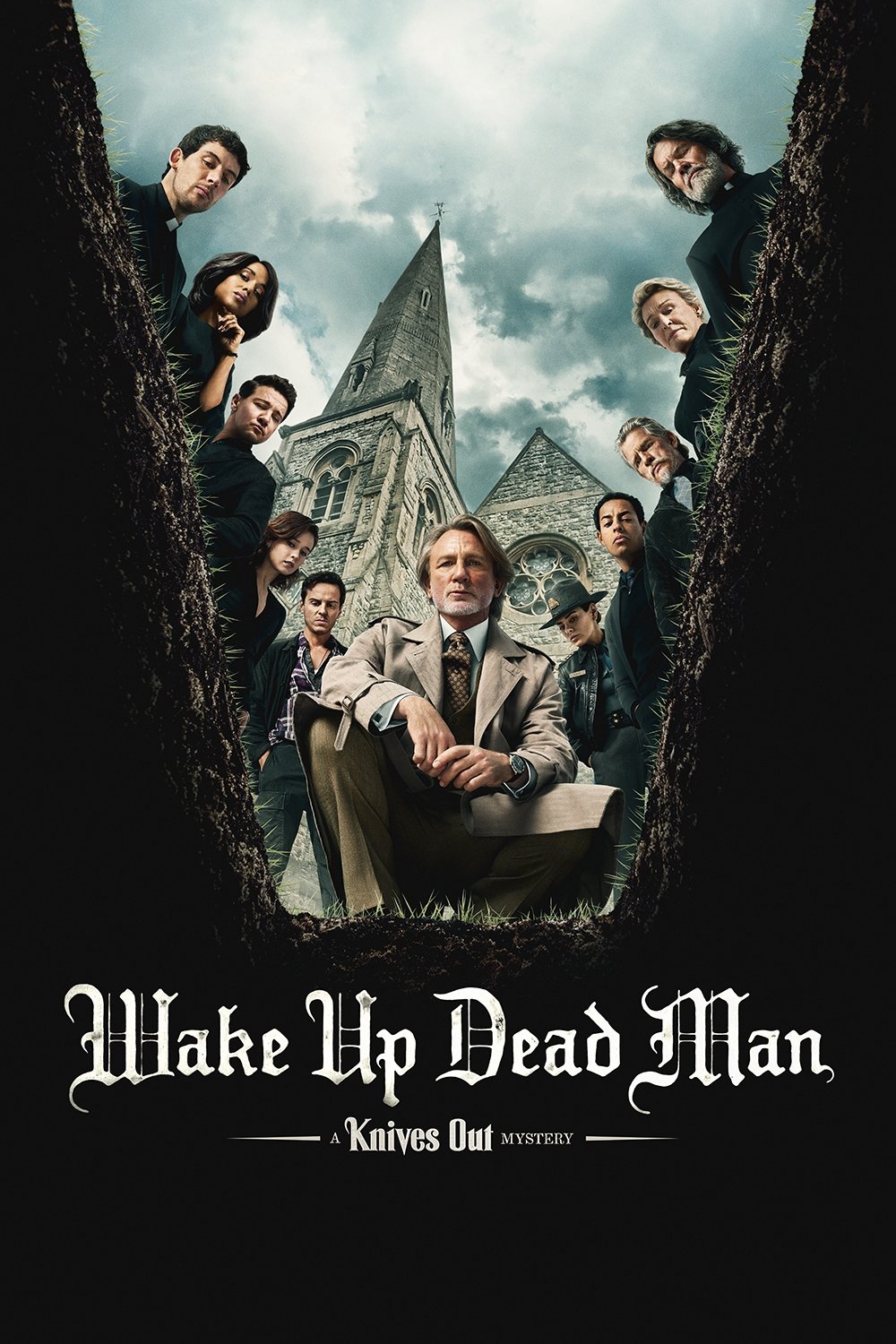
Wake Up Dead Man: A Knives Out Mystery is the third movie in Rian Johnson’s fun and twisty murder mystery series. Daniel Craig is back as the sharp detective Benoit Blanc, who’s got his work cut out for him with a seemingly impossible case this time. The movie is set in a small-town church with some pretty creepy secrets, and Blanc teams up with a young priest to crack the case. The cast is packed with great talent like Josh O’Connor, Glenn Close, Josh Brolin, Mila Kunis, Jeremy Renner, and Kerry Washington, so there’s a lot of star power mixed with sharp writing and those clever twists Johnson’s known for.

The movie mixes mystery, drama, and a bit of dark humor while diving into themes like faith, secrets, and lies. Benoit Blanc has to navigate a tangled web of hidden motives and dark pasts—all wrapped in the spooky atmosphere of the church and its community.

It’s dropping in theaters on November 26, 2025, and then hitting Netflix worldwide on December 12, so it’s definitely one to keep an eye out for whether you’re already a fan or just love a good whodunnit.

Scenes That I Love: The Underground Chaos From Skyfall


Today, the Shattered Lens wishes a happy birthday to director Sam Mendes!

Now, it’s true that Sam Mendes won an Oscar for directing American Beauty and he probably came close to winning a second one for his work on 1917.  However, my favorite Mendes film remains Skyfall.  Skyfall is one of the best of the Bond films and I say this as someone who was never really a fan of Daniel Craig’s mopey interpretation of the character.  Based on his previous films, Sam Mendes may not have been the first name that come to mind when people talked about someone who could make a great Bond film but, with Skyfall, he did just that.

Here, in a scene that I love, James Bond pursues Silva (Javier Bardem) through the London Underground.  It’s very suspenseful, very droll, and, most importantly, very British.

Lisa Marie’s Final 2024 Oscar Predictions


The Oscar nominations are due to be announced tomorrow so I guess I should post my final predictions.  2024 has been a rough year for me and my sisters.  Our Dad was in a car accident in May and, after two months of physical rehab, passed away in August while in home hospice care.  Needless to say, going to the movies was the last thing on my mind for much of 2024.

(I’m very thankful that my fellow contributors who kept the site going during our frequent absences.  Their hard work not only kept TSL alive but it also rekindled my own passion for the Shattered Lens.  I am still very much in mourning but writing for this site and sharing my thoughts with our readers has definitely helped me to regain some semblance of stability.)

So, there’s a lot of Oscar hopefuls that I have not seen.  That’s one reason why I haven’t done a best of 2024 list this year or my usual “If Lisa Marie Had All The Power” posts because there’s still a lot that I need to watch.  (I may publish them at some point in February, by which point everyone will have moved on but it will make me feel happy.)  I’m flying blind here with a lot of the potential nominees.  But I’ve been following the guilds and the critic awards and I feel reasonably confident about the predictions below.

Tomorrow morning, we’ll find out how right or wrong I am.

Best Picture

Anora

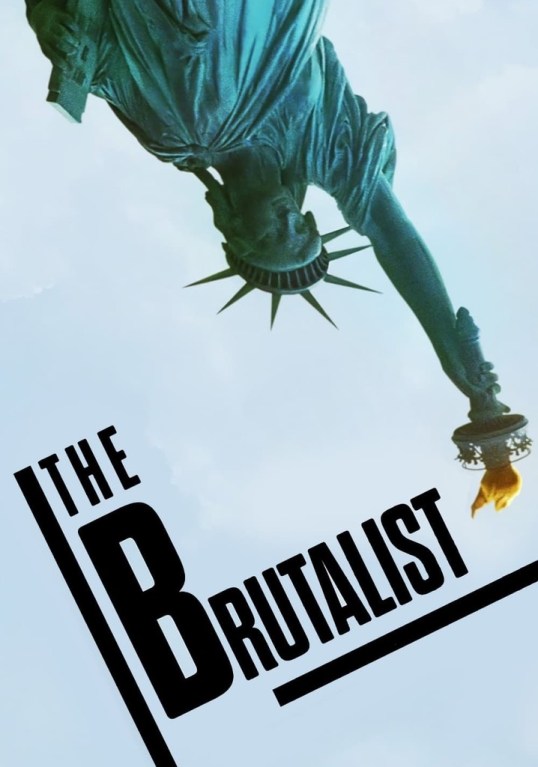
The Brutalist

A Complete Unknown

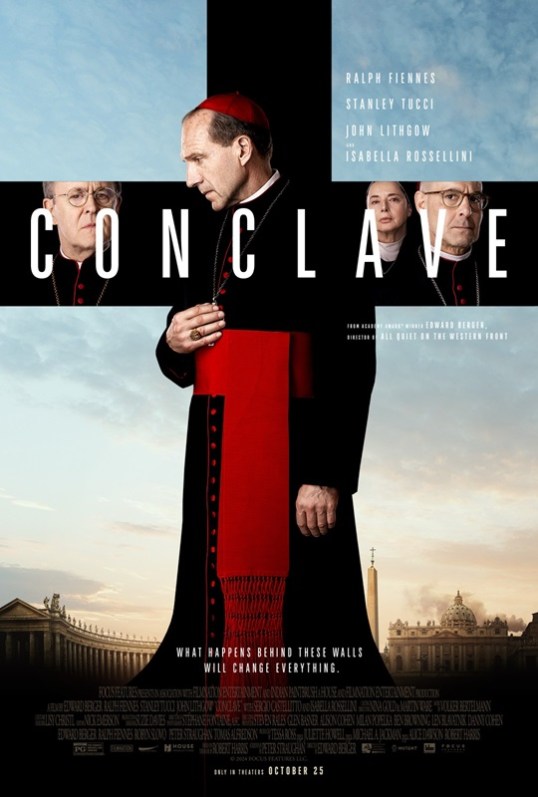
Conclave

Dune Part II

The Brutalist

A Real Pain

September 5

The Substance

Wicked

Best Director

Jacques Audiard for Emilia Perez

Sean Baker for Anora

Edward Berger for Conclave

Brady Corbet for The Brutalist

Coralie Fargeat for The Substance

Best Actress

Pamela Anderson in The Last Showgirl

Cynthia Erivo in Wicked

Karla Sofia Gascon in Emilia Perez

Mikey Madison in Anora

Demi Moore for in Substance

Best Actor

Adrien Brody in The Brutalist

Timothee Chalamet in A Compete Unknown

Domingo Colman in Sing Sing

Daniel Craig in Queer

Ralph Fiennes in Conclave

Best Supporting Actress

Jamie Lee Curtis in The Last Showgirl

Ariana Grande in Wicked

Margaret Qualley in The Substance

Isabella Rossellini in Conclave

Zoe Saldana in Emilia Perez

Best Supporting Actor

Yura Borisov in Anora

Kieran Culkin in A Real Pain

Edward Norton in A Complete Unknown

Guy Pearce in The Brutalist

Jeremy Strong in The Apprentice

Here Are The 2025 SAG Nominations


Due to the catastrophic wildfires currently burning in California, Tte Screen Actors Guild dispensed with their usual big nominations announcement and instead sent out a simple press release their morning.

Here are the SAG’s film nominations.  The SAG is a usually pretty good precursor so the folks who were celebrating the victory of the Brutalist on Sunday night have a bit less to celebrate today.  That said, the 2,0000-person nominating committee appear to have really liked The Last Showgirl.  Let’s keep Pamela Anderson’s Oscar hopes alive!

Outstanding Performance by a Male Actor in a Leading Role
ADRIEN BRODY / László Tóth – “THE BRUTALIST”
TIMOTHÉE CHALAMET / Bob Dylan – “A COMPLETE UNKNOWN”
DANIEL CRAIG / William Lee – “QUEER”
COLMAN DOMINGO / Divine G – “SING SING”
RALPH FIENNES / Lawrence – “CONCLAVE”

Outstanding Performance by a Female Actor in a Leading Role
PAMELA ANDERSON / Shelly – “THE LAST SHOWGIRL”
CYNTHIA ERIVO / Elphaba – “WICKED”
KARLA SOFÍA GASCÓN / Emilia/Manitas – “EMILIA PÉREZ”
MIKEY MADISON / Ani – “ANORA”
DEMI MOORE / Elisabeth – “THE SUBSTANCE”

Outstanding Performance by a Male Actor in a Supporting Role
JONATHAN BAILEY / Fiyero – “WICKED”
YURA BORISOV / Igor – “ANORA”
KIERAN CULKIN / Benji Kaplan – “A REAL PAIN”
EDWARD NORTON / Pete Seeger – “A COMPLETE UNKNOWN”
JEREMY STRONG / Roy Cohn – “THE APPRENTICE”

Outstanding Performance by a Female Actor in a Supporting Role
MONICA BARBARO / Joan Baez – “A COMPLETE UNKNOWN”
JAMIE LEE CURTIS / Annette – “THE LAST SHOWGIRL”
DANIELLE DEADWYLER / Berniece – “THE PIANO LESSON”
ARIANA GRANDE / Galinda/Glinda – “WICKED”
ZOE SALDAÑA / Rita – “EMILIA PÉREZ”

Outstanding Performance by a Cast in a Motion Picture
A COMPLETE UNKNOWN
MONICA BARBARO / Joan Baez
NORBERT LEO BUTZ / Alan Lomax
TIMOTHÉE CHALAMET / Bob Dylan
ELLE FANNING / Sylvie Russo
DAN FOGLER / Albert Grossman
WILL HARRISON / Bobby Neuwirth
ERIKO HATSUNE / Toshi Seeger
BOYD HOLBROOK / Johnny Cash
SCOOT MCNAIRY / Woody Guthrie
BIG BILL MORGANFIELD / Jesse Moffette
EDWARD NORTON / Pete Seeger

ANORA
YURA BORISOV / Igor
MARK EYDELSHTEYN / Ivan
KARREN KARAGULIAN / Toros
MIKEY MADISON / Ani
ALEKSEY SEREBRYAKOV / Nikolai Zakharov
VACHE TOVMASYAN / Garnick

CONCLAVE
SERGIO CASTELLITTO / Tedesco
RALPH FIENNES / Lawrence
JOHN LITHGOW / Tremblay
LUCIAN MSAMATI / Adeyemi
ISABELLA ROSSELLINI / Sister Agnes
STANLEY TUCCI / Bellini

EMILIA PÉREZ
KARLA SOFÍA GASCÓN / Emilia/Manitas
SELENA GOMEZ / Jessi
ADRIANA PAZ / Epifania
ZOE SALDAÑA / Rita

WICKED
JONATHAN BAILEY / Fiyero
MARISSA BODE / Nessarose
PETER DINKLAGE / Dr. Dillamond
CYNTHIA ERIVO / Elphaba
JEFF GOLDBLUM / The Wonderful Wizard of Oz
ARIANA GRANDE / Galinda/Glinda
ETHAN SLATER / Boq
BOWEN YANG / Pfannee
MICHELLE YEOH / Madame Morrible

Outstanding Action Performance by a Stunt Ensemble in a Motion Picture
DEADPOOL & WOLVERINE
DUNE: PART TWO
THE FALL GUY
GLADIATOR II
WICKED

Conclave Wins In North Carolina


The North Carolina Film Critics Association has announced its picks for the best of 2024!

BEST NARRATIVE FILM
Anora
The Brutalist
Challengers
Civil War
Conclave
Dune: Part Two
I Saw the TV Glow
Nickel Boys
Nosferatu
The Substance

BEST DOCUMENTARY FILM
Dahomey
No Other Land
Sugarcane
Super/Man: The Christopher Reeve Story
Will & Harper

BEST ANIMATED FILM
Flow
Inside Out 2
Memoir of a Snail
Transformers One
The Wild Robot

BEST FOREIGN LANGUAGE FILM
All We Imagine As Light
Emilia Pérez
Evil Does Not Exist
I’m Still Here
The Seed of the Sacred Fig

BEST DIRECTOR
Brady Corbet – The Brutalist
Coralie Fargeat – The Substance
Luca Guadagnino – Challengers
RaMell Ross – Nickel Boys
Denis Villeneuve – Dune: Part Two

BEST ACTOR
Adrien Brody – The Brutalist
Timothée Chalamet – A Complete Unknown
Daniel Craig – Queer
Colman Domingo – Sing Sing
Ralph Fiennes – Conclave

BEST ACTRESS
Cynthia Erivo – Wicked
Marianne Jean-Baptiste – Hard Truths
Mikey Madison – Anora
Demi Moore – The Substance
Zendaya – Challengers

BEST SUPPORTING ACTOR
Yura Borisov – Anora
Kieran Culkin – A Real Pain
Chris Hemsworth – Furiosa: A Mad Max Saga
Clarence Maclin – Sing Sing
Denzel Washington – Gladiator II

BEST SUPPORTING ACTRESS
Aunjanue Ellis-Taylor – Nickel Boys
Ariana Grande – Wicked
Felicity Jones – The Brutalist
Katy O’Brian – Love Lies Bleeding
Margaret Qualley – The Substance
Isabella Rossellini – Conclave

BEST VOCAL PERFORMANCE IN ANIMATION OR MIXED MEDIA
Kevin Durand – Kingdom of the Planet of the Apes
Lupita Nyong’o – The Wild Robot
Maya Hawke – Inside Out 2
Pedro Pascal – The Wild Robot
Sarah Snook – Memoir of a Snail

BEST ACTING ENSEMBLE
Conclave

Dune: Part Two
Saturday Night
Sing Sing
Wicked

BEST ORIGINAL SCREENPLAY
A Different Man
Anora
The Brutalist
Challengers
The Substance

BEST ADAPTED SCREENPLAY
Conclave

Dune: Part Two
Nickel Boys
Nosferatu
Sing Sing

BEST CINEMATOGRAPHY
Challengers
Dune: Part Two
Nickel Boys
Nosferatu
The Brutalist

BEST EDITING
Anora
Challengers
Conclave
Dune: Part Two
Nickel Boys

BEST COSTUME DESIGN
Conclave
Dune: Part Two
Furiosa: A Mad Max Saga
Nosferatu
Wicked

BEST HAIR AND MAKEUP
A Different Man
Dune: Part Two
Nosferatu
The Substance
Wicked

BEST PRODUCTION DESIGN
The Brutalist
Dune: Part Two
Furiosa: A Mad Max Saga
Nosferatu
Wicked

BEST SCORE
The Brutalist
Challengers
Conclave
Nosferatu
The Wild Robot

BEST ORIGINAL SONG
“Compress/Repress” – Challengers

“El Mal” – Emilia Pérez
“Harper and Will Go West” – Will & Harper
“Kiss the Sky” – The Wild Robot
“Like a Bird” – Sing Sing

BEST SOUND DESIGN
Challengers
Civil War
Dune: Part Two
Nosferatu
Wicked

BEST SPECIAL EFFECTS
Dune: Part Two

Furiosa: A Mad Max Saga
Kingdom of the Planet of the Apes
Nosferatu
The Substance

BEST STUNT COORDINATION
Dune: Part Two
The Fall Guy
Furiosa: A Mad Max Saga
Gladiator II
Monkey Man

DIRECTORIAL DEBUT
Vera Drew – The People’s Joker
Francis Galluppi – The Last Stop in Yuma County
Zoë Kravitz – Blink Twice
Josh Margolin – Thelma
Sean Wang – Dìdi (弟弟)
Malcolm Washington – The Piano Lesson

BREAKTHROUGH PERFORMANCE
Carlos Diehz – Conclave
Clarence Maclin – Sing Sing
Mikey Madison – Anora
Katy O’Brian – Love Lies Bleeding
Adam Pearson – A Different Man

LIFETIME ACHIEVEMENT: Cinematography
Roger Deakins

Christopher Doyle
Greig Fraser
Emmanuel Lubezki
Hoyte van Hoytema

KEN HANKE MEMORIAL TAR HEEL AWARD
Stephen McKinley Henderson – Civil War
Jeff Nichols (Director) – The Bikeriders
Margaret Qualley – The Substance
Hunter Schafer – Cuckoo
Drew Starkey – Queer

Here Are The 2024 Nominations of the Minnesota Film Critics Association!


The Minnesota Film Critics Association has announced its nominees for the best of 2024.  The winners will be announced on January 10th.

Best Picture
The Brutalist
Challengers
Conclave
Dune: Part Two
The Substance

Best Director
Sean Baker – Anora
Brady Corbet – The Brutalist
Coralie Fargeat – The Substance
Luca Guadagnino – Challengers
Denis Villeneuve – Dune: Part Two

Best Actor
Adrien Brody as László Tóth – The Brutalist
Timothée Chalamet as Bob Dylan – A Complete Unknown
Daniel Craig as William Lee – Queer
Colman Domingo as John “Divine G” Whitfield – Sing Sing
Ralph Fiennes as Thomas Cardinal Lawrence – Conclave

Best Actress
Cynthia Erivo as Elphaba Thropp – Wicked
Marianne Jean-Baptiste as Pansy – Hard Truths
Mikey Madison as Anora “Ani” Mikheeva – Anora
Demi Moore as Elisabeth Sparkle – The Substance
Zendaya as Tashi Duncan – Challengers

Best Supporting Actor
Yura Borisov as Igor – Anora
Kieran Culkin as Benji Kaplan – A Real Pain
Clarence Maclin as Himself – Sing Sing
Edward Norton as Pete Seeger – A Complete Unknown
Guy Pearce as Harrison Lee Van Buren – The Brutalist

Best Supporting Actress
Ariana Grande as Galinda Upland – Wicked
Felicity Jones as Erzsébet Tóth – The Brutalist
Margaret Qualley as Sue – The Substance
Isabella Rossellini as Sister Agnes – Conclave
Zoe Saldaña as Rita Mora Castro – Emilia Pérez

Best Ensemble
Challengers
Conclave
Dune: Part Two
Saturday Night
Sing Sing

Best Adapted Screenplay
Conclave – Peter Straughan
Dune: Part Two – Denis Villeneuve, Jon Spaihts
Nickel Boys – RaMell Ross, Joslyn Barnes
Sing Sing – Clint Bently, Greg Kwedar
Wicked – Winnie Holzman, Dana Fox

Best Original Screenplay
Anora – Sean Baker
The Brutalist – Brady Corbet, Mona Fastvold
Challengers – Justin Kurtizkes
A Real Pain – Jesse Eisenberg
The Substance – Coralie Fargeat

Best Film Editing
The Brutalist
Challengers
Conclave
Dune: Part Two
Furiosa: A Mad Max Saga

Best Cinematography
The Brutalist
Challengers
Conclave
Dune: Part Two
Nosferatu

Best Music
The Brutalist
Challengers
Conclave
Dune: Part Two
Wicked

Best Costume Design
Conclave
Dune: Part Two
Furiosa: A Mad Max Saga
Nosferatu
Wicked

Best Makeup and Hairstyling
A Different Man
Furiosa: A Mad Max Saga
Nosferatu
The Substance
Wicked

Best Production Design
The Brutalist
Dune: Part Two
Furiosa: A Mad Max Saga
Nosferatu
Wicked

Best Sound
Challengers
A Complete Unknown
Dune: Part Two
Furiosa: A Mad Max Saga
The Substance

Best Special Effects
Alien: Romulus
Dune: Part Two
Furiosa: A Mad Max Saga
Kingdom Of The Planet Of The Apes
The Substance

Best Stunt Choreography
Deadpool & Wolverine
Dune: Part Two
The Fall Guy
Furiosa: A Mad Max Saga
Gladiator II

Best International Feature
The Beast – France, Canada
Emilia Pérez – France
Evil Does Not Exist – Japan
Flow – Belgium, France, Latvia
The Seed Of The Sacred Fig – Iran, Germany, France

Best Animated Feature
Flow
Inside Out 2
Memoir Of A Snail
Transformers One
The Wild Robot

Lisa Marie’s Oscar Predictions For December


With the 2024 coming to a close and awards season in full swing, the Oscar race has become a lot clearer.  For the last time this year, here are my monthly Oscar predictions!

Be sure to check out my predictions for AprilMayJuneJuly, August,  September, October, and November!

Best Picture

Anora

The Brutalist

A Complete Unknown

Conclave

Dune Part Two

Emilia Perez

Nickel Boys

Sing Sing

The Substance

Wicked

Best Director

Sean Baker for Anora

Brady Corbet for The Brutalist

Coralie Fargeat for The Substance

RaMell Ross for Nickel Boys

Denis Villeneuve for Dune Part Two

Best Actor

Adrien Brody in The Brutalist

Timothee Chalamet in A Complete Unknown

Daniel Craig in Queer

Colman Domingo in Sing Sing

Ralph Fiennes in Conclave

Best Actress

Cynthia Erivo in Wicked

Marianne Jean-Baptiste in Hard Truths

Mikey Madison in Anora

Demi Moore in The Substance

Kate Winlset in Lee

Best Supporting Actor

Yura Borisov in Anora

Kieran Culkin in A Real Pain

Edward Norton in A Complete Unknown

Guy Pearce in The Brutalist

Denzel Washington in Gladiator Part II

Best Supporting Actress

Aunjanue Ellis-Taylor in Nickel Boys

Ariana Grande in Wicked

Felicity Jones in The Brutalist

Margaret Qualley in The Substance

Zoe Saldana in Emilia Perez

Anora Wins In North Texas


The North Texas Film Critics Association has announced its picks for the best of 2024!

BEST PICTURE
Anora
The Brutalist
Conclave
Dune: Part Two
Sing Sing

BEST ACTOR
Adrien Brody – The Brutalist
Ralph Fiennes – Conclave
Timothée Chalamet – A Complete Unknown
Colman Domingo – Sing Sing
Daniel Craig – Queer

BEST ACTRESS
Cynthia Erivo – Wicked
Mikey Madison – Anora
Demi Moore – The Substance
Pamela Anderson – The Last Showgirl
Anya Taylor-Joy – Furiosa: A Mad Max Saga

BEST SUPPORTING ACTOR
Kieran Culkin – A Real Pain
Guy Pearce – The Brutalist
Clarence Maclin – Sing Sing
Edward Norton – A Complete Unknown
Yura Borisov – Anora

BEST SUPPORTING ACTRESS
Isabella Rossellini – Conclave
Ariana Grande – Wicked
Aunjanue L. Ellis-Taylor – Nickel Boys
Zoe Saldana – Emilia Pérez
Felicity Jones – The Brutalist

BEST DIRECTOR
Sean Baker – Anora
Brady Corbet – The Brutalist
Coralie Fargeat – The Substance
Denis Villeneuve – Dune: Part Two
RaMell Ross – Nickel Boys

BEST FOREIGN LANGUAGE FILM
The Seed Of The Sacred Fig (Germany) (TIE)
Flow (Latvia) (TIE)
Kneecap (Ireland)
I’m Still Here (Brazil)
All We Imagine As Light (an international co-production involving companies from France, India, the Netherlands, Luxembourg, and Italy)

BEST DOCUMENTARY
The Remarkable Life of Ibelin
Sugarcane
Will & Harper
Daughters
Super/Man: The Christopher Reeve Story

BEST ANIMATED FILM
The Wild Robot
Memoir Of A Snail
Inside Out 2
Flow
Transformers One

BEST CINEMATOGRAPHY
Jarin Blaschke – Nosferatu
Stéphane Fontaine – Conclave
Lol Crawley – The Brutalist
Greig Fraser – Dune: Part Two
John Mathieson – Gladiator II
Jomo Fray – Nickel Boys

BEST NEWCOMER
Marissa Bode – Wicked
Ethan Herisse – Nickel Boys
Clarence Maclin – Sing Sing
Vera Drew – The People’s Joker
Aaron Pierre – Rebel Ridge

BEST SCREENPLAY
Sean Baker – Anora
Brady Corbet & Mona Fastvold – The Brutalist
RaMell Ross & Joslyn Barnes – Nickel Boys
Coralie Fargeat – The Substance
Jesse Eisenberg – A Real Pain

GARY MURRAY AWARD (Best Ensemble)
Conclave
Saturday Night
Sing Sing
Wicked
Dune: Part Two