I’m a big fan of the South Korean actor, Choi Min-sik, especially due to his performance in the film OLDBOY (2003). I remember buying the foreign DVD when the movie came out. I had a region-free DVD player so I was able to watch it back in the early 2000’s before everyone else knew about it. Back in those days, it felt like I knew something that nobody else knew, and it was pretty awesome. Choi would soon go on to star in movies like LADY VENGEANCE (2005) and I SAW THE DEVIL (2010), cementing himself as an icon. On his 64th birthday, I invite you to celebrate this fight scene from his legendary performance in OLDBOY!
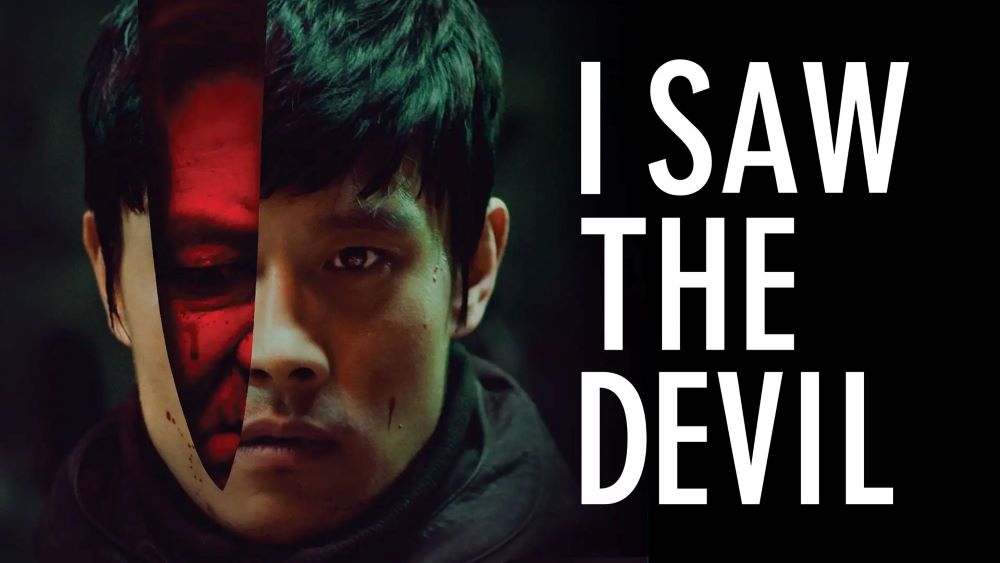
I Saw the Devil (2010) is a film that refuses to play by the rules of typical revenge thrillers. Instead, it pushes the boundaries into some of the most brutal and unflinching territory South Korean cinema has to offer. Directed by Kim Ji-woon, the movie blends elements of horror and psychological thriller, creating a hybrid that’s as disturbing as it is compelling. Much like Kingdom, it blurs the lines between genres—what starts as a revenge story quickly morphs into something darker and more extreme, turning familiar tropes into a raw exploration of evil’s destructive power.
The story follows Soo-hyeon (Lee Byung-hun), an intelligence agent whose fiancée becomes the victim of a sadistic serial killer named Kyung-chul (Choi Min-sik). Instead of a straightforward pursuit of justice, Soo-hyeon dives into a nightmarish game of cat and mouse. His goal? To inflict suffering on Kyung-chul in return, not for closure but for unleashing a kind of revenge that is almost self-destructive. Repeatedly capturing and releasing Kyung-chul, Soo-hyeon becomes trapped in a cycle of violence that steadily erodes his moral boundaries.
That cyclical pattern forms the backbone of the film, adding a rhythm that oscillates between moments of calm and bursts of brutal violence. Scenes of horror are often tinged with dark humor, adding an unsettling layer to the narrative. One standout moment occurs in a remote farmhouse, where Kyung-chul meets his twisted friend Tae-joo, a cannibalistic serial killer who treats violence like a casual dinner conversation. This scene exemplifies the film’s unsettling ability to find morbid humor in the most horrific circumstances, emphasizing how evil—when normalized—becomes almost banal.
Choi Min-sik’s performance in I Saw the Devil is chilling, showcasing his ability to embody pure evil. It’s a stark contrast to his role in Oldboy, where he played Oh Dae-su, a man seeking revenge for his own suffering. Here, Choi’s Kyung-chul is the embodiment of savagery—an inhuman predator with no remorse, no moral compass, just pure chaos. The role reversal highlights the incredible range of an actor whose presence can turn the screen into a nightmare. This flip from sympathetic avenger to monstrous villain makes the film’s exploration of morality even more compelling.
The film’s approach to violence is unabashed and graphic. Scenes of sexual assault, torture, and murder are depicted in unflinching detail, sparking inevitable debates about whether it’s gratuitous or necessary. Kim Ji-woon doesn’t hold back — he wants you to feel the full weight of evil in its most visceral form. This isn’t horror for shock’s sake; it’s a brutal mirror held up to the darker sides of human nature, exploring how unchecked vengeance can corrupt and destroy everything in its path.
Beyond the violence, I Saw the Devil probes deeper questions about morality and obsession. Soo-hyeon’s transformation from devastated lover to relentless avenger is portrayed with subtlety—they’re not just chasing a killer; they’re unraveling themselves. Lee Byung-hun brings a quiet intensity to his role, capturing the tragic descent into obsession and madness. The film makes you ask: how far can you go to punish someone before you become what you hate? And is vengeance ever truly justified? These aren’t easy questions, but I Saw the Devil forces you to sit with them.
Visually, the film is bleak and cold—mirroring its themes of alienation and moral decay. Kim Ji-woon keeps things straightforward, focusing on clear visuals that highlight the starkness of both urban and rural settings. The action scenes are brutal but precise, often choreographed with a sense of dark beauty that enhances their impact. The pacing is tight—about two hours—delivering a relentless story that never quite lets go of the tension.
The soundtrack and sound design don’t overshadow the visuals but add to the sense of dread. Quiet moments are ominous; violent sequences are thunderous, immersing viewers fully into this nightmare landscape. Every detail, from lighting to camera angles, emphasizes the film’s mood: raw and unsettling from start to finish.
The themes extend beyond personal revenge, touching on broader issues of societal trauma and the cyclical nature of violence. Korea’s history of brutal trauma and social upheaval echoes in the film’s exploration of how wounds—personal or national—can perpetuate more violence if left unresolved. It’s a brutal reminder that revenge can become a self-fulfilling prophecy, devouring everyone involved.
But make no mistake: I Saw the Devil is a challenging film. It doesn’t shy away from explicit content or disturbing themes. It’s brutal, unrelenting, and sometimes hard to watch. But that’s its power. It forces viewers out of their comfort zones and confronts uncomfortable truths about justice, evil, and our capacity for cruelty.
I Saw the Devil is a landmark in Korean cinema—an uncompromising look at revenge as a corrosive force. Its fusion of extreme horror and psychological drama creates a haunting experience that stays with you long after the credits roll. It’s not just a revenge story; it’s a primal reflection on what it means to be human—and what it costs to seek vengeance in a world full of monsters.
With August 23, 2015 winding down I thought it was time to wish South Korean auteur filmmaker Park Chan-wook a happy birthday.
His films have been lauded both in his home country and worldwide. He has recently made his way into finally making a film in Hollywood with the 2013 psychological horror film Stoker. So, while people enjoy his first foray into the the Hollywood film system I thought it best to remind everyone that Park Chan-wook was already a great filmmaker before making the big leap across the Pacific.
The month of January has always been a slow one in regards to quality films being released in the theaters, but this weekend a good one comes out with Joe Carnahan’s latest, The Grey. I plan to see this film over the weekend, but tonight I decided to pass the time and feel better from a bout of the flu by watching one of my favorite films of the past decade: Park Chan-wook’s Oldboy.
The latest “Scenes I Love” pick takes a scene from this classic film of revenge. It’s a scene where we have our film’s protagonist, Oh Dae-su, tracking down one of those responsible for keeping him locked up for 15-years without reason or cause. The scene starts off with some DIY dental work that still makes me cringe every time I see it. Once Oh Dae-su finishes with said dental work he has to get through a gauntlet of thugs and goons with just a claw hammer.
This scene is not just great because of how action-packed it was but how Park Chan-wook ended up shooting the whole scene. A fight scene begins which looks to be shot using just one long take and made to look like those classic side-scrolling action games like Double Dragon and the like. Whether the intention of how the scene was shot was to pay homage to such games or by accident doesn’t diminish the fact that the fight scene ended up becoming one of this film’s iconic sequences that continues to be talked about by new and old fans alike.
 Through the Shattered Lens