Review: Predator: Badlands (dir. by Dan Trachtenberg)


“Here, you’re not the predator. You’re the prey.” — Thia

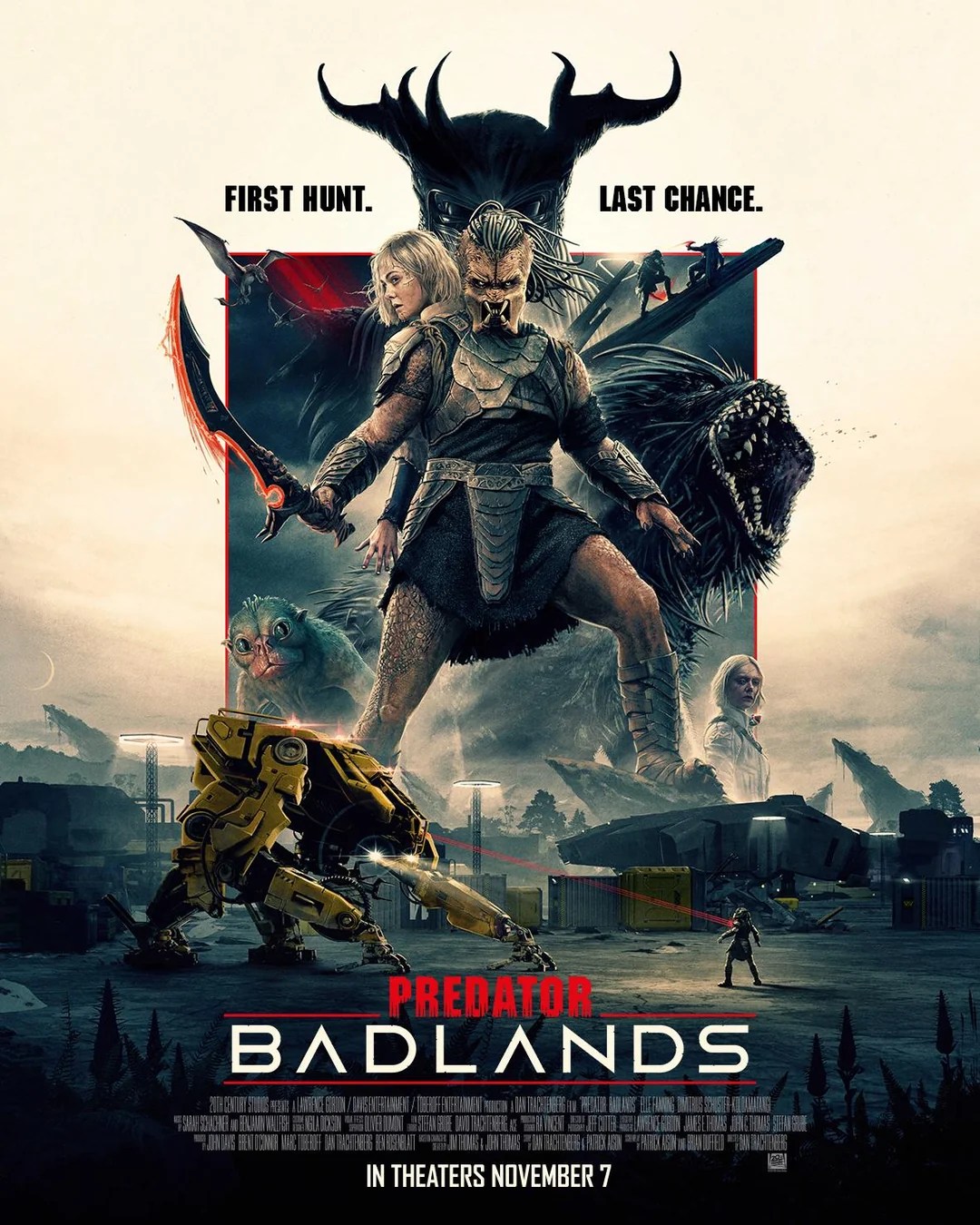
Predator: Badlands, directed by Dan Trachtenberg, marks a significant evolution within a franchise that has captivated audiences for nearly four decades. Known for its intense action and the enigmatic extraterrestrial hunters called the Yautja, the Predator series has continuously explored themes of survival, honor, and primal combat. Trachtenberg’s vision shifts the focus toward a more intimate and nuanced perspective by centering the narrative on Dek, the youngest and smallest member of the Predator clan. Through Dek’s journey, the film delves deep into Predator culture, ritual, and the personal struggles of one cast out from his tribe.

Dek, the youngest and smallest member of his Predator clan, finds himself exiled and cast out due to perceptions of weakness. Determined to prove himself worthy, he crash-lands on the hostile planet Genna—infamously named “The Death Planet”—where he must navigate a dangerous ecosystem full of lethal creatures and unpredictable hazards. Struggling to survive alone, Dek forms an uneasy alliance with Thia, a damaged synthetic android with knowledge of the planet. Together, they embark on a perilous journey that will test their strengths, challenge their beliefs, and redefine what it means to be predator and prey.

The chemistry between Dimitrius Schuster-Koloamatangi and Elle Fanning as Dek and Thia is notably believable and compelling. Their performances breathe life into this unconventional duo—Dimitrius conveys Dek’s internal struggle and fierce determination almost entirely through physicality and subtle expression, while Fanning’s portrayal of Thia is richly layered with intelligence, resilience, and warmth despite her synthetic nature. Their interactions—marked by moments of tension, wit, and genuine connection—ground the narrative emotionally, making their partnership feel authentic even amid the film’s relentless action and alien setting.

At the emotional core of the film lies this evolving relationship, where Thia’s intelligence, wit, and empathy contrast Dek’s warrior stoicism. Physically bound to Dek early on, their partnership forged from necessity deepens into a profound bond that challenges traditional Predator stereotypes of ruthless isolation, opening space for exploration of trust, companionship, and mutual reliance in an unforgiving universe.

Adding to this complexity, Fanning also portrays Thia’s sister Tessa, embodying a dogmatic loyalty to the Weyland-Yutani corporation’s ruthless agenda. This dual role enriches the film’s meditation on identity, autonomy, and control, as the opposing android personas reflect divergent paths of resistance and compliance. The tension between Thia’s compassion and Tessa’s dogmatic obedience mirrors Dek’s own conflict between inherited tribal honor and his emerging personal values shaped by empathy and survival.

The narrative intensifies in the second act as the story shifts from Dek and Thia navigating Genna’s rough terrain to confronting the formidable forces of Weyland-Yutani and their synthetic android enforcers. This escalation brings broader stakes and a shift from survival to active resistance, with Dek’s combat style evolving into inventive use of the alien ecosystem’s deadly plants and creatures. His resourcefulness and adaptability are tested as much as his physical prowess.

Thia’s role grows beyond mere survival partner, serving as a moral compass guiding Dek through escalating challenges. Their deepening bond underscores themes of loyalty and defiance against overwhelming power. The rivalry between Thia and Tessa encapsulates both personal and systemic struggles, enriching the narrative’s emotional and thematic layers.

Action scenes in this act blend visceral intensity with strategic ingenuity, highlighting the evolving dynamic between Dek’s warrior instincts and Thia’s empathetic intelligence. This partnership provides an emotional anchor amid rising external threats.

Visually, while some of the VFX may not reach the technical heights of blockbuster films like AvatarPredator: Badlands excels in blending digital effects with practical makeup and effects work. This approach makes the portrayal of Dek and the other Yautja—particularly when not helmeted—convincing and tangible. The hybrid effects allow Dek’s Yautja character to emote convincingly, adding crucial depth and relatability to a typically masked and silent character. This tactile realism enhances the immersive quality of the film and brings the Predator characters to life in a way that CGI alone might not achieve.

A distinct departure for the franchise, the film carries a PG-13 rating—a strategic decision enabled by the filmmakers’ exclusive use of non-human characters—synthetic androids and other alien beings—in violent scenes. This choice eliminates the display of red human blood, substituting blue synthetic fluids, thereby maintaining intensity while broadening audience accessibility. Although this approach softens the visceral brutality traditionally associated with the franchise, it allows for sustained creative violence and suspense without an R-rating’s restrictions. Some fans may find the absence of traditional gore reduces the raw impact and immediacy familiar to previous entries.

Throughout, the violence is intentional and purpose-driven, enriching the narrative rather than serving gratuitous spectacle. The film’s conclusion thoughtfully underscores themes of self-determination, as Dek eschews rigid tribal expectations in favor of personal autonomy, while Thia embraces an evolving identity beyond her synthetic origins.

One of the film’s most impressive achievements—and a testament to its commitment to authenticity—is the introduction of a fully constructed Yautja language. Developed by linguist Britton Watkins, who was recommended by Paul Frommer (the creator of the Na’vi language for James Cameron’s Avatar), this language was crafted with respect for the anatomical and cultural traits of the Predator species. Lead actor Dimitrius Schuster-Koloamatangi and his fellow Yautja cast members learned to perform fluently in this language. This effort adds remarkable depth and realism to the Predator characters, creating a linguistic culture that supports the film’s immersive world-building. Scenes featuring Yautja dialogue are carefully subtitled, offering fans a fascinating and detailed glimpse into Predator communication and ritual.

Predator: Badlands is a layered, compelling addition to the saga. It pairs exhilarating action with thoughtful meditations on identity, survival, and connection. The evolving relationship between Dek and Thia, amplified by Elle Fanning’s complex dual roles, grounds the film emotionally and thematically, broadening the Predator mythos in significant ways.

Director Dan Trachtenberg has firmly cemented his position as the franchise’s caretaker, continuing a remarkable three-film streak following the critically acclaimed Prey and the animated Predator: Killer of Killers. Each installment boasts distinctive narrative voices and innovative approaches that have successfully engaged and expanded the fanbase. Trachtenberg’s vision skillfully balances honoring the franchise’s core elements with fresh storytelling, ensuring Predator remains vital and intriguing for both longtime followers and new viewers alike.

Predator Franchise Reviews

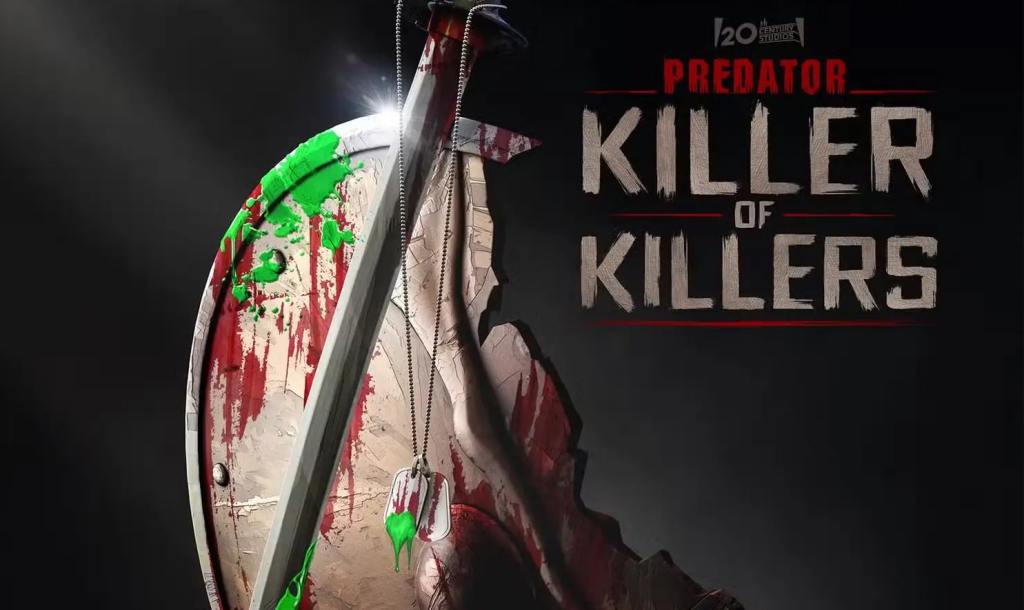
Review: Predator: Killer of Killers (dir. by Dan Trachtenberg)


“A fight to the death… only one will live… and the survivor… will face me!” — Grendel King

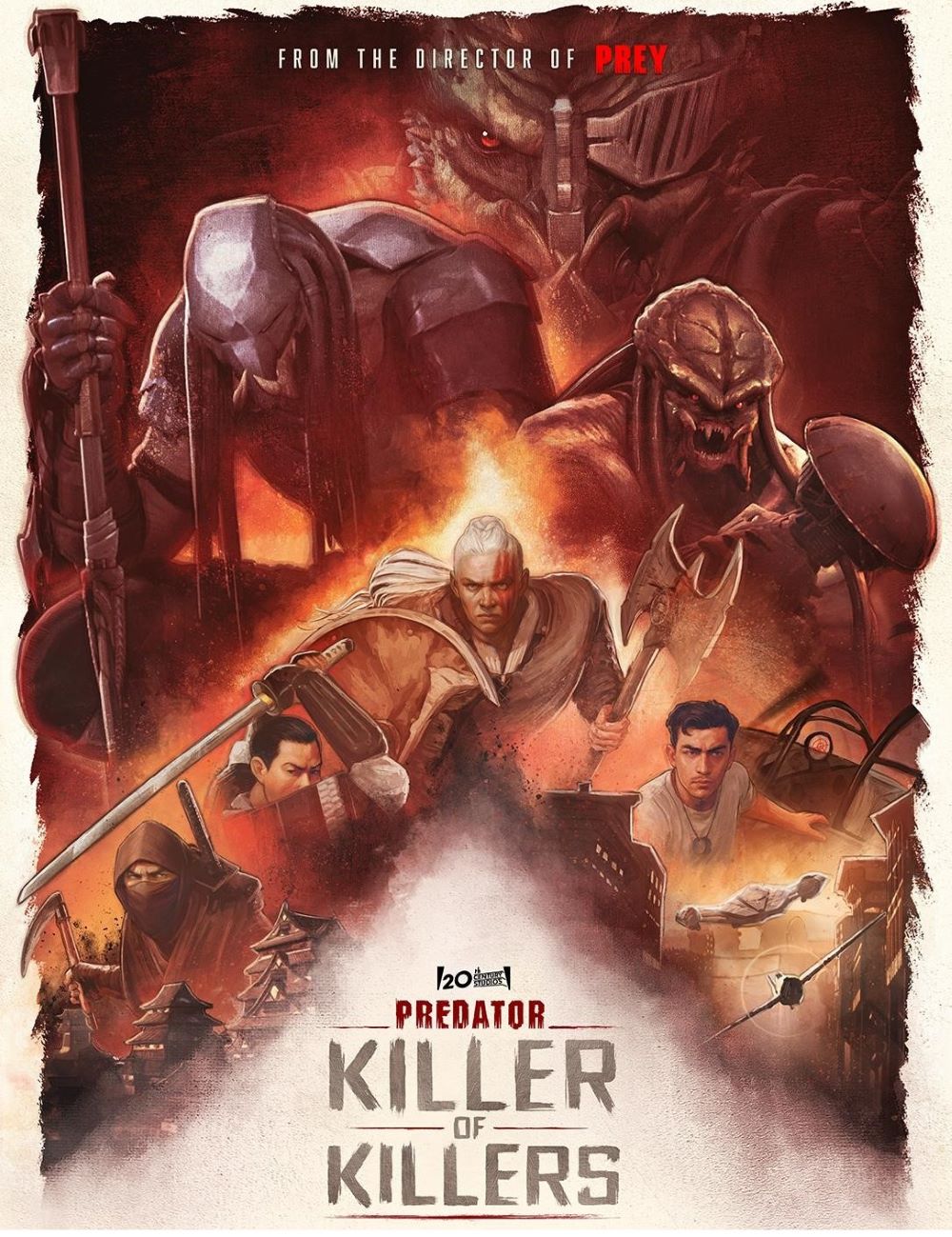
Hulu’s Predator: Killer of Killers signifies an ambitious and stylistically bold evolution of the Predator franchise, once again directed by Dan Trachtenberg following his excellent 2022 film Prey. Trachtenberg has clearly become the new creative caretaker of this series, bringing fresh vision and depth to the franchise. This animated anthology spans three distinct historical periods—Viking-era Scandinavia, feudal Japan, and World War II Europe—and tells the story of humanity’s ongoing, brutal clash with the alien hunters. By setting the predator mythos across such different cultures and eras, Trachtenberg presents a compelling exploration of survival, legacy, and adaptation.

The film unfolds in three chapters, each focusing on a different protagonist. The first segment introduces Ursa, a Viking mother consumed by grief and vengeance, who soon encounters a Predator in a primal battle that tests her strength and will to survive. The second segment is largely silent, centering on estranged brothers—a samurai and a ninja—in feudal Japan, who must unite against the alien menace. The final chapter shifts to World War II, following Torres, a Latino mechanic who seizes a chance to become a pilot amid chaotic battles against the Predators. Each story is steeped in its cultural milieu, aiming for depth and texture despite the limited runtime.

Visually, the film leverages a painterly animated style reminiscent of acclaimed adult animations like Arcane and Spider-Verse, yet it carries a darker, grittier tone suitable for the Predator universe. This style allows for intense, stylized violence—gore, blood, and brutal combat—which the anthology format showcases spectacularly. The distinct visual aesthetics of each era—from the somber shadows of Viking times, the flowing elegance of Japanese landscapes, to the metallic intensity of WWII dogfights—remarkably serve the film’s atmospheric ambitions. Notably, the Predators themselves are designed to reflect the atmosphere of each segment: the hulking, brute force Predator in the Viking-era matches the raw, physical brutality of that time; the lithe, agile Predator in feudal Japan suits the stealthy, precise combat of the samurai and ninja; and the grizzled, veteran pilot Predator in the WWII segment complements the aerial warfare and war-hardened theme. While some viewers may find the animation style unconventional compared to live-action, it delivers a fresh and inventive energy, allowing for spectacle and mood impossible in a traditional film.

Trachtenberg and screenwriter Micho Robert Rutare invest effort in creating emotionally grounded characters despite the anthology’s compressed storytelling. Ursa’s portrayal as a grieving mother brings weight to her arc, the Japanese chapter uses sibling rivalry and silence to evoke tension and tradition, while Torres embodies hope, determination, and cultural representation in a largely unexplored protagonist archetype for the series. The Predator itself remains a fearsome, vigilant hunter. Yet this film adds layers by examining how violence and survival shape human experience across eras, giving thematic weight beyond simple action thrills.

The film delivers relentless and varied action, ranging from poetic, skillful duels in Japan to brutal, visceral fights in the Viking and WWII chapters. Its anthology structure allows exploration of different combat styles and settings. However, this rapid pace sometimes sacrifices emotional depth and character development, making the stories feel like glimpses rather than fully realized narratives. Regarding the WWII segment, I found Torres’s character problematic; he often seems to succeed less through skill or ingenuity and more through luck or circumstance, embodying a “failing upwards” trope that weakens the audience’s emotional investment in his narrative. His frequent self-dialogue also disrupts the tone established by the near-silent Japanese chapter, creating a jarring shift that detracts from the overall cohesion.

Another notable aspect is the anthology format itself: while it enables a rich diversity of storytelling across periods and styles, the film’s roughly two-hour runtime limits how deeply each segment can develop. This leaves viewers craving more time to fully explore the characters and settings. In this respect, Predator: Killer of Killers might have been better served as a four-episode limited series rather than a single anthology film. Such a format would have allowed each segment to breathe, providing more room for nuanced storytelling and emotional engagement without making the runtime feel excessive. Stretching this anthology into a feature film already pushes its length near two hours, and adding more time to fully flesh out each story could have pushed it close to three hours, which might have been challenging for a theatrical or streaming movie. A limited series would have accommodated this expansiveness, letting each era’s story flourish while maintaining pacing and cohesion across episodes.

Though the film culminates in a grand finale combining the protagonists, the climax is somewhat chaotic and lacks coherence, which diminishes its impact. Notably, the movie ends on an unresolved note that doesn’t fully tie up the main storyline but instead clearly hints at a future sequel. While this open-ended conclusion may frustrate viewers seeking closure, it sets up anticipation for what lies ahead under Trachtenberg’s continued direction.

A fun piece of trivia is Michael Biehn’s inclusion as one of the voice actors in the film. With his role as Vandy in the WWII segment, Biehn has joined a very exclusive club: he is just the second actor to be part of all three iconic 1980s sci-fi franchises—AlienPredator, and Terminator. Known for his roles as Kyle Reese in The Terminator and Corporal Dwayne Hicks in Aliens, Biehn’s presence in Killer of Killers cements his unique legacy alongside fellow actors Lance Henriksen and the late Bill Paxton, who both previously held this sci-fi trifecta distinction. Director Dan Trachtenberg deliberately cast Biehn as a nod to this legacy, making his involvement a meaningful Easter egg for longtime fans.

While Predator: Killer of Killers marks a striking artistic and narrative effort within the franchise, it is not without flaws. The anthology format, while innovative, sometimes feels like a drawback—it limits how much the film can dig into each character or setting fully. The weakest link remains the WWII chapter and its protagonist Torres, whose arc doesn’t quite deliver the same resonance and often feels contrived. The finale’s lack of narrative closure may leave some feeling unsatisfied, though it promises more to come.

Despite these negatives, this film confirms Dan Trachtenberg’s role as a visionary leader for the Predator franchise, blending genre thrills with cultural specificity and psychological insight. For fans and newcomers alike, it offers a unique, stylized, and intense take on the alien hunters—the best the franchise has offered in many years. The film’s ambition and creativity outweigh its shortcomings, setting a foundation for a promising future for Predator under Trachtenberg’s direction.

Review: Prey (dir. by Dan Trachtenberg)


“It knows how to hunt, but I know how to survive.” — Naru

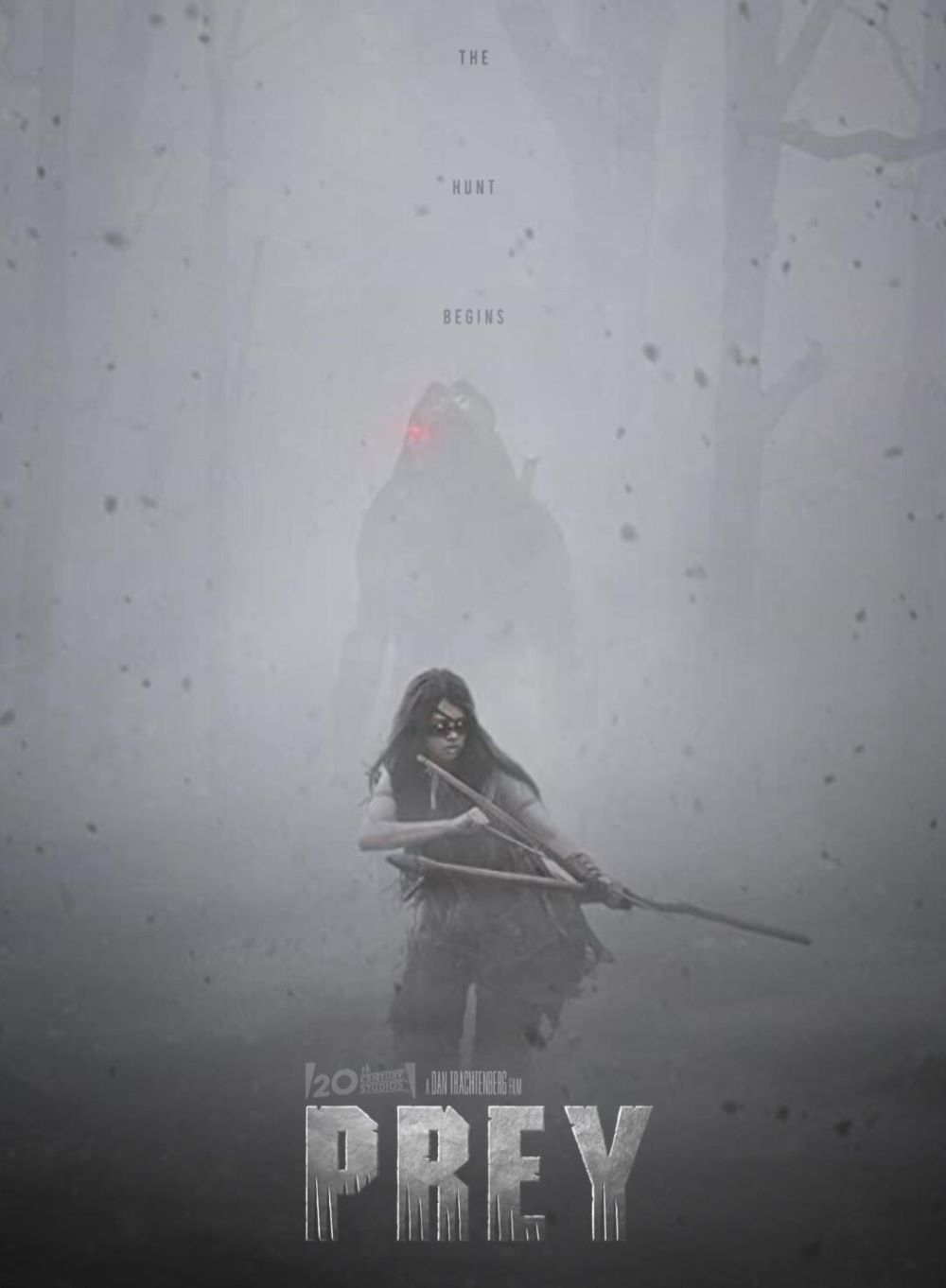
Dan Trachtenberg’s Prey is honestly a breath of fresh air for the Predator series. It takes us way back to the early 18th century, deep in the Comanche Nation, ditching the usual sci-fi city jungle for actual wide-open plains and a history-rich vibe. The story follows Naru, a young Comanche woman who’s determined to prove she can hunt just as well as the men in her tribe. Amber Midthunder totally nails it as Naru, giving a performance that’s both vulnerable and tough without trying too hard. Her journey isn’t just about hunting the Predator; it’s also about breaking free from the limits her tribe has set for her as a woman, and that makes the story hit a lot deeper than your typical monster flick.

Speaking of the monster, Prey strips away the Predator’s fancy gadgets and drops it into a more primal, back-to-basics showdown. This Predator isn’t rocking all the high-tech gear we usually see—it’s raw and brutal, with stuff that fits the time period, which makes the whole hunter vs. hunter dynamic feel way more grounded and tense. The movie smartly uses survival skills and brains over flashy tech, and that makes the hunt way more interesting because it’s about anticipation and smarts, not lasers and gadgets.

One of the coolest behind-the-scenes moves with Prey was the filmmakers’ emphasis on cultural authenticity, especially with language. While most of the film is in English, they also made a full Comanche language dub, which is huge because Comanche is a nearly lost language with very few fluent speakers. The cast went back and recorded the whole movie in Comanche, making it the first feature to do so. Originally, they intended to shoot the whole film in Comanche, which would have been even more impressive, but having this dub option available on streaming platforms gives viewers an immersive way to connect with the culture in an authentic way. This shows a real commitment to uplifting Indigenous voices while still making the film accessible.

Trachtenberg did a great job balancing the suspense with action. The Predator’s scenes are super intense and keep you on edge without going overboard. One of the coolest parts is when the Predator takes down a bear—it’s done so cleverly that even though the creature is rarely fully seen, the splashes of its green blood make the moment feel really eerie and unforgettable. The film really puts you in Naru’s shoes, making you feel her fear and determination as she tries to outsmart this deadly creature.

Now, even though the Predator is the main beast to watch out for, the behavior of the French fur trappers is actually more disturbing in many ways. These guys aren’t just out there trying to survive—they’re slaughtering entire herds of bison en masse, skinning the animals and leaving huge carcasses to rot. It’s a brutal, wasteful approach to hunting that contrasts starkly with the Predator, who hunts singularly and with purpose, never wasting what it kills. The trappers’ wanton destruction of the environment and disregard for the land and its creatures makes them a reprehensible presence in the film. They’re essentially invaders who exploit the natural resources with no respect, creating a real commentary on colonial greed. So while the Predator is the alien menace, the human antagonists serve as a grim reminder of real historical violence and environmental exploitation faced by Indigenous peoples. It’s a powerful layer in the story that adds depth to the conflict.

Besides Naru, the rest of the characters feel real and fleshed out. Her brother Taabe adds a nice sibling angle—there’s a good mix of support and conflict that makes their relationship believable and keeps the story grounded. The French fur trappers act as another layer of conflict, showing that not all dangers come from the Predator. Their ruthless ways make you think about the real threats to the Comanche people, adding depth to the narrative beyond just monster vs. human.

Visually, the film is gorgeous. The cinematographer Jeff Cutter captures the sweeping plains and natural beauty in a way that really draws you in, and the natural lighting, weather, and shadows all add to the mood perfectly. The music supports this vibe, mixing suspense with subtle tribal influences that really tie the whole atmosphere together. This combo of visuals and sound creates an immersive world you just want to get lost in.

The themes in Prey are surprisingly meaty. It challenges old-school gender roles, shines a light on indigenous culture with respect, and subtly touches on colonialism through its human villains. Naru’s fight to prove herself becomes more than just physical—it’s a stance against tradition that resonates on a broader level. This isn’t your usual throw-everything-at-the-wall action flick; it’s thoughtful and makes you care about the characters.

Sure, the movie’s pacing slows down a bit toward the end, stretching out the finale more than necessary, and a few moments lean on familiar action tropes, but these are small grumbles in an otherwise tight and exciting film. Practical effects—especially in how the Predator moves and attacks—bring a rawness that CGI-heavy movies often miss, making the battles feel grounded and visceral.

All in all, Prey stands out as probably the best Predator movie since the original. It respects the classic elements fans love but brings fresh ideas and a ton of heart. Amber Midthunder steals the show with her performance, and Dan Trachtenberg’s direction keeps things suspenseful and sharp. The cultural respect and social layers make it more than just another monster movie—it’s a rare example of blockbuster cinema that gets representation right.

If you’re into smart, intense action movies with a meaningful story and some cultural depth, you really shouldn’t miss Prey. It strips things down to the essentials—survival, smarts, and heart—and the result is a movie that sticks with you long after the credits roll. It’s about more than just hunting a monster; it’s about standing your ground, breaking through barriers, and owning your strength. Definitely worth checking out if you haven’t already.

Horror Trailer: Send Help


Send Help is a darkly comedic psychological thriller directed by Sam Raimi. The film centers on two coworkers, Linda Liddle and Bradley Preston, who are the only survivors of a plane crash that leaves them stranded on a deserted island. Two people who shouldn’t be together in the same room must now collaborate to survive. The film looks to play on the two characters darkly comedic battle of wills and wits to what looks like survival of the fittest. The film is a mix of survival drama, sharp psychological tension, and Raimi’s signature style, blending horror and black comedy elements.

The film stars Rachel McAdams as Linda Liddle and Dylan O’Brien as Bradley Preston, with a supporting cast including Edyll Ismail, Dennis Haysbert, Xavier Samuel, Chris Pang, Thaneth Warakulnukroh, and Emma Raimi. Send Help is produced by Sam Raimi and Zainab Azizi, with a screenplay by Damian Shannon and Mark Swift, and features music by frequent collaborator, Danny Elfman. It is scheduled for theatrical release nationwide on January 30, 2026, distributed by 20th Century Studios.

Double Feature Trailers for Predator: Badlands and Predator: Killer of Killers


When Prey was released straight to streaming on Hulu in 2022, there were many who thought that the film was going to be another Predator franchise entry that would lead to major disappointment. I mean, if it was good, it would’ve had a theatrical release. So, it was a pleasant surprise when it was well-received by most critics and audiences, alike.

Director Dan Trachtenberg had earned much goodwill from those same people as with the executives who ran 20th Century for Disney. That goodwill has allowed Trachtenberg to work on two projects for the House of Mouse both of which are two different ideas to expand the Predator franchise.

The two projects in question are the 3-part animated series for Hulu, Predator: Killer of Killers and the one set for a full theatrical release this November, Predator: Badlands.

The animated series will be about following the stories of the titular hunter set in three different eras (Viking era, Feudal Japan and World War 2). Predator: Killer of Killers may be animated but from the trailer it doesn’t skimp on the gore and violence. The series is set to premiere on Hulu on June 6, 2025.

The feature film Predator: Badlands is set for a November 7, 2025 release and will take a coming-of-age route but from the point of view of a young Predator seen as an outcast from his clan and teaming up with an unlikely ally played by Elle Fanning.

Predator: Killer of Killers Trailer

Predator: Badlands Trailer

Film Review: Alien Romulus (dir. by Fede Alvarez)


Lately, I don’t trust myself much when it comes to writing movie reviews. I once raved about Batman Begins when it first came out, only to have a friend/co-worker read it, check the movie out based on my thoughts. He returned with a look of disgust on his face…”That was terrible! Grumble grumble Batman, I could barely understand him.”, he said.

I dance around it, when I can. I’m almost Fifty, at an age and a point in my life where I’m easily amused by almost anything, particularly in a world where everything’s in a doomscroll. Sitting in a darkened room, watching a story play out just feels good, even if the story isn’t great. Add to this the notion that everyone will have a film of the week screen captured and spoiled by Saturday Morning (if not already), and sometimes there doesn’t feel like a need to write about these things. You don’t need me, but I’m happy to be here. I’m not helping anyone in making a decision on whether they should see a film, I’m simply cataloging my experience. That’s the beauty of it. No two experiences are similar, and it’s a joy to read how others felt about a movie while discovering my own viewpoints through my writing. This is all still fun to do, I’m finding.

So what does any of this have to do with Fede Alvarez’s Alien Romulus? Not much. I just needed to get thoughts on the page so I could rev up to writing about the film. I also wanted to warn you that I could be high on the euphoria of going to the movies. My take might not be yours, but I’m also playing Devil’s Advocate in trying to weigh what I thought they could have improved on.

Living as miners on a world where sunlight is rare, life is hard for Rain Carradine (Cailee Spaeny, Priscilla, Pacific Rim: Uprising) and her brother, Andy (David Jonsson, HBO’s Industry). When her friends discover a discarded ship called Romulus near an asteroid field, they decide to loot it for the tools they need for an extended hypersleep to a better destination. This becomes a problem when they discover they’re not alone on the ship they targeted. Can they escape these threats before meeting their end?

I was really impressed by Alien Romulus in a number of ways. One, I argued that the last trailer gave away too much information on the plot. I was terribly incorrect. For all that was shown, it barely touched the surface of the entire story. I found that pretty refreshing in this day and age where movie trailers rarely leave anything out. Two, there are a number of practical effects used in this film, from the animatronic, jumpy facehuggers that get more up close and personal than one would ever want to the classic Xenomorph scaling walls and dripping acid. I felt like it learned a bit or two from Alien Covenant (of which I’m not a fan) and considerably toned down the CGI where it could. The results are damn good, given this is the 9th go around in the Alien Franchise (if you want to include the two Alien vs. Predator films). Alvarez really gets the atmosphere right. Hallways are creepy and dimly lit, feeling much like Creative Assembly did with Alien Isolation (which of course built theirs from the original Alien). The space station, flight sequences and the asteroid belt are all on par what with we saw with Prometheus. The film even manages to travel in some new directions with both Xenomorph development and by the end will have you wanting to rewatch the series again. Is it all perfect? No, but I can’t say anything like that about Alien Resurrection.

From an acting standpoint, this movie clearly belongs to both Cailee Spaeny and David Jonsson. They easily carry the film with their performances. With the exception of Isabela Merced (Dora the Explorer), I can’t say much about the other characters. I can at least say her character and performance here was far better than what she did in Madame Web earlier this year. Those three are only ones that are given any true character development through the course of the film. This isn’t to say that we don’t get good performances from Archie Renaux (Tyler), Aileen Wu (Navarro), and Spike Fearn (Bjorn). They just weren’t as memorable to me. We know the others want to move on to better things, but we never really get to know them well enough to root for or against them.

For the horror aspect, let’s face it. After so many movies, it’s a little difficult to be afraid of the Xenomorph. And yet, more with the facehuggers than with the human sized aliens, Alien Romulus does find a way to make the monsters creepy and amazingly quick. I had a few moments where I did my usual “watch the corners”, and avoided looking at the screen directly. There aren’t too many jumpscares, though they are there.

If Romulus suffers from any problems, it’s that the cast was too small for all of the elements thrown at them. I understand that it’s more of a personal story, so you’re not having a group of decimated Marines like in James Cameron’s Aliens or even a number of dead prisoners such as you had with David Fincher’s Alien3, but it was easier to get a feel of how dangerous the Xenomorphs when people were hunted left and right in different ways. The death sequences in Romulus all felt interesting, but there just weren’t enough of them for my taste. Another problem I had with the film was that it tried too hard in the last act to pay homages to other films in the series. Some of them worked well (particularly one introducing some to weapons) , and others kind of didn’t. At one point, you’re finding that the movie pulls lines and or whole sequences from the other films, which doesn’t make sense in some situations given where Romulus sits in the Alien timeline.

Imagine watching a fight in space between two Green Lanterns and one says to the other “Do you bleed?” as a reference to Batman v. Superman. Sure, it might be nice to hear, but who bleeds in space? It’s somewhat similar with Romulus in that fashion. Is that all Nostalgia is now, just re-spitting lines from older films that were more effective back then? Sitting in the front row on the sides (my favorite area), I want to say there were at least 4 walkouts during my showing, with one person coming back with drinks.

Musically, Benjamin Wallfisch does a good job here. He doesn’t try to recreate Jerry Goldsmith’s score the way Jed Kurzel did with Alien Covenant, though there are some wild heavy beats that could work better in a trance song. The sound in the film is also pretty nice, with the skittering and screeching bounding off the walls perfectly in the Regal RPX setup.

Overall, I really enjoyed Alien Romulus. While there are some elements I would have fixed (particularly with characterization and moving away from trying to reference the other films), I feel It’s a solid entry in the series, especially when I compare it to Alien Covenant or Alien Resurrection.

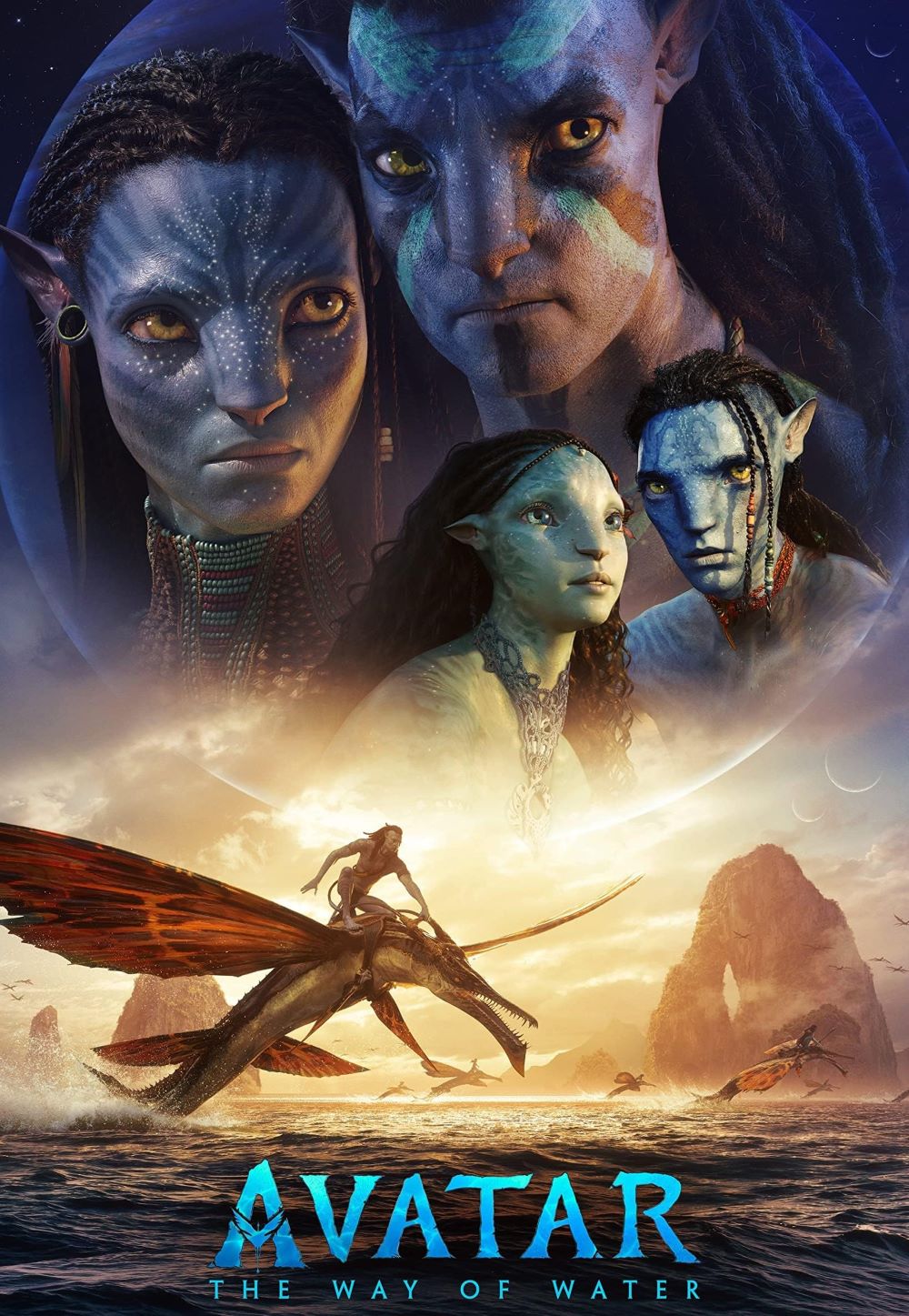
Avatar: The Way of Water (dir. by James Cameron)


James Cameron is still out there, trying to push the envelope.

My showing of Avatar: The Way of Water was not only 3D, but in HFR (High Frame Rate), which threw me for a loop. The only other movie I’ve ever watched on a large screen in HFR was The Desolation of Smaug and what was by mistake. The underwater scenes in the film are a sight to behold, but your eyes and mind need to adjust to it. HFR is that thing Christopher McQuarrie and Tom Cruise warned us all about earlier this year, the feature on most modern tv’s that enable a ‘smoothing’ effect. Films that normally look grainy are suddenly “live” under the HFR. It works really well for nature shows and sports events, and with a land as lush as Pandora, it’s good if you know what it is. I’m just not sure how well that will translate for audiences at home or for individuals who are new to it all. I can’t even begin to know what the underwater shooting was like for this film. James Cameron is known to be hard on his cast & crew. Ed Harris supposedly decked him once on the set of The Abyss and Mary Elizabeth Mastratonio once walked off set after they had a film issue on one point. I want to say that whatever they went through for The Way of Water seems to have paid off, but the state of movie theatres overall may have something else to say about that.

There were maybe only 3 people in my 3pm showing, and they seemed to stay for it. I know Cameron wants to save it all, but I feel the theatre experience is still dying. That’s a discussion all it’s own, but not here and now.

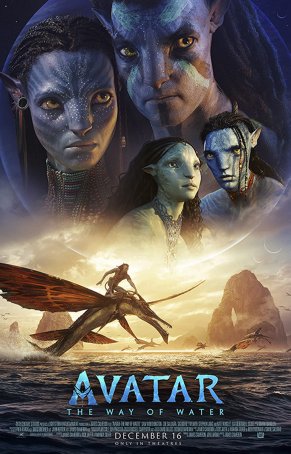
The Way of Water finds us having moved on some years after the events of the first film. Jake (Sam Worthington, Man on a Ledge) and Neytiri (Zoë Zaldaña, Guardians of the Galaxy) have a family of five now, living amongst the Omaticaya clan of Na’vi in the lands they moved to since losing Hometree in the first film. The boys, Neteyam (Jamie Flatters, Black Dog) and Lo’ak (Britian Dalton, Ready Player One) are like teenage Marines in training, dutifully following their dad’s orders up until the point where curiousity gets the best of them. The daughters, Kiri (Sigourney Weaver, Aliens) and little Tuk (Trinity Jo-Li Bliss), take a bit after their mom in some ways. There’s also Spider (Jack Champion, The Night Sitter), a young human who is close to Kiri. When humans return to Pandora, the Sullys find themselves once again under attack and on the run, colonization being the big bad it always was. Jake’s just trying to protect his family as best he can, something any parent can relate to. This takes them to a separate water based Na’vi tribe that takes them in and shows them their way of life. That, I really enjoyed. Though I’m mostly a loner at heart, seeing families and communities gel and work together plucks all the right heartstrings for me. There’s nothing that good teamwork can’t resolve and the story keeps circling that with Cameron’s “Family as a Fortress” theme.

If the Saw Movies taught us anything, it’s that you can always expand on a single story with fillers. They took one film, and weaved tons of side points without damaging the main thread. The Fast & Furious films did the same, making sure to keep the continuity, while adding additional content in between. Cameron had four other writers on board along with himself – Shane Salerno (Aliens vs. Predator: Requiem), Amanda Silver (War of the Planet of the Apes), Rick Jaffa (Dawn of the Planet of the Apes), and Josh Friedman (Terminator: The Sarah Connor Chronicles). With The Way of Water, I felt they were pretty successful at doing the same. The film even plants a few seeds here and there for future installments, should Cameron get the green light to go forward with his other 3 films.

If the plot suffers from any problems, it’s that they also took a page out of the Top Gun: Maverick flight manual in following the first film’s flow a little too closely. While The Way of Water has a plethora of new content – vehicles, machines, animals, locales – the story still moves along the path of the first film, making it just a little predictable. I was able to call out two scenes before they occurred. Other than those moments, I spent most of the film either really worrying about the Sully family – they’re outgunned, after all – and marveling at the views.

The editing is also a little weird. I understand this is a big undertaking, but some of the cuts between scenes seemed really abrupt to me, as if someone said…”This scene is out to explain this..you got it?! Good! Moving on to the next…” ..while the audience is still frantically taking notes on what just happened. At 3 hours and 12 minutes (just 11 minutes longer than Avengers: Endgame), there’s a lot to see, but I felt the pacing was okay. If there’s any part of the movie that could be used for a bathroom break, there is an extended sequence with a whale-like creature that could be your best opening. The movie might require more than one viewing to take it all in, but perhaps this is Cameron’s plan all along. One never truly knows.

The sound in The Way of Water was good. Explosions are sharp, animal sounds are cute and the hissing/wailing of Na’vi are clear (though strangely annoying after a while – we get it, you’re in pain or angry, ). The one element I was concerned with was the music. With James Horner’s passing in 2015, those shoes would be a little hard to fill. I originally hoped that Marc Streitenfeld would get the nod, based of his work on Prometheus. Composer Simon Franglen picks up where Horner left off, having worked together on the original Avatar score. Franglen knocks it out of the park, with a score that pays homage to Horner’s work while still making it his own sound.

The Way of Water introduces some new characters and cast. In addition to those previously mentioned, we also have Kate Winslet (Titanic) and Cliff Curtis (Sunshine) as the leaders of the Water Na’vi. Bailey Bass (Claudia in AMC’s Interview With the Vampire) plays their daughter, who helps to train the Sully children. Edie Falco (Nurse Jackie) is on board as a General charged with operations on Pandora. Jermaine Clement (What We Do In The Shadows) is also on hand as a marine scientist. Although everyone’s performances are good, the movie really belongs to the Sully children, with Weaver’s Kiri being the standout. Kiri’s a great character, reminding me a lot of Jinora from The Legend of Korra, and her story arc might be the best one of the lot.

Overall, Avatar The Way of Water is some serious eye candy. You might feel a little sad coming back to Earth after all the wonder Pandora has to offer. Disney could go wild on the merchandizing on this if they wanted (and they probably will). It manages to drop a number of surprises and information on the audience, though the overall trip may be a little too similar to the first film. I’m hoping Cameron gets the 3rd film set.

Everything is Blue in the Avatar: The Way of Water Teaser


Anyone who saw Doctor Strange and the Multiverse of Madness was treated to the Teaser Trailer for James Cameron’s Avatar: The Way of Water. This one shocked me because it picked up a bit of applause in the theatre. After all, it’s been 13 years. Not that anyone ever asked for a sequel (or 2 more), I get the feeling Cameron has faith in himself and his crew.

Two things really stood out for me with this teaser. One, Mech-Spiders fixing buildings, what are those?! Two, is that Simon Franglen’s score playing? It’s nice, and with James Horner gone (and missed), I’m hoping the rest of it will be good.

Taking place some time after the first story, Jake Sully (Sam Worthington) and Neytiri (Zoe Saldana) have a family now, and we’ll get to see Pandora’s watery depths. Supposedly, Cameron’s been pushing for upgrades in 3D technology, so it’ll be interesting to find out what advances have happened in a decade.

Avatar: The Way of Water is set for a December release.