It wouldn’t be the Thanksgiving season without sharing these scenes that I love from the brilliant sitcom, WKRP in Cincinnati. I’m looking forward to seeing my family in Baltimore this Thanksgiving and, for maybe the 100th time, watching this classic episode.
Believe it or not, this episode was based on a true story! It didn’t happen in Ohio. Instead, it happened in Atlanta, Georgia and it was real promotion stunt for a local station, WQXI. Years later, a young copywriter named Hugh Wilson heard the story while he was working WQXI. Wilson later moved to California, started writing scripts, and eventually created WKRP In Cincinnati.
I always feel bad for the turkeys but I am glad that the survivors were able to launch a counter attack.
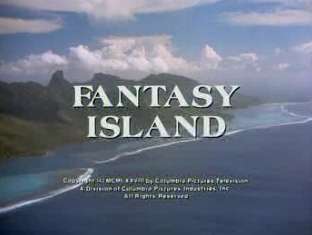
Welcome to Retro Television Reviews, a feature where we review some of our favorite and least favorite shows of the past! On Tuesdays, I will be reviewing the original Fantasy Island, which ran on ABC from 1977 to 1984. The show is once again on Tubi!
This week, I really missed Tattoo.
Episode 7.19 “”Lost and Found/Dick Turpin’s Last Ride”
(Dir by Bob Sweeney, originally aired on April 7th,1984)
Stung by the discovery that her husband has cheated on her, Sheila McKenna (Carol Lynley) comes to Fantasy Island, looking for revenge. Her husband, Frank (Adam West), follows her and tries to save his marriage. Sheila is tempted to cheat with Frank’s business partner. Fortunately, Mr. Roarke is there to show Frank the error of his ways and, for some reason, Sheila ends up forgiving him and they leave the Island with their marriage stronger than ever.
This storyline is one that I perhaps would have been more invested in if Sheila McKenna had not been played by Carol Lynley. Lynley was the most frequent guest star on Fantasy Island. She was never particularly memorable but, in this episode, she gives a performance that can only be described as bad. Delivering her lines without a hint of emotion (and forget about having any chemistry with West), Lynley comes across as if she under the influence of serious narcotics. I was genuinely worried about her health. I didn’t really care much about her marriage.
As for the other storyline, singer Tom Jones stars as mild-mannered accountant Jack Palmer. Palmer idolizes the legendary Welsh highwayman, Dick Turpin. Roarke sends him into the past so that he can actually be Dick Turpin. Tom Jones as Turpin sings almost all of his dialogue. Jack’s wife (Dianne Kay) is also sent into the past and is kidnapped by Sid Haig.
The Dick Turpin storyline was the sort of thing that Fantasy Island did well in the past. However, despite some surprisingly strong production values, it just kind of fell flat in this episode. A big problem is that this was the type of story that would have been perfect for Tattoo but, unfortunately, the show replaced Herve Villechaize with Christopher Hewett. I have nothing against Christopher Hewett. From what I’ve read, he was apparently a very devout Catholic who was loved by all. But the switch-over from Villechaize to Hewett was definitely the moment that Fantasy Island stopped being a fantasy to watch.
It’s hard to believe that I’m nearly done with this series. I’ve been reviewing it since 2022! It’s brought me a lot of joy but, as I make my way through the final episodes of season 7, I’m ready to finally move on.
4 Shots From 4 Films is just what it says it is, 4 shots from 4 of our favorite films. As opposed to the reviews and recaps that we usually post, 4 Shots From 4 Films is all about letting the visuals do the talking.
Today, the Shattered Lens wishes a happy birthday to the co-creator of Twin Peaks, Mark Frost! It’s time for….
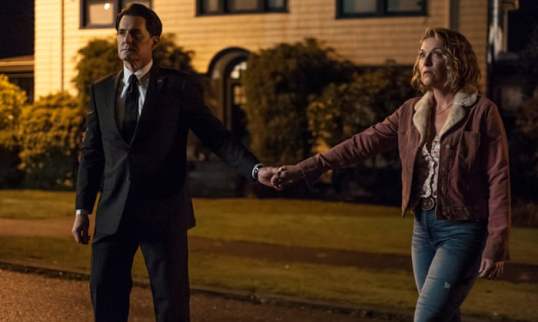
4 Shots From 4 Episodes Of Twin Peaks
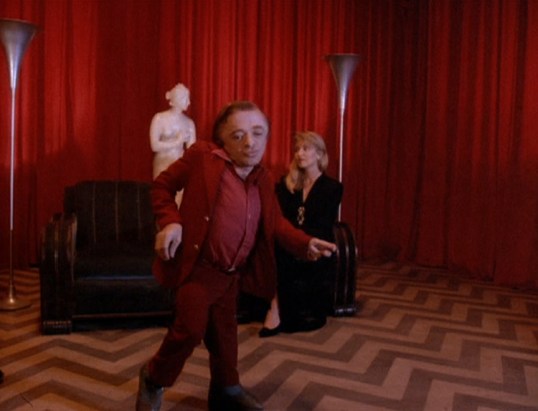
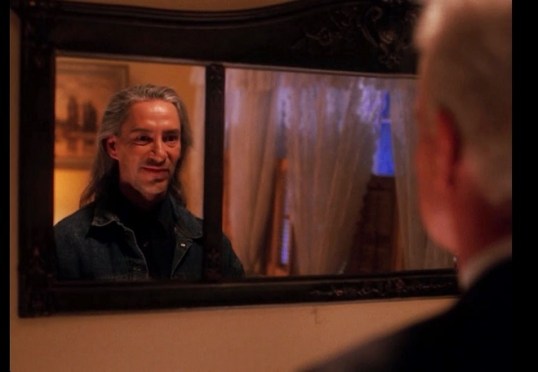
Twin Peaks 1.3 “Zen or the Skill To Catch a Killer” (1990, dir by David Lynch, DP: Frank Byers)
Twin Peaks 2.7 “Lonely Souls” (1990, dir by David Lynch, DP: Frank Byers)
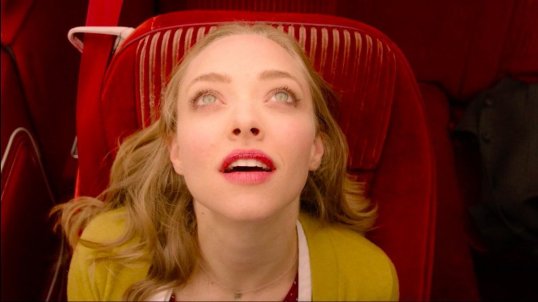
Twin Peaks: The Return Part 5 (2017, dir by David Lynch, DP: Peter Deming)
Twin Peaks: The Return Part 18 (2017, dir by David Lynch, DP: Peter Deming)
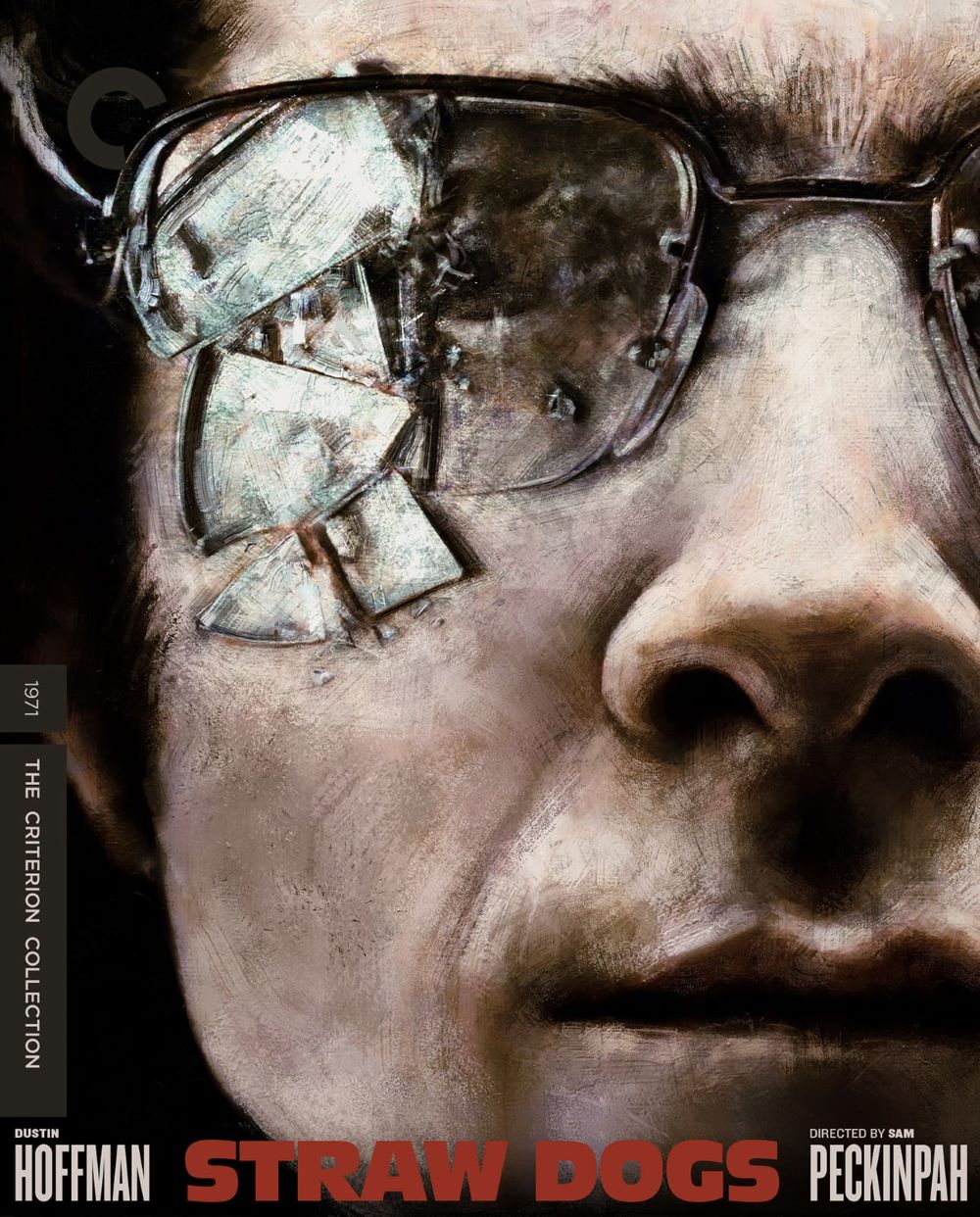
“Violence can be the only answer sometimes.” — David Sumner
Sam Peckinpah’s Straw Dogs is a raw, compelling dive into the breakdown of civility and the primal instincts bubbling underneath. The story follows David Sumner, a mild-mannered American mathematician, who moves with his wife Amy to her rural English hometown. The couple’s plan for a quiet life takes a sharp turn when tensions with the locals spiral out of control, resulting in a violent showdown. At its core, the film examines how far a person can be pushed before the veneer of civilization peels away, revealing something much wilder underneath.
The tension starts subtly, as David’s intellectual and pacifist nature clashes with the rough, territorial mindset of the local men. This brewing conflict isn’t just about cultural difference but taps into deeper themes around masculinity, power, and identity. Straw Dogs asks difficult questions about what it means to be a man, exploring how fragile male identity can be when confronted with real or perceived threats. David’s journey is less about heroism and more about the psychological and emotional transformation forced upon a man who initially seems ill-equipped for the violence unleashed around him. The whole film operates as a kind of symbolic stage where primal instincts and societal expectations collide, forcing each character to confront their own limits.
Amy’s role in the film is both pivotal and deeply complex. Her experience of assault, handled with subtle but unflinching attention, adds emotional and thematic weight without dominating the narrative. The film portrays her trauma through its impact on her and the shifting dynamics in her relationship with David, inviting reflection on resilience and struggle for control. Amy is depicted not merely as a victim but as a layered character navigating vulnerability and strength amid the hostile environment. This approach challenges viewers to consider the nuanced and often contradictory responses to trauma, avoiding simplistic victim narratives while emphasizing its profound consequences.
The rural setting of Straw Dogs is more than just a backdrop; it becomes a character in its own right. The close-knit, insular community embodies a microcosm where social order teeters and violence hides just beneath the surface. Law enforcement and authority figures seem ineffective or indifferent, which heightens the sense of isolation and lawlessness. The hostility from some village locals, including Amy’s ex-boyfriend Charlie, feeds into a toxic masculinity that sees David as weak and out of place. Peckinpah carefully stages this clash, using tension and silence as expertly as physical violence, making viewers feel the pressure ramping up until it finally snaps.
Dustin Hoffman’s portrayal of David is quietly brilliant in its subtlety. He plays David as a man trapped between worlds—intellectual and physical, passivity and aggression—with a restrained but deeply affecting performance. Hoffman’s ability to convey complex emotions beneath a calm exterior makes David’s eventual transformation all the more gripping. Susan George delivers an equally powerful performance as Amy, capturing the mixture of fear, defiance, and heartbreak her character endures. Their dynamic feels authentic and layered, making the viewer invested in their peril. The supporting cast, including actors like Peter Vaughan, add a layer of authentic menace, embodying the grim rural antagonists with convincing grit and intensity. The performances overall ground the film’s explosive themes in believable, relatable humans.
Themes in Straw Dogs extend beyond just personal violence to address ideas about identity and societal breakdown. The film explores the notion of the “symbolic order”—how individuals fit into and negotiate the rules and roles imposed by society. David’s identity crisis and his uneasy place within the village spotlight questions of power, emasculation, and rebirth. Peckinpah uses psycho-sexual imagery—such as symbols of emasculation and phallic power—to deepen the psychological stakes of David’s journey. The film conveys how deeply fragile human identity is and how violence can act as a brutal yet transformative force pushing individuals to redefine themselves. At the same time, the portrayal of Amy complicates these themes by challenging traditional gender roles, making the film as much about female agency as male dominance.
The film’s violence is famously brutal and unsettling. Peckinpah does not shy away from showing the full consequences of escalating conflict, culminating in an intense and chaotic finale where the line between victim and aggressor blurs. This isn’t violence for spectacle but a narrative and thematic necessity that Peckinpah uses to strip away pretenses and reveal the raw human instincts beneath. It’s this uncompromising depiction that both shocked audiences at the time and continues to provoke discussion about the nature of power and survival. The film is also notable for its innovative editing, with Peckinpah’s use of jump cuts and slow-motion heightening the emotional intensity and pacing the violence with a rhythmic, almost visceral punch.
Ultimately, Straw Dogs is a challenging film that forces viewers to confront disturbing truths about human nature, relationships, and societal order. Its exploration of violence and masculinity is complex and often uncomfortable, presenting no easy answers. The film remains a significant piece of cinema for its bold themes, outstanding performances, and the way it captures the frailty and ferocity of its characters. Peckinpah’s direction melds tension, psychological drama, and physical action into a gripping, unforgettable experience. Though controversial for its content, Straw Dogs endures as a powerful work that asks what truly happens when the thin line between civilization and savagery breaks down.
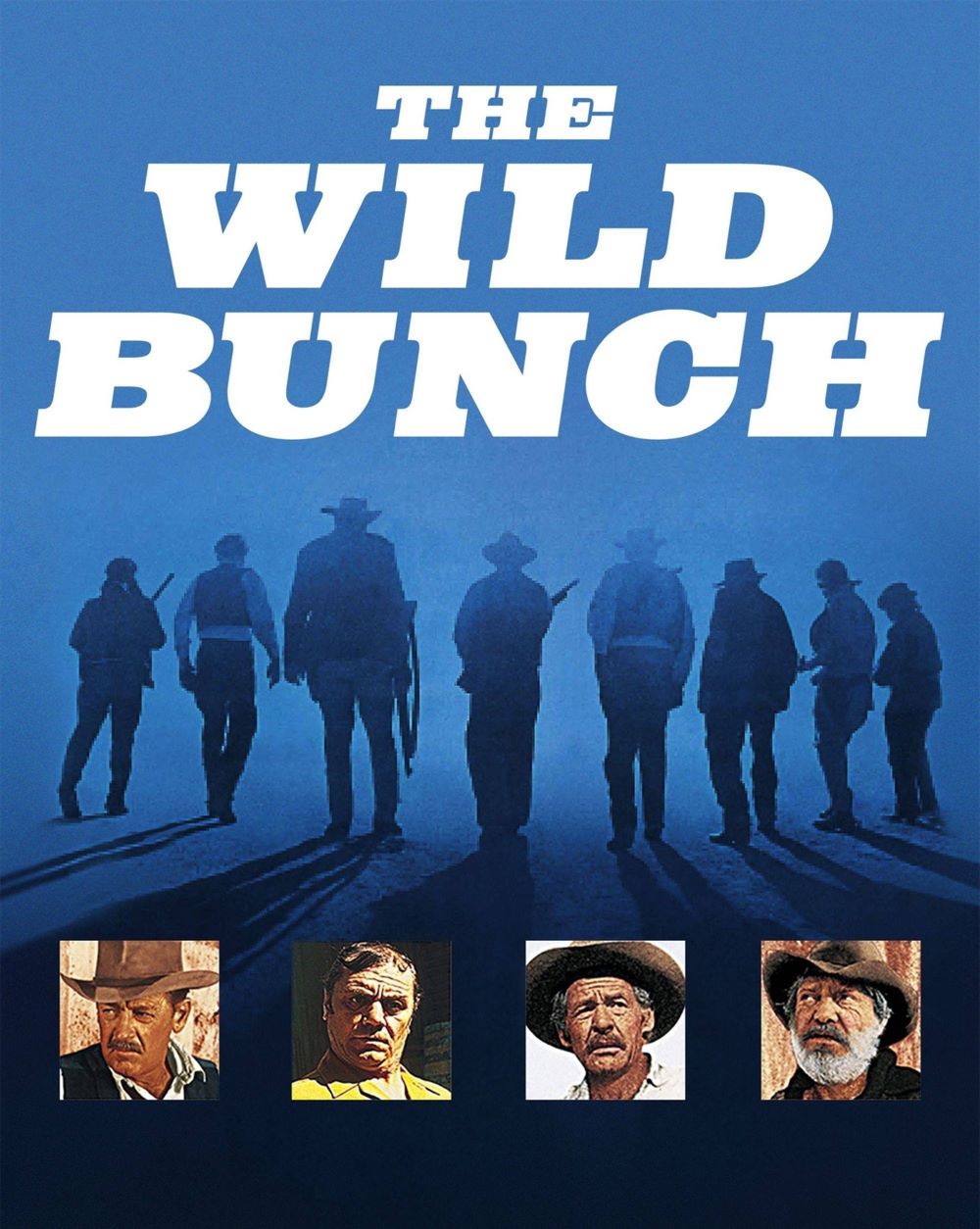
“We’ve got to start thinking beyond our guns. Those days are closin’ fast.” — Pike Bishop
Sam Peckinpah’s The Wild Bunch stands out as a landmark in the Western genre, famous for its daringly harsh depiction of both violence and the fading mythos of the American West. Rather than following the traditions of earlier Westerns, the film presents a gritty portrait of aging outlaws on the edge of extinction, wrestling with a society that has evolved past them. It’s a movie that’s difficult to shake, both for its unapologetic style and the unresolved feelings it leaves long after the final shots ring out.
At its core, the story centers on Pike Bishop and his band—a crew of seasoned criminals aiming for one last grand heist as modernity encroaches on their world. Hoping to pull off a train robbery, they end up entangled in deeper complications after being betrayed and soon are thrust into the turbulence of the Mexican Revolution. Peckinpah builds a narrative where clear-cut morality falls away. The criminals and those pursuing them, supposed bringers of justice, are equally compromised and dangerous. This balancing act challenges the audience to reassess their sympathies, since the characters rarely line up as traditional heroes or villains.
The film’s notoriety is inseparable from its treatment of violence. In an era when Westerns often depicted gunfights as almost bloodless, The Wild Bunch arrived blazing with slow-motion fatalities, realistic wounds, and chaos that feels nearly documentary. Peckinpah didn’t intend to sugarcoat death; the film’s fight scenes are designed to unsettle rather than thrill, making viewers register the true cost of violence on screen. The movie’s most infamous sequences, particularly the opening and closing shootouts, still provoke debate over whether their artistry justifies their brutality. Peckinpah reportedly wanted to expose the real consequences of violence, not celebrate them, and the resulting imagery remains both striking and disturbing decades later.
Beyond its bloodshed, the film is packed with melancholy, exploring the futility and obsolescence of its central figures. The Wild Bunch themselves—Pike, Dutch, Lyle, Angel, and others—all feel the weight of their era’s end. They are not just outdated in terms of time; their entire way of life has been mechanized and modernized beyond their grasp. The film depicts this through powerful imagery, from horses being supplanted by cars and trucks to rifles giving way to machine guns. This mechanization highlights that Pike and his men live in a world that has moved on, leaving them behind. Their code of honor and rough camaraderie are relics in a brutal, mechanized landscape that favors efficiency and merciless violence. The emergence of rapid-fire weaponry and vehicles is more than a backdrop; it symbolizes their growing irrelevance and the passing of a wild, untamed frontier.
Technically speaking, The Wild Bunch is as impressive as it is influential. The cinematography captures wide Mexican landscapes with dust and sunlight, conveying both beauty and bleakness. The editing—particularly in the action scenes—was ahead of its time, with its expressive use of multiple camera angles and slow-motion adding an almost ballet-like rhythm to chaotic violence. The music, a mix of Jerry Fielding’s score and traditional Mexican songs, deepens the film’s sense of place and loss. All of this technical prowess merges in set pieces that are still studied by action directors today.
One of the film’s most enduring legacies is its profound influence on a slew of filmmakers in the years following its release. Directors like Martin Scorsese, Quentin Tarantino, and John Woo have all cited The Wild Bunch as a key inspiration, particularly in how it reshaped the depiction of violence and complex characters onscreen. Peckinpah’s innovative use of slow motion during action scenes transformed gunfights into sequences that feel almost balletic, bringing an eerie beauty to brutality. This technique became a hallmark of John Woo’s work, where slow-motion shootouts are choreographed with a dance-like precision, making the violence stylized yet emotionally impactful. Meanwhile, Scorsese and Tarantino embraced the moral ambiguity and character complexity Peckinpah championed, pushing their own stories beyond clear-cut good and evil. Through these directors and many others, The Wild Bunch continues to resonate and shape modern cinema.
The performances in The Wild Bunch are integral to its powerful impact, with its ensemble cast bringing layered humanity to otherwise rough, sometimes brutal characters. William Holden leads as Pike Bishop with a mix of weary charisma and existential urgency, embodying a man caught between the fading wild past and a ruthless present. Holden’s Pike is not just a leader of outlaws, but a man wrestling with his own moral contradictions—as loyal and protective as he is capable of cold violence. This complexity allows the character to stay compelling rather than becoming a cliché tough guy.
Ernest Borgnine as Dutch Engstrom offers a grizzled, weary presence, conveying the toll that years of violence have taken on his spirit, while Warren Oates imbues Lyle Gorch with a volatile and rebellious energy that adds tension within the gang. His brother, Tector Gorch, played by Ben Johnson, brings a contrasting steadiness, portraying a man caught between loyalty and survival. Robert Ryan’s portrayal of Deke Thornton, the relentless bounty hunter, stands out as a tragic figure torn between his past friendship with Pike and his duty. This character conflict gives the story a deeper emotional layer and adds weight to the relentless pursuit central to the plot.
Supporting performances by Edmond O’Brien as Freddie Sykes and Jaime Sánchez as Angel enrich the group dynamic, each adding distinct personality traits that feel authentic and lived-in. The chemistry between the cast helps ground the film’s heavy themes in real human experience, making the characters’ struggles with obsolescence and loyalty resonate beyond the screen.
However, despite the strong male performances, the film’s treatment of female characters is notably sparse and limiting. Women in the film often fall into marginal roles, lacking development or agency, which reflects the gender dynamics of many Westerns from the era but feels particularly dated today.
For viewers seeking straightforward heroism or moral clarity, The Wild Bunch can be a challenging experience. Its bleak, nihilistic worldview and refusal to deliver easy answers may leave some feeling drained. The story culminates in a violent, unresolved climax with no tidy resolution, emphasizing loss and the end of an era. But it is precisely this rawness and technical mastery that keep the film compelling and worthy of close viewing.
The Wild Bunch demands you shed simple notions of good versus evil and prepare for a rough, often brutal ride. It’s a story about men fighting not just other men but inevitability—caught between their own fading values and the relentless march of modernization and change. Peckinpah doesn’t offer comfort; instead, he forces the viewer to reckon with violence’s cost and the price of nostalgia. Even with all its grit and flaws, the film’s artistry and influence remain undeniable, securing its status as a masterwork that redefined Westerns and action cinema alike. It’s a wild ride that continues to inspire and provoke long after the credits roll.
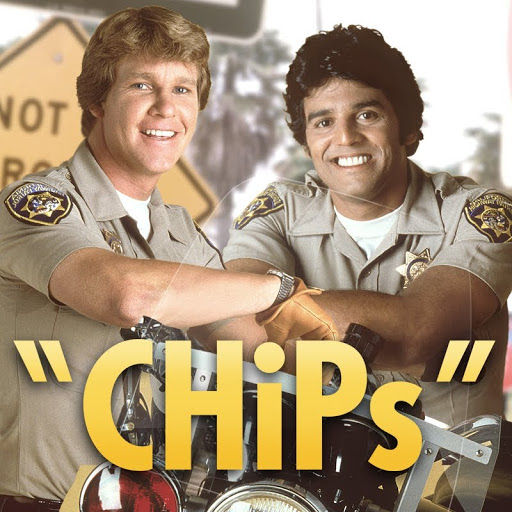
Welcome to Late Night Retro Television Reviews, a feature where we review some of our favorite and least favorite shows of the past! On Mondays, I will be reviewing CHiPs, which ran on NBC from 1977 to 1983. The entire show is currently streaming on Prime!
This week, the fifth season begins.
Episode 5.1 “Suicide Stunt”
(Dir by Michael Caffey, originally aired on October 4th, 1981)
The fifth season opens with the Highway Patrol pursuing a gang of thieves and also keeping an eye on Janos Szabo (Les Lannom), a motorcycle daredevil from Hungary who has come to Los Angeles to take part in charity show for “Highway Patrol Widows and Orphans.”
Since Hungary was controlled by the evil communists (hisssss!) when this episode originally aired, I assumed the episode would be about Janos trying to defect so that he could start a new life in the greatest country on Earth, the USA (yay!). Instead, it turned out that Janos was more concerned with spending time with an ex-girlfriend named Maria (Anita Jodelsohn) who had defected (Good for you, Maria!) and was now working for the Highway Patrol. The entire episode was pretty much scene after scene of Janos sneaking away from his handlers, stealing a vehicle, and then trying to kidnap Maria. Maria found it to be amusing. The members of the Highway Patrol were amused. Even Janos’s handlers seemed to be secretly amused. Still, when Janos set a fire outside of the CHP headquarters to distract everyone so that he could steal another car (this one with Maria in it), Ponch had no choice other than to arrest him.
“I am glad it is you who arrest me,” Janos says to Ponch, smiling like an idiot.
With Janos arrested, it falls on Jon Baker to perfect the stunts while riding Janos’s motorcycle. And Baker is able to do it easily, even the one that involves bursting through a ring of fire. So, I guess they didn’t need Janos to begin with. They should have just had Baker do it and they could have saved a lot of money. Way to waste the taxpayer’s cash, Jerry Brown!
(He was governor at the time. Then, like 30 years later, he was governor again.)
Odd episode, this one. Most season premieres try to go big but this was pretty much just another episode of CHiPs. The California scenery was nice. I always appreciate that this show was largely shot on location and, as a result, even the worst episodes have some value as a time capsule. That said, Janos was an incredibly annoying character. The fact that the show meant for us to laugh at his antics made him even more annoying. There’s only so many times you can watch one jackass try to abduct one woman before you say, “Enough already!”
Welcome to Retro Television Reviews, a feature where we review some of our favorite and least favorite shows of the past! On Mondays, I will be reviewing Miami Vice, which ran on NBC from 1984 to 1989. The entire show can be purchased on Prime!
There’s another serial killer haunting the streets of Miami. We all know what that means. It’s time to put either Trudy or Gina in harm’s way again.
Episode 5.7 “Asian Cut”
(Dir by James Contner, originally aired on January 13th, 1989)
Someone is murdering prostitutes and carving symbols into their skin. The seemingly friendly Prof. Halliwell (David Schramm) confirms that the symbols are Asian in origin. Crockett and Castillo suspect that the murderer might be a knife-obsessed Japanese gangster named Tegoro (Cary-Hiroyui Tagawa) but it turns out that they’re wrong. Gina and Trudy work undercover as escort and Trudy meets Carlos (Alfredo Alvarez Calderon), a man with a kink for being beaten. Carlos wants to introduce Trudy to a friend of his, someone who is something of an expert on torture and who learned the majority of his techniques while he was serving in the CIA during the Vietnam War….
Yep, the murderer is Prof. Halliwell!
This episode was thoroughly unpleasant. That’s not necessarily a bad thing when it comes to episodes about serial killers and David Schramm did a good job of switching from being goofy to deadly. However, in this case, it was hard not to think about the fact that, in five seasons, Gina and Trudy haven’t really gotten to do much other than pretend to be escorts and get threatened by serial killers. For once, Gina was the one providing support while Trudy was the one put in jeopardy but it still otherwise felt very, very familiar. Even the twist that the killer was a former CIA agent who specialized in torturing enemy combatants felt just a bit too predictable. (On Miami Vice, anyone who is former CIA and not named Castillo always turns out to be a murderer.) The torture scenes were so drawn out that they ultimately felt a bit gratuitous.

 Through the Shattered Lens