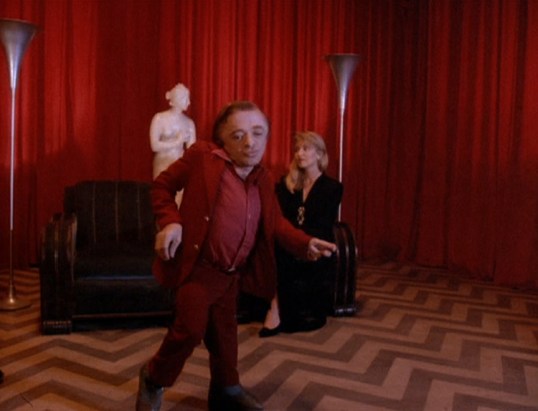
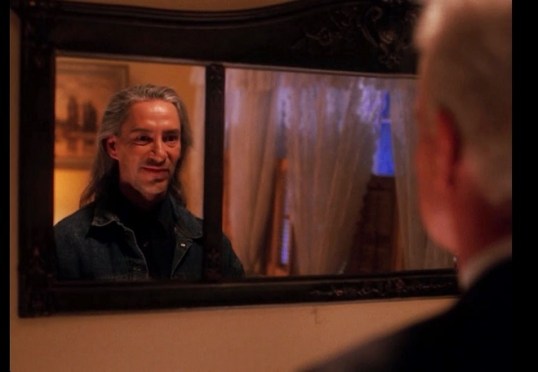
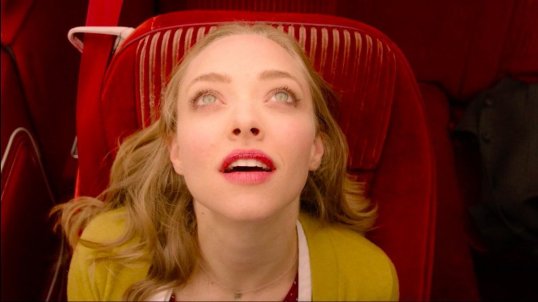
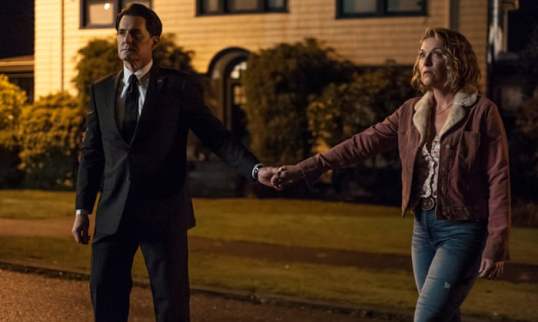
4 Shots From 4 Films is just what it says it is, 4 shots from 4 of our favorite films. As opposed to the reviews and recaps that we usually post, 4 Shots From 4 Films is all about letting the visuals do the talking.
Today, the Shattered Lens wishes a happy birthday to the co-creator of Twin Peaks, Mark Frost! It’s time for….
4 Shots From 4 Episodes Of Twin Peaks
Twin Peaks 1.3 “Zen or the Skill To Catch a Killer” (1990, dir by David Lynch, DP: Frank Byers)
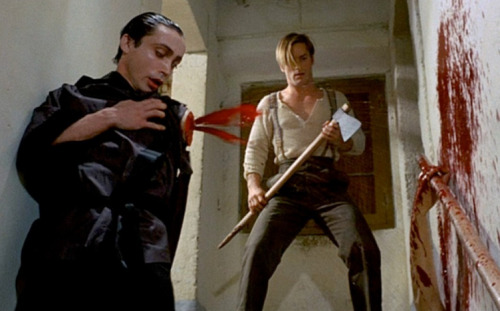
Twin Peaks 2.7 “Lonely Souls” (1990, dir by David Lynch, DP: Frank Byers)
Twin Peaks: The Return Part 5 (2017, dir by David Lynch, DP: Peter Deming)
Twin Peaks: The Return Part 18 (2017, dir by David Lynch, DP: Peter Deming)
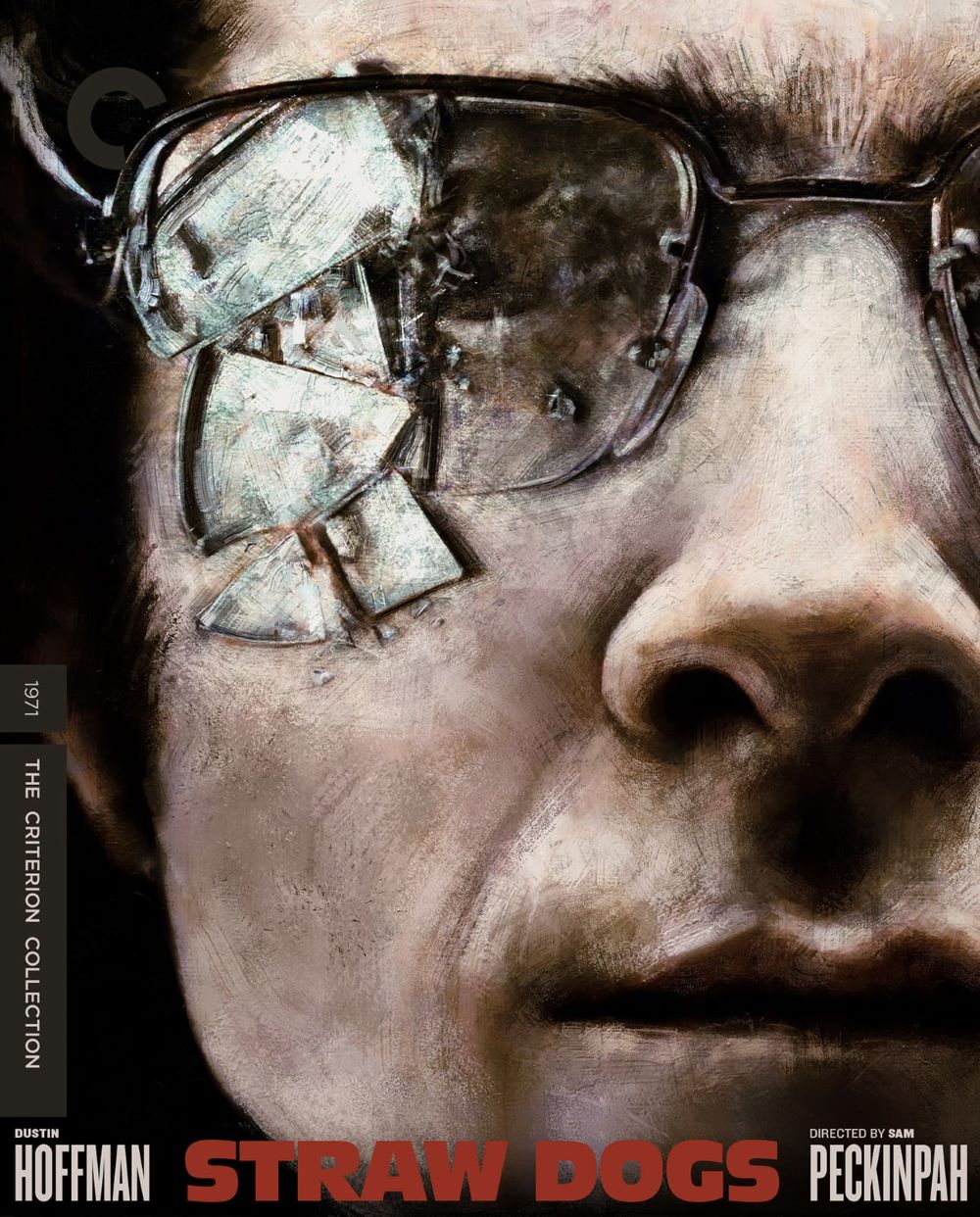
“Violence can be the only answer sometimes.” — David Sumner
Sam Peckinpah’s Straw Dogs is a raw, compelling dive into the breakdown of civility and the primal instincts bubbling underneath. The story follows David Sumner, a mild-mannered American mathematician, who moves with his wife Amy to her rural English hometown. The couple’s plan for a quiet life takes a sharp turn when tensions with the locals spiral out of control, resulting in a violent showdown. At its core, the film examines how far a person can be pushed before the veneer of civilization peels away, revealing something much wilder underneath.
The tension starts subtly, as David’s intellectual and pacifist nature clashes with the rough, territorial mindset of the local men. This brewing conflict isn’t just about cultural difference but taps into deeper themes around masculinity, power, and identity. Straw Dogs asks difficult questions about what it means to be a man, exploring how fragile male identity can be when confronted with real or perceived threats. David’s journey is less about heroism and more about the psychological and emotional transformation forced upon a man who initially seems ill-equipped for the violence unleashed around him. The whole film operates as a kind of symbolic stage where primal instincts and societal expectations collide, forcing each character to confront their own limits.
Amy’s role in the film is both pivotal and deeply complex. Her experience of assault, handled with subtle but unflinching attention, adds emotional and thematic weight without dominating the narrative. The film portrays her trauma through its impact on her and the shifting dynamics in her relationship with David, inviting reflection on resilience and struggle for control. Amy is depicted not merely as a victim but as a layered character navigating vulnerability and strength amid the hostile environment. This approach challenges viewers to consider the nuanced and often contradictory responses to trauma, avoiding simplistic victim narratives while emphasizing its profound consequences.
The rural setting of Straw Dogs is more than just a backdrop; it becomes a character in its own right. The close-knit, insular community embodies a microcosm where social order teeters and violence hides just beneath the surface. Law enforcement and authority figures seem ineffective or indifferent, which heightens the sense of isolation and lawlessness. The hostility from some village locals, including Amy’s ex-boyfriend Charlie, feeds into a toxic masculinity that sees David as weak and out of place. Peckinpah carefully stages this clash, using tension and silence as expertly as physical violence, making viewers feel the pressure ramping up until it finally snaps.
Dustin Hoffman’s portrayal of David is quietly brilliant in its subtlety. He plays David as a man trapped between worlds—intellectual and physical, passivity and aggression—with a restrained but deeply affecting performance. Hoffman’s ability to convey complex emotions beneath a calm exterior makes David’s eventual transformation all the more gripping. Susan George delivers an equally powerful performance as Amy, capturing the mixture of fear, defiance, and heartbreak her character endures. Their dynamic feels authentic and layered, making the viewer invested in their peril. The supporting cast, including actors like Peter Vaughan, add a layer of authentic menace, embodying the grim rural antagonists with convincing grit and intensity. The performances overall ground the film’s explosive themes in believable, relatable humans.
Themes in Straw Dogs extend beyond just personal violence to address ideas about identity and societal breakdown. The film explores the notion of the “symbolic order”—how individuals fit into and negotiate the rules and roles imposed by society. David’s identity crisis and his uneasy place within the village spotlight questions of power, emasculation, and rebirth. Peckinpah uses psycho-sexual imagery—such as symbols of emasculation and phallic power—to deepen the psychological stakes of David’s journey. The film conveys how deeply fragile human identity is and how violence can act as a brutal yet transformative force pushing individuals to redefine themselves. At the same time, the portrayal of Amy complicates these themes by challenging traditional gender roles, making the film as much about female agency as male dominance.
The film’s violence is famously brutal and unsettling. Peckinpah does not shy away from showing the full consequences of escalating conflict, culminating in an intense and chaotic finale where the line between victim and aggressor blurs. This isn’t violence for spectacle but a narrative and thematic necessity that Peckinpah uses to strip away pretenses and reveal the raw human instincts beneath. It’s this uncompromising depiction that both shocked audiences at the time and continues to provoke discussion about the nature of power and survival. The film is also notable for its innovative editing, with Peckinpah’s use of jump cuts and slow-motion heightening the emotional intensity and pacing the violence with a rhythmic, almost visceral punch.
Ultimately, Straw Dogs is a challenging film that forces viewers to confront disturbing truths about human nature, relationships, and societal order. Its exploration of violence and masculinity is complex and often uncomfortable, presenting no easy answers. The film remains a significant piece of cinema for its bold themes, outstanding performances, and the way it captures the frailty and ferocity of its characters. Peckinpah’s direction melds tension, psychological drama, and physical action into a gripping, unforgettable experience. Though controversial for its content, Straw Dogs endures as a powerful work that asks what truly happens when the thin line between civilization and savagery breaks down.
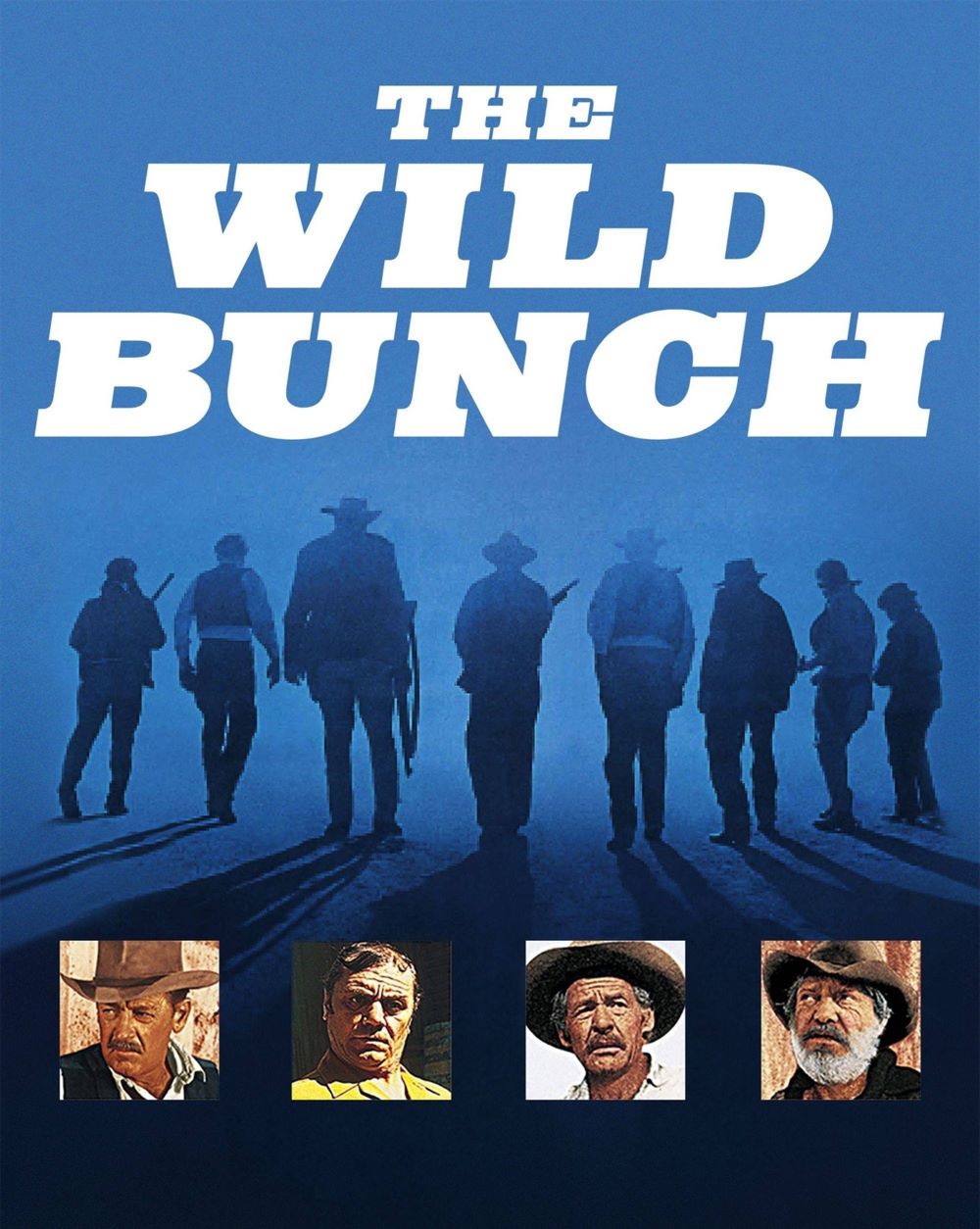
“We’ve got to start thinking beyond our guns. Those days are closin’ fast.” — Pike Bishop
Sam Peckinpah’s The Wild Bunch stands out as a landmark in the Western genre, famous for its daringly harsh depiction of both violence and the fading mythos of the American West. Rather than following the traditions of earlier Westerns, the film presents a gritty portrait of aging outlaws on the edge of extinction, wrestling with a society that has evolved past them. It’s a movie that’s difficult to shake, both for its unapologetic style and the unresolved feelings it leaves long after the final shots ring out.
At its core, the story centers on Pike Bishop and his band—a crew of seasoned criminals aiming for one last grand heist as modernity encroaches on their world. Hoping to pull off a train robbery, they end up entangled in deeper complications after being betrayed and soon are thrust into the turbulence of the Mexican Revolution. Peckinpah builds a narrative where clear-cut morality falls away. The criminals and those pursuing them, supposed bringers of justice, are equally compromised and dangerous. This balancing act challenges the audience to reassess their sympathies, since the characters rarely line up as traditional heroes or villains.
The film’s notoriety is inseparable from its treatment of violence. In an era when Westerns often depicted gunfights as almost bloodless, The Wild Bunch arrived blazing with slow-motion fatalities, realistic wounds, and chaos that feels nearly documentary. Peckinpah didn’t intend to sugarcoat death; the film’s fight scenes are designed to unsettle rather than thrill, making viewers register the true cost of violence on screen. The movie’s most infamous sequences, particularly the opening and closing shootouts, still provoke debate over whether their artistry justifies their brutality. Peckinpah reportedly wanted to expose the real consequences of violence, not celebrate them, and the resulting imagery remains both striking and disturbing decades later.
Beyond its bloodshed, the film is packed with melancholy, exploring the futility and obsolescence of its central figures. The Wild Bunch themselves—Pike, Dutch, Lyle, Angel, and others—all feel the weight of their era’s end. They are not just outdated in terms of time; their entire way of life has been mechanized and modernized beyond their grasp. The film depicts this through powerful imagery, from horses being supplanted by cars and trucks to rifles giving way to machine guns. This mechanization highlights that Pike and his men live in a world that has moved on, leaving them behind. Their code of honor and rough camaraderie are relics in a brutal, mechanized landscape that favors efficiency and merciless violence. The emergence of rapid-fire weaponry and vehicles is more than a backdrop; it symbolizes their growing irrelevance and the passing of a wild, untamed frontier.
Technically speaking, The Wild Bunch is as impressive as it is influential. The cinematography captures wide Mexican landscapes with dust and sunlight, conveying both beauty and bleakness. The editing—particularly in the action scenes—was ahead of its time, with its expressive use of multiple camera angles and slow-motion adding an almost ballet-like rhythm to chaotic violence. The music, a mix of Jerry Fielding’s score and traditional Mexican songs, deepens the film’s sense of place and loss. All of this technical prowess merges in set pieces that are still studied by action directors today.
One of the film’s most enduring legacies is its profound influence on a slew of filmmakers in the years following its release. Directors like Martin Scorsese, Quentin Tarantino, and John Woo have all cited The Wild Bunch as a key inspiration, particularly in how it reshaped the depiction of violence and complex characters onscreen. Peckinpah’s innovative use of slow motion during action scenes transformed gunfights into sequences that feel almost balletic, bringing an eerie beauty to brutality. This technique became a hallmark of John Woo’s work, where slow-motion shootouts are choreographed with a dance-like precision, making the violence stylized yet emotionally impactful. Meanwhile, Scorsese and Tarantino embraced the moral ambiguity and character complexity Peckinpah championed, pushing their own stories beyond clear-cut good and evil. Through these directors and many others, The Wild Bunch continues to resonate and shape modern cinema.
The performances in The Wild Bunch are integral to its powerful impact, with its ensemble cast bringing layered humanity to otherwise rough, sometimes brutal characters. William Holden leads as Pike Bishop with a mix of weary charisma and existential urgency, embodying a man caught between the fading wild past and a ruthless present. Holden’s Pike is not just a leader of outlaws, but a man wrestling with his own moral contradictions—as loyal and protective as he is capable of cold violence. This complexity allows the character to stay compelling rather than becoming a cliché tough guy.
Ernest Borgnine as Dutch Engstrom offers a grizzled, weary presence, conveying the toll that years of violence have taken on his spirit, while Warren Oates imbues Lyle Gorch with a volatile and rebellious energy that adds tension within the gang. His brother, Tector Gorch, played by Ben Johnson, brings a contrasting steadiness, portraying a man caught between loyalty and survival. Robert Ryan’s portrayal of Deke Thornton, the relentless bounty hunter, stands out as a tragic figure torn between his past friendship with Pike and his duty. This character conflict gives the story a deeper emotional layer and adds weight to the relentless pursuit central to the plot.
Supporting performances by Edmond O’Brien as Freddie Sykes and Jaime Sánchez as Angel enrich the group dynamic, each adding distinct personality traits that feel authentic and lived-in. The chemistry between the cast helps ground the film’s heavy themes in real human experience, making the characters’ struggles with obsolescence and loyalty resonate beyond the screen.
However, despite the strong male performances, the film’s treatment of female characters is notably sparse and limiting. Women in the film often fall into marginal roles, lacking development or agency, which reflects the gender dynamics of many Westerns from the era but feels particularly dated today.
For viewers seeking straightforward heroism or moral clarity, The Wild Bunch can be a challenging experience. Its bleak, nihilistic worldview and refusal to deliver easy answers may leave some feeling drained. The story culminates in a violent, unresolved climax with no tidy resolution, emphasizing loss and the end of an era. But it is precisely this rawness and technical mastery that keep the film compelling and worthy of close viewing.
The Wild Bunch demands you shed simple notions of good versus evil and prepare for a rough, often brutal ride. It’s a story about men fighting not just other men but inevitability—caught between their own fading values and the relentless march of modernization and change. Peckinpah doesn’t offer comfort; instead, he forces the viewer to reckon with violence’s cost and the price of nostalgia. Even with all its grit and flaws, the film’s artistry and influence remain undeniable, securing its status as a masterwork that redefined Westerns and action cinema alike. It’s a wild ride that continues to inspire and provoke long after the credits roll.
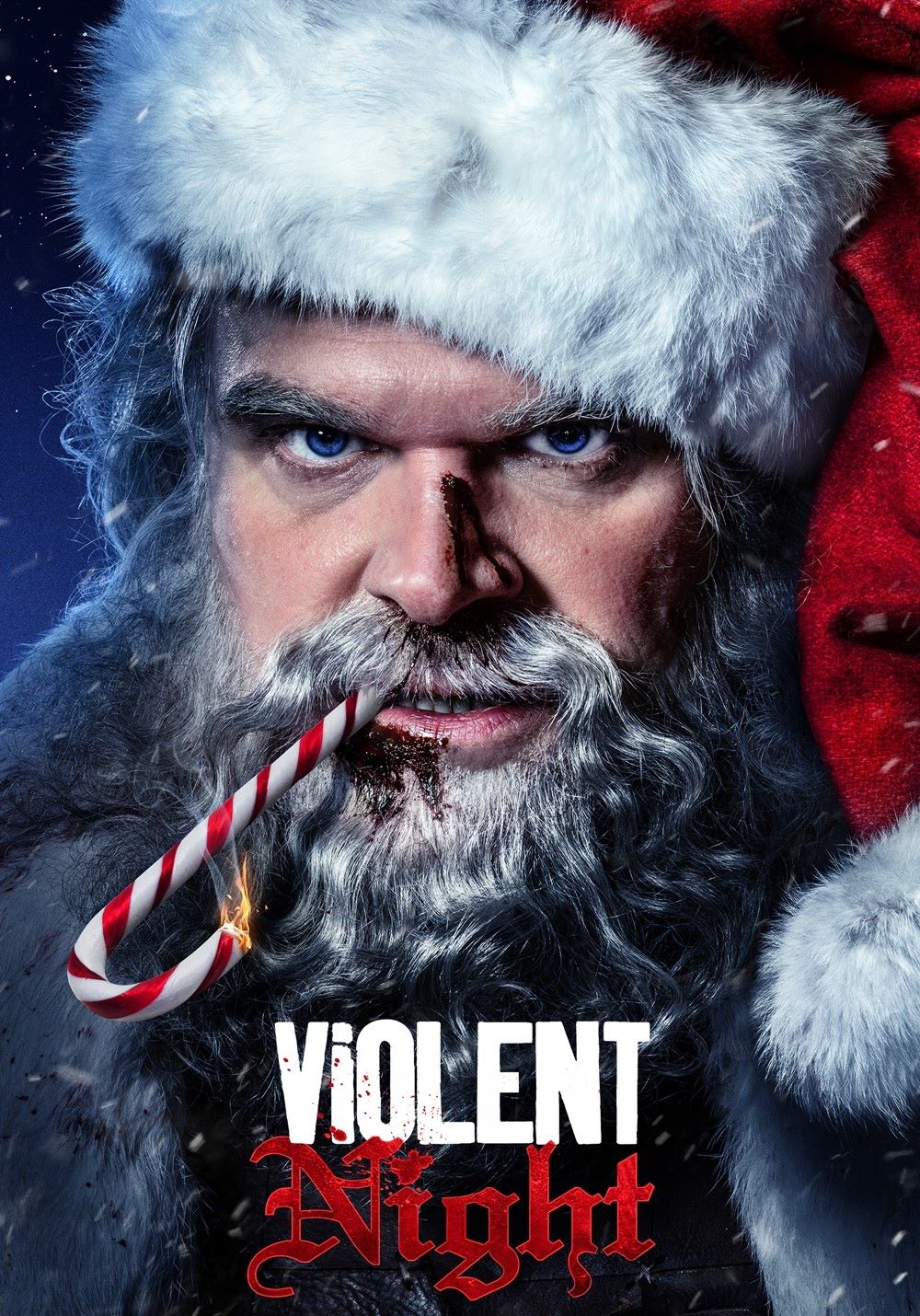
Violent Night (2022), directed by Tommy Wirkola, is a wild ride that shakes up the traditional Christmas movie formula by turning Santa Claus into a battle-hardened warrior. David Harbour stars as this unconventional Santa, who is far from jolly; he’s a grizzled, somewhat cranky, and disillusioned figure with a Viking warrior past. The movie sets itself apart with a premise that throws a group of ruthless mercenaries into a wealthy family’s Christmas Eve gathering, only to discover Santa isn’t the harmless old man they expected. Instead, he’s a fierce protector who fights back with brutal efficiency.
The story unfolds at the mansion of the affluent Lightstone family during their holiday reunion. The family is full of tension, with secrets and resentments bubbling just beneath the surface. When a gang of mercenaries led by the villainous Scrooge (John Leguizamo) invades the house to steal a fortune rumored to be stashed there, the family members become hostages. Among them is Trudy, a young girl who still believes in Santa and becomes an emotional anchor for the story. What follows is a chaotic clash as Santa unleashes his warrior skills in a bloody and often darkly humorous fight to protect Trudy and take down the intruders.
One of the strongest aspects of Violent Night is David Harbour’s performance. His Santa is not the usual cheerful holiday icon but a rough-around-the-edges hero with a quick wit and a fierce sense of duty. Harbour brings a compelling mix of grit and warmth, making Santa both intimidating and surprisingly endearing. His fight scenes are impressively choreographed, with inventive use of Christmas-themed props that add a unique flavor to the action. The humor, often delivered through clever one-liners and absurd situations, enhances the movie without overloading it, striking a balance between dark comedy and action thriller.
The action sequences are a highlight, filled with creative and over-the-top violence that turns traditional Christmas decorations into lethal weapons. From candy canes to Christmas lights, the film embraces its outrageous concept fully, often with a smirk and knowing wink to the audience. This approach to action and humor makes it feel like a holiday-themed grindhouse film, which will certainly appeal to viewers looking for something different from typical festive fare.
However, the film is not without flaws. The storyline sometimes leans too heavily on clichés and predictable twists, particularly around family drama and criminal motives. While the Lightstone family members are meant to add complexity to the narrative, many come across as caricatures, which lessens emotional impact. The pacing occasionally suffers as well, with some scenes dragging or feeling repetitive amid the barrage of action. Furthermore, the movie’s tone can be uneven—certain moments of humor or sentimentality clash with brutal violence, which might alienate viewers who prefer more consistent storytelling.
The supporting cast delivers performances that range from serviceable to over-the-top, fitting the film’s campy and exaggerated style. John Leguizamo’s Scrooge is a memorable villain with a sneer and attitude that fits the tone, while Beverly D’Angelo adds a touch of dark humor as the wealthy matriarch. The character of Trudy serves as the emotional heart of the film, grounding the chaos with a child’s innocent belief in magic and goodness. Yet, some secondary characters feel underdeveloped, existing mostly to provide fodder for the violence or comedic moments.
Visually, Violent Night embraces the glitz and cold grandeur of a wealthy family’s mansion, contrasted sharply by the gritty and bloody action that unfolds. The cinematography and production design showcase the holiday setting effectively, using wintery landscapes and elaborate Christmas decor as backdrops that add to both the festive and lethal atmosphere. The film keeps a brisk pace, aided by energetic direction, though it sometimes prioritizes style over substance.
In terms of themes, Violent Night plays with the clash between holiday cheer and harsh realities, exploring ideas about family, belief, and redemption through its unusual take on Santa Claus. It taps into a more cynical view of Christmas but ultimately doesn’t abandon the underlying message of hope and protection. This mixture, however, occasionally feels forced, as the violent antics often overshadow character development and emotional depth.
Overall, Violent Night is an entertaining and unconventional holiday film that is best enjoyed with an appetite for absurdity and dark humor. It stands out for pushing boundaries with its brutal action scenes and a refreshingly gruff Santa, offering a festive movie experience that fits more in the niche of chaotic fun rather than heartwarming tradition. While it may not win over purists looking for classic Christmas storytelling, it offers a distinctive alternative for those who want their holiday films with a hard edge and plenty of explosive moments. For viewers who can embrace its mix of camp, carnage, and seasonal spirit, Violent Night delivers a wild, memorable ride that defies expectations.
4 Shots From 4 Films is just what it says it is, 4 shots from 4 of our favorite films. As opposed to the reviews and recaps that we usually post, 4 Shots From 4 Films is all about letting the visuals do the talking.
In memory of Udo Kier, here are…
4 Shots From 4 Udo Kier Films
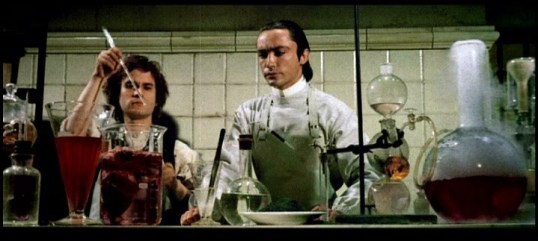
Flesh For Frankenstein (1973, dir by Paul Morrissey, DP: Luigi Kuveiller)
Blood For Dracula (1974, dir by Paul Morrissey, DP:Luigi Kuveiller)
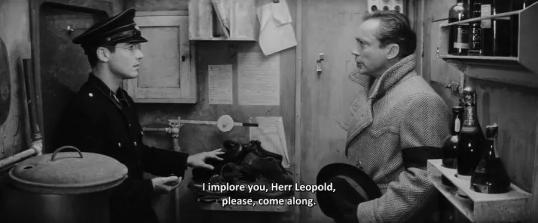
Europa (1991, directed by Lars Von Trier, DP: Henning Bendtsen, Edward Kłosiński, Jean-Paul Meurisse. Released as Zentropa in North America)
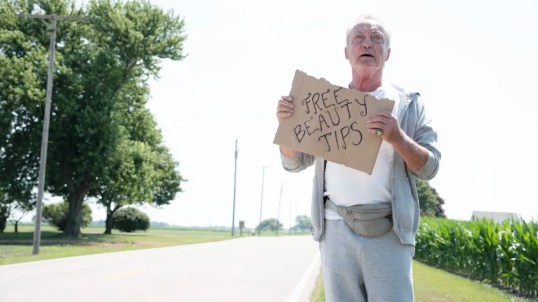
Swan Song (2021, dir by Todd Stephens, DP: Jackson Warner Lewis)
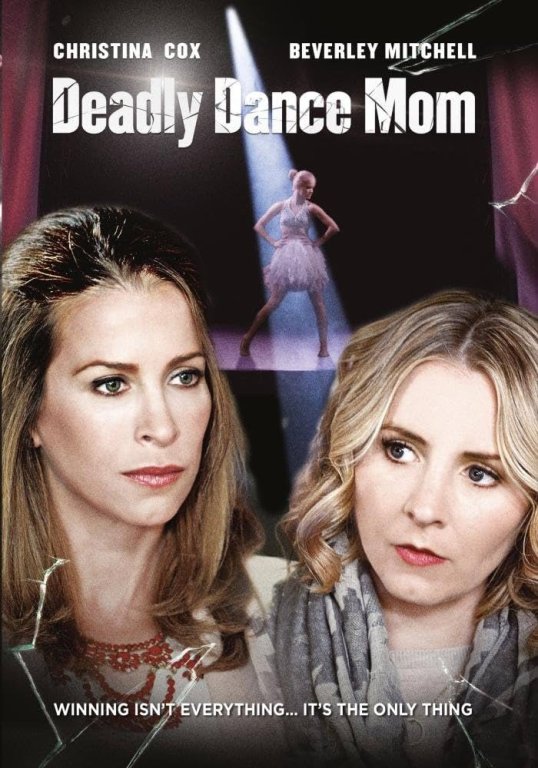
Hi, everyone! Tonight, on twitter, I will be hosting one of my favorite films for #MondayMania! Join us for 2017’s Deadly Dance Mom!
You can find the movie on Prime and then you can join us on twitter at 9 pm central time! (That’s 10 pm for you folks on the East Coast.) See you then!
Today’s song of the day is The Harder They Come, taken from the soundtrack of the 1972 Jamaican film of the same name. This film and Jimmy Cliff’s performance and the soundtrack are all often credited with introducing reggae to the rest of the world.
Well they tell me im a pie up in the sky Waiting for me when i die But between the day your been and when you die They never seem to hear or even cry
So as sure as the sun will shine im going to get my share now of whats mine And then the harder they come the harder they’ll fall One and all Ooh the harder they come the harder they’ll fall One and all
Well the oppressors are trying to keep me down Trying to drive my underground And they think that they have got the battle won I say forgive them lord, they know not what they done
Cause as sure as the sun will shine Im gonna get my share now of whats mine And the harder they come the harder they fall One and all Ooh the harder they come the harder they fall One and all
And i keep on fighting for the things i want Though i know when your dead you cant But id rather be a free man in my grave Than living as a puppet or a slave
So as sure as the sun will shine Im going to get my share now whats mine And then the harder they come the harder they fall One and all Ooh the harder they come the harder they fall One and all
As some of our regular readers undoubtedly know, I am involved in hosting a few weekly live tweets on twitter and occasionally Mastodon. I host #FridayNightFlix every Friday, I co-host #ScarySocial on Saturday, and I am one of the five hosts of Mastodon’s #MondayActionMovie! Every week, we get together. We watch a movie. We snark our way through it.
Tonight, for #MondayActionMovie, the film will be 1990’s Street Asylum!
It should make for a night of fun viewing and I invite all of you to join in. If you want to join the live tweets, just hop onto Mastodon, find the movie on YouTube and hit play at 8 pm et, and use the #MondayActionMovie hashtag! The watch party community is a friendly group and welcoming of newcomers so don’t be shy.
RIP to the great actor, Udo Kier. He died yesterday at the age of 81, in Palm Springs, California.
Today’s scene that I love features Kier in the only version of Suspiriathat matters, the original one directed by Dario Argento. In this scene, Kier discusses witchcraft with Jessica Harper.
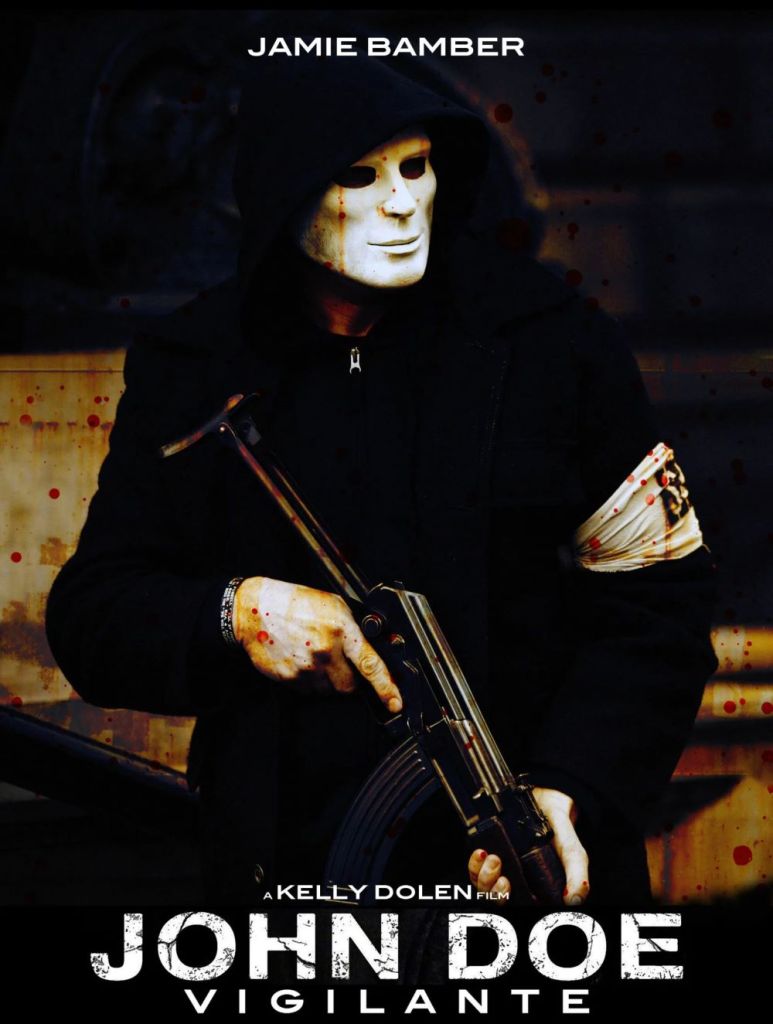
“They failed us… so what choice did I have?” — John Doe
John Doe: Vigilante, directed by Kelly Dolen and released in 2014, is a blunt and provocative take on the vigilante thriller, brimming with social commentary and visual grit. The film revolves around John Doe, played by Jamie Bamber, whose world is shattered by the violent deaths of his family members. Disillusioned by a justice system that barely delivers justice, Doe transforms himself into a vigilante, targeting repeat offenders who continually evade real consequences. The narrative takes a non-linear approach, jumping between timelines using mock interviews, courtroom debates, and TV news segments to piece together Doe’s story and the societal mania swirling around him.
The structure of the film is both one of its most engaging features and a source of occasional frustration. Rapid switches between documentary-style “talking head” interviews, real-time action, and flashbacks keep the viewer on their toes. While this can create some dramatic momentum, it also leads to a sense of disconnect, as the story sometimes trades clarity for style. Still, there’s an undeniable energy to this format. The movie feels urgent and relevant, throwing the audience directly into a conversation about law, order, and the places these systems break down.
A major focus of the film is on the media’s influence over the public’s perception of vigilantism. The mixed portrayal of John Doe as both a monster and a folk hero reflects how quickly public sentiment can tilt depending on who’s doing the telling. There’s an uncomfortable suggestion that cycles of violence and public outrage are not only connected but sometimes dependent on the news cycle to fuel them. The film hammers this point home repeatedly, sometimes at the expense of nuance. It isn’t shy about waving its message in the viewer’s face, with characters often delivering speeches about justice, victimization, and the failings of society.
Despite some heavy-handedness, Jamie Bamber’s performance is the glue holding everything together. He plays Doe with a haunted distance rather than unrestrained rage, showing a character who’s been hollowed out by tragedy and driven by a cold, relentless sense of necessity. He’s not a cartoonish avenger—his actions clearly torment him, and his moments of uncertainty make the character believably conflicted. However, the supporting cast doesn’t fare as well, with most roles feeling thin and underdeveloped. Journalists, detectives, and secondary victims drift in and out, often serving mainly as delivery devices for the film’s ceaseless thesis statements about crime and morality.
The violence in John Doe: Vigilante is unflinching and rarely sensationalized. Confrontations come fast and harsh, depicted with practical effects that drive home the ugliness of the acts themselves. This directness serves to emphasize the horror of violence, whether enacted by criminals or by Doe himself. The film’s refusal to sugarcoat these scenes will appeal to viewers who prefer realism and discomfort to stylized action, but it may push others away due to its unrelenting bleakness.
On the plus side, the movie does succeed in keeping the viewer guessing about its core question: Is Doe’s crusade righteous or an invitation to chaos? His victims are almost unfailingly depicted as monsters, which blunts some of the intended ambiguity, but the reaction from the world around him—copycat crimes, protests, media manipulation—spins the plot in more interesting directions. The broader implication is that once a society loses faith in the courts, retributive justice becomes both appealing and very, very dangerous. While the film mostly sticks to familiar genre beats, it does occasionally land a punch that lingers. Scenes showing a growing vigilante movement in response to Doe’s actions are particularly thought-provoking, inviting viewers to consider how collective anger can quickly spiral out of control.
However, the film repeatedly stumbles over its own desire to make a point. Its depiction of evil is strikingly black-and-white, and the justice system is rendered in frustratingly broad strokes. Very little time is spent on the possibility of innocent people being caught in the crossfire or of criminals ever achieving redemption. All the nuance falls to Bamber’s performance, as the rest of the characters serve mostly as echoes of his trauma or mouthpieces for the script.
Dialogue can also be a weak point. Characters often speak in loaded, over-serious refrains about crime and victimhood. If you’ve seen other media with vigilante themes, especially ones grappling with morality, John Doe: Vigilante might give you déjà vu. It isn’t particularly subtle and tends to repeat itself, particularly in the latter half, as perspective shifts and news segments rehash similar arguments. By the time the final acts come around—with a pivotal, tension-drenched scene of Doe delivering his last “message” to the public—the narrative momentum has already started to lag.
Still, the film isn’t without its bright spots. Its editing, especially the way flashbacks are woven into the present narrative, is creative and keeps certain plot elements hidden until just the right moment. There are a few bold narrative choices—one involving a child’s perspective near the end is a standout—that briefly elevate the film above its otherwise standard revenge-thriller fare. These are the moments that will stick with viewers long after credits roll.
At its core, John Doe: Vigilante is angry and bruising, with its heart firmly pinned to its sleeve. It wants to provoke discomfort and debate, not offer easy answers or escapist fun. The movie wrestles with questions of what justice really means when institutions fail, and whether violent reckoning is ever justifiable—even for the worst of the worst. It doesn’t ultimately land on a satisfying conclusion, but that may be the point.
John Doe: Vigilante stands as a solid and sometimes stirring entry in the vigilante genre, bolstered by a committed lead performance and raw intensity but hampered by heavy-handed dialogue, weak supporting characters, and a lack of moral complexity. For viewers who enjoy gritty crime films and are open to films that raise difficult, unsettling questions, John Doe: Vigilante is worth checking out. Just don’t expect it to pull its punches—or to give you any tidy resolutions.
 Through the Shattered Lens