Review: Thanksgiving (dir. by Eli Roth)


“This year, there will be no leftovers.” — Sheriff Eric Newlon

Thanksgiving (2023) is Eli Roth’s ambitious take on the slasher genre, blending elements of gory horror, dark comedy, and social commentary rooted in the holiday’s American origins. The film follows a masked killer, inspired by the historical Plymouth Colony governor John Carver, who stalks the small town of Plymouth, Massachusetts, weaving a path of violence around the Thanksgiving festivities. The movie opens strongly with a tense, chaotic Black Friday mob scene that effectively captures the frenzy of consumerism and sets a sharp tone of societal critique through horror. However, as the film progresses, it drifts more into a conventional slasher revenge plot that lacks the depth expected from its promising premise.

Visually, Thanksgiving is sharp and well-crafted, abandoning the low-budget aesthetic of Roth’s original 2007 fake trailer and adopting a slick, modern horror style reminiscent of recent elevated slashers. The kills are signature Roth—extremely graphic and creatively brutal—offering plenty of gore that will satisfy fans of extreme slasher violence. The cast delivers solid performances, portraying a range of characters that touch on themes from corporate greed to family tension. While some characters feel underdeveloped, the film does maintain a whodunit element that keeps the mystery alive until the later stages, engaging the audience in the killer’s identity.

The film attempts a tricky balance between paying homage to nostalgic slasher films and delivering dark social satire. This tonal uncertainty emerges as its main weakness; the mix of campy horror and dramatic narrative sometimes feels disconnected and uneven. Although the premise hints at a sharp critique of consumerism and the problematic legacy of Thanksgiving, these themes remain superficially explored. The clashing tones—between over-the-top murder scenes and serious town investigations—can disengage viewers, leading to a jarring experience that affects overall cohesion.

The film leans heavily on extreme violence and a parade of signature kills, but it lacks the sharp wit or cohesive satire needed to maintain sustained interest. It tries to balance being both artful and absurd, yet ends up feeling off-balance and somewhat numbing, stretching a brief satirical concept into a 106-minute feature without clear follow-through or a unified purpose. While it delivers plenty of gore and horror moments, Thanksgiving ultimately falls short of being a polished homage or a compelling modern reinvention of the slasher genre. The result is entertaining mainly for fans who appreciate relentless slasher violence but may leave others feeling the film is uneven and overstuffed without fully satisfying either as a tribute or as a fresh take on the genre.

In terms of entertainment value, Thanksgiving offers a chaotic mix of gore, dark humor, and missed opportunities that make it an uneven but occasionally thrilling watch. It delivers a fresh avalanche of horror and inventive kill sequences packed with kitschy Thanksgiving references and humorous touches, especially in its opening Black Friday massacre. Fans of Eli Roth’s style will recognize his penchant for mixing intense violence with comedic timing, and the film does a respectable job reviving the feel of classic ’80s slashers with a modern twist. However, it’s a film best suited for devotees of graphic slashers rather than casual horror viewers seeking strong narrative or thematic depth.

Ultimately, Thanksgiving stands as a gutsy effort buoyed by bold kills and nostalgic flair, but one that struggles to find a fully satisfying balance between homage, horror, and social commentary. Its impact is intense but uneven, making it a film that may carve out a cult following among gore enthusiasts while leaving others wishing for a sharper, more cohesive final product.

Brad reviews BREAKING IN (1989), starring Burt Reynolds!


BREAKING IN (1989) opens with veteran safecracker Ernie Mullins (Burt Reynolds) pulling a job at a rich guy’s house, only to be surprised when a young, amateurish thief named Mike (Casey Siemaszko) turns up at the same place to raid the fridge. Immediately taking a liking to the kid, Ernie decides to offer Mike a chance to learn his trade. Thus begins a partnership, and odd-couple friendship, where the two men pull a series of jobs together, with Ernie passing on his knowledge to his young protege who seems to be enjoying the sudden influx of cash into this life. Unfortunately, the generation gap causes some problems as Mike doesn’t necessarily take heed to Ernie’s advice to never being too greedy or flashy. Soon, Mike is renting high rise apartments and buying fancy cars with cash. When they pull a big job on the 4th of July, will Mike’s less than frugal ways drag them both down?!

Written by the excellent, independent writer and director John Sayles (MATEWAN, EIGHT MEN OUT) and directed by Scottish director Bill Forsyth (LOCAL HERO), BREAKING IN is a reminder of just how great Burt Reynolds is in the right role. In his 50’s at the time this was filmed, Reynolds gives a relaxed, lived-in, character performance that comes across as effortlessly cool, and he does it without having to rely on his trademark charm and big grin. The late 80’s were a time when Burt was no longer a box office superstar, and BREAKING IN seems to be an unjustly forgotten entry in his hugely successful career. After this, Burt would find TV success on EVENING SHADE, and he’d be nominated for an Oscar for his role in BOOGIE NIGHTS (1997), but his Ernie Mullins stands out to me as one of his last great film roles. Casey Siemaszko is good as Mike, but this is Reynolds’ show and he’s overshadowed even in a solid performance. As far as the other supporting performances, Sheila Kelley stood out to me as a sharp-tongued prostitute who Siemaszko falls in lust with. The poem she shares about a man’s “balls” is a highlight of the film as far as I’m concerned, and further illustrates the quality of Sayles’ screenplay!

I like the way that BREAKING IN feels low-key, even as the characters engage in their various criminal heists. This can be credited to director Bill Forsyth who turns what could have been a standard master / apprentice crime film into something that feels somewhat realistic. The pacing is slow as Reynolds passes on his knowledge, and for some people it may be too slow, but that’s one of the things I really liked about the movie. The two men really get to know each other. That way, when they have disagreements and blow ups a couple of times, they’re still able to respect each other and patch things up. That’s how things are in the real world, as opposed to most movies where a simple disagreement will almost certainly lead to ridiculous consequences. BREAKING IN respects its characters in a way that’s unique to most crime films. 

At the end of the day, BREAKING IN is a gem that is at its best as a lighthearted character study of a professional thief whose time is passing him by. Burt Reynolds rarely got to play roles this subtle, and I think he made the most of the opportunity. As a big fan of Reynolds, I highly recommend this one. 

4 Shots From 4 Films: Special Mark L. Lester Edition


4 Shots From 4 Films is just what it says it is, 4 shots from 4 of our favorite films. As opposed to the reviews and recaps that we usually post, 4 Shots From 4 Films is all about letting the visuals do the talking.

Today, the Shattered Lens wishes a happy birthday to director Mark L. Lester.  It’s time for….

4 Shots From 4 Mark L. Lester Films

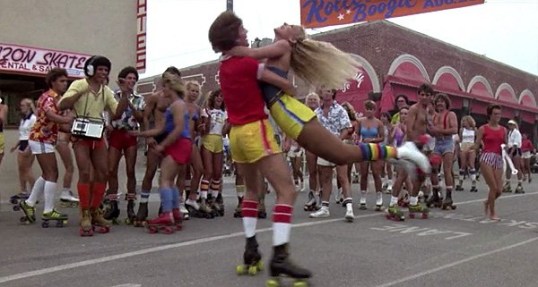
Roller Boogie (1979, dir by Mark L. Lester, DP: Dean Cundey)

Class of 1984 (1982, dir by Mark L. Lester, DP: Albert Dunk)

Commando (1985, dir by Mark L. Lester, DP: Matthew Leonetti)

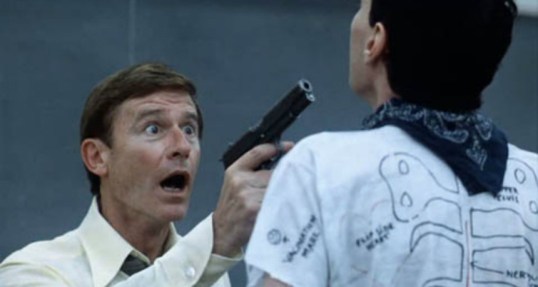
Public Enemies (1996, dir by Mark L. Lester, DP: Misha Suslov)


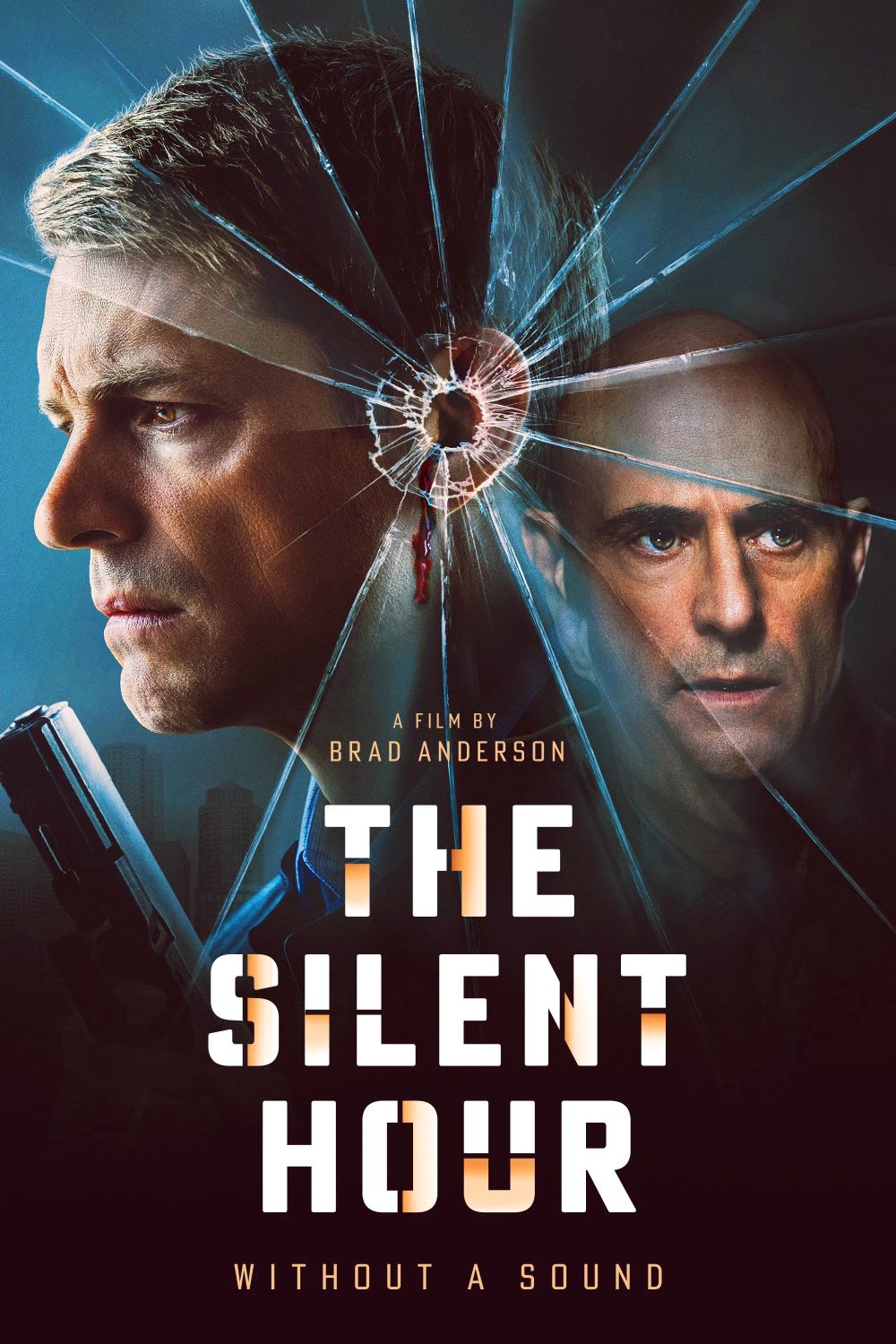
Review: The Silent Hour (dir. by Brad Anderson)


“One missing piece doesn’t make you any less whole.” — Ava Fremont

The Silent Hour is the kind of mid-budget thriller that used to quietly fill up Friday night multiplex lineups, and there’s something refreshing about that. It is not reinventing the genre, but it does just enough with its premise of hearing loss, a deaf witness, and a sealed-off apartment block to feel engaging instead of disposable. When it leans into that sensory angle and the physical geography of the building, it clicks; when it falls back on stock corrupt-cop beats, you can feel the air go out of the room a little.

The setup is straightforward: Boston detective Frank Shaw (Joel Kinnaman) is struggling with permanent hearing loss after an on-the-job accident, trying to find a way back onto the force and into his own life. He is brought in because he knows some sign language and is asked to help take the statement of Ava Fremont (Sandra Mae Frank), a deaf photographer who has video evidence of a brutal gang murder. Once Frank leaves her run-down apartment building, he realizes he forgot his phone, heads back, and walks straight into a hit team sent to silence Ava; the rest of the film traps them inside the almost-condemned complex with a crew of killers who, crucially, they often cannot hear coming.

Director Brad Anderson has always had a knack for tense, contained spaces, and you can feel the same instincts here that powered films like Session 9 and Transsiberian, even if The Silent Hour is more conventional. The apartment block is shot as a grim, half-abandoned maze: flickering lights, long hallways, and just enough remaining tenants to complicate any hope of a clean escape. Anderson stages several sequences as slow, creeping cat-and-mouse instead of wall-to-wall gunfire, which fits the “you can’t hear the danger” concept nicely and gives the movie a more claustrophobic vibe than the plot synopsis might suggest.

Where the film genuinely distinguishes itself is in how it uses sound—or sometimes refuses to use it. Scenes that shift into Frank’s perspective often dampen or distort the audio, letting the score fall away so small vibrations, visual cues, and body language carry the tension, while Ava’s point of view goes further, dropping into near-total silence and forcing the audience to scan frames the way she would. It is not as radical as something like A Quiet Place, but it is effective, and the sound department clearly understands that “absence” can be as expressive as any bombastic action mix.

Kinnaman slides comfortably into this kind of bruised, low-key action role, and here he plays Frank as a guy permanently half a step behind the world around him, frustrated but not wallowing. The script gives him some predictable beats—guilt, self-destructive drinking, a shot at redemption—but Kinnaman sells the physical awkwardness of someone relearning how to move and work while not fully trusting his own body. Sandra Mae Frank is the movie’s secret weapon, though; as Ava, she never reads as a passive victim, and there is a practical, almost sardonic edge to the way she navigates the situation that helps keep the film from turning mawkish about disability.

The dynamic between Frank and Ava is also where the film finds its heart, even if it is pretty lightly sketched. Their communication is messy at first—his sign language is rusty and limited, hers is fast and precise—but that awkwardness becomes part of the tension, because a misread sign or delayed understanding can get people killed in this environment. As they settle into a rough rhythm, the movie quietly nudges Frank toward accepting that his hearing loss is not just a temporary obstacle but a permanent part of who he is now, and Ava is allowed to be more than a symbolic “guide” through that, with her own fears and bad decisions hanging over her.

On the flip side, the actual crime plot is about as standard as they come. The villains are corrupt cops cleaning up a messy murder, and if you have seen more than a couple of thrillers, you will probably guess who is dirty long before the script “reveals” it. There are a few half-hearted attempts at moral compromise and temptation—a hefty bribe, old loyalties—especially around Frank’s former partner Doug Slater (Mark Strong), but the story never digs into systemic rot or moral ambiguity in any meaningful way; it just uses corruption as a convenient engine to keep the bullets and double-crosses coming.

Structurally, the film works best as a series of mini-scenarios inside the building rather than as a twisty conspiracy. You get sequences where Frank and Ava navigate dark stairwells while trying to stay ahead of men they can feel but not hear, tense face-offs in cramped apartments with panicked tenants, and a few well-staged bursts of violence that remind you this is still a pretty nasty situation. The climax leans into fire, chaos, and one last push for survival, and while the resolution lands exactly where you’d expect, the final quieter beats give the characters a bit of closure that feels earned rather than tacked on.

Performance-wise, the supporting cast does its job without stealing the movie. Mekhi Phifer and Mark Strong bring some veteran presence as fellow cops circling around Frank, and even when the writing nudges them toward archetype, they at least feel like people who have known each other for years rather than walking plot devices. The henchmen are more one-note, essentially “the guys with guns” hunting through the building, but the film leans on their physicality and menace instead of trying to give everyone a tragic backstory, which is probably the right call for a lean thriller like this.

If there is a frustration here, it is mostly about missed potential. The core hook—two people with hearing loss trying to survive in a sound-dependent cat-and-mouse game—is strong enough that you can imagine a slightly sharper script pushing much harder on point of view, communication breakdown, and the way the police institution treats disability. Instead, The Silent Hour uses those elements as flavoring around a very familiar skeleton, resulting in a movie that is solid and sometimes gripping but rarely surprising.

Taken on its own terms, though, The Silent Hour is a tight, competently staged thriller that understands how to milk a confined space and an offbeat sensory angle for suspense. The running time is under two hours, the pacing stays brisk, and there are enough well-executed set pieces and committed performances to make it an easy recommendation if you are in the mood for a darker, low-key action night. It will not stick with you the way the very best of Brad Anderson’s work does, but as a late-night watch with the lights down and the volume doing most of the heavy lifting, it gets the job done.

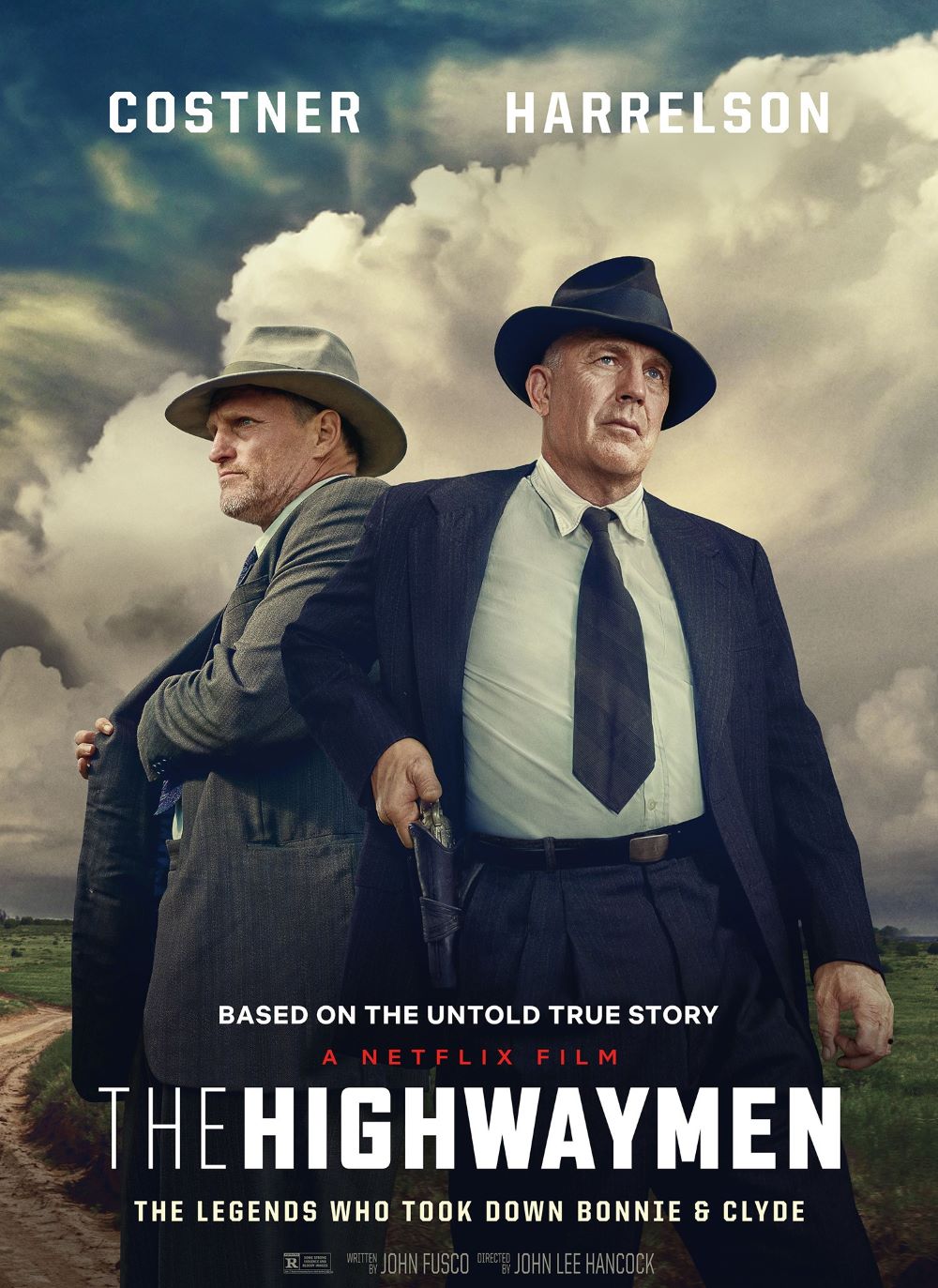
Review: The Highwaymen (dir. by John Lee Hancock)


“People don’t always know who they are… ’til it’s too late.” — Frank Hamer

The Highwaymen, as directed by John Lee Hancock, delivers a character-driven, period crime drama that refreshes a story so often mythologized in American pop culture. Instead of glamorizing Bonnie and Clyde, the film spotlights the two former Texas Rangers tasked with ending their crime spree: Frank Hamer (played by Kevin Costner) and Maney Gault (played by Woody Harrelson). Set against the bleak dustbowl landscape of 1934, the film opens with the criminal duo breaking their associates out of Eastham Prison, setting the state of Texas into a panic. In desperation, Governor “Ma” Ferguson authorizes the return of Hamer, a seasoned lawman whose old-school methods have largely been left behind in modern policing.

From the start, The Highwaymen takes its time, inviting viewers into a slower, more contemplative chase rather than the kinetic action often associated with outlaw stories. Hamer, long retired and resistant to rejoining the fight, is persuaded both by the severity of Bonnie and Clyde’s violence and the humiliation his state faces in failing to catch them. Gault, for his part, is recruited despite his own personal struggles, adding a layer of regret and weariness to their partnership. Their pursuit is marked by straightforward detective work—staking out small towns, following trails, and confronting a public that is strangely captivated by the criminals they hunt. The film repeatedly draws attention to the way crowds and the press elevate Bonnie and Clyde, reflecting on an early version of true crime celebrity culture.

The dynamic between Hamer and Gault forms the emotional core of the movie. Their bond is shaped by years of experience, mistakes, and a real sense of being out of place in a society that now doubts their relevance. There’s plenty of banter and friction, but also reflective moments that dig into the costs of life spent in pursuit of justice. Throughout the investigation, the film uses the Texas and Louisiana landscape as a powerful backdrop—the vast, windswept highways underscore the isolation and existential gravity faced by these lawmen. The cinematography favors wide shots and muted colors, giving the chase a feeling of endlessness and melancholy.

Instead of showcasing Bonnie and Clyde as glamorous anti-heroes, the film keeps them at a distance, rarely granting much screen time or dialogue. Violence is handled abruptly and unsentimentally. When it finally arrives, most notably in the climactic ambush, it is portrayed as brutal and inevitable, reminding the viewer that myths are built on blood and public spectacle. The lawmen’s final confrontation results in the infamous shootout, depicted with documentary-like restraint. The aftermath involves a bullet-riddled car towed through throngs of onlookers—an eerie scene that highlights how tragedy becomes spectacle.

One of the film’s greatest strengths is in its portrayal of moral ambiguity. Both Hamer and Gault operate by principles shaped in a different era. Their methods can be rough and unorthodox; they clash with younger law enforcement and the FBI, whose approaches are more bureaucratic, less personal. The film hints at the toll violence and a lifetime in law enforcement has taken on them, including a poignant story from Gault about a tragic accident in his past. These reflections draw out the muted sadness underlying their pursuit, exploring themes of justice, changing times, and what remains after one’s era passes.

Performance-wise, Costner and Harrelson bring authenticity and gravity to their roles. Their chemistry is quiet and real, developed largely through understated scenes—silent drives, awkward motel breakfasts, and occasional arguments broken up by mutual respect. Supporting roles, like Kathy Bates’s steely governor and John Carroll Lynch’s earnest corrections chief, flesh out the historical setting and institutional pressures.

The film doesn’t always dig as deep as it could into the complexities of Depression-era justice, but its restraint and focus on character make up for that. Rather than indulging in nostalgia or sensationalizing violence, it keeps its lens on the human cost—the consequences for the victims, the weariness of the men trying to restore order, and the strange cultural fascination with outlaws. If you’re looking for a grounded historical drama that trades fast action for thoughtful pacing, and puts working-class grit front and center, The Highwaymen is worth the ride.

4 Shots From 4 Films: Special Mark Frost Edition


4 Shots From 4 Films is just what it says it is, 4 shots from 4 of our favorite films. As opposed to the reviews and recaps that we usually post, 4 Shots From 4 Films is all about letting the visuals do the talking.

Today, the Shattered Lens wishes a happy birthday to the co-creator of Twin Peaks, Mark Frost!  It’s time for….

4 Shots From 4 Episodes Of Twin Peaks

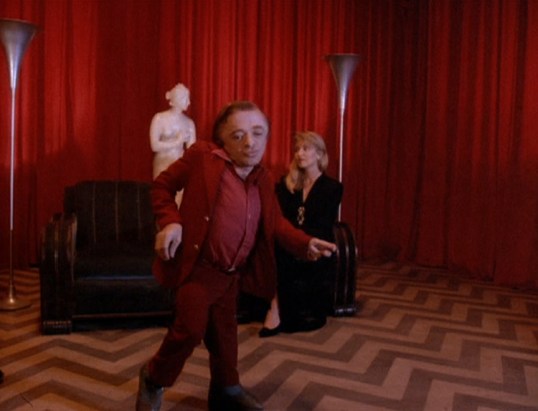
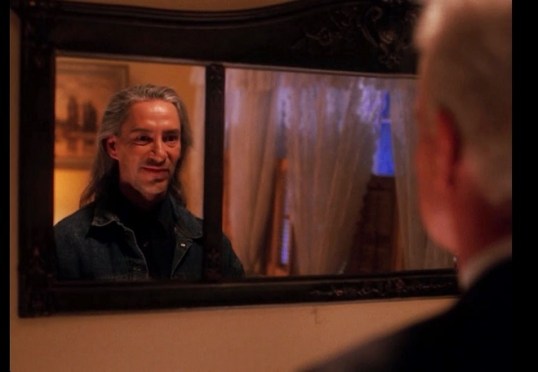
Twin Peaks 1.3 “Zen or the Skill To Catch a Killer” (1990, dir by David Lynch, DP: Frank Byers)

Twin Peaks 2.7 “Lonely Souls” (1990, dir by David Lynch, DP: Frank Byers)

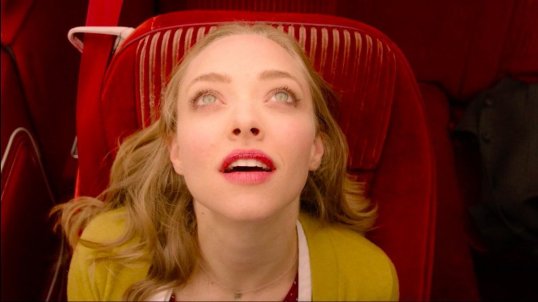
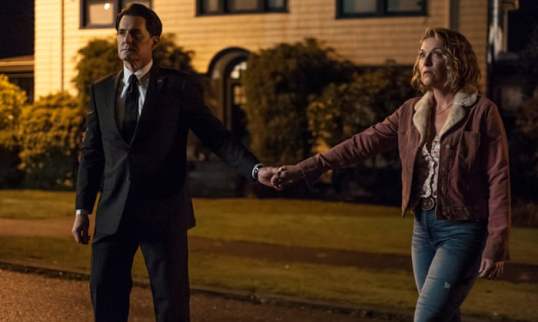
Twin Peaks: The Return Part 5 (2017, dir by David Lynch, DP: Peter Deming)

Twin Peaks: The Return Part 18 (2017, dir by David Lynch, DP: Peter Deming)

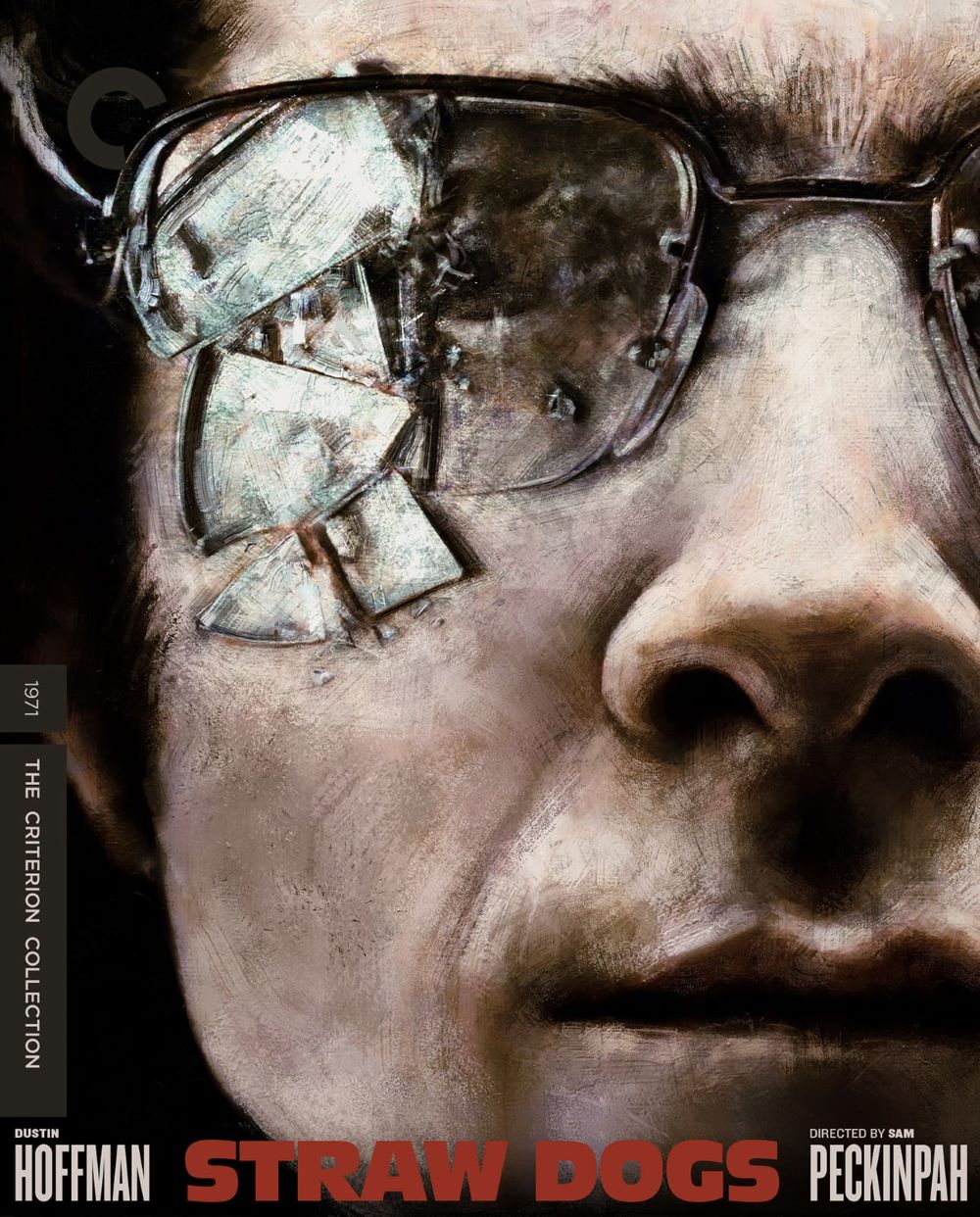
Review: Straw Dogs (dir. by Sam Peckinpah)


“Violence can be the only answer sometimes.” — David Sumner

Sam Peckinpah’s Straw Dogs is a raw, compelling dive into the breakdown of civility and the primal instincts bubbling underneath. The story follows David Sumner, a mild-mannered American mathematician, who moves with his wife Amy to her rural English hometown. The couple’s plan for a quiet life takes a sharp turn when tensions with the locals spiral out of control, resulting in a violent showdown. At its core, the film examines how far a person can be pushed before the veneer of civilization peels away, revealing something much wilder underneath.

The tension starts subtly, as David’s intellectual and pacifist nature clashes with the rough, territorial mindset of the local men. This brewing conflict isn’t just about cultural difference but taps into deeper themes around masculinity, power, and identity. Straw Dogs asks difficult questions about what it means to be a man, exploring how fragile male identity can be when confronted with real or perceived threats. David’s journey is less about heroism and more about the psychological and emotional transformation forced upon a man who initially seems ill-equipped for the violence unleashed around him. The whole film operates as a kind of symbolic stage where primal instincts and societal expectations collide, forcing each character to confront their own limits.

Amy’s role in the film is both pivotal and deeply complex. Her experience of assault, handled with subtle but unflinching attention, adds emotional and thematic weight without dominating the narrative. The film portrays her trauma through its impact on her and the shifting dynamics in her relationship with David, inviting reflection on resilience and struggle for control. Amy is depicted not merely as a victim but as a layered character navigating vulnerability and strength amid the hostile environment. This approach challenges viewers to consider the nuanced and often contradictory responses to trauma, avoiding simplistic victim narratives while emphasizing its profound consequences.

The rural setting of Straw Dogs is more than just a backdrop; it becomes a character in its own right. The close-knit, insular community embodies a microcosm where social order teeters and violence hides just beneath the surface. Law enforcement and authority figures seem ineffective or indifferent, which heightens the sense of isolation and lawlessness. The hostility from some village locals, including Amy’s ex-boyfriend Charlie, feeds into a toxic masculinity that sees David as weak and out of place. Peckinpah carefully stages this clash, using tension and silence as expertly as physical violence, making viewers feel the pressure ramping up until it finally snaps.

Dustin Hoffman’s portrayal of David is quietly brilliant in its subtlety. He plays David as a man trapped between worlds—intellectual and physical, passivity and aggression—with a restrained but deeply affecting performance. Hoffman’s ability to convey complex emotions beneath a calm exterior makes David’s eventual transformation all the more gripping. Susan George delivers an equally powerful performance as Amy, capturing the mixture of fear, defiance, and heartbreak her character endures. Their dynamic feels authentic and layered, making the viewer invested in their peril. The supporting cast, including actors like Peter Vaughan, add a layer of authentic menace, embodying the grim rural antagonists with convincing grit and intensity. The performances overall ground the film’s explosive themes in believable, relatable humans.

Themes in Straw Dogs extend beyond just personal violence to address ideas about identity and societal breakdown. The film explores the notion of the “symbolic order”—how individuals fit into and negotiate the rules and roles imposed by society. David’s identity crisis and his uneasy place within the village spotlight questions of power, emasculation, and rebirth. Peckinpah uses psycho-sexual imagery—such as symbols of emasculation and phallic power—to deepen the psychological stakes of David’s journey. The film conveys how deeply fragile human identity is and how violence can act as a brutal yet transformative force pushing individuals to redefine themselves. At the same time, the portrayal of Amy complicates these themes by challenging traditional gender roles, making the film as much about female agency as male dominance.

The film’s violence is famously brutal and unsettling. Peckinpah does not shy away from showing the full consequences of escalating conflict, culminating in an intense and chaotic finale where the line between victim and aggressor blurs. This isn’t violence for spectacle but a narrative and thematic necessity that Peckinpah uses to strip away pretenses and reveal the raw human instincts beneath. It’s this uncompromising depiction that both shocked audiences at the time and continues to provoke discussion about the nature of power and survival. The film is also notable for its innovative editing, with Peckinpah’s use of jump cuts and slow-motion heightening the emotional intensity and pacing the violence with a rhythmic, almost visceral punch.

Ultimately, Straw Dogs is a challenging film that forces viewers to confront disturbing truths about human nature, relationships, and societal order. Its exploration of violence and masculinity is complex and often uncomfortable, presenting no easy answers. The film remains a significant piece of cinema for its bold themes, outstanding performances, and the way it captures the frailty and ferocity of its characters. Peckinpah’s direction melds tension, psychological drama, and physical action into a gripping, unforgettable experience. Though controversial for its content, Straw Dogs endures as a powerful work that asks what truly happens when the thin line between civilization and savagery breaks down.

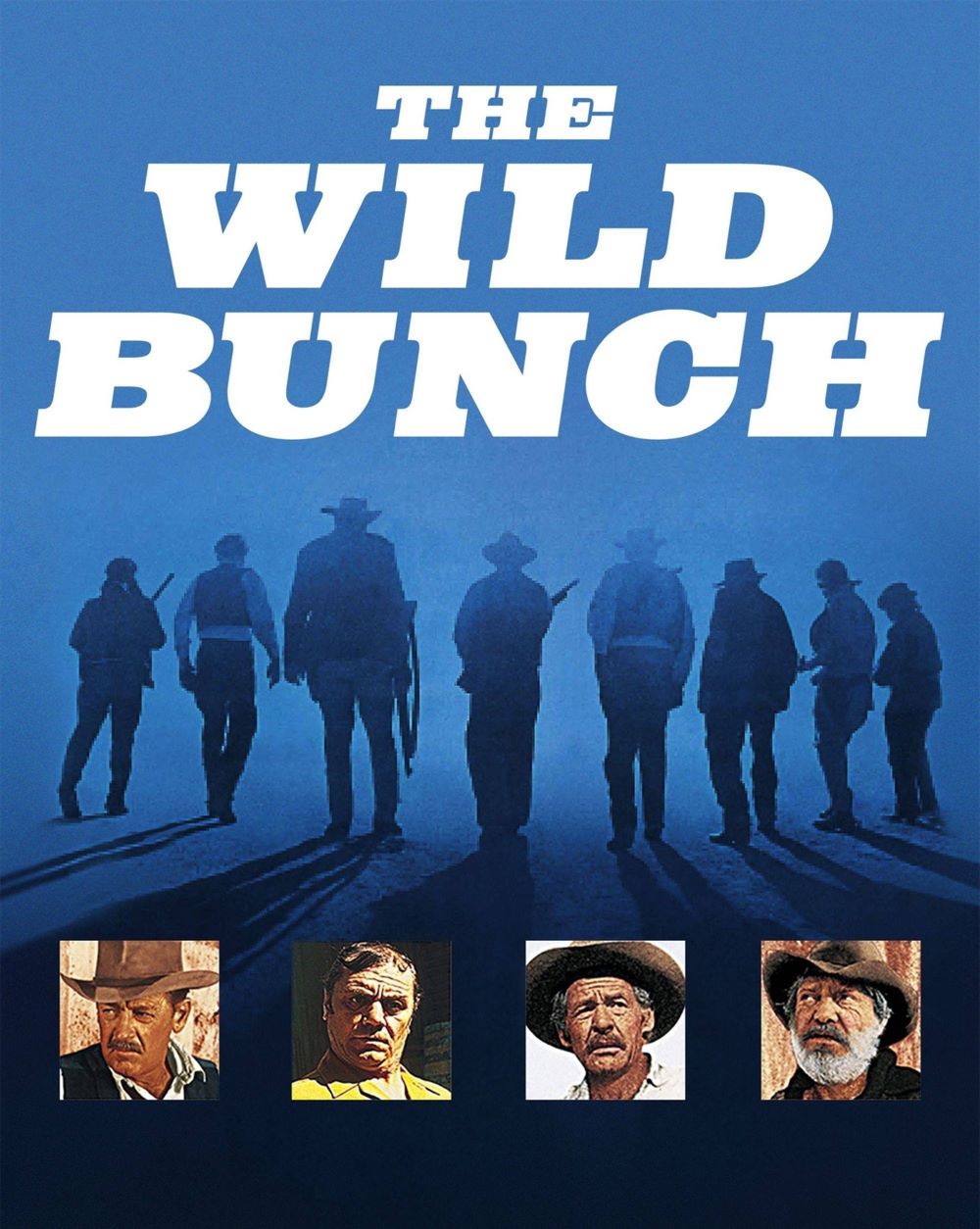
Review: The Wild Bunch (dir. by Sam Peckinpah)


“We’ve got to start thinking beyond our guns. Those days are closin’ fast.” — Pike Bishop

Sam Peckinpah’s The Wild Bunch stands out as a landmark in the Western genre, famous for its daringly harsh depiction of both violence and the fading mythos of the American West. Rather than following the traditions of earlier Westerns, the film presents a gritty portrait of aging outlaws on the edge of extinction, wrestling with a society that has evolved past them. It’s a movie that’s difficult to shake, both for its unapologetic style and the unresolved feelings it leaves long after the final shots ring out.

At its core, the story centers on Pike Bishop and his band—a crew of seasoned criminals aiming for one last grand heist as modernity encroaches on their world. Hoping to pull off a train robbery, they end up entangled in deeper complications after being betrayed and soon are thrust into the turbulence of the Mexican Revolution. Peckinpah builds a narrative where clear-cut morality falls away. The criminals and those pursuing them, supposed bringers of justice, are equally compromised and dangerous. This balancing act challenges the audience to reassess their sympathies, since the characters rarely line up as traditional heroes or villains.

The film’s notoriety is inseparable from its treatment of violence. In an era when Westerns often depicted gunfights as almost bloodless, The Wild Bunch arrived blazing with slow-motion fatalities, realistic wounds, and chaos that feels nearly documentary. Peckinpah didn’t intend to sugarcoat death; the film’s fight scenes are designed to unsettle rather than thrill, making viewers register the true cost of violence on screen. The movie’s most infamous sequences, particularly the opening and closing shootouts, still provoke debate over whether their artistry justifies their brutality. Peckinpah reportedly wanted to expose the real consequences of violence, not celebrate them, and the resulting imagery remains both striking and disturbing decades later.

Beyond its bloodshed, the film is packed with melancholy, exploring the futility and obsolescence of its central figures. The Wild Bunch themselves—Pike, Dutch, Lyle, Angel, and others—all feel the weight of their era’s end. They are not just outdated in terms of time; their entire way of life has been mechanized and modernized beyond their grasp. The film depicts this through powerful imagery, from horses being supplanted by cars and trucks to rifles giving way to machine guns. This mechanization highlights that Pike and his men live in a world that has moved on, leaving them behind. Their code of honor and rough camaraderie are relics in a brutal, mechanized landscape that favors efficiency and merciless violence. The emergence of rapid-fire weaponry and vehicles is more than a backdrop; it symbolizes their growing irrelevance and the passing of a wild, untamed frontier.

Technically speaking, The Wild Bunch is as impressive as it is influential. The cinematography captures wide Mexican landscapes with dust and sunlight, conveying both beauty and bleakness. The editing—particularly in the action scenes—was ahead of its time, with its expressive use of multiple camera angles and slow-motion adding an almost ballet-like rhythm to chaotic violence. The music, a mix of Jerry Fielding’s score and traditional Mexican songs, deepens the film’s sense of place and loss. All of this technical prowess merges in set pieces that are still studied by action directors today.

One of the film’s most enduring legacies is its profound influence on a slew of filmmakers in the years following its release. Directors like Martin Scorsese, Quentin Tarantino, and John Woo have all cited The Wild Bunch as a key inspiration, particularly in how it reshaped the depiction of violence and complex characters onscreen. Peckinpah’s innovative use of slow motion during action scenes transformed gunfights into sequences that feel almost balletic, bringing an eerie beauty to brutality. This technique became a hallmark of John Woo’s work, where slow-motion shootouts are choreographed with a dance-like precision, making the violence stylized yet emotionally impactful. Meanwhile, Scorsese and Tarantino embraced the moral ambiguity and character complexity Peckinpah championed, pushing their own stories beyond clear-cut good and evil. Through these directors and many others, The Wild Bunch continues to resonate and shape modern cinema.

The performances in The Wild Bunch are integral to its powerful impact, with its ensemble cast bringing layered humanity to otherwise rough, sometimes brutal characters. William Holden leads as Pike Bishop with a mix of weary charisma and existential urgency, embodying a man caught between the fading wild past and a ruthless present. Holden’s Pike is not just a leader of outlaws, but a man wrestling with his own moral contradictions—as loyal and protective as he is capable of cold violence. This complexity allows the character to stay compelling rather than becoming a cliché tough guy.

Ernest Borgnine as Dutch Engstrom offers a grizzled, weary presence, conveying the toll that years of violence have taken on his spirit, while Warren Oates imbues Lyle Gorch with a volatile and rebellious energy that adds tension within the gang. His brother, Tector Gorch, played by Ben Johnson, brings a contrasting steadiness, portraying a man caught between loyalty and survival. Robert Ryan’s portrayal of Deke Thornton, the relentless bounty hunter, stands out as a tragic figure torn between his past friendship with Pike and his duty. This character conflict gives the story a deeper emotional layer and adds weight to the relentless pursuit central to the plot.

Supporting performances by Edmond O’Brien as Freddie Sykes and Jaime Sánchez as Angel enrich the group dynamic, each adding distinct personality traits that feel authentic and lived-in. The chemistry between the cast helps ground the film’s heavy themes in real human experience, making the characters’ struggles with obsolescence and loyalty resonate beyond the screen.

However, despite the strong male performances, the film’s treatment of female characters is notably sparse and limiting. Women in the film often fall into marginal roles, lacking development or agency, which reflects the gender dynamics of many Westerns from the era but feels particularly dated today.

For viewers seeking straightforward heroism or moral clarity, The Wild Bunch can be a challenging experience. Its bleak, nihilistic worldview and refusal to deliver easy answers may leave some feeling drained. The story culminates in a violent, unresolved climax with no tidy resolution, emphasizing loss and the end of an era. But it is precisely this rawness and technical mastery that keep the film compelling and worthy of close viewing.

The Wild Bunch demands you shed simple notions of good versus evil and prepare for a rough, often brutal ride. It’s a story about men fighting not just other men but inevitability—caught between their own fading values and the relentless march of modernization and change. Peckinpah doesn’t offer comfort; instead, he forces the viewer to reckon with violence’s cost and the price of nostalgia. Even with all its grit and flaws, the film’s artistry and influence remain undeniable, securing its status as a masterwork that redefined Westerns and action cinema alike. It’s a wild ride that continues to inspire and provoke long after the credits roll.

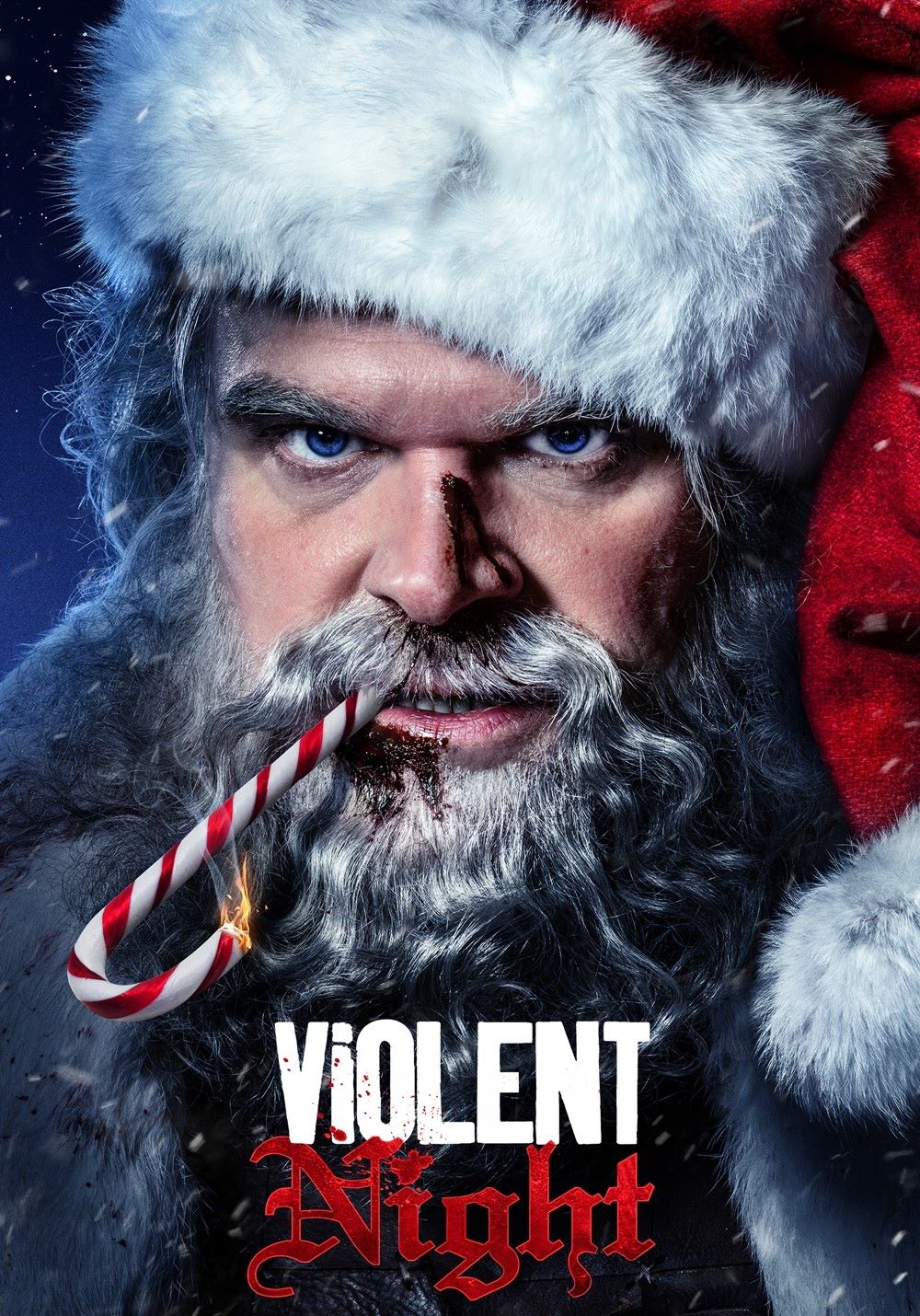
Review: Violent Night (dir. by Tommy Wirkola)


“Ho Ho holy shit.” — Santa Claus

Violent Night (2022), directed by Tommy Wirkola, is a wild ride that shakes up the traditional Christmas movie formula by turning Santa Claus into a battle-hardened warrior. David Harbour stars as this unconventional Santa, who is far from jolly; he’s a grizzled, somewhat cranky, and disillusioned figure with a Viking warrior past. The movie sets itself apart with a premise that throws a group of ruthless mercenaries into a wealthy family’s Christmas Eve gathering, only to discover Santa isn’t the harmless old man they expected. Instead, he’s a fierce protector who fights back with brutal efficiency.

The story unfolds at the mansion of the affluent Lightstone family during their holiday reunion. The family is full of tension, with secrets and resentments bubbling just beneath the surface. When a gang of mercenaries led by the villainous Scrooge (John Leguizamo) invades the house to steal a fortune rumored to be stashed there, the family members become hostages. Among them is Trudy, a young girl who still believes in Santa and becomes an emotional anchor for the story. What follows is a chaotic clash as Santa unleashes his warrior skills in a bloody and often darkly humorous fight to protect Trudy and take down the intruders.

One of the strongest aspects of Violent Night is David Harbour’s performance. His Santa is not the usual cheerful holiday icon but a rough-around-the-edges hero with a quick wit and a fierce sense of duty. Harbour brings a compelling mix of grit and warmth, making Santa both intimidating and surprisingly endearing. His fight scenes are impressively choreographed, with inventive use of Christmas-themed props that add a unique flavor to the action. The humor, often delivered through clever one-liners and absurd situations, enhances the movie without overloading it, striking a balance between dark comedy and action thriller.

The action sequences are a highlight, filled with creative and over-the-top violence that turns traditional Christmas decorations into lethal weapons. From candy canes to Christmas lights, the film embraces its outrageous concept fully, often with a smirk and knowing wink to the audience. This approach to action and humor makes it feel like a holiday-themed grindhouse film, which will certainly appeal to viewers looking for something different from typical festive fare.

However, the film is not without flaws. The storyline sometimes leans too heavily on clichés and predictable twists, particularly around family drama and criminal motives. While the Lightstone family members are meant to add complexity to the narrative, many come across as caricatures, which lessens emotional impact. The pacing occasionally suffers as well, with some scenes dragging or feeling repetitive amid the barrage of action. Furthermore, the movie’s tone can be uneven—certain moments of humor or sentimentality clash with brutal violence, which might alienate viewers who prefer more consistent storytelling.

The supporting cast delivers performances that range from serviceable to over-the-top, fitting the film’s campy and exaggerated style. John Leguizamo’s Scrooge is a memorable villain with a sneer and attitude that fits the tone, while Beverly D’Angelo adds a touch of dark humor as the wealthy matriarch. The character of Trudy serves as the emotional heart of the film, grounding the chaos with a child’s innocent belief in magic and goodness. Yet, some secondary characters feel underdeveloped, existing mostly to provide fodder for the violence or comedic moments.

Visually, Violent Night embraces the glitz and cold grandeur of a wealthy family’s mansion, contrasted sharply by the gritty and bloody action that unfolds. The cinematography and production design showcase the holiday setting effectively, using wintery landscapes and elaborate Christmas decor as backdrops that add to both the festive and lethal atmosphere. The film keeps a brisk pace, aided by energetic direction, though it sometimes prioritizes style over substance.

In terms of themes, Violent Night plays with the clash between holiday cheer and harsh realities, exploring ideas about family, belief, and redemption through its unusual take on Santa Claus. It taps into a more cynical view of Christmas but ultimately doesn’t abandon the underlying message of hope and protection. This mixture, however, occasionally feels forced, as the violent antics often overshadow character development and emotional depth.

Overall, Violent Night is an entertaining and unconventional holiday film that is best enjoyed with an appetite for absurdity and dark humor. It stands out for pushing boundaries with its brutal action scenes and a refreshingly gruff Santa, offering a festive movie experience that fits more in the niche of chaotic fun rather than heartwarming tradition. While it may not win over purists looking for classic Christmas storytelling, it offers a distinctive alternative for those who want their holiday films with a hard edge and plenty of explosive moments. For viewers who can embrace its mix of camp, carnage, and seasonal spirit, Violent Night delivers a wild, memorable ride that defies expectations.