Splatterpunk Horror: Bleeding Boundaries, Breaking Taboos, and Unmasking Society’s Darkest Truths


“If it’s transgressive, addressing social or political ills, not pulling punches, and pushing the boundaries, then it’s Splatterpunk.” — Brian Keene

The Birth of Splatterpunk: A Rebellion Against Conventions

To understand splatterpunk, it’s important to grasp the context in which it arose. During the late 1970s and early 1980s, horror fiction was often pigeonholed within predictable tropes—haunted houses, vengeful spirits, and formulaic slasher stories. While these were popular, they had limited scope in pushing the boundaries of what horror might represent. Enter splatterpunk—a raw, unapologetic literary movement that sought to shatter expectations by depicting violence, depravity, and, crucially, sexual violence unmasked. Rather than hinting at horrors lurking in the shadows, splatterpunk authors chose to parade these monstrosities in graphic detail.

The term “splatterpunk” was adopted by writer David J. Schow during the 1986 Twelfth World Fantasy Convention, encapsulating the aesthetic of horror tales that embraced hyper-intense gore, moral extremity, and the inclusion of sexual violence as a core and unsettling element. But it is crucial to recognize that splatterpunk is much more than explicit depictions of blood and guts or sexual assault. At its core, it serves as a mirror reflecting society’s darkest anxieties—whether those arise from political corruption, existential dread, psychological disintegration, or the breakdown of human decency. The shock of violence and abuse serves a purpose beyond mere thrill—it demands readers confront the ugliness beneath civilization’s polished surface.

Philip Nutman’s Wet Work: Fusion of Espionage, Cosmic Horror, and Splatter

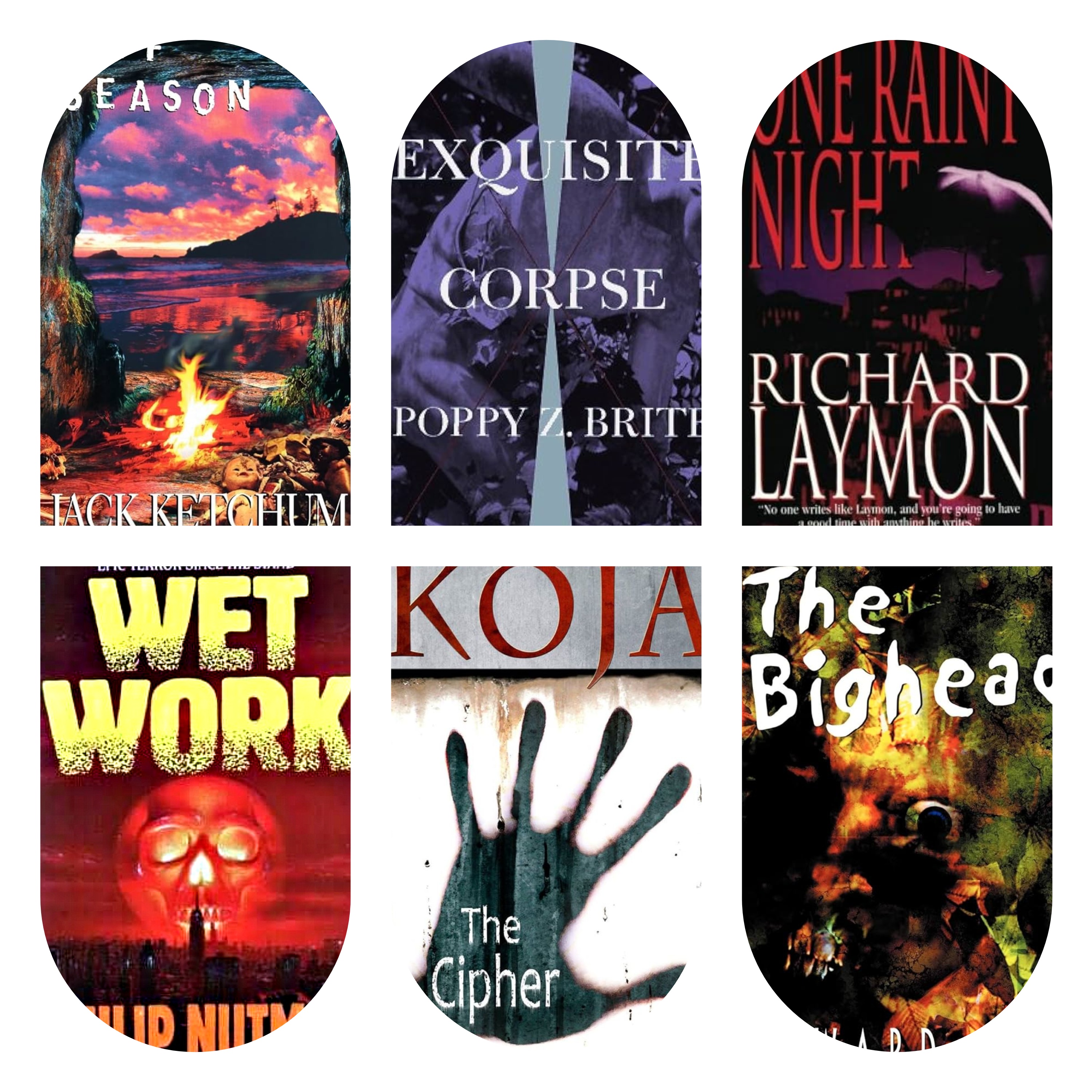
A prime example of splatterpunk’s genre-blurring capacity is Philip Nutman’s Wet Work (1993), a work that may be less known outside hardcore horror circles but exemplifies the subgenre’s versatility. What sets Wet Work apart is its remarkable weaving of government espionage thriller with apocalyptic zombie horror and an infusion of cosmic dread.

Originally appearing as a short story in the seminal 1989 collection Book of the DeadWet Work expanded into a novel that follows CIA operative Dominic Corvino and Washington D.C. cop Nick Packard as they navigate the chaos unleashed when a comet named Saracen passes close to Earth. The comet deposits a mysterious residue that triggers the rise of the dead, but Nutman’s zombies are not mere shambling corpses—they retain fragments of cognition, making them unpredictable threats.

What makes Wet Work an intriguing splatterpunk novel is how it weds the procedural authenticity of espionage with the surrealism of the undead outbreak. Nutman’s background as a journalist and film critic manifests in the meticulous detail of military operations, CIA bureaucracy, and police procedures, lending credibility even amid the nightmare. The narrative unfolds on two interwoven axes: Corvino’s obsessive quest to uncover betrayal within the CIA and Packard’s desperate, grounded attempts to save his wife amid an escalating societal breakdown.

Nutman’s writing style embodies splatterpunk’s hallmark—graphic, fast-moving, and unapologetically violent—while resisting descent into parody. The horror and violence, including underlying currents of sexual violence and abuse within the collapsing societal order, are not gratuitous but rather emphasize the erosion of social and moral codes. Unlike some zombie fiction limited to straightforward survival stories, Wet Work interrogates themes of loyalty, obsession, power, and the devastating consequences of moral decay when survival becomes personal.

Kathe Koja’s The Cipher: Psychological Abyss and Cosmic Terror

While Nutman’s warm-blooded action situates Wet Work within both thriller and horror traditions, Kathe Koja’s The Cipher (1991) takes splatterpunk into the realms of psychological fragmentation and cosmic existentialism. The Cipher is notable for its uncompromising dive into emotional and metaphysical abyss, presented through an experimental, impressionistic narrative voice that eschews linearity in favor of portraying the chaotic consciousness of protagonist Nicholas.

The story revolves around Nicholas and Nakota in a bleak urban environment, where they discover the Funhole—a nightmarish, reality-bending void with an unknowable malignance. Rather than external monsters, the book’s terror arises from the characters’ psychological unraveling, toxic relationships, and the Funhole’s corruptive influence. Koja’s prose often unfolds in long, surreal sentences that immerse readers in impressions, hallucinations, and emotional storms, demanding patience and openness to ambiguity.

This approach challenges traditional horror expectations by prioritizing atmosphere and mental disintegration over plot-driven scares. The horror here is symbolic and metaphysical—body horror and reality distortions become reflections of inner fragmentation and humanity’s insignificance before cosmic forces. While the novel largely focuses on psychological and existential themes, it does not shy away from portraying abusive and toxic dynamics, including sexual violence, as instruments of psychological torment and character breakdown. The Cipher’s bleak, ambiguous ending refuses comfort, emphasizing oppression, transformation, and loss, resonating profoundly with readers attuned to introspective and literary horror.

Jack Ketchum’s Off Season: Raw Human Horror and Primal Survival

In sharp contrast to Koja’s cerebral horror and Nutman’s hybrid apocalypse thriller is Jack Ketchum’s Off Season (1980), a foundational extreme horror novel that sinks its teeth into primal human savagery stripped of supernatural mediations. Loosely inspired by the legend of the Sawney Beane clan, Ketchum sets his story on the rugged Maine coast, depicting a group of urban friends facing a secluded clan of cannibals.

Off Season is known for its relentless pace and unapologetic portrayal of violence, sexuality, and survival instinct. Sexual violence and abuse permeate the narrative, presented in stark, unvarnished terms that are deeply disturbing yet integral to Ketchum’s exploration of human depravity. The horror stems from the inhumanity of other humans—feral descendants who embody basic drives like hunger, reproduction, and dominance without societal filters. Ketchum’s refusal to soften or sensationalize the unfolding carnage demands readers confront uncomfortable truths about violence, both physical and sexual, and regression. The victims are archetypal rather than deeply individualized, serving as symbolic representations of civilization confronting its darkest, hidden counterparts.

What sets Off Season apart is the absence of cathartic justice or narrative redemption. Survivors escape, but at immense psychological and physical cost, emphasizing that some horrors leave permanent scars rather than neatly tied endings. It is this brutal honesty—depicting horror not as spectacle but as unavoidable consequence—that cements Off Season’s legacy in splatterpunk and extreme horror.

The Broader Splatterpunk Landscape: Barker, Lee, Laymon, and Martin (aka Poppy Z. Brite)

A key progenitor of the splatterpunk aesthetic, Clive Barker’s Books of Blood (mid-1980s) was revolutionary in merging graphic, visceral horror with a literary sensibility that incorporated elements of dark fantasy and eroticism. Barker’s stories broke new ground by combining vivid, often grotesque imagery with profound explorations of human desire, morality, and the otherworldly. Sexual violence and transgressive sexuality appear throughout his work, often complicating the boundary between beauty and horror. In particular, Barker’s exploration of the sacred versus the profane is central, as the presence of sexual violence disrupts conventional moral frameworks and questions the nature of sin and desire. The collection’s influence was far-reaching, paving the way for horror fiction to be taken seriously as an art form capable of grappling with complex themes while delivering shocking, unforgettable scenes. Barker’s ability to balance poetic language with unsettling gore worked as a blueprint for many splatterpunk writers seeking depth beyond surface violence.

Edward Lee’s The Bighead epitomizes the extreme end of splatterpunk, reveling in unapologetically explicit violence, taboo subjects, and shock value. Lee’s storytelling mixes horror with dark humor and nihilism, pushing the boundaries of taste to explore the grotesque and the absurd. Sexual violence in Lee’s work is frequently explicit and controversial, serving to amplify the transgressive nature of his narratives. Furthermore, Lee uses sexual violence and deviancy as a way to examine the tension between the sacred and the profane—the clash between deeply ingrained cultural taboos and destructive carnal impulses. Though considered excessive by some, Lee’s books embody splatterpunk’s ethos of confronting the reader head-on with chaos and depravity. His work fuses visceral physical horror with nihilistic philosophical darkness, reflecting a world stripped of hope and full of monstrous extremes.

Richard Laymon’s One Rainy Night is notable for its blend of fast-paced plotting, graphic sexual and violent content, and elements of supernatural and psychological horror. Laymon’s work embodies a consistent use of sexual violence intertwined with sexual themes as part of the horror fabric, challenging readers with uncomfortable depictions of human depravity. His skillful pacing ensures that tension remains high, and his writing frequently navigates the intersection of splatterpunk gore with thrilling, page-turning storytelling. While his characters may sometimes function more as archetypes than fully nuanced figures, their plight against overwhelming horror rings true. Laymon’s stories helped solidify splatterpunk’s presence in mainstream horror by offering stories that are simultaneously intense, accessible, and relentlessly engaging.

William Joseph Martin (aka Poppy Z. Brite) stands apart for his elegant prose style and his exploration of identity, marginalization, and monstrosity through the lens of serial killers and dark romance. Martin (writing as Poppy Z. Brite) intertwines graphic violence with themes of homosexuality, queer identity, and sexual violence, challenging readers to consider the humanity amidst monstrosity. In doing so, Exquisite Corpse broadens splatterpunk’s thematic horizons, underscoring that horror’s most compelling stories often arise from complex characters whose transgressions are inseparable from their search for connection and self-understanding. Sexual violence in Martin’s work adds layers of suffering and violation that complicate the depiction of desire and identity, highlighting the fragile line between victim and monster. Martin’s fusion of stylistic beauty and bleak content enriches the genre’s emotional and intellectual depth.

Legacy and Impact of Splatterpunk Horror

A lasting impact of splatterpunk is evident in its refusal to compromise aesthetics for shock alone. Although its extreme visuals, sexual violence, and brutal thematic content led to limited mainstream acceptance, the genre’s influence persists. It demonstrated convincingly that graphic violence and sexual transgression could serve as a lens for social critique, psychological depth, and genre innovation. Works such as Wet Work exemplify its capacity for genre-blending; The Cipher exemplifies its introspective and cosmic depths; Off Season encapsulates its primal, uncompromising core. These stories continue to inspire writers who wish to push original boundaries, reshaping horror into a form that is as intellectually challenging as it is viscerally shocking.

Horror’s landscape has been irrevocably altered by splatterpunk. Its legacy persists not merely through the continued production of extreme horror but through its foundational principle—that horror is most potent when it does not flinch from the evils and truths of the human condition, including the often difficult subject of sexual violence. Its influence endures in the modern works that blend visceral impact with thematic richness, ensuring that horror remains a vital, evolving art form capable of confronting the darkest facets of existence while challenging cultural limits.

In embracing the fights, fears, and horrors that many shy away from, splatterpunk proves to be more than just a genre—it’s a bold call to confront the uncomfortable, an invitation to see horror not only as entertainment but as a mirror of our deepest truths. Its legacy remains a testament to the power of extremity paired with insight, forever pushing the boundaries of what horror can and should be.
Under the Moon’s Shadow: The Many Faces of the Modern Werewolf in Cinema


“Beneath the full moon’s gaze, the werewolf’s howl reminds us that the monster we fear most lives within.”

Werewolves have been haunting movies for almost a century, capturing our deepest fears and hidden desires. But today’s werewolf films go beyond the classic horror formula, offering fresh takes that reflect different genres, tones, and cultural vibes. From the intense, action-packed Dog Soldiers to the emotionally charged coming-of-age story in Ginger Snaps, modern werewolf stories keep evolving. This piece explores five standout films—Dog Soldiers (2002), Ginger Snaps (2000), Wolfen (1981), The Howling (1981), and An American Werewolf in London (1981)—to see how they each put their unique spin on the age-old monster myth.

The Werewolf as Warrior: Dog Soldiers’ Brutal Siege

Neil Marshall’s Dog Soldiers breaks away from the lonely, tragic werewolf trope and cranks up the action. Set deep in the Scottish Highlands, it throws a squad of British soldiers against a ferocious pack of werewolves. This film turns the myth into a survival war story packed with tension and raw energy, reminiscent of classics like Aliens and Zulu. The werewolves here aren’t lonely victims—they’re terrifying predators, more beast than man, rarely fully shown to keep the suspense sharp. The movie focuses on the squad’s fight to survive and the bonds they share, putting teamwork and instinct front and center.

The werewolves are intentionally faceless threats, less about human drama and more about pure danger. Instead of personal transformation, Dog Soldiers is about external combat, the struggle between man and beast in its rawest form.

Adolescence Unleashed: Ginger Snaps and the Lycanthropic Metaphor

Ginger Snaps takes a totally different route, using werewolf transformation as a metaphor for female puberty and all the confusing emotions that come with growing up. The bridge between monster and metaphor is Ginger’s first period, which triggers her curse and mirrors the changes and fears of adolescence. The movie digs deep into sisterhood, identity crises, and the loss of control, wrapping its horror in psychological drama and dark humor.

Instead of flashy creature effects, Ginger Snaps keeps things subtle, focusing on emotional truth. It’s a personal story about change and fear of becoming “other,” making the monster symbolic of real-life struggles rather than just an external threat.

Urban Shadows: Wolfen’s Mystical Guardians of Decay

Wolfen stands apart for taking the werewolf myth into the world of urban decay and social unrest. Set in New York City’s rundown South Bronx, it follows detectives chasing a mysterious “Wolfen” creature tied to Native American spirituality. These aren’t just monsters—they’re ancient protectors fighting back against the destruction of nature by the city.

This movie trades fast-paced horror for slow-building atmosphere and social commentary. It uses the werewolf myth to reflect on displacement, environmental trauma, and the clash between nature and modern life.

Satire and Savagery: The Howling’s Shifting Tones

Joe Dante’s The Howling mixes body horror, camp, and satire in a way few horror movies do. The film tracks a journalist who stumbles upon a hidden werewolf colony and shifts effortlessly between chilling scares and self-aware humor. The transformation scenes set a new standard with unforgettable effects, and the movie sneaks in sharp critiques of media culture and cult mentality.

The werewolves in The Howling have a raw, animalistic design inspired by medieval art, which adds to the unsettling vibe. The film plays with expectations, flipping between serious horror and playful camp to keep viewers on their toes.

Tragedy and Humor: An American Werewolf in London’s Genre Fusion

An American Werewolf in London changed the game by blending horror, comedy, and tragedy all in one. It tells the bittersweet story of an American backpacker cursed after a werewolf attack in England. The special effects were groundbreaking, making the transformation scenes legendary. But more than the effects, its mix of sharp wit and real sadness gives it an emotional depth rare for horror films.

Unlike the external threats in Dog Soldiers or Wolfen, this film focuses on the inner turmoil of becoming a monster and the tragic human cost. The humor lightens the mood but never undercuts the emotional punch.

Thematic and Stylistic Divergence: A Closer Look

What stands out most when looking at these films is just how differently each approaches the werewolf myth, using it to tap into a wide variety of fears and ideas.

Tone and Mood

The films differ widely in tone. Dog Soldiers is intense and gritty, pulling viewers into a tense battle for survival marked by an unrelenting external threat. In contrast, Ginger Snaps is more reflective and symbolic, presenting the werewolf as a metaphor for adolescent change and identity struggles, especially in the context of female puberty. Its tone is intimate and emotionally charged.

Wolfen adopts a slower, more brooding atmosphere, emphasizing mystery and social critique through ecological and urban decay themes. The Howling fluctuates between genuine body horror and camp satire, challenging viewer expectations with its mix of fear and humor. Finally, An American Werewolf in London balances horror and comedy with a tragic undertone, creating an emotional complexity that few other werewolf films achieve.

Narrative Focus

The stories told by these films further highlight their differences. Dog Soldiers centers on a group dynamic, focusing on survival against a faceless external menace. Ginger Snaps is more inward-looking, exploring personal growth, family bonds, and the emotional upheaval of transformation.

Wolfen zooms out to look at social and environmental issues, making the werewolf a symbol of nature fighting back against urban chaos. Similarly, The Howling blends personal horror with cultural critique, exploring media obsession and cult psychology, all while keeping the story focused on its characters. An American Werewolf in London chooses to dive deep into one man’s tragic journey, showing the emotional impact of becoming a monster.

Cultural Themes

Together, these films show how the werewolf myth can reflect whatever fears or themes society is grappling with. Dog Soldiers taps into worries about survival and overwhelming outside forces; Ginger Snaps gets at the confusion and pain of growing up; Wolfen reflects alienation and environmental concerns; The Howling examines media hype and societal madness; and An American Werewolf in London highlights inner conflict and loss.

This broad range of themes and styles proves the werewolf legend is still incredibly adaptable—still a powerful way for films to engage with human experience in all its complexity.

Other Modern Werewolf Films in Context

Beyond these main works, many other films contribute to the werewolf legacy. The Company of Wolves (1984) explores gender and sexuality through fairy tale visuals. Silver Bullet (1985) adapts Stephen King for a small-town horror tale. Joe Johnston’s The Wolfman (2010) revives gothic horror with modern effects and includes standout makeup work by Rick Baker, delivering a visually rich yet emotionally complex take on the classic. Mike Nichols’ Wolf (1994) uses lycanthropy as a metaphor for aging and desire.

Most recently, Leigh Whannell’s remake of The Wolfman (2024) offers a fresh perspective on the myth, blending psychological horror with visceral transformation sequences. Whannell’s version emphasizes the protagonist’s internal struggle and familial curses within a contemporary setting, melding suspense with a nuanced character study and updated special effects to appeal to modern audiences while honoring the gothic roots.

Adding a lighter touch is The Monster Squad (1987), where a group of kids face off against classic monsters—including a reluctant Wolfman—in a mix of horror, adventure, and youthful courage. Its playful tone offers a nostalgic, fun take on the werewolf legend, proving that these creatures can captivate across genres and generations.

Together, these films highlight how the werewolf myth keeps evolving, adapting to reflect new cultural moments and storytelling styles.

Conclusion: Why the Werewolf Still Howls

The lasting power of werewolves in cinema lies in their extraordinary adaptability. These films show how the werewolf morphs to fit different narratives and cultural concerns: from brutal external threats in Dog Soldiers to metaphors for personal growth in Ginger Snaps; from mystical protectors in Wolfen to symbols of media mania in The Howling; and from tragic heroes in An American Werewolf in London to youthful adventurers in The Monster Squad.

The werewolf is not just a monster of flesh and fur but a cultural shape-shifter—malleable, symbolic, and endlessly fascinating. Its transformations mirror not only physical change but societal anxieties, personal struggles, and the complexities of human nature. This versatility guarantees the werewolf’s howl will echo across cinema for generations to come.

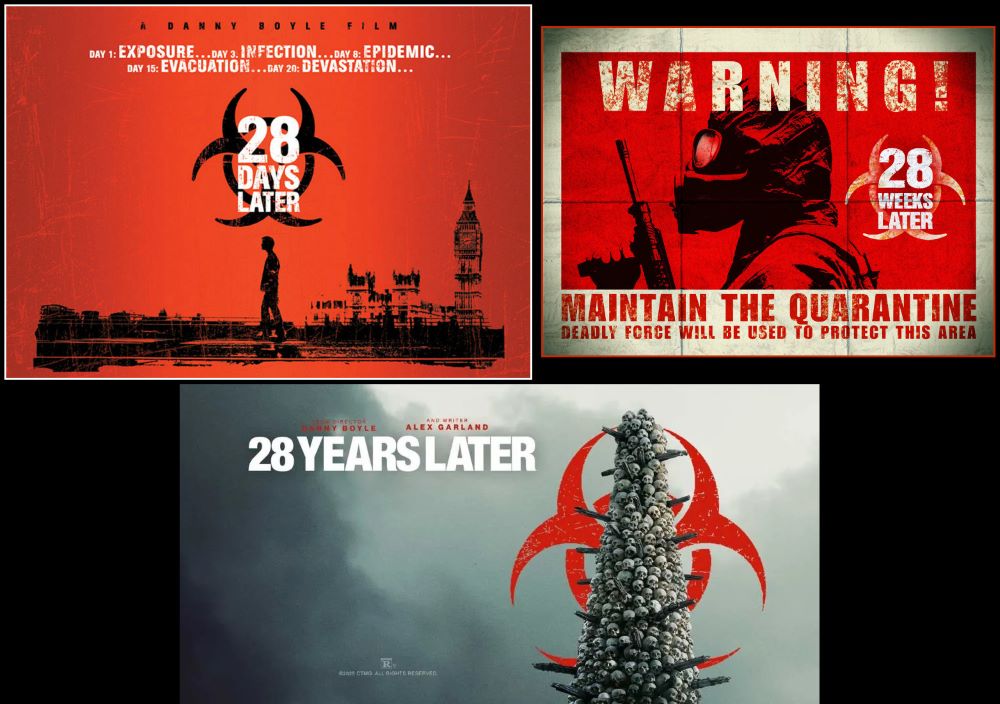
Rage, Ruin, and Redemption: The Evolving Horror of the “28 Days Later” Series


Raw Urgency and Psychological Horror in 28 Days Later

The original 28 Days Later broke new ground in horror filmmaking with its raw depiction of societal collapse fueled by a bioengineered rage virus. Danny Boyle and cinematographer Anthony Dod Mantle’s decision to shoot on early digital video cameras gave the film a distinct grainy, handheld aesthetic that enhanced the feeling of immediacy and disorientation. This style was pivotal in immersing the audience in the eerie emptiness of a London ravaged by infection and abandonment. The stark realism allowed viewers to viscerally experience the isolation and relentless threat surrounding the protagonists.

Unlike traditional zombie films that relied on the supernatural or undead creatures, 28 Days Later introduced infected humans whose fast, uncontrollable aggression metaphorically represented not just a physical virus but the eruption of primal rage and societal breakdown. The tension escalates beyond the infected themselves, focusing sharply on human nature’s darker side through the militarized faction led by Major West, whose corruption and moral decay pose threats as dangerous as the virus itself. This potent blend of external horror and ethical decay elevated the film into a profound exploration of survival, despair, and moral ambiguity in post-apocalyptic conditions. The film resonated deeply with early 21st-century anxieties about sudden disaster and social breakdown, marking a revitalization of horror that has influenced countless works since.

Expansion and Escalation in 28 Weeks Later: A Cinematic Allegory of Its Time

Five years later, 28 Weeks Later expanded the series’ scope significantly. Director Juan Carlos Fresnadillo shifted the narrative from personal survival to the complexity of institutional attempts at restoring order. The film’s polished 35mm cinematography reflected its larger budget and ambition, with expansive urban destruction, dynamic action sequences, and a broader focus on systemic chaos. The narrative unfolds against the backdrop of a militarized “Green Zone” in London, an unmistakable cinematic parallel to the fortified American-controlled zone in Baghdad during the Iraq War.

This allegory extends beyond setting: it captures the tangled failures and ethical dilemmas inherent in the military occupations of Iraq and Afghanistan. The film’s military forces struggle to differentiate friend from foe, ally from insurgent, mirroring the real-world complexities and frequent tragic mistakes of those conflicts. The virus and subsequent resurgence symbolize not only physical contagion but institutional and social rot—highlighting how the rage of war, betrayal, and corruption can infect governance and community trust. The film’s grim depiction of fractured family relationships echoes a society strained by war and occupation, portraying how betrayal and mistrust pervade all levels of social interaction. Through this lens, 28 Weeks Later critiques the hubris of militarized control and the illusion of security, underscoring the fragile, often illusory nature of civilization under stress.

The film’s slicker, high-production-value style distances the viewer somewhat from the intimate immediacy of 28 Days Later but serves its themes by creating a sensation of broad and relentless turmoil. Thematically, this sequel embraces a darker cynicism by portraying militaristic and bureaucratic responses to crisis as part of the problem rather than the solution, intensifying the series’ meditation on rage to encompass political and social failure as well as personal violence.

Reflection and Maturation in 28 Years Later: Evolution of Horror, Philosophy, and a Pandemic Mirror

Returning to the director’s chair decades after the original, Danny Boyle’s 28 Years Later marks a tonal and stylistic evolution that reflects not only the temporal distance from the initial crisis but also a deepening philosophical introspection. The film depicts a Britain still struggling under the long shadow of trauma left by the rage virus. Its infected are no longer iconic red-eyed figures vomiting blood but more mutated, less defined threats, symbolic of how trauma itself can evolve into something less visible but more pervasive.

Cinematographically, 28 Years Later blends moody, shadowy aesthetics with intimate, often handheld shots. Notably, the production’s use of modern digital technology, including iPhone cameras, allowed the film to maintain an intimate feel despite technological shifts. This stylistic choice reflects the thematic focus on memory, decay, and fragile attempts at normalcy. The film’s visual language speaks to a world where the horrors of the past persist beneath the surface, influencing human behavior and societal structures.

Importantly, 28 Years Later serves as a cinematic allegory to the global COVID-19 pandemic and its aftermath. In interviews, both Boyle and Garland acknowledged how the experience of living through the COVID crisis deeply informed the film’s narrative and tone. The pandemic effectively turned empty urban landscapes and daily precautions—once confined to dystopian fiction like 28 Days Later—into real shared experience. The film’s story of a society struggling to live with the virus, navigating quarantine zones and adapting to endemic conditions, echoes how the world has contended with COVID-19’s ongoing impact. Themes of risk, resilience, and generational divide are foregrounded: characters grapple with what it means to live “28 years later,” taking long-term risks even as uncertainties remain. This mirror between fiction and reality deepens the film’s resonance, showing how past speculative fears have become present-day lived realities.

The tonal shift to a more contemplative and somber horror reflects how the pandemic shifted global consciousness from immediate crisis to endurance and adaptation. The film acknowledges grief, loss, and the cultural memory of lives disrupted and taken. Notably, a character’s act of creating memorials to victims reflects real-world efforts to remember those lost to COVID-19, underscoring cinema’s role in processing collective trauma. While this evolution away from pure terror to introspection divides audiences—some missing previous visceral scares—it represents a mature reckoning with the lasting scars pandemics imprint on humanity.

Pandemic Parallels: The Trilogy as a Cinematic Allegory for COVID-19 and Endemic Realities

While each film in the 28 Days Later trilogy originally reflected the anxieties and socio-political contexts of its own era, together they now resonate profoundly as a prophetic allegory of the global COVID-19 pandemic and humanity’s ongoing struggle to live with viral threats as part of everyday life. The trilogy’s trajectory—from sudden catastrophic outbreak to institutional collapse to long-term trauma and adaptation—mirrors the historical arc the world has experienced with COVID-19, offering viewers insight into the psychological, societal, and cultural impacts of pandemics.

28 Days Later anticipated much of the early pandemic experience—fear of rapid contagion, empty cityscapes, social disintegration, and the terrifying vulnerability of individuals isolated amid a global crisis. Jim’s awakening into an eerily deserted London strikingly parallels the empty streets during COVID lockdowns around the world, turning what was once dystopian fantasy into frightening reality. The film’s exploration of panic, isolation, and distrust toward institutions echoes widespread experiences of confusion, fear, and uncertainty during the first months of the pandemic when COVID-19 was unfamiliar, unpredictable, and devastating.

28 Weeks Later deepens this pandemic allegory by portraying the consequences of failed institutional responses and attempts at control. The militarized “Green Zone” concept eerily parallels the real-world challenges of creating “safe zones” amid outbreaks, with tensions between enforcement, mistrust, and community survival. The film’s depiction of fractured families and systemic collapse reflects how social solidarity frays under the pressure of prolonged crisis, political distrust, and ethical quandaries surrounding public health measures experienced globally during COVID waves. The allegory isn’t just about physical infection but social contagion—fear, misinformation, and political polarization as viral threats themselves.

With 28 Years Later, the trilogy fully embraces its role as a cultural mirror to COVID-19’s enduring legacy. Danny Boyle and Alex Garland have openly discussed how the realities of the pandemic shaped the film’s narrative and tone, with characters navigating life decades after the outbreak under quarantine and endemic conditions. The film presents a world where viral infection is an ongoing condition to be managed rather than eradicated, reflecting how many experts now view COVID-19’s transition from acute pandemic to endemic presence. This shift from immediate horror to long-term social and psychological adaptation speaks to the global experience of living alongside risk and uncertainty, balancing caution with the human drive to reconnect and rebuild.

Visual motifs such as quarantine zones, memorial walls, and generational divides throughout the film underscore real-world pandemic realities about loss, resilience, and the passing of collective trauma. The story’s focus on a new generation born into post-virus society echoes global concerns about children’s—educational, emotional, and social—impacts during and after COVID. The film’s meditative tone reflects the world’s evolving understanding that recovery from a pandemic is neither swift nor purely scientific but deeply human, requiring reckoning with grief, memory, and ethical questions about care and sacrifice.

Together, the trilogy transcends traditional horror storytelling to become a cinematic meditation on humanity’s confrontation with biological catastrophe—capturing the terror of sudden collapse, the anguish of institutional failure, and the fragile hope of enduring and adapting to an altered world. In doing so, the 28 Days Later series offers both a chilling warning and a compassionate reflection on survival in an age defined by viral uncertainty.

Stylistic Evolution: From Gritty Realism to Reflective Sophistication

The trilogy’s visual evolution is a testament to the shifting thematic priorities and growing artistic ambition of the filmmakers. 28 Days Later’s raw digital aesthetic—with grainy textures and handheld immediacy—rooted the audience in the chaos of sudden societal collapse, pioneering an immersive and tangible horror. The decision to film real, unpopulated London streets added an authentic eeriness that fueled the film’s power.

With 28 Weeks Later, the move to 35mm film signaled a turn toward cinematic polish, spectacle, and scope. The expansive shots, precise lighting, and dynamic action sequences reflect the film’s thematic scale, portraying systemic collapse and institutional failure with cinematic authority. The surveillance-like camerawork amplifies feelings of observation and control that echo its allegorical engagement with military occupation themes.

28 Years Later rebalances styles, fusing intimate handheld shots with shadowy, atmospheric imagery, aided by modern digital filmmaking tools including smartphone cameras. This blend cultivates mood and emotional depth over traditional jump scares, visually representing a society haunted by trauma and in cautious recovery. The stylistic shift underscores the trilogy’s journey from immediate survival panic to measured reflection on long-term consequences.

Thematic Progression and the Metaphor of Rage

Rage is the fundamental metaphor animating the trilogy, but its form and focus evolve significantly. In 28 Days Later, rage manifests as an explosive primal force embodied in the infected—visible, aggressive, and terrifying, stripping away thin veneers of civilization to reveal instinctual violence.

28 Weeks Later expands rage to include institutional rot, betrayal, and the failure of governance. The infected remain threats but rage’s more insidious expressions appear in military violence, political cynicism, and fracturing communities. Rage becomes a societal contagion undermining cohesion as thoroughly as any virus.

28 Years Later shifts to a metaphor of inherited trauma and enduring wounds. Rage here is less overt but deeper—passed through generations in memory, ethics, and societal dysfunction. The virus and its mutated infected echo how psychological and cultural trauma evolve and persist, questioning humanity’s capacity for healing or self-destruction.

Characters and Emotional Depth: From Intimate Survival to Generational Reckoning

Character arcs reflect this thematic evolution. 28 Days Later centers on individual survival and fragile relationships formed amid chaos. Jim’s transformation from bewildered victim to protector provides audiences emotional grounding in a shattered world.

28 Weeks Later explores family ruptures wrought by betrayal and trauma, mirroring broader social breakdowns. Characters’ struggle with trust and loss enriches the narrative with psychological realism.

28 Years Later depicts survivors burdened by collective memory and ethical dilemmas, often across generations. Its characters wrestle not only with the immediate horrors but with legacies of violence and the search for reconciliation, offering psychological and moral complexity rare in horror narratives.

Cultural Impact and Legacy

28 Days Later transformed horror by replacing slow, supernatural zombies with fast, rage-fueled infected who symbolize contemporary fears about sudden collapse and human savagery. It revitalized a moribund genre and influenced popular culture globally.

28 Weeks Later expanded on this foundation with action spectacle and socio-political allegory, polarizing audiences but enriching thematic depth, especially with its projection of military occupation anxieties.

28 Years Later confronts the real-world pandemic experience directly, integrating cultural trauma into its narrative and style. It challenges genre boundaries by emphasizing reflection and resilience over instant terror, heralding a new phase for horror cinema aware of global trauma.

The Future of the “28 Days Later” Series: Continuing the Journey

Building on the foundation of its groundbreaking predecessors, the “28 Days Later” series is set to continue with two more films that promise to expand its intricate narrative and thematic depth. 28 Years Later: The Bone Temple, directed by Nia DaCosta and scripted by Alex Garland, is scheduled for release in January 2026. This film, shot back-to-back with 28 Years Later (2025), will deepen the post-apocalyptic exploration with returning characters and new threats, continuing the saga of trauma, survival, and societal collapse.

Additionally, a fifth film in the series is currently in development, though its title and release date remain unannounced. With Danny Boyle and Alex Garland involved in these projects, audiences can expect a thoughtful continuation that balances horror with reflective inquiry into humanity’s resilience. The return of Cillian Murphy as Jim further ties the new films to the series’ emotional origins, ensuring that the evolving mythology stays grounded in personal stakes.

As these future films approach, the 28 Days Later series remains ripe for ongoing critical and cultural re-examination, especially given its enduring power to mirror contemporary fears—from early 2000s anxieties to the global experience of the COVID-19 pandemic and beyond. The series stands as a dynamic, evolving reflection on rage, ruin, and the hope for redemption in an uncertain world.

Shadows and Blood: A Study in Fear, Faith, and Community


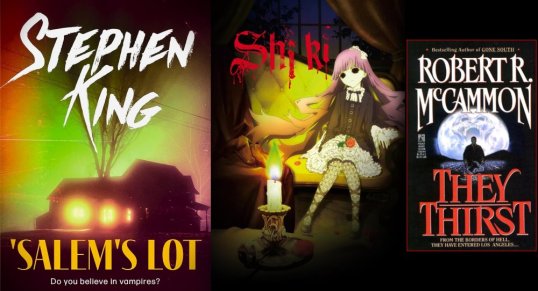
Stephen King’s Salem’s Lot, Robert R. McCammon’s They Thirst, and Fuyumi Ono’s Shiki (particularly the anime adaptation directed by Tetsurō Amino) share a powerful thematic core: each explores how supernatural terror—manifested through vampirism—intertwines with human frailty, exposing fractures within communities. Yet, despite this common ground, these works differ profoundly in their narrative scale, tone, and philosophical approach. While King’s novel grounds horror in the insular confines of a small American town, McCammon unleashes an urban catastrophe at an epic scale. Meanwhile, Shiki artfully meditates on moral ambiguity and the erosion of empathy within a rural village caught between the past and modernity. Together, they illuminate vampire stories as mirrors reflecting social decay from unique but equally compelling vantage points.

The Power of Place: How Setting Shapes Fear

The setting is more than a stage in these three narratives; it actively shapes the nature of horror, informs thematic undercurrents, and amplifies the stories’ emotional resonance.

King’s Salem’s Lot is a quintessential small-town story set in rural New England—a storied landscape in American Gothic tradition. Jerusalem’s Lot (the “Lot”) is painted with affectionate detail that grounds the supernatural in a tractable reality: the rhythms of local life, from church socials to school, from well-worn shops to community gatherings. This attention to the quotidian underscores the fragility of social order; the relatable nature of the town makes the encroaching evil feel intimate and devastatingly personal. The location’s history, marked by both myth and buried trauma, becomes fertile ground for the horror’s growth. The Marsten House, the ominous mansion dominating the town’s outskirts, serves as a physical and symbolic anchor, linking ancient malevolence to present-day community rot. This layering of place and history deepens the story’s resonance, as the familiar becomes uncanny and threatening.

In contrast, They Thirst uses Los Angeles to reflect the sprawling anonymity and fragmented social fabric of a modern metropolis. The city’s vastness and diversity are both a strength and a vulnerability—allowing vampirism to spread nearly unchecked, erasing communal protections afforded by intimacy and face-to-face alliance. McCammon’s choice of a sprawling urban setting serves as a metaphor for modern alienation and the collapse of traditional community structures. The urban chaos mirrors the moral and societal fragmentation that the vampiric horde exploits. This dynamic shifts the story from intimate community horror to an apocalyptic narrative of civilizational collapse. The setting also introduces themes related to urban decay, social stratification, and the fragility of institutions under siege.

Shiki occupies a thematic and emotional space between the two. Sotoba is a small, isolated village clinging to tradition yet caught at the edges of modernization. This geographic and cultural liminality shapes the unfolding horror—the limited population intensifies interpersonal relationships and magnifies the consequences of suspicion and violence. The village setting intensifies the claustrophobic and suffocating atmosphere, reinforcing themes of containment and the difficulty of escape from both physical and moral traps. Unlike the already frayed social fabric in Salem’s LotShiki shows the gradual erosion of trust amid existential threat. Sotoba’s setting underscores the fragility and resilience inherent in small communities confronting existential threat.

Vampires Beyond Monsters: Reflections of Suffering and Evil

While all three works feature vampires as antagonists, the portrayal and symbolic weight of vampirism differ considerably, offering diverse reflections on suffering, evil, and humanity.

In Salem’s Lot, Kurt Barlow is the archetype of absolute evil—essentially a force of pure corruption and predation. His presence is largely offstage for much of the novel, which builds tension by making him a looming, inscrutable threat. Barlow’s influence is insidious, infiltrating the town through secrecy and manipulation. King’s vampires are externalized evil but disturbingly intimate in their effect, feeding not only on blood but on the social fabric of their prey. They corrupt moral order and dismantle trust, intensifying the novel’s exploration of hidden poison beneath surface normality. Importantly, while Barlow is malevolent, he also embodies a supernatural inevitability—his arrival is cataclysmic and transformative, representing a metaphysical challenge to human resilience.

McCammon’s They Thirst features vampires, led by Prince Vulkan, who are ruthless conquerors rather than morally ambiguous figures. Their intent is dominion, and their methods are militaristic and coldly pragmatic. They represent predation on an epic scale—the vampiric plague as a social and political apocalypse. Unlike Salem’s Lot’s psychological and communal disintegration, They Thirst foregrounds survival from overwhelming external threats, casting vampire characters as ruthless agents of annihilation. Their lack of inner conflict or remorse signals a broad symbolic reading of vampirism as unstoppable systemic evil.

Shiki radically complicates this tradition by humanizing the vampire clan. The shiki retain memories, emotions, and even spiritual struggles, particularly in Sunako Kirishiki, whose anguish at perceived divine abandonment shapes her actions. The shiki are not merely villains; their transformation is framed as a tragic condition. This ambiguity invites a reconsideration of vampirism itself—as existential suffering rather than mindless evil. The human characters, in turn, commit atrocities fueled by fear and desperation, blurring moral lines. This treatment of vampirism fosters a deeper ethical inquiry, probing notions of victimhood, survival ethics, and the persistence of humanity amid monstrosity.

Erosion of Community: Patterns of Social Decay

All three narratives depict communities unraveling under supernatural duress, but the patterns and implications of this decay differ greatly.

Salem’s Lot emphasizes denial and insularity as precursors to collapse. The town’s refusal to confront its own mortality and hidden corruption creates fertile ground for vampirism’s spread. Neighbor turns against neighbor, suspicion displaces care, and longstanding relationships dissolve into paranoia. Resistance arises too late and is ultimately futile in preventing societal collapse. King’s portrayal powerfully dramatizes the theme of moral and social deterioration as an existential threat. The town’s downfall is as much a failure of collective conscience as a failure of defensive combat.

They Thirst shifts focus from interpersonal fissures to systemic collapse. The novel portrays institutions—government, law enforcement, emergency services—as overwhelmed by the scale of the crisis. Urban anonymity breeds helplessness and chaos, accelerating civilizational breakdown. The story is less about social betrayal and more about the impotence of modern systems to contain existential threats. The novel’s scale elevates the symbolic to the catastrophic, reflecting late-20th-century anxieties about societal fragility in the face of environmental, political, or medical catastrophe.

Shiki offers a patient, almost clinical examination of social collapse. The villagers’ gradual succumbing to hysteria, paranoia, and cruelty unfolds with intricate detail. The slow erosion of trust echoes real-world dynamics in isolated communities under existential pressure. Individual moral failings aggregate into communal atrocity, making social decay a collective tragedy. Ozaki’s transformation encapsulates this decline—a figure of rational science slipping into barbarity, illustrating the fragility of ethics. Shiki situates social collapse within a matrix of spiritual and existential despair, making the unraveling as much psychological as physical.

Navigating Morality: Clear Lines or Blurred Shades?

Vampire lore often wrestles with morality, and these works chart a spectrum from dualistic good-versus-evil to morally ambiguous coexistence.

King and McCammon largely preserve sharp moral contrasts. In Salem’s Lot, evil is externalized: vampires as corrupting agents and humans as embattled victims and resistors. Despite its nuanced portrayal of social conditions, the novel’s moral universe is anchored in traditional binaries. McCammon’s They Thirst simplifies this further, casting vampire antagonists as irredeemable conquerors, with human protagonists fighting for survival and restoration. Moral complexity here is subordinated to survival imperative and apocalyptic spectacle.

Shiki disrupts this binary, presenting vampirism and human survival as entwined and ethically problematic. The vampire shiki are both perpetrators and sufferers; human defenders often respond with equal brutality and moral compromise. Sunako’s internal struggle with faith and identity contrasts with pragmatic ruthlessness elsewhere, illustrating competing survival philosophies. By the story’s end, categories of hero and villain, monster and human dissolve, demanding viewers engage with ethical ambiguity. This dismantling of clear moral boundaries challenges conventional vampire narratives and invites broader reflection on the nature of evil, survival, and humanity.

Architecture as Living Symbol

In these vampire stories, architecture is more than a mere backdrop; it functions as a potent symbol of the evil, decay, and social malaise at the heart of the narrative’s horror.

In Salem’s Lot, the Marsten House stands as the quintessential haunted house and the novel’s epicenter of malevolence. It looms over the town “like a ruined king,” representing both buried communal sins and unresolved personal trauma. The violent acts of its original occupant, Hubie Marsten, have left a lingering “dry charge” of evil energy in the house, attracting supernatural darkness—namely, the vampire Barlow. This house is not just a dwelling but a repository of the town’s secret violences and moral corruption. It embodies the idea that physical places can retain and amplify the psychological and spiritual wounds of a community. Through protagonist Ben Mears, King explores how the Marsten House symbolizes childhood terror and the inescapable shadow of past trauma, making the horror both intimate and universal. The house’s persistence after Barlow’s death underscores that evil rooted in place tends to endure, emphasizing the novel’s theme of cyclical dread.

In Shiki, the architecture is less centralized but deeply symbolic. The Kirishiki mansion, a large ancestral home, serves as a physical and spiritual focal point for the vampire presence in the village. Unlike the outright malignancy of the Marsten House, the mansion crystallizes the tension between tradition and modernity, life and death, human and shiki. It is a place where the boundaries blur—reflecting the moral ambiguity and spiritual struggles central to the story. The surrounding village’s rural, isolated architecture further evokes containment and stagnation, intensifying the suffocating atmosphere that enables horror to take root.

In stark contrast, They Thirst features Castle Kronsteen, a sprawling medieval fortress transported from Europe and perched dramatically above the sprawling modern cityscape of Los Angeles. This castle’s Gothic turrets and stone walls symbolize an ancient, imperial evil looming over contemporary urban decay. The contrast between the timeless darkness of the castle and the sprawling modern metropolis highlights tensions between the past and present, tradition and decay. Castle Kronsteen functions as a domineering, almost imperial character in its own right, representing the overwhelming scope and scale of the horror threatening to engulf the city beneath it.

Together, these architectural embodiments deepen thematic exploration: the Marsten House as communal sin and personal trauma, the Kirishiki mansion as spiritual and existential tension, and Castle Kronsteen as an ancient, imposing force confronting modern fragility. Each structure anchors and amplifies the stories’ exploration of place, power, and the pervasiveness of evil, turning architecture into a palpable character that shapes and reflects the psychological and narrative landscape.

The Rhythm of Terror: Narrative Pacing

Each narrative’s pacing informs its emotional impact, shaping audience engagement.

Salem’s Lot progresses steadily, escalating horror from subtle dread to siege. Opening with survivors fleeing in the prologue casts a shadow of inevitability over the town’s fall, transforming the novel into a meditation on decay rather than triumph.

They Thirst moves swiftly, in a disaster-novel rhythm that prioritizes adrenaline and spectacle. The story surges through sequences of collapse and resistance, trading introspection for kinetic momentum.

Shiki unfolds with slow deliberation. Deaths and betrayals accumulate steady and eerie, building tension through silence and atmosphere. This measured pace invites deeper reflection on moral erosion, making the horror as much psychological as physical.

Anchoring Horror in Humanity: Characters and Emotions

Character development grounds Salem’s Lot in human emotion. The nostalgia-haunted Ben Mears, courageous Mark Petrie, and wise Matt Burke embody resilience and loss, anchoring the supernatural horror in poignant personal struggles.

They Thirst emphasizes ensemble dynamics over individual depth. Archetypes populate the urban tragedy: heroic officers, fraught leadership, resilient citizens. These characters embody collective survival more than introspective journeys.

Shiki is intensely character-driven, focused on the triangular relationship between Sunako, Ozaki, and Muroi. Ozaki’s ethical collapse and Muroi’s fragile compassion articulate the series’ core tension—survival without soul versus survival with spirit.

Faith and Spirituality as Themes

Faith plays distinct and evolving roles across Salem’s LotThey Thirst, and Shiki, reflecting each work’s unique engagement with spirituality, belief, and existential struggle.

In Salem’s Lot, faith operates primarily as a tactical tool in the fight against vampirism. Catholic imagery permeates the novel—crucifixes, holy water, prayers—serving as weapons with real efficacy against the vampires. However, King’s portrayal of faith is complex and often tinged with failure and doubt. Father Callahan’s journey vividly illustrates this tension. Although a man of the cloth, his faith is broken through possession and temptation, climaxing when Barlow forces him to drink vampire blood. This act symbolically casts Callahan out from both the church and the vampire’s dominion, leaving him a spiritual outcast—neither fully accepted by God nor Satan. The novel explores the fragility of institutional faith and the ambiguity of spiritual power. Despite the tactical use of religious symbols, true victory over darkness demands more than ritual; it requires personal courage and inner faith, which is tenuous and often fragile. King’s depiction reflects a broader struggle with the limits of faith in confronting evil, underscoring a theme of spiritual failure and human imperfection amid horror.

In They Thirst, faith is less central thematically, functioning more as a genre convention than a deep spiritual inquiry. Religious symbolism and rituals exist within the narrative framework to support the traditional vampire mythos—crosses, holy water, exorcisms—but the story emphasizes practical survival and tactical resistance over spiritual redemption. The narrative’s focus on urban apocalypse and large-scale battle sidelines faith as a source of personal or metaphysical strength. It remains a conventional trope rather than a core thematic element.

Shiki, by contrast, places faith and spirituality at the very heart of its story. The fractured spirituality of Sunako Kirishiki, the vampire queen, reflects a profound wrestling with divine rejection and the search for meaning amid despair. Unlike the overt religiosity of Salem’s LotShiki invokes more ambiguous spiritual themes drawn from Shinto and Buddhist ideas of impermanence, suffering, and rebirth. Seishin Muroi, the junior monk and author, embodies compassionate faith—tentative and vulnerable but persistent. His spiritual outlook offers a moral counterweight to the ruthless pragmatism represented by other characters and situates the horror within a larger metaphysical dialogue. The interplay between Sunako’s faltering belief and Muroi’s mercy elevates the narrative beyond a simple predator-prey conflict into an exploration of abandonment, hope, and the endurance of faith through suffering. In Shiki, spirituality challenges characters and viewers alike to consider what it means to remain human in the face of inhuman horrors.

Finally, the enduring appeal of these works lies in their refusal to offer easy answers. Their endings—whether cyclical, incomplete, or quietly hopeful—remind us that horror is a process as much as an event. Evil is never fully vanquished, community is never fully restored, and faith is always delicate. Yet, amid this uncertainty, the stories insist on the necessity of confronting darkness with courage, complexity, and compassion. They teach that survival is not merely physical endurance but a continual struggle to preserve humanity itself.

Together, these treatments of faith reveal differing cultural and narrative priorities: Salem’s Lot interrogates the efficacy and limits of institutional faith in the modern world, They Thirst leans on spiritual motifs mainly for horror tradition and practical effect, and Shiki deeply embeds spirituality as a question of existential and moral survival. This thematic spectrum enriches the vampire myth, showing how faith can be a weapon, a weakness, or a fragile beacon depending on context.

Endings: Closure Denied

Each story concludes with lingering unease rather than resolution.

Salem’s Lot cycles back to exile and loss, its evil dormant but unvanquished—suggesting horror as eternal cycle.

They Thirst ends with partial disaster containment but permanent scars on the city and humanity.

In King’s Salem’s Lot, the vampire infestation is deeply embedded in the fabric of small-town life, making the horror intensely personal and communal. Its portrayal resonates because the vampire threat arises not from some alien void but from the town’s own latent fractures—fear, denial, and the corrosive power of secrets. The Marsten House symbolizes this buried evil, and the story’s relentless progression toward decay reveals how easily normalcy can give way to nightmare when vigilance is lost. King’s novel not only terrifies but also mourns the loss of community, underscoring how vulnerability is often homegrown rather than externally imposed. The cyclical nature of the story’s ending, with evil persisting beyond the narrative, emphasizes the abiding nature of these human weaknesses.

Shiki closes quietly on shattered survivors burdened by guilt, with a faint glimmer of hope in Sunako’s rekindled faith—humanity persists, fragile but unbroken.

Final Thoughts: The Enduring Relevance and Richness of Vampire Horror

The vampire, as a figure in horror, has long transcended its folkloric origins to become a versatile metaphor for broader anxieties about society, identity, and morality. In Salem’s LotThey Thirst, and Shiki, the vampire myth is reimagined and repurposed to explore these anxieties across different cultural and narrative spectrums. What binds these works together is their shared insistence that vampirism is not simply a supernatural curse or a monstrous aberration; rather, it is a prism through which human fears of isolation, decay, and ethical erosion are refracted.

McCammon’s They Thirst pushes this metaphor into the scale and chaos of modern urban life. Here, vulnerability is linked less to hidden secrets than to systemic failures—bureaucratic, social, and infrastructural—that magnify the horror exponentially. Los Angeles becomes a dystopian battleground where ancient darkness asserts itself over sprawling human constructs. The presence of Castle Kronsteen towering above the city embodies the clash of old-world malevolence with contemporary decadence, making the story a grim allegory for the fragility of civilization in the face of relentless corruption. The impersonal, epic sweep of the novel captures the overwhelming scale of modern anxieties—environmental, societal, and existential—that seem beyond any one person’s control, contrasting sharply with Salem’s Lot’s intimate tragedy.

Shiki offers a unique and deeply philosophical take that complicates the vampire legend through the lens of moral ambiguity and spiritual struggle. By humanizing the shiki, granting them memories, emotions, and crisis of faith, Shiki refuses to simplify good and evil into opposing camps. Instead, it insists on the painful coexistence and interdependence of predator and prey. The villagers’ descent into paranoia and violence mirrors the vampires’ own suffering and ethical conflict. This narrative choice invites profound questions: When survival demands brutality, how much of our humanity can we retain? Can faith and mercy endure amidst extinction? These questions transform Shiki into not only a horror story but also a meditation on identity, isolation, and redemption. Its deliberate pacing and atmospheric storytelling deepen the emotional and existential impact, making the horror feel lived and morally urgent.

Together, these narratives illustrate how vampire stories continue evolving to reflect the shifting contours of human anxiety. In the mid-20th century, vampires were often portrayed as exotic or external evils; today, as these works show, they increasingly serve as metaphors for internalized struggles—within communities, within societies, and within the self. They force us to confront darker truths about human nature: how fear corrupts, how survival can harden or break the spirit, and how history and memory haunt both places and people.

Moreover, these stories highlight the importance of empathy as a form of resistance. While vampirism might symbolize physical and moral contagion, it also exposes where empathy has failed—between neighbors in Salem’s Lot, among city-dwellers in They Thirst, and even between predator and prey in Shiki. The endurance or collapse of empathy often determines the characters’ fates. Sunako’s fragile but persistent faith in Shiki suggests that compassion can survive even the most devastating horrors, offering a glimmer of hope. Similarly, in Salem’s Lot, the remaining survivors’ attempts at resistance—despite failure—reflect humanity’s enduring impulse to reclaim connection and meaning amidst ruin.

In a broader cultural context, these works reflect their creators’ environments and eras, imbuing vampire horror with layers of social commentary. King’s New England Gothic resonates with American anxieties about conformity, suburban malaise, and the hidden darkness beneath idyllic calm. McCammon’s Los Angeles setting echoes late-20th-century fears of urban collapse, societal fragmentation, and the loss of civic trust. Shiki speaks from a distinctly Japanese perspective, drawing on rural isolation, Shinto and Buddhist spiritual themes, and the tension between tradition and modern encroachment. This multiplicity enriches the vampire genre—demonstrating its flexibility and capacity to reflect diverse cultural fears and hopes.

6 Things That I Am Looking Forward To In October


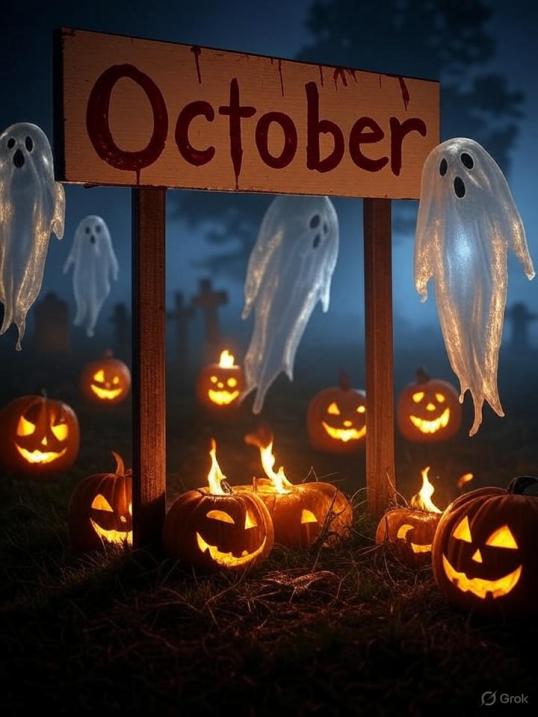
Welcome to October!  October is a big month here at the Shattered Lens.  It’s the month when we devote the majority of our time to the horror genre.  It’s time for our annual Horrorthon!  Last year, we had a record number of Horrorthon posts.  I’d love to break that record this year but mostly. I just want this year’s Horrothon to be fun for both our writers and our readers!

Here’s what I’m looking forward to in October!

  1. Guillermo Del Toro’s Frankenstein — I think I was one of the few people who unreservedly loved Del Toro’s version of Nightmare Alley and I’m very much looking forward to seeing what he does with Mary Shelley’s classic tale.  Oscar Isaac as Victor Frankenstein just feels like perfect casting.
  2. The Horror Movies On TCM — TCM never lets me down in October.  I can’t wait to binge all of the classic horror that will be aired this month.
  3. Nouvelle Vague — Richard Linklater’s tribute to the French New Wave is scheduled to be released in theaters on October 31st and then on Netflix two weeks later.  While I was a bit disappointed with last year’s Hit Man, I still look forward to every new Linklater film.  Speaking of which….
  4. Blue Moon — Linklater’s other 2025 film is scheduled for an October 17th release.  Ethan Hawke is said to be brilliant in this film.
  5. After The Hunt — I’m not really a huge fan of director Luca Guadagnino and I’ll probably never forgive him not only his Suspiria remake but also his uncharitable words about the original.  That said, After The Hunt has gotten such mixed reviews that I’m intrigued.  Julia Roberts is said to give one of her best performances in the film but the film’s storyline has been criticized.  Whenever critics give a negative review to a politically-charged film, I feel almost duty-bound to watch the film and decide for myself.
  6. Halloween — It’s my favorite holiday!  I can’t wait to see all the decorations, all the parties, and all the costumes!

October’s going to be a great month and those of us at TSL can’t wait to celebrate it with you!  What are you looking forward to in October?

It’s Almost Time For The Shattered Lens’s 14th Annual Horrorthon!


Put on your dancing shoes because, in just a few hours, it will be the first day of October!

If things have been a little bit more quiet than usual here at the Shattered Lens Bunker, it’s because we’ve been busy getting ready for our 14th Annual Horrorthon!  That’s right, this is the time of year when the Shattered Lens devotes itself to my favorite genre …. horror!

This is my favorite time of year!

The tricks and the treats begin in just another few hours!  So, sit back, have some popcorn, and get ready for the greatest 31 days of the year!

Happy Independence Day From The Shattered Lens!


Happy Independence Day!

This is my favorite holiday,  Today is a day when we think about the past, consider the present, and have hope for the future.  America has been through a lot in its history.  It’s been through a lot in just my lifetime!  Some people like to get down on America but there’s no other country that I would rather live in.  This is my country and I love it.

From the Shattered to Lens to you, have a safe and healthy 4th of July!

Lisa Marie’s Week In Review: 6/16/25 — 6/22/25


Happy anniversary to Jaws!

I’m still on vacation so I’m going to keep this short and sweet.

Films I Watched:

  1. I Am Your Biggest Fan (2025)
  2. Jaws (1975)
  3. Not Without My Daughter (1991)

Television Shows I Watched:

  1. Dr. Phil
  2. Dr. Who
  3. Fight Sports: Ocampo vs Zewski
  4. Night Flight
  5. Quincy, M.E.
  6. Secret Agent Man
  7. 21 Jump Street
  8. Wiseguy

Books I Read:

  1. The Erection Set (1972) by Mickey Spillane
  2. Hollywood High (2025) by Bruce Handy
  3. Howard Hughes: The Secret Life (1993) by Charles Higham
  4. Problematic Summer Romance (2025) by Ali Hazlewood

I’m so proud of my fellow writers at TSL and how they’ve kept the site alive and vibrant while Jeff and I have been on vacation.  Here’s some of what was posted last week!  Check it out if you haven’t yet!

  1. Arleigh reviewed By Dawn’s Early Light!
  2. Case reviewed Bruce Campbell’s autobiography!
  3. Brad reviewed Mission Impossible: The Final Reckoning!
  4. Erin paid tribute to Jaws and reviewed Touch The Top Of The World!
  5. Jeff reviewed The Boys In Company C and Running Time!
  6. I shared 10 movies for the weekend!

Finally, here are some off-site links from last week:

  1. RIP, Jack Betts, who was an actor who starred in a series of Spaghetti Westerns under the name Hunt Powers
  2. RIP, character actor Gailard Sartain
  3. RIP, singer Lou Christie
  4. Jeff Goldblum On Piano! 8-Minute Monsoons! My Favorite New York Minutes!
  5. Summer Stolstice, the 1st day of Summer, and Midsummer

As for me, I’m writing this from our room at the Phoenix Hilton Airport Hotel.  It’s currently 3:36 here, which means that it’s 5:36 in Texas.  Time zones have always been strange to me.  In about seven hours time, Jeff and I will be boarding a plane for Kauai where we will be spending the second week of our vacation.  It’s a bit strange to think that we will actually be going backwards in time.

Anyway, have a good week and stay safe!

Click here for last week in review!

Lisa Marie’s Week In Review: 6/9/25 — 6/15/25


Greetings from Florida!  Jeff and I started our vacation today.  Tonight, I am writing to you from lovely Pensacola, Florida!

Here’s a quick look at what I watched this week:

Movies I Watched:

  1. Almos’ A Man (1976)
  2. Borderline (1980)
  3. Brian Wilson: Song Writer: 1962 — 1969 (2010)
  4. Can You Feel The Beat: The Lisa Lisa Story (2025)
  5. Casualties of War (1989)
  6. Emmanuelle (2025)
  7. Fandango (1985)
  8. Fire Birds (1990)
  9. Friday the 13th (1980)
  10. Friday the 13th: A New Beginning (1985)
  11. Friday the 13th: The Final Chapter (1984)
  12. Friday the 13th Part 2 (1981)
  13. Friday the 13th Part 3 (1982)
  14. Happy Gilmore (1996)
  15. The Jolly Corner (1975)
  16. Kidnapped By A Killer: The Heather Robinson Story (2025)
  17. My Amish Double Life (2025)
  18. Night of the Blood Beast (1958)
  19. The Seduction (1982)
  20. Side Out (1990)
  21. Space Mutiny (1988)
  22. The Surfer (2025)
  23. Tourist Trap (1979)

Television Shows I Watched:

  1. Check It Out!
  2. CHiPs
  3. Degrassi High
  4. Fantasy Island
  5. Highway to Heaven
  6. Homicide: Life On The Street
  7. The Love Boat
  8. Malibu CA
  9. Miami Vice
  10. Monsters
  11. Pacific Blue
  12. St. Elsewhere

Links From Last Week:

  1. Erin reviewed Catch Me If You Can!
  2. Brad reviewed Death Hunt!
  3. Jeff reviewed The Secret of My Success!
  4. I recommended some books and some movies!
  5. PFFT!  (From Ramses and House M)
  6. RIP Brian Wilson…An Homage To The Beach Boys Musical Genius…

(You can check out last week by clicking here!)

Lisa Marie’s Week In Review: 6/2/25 — 6/8/25


As I sit here typing this, there’s a wonderful storm brewing outside, with rain and lightning and thunder.  My plan now is to turn out the lights, climb into bed, and watch the storm for a few hours.  But, before I do that, here’s what I watched and read this week!

Films I Watched:

  1. Bulletproof (1988)
  2. Farewell, My Lovely (1975)
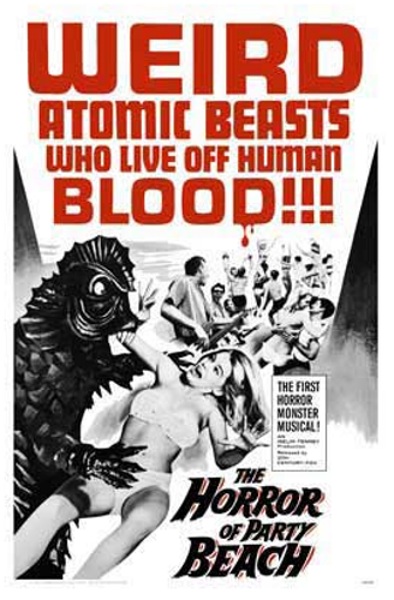
  3. The Horror of Party Beach (1964)
  4. Zardoz (1974)

Television Shows I Watched:

  1. CHiPs
  2. Cold Case: The Tylenol Murders
  3. Good American Family
  4. Malibu CA
  5. Miami Vice
  6. Pacific Blue

Books I Read:

  1. The Season (1969) by William Goldman

Live Tweets:

  1. Bulletproof
  2. Farewell, My Lovely
  3. Zardoz
  4. The Horror of Party Beach

News From Last Week:

  1. Actor Jonathan Joss dies at 59

Links From Last Week:

  1. Eiffel Tower Light Show! Wine And Water Wheels! My “Travel A – Z” Series Heads To France!
  2. My First Cooking Video

Links From The Site:

  1. Leonard reviewed Ballerina and The Longest Day!
  2. Brad reviewed The Frighteners, The Grey, Combat, and Diggstown!
  3. Brad shared scenes from Stone Cold, Notting Hill, and You Can’t Win ‘Em All!
  4. Brad shared a song from John Denver and a music video from Little Big Town!
  5. Brad paid tribute to Liam Neeson, Bruce Dern, and Charles Bronson!
  6. Erin shared Summer Sidewalk, Argosy, Marine Heading Ashore On D-Day, Love Hungry Woman, Western Story Magazine, Film Fun,
  7. Erin paid tribute to the men who sacrificed their lives during D-Day!
  8. Erin shared scenes from Interstellar and Trouble With The Curve!
  9. Erin celebrated Double Exposure and Landscapes!
  10. Erin shared music from Hans Zimmer!
  11. Jeff shared music videos from Anthrax, Power Station, and Marky Mark and the Funky Bunch!
  12. Jeff reviewed Boss of Hangtown Mesa, Zardoz, Branded A Coward, Oath of Vengeance, Billy the Kid Trapped, Billy the Kid’s Smoking Guns, and The Killer Inside Me!
  13. I shared songs from the Del-Aires, Jim Radford, Mark Wahlberg, Downtown Sasquatch, and Alex North!
  14. I shared scenes from Christiane F., Hustle, and Boogie Nights!
  15. I paid tribute to 1981, 1944, and 1997!
  16. I shared music videos from Addison Rae, Halestorm, and Miley Cyrus!
  17. I shared 4 Films From The Weekend and A Book For The Weekend!
  18. I reviewed Gia and Nebraska!

Want to see what watched last week?  Click here!