Awwwwww!
Look at all the kitties!
Enjoy!
Awwwwww!
Look at all the kitties!
Enjoy!
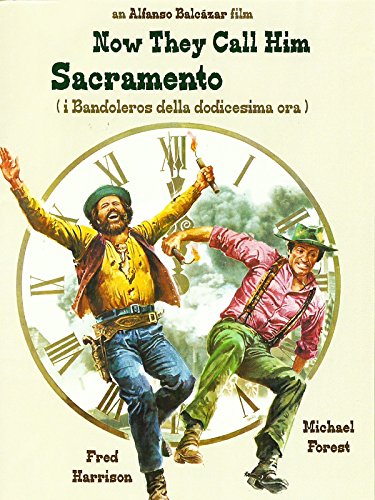 Sacramento (Michael Forest) is an amiable and laid back Western outlaw who can barely ride his horse and who drifts from town to town. When he arrives at a local saloon, he meets Big Jim (Fred Harrison) who ridicules Sacramento for only ordering a glass of milk. What Big Jim doesn’t know is that the milk is Sacramento’s house. After Sacramento returns, accepts a whiskey-drinking challenge, and proceeds to drink Big Jim under the table, an unlikely partnership is born.
Since it’s the old west and there’s nothing better to do, Sacramento, Big Jim, and Big Jim’s father, Old Tequila (Luigi Bonos), hold up a train and get away with a fortune. By doing so, they thwart the schemes of an evil banker was planning on robbing the train himself in order to prevent the money from getting to a town of women who the banker wants to evict. With the banker’s men pursuing them, Sacramento, Big Jim, and Tequila all end up in the town where Sacramento falls in love with the town’s mayor, Jenny McKinley (Malisa Longo).
Now They Call Him Sacramento is an amiable Spanish-made Spaghetti western. It’s a comedy, one that was obviously based on the very popular series of Italian films that starred Terence Hill and Bud Spencer. Michael Forest plays the Hill role while Fred Harrison steps into the typical Spencer part. While Forest and Harrison may not have as strong of a humorous chemistry as Hill and Spencer, they’re still likable in their roles and Forest, in particular, scores just enough laughs to keep the movie entertaining. (Just watch him trying to get on his horse.) Now They Call Him Sacramento may be predictable but, like it’s title character, it’s an amiable and likable comedy and the climatic fight scene — in which a fistfight escalates into the entire town has been destroyed — is a minor classic.
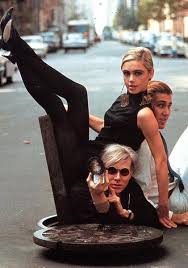
4 Shots From 4 Films is just what it says it is, 4 shots from 4 of our favorite films. As opposed to the reviews and recaps that we usually post, 4 Shots From 4 Films lets the visuals do the talking!
Today would have been Edie Sedgwick’s 77th birthday. Unfortunately, she died under tragic circumstances in 1971, after having briefly found fame as a model, a “youthquaker” (as some in the media called her), an actress, and Andy Warhol’s muse. Her tragic life is often held up as a cautionary tale and perhaps it is. For all of her talent and her appeal (not to mention that sharp wit that made her an outsider in the 60 but which would have made her a fascinating interview subject in 2020), Edie was far too often exploited by those who should have been protecting her. She was too beautiful not to be famous but, at the same time, too sensitive not be hurt by the experience. She’s truly a tragic figure but, because she also epitomizes everything that the New York underground art scene in the 60s represents in the popular imagination, she’s also an inspiring one. Edie lives forever as a symbol and a muse. Personally, I’ve been fascinated by her life for as long as I can remember.
In honor of Edie’s birthday, here are:
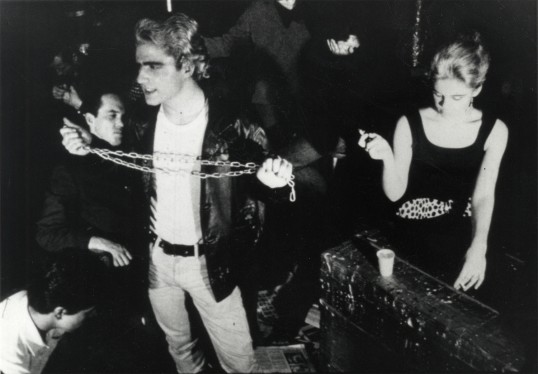
Vinyl (1965, dir by Andy Warhol)

Beauty No. 2 (1965, dir by Andy Warhol)

Poor Little Rich Girl (1965, dir by Andy Warhol)

Lupe (1966, dir by Andy Warhol)
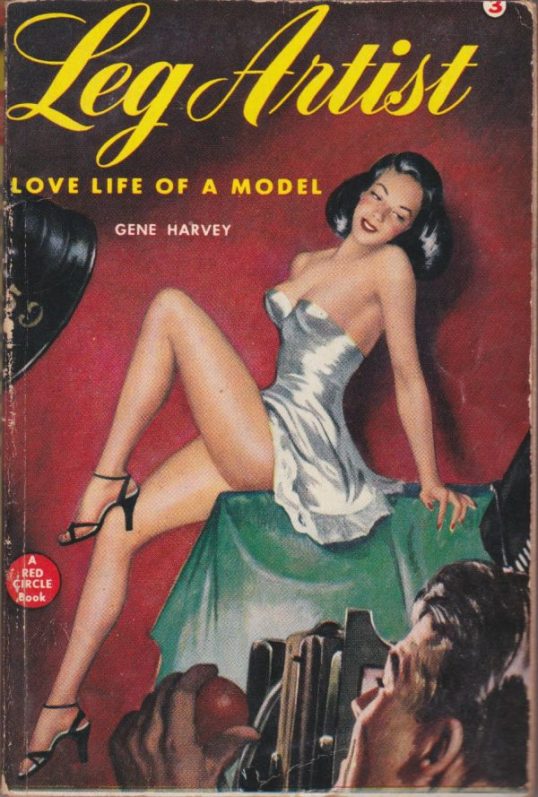
Artist Unknown
Happy 4-20!
Another week comes to a close. During previous years, I would really be freaking out if I had accomplished so little by April 19th. This year, I know that I’m actually probably doing better than most, just by the fact that I haven’t lost my mind yet.
I’m in a good mood. I’ll be in an even better mood when I can actually go out and watch a movie outside of my own home. I miss the theaters.
Here’s what I did this week:
Films I Watched:
Television Shows I Watched:
Books I Read:
Music To Which I Listened:
Links From Last Week:
Links From The Site:
More From Us:
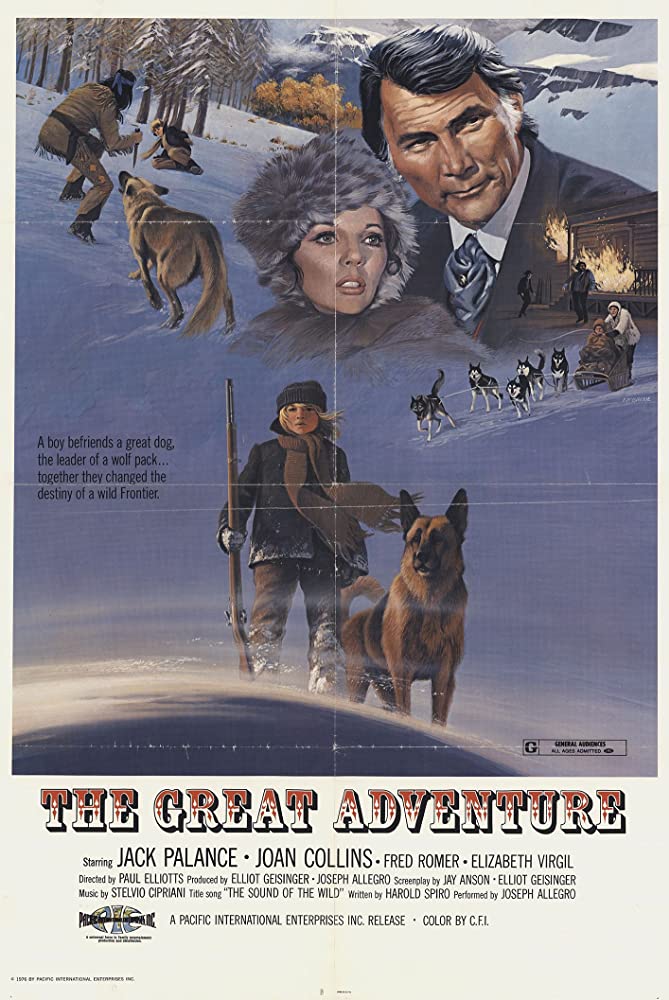
During the Gold Rush, a young boy named Jim Chambers (Fernando E. Romero) rescues a German shepherd from a bear trap. Jim’s father doesn’t want Jim to adopt the dog but then he gets killed by Indians so what is he going to do about it? Traveling with two trappers who are also brothers (played by Manuel de Blas and Remo De Angelis), Jim, his sister, Mary (Elisabetta Virgili), and the dog move to the nearby town of Dawson City.
Jim and Mary want to take over the town’s newspaper, which was originally founded by their family. However, both the newspaper and the town have been taken over by an evil gambler named William Bates (Jack Palance). Bates may be willing to let the children run the paper but only if they allow him to take their dog. Meanwhile, one of the trappers falls in love with the local saloon keeper, Sonia Kendall (Joan Collins).
Though The Great Adventure is set in Alaska and tells a typical Western story, it’s an Italian film through-and-through. Jack Palance and Joan Collins may be top-billed but the movie itself is dominated by actors speaking in poorly dubbed English. This was one of several films based on White Fang that was released in the 70s and, like many of them, it’s an uneasy hybrid of a treacly family film and a violent western. On the one hand, it’s a film about two children and their dog trying to publish a newspaper and, on the other hand, Jack Palance kills people in cold blood. The film is so badly edited to be almost impossible to follow but I’m an unapologetic Jack Palance fan and I almost always enjoy any film that lets Palance do his thing. Unfortunately, The Great Adventure didn’t have as much Palance as I was expecting and Joan Collins is beautiful but hampered by the film’s G-rating. (For an actress who was affectionately nicknamed The Great British Open, Collins is always a strange presence in a family film.) At least the dog was a good actor. He eventually abandons his newfound family so that he can rejoin a wild dog pack in the wilderness and he probably made the right decision. He looks very happy at the end of the movie.
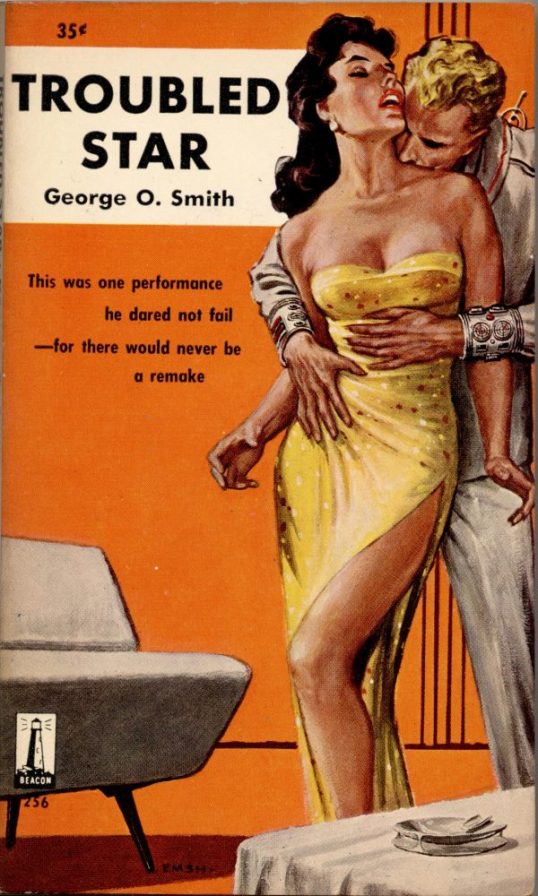
by Edmund Emshwiller
Enjoy!
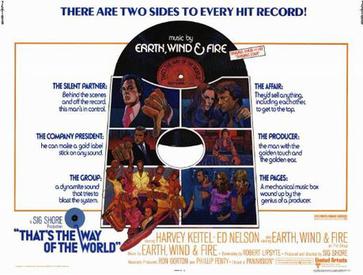 Welcome to the down and dirty world of the music industry in the 1970s.
Coleman Buckmaster (Harvey Keitel) is a record producer who is known as the “Golden Ear,” because of his success at discovering new talent. Coleman is the son of a jazz pianist (to whom he brings a birthday present of cocaine) and he is convinced that consumers are not as dumb as music execs assume that they are. He believes that his latest group, known simply as The Group (but played by Earth, Wind, & Fire), have what it takes to become a big success despite not having a conventionally commercial image.
Coleman’s boss, Carlton James (Ed Nelson), disagrees. Carlton orders Coleman to spend less time working with The Group and to instead devote his energy to producing a single for a new band called The Pages. Led by Franklyn Page (Bert Parks), the Pages present themselves as being a clean-cut and wholesome family band. Carlton is sure that their innocuous style and feel-good harmonies are going to be “the sound of the 70s.” Coleman disagrees but he tries to balance working with both groups. While he tries to make The Group into a success, he also tries to find something worthwhile in The Pages’ new single, “Joy Joy Joy.” Complicating matters is that, against his better instincts, Coleman has fallen into a relationship with Velour Page (Cynthia Bostick), who is not as innocent as the band’s image makers makes her out to be.
Written by journalist Robert Lipsyte and directed by producer Sig Shore (he did Superfly), That’s The Way Of The World is an interesting look at what was going on behind the scenes of the music industry in the 70s. It’s not the first film to suggest that the recording industry was run by unethical and corrupt record labels (nor would it be the last) but it feels authentic in a way that a lot of other music industry films don’t. That’s The Way Of The World emphasizes just how manufactured most popular music is. Insisting on trying to do something different, as the Group does, will only lead to you being snubbed by the industry. Play ball and record music that means nothing — like the Pages — and you’ll become a star overnight. Having a hit has less to do with the work you put into it and more with how many people your label is willing to pay off. As one exec puts it, getting your record played on the radio (in those days before YouTube and Soundcloud) means resorting “payola, layola, and drugola.” Harvey Keitel performs his role with his trademark intensity and Bert Parks is brilliantly cast as the thoroughly fake Franklyn Page.
Today, The Way Of The World is best-known for its soundtrack, which was also one of Earth, Wind, and Fire’s best-selling albums. Though the film was a bomb at the box office, the album was not. The Group may have struggled to get anyone to listen but Earth, Wind, and Fire became the first black group to top both the Billboard album and singles charts.
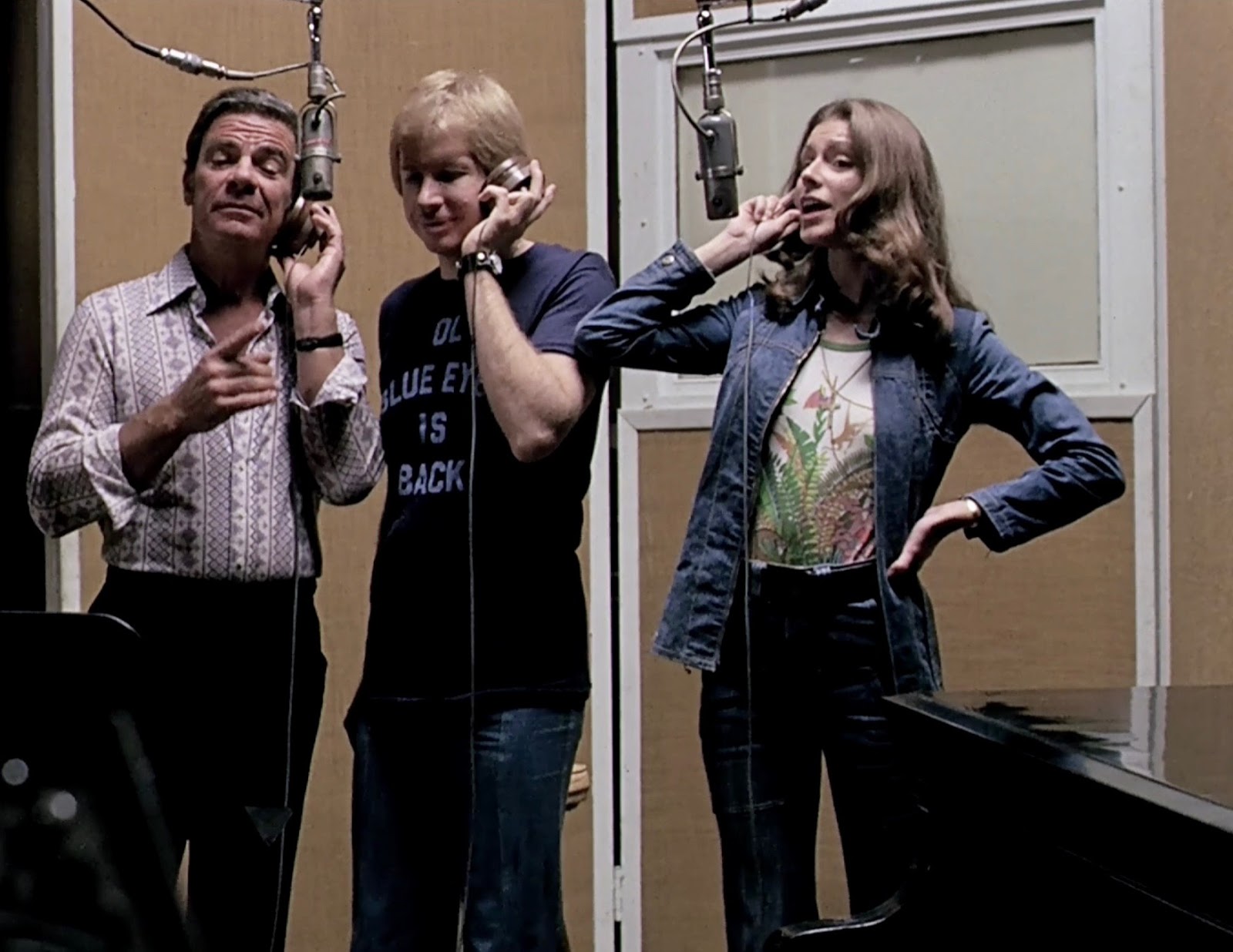
Beware The Pages
 Through the Shattered Lens