Lisa Reviews An Oscar Nominee: The Wolf of Wall Street (dir by Martin Scorsese)


Suck it, The Big Short The Wolf of Wall Street is the best film to be made about Wall Street this century.

Martin Scorsese’s 2013 financial epic tells the true story of a group of rather sleazy people who got rich and who basically, to quote Robert De Niro from an earlier Scorsese film, “fucked it all up.”  Jordan Belfort (Leonardo DiCaprio, giving what I still consider to be the best performance of his career) is the son of an accountant named Max (Rob Reiner).  Fresh out of college, Jordan gets a job on Wall Street.  Under the mentorship of the eccentric (but rich) Mark Hanna (Matthew McConaughey), Jordan discovers that the job of a stock broker is to dupe people into buying stock that they might not need while, at the same time, making a ton of money for himself.  With the money comes the cocaine and the prostitutes and everything else that fuels the absurdly aggressive and hyper-masculine world of Wall Street.  Jordan is intrigued but, after the stock market crashes in 1987, he’s also out of a job.

Fortunately, Jordan is never one to give up.  He may no longer be employed on Wall Street but that doesn’t mean that he can’t sell stocks.  He gets a job pushing “penny stocks,” which are low-priced stocks for very small companies.  Because the price of the stock is so low, the brokers get a 50% commission on everything they sell.  Because Jordan is such an aggressive salesman, he manages to make a fortune by convincing people to buy stock in otherwise worthless companies.  As Jordan’s boss (played, in an amusing cameo, by Spike Jonze) explains it, what they’re doing isn’t exactly regulated by the government, which just means more money for everyone!  Yay!
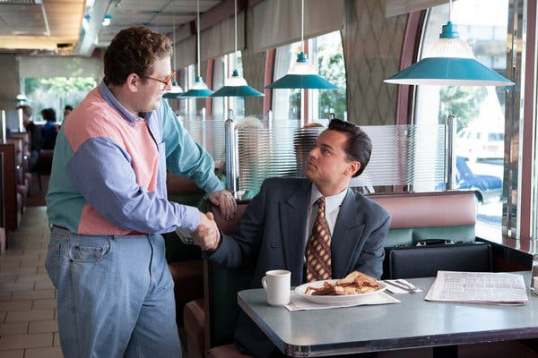
Working with his neighbor, Donny Azoff (Jonah Hill, at his most eccentric), Jordan starts his own brokerage company.  Recruiting all of his friends (the majority of whom are weed dealers who never graduated from high school), Jordan starts Stratton Oakmont.  Using high-pressure sales tactics and a whole lot of other unethical and occasionally illegal techniques, Jordan soon makes a fortune.  When Forbes Magazine publishes an expose that portrays Jordan as being little more than a greedy con man, Stratton Oakmont is flooded by aspiring stock brokers who all want to work for “the wolf of Wall Street.”

And, for a while, Jordan has everything that he wants.  While the Stratton Oakmont offices become a den of nonstop drugs and sex, Jordan buys a huge mansion, a nice car, and marries a model named Naomi (Margot Robbie).  His employees literally worship Jordan as he begins and ends every working day with inspirational (and often hilariously profane) sermons, encouraging his people to get out there and sell no matter what.  Of course, making that much money, Jordan has to find a way to hide it from the IRS.  Soon, with the help of Naomi’s aunt (Joanna Lumley), he is smuggling millions of dollars into Switzerland where a banker (Jean Dujardin, who is both hilariously suave and hilariously sleazy a the time) helps him hide it all.

When Jordan learns that the FBI and SEC are looking into his dealings, Jordan invites Agent Patrick Denham (Kyle Chandler) to come visit him on his yacht and, in a scene that launched a thousand memes, the two of them have a friendly conversation that’s largely made up of passive aggressive insults.  Jordan taunts Denham over the fact that Denham washed out when he tried to get a job on Wall Street.  Denham laughingly asks Jordan to repeat something that sounded like it may have been a bribe.  When Denham leaves the boat, Jordan taunts him by tossing a wad of hundred dollars bills into the wind….
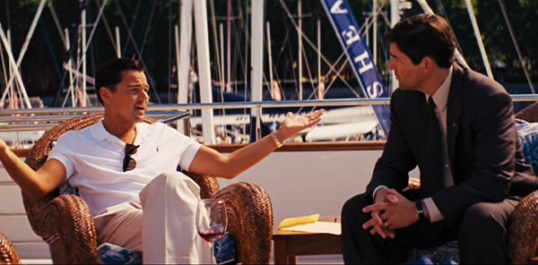
And here’s the thing.  Yes, the media and our political class tells us that we’re supposed to hate that Jordan Belforts of the world.  One can imagine Bernie Sanders having a fit while watching Jordan brag about how he cheated the IRS.  If Adam McKay or Jay Roach had directed this film, one can imagine that they would have used the yacht scene to portray Jordan Belfort as pure evil.  (McKay probably would have tossed in Alfred Molina as a waiter, asking Belfort if he wants to feast on the lost future of the children of America.)  But the truth of the matter is that most viewers, even if they aren’t willing to admit it, will secretly be cheering for Jordan when he throws away that money.  DiCaprio is so flamboyantly charismatic and Scorsese, as director, so perfectly captures the adrenaline high of Jordan’s lifestyle that you can’t help but be sucked in.  He may be greedy and unethical but he just seems to be having so much fun!  Just as how Goodfellas and Casino portrayed life in the mafia as being an intoxicating high (as well as being more than a little bit dangerous), The Wolf of Wall Street refrains from passing easy judgment and it steadfastly refuses to climb onto a moral high horse.  Jordan narrates his own story, often talking directly to the camera and almost always defending his actions.  As a director, Scorsese is smart enough to let us make up own minds about how we feel about Jordan and his story.

Of course, when Jordan falls, it’s a dramatic fall.  That said, it’s not quite as dramatic of a fall as what happened to Ray Liotta in Goodfellas or Robert De Niro in Casino.  No one gets blown up, for instance.  But Jordan does lose everything that gave his life meaning.  By the end of the film, he’s been reduced to giving seminars and challenging attendees to sell him a pen.  (“Well,” one hapless gentleman begins, “it’s a very nice pen…..”)  During the film’s final scenes, it’s not so much a question of whether Jordan has learned anything from his fall.  Instead, the movie leaves you wondering if he’s even capable of learning.  At heart, he’s the wolf of Wall Street.  That’s his nature and it’s really the only thing that he knows how to do.  He’s a bit like Ray Liotta living in the suburbs at the end of Goodfellas.  He’s alive.  He has his freedom and a future.  But he’s still doesn’t quite fit in.  Much like Moses being denied the opportunity to physically enter the Promised Land, Jordan’s punishment for his hubris is to spend his life in exile from where he truly belongs.  And yet, you know that Jordan — much like Henry Hill — probably wouldn’t change a thing if he had the chance to live it all over again.  He’d just hope that he could somehow get a better ending while making the same decisions.
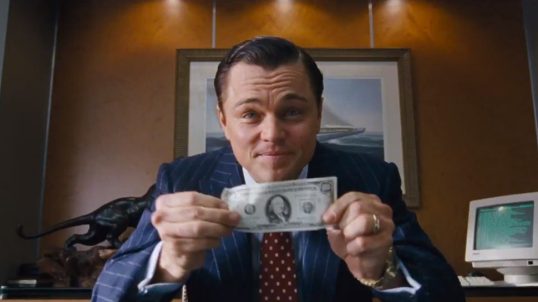
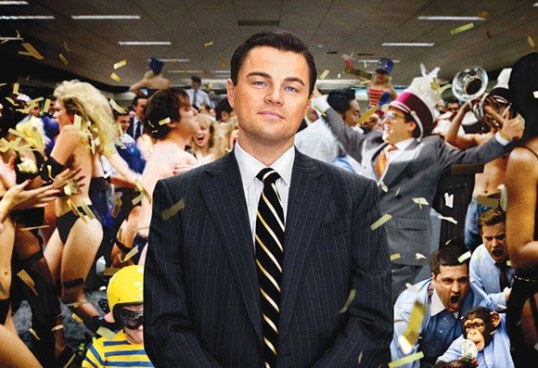
Unlike something like The Big Short, which got bogged down in Adam McKay’s vapid Marxism, The Wolf of Wall Street works precisely because it refuses to pass judgment.  It refuses to tell us what to think.  I imagine that a lot of people watched The Wolf of Wall Street and were outraged by the way Jordan Belfort made his money.  I imagine that an equal number of people watched the film and started thinking about how much they would love to be Jordan Belfort.  The Wolf of Wall Street is a big, long, and sometimes excessive film that dares the audience to think of themselves.  That’s one reason why it’ll be remembered after so many other Wall Street films are forgotten.

The Wolf of Wall Street was nominated for best picture of the year.  It lost to 12 Years A Slave.
4 Shots From 4 Films: Happy Birthday, Richard Lester!


4 Shots From 4 Films is just what it says it is, 4 shots from 4 of our favorite films. As opposed to the reviews and recaps that we usually post, 4 Shots From 4 Films lets the visuals do the talking!

Today, retired director Richard Lester is 88.  Richard Lester made films about everyone from The Beatles and the Three Musketeers to Robin Hood and Superman and, along the way, he changed the face of pop culture forever.

Despite being forever associated with the swinging London of the 60s, Richard Lester was born in Philadelphia and started his career directing episodes of a western television series called Action in the Afternoon.  After moving to London in the 50s, Lester went to work for the BBC and directed episodes of The Goon Show.  In 1959, he directed the Oscar-nominated short film, The Running Jumping & Standing Still Film.  One huge fan of that short film was John Lennon and, when the Beatles were looking for someone to direct their first movie, it was Lennon who suggested Richard Lester for the job.

And the rest is history.

4 Shots From 4 Films

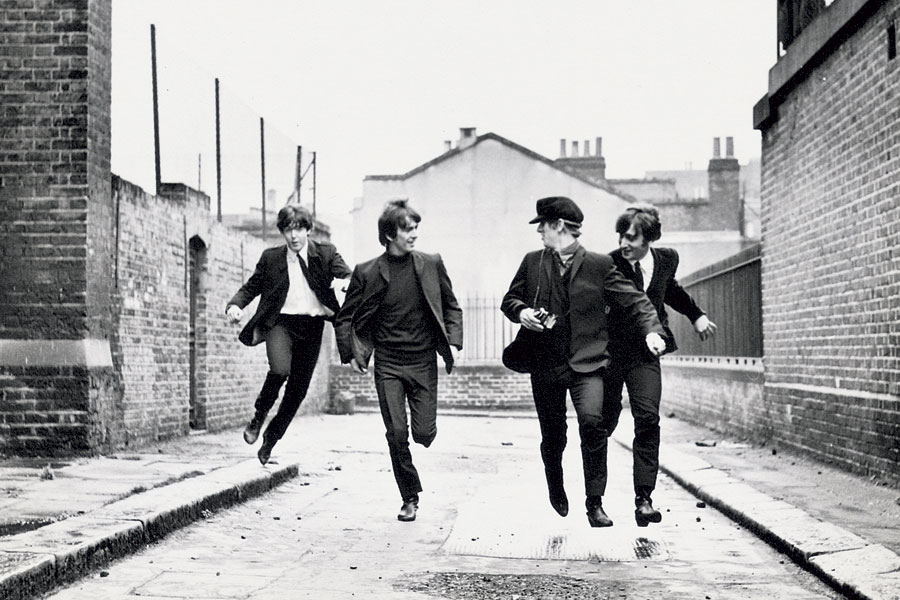
A Hard Day’s Night (1964, directed by Richard Lester)

Petulia (1968, directed by Richard Lester)

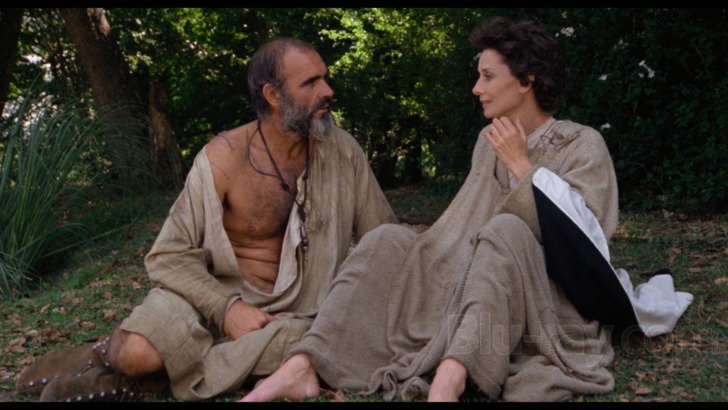
Robin and Marian (1976, directed by Richard Lester)

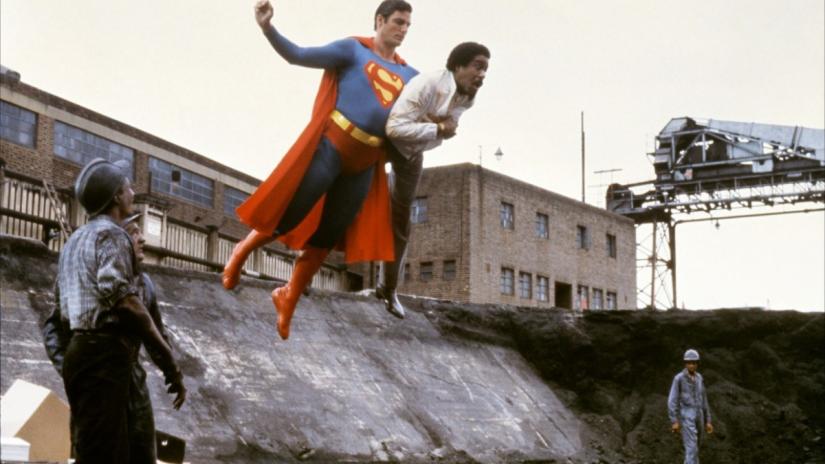
Superman III (1983, directed by Richard Lester)


The Producers Guild of America Honors 1917


Last night, I heard that the PGA had honored 1917 as the best film of 2019 and I thought to myself, “Well, that’s good for the golfers but since when did they become film experts?”

This morning, I woke up and I realized that the PGA was the Producer’s Guild of America, which means that 1917‘s victory is now officially a big deal.  If Sam Mendes wins at the DGA, I would imagine that would mean that 1917 is officially unstoppable as far as the Oscars are concerned.  Of course, just yesterday, I was saying that the Eddie Awards had made Parasite into an unstoppable Oscar winner.

So, maybe I know what I’m talking about and maybe I don’t.

Anyway, the PGA gave out a lot of awards last night but here are the three that you need to know while making your Oscar predictions:

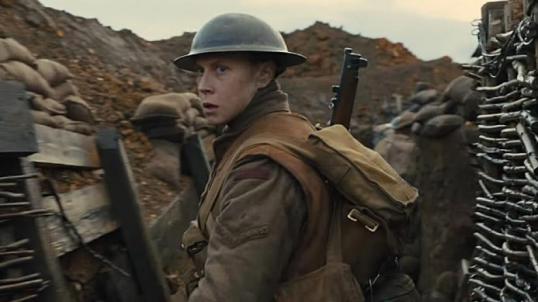
Best Feature Film — 1917

Best Animated Film — Toy Story 4

Best Documentary Film — Apollo 11

(Apollo 11 was, incredibly, not nominated for Best Documentary.)

For a full list of the PGA winners, click here.

Music Video of the Day: I Didn’t Mean To Turn You On by Robert Palmer (1986, directed by Terence Donovan)


Today’s music video of the day is for Robert Palmer’s cover of I Didn’t Mean To Turn You On, a song that was originally recorded by Cherelle in 1984.  Palmer, whose songs epitomized the 80s, would have been 71 years old today.

If this video looks familiar, that may be because it shares the same concept behind Palmer’s videos for Addicted To Love and Simply Irresistible, both of which were also directed by photographer Terence Donavon.  Once again, Palmer, looking like he should be trading commodities on Wall Street, performed while a group of statuesque models “played” his band behind him.   The video, however, added another group of models, dressed in white, who danced to the music and who had better rhythm than the models who made up Palmer’s band.

Enjoy!

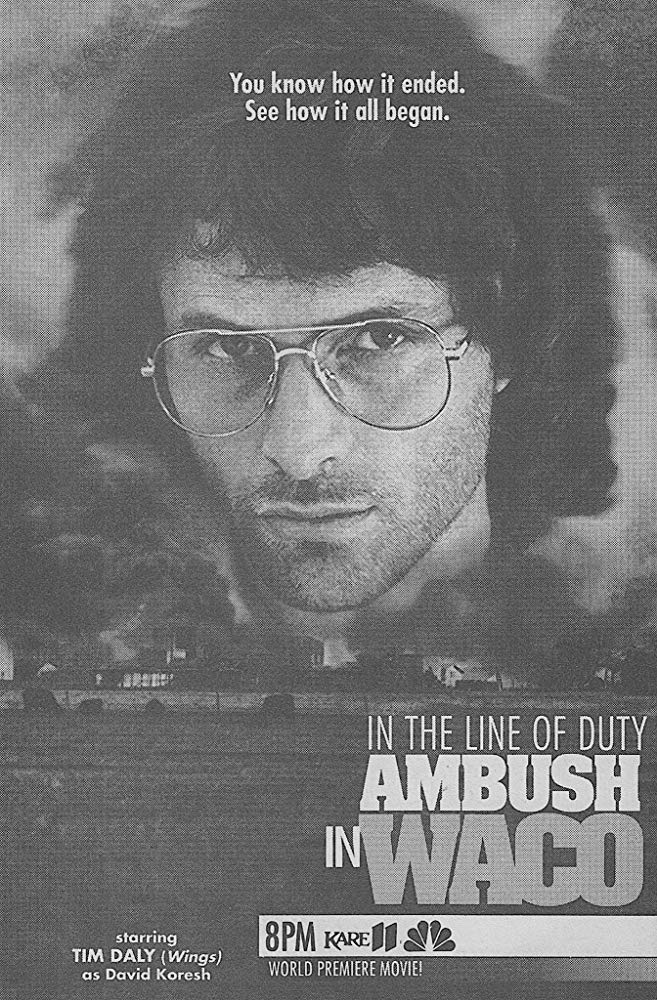
In The Line Of Duty: Ambush In Waco (1993, directed by Dick Lowry)


In Waco, Texas, a scruffy and frustrated musician named David Koresh (Tim Daly) has announced that he is the messiah and is gathering followers to live with him in a compound.  The Branch Davidians, as they are known, spend hours listening as the increasingly unhinged Koresh gives lengthy sermons.  There are rumors that Koresh is abusing the many children who live in the compound and that he is stockpiling weapons for a confrontation with the government.

The ATF makes plans to raid the compound and take Koresh into custody.  Under the supervision of Bob Blanchard (Dan Lauria), the agents run several practice raids.  However, when the day of the actual raid comes, they discover that the David Koresh and the Branch Davidians aren’t going to give up so easily…

Ambush in Waco is a dramatization of the infamous raid that led to a 51-day stand-off between the government and the Branch Davidians, a stand-off that ended with the compound in flames and the deaths of several innocent children.  Over the years, the siege in Waco has often been cited as an example of both government incompetence and law enforcement overreaction.  Instead of arresting Koresh during one of his many trips into town, the ATF decided to do a dramatic raid for the benefit of the news cameras and they were unprepared for what was waiting for them inside of the compound.  After 51 days of negotiations, the FBI tried to force Koresh out and, in the eyes of many, were responsible for the death of every man, woman, and child inside of the compound.  For many, the events in Waco represent the government at its worse.

You wouldn’t know that just from watching Ambush In Waco.  This made-for-TV movie was put into production while the siege was still ongoing.  As a result, the film shows the events leading up to the initial raid but nothing that followed.  Since it would be years before the full extent of the government’s incompetence at Waco would be uncovered, Ambush in Waco today feels like propaganda, a whitewash of a shameful moment of American law enforcement history.  The ATF is portrayed as being thoroughly professional while Koresh is a dangerous madman who is on the verge of trying to lead a violent revolution.  Today, we know that wasn’t the case.  Koresh may have been a loser with delusions of grandeur but he probably would have been content to spend the rest of his life hidden away in his compound.  Meanwhile, newly appointed Attorney General Janet Reno was so eager to prove her toughness that the situation was allowed to get out of control.  That’s not something you’ll learn from watching Ambush in Waco.

Of course, that doesn’t mean that David Koresh wasn’t a bad dude.  Tim Daly is this film’s saving grace, giving an outstanding performance as an unstable, wannabe dictator.  Ambush in Waco shows how someone like Koresh could end up attracting so many followers and it also shows how even the most well-intentioned of people can be brainwashed.  Though the film may not convince us that the ATF was justified in their actions, it does show us why we should be weary of anyone who claims to have all the answers.

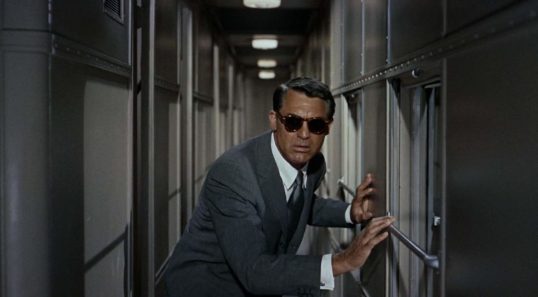
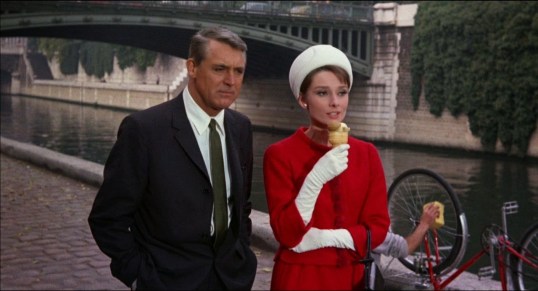
4 Shots From 4 Cary Grant Films: The Awful Truth, The Philadelphia Story, North by Northwest, Charade


4 Shots From 4 Films is just what it says it is, 4 shots from 4 of our favorite films. As opposed to the reviews and recaps that we usually post, 4 Shots From 4 Films lets the visuals do the talking!

Today is the 116th anniversary of one of the greatest stars of Hollywood’s Golden Age, Cary Grant!  And that means that it’s time for….

4 Shots From 4 Cary Grant Films

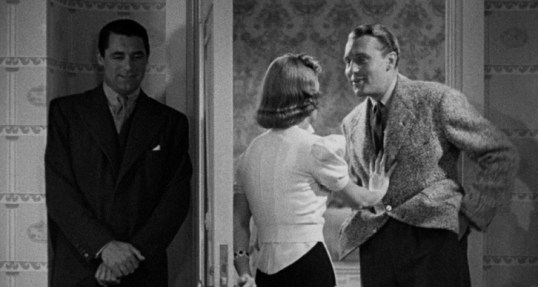
The Awful Truth (1937, dir by Leo McCarey)

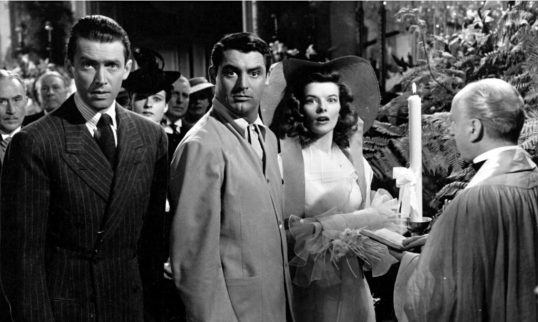
The Philadelphia Story (1940, dir by George Cukor)

North by Northwest (1959, dir by Alfred Hitchcock)

Charade (1963, dir by Stanley Donen)

The ACE Eddie Awards Honor Parasite and Jojo Rabbit


Last night, the ACE Eddie Awards — which are meant to recognize the best edited films of the previous year — were given out.  Parasite took the award for Best Edited Drama while Jojo Rabbit won for Best Edited Comedy.

If you’re an Oscar watcher, this is a big deal.  Parasite is the first non-English language film to win the top prize at the Eddie Awards and it’s victory might indicate that the Academy might be more open to rewarding (as opposed to just nominating) an international film than many people have assumed.  Meanwhile, Jojo Rabbit defeated Once Upon A Time In Hollywood would might suggest that Hollywood doesn’t have the inside track that many people, like me, assumed that it did.

So, this could all mean something or it might mean nothing.  That’s the way these precursors go and I’ll be the first to admit that amateur awards watchers, like me, are often too quick to try to read huge significance into every single precursor.  We’ll see what happens when the Oscars are handed out on February 9th!

For now, here are the Eddie Winners!

BEST EDITED FEATURE FILM (DRAMA)

Ford v Ferrari
Michael McCusker, Andrew Buckland

The Irishman
Thelma Schoonmaker

Joker
Jeff Groth

Marriage Story
Jennifer Lame

Parasite – WINNER
Jinmo Yang

BEST EDITED FEATURE FILM (COMEDY):

Dolemite Is My Name
Billy Fox

The Farewell
Michael Taylor, Matthew Friedman

Jojo Rabbit – WINNER
Tom Eagles

Knives Out
Bob Ducsay

Once Upon a Time in Hollywood
Fred Raskin

BEST EDITED ANIMATED FEATURE FILM:

Frozen 2
Jeff Draheim

I Lost My Body
Benjamin Massoubre

Toy Story 4 – WINNER
Axel Geddes

BEST EDITED DOCUMENTARY (FEATURE):

American Factory
Lindsay Utz

Apollo 11 – WINNER
Todd Douglas Miller

Linda Ronstadt: The Sound of My Voice
Jake Pushinsky, Heidi Scharfe

Making Waves: The Art of Cinematic Sound
David J. Turner, Thomas G. Miller

BEST EDITED DOCUMENTARY (NON-THEATRICAL):

Abducted in Plain Sight
James Cude

Bathtubs Over Broadway
Dava Whisenant

Leaving Neverland
Jules Cornell

What’s My Name: Muhammad Ali – WINNER
Jake Pushinsky

BEST EDITED COMEDY SERIES FOR COMMERCIAL TELEVISION:

Better Things: “Easter” – WINNER
Janet Weinberg

Crazy Ex-Girlfriend: “I Need To Find My Frenemy”
Nena Erb

The Good Place: “Pandemonium”
Eric Kissack

Schitt’s Creek: “Life is a Cabaret”
Trevor Ambrose

BEST EDITED COMEDY SERIES FOR NON-COMMERCIAL TELEVISION:

Barry: “Berkman”
Kyle Reiter

Dead to Me: Pilot
Liza Cardinale

Fleabag: “Episode 2.1” – WINNER
Gary Dollner

Russian Doll: “The Way Out”
Todd Downing

BEST EDITED DRAMA SERIES FOR COMMERCIAL TELEVISION:

Chicago Med: “Never Going Back To Normal”
David J. Siegel

Killing Eve: “Desperate Times” – WINNER
Dan Crinnion

Killing Eve: “Smell Ya Later”
Al Morrow

“Mr. Robot”: “Unauthorized”
Rosanne Tan

BEST EDITED DRAMA SERIES FOR NON-COMMERCIAL TELEVISION:

Euphoria: Pilot
Julio C. Perez IV

Game of Thrones: “The Long Night” – WINNER
Tim Porter

Mindhunter: Episode 2
Kirk Baxter

Watchmen: “It’s Summer and We’re Running Out of Ice”
David Eisenberg

BEST EDITED MINISERIES OR MOTION PICTURE FOR TELEVISION:

Chernobyl: “Vichnaya Pamyat” – WINNER
Jinx Godfrey, Simon Smith

Fosse/Verdon: “Life is a Cabaret”
Tim Streeto

When They See Us: Part 1
Terilyn A. Shropshire

BEST EDITED NON-SCRIPTED SERIES:

Deadliest Catch: “Triple Jeopardy”
Ben Bulatao, Rob Butler, Isaiah Camp, Greg Cornejo, Joe Mikan

Surviving R. Kelly: “All The Missing Girls”

Stephanie Neroes, Sam Citron, LaRonda Morris, Rachel Cushing, Justin Goll, Masayoshi
Matsuda, Kyle Schadt

Vice Investigates: “Amazon on Fire” – WINNER

Cameron Dennis, Kelly Kendrick, Joe Matoske, Ryo Ikegami

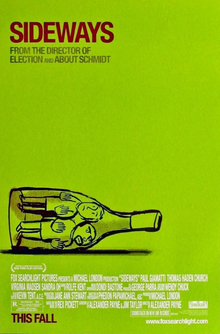
Lisa Reviews An Oscar Nominee: Sideways (dir by Alexander Payne)


I’ve never really gotten the obsession that some people have with wine.

Some of that may be because I hardly ever drink.  I’m not quite a teetotaler but I seem to be getting closer with each passing year.  But, beyond that, I just don’t get the whole culture that’s sprung up around wine snobbery.  I don’t get the people who sit around and say, “Oh, this is an amazing Australian wine and, someday, my great-great grandchilden will get to open it when they’re 90 and on their deathbeds.”  Everything that I’ve seen about wine tastings annoys me, from the overdramatic sniffing to the big bowls of spit-out wine.  (I’m not a big fan of spitting in general.)

The 2004 film Sideways is a film that’s all about wine snobs.  It follows two friends as they take a week-long vacation in the Santa Barbara wine country.  Miles (Paul Giamatti) is a depressed English teacher who loves wine and who has never gotten over his divorce.  He’s also a writer, though a remarkably unsuccessful one.  He’s waiting to hear back on his latest manuscript, an autobiographical novel that he fears might not be commercial enough.  Jack (Thomas Haden Church) was Miles’s college roommate and they’ve remained friends, despite Miles feeling that they have nothing in common.  Jack is a former semi-successful actor who now works as a voice over artist.  Jack knows little about wine.  He’s just looking for a chance to indulge in some meaningless, commitment-free sex before getting married.

Miles attempts to teach Jack to appreciate wine.  Jack attempts to get Miles to actually enjoy life for once.  Together …. THEY SOLVE CRIMES!

Actually, they don’t solve crimes.  That’s not the type of film that Sideways is.  This is an Alexander Payne film, which means that it’s essentially a road film in which two different characters consider their own mortality and question whether or not there’s more to life than just what they see around them.  The difference between the two characters is that Miles obsesses on the meaning of it all while Jack doesn’t exactly ignore Miles’s concerns but he’s much better at shrugging them off and blithely moving from one experience to another.  Miles wears his neurosis on his sleeve while Jack is slightly better at hiding them.

During their week-long excursion into wine country, Miles and Jack fall for two women who undoubtedly deserve better.  Maya (Virginia Madsen) is a waitress who is working on her master’s degree in horticulture.  Maya shares Miles’s love of wine and is one of the few people to show any genuine interest in Miles’s book.  Stephanie (Sandra Oh) is as much of a free spirit as Jack and, after spending two days with her and her daughter, Jack starts talking about canceling (or, at the very least, delaying) his upcoming wedding.  Miles, meanwhile, is falling in love with Maya but there’s a problem.  Jack lied to Maya and told her that Miles’s book is about to be published and Jack has failed to tell Stephanie that he’s engaged….

And really, it would be very easy to be dismissive of both Miles and Jack if they were played by anyone other than Paul Giamatti and Thomas Haden Church.  If you ever need a movie to cite as an example of how perfect casting can inspire you to forgive characters who do rotten things and make stupid mistakes, Sideways would be a good film to go with.  Thomas Haden Church brings an unexpected sincerity to the role of Jack, one that keeps him from coming across as being malicious but instead suggests that he just can’t help himself.  If nothing else, Haden Church’s concern for Miles comes across being genuine.  (“I guess because you were wearing your seat belt.”)  Meanwhile, in the role of Miles, Paul Giamatti again proves that he’s one of those rare actors who can take a rather annoying character and somehow make him totally sympathetic.  It help that Giamatti brings a lot of self-awareness to the role.  Yes, Miles can be whiny and self-absorbed but at least he knows that he’s whiny and self-absorbed and he’s just as annoyed with himself as we often are.

The actors even manage to make all of the wine talk palpable for non-wine people like me.  During Virginia Madsen’s lengthy monologue about why she loves wine, I found myself thinking, “That’s why I love movies.”  Just as wine tastes different depending on who is drinking it and when they opened the bottle, how one experiences a movie can change from time to time and depending on each individual viewing experience.  Just as the best wine was cultivated over time, the same can be said of movies, many of which are not recognized for their greatness until years after they were first produced.  Just as Maya thinks about all the people who played a part in creating the perfect bottle of wine, I think about all the people who played a part in creating the movies that I love.  You don’t have to love wine to enjoy Sideways.  You just have to love something.

Sideways was nominated for Best Picture but it lost to Million Dollar Baby.  Amazingly, Paul Giamatti was not nominated for Best Actor.

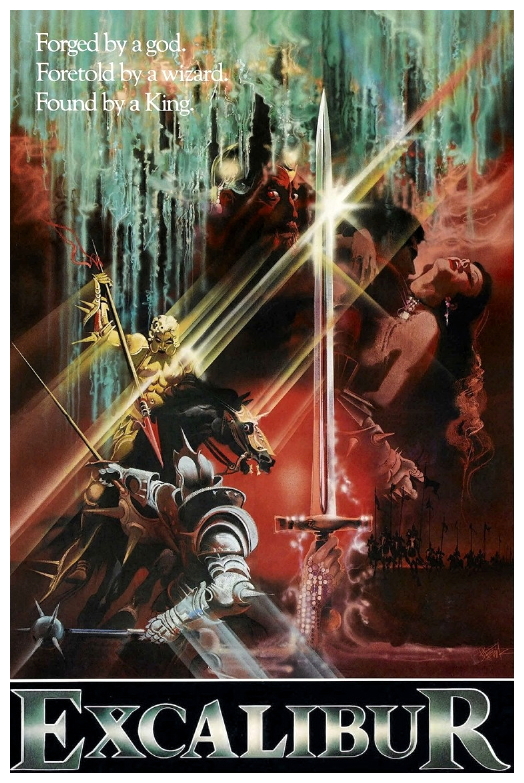
A Scene That I Love: “The Sword Has Been Drawn” from John Boorman’s Excalibur (1981)


Today is the 87th birthday of director John Boorman.

A former journalist and documentarian, Boorman got his start as a feature film director in 1965 when he was offered the chance to direct Catch Us If You Can, an enjoyable take on A Hard Day’s Night that starred the Dave Clark Five.  Boorman went on to establish himself as one of the most idiosyncratic and unique directors working in the British film industry.  Among the films that Boorman would direct: Zardoz, Deliverance, Point Blank, The General, Hope and Glory, and The Emerald Forest.  Among the films that Boorman was offered but turned down: The Exorcist, Fatal Attraction, Rocky, and Sharky’s Machine.  Few directors can claim a filmography as varied and unique as John Boorman’s.

During the 70s, Boorman made an unsuccessful attempt to put together a film version of Lord of the Rings.  Boorman intended to tell the entire story in just one film but he couldn’t find financial backing for his epic vision.  So, instead, Boorman directed Excalibur, an film about King Arthur which, thematically, has as much in common with Tolkein as it does with Malory.

Starring Nigel Terry, Nicol Williamson, Helen Mirren, Patrick Stewart, Gabriel Byrne, and Liam Neeson, Excalibur is my personal favorite of the many cinematic adaptations of the Arthurian legend.  (I like it even more than Monty Python and the Holy Grail, though it’s a close race.)  In the scene below, Arthur (Nigel Terry) first removes Excalibur from the stone.  By removing the sword, Arthur confirms that it his destiny to bring “the Land,” (as Britain is referred to as being in Excalibur) together.  Not everyone is convinced but Leondegrance knows a king when he sees on.  (That’s not surprising, considering that he’s played by Patrick Stewart.)