Committing (To) “Suiciders”


4412553-01

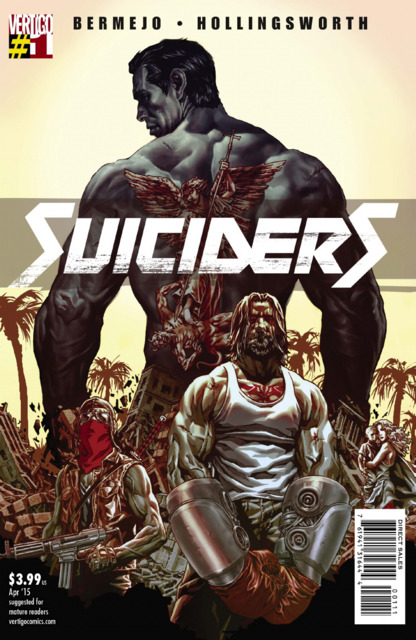
When I learned, after reading the first issue of Lee Bermejo’s new monthly Vertigo series Suiciders, that the writer/artist made his home in Italy, I can’t say I was terribly surprised, given that the basic set-up for this book appears to have torn at least a page from spaghetti exploitation stalwart Joe D’Amato’s post-apocalyptic “thrillers” Endgame and 2020 Texas Gladiators, but please don’t get the wrong idea — derivative as the premise here may be, I still think we’re in for a fun and intelligent ride that promises to explore issues of economic inequality and media saturation in a more straightforward way than most mainstream comics, particularly those of a superhero-ish bent, can or would ever dare to. The Vertigo imprint in general appears to be hitting something of a creative stride once again, after far too many years, and while so far sales numbers for their recently-added titles like FBP and Coffin Hill have generally been rather weak, let’s hope they decide to see them through and wait for them to gain an audience, because there’s some very promising stuff coming from the house that Moore, Gaiman, Morrison, et.al. built, and sooner or later the comics-buying public is bound to start paying attention — right?

Well, possibly. Or at least hopefully, at any rate — and you can add Suiciders to the list of new (relatively speaking) Vertigo books that definitely deserve more attention than they’re probably likely to get. Bermejo is certainly a “known quantity” as an artist, given that his detailed, gritty, realistic illustrations have been featured in some rather high-profile DC projects in recent years, most notably the Joker graphic novel and Before Watchmen : Rorschach (both done in collaboration with writer Brian Azzarello), and he was allowed to showcase both his writing and drawing skills on Batman : Noel, so a “solo” monthly of his own was probably due to happen at some point here, but I honestly couldn’t have predicted that he’d tackle his turn in the spotlight with this much confidence and clarity. The world of Suiciders seems to have arrived on comic store shelves fully realized down to the last detail, and even though we’re only given tantalizing glimpses into it here in issue #1, it’s a fairly safe bet that most readers — particularly those with a penchant for “after doomsday” scenarios such as myself — will be left hungry for a whole lot more, even at $3.999 a pop (incidentally, has anyone else noticed Vertigo quietly sneaking more and more of their titles up a dollar? Sure, they usually give you a high-gloss cover for that extra buck you’re laying out, but it’s still a drag).
Suiciders_1_pg1

Here’s a brief rundown of the particulars, for those inclined to know more before they buy : in the future, L.A. has been devastated by a massive earthquake (I guess the whole nuke angle is kinda played out) and in the aftermath of that catastrophe, rather than rebuild per se,  the powers that be have just decided to start all over from scratch — for the 1%. Hence,  the city has bifurcated into two distinct regions — the glitzy and wealthy New Angeles, and the decimated and impoverished “old city.” It appears that the division isn’t too terribly dissimilar to the prevailing socio-economic structure of apartheid-era South Africa, where blacks far outnumbered whites but had no real voice in government despite doing all the menial labor that the privileged minority counted on for basic survival — and for their trouble, found themelves  warehoused in desperately poor, sickeningly inhumane “homelands” on the other side of a fence from their social “betters.” We might think that’s all a thing of the past, I suppose,  but the situation in Israel today isn’t much different, with Palestinians living in squalid conditions in the outdoor concentration camp that is Gaza and having to carry a pass and proceed through a security checkpoint to get to their jobs in places like Jeruslaem, Tel Aviv, etc. where they do the blue-collar and service-related work the wealthier, lighter-skinned folks are dependent upon  — and it’s not like we’re immune to this sort of de-humanizing bullshit in the US, either, as the rich increasingly flee to mansions in gated “communities” where you have to present ID to gain access, while the poor, whose labor the folks behind gates are both exploiting and in need of, see their inner-city neighborhoods deteriorate further and further at the same time their social safety net is being raided and squandered by the those  who already have way more than enough.

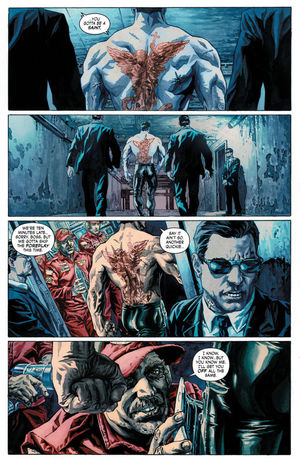
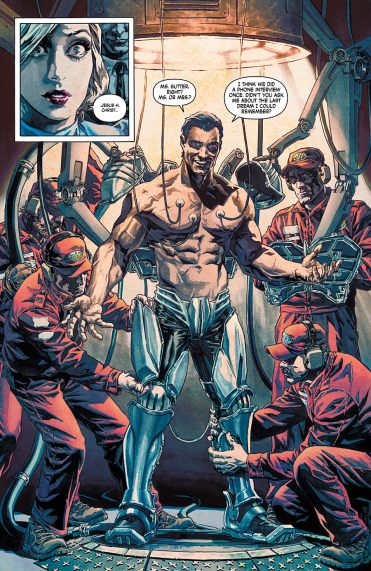
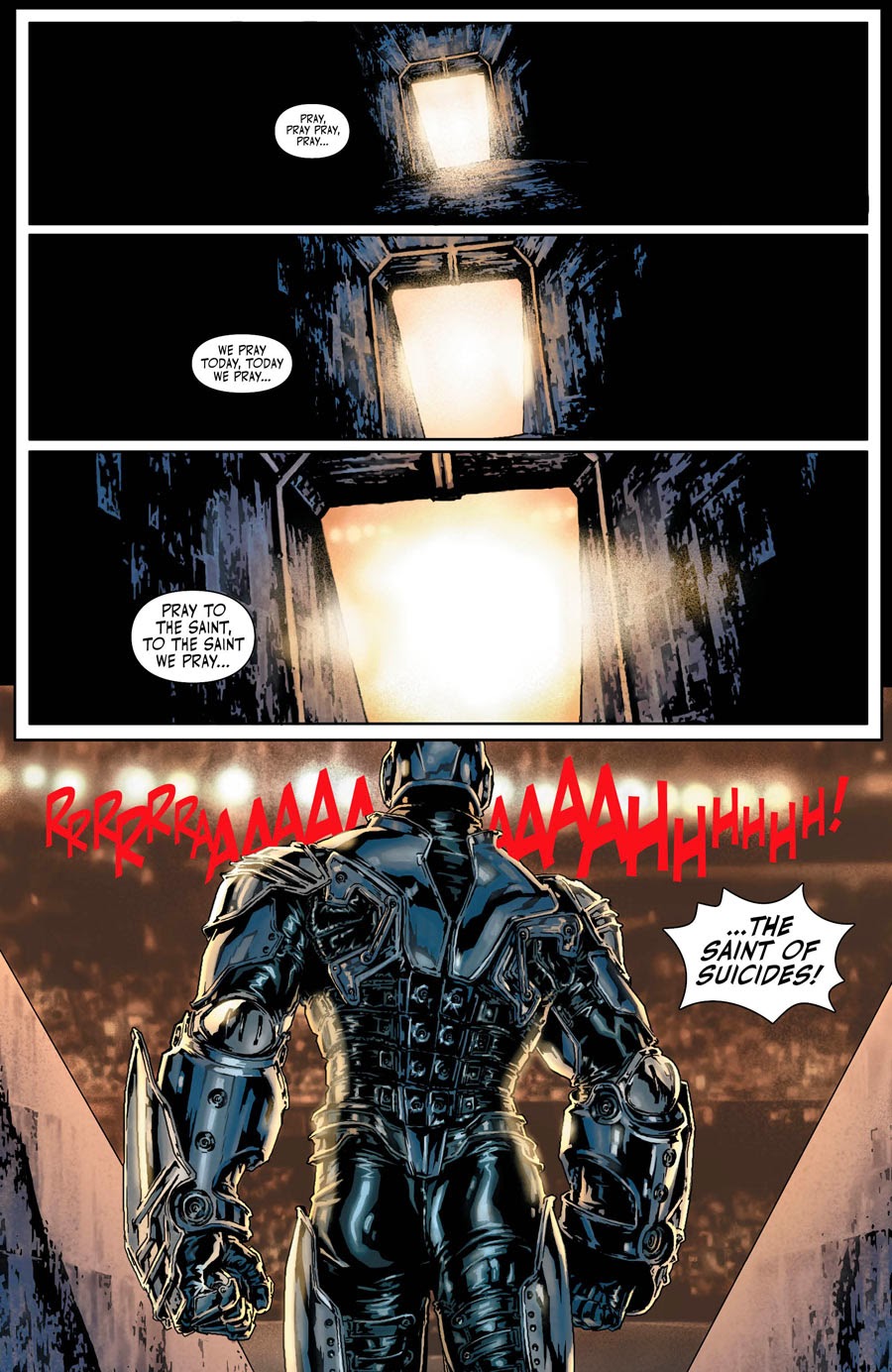
What to do to distract the populace from this abhorrent state of affairs? The Romans called it “bread and circuses,” these days we call it pro sports and TV (because we don’t feel the need to keep the peasants fed anymore), and in New Angeles they call it “Suiciding” — a sort of high-tech combination of American Gladiators and MMA fighting that you can definitely see coming down the pipeline in the next 10-to-20 years (if that).  The biggest star of the Suicide Ring is a rugged, handsome bruiser known as The Saint, and while he appears to be our ostensible “hero” of the story, Bermejo wisely plays it close to the vest and reveals very little about him beyond the fact that there’s more going on with him than meets the eye. Shit, we don’t even know his real name or anything of substance about his background yet, but you just get a feeling that there are sides to him that his well-oiled PR machine would rather have the public — and, by extension, us readers — kept in the dark about.
SUICIDERS-1-6-2cc08


The bulk of the action in this debut installment is consumed with The Saint’s latest championship battle, and Bermejo makes you feel every punch and kick with his fluid pacing and high-octane visuals, ably abetted by colorist extraordinaire Matt Hollingsworth, who imbues the penciler/inker’s pages with a radically different, but no less impressive, palette that Barbara Ciardo did on Joker and Before Wathcmen : Rorschach (a book I’m now convinced Bermejo should have written himself because, let’s face it, Azzarello’s script was a lazy, uninspired mess). All in all, the two of them concoct a feast for the eyes here that you’ll find yourself studying in detail for fear of missing anything too intricate,  awesome, or both.

But how does it read? Pretty damn well, I’m pleased to report. Bermejo has a solid grip on both characterization and world-building, and the sub-plot that runs concurrent with the main storyline, about a hapless band of refugees looking to sneak into New Angeles to provide a better life for their families, is both believable and repulsive in equal measure. It doesn’t end well (spoiler alert), and you never expect it to (cancel said spoiler alert), but you feel it all the same when tragedy strikes, nonetheless — a sure sign that a writer knows what he or she is doing. Not every script sets out to reinvent the wheel, but when the author is able to get you to  invest yourself in their story despite the fact that you know where it’s headed, well , that’s always worthy of a measure of respect, in my book.
SUIC-1-Preview1

And my respect — whatever that’s worth — is definitely something that Bermejo has won back with Suiciders #1. More or less everyone who participated in the Before Watchmen debacle (with the exception of Amanda Conner, who did sublime work — as she always does) saw their reputations knocked down a good few notches in the eyes of many, myself included, but this book is just the right combination of socially aware critique, sci-fi dystopianism, and bad-ass action to keep me hooked for a good long while. There’s a grim, remorseless, polarized, and utterly believable future society beckoning for us to come explore it in these pages, and Bermejo and Hollingsworth are proving themselves, at least to this point, to be excellent tour guides.

Fair warning, though : things  look as though they’re gonna get pretty dangerous pretty fast, so I’m thinking some Saint-style body armor will probably be in order if you want to make it out of Suiciders alive.
“The Kitchen” #1 : If You Can’t Stand The Heat — Well, You Know


4212079-01

So it appears that one of the sites I’ve done a fair amount of writing for, geekyuniverse.com, has shuttered its digital doors.Furthermore, it looks as if they sold their domain name off to something called “Swagger Magazine,” whatever that is, and did all of  this without informing any of us contributors that it was happening. Am I pissed? I guess I wasn’t at first, but now I sort of am, simply because all that content I posted on there, much of which was pretty good (even if I do only say so myself), is now lost forever, and because, going by sheer numbers alone, my stuff was far and away the most popular material on the site. Seriously, most of the posts on there were lucky to generate a half-dozen “likes” and one or two faceboook and twitter “shares,” while my articles routinely got a couple hundred of each. Does that mean I think my stuff was “better” than the work of the site’s other contributors? I dunno. I guess that’s all a matter of taste. I’d invite you to compare all of our work and decide for yourself, but — it’s all gone. And somebody made a little bit of money — probably not much, but something — selling off a site that was built by the work of folks who submitted work to it for free. Pretty goddamn sleazy, really.

Anyway, I’ve tried to get an explanation as to why it all went away without explanation, but the (now former) owners of the site haven’t responded to either my tweets or my emails, so I guess all I can do it call ’em out on their bullshit here and let them know that I’m not impressed. Don’t spend that two or three hundred bucks you made in one place.

Still, what the hell does any of this have to do with Through The Shattered Lens? Well, it means — for better or worse — that I’ll have a little bit more time to contribute to this site for the next couple of months, until my super-big-project-that-I-can’t-talk-about-yet eats up all my time for a little while, and that I’ll have more time for this site again once said super-big-project-that-I-can’t-talk-about-yet is finished. It also means that my quick-fire comic book reviews — as opposed to the lengthy, detailed, serialized pieces I do for the more “academic” comic website sequart.org — are in need of a new home with the demise of GU, so you’re getting ’em here.

I figure, hey, why not? Nobody else here “talks comics” very regularly, and I know a certain number of readers (and writers) here are fans of the medium, so, for the time being at an rate, I’ll “park” my comic book review work here unless and until Arleigh or Lisa Marie or somebody tells me to take it somewhere else. Which they won’t because they’re good people who like to indulge me — right?

4212404-01-variant

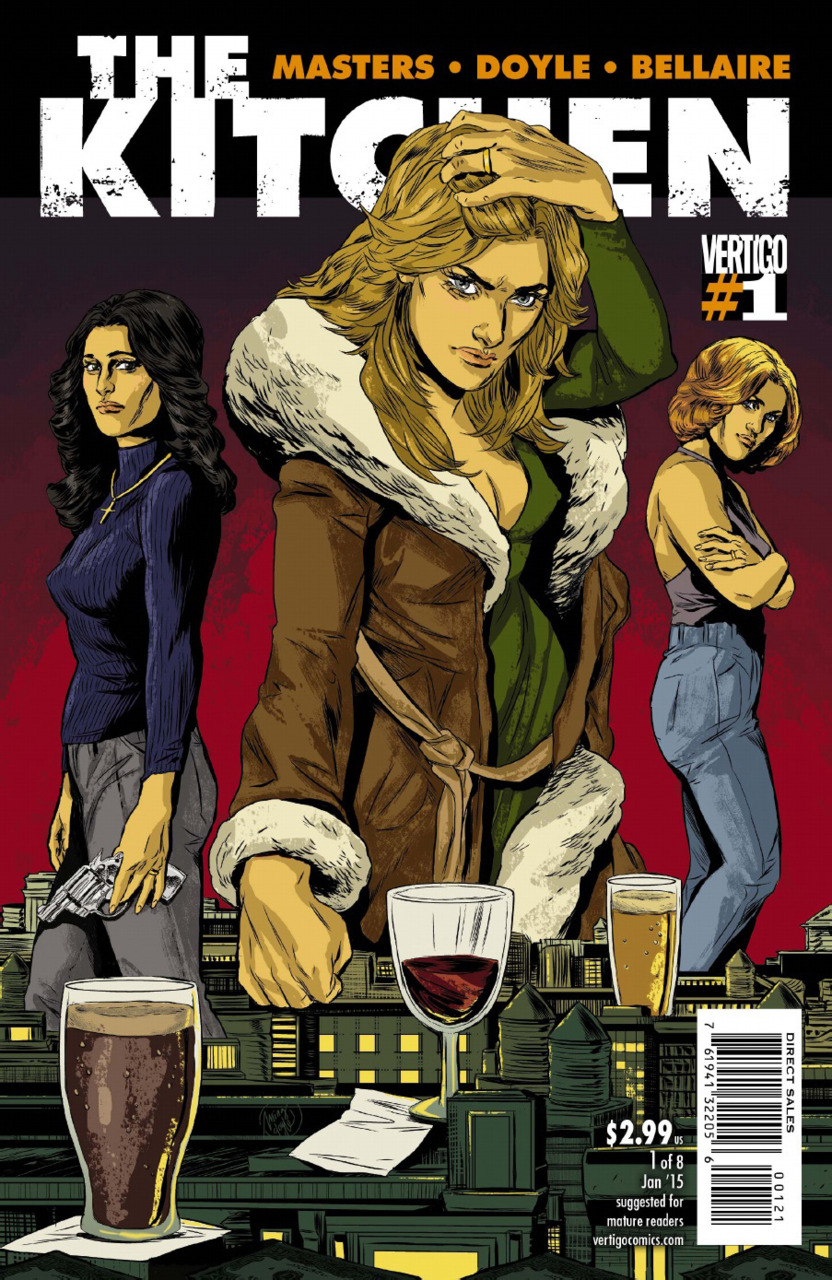
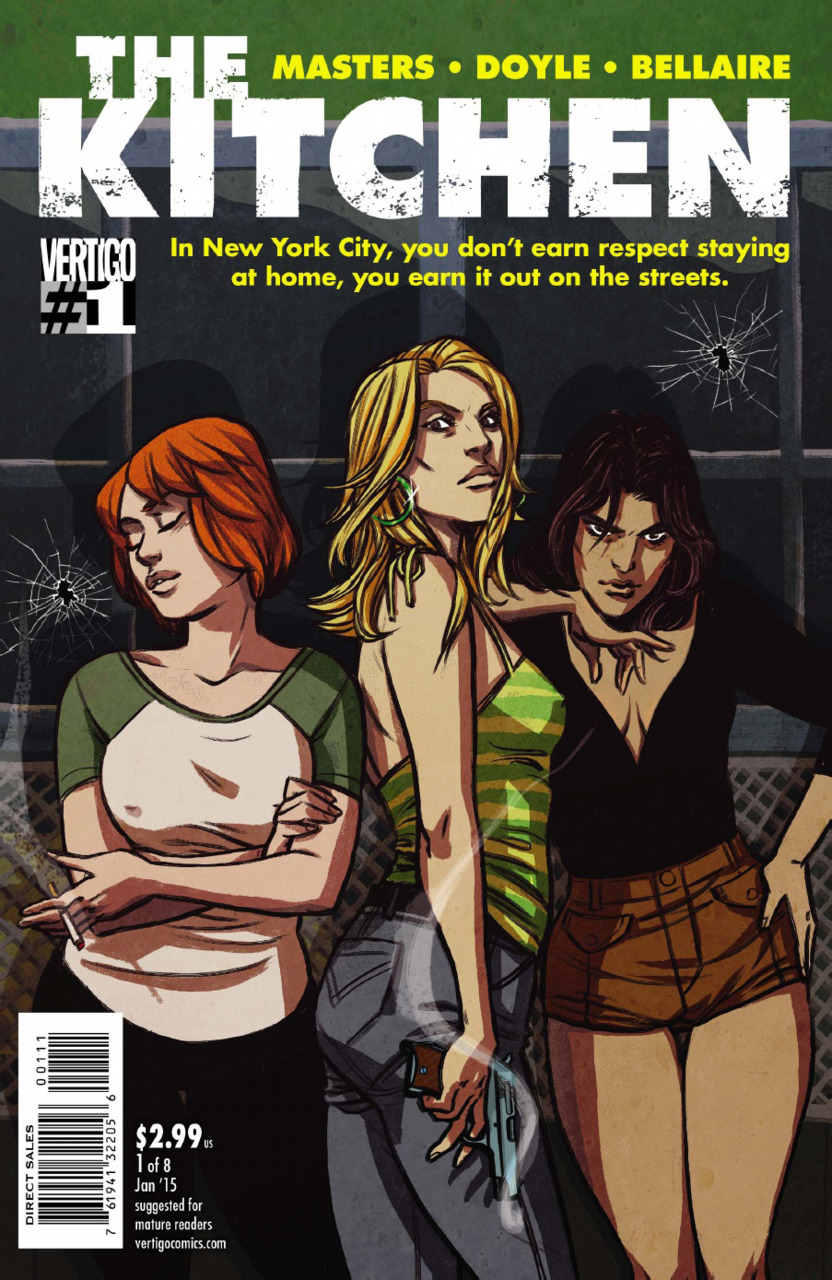
With all that preamble shit out of the way, then, let’s talk about The Kitchen #1, shall we? It’s a new eight-part creator-owned mini-series from DC’s venerable “mature readers” imprint, Vertigo, and it stands out for not only being a book centered on non-spandex-clad female characters, but for boasting a nearly-all-female creative team — except for, ya know, the writer.

Described in Vertigo’s press materials as a “talented newcomer,” author/co-creator Ollie Masters provides the only whiff of testosterone here, with the project’s artist/co-creator being the talented Ming Doyle, fresh off her run on the critically-lauded Image series Mara (which was written by apparent serial-sexual-harasser Brian Wood), the colorist being the highly-sought-after Jordie Bellaire, and covers coming our way courtesy of current “hot property” artist Becky Cloonan (except for the variant for this first issue, pictured above, which is from Doyle’s own mind and hand).

With a crew like that in place, then, you can be sure that the finished product is gonna look good — and it does. Doyle evokes the 1970s Hell’s Kitchen settings perfectly, and her characters look like real human beings of the sort you’d see at the time. Everything from the home furnishings to the cars to the street scenes to the facial expressions are all wonderfully authentic and yet also smoothly expressionistic, with everyone looking like a real, actual individual rather than a curvy superheroine who just happens to be wearing street clothes. The seventies were a wonderfully “run down” time in New York — long before Times Square and other “red light districts” got gobbled up by Disney — and the titular Kitchen was especially run down, even by then-contemporary standards. You feel every bit of that oozing, semi-intoxicating unwholesome-ness in Doyle’s art and Bellaire”s suitably drab, realistic colors.

So, then, what of the story? I’m unfamiliar with Masters’ other work — assuming he has any to his credit — but he acquits himself very nicely here. The premise goes that local loan shark/”protection” racket strongman Jimmy Brennan, a semi-connected guy in the Irish mob, has been sent away, along with two of his crew, for beating the shit out of some snitch right in plain sight of the cops, and in his absence, his brother, Jack, is letting things slide to the point that Jimmy’s wife, Kath, and her friends, Angie and Raven (who are married to the two other guys that got shipped upstate along with their boss), are finding the weekly takes from local businesses that the rely on to maintain their “lifestyles” are getting lighter and lighter all the time. Not content to let this state of affairs continue, and unable to rely om Jack to straighten it out, they decide to take matters into their own hands. Problem is, their primary target, a pizza shop owner, turns out to be a lot more than just another dime-a-dozen welcher, and “sending a message” by going after him on their first night out may prove to be a fatal mistake —

First issues can be a little bit of a tricky business because you’ve gotta introduce most, if not all, of your principal cast, give them each a semi-distinct personality, and establish the basic “through-line” of your plot, all while leaving things on nice little cliffhanger that will have your readers coming back for more. Masters manages to do all that and furthermore, he does so without ever making it feel like he’s going into overly-heavy “info-dump” mode. All in all, it’s a job very well done.

Combine great art and color (and covers) with a reasonably good, involving story, stick it between two covers, and keep the price — thankfully! — at $2.99, and you have to say that The Kitchen is definitely following a recipe for success.

Review: The Wolf Among Us


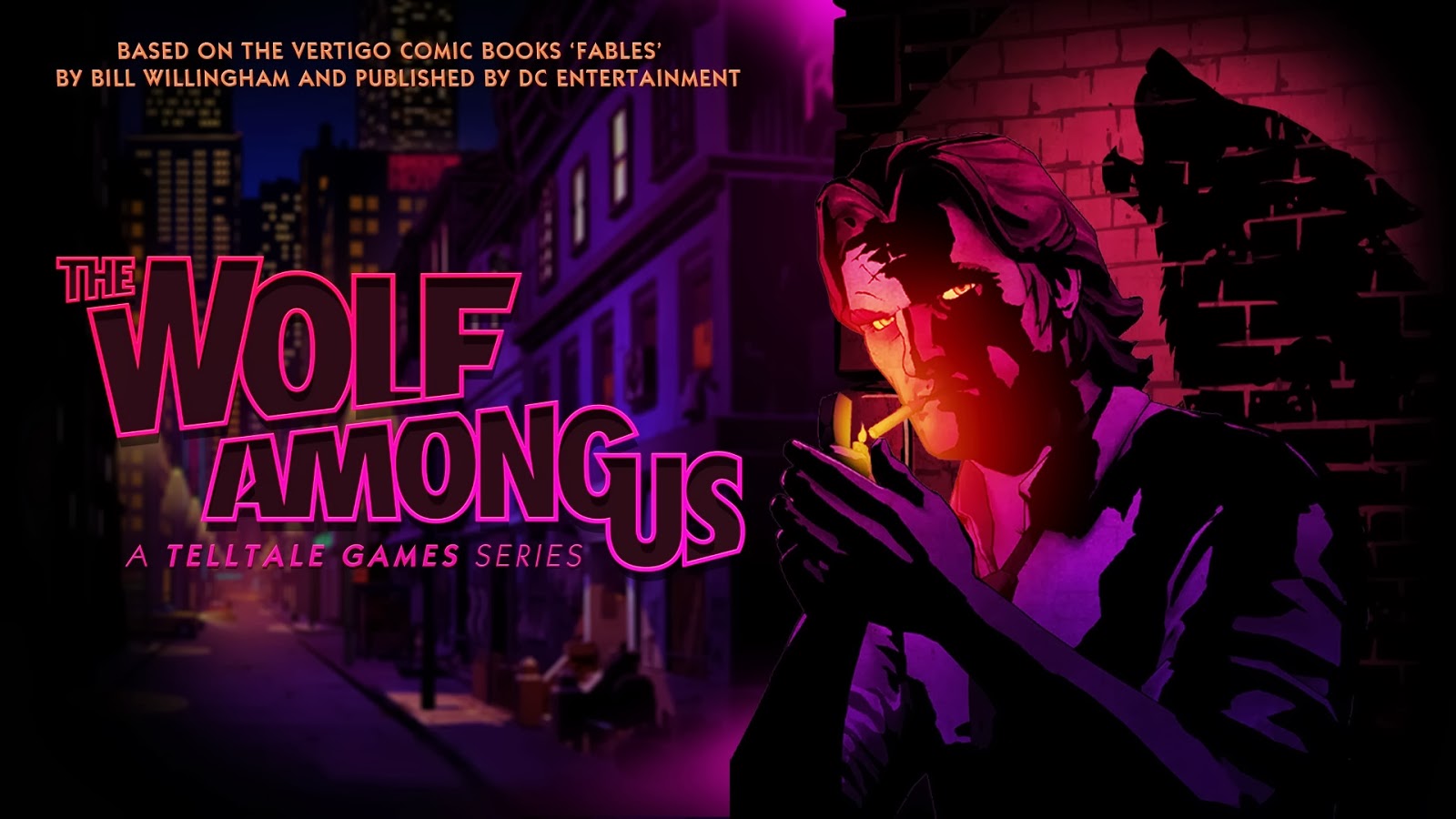
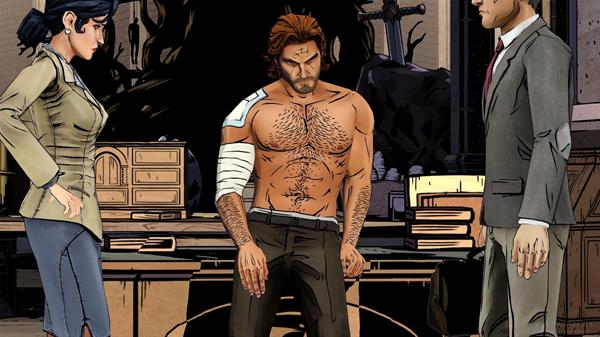
The-Wolf-Among-UsThe Wolf Among Us was the first game released by Telltale after the extraordinary success of The Walking Dead. They had finally found their element, and decided (prudently) to stick with it. But how do you follow up a title based on a comic book series recognized by some as the best game of its year?

It’s simple. Make another title based on a comic.

Fables, the series Telltale’s following project was based upon, is about fairy tale characters we grew up reading about secretly living in our real world, in a real city, hiding their existence by creating their own society. None of that Once Upon A Time cutsey niceness. They are opressed and opressors, have severe flaws in their characters, vices and, in some cases, signs of antisocial personality disorder. That is to say, they’re often psychopaths.

I'll reconcile the shit out of you!

I’ll reconcile the shit out of you!

The game gives you control of Bigby Wolf, sheriff of the fables. As you might have guessed, previously known as the Big Bad Wolf of Little Red Riding Hood and Three Little Pigs fame. Reformed and willing to put his past behind him, Bigby tries to reconcile the poor and rebelious with the powerful and bureaucratic, in a very socially imbalanced society of mythical people.

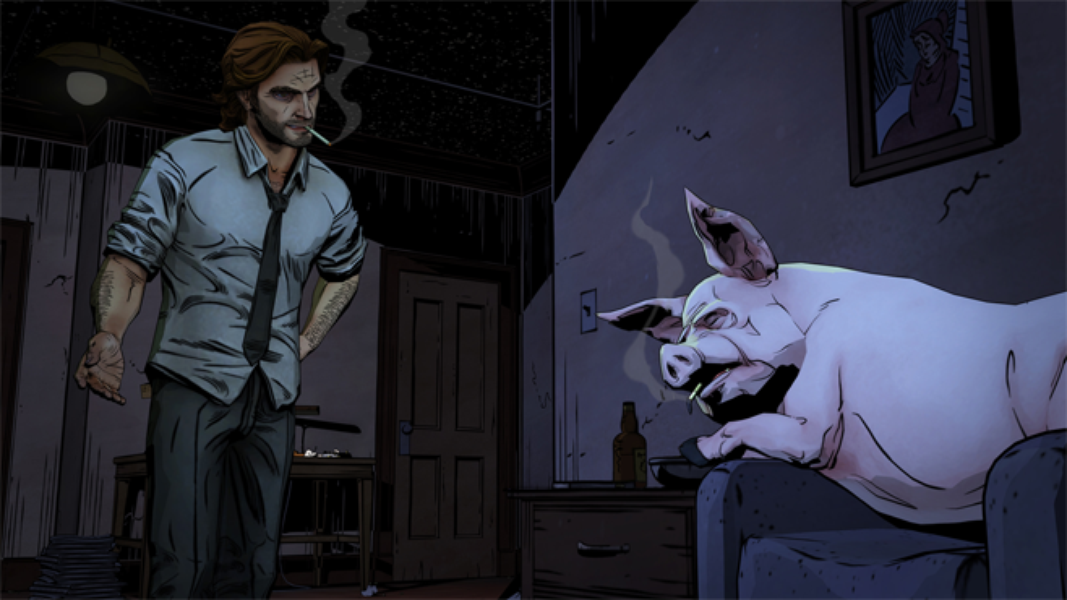
Bigby is the most human of all characters, ironically. Given the task of upholding the law in this broken, small society where everyone knows everyone else, he lives a lonely life, being recognized and feared for doing his job, which frustrates him. His tendency to bend the rules makes the fables’ mayor office see him as a loose cannon. Bigby is a noir hero, chain smoking and full clad in trenchcoat. Bitter with having to raise his hand against unsatisfied citizens and with the impunity of guileful villains; forced against rebellion, but resentful towards the bureaucrats, he often passes his own kind of law. His humanity is revealed through conversations with the only people close to him. Colin, one of the three pigs he used to terrorize, and Snow White, secretary of the mayor office and object of his affections.

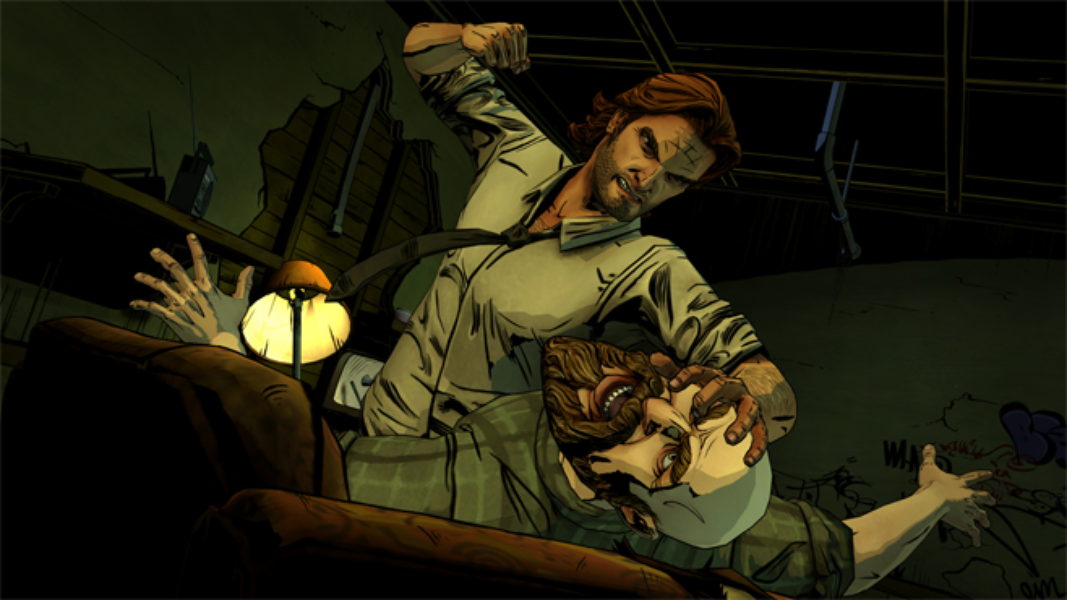
the-wolf-among-us-004The amount of deviance from the path of justice in the game vary depending on your playing style. As you solve a series of murders during the span of the game, you decide how violent Bigby will be towards everyone, from the mostly innocent to the very guilty. However, this is not a story about choices like The Walking Dead, but about people leading double lifes. By taking fables, one of our most powerful cultural symbols of purity and innocence, and twisting and corrupting them, The Wolf Among Us is a modern and allegorical story with heavy noir influences, with fantasy and magic playing a part in the narrative.

It is not without flaws, however. It should be noted that, as the game needs a central story, the mystery of the series of murders obfuscate this amazing world, and one purely interested in the big picture; the unjust society of the fantastical, would be better served by reading the Fables comics. The Wolf Among Us has lots of ups far too early in the game and a few too many downs too late into it. It serves as a decent mystery thriller, and more importantly as an origin story for the comic book series, and it does have absolutely thrilling moments. However, it doesn’t bring much new to the table of longtime Fables fans other than focusing on one of the most interesting characters of its mythos.

the-wolf-among-us-episode-3-review-a-crooked-mile-1109968

As a standalone story, The Wolf Among Us has amazing action sequences and is a very exciting story up until the last quarter where it disappoints. As part of the Fables series, and possibly first chapter of others to come, it’s a perfect entry point and highly recommended. The complexity of its premise and excellence of some of its moments more than compensates for the lackluster closure of this first chapter. If that’s not enough to convince you, play it for Bigby Wolf, who might just be the coolest detective in videogame history.

Artist Profile: Dave Johnson


Dave Johnson07

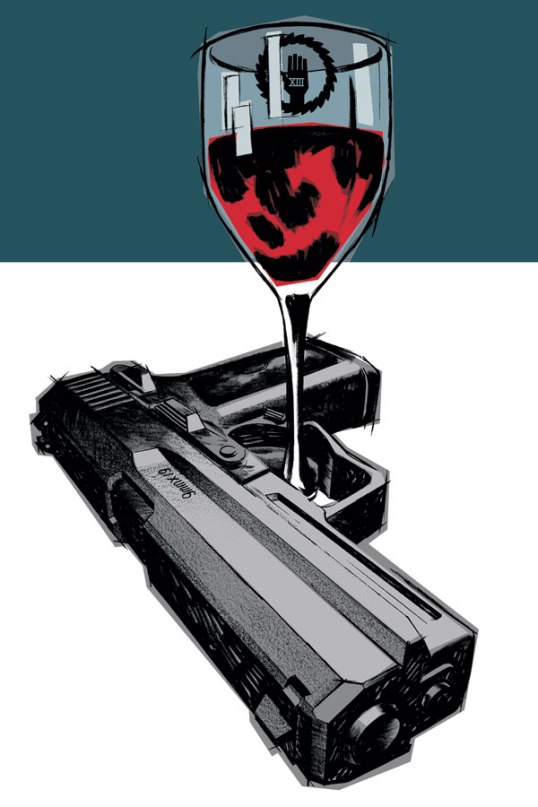
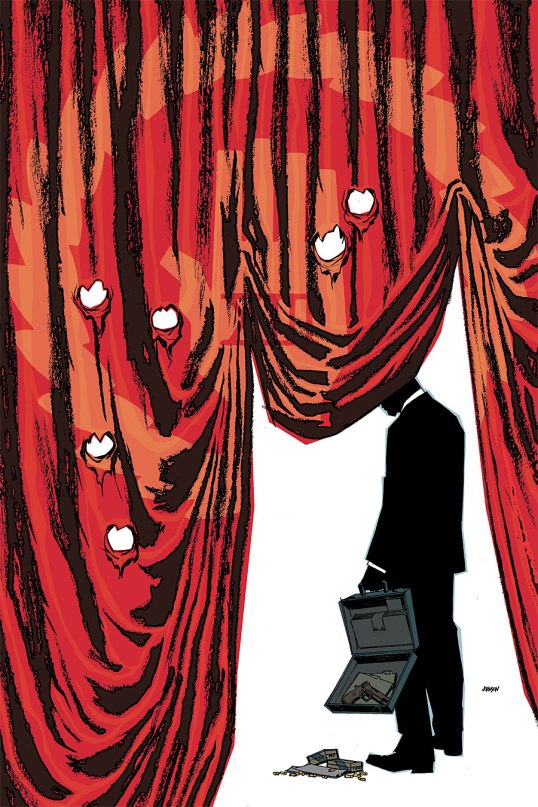
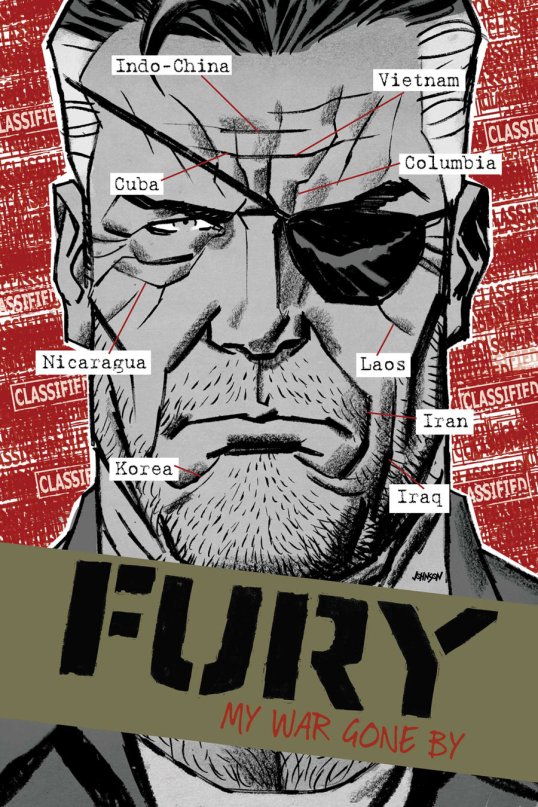
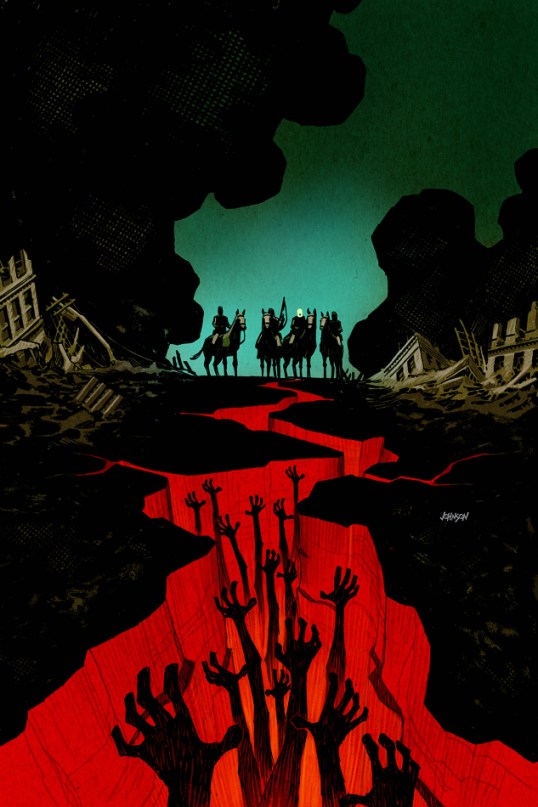
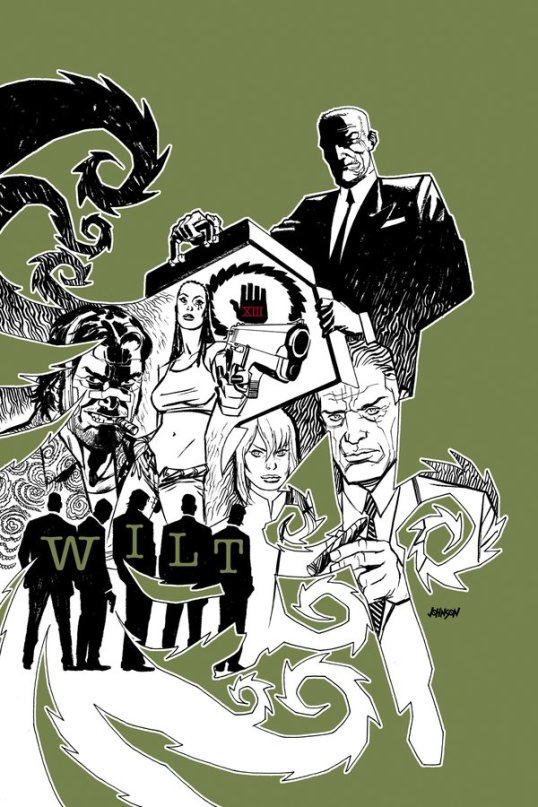
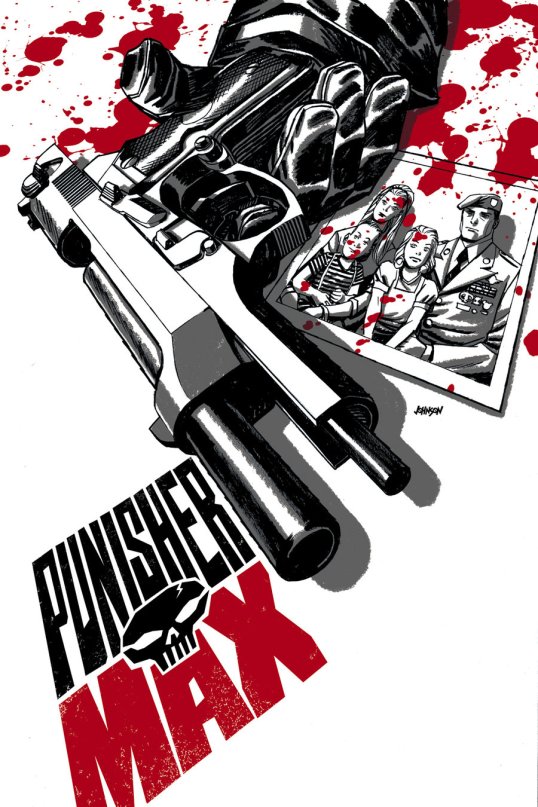
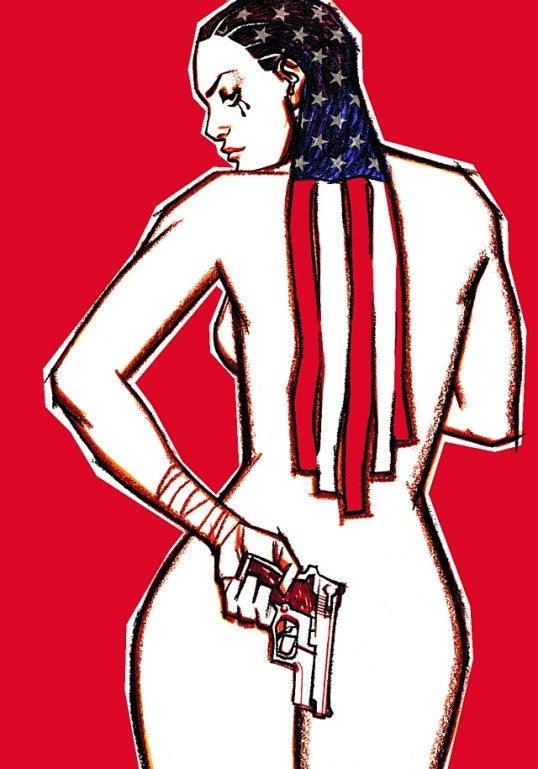
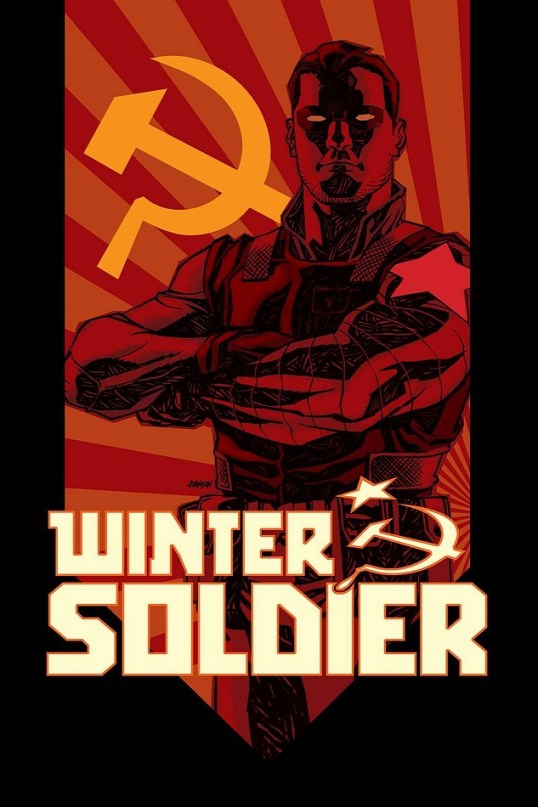
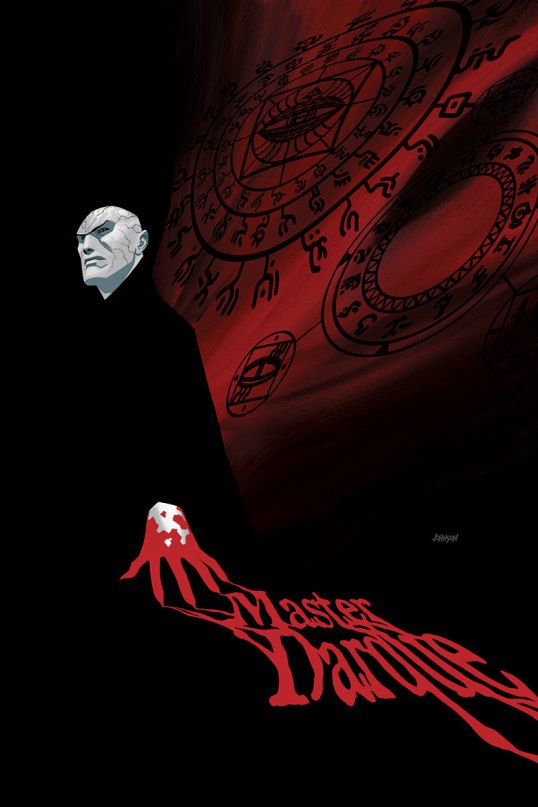
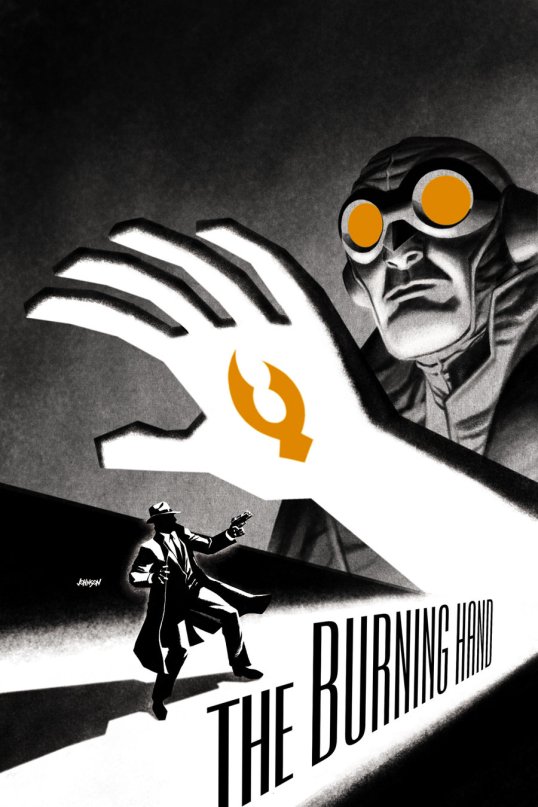
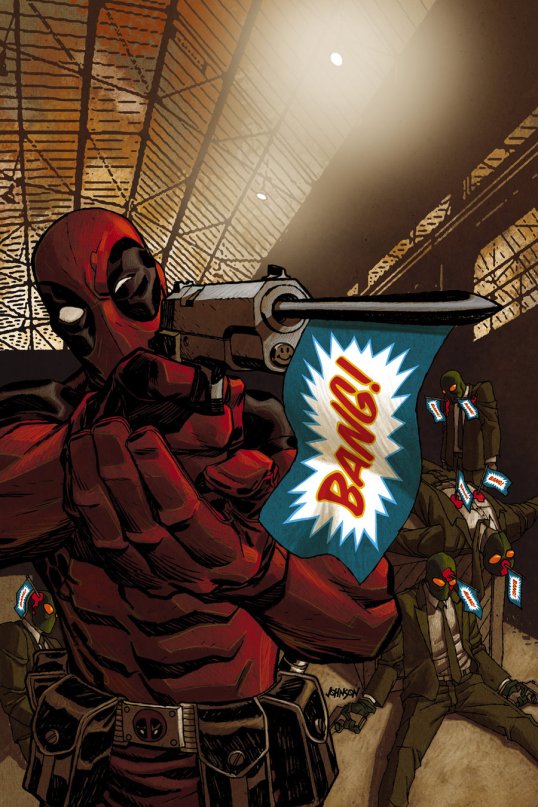
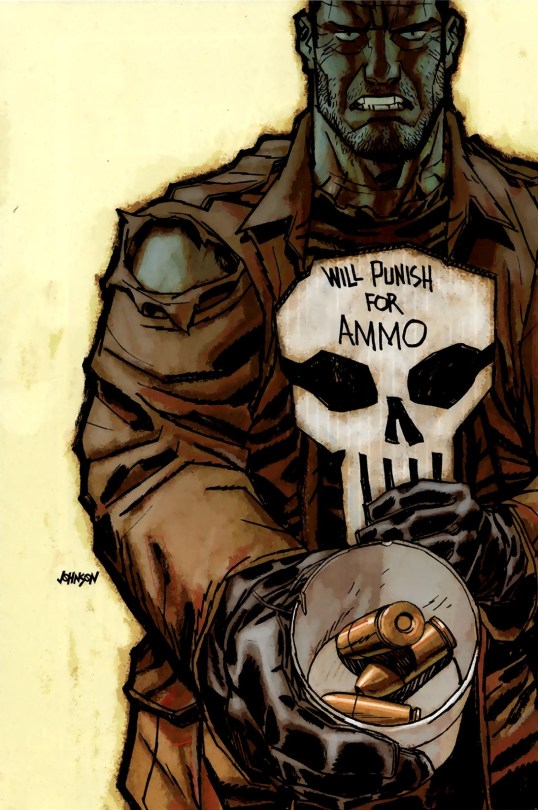
Dave Johnson has earned the reputation of being one of the comic industry’s preeminent cover illustrator. His work has graced the covers of such titles as Vertigo’s 100 Bullets (where he creates the covers to all one hundred issues and the 11 trade paperback collections) and Marvel Comics’ Punisher MAX series. Dave Johnson’s work as a cover illustrator has won him one of the top awards in the comics industry with his 2002 Eisner Award for “Best Cover Artist”.

Born on April 4, 1966, Dave Johnson continues to work as a cover artist for all the different publishers from DC, Marvel, Dark Horse and a slew of independent houses.

Dave Johnson01

Dave Johnson02

Dave Johnson03

Dave Johnson04

Dave Johnson05

Dave johnson06

Dave Johnson08

Dave Johnson09

Dave Johnson11

Dave Johnson12

Dave Johnson15

Dave Johnson16

Review: V for Vendetta (dir. by James McTeigue)


“Remember, remember the fifth of November, the gunpowder treason and plot. I know of no reason why the gunpowder treason should ever be forgot.”

Alan Moore’s decision to want his name off the final credits for the film adaptation of V for Vendetta now makes sense. Moore has had a hate/hate relationship with Hollywood and the film industry in general. They’ve taken two of his other works in The League of Extraordinary Gentlemen and From Hell. and bollocks’d them up (to borrow a term used quite a bit in V for Vendetta). Outside of Watchmen, Alan Moore sees V for Vendetta as one of his more personal works and after reading the screenplay adaptation of the graphic novel by The Wachowski Brothers his decision afterwards was to demand his name be removed from the film if it was ever made. Part of this was his hatred of the film industry for their past mistakes and another being his wish for a perfect adaptation or none at all. Well, V for Vendettaby James McTeigue and The Wachowski Brothers is not a perfect film adaptation. What it turns out to be is a film that stays true to the spirit of Moore’s graphic novel and given a modern, up-to-the-current news retelling of the world’s state of affairs.

V for Vendetta starts off with abit of a prologue to explain the relevance of the Guy Fawkes mask worn by V throughout the film and the significance of the date of the 5th of November. I think this change in the story from the source material may be for the benefit of audiences who didn’t grow up in the UK and have no idea of who Guy Fawkes was and what his Gunpowder Plot was all about. The sequence is short but informative. From then on we move on to the start of the main story and here the film adheres close enough to the source material with a few changes to the Evey character (played by Natalie Portman) but not enough to ruin the character. Caught after curfew and accosted by the ruling government’s secret police called Fingermen, Evey soon encounters V who saves her not just from imprisonment but rape from these so-called Fingermen.

Right from the start the one thing McTeigue and The Wachowski Brothers got dead-on was casting Hugo Weaving as the title character. Voice silky, velvety and sonorous, Weaving infuses V with an otherworldly, theatrical personality. Whether V was speaking phrases from Shakespeare, philosophers or pop culture icons, the voice gave a character who doesn’t show his face from behind the enternally-smiling Guy Fawkes mask real life. I’d forgiven the makers of this films for some of the changes they made to the story and some of the characters for keeping V as close to how Moore wrote him. Once V and Evey are thrown in together by the happenstance of that nightly encounter their fates became intertwined. Portman plays the reluctant witness to V’s acts of terrorism, murders and destruction in the beginning, but a poignant and emotionally powerful sequence to start the second half of the film soon brings Evey’s character not much towards V’s way of doing things, but to understanding just why he’s doing them. This sequence became the emotional punch of the whole film and is literally lifted word for word from the graphic novel. This is the sequence in the film which should resonate the loudest for most people whether they buy into the rest of the film or not.

The rest of the cast seemed like a who’s who of the British acting community. From Stephen Rea’s stubborn and dogged Chief Inspector Finch whose quest to find V leads him to finding clues about his government’s past actions that he’d rather not have found. Then there’s Stephen Fry’s flamboyant TV show host who becomes Evey’s only other ally whose secret longings have been forbidden by the government, but who’s awakened by V’s actions to go through with his own form of rebellion. Then there’s John Hurt as High Chancellor Adam Sutler who’s seen chewing up the scenery with his Hitler-like performance through Big Brother video conferences (an ironic bit of casting since John Hurt also played Winston Smith in the film adaptation of the Orwell classic 1984). I really couldn’t find any of the supporting players as having done a bad job in their performances. Even Hurt’s Sutler might have seemed over-the-top to some but his performance just showed how much of a hatemonger Sutler and, in the end, his Norsefire party really were in order to stay in power.

The story itself, as I mentioned earlier, had had some changes made to it. Some of these changes angered Moore and probably continues to anger his more die-hard fans. I count myself as one of these die-hards, but I know how film adaptations of classic literary works must and need to trim some of the fat from the main body and theme of the story to fully translate onto the silver screen. The Wachowski Brother’s screenplay did just that. They trimmed some of the side stories and tertiary characters from the story and concentrated on V, Evey and Inspector Finch’s pursuit of both the truth of V and his own journey in finding that truth. This adaptation wa much closer to how Peter Jackson adapted The Lord of the Rings. As a fan of Moore I understood why he was unhappy with the changes, but then Moore was and still is an avowed perfectionist and only a perfect adaptation would do.

Critics on both sides of the aisle have called V for Vendetta revolutionary, subversive, daring to irresponsible and propagandist. All because the film dares to ask serious questions about the nature and role of violence as a form of dissent. But the granddaddy question the film brings up that has people talking is the question: terrorist or freedom fighter? Is V one or the other or is he both? Make no mistake about it, V for all intents and purposes is a terrorist if one was to use the definition of what a terrorist is. The makers of this film goes to great lenghts to describe throughout the film just how Sutler and his Norsefire (with its iconic Nazi-like imagery and extreme fundamentalist Christian idealogy) party rose to power in the UK. Partly due to what seemed like the failed US foreign policy and its subsequent and destructive decline as a superpower and the worldwide panic and fear it caused as a result. V for Vendetta also ask just who was to blame for allowing such individuals to rule over them. V has his reasons for killing these powers-that-be, but he also points out that people really should just look in the mirror if they need to know who really was to blame. For it was the population — whose desire to remain safe and have a semblance of peace — gave up more and more of their basic liberties and rights for a return to order. If one was to look at the past 100 years they would see that it’s happened before. There was the regime of Pol Pot in Cambodia, Milosevic’s Greater Serbia, and the king of the hill of them all being Adolf Hitler and his Nazi Inner Circle.

Another thing about V for Vendetta that will surely talked about alot will be the images used in the film. Not just images and symbols looking so much like Nazi icons, but images from the events of the past decade which have become symbols of oppression and censorship. The film shows people bound and hooded like prisoners from Abu Ghraib. The reason of the war on terror used time and time again by Sutler to justify why England and its people need him and his group to protect them by any means necessary. V for Vendetta seems like a timely film for our current times. Even with the conclusion of the film finally accomplishing what Guy Fawkes failed to do that night of November 5th some 400 plus years ago, V for Vendetta doesn’t give all the answers to all the questions it raises. I’m sure this would be something that’ll frustrate them some audiences. So much of people who go to watch thought-provoking films want their questions answered as clearly as possible and all of them. V for Vendetta doesn’t answer them but gives the audience enough information to try and work it out themselves.

In final analysis, V for Vendetta accomplishes in bringing the main themes of Alan Moore’s graphic novel to life and even does it well despite some of the changes made. It is a film that is sure to polarize the extreme left and right of the political pundits and commentators. But as a piece of thought-provoking and even as a politically subversive film, V for Vendetta does it job well. It is not a perfect film by any respect, but the story and message it tries to convey in addition to its value as a piece of entertainment mor than makes up for its flaws. Alan Moore and his followers might not love and approve of this film, but it doesn’t mean the film in and of itself wasn’t a good one. Sometimes calls for literal adaptations of beloved works or no adaptation at all also becomes a form of creative oppression and censorship.