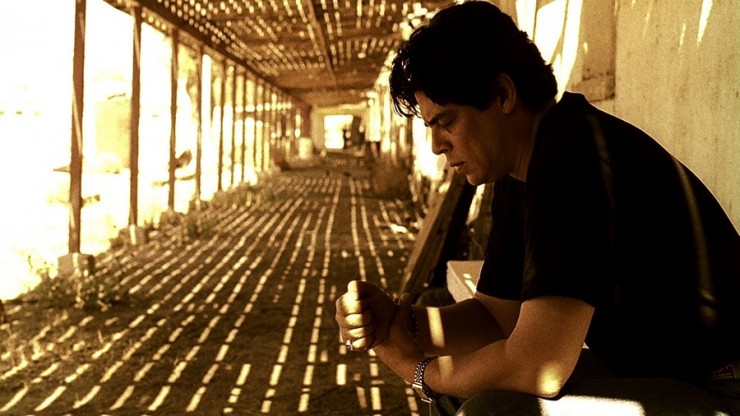
4 Shots From 4 Films is just what it says it is, 4 shots from 4 of our favorite films. As opposed to the reviews and recaps that we usually post, 4 Shots From 4 Films lets the visuals do the talking.
Today, we wish a happy birthday to one the early pioneers of independent film, Steven Soderbergh. Soderbergh was 26 years old in 1989, when he became the youngest director to ever win the Palme d’Or at Cannes. Soderbergh went on to become one of the busiest and most interesting director in Hollywood, working in all genres and inspiring filmmakers the world over.
4 Shots From 4 Films
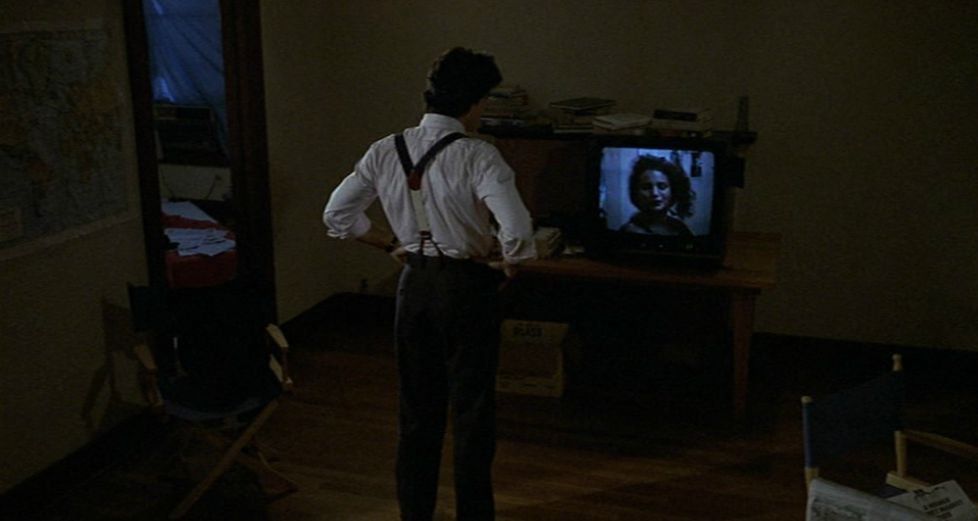
sex, lies, and videotape (1989, directed by Steven Soderbergh)
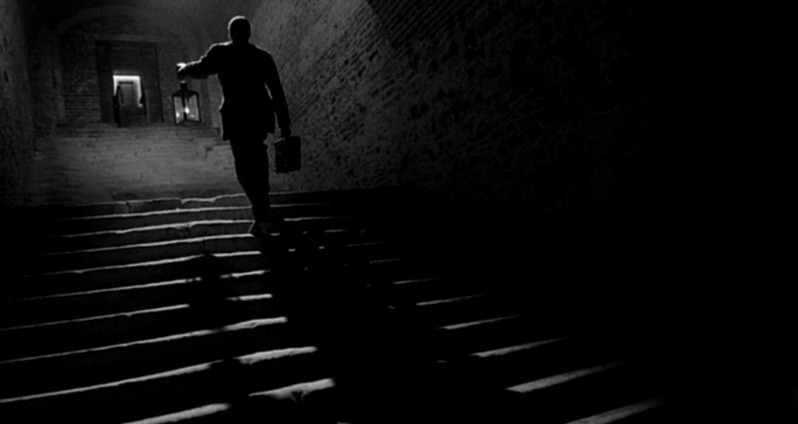
Kafka (1991, directed by Steven Soderbergh)
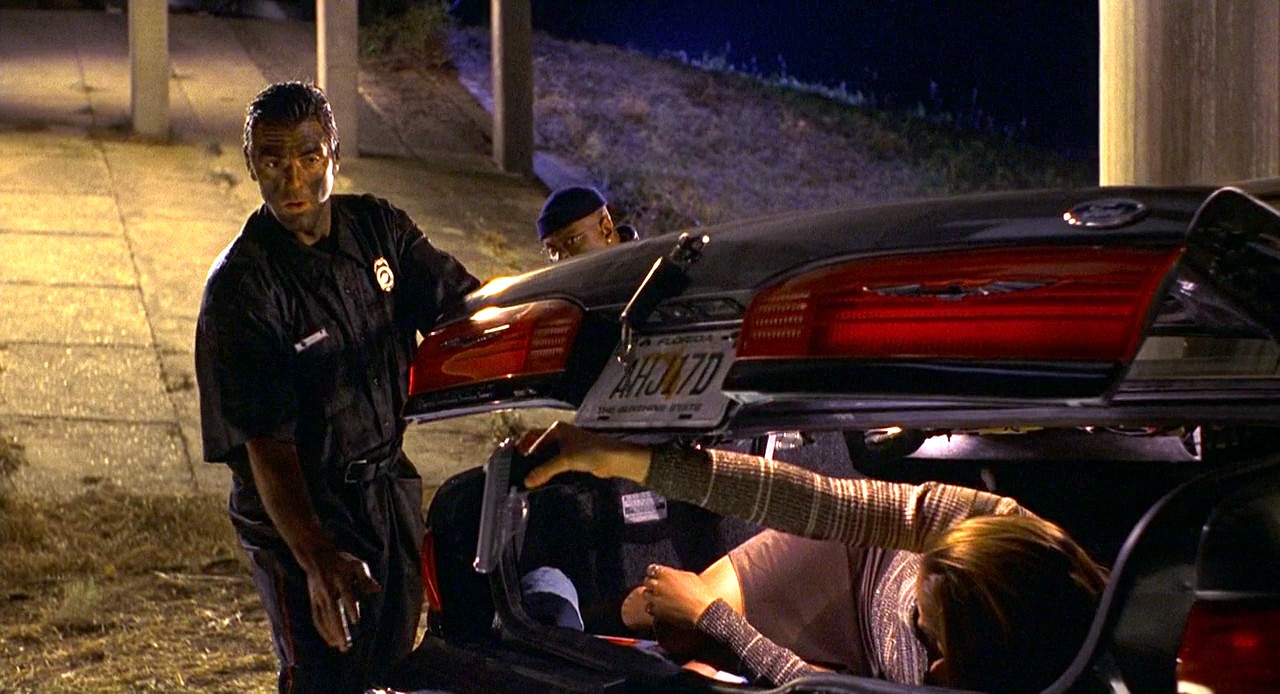
Out of Sight (1998, directed by Steven Soderbergh)
4 Shots From 4 Films is just what it says it is, 4 shots from 4 of our favorite films. As opposed to the reviews and recaps that we usually post, 4 Shots From 4 Films lets the visuals do the talking.
Today, we wish a happy birthday to one the early pioneers of independent film, Steven Soderbergh. Soderbergh was 26 years old in 1989, when he became the youngest director to ever win the Palme d’Or at Cannes. Soderbergh went on to become one of the busiest and most interesting director in Hollywood, working in all genres and inspiring filmmakers the world over.
4 Shots From 4 Films
sex, lies, and videotape (1989, directed by Steven Soderbergh)
Kafka (1991, directed by Steven Soderbergh)
Out of Sight (1998, directed by Steven Soderbergh)
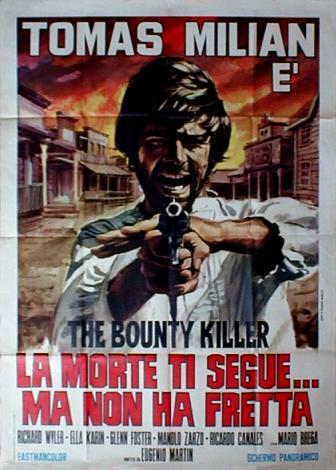
I have some sad news to report. The great Tomas Milian, an actor beloved by fans of Italian cinema everywhere, has died. He was 84.
Perhaps because of the type of films that he made, Milian was never the household name that he deserved to be. In the United States, his death is not even trending on twitter. #ThickThighTwitter, which is essentially a bunch of people bodyshaming anyone who happens to be slim, is trending. Tomas Milian is not.
And it’s a shame because Tomas Milian was one of the best. He may have been beloved by fans of Italian cinema but Milian was truly an international actor. He was born in Cuba, the son of a general who committed suicide after being jailed. Milian left Cuba after his father’s death. He moved to New York City, was a member of the Actor’s Studio, and became naturalized citizen in 1969.
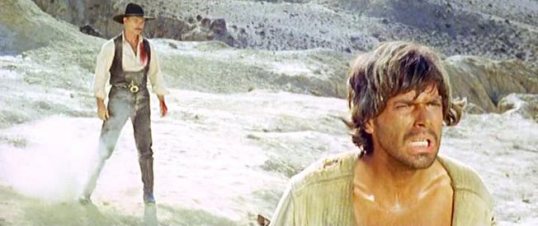
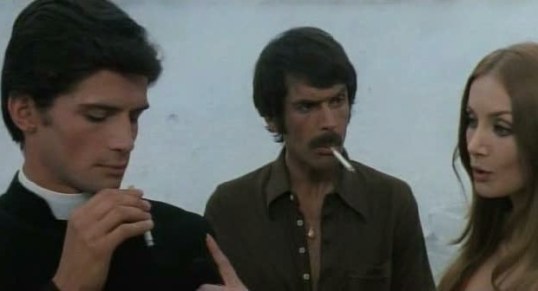
Milian’s acting career took off when he started making movies in Italy. He appeared in everything from spy movies to spaghetti westerns to horror films to 1970s police dramas. Whenever I see one of the many films that Milian made in the 60s and 70s, I’m struck by his intensity. Milian was one of those power actors who often seems like he might leap off the screen at any moment. He played driven and often haunted men. Along with an undeniable charisma, Milian radiated danger.
Of the many Westerns he made, The Big Gundownmay be his best known. Here’s Milian with co-star Lee Van Cleef:
My personal favorite of his spaghetti westerns? The surreal Django Kill:
For me, Tomas Milian was at his most menacing in Lucio Fulci’s underrated (and not for the faint-of-heart) Four Of The Apocalypse:
Four of the Apocalypse was not the only film on which Milian would work with Fulci. He also played the hero in Fucli’s classic giallo, Don’t Torture a Duckling:
In the 70s, Tomas Milian appeared in several Poliziotteschi, Italian cop films that were largely designed to rip off the success of gritty cop films like The French Connection and Serpico. Milian was always the ideal rebel cop, though he could play a dangerous criminal just as easily. Check him out in The Cop In Blue Jeans, perhaps parodying Al Pacino in Serpico:
The films weren’t always good but Milian always commanded the screen. It’s hard to think of any other actor who was always so much consistently better than the material he had to work with.
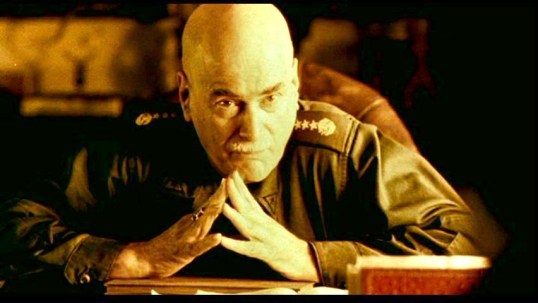
With the decline of the Italian film industry, Thomas Milian relocated his career to the United States. In his later years, he was a character actor who frequently appeared as corrupt military men and politicians. His best known performance from this time may be his quietly sinister turn in Steven Soderbergh’s Oscar-winning Traffic:
Earlier today, Tomas Milian died of a stoke in Miami. Rest in peace.
I have mixed feelings about Steven Soderbergh. On the one hand, his talent cannot be denied and you have to respect the fact that he’s willing to take chances and make films like The Girlfriend Experience and The Informant. On the other hand, he’s also the director who has been responsible for overrated messes like Contagionand utter pretentious disasters like Haywire. And it doesn’t help that Soderbergh’s fanbase seems to be largely made up of the type of hipsters who end up leaving comments under the articles at The A.V. Club. Some people mourned Soderbergh’s retirement. Personally, I think he made the right decision. He retired before his misfires ended up outnumbering all of his masterpieces.
The thing about Soderbergh is that his good films are so good that it makes it all the more frustrating to watch his failures. If Soderbergh was just your typical bad director than a film like Contagion wouldn’t be as annoying. But this is the man who also gave us Traffic!
And Traffic is a very good film.
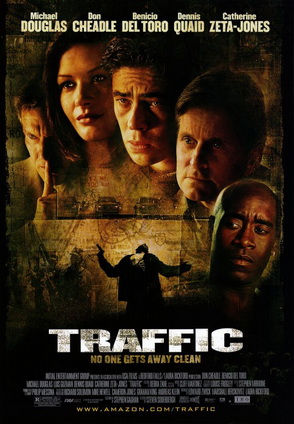
First released in 2000, Traffic attempted to deal with the American war on drugs, a war that the film suggests might not even be worth fighting. (Full disclosure: I support the legalization of drugs and, for that matter, just about everything else. And yes, I am biased towards films that agree with me. So is every other film critic out there. The difference is that I’m willing to admit it.) Traffic won four Oscars, including Best Director and Best Supporting Actor for Benicio Del Toro. It was also nominated for best picture but lost to Gladiator.
Traffic tells three, barely connected stories. Each story is given its own distinct look, feel, and color scheme. And while it takes a few minutes to get used to film’s visual scheme, it ultimately works quite well. Though all of the film’s characters share the same general existence, they live in different worlds. The only thing linking them together is drugs.
Judge Andrew Wakefield (Michael Douglas) is a judge on the Ohio Supreme Court who has recently been named as the new drug czar. However, while Judge Wakefield is going around the country and talking to politicians (Harry Reid shows up playing himself and is just as creepy as always), his daughter Caroline (Erika Christensen) is dating Seth (Topher Grace) and getting addicted to cocaine and heroin. When Caroline run away, Judge Wakefield recruits Seth and, using him as a guide, searches the ghetto for his daughter.
The Wakefield scenes are bathed in cold and somber blues. They’re beautiful to look at but, in some ways, they’re also some of the weakest in the film. The whole plotline of Caroline going from being an innocent honor’s student to being a prostitute who sells her body for heroin feels a lot like the notorious anti-drug film Go Ask Alice. At the same time, it’s interesting and a little fun to see Topher Grace playing such a little jerk. Grace gets some of the best lines in the film, especially when he attacks Wakefield’s feelings of smug superiority.
In the film’s second storyline, two DEA Agents (Don Cheadle and Luis Guzman) arrest drug trafficker Eddie Ruiz (Miguel Ferrer). Eddie works for the Ayala syndicate and, once he’s arrested, he turns informant. Drug lord Carlos Ayala (Steven Bauer) is arrested. While Carlos sits on trial, his pregnant wife (Catherine Zeta-Jones) and his sleazy business associate (Dennis Quaid) struggle to hold together the business and find a way to kill Ruiz before he can testify.
This storyline is filmed in bright and vibrant colors and why not? The Ayalas are rich and, unlike the Wakefields, they don’t feel the need to hide their material wealth. This is actually probably my favorite storyline, largely because it’s the best acted and the most entertaining. Miguel Ferrer, in particular, steals every scene that he’s in. The scene where he explains the economics of being a drug trafficker is fascinating to watch.
The Ayala storyline may be my favorite but the film’s most thought-provoking storyline is the third one. Taking place in Mexico, it stars Benicio Del Toro as Javier Rodriguez, a casually corrupt police officer who gets recruited to work for General Salazar (Tomas Milian), who is heading up Mexico’s war on the cartels. Following the orders of Salazar, Javier captures assassin Frankie Flowers (Clifton Collins, Jr.) who is then savagely tortured by Salazar until he turns informer. Javier comes to realize that Salazar is actually working for one of Mexico’s cartels. When he decides to inform on Salazar, he puts his own life at risk.
The Mexico storyline is also the harshest and visually, it reflects that fact. The heat literally seems to be rising up from the desert and the streets of Tijuana. It takes a few minutes to adjust to the look of the Mexico scenes but, once you do, they become enthralling.
And Traffic, as a film, is undeniably enthralling as well. Soderbergh deftly juggles the multiple storylines and brings them together to create a portrait of a society that’s being destroyed by the efforts to save it. Hopefully, if Soderbergh ever does come out of retirement, he’ll give us more films like Traffic and less films like Contagion.


 Through the Shattered Lens