4 Or More Shots From 4 Or More Films is just what it says it is, 4 shots from 4 of our favorite films. As opposed to the reviews and recaps that we usually post, 4 Shots From 4 Films lets the visuals do the talking!
Today would have been Sam Peckinpah’s 101st birthday. Here are 4 shots from 4 of my favorite Peckinpah films.
4 Shots From 4 Sam Peckinpah Films
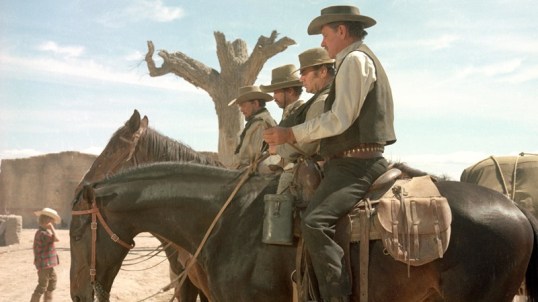
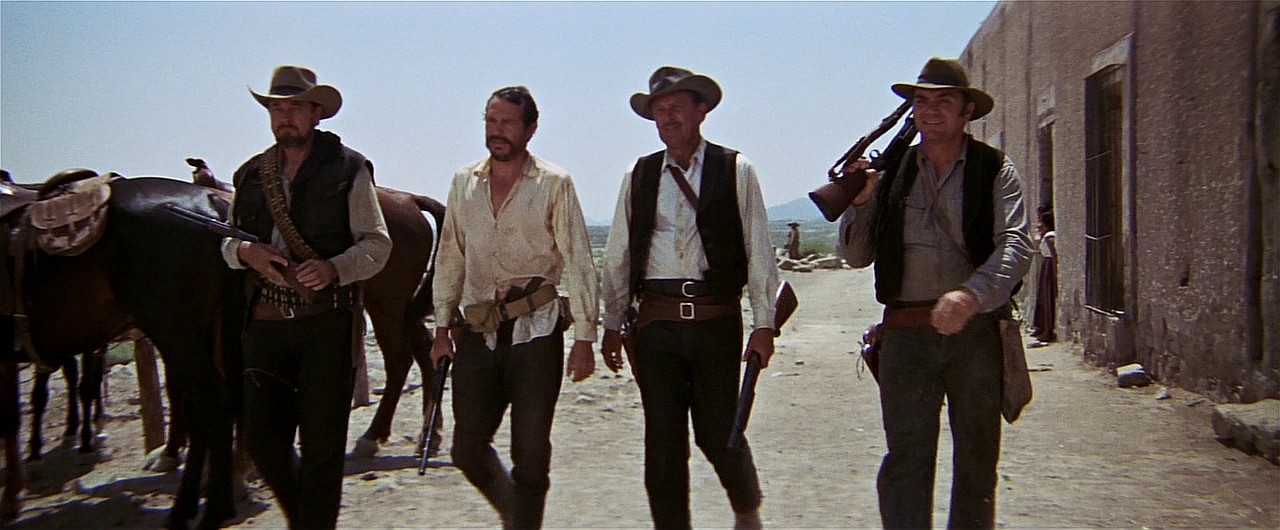
The Wild Bunch (1969, directed by Sam Peckinpah, Cinematography by Lucien Ballard)
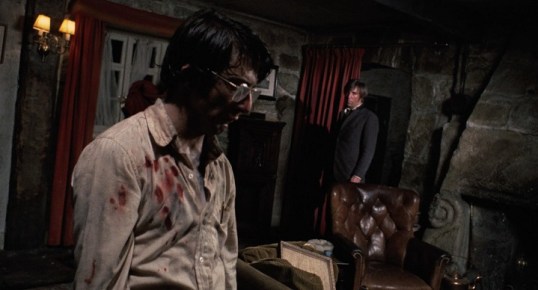
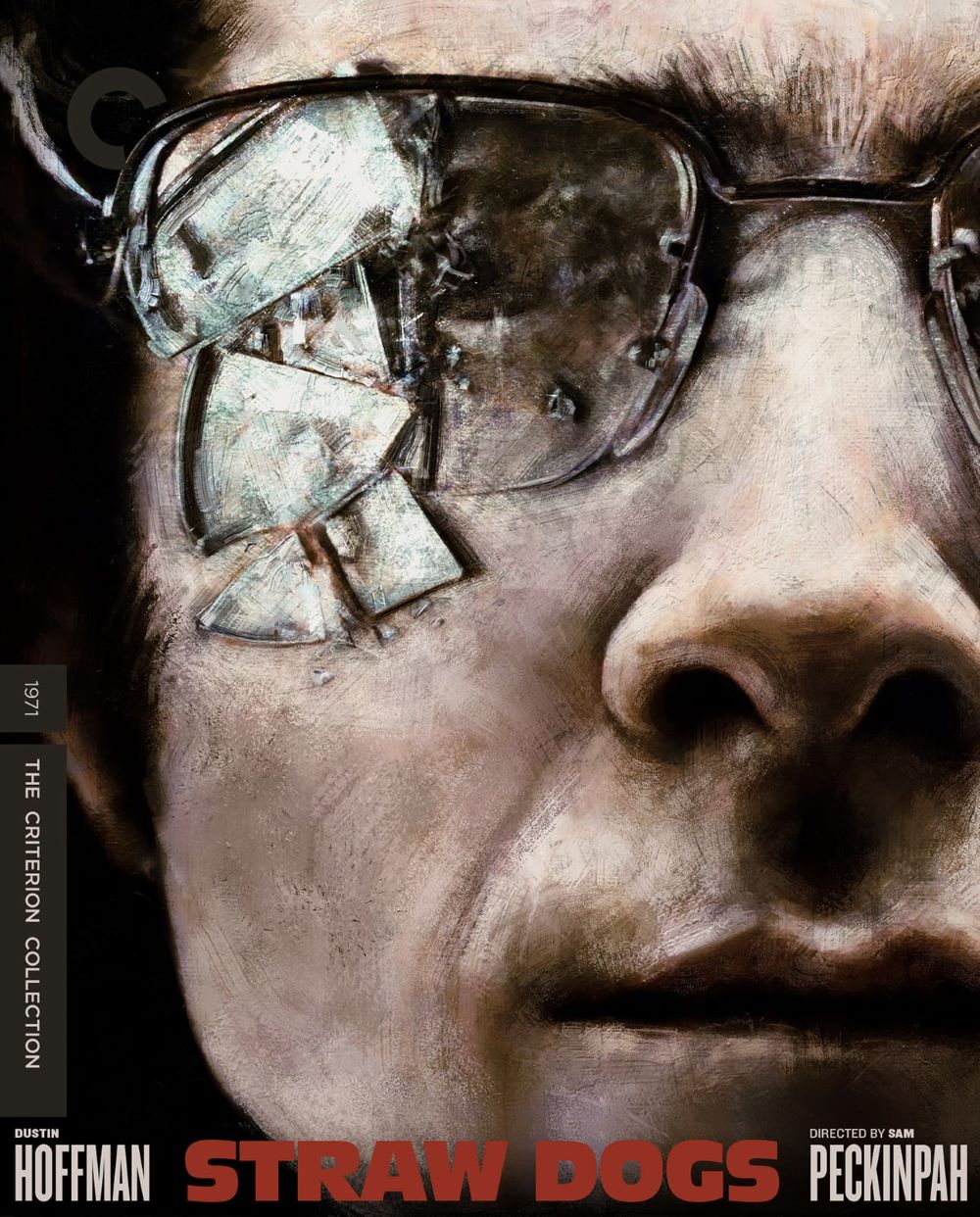
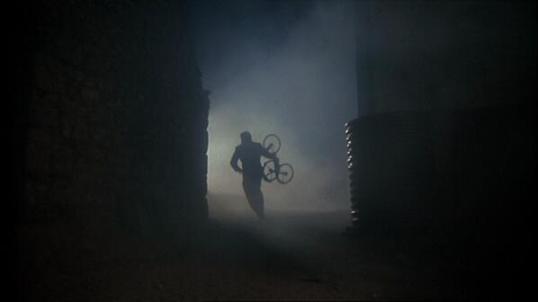
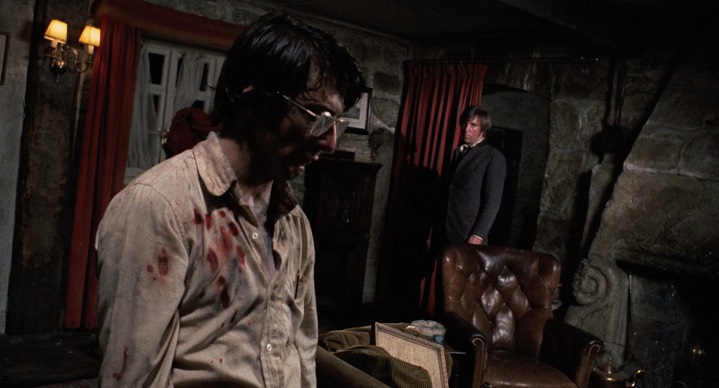
Straw Dogs (1971, directed by Sam Peckinpah, Cinematography by John Coquillon)
Pat Garrett and Billy The Kid (1973, directed by Sam Peckinpah, cinematograph by John Coquillon)
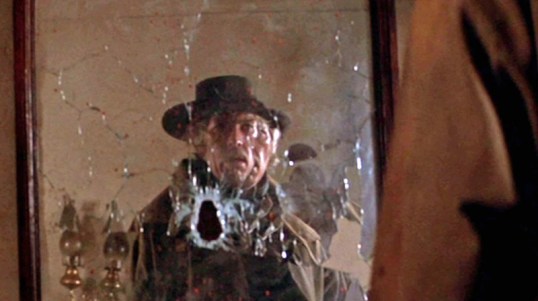
Bring Me The Head of Alfredo Garcia (1974, directed by Sam Peckinpah, Cinematography by Alex Phillips, Jr.)
“Violence can be the only answer sometimes.” — David Sumner
Sam Peckinpah’s Straw Dogs is a raw, compelling dive into the breakdown of civility and the primal instincts bubbling underneath. The story follows David Sumner, a mild-mannered American mathematician, who moves with his wife Amy to her rural English hometown. The couple’s plan for a quiet life takes a sharp turn when tensions with the locals spiral out of control, resulting in a violent showdown. At its core, the film examines how far a person can be pushed before the veneer of civilization peels away, revealing something much wilder underneath.
The tension starts subtly, as David’s intellectual and pacifist nature clashes with the rough, territorial mindset of the local men. This brewing conflict isn’t just about cultural difference but taps into deeper themes around masculinity, power, and identity. Straw Dogs asks difficult questions about what it means to be a man, exploring how fragile male identity can be when confronted with real or perceived threats. David’s journey is less about heroism and more about the psychological and emotional transformation forced upon a man who initially seems ill-equipped for the violence unleashed around him. The whole film operates as a kind of symbolic stage where primal instincts and societal expectations collide, forcing each character to confront their own limits.
Amy’s role in the film is both pivotal and deeply complex. Her experience of assault, handled with subtle but unflinching attention, adds emotional and thematic weight without dominating the narrative. The film portrays her trauma through its impact on her and the shifting dynamics in her relationship with David, inviting reflection on resilience and struggle for control. Amy is depicted not merely as a victim but as a layered character navigating vulnerability and strength amid the hostile environment. This approach challenges viewers to consider the nuanced and often contradictory responses to trauma, avoiding simplistic victim narratives while emphasizing its profound consequences.
The rural setting of Straw Dogs is more than just a backdrop; it becomes a character in its own right. The close-knit, insular community embodies a microcosm where social order teeters and violence hides just beneath the surface. Law enforcement and authority figures seem ineffective or indifferent, which heightens the sense of isolation and lawlessness. The hostility from some village locals, including Amy’s ex-boyfriend Charlie, feeds into a toxic masculinity that sees David as weak and out of place. Peckinpah carefully stages this clash, using tension and silence as expertly as physical violence, making viewers feel the pressure ramping up until it finally snaps.
Dustin Hoffman’s portrayal of David is quietly brilliant in its subtlety. He plays David as a man trapped between worlds—intellectual and physical, passivity and aggression—with a restrained but deeply affecting performance. Hoffman’s ability to convey complex emotions beneath a calm exterior makes David’s eventual transformation all the more gripping. Susan George delivers an equally powerful performance as Amy, capturing the mixture of fear, defiance, and heartbreak her character endures. Their dynamic feels authentic and layered, making the viewer invested in their peril. The supporting cast, including actors like Peter Vaughan, add a layer of authentic menace, embodying the grim rural antagonists with convincing grit and intensity. The performances overall ground the film’s explosive themes in believable, relatable humans.
Themes in Straw Dogs extend beyond just personal violence to address ideas about identity and societal breakdown. The film explores the notion of the “symbolic order”—how individuals fit into and negotiate the rules and roles imposed by society. David’s identity crisis and his uneasy place within the village spotlight questions of power, emasculation, and rebirth. Peckinpah uses psycho-sexual imagery—such as symbols of emasculation and phallic power—to deepen the psychological stakes of David’s journey. The film conveys how deeply fragile human identity is and how violence can act as a brutal yet transformative force pushing individuals to redefine themselves. At the same time, the portrayal of Amy complicates these themes by challenging traditional gender roles, making the film as much about female agency as male dominance.
The film’s violence is famously brutal and unsettling. Peckinpah does not shy away from showing the full consequences of escalating conflict, culminating in an intense and chaotic finale where the line between victim and aggressor blurs. This isn’t violence for spectacle but a narrative and thematic necessity that Peckinpah uses to strip away pretenses and reveal the raw human instincts beneath. It’s this uncompromising depiction that both shocked audiences at the time and continues to provoke discussion about the nature of power and survival. The film is also notable for its innovative editing, with Peckinpah’s use of jump cuts and slow-motion heightening the emotional intensity and pacing the violence with a rhythmic, almost visceral punch.
Ultimately, Straw Dogs is a challenging film that forces viewers to confront disturbing truths about human nature, relationships, and societal order. Its exploration of violence and masculinity is complex and often uncomfortable, presenting no easy answers. The film remains a significant piece of cinema for its bold themes, outstanding performances, and the way it captures the frailty and ferocity of its characters. Peckinpah’s direction melds tension, psychological drama, and physical action into a gripping, unforgettable experience. Though controversial for its content, Straw Dogs endures as a powerful work that asks what truly happens when the thin line between civilization and savagery breaks down.
4 Or More Shots From 4 Or More Films is just what it says it is, 4 shots from 4 of our favorite films. As opposed to the reviews and recaps that we usually post, 4 Shots From 4 Films lets the visuals do the talking!
Today would have been Sam Peckinpah’s 100th birthday. Here are 4 shots from 4 of my favorite Peckinpah films.
4 Shots From 4 Sam Peckinpah Films
The Wild Bunch (1969, directed by Sam Peckinpah, Cinematography by Lucien Ballard)
Straw Dogs (1971, directed by Sam Peckinpah, Cinematography by John Coquillon)
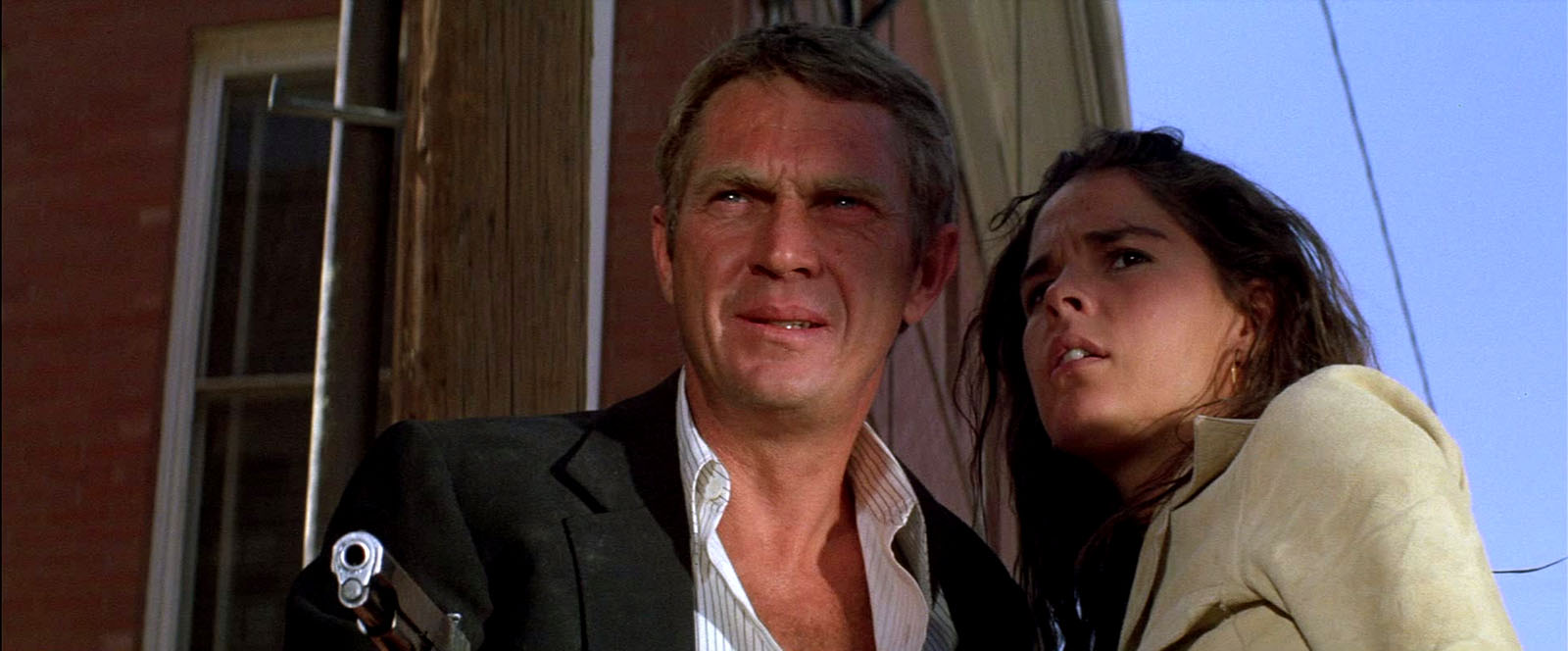
The Getaway (1972, directed by Sam Peckinpah, Cinematography by Lucien Ballard)
Bring Me The Head of Alfredo Garcia (1974, directed by Sam Peckinpah, Cinematography by Alex Phillips, Jr.)
4 Or More Shots From 4 Or More Films is just what it says it is, 4 shots from 4 of our favorite films. As opposed to the reviews and recaps that we usually post, 4 Shots From 4 Films lets the visuals do the talking!
Today would have been Sam Peckinpah’s 99th birthday. During his time, there was no greater hellraiser in Hollywood so here are 4 shots from 4 of my favorite Peckinpah films.
4 Shots From 4 Sam Peckinpah Films
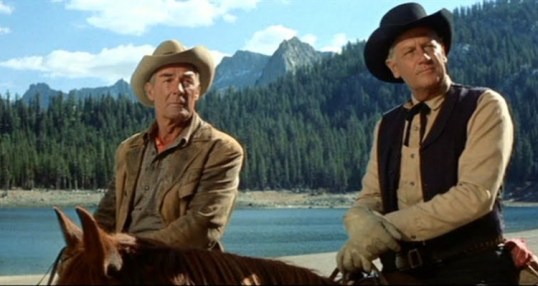
Ride the High Country (1962, directed by Sam Peckinpah, Cinematography by Lucien Ballard)
The Wild Bunch (1969, directed by Sam Peckinpah, Cinematography by Lucien Ballard)
Straw Dogs (1971, directed by Sam Peckinpah, Cinematography by John Coquillon)
Pat Garrett and Billy The Kid (1973, directed by Sam Peckinpah, cinematograph by John Coquillon)
4 Or More Shots From 4 Or More Films is just what it says it is, 4 shots from 4 of our favorite films. As opposed to the reviews and recaps that we usually post, 4 Shots From 4 Films lets the visuals do the talking!
Today would have been Sam Peckinpah’s 97th birthday. No one raised Hell like Peckinpah so in honor of the day and his legacy, here are 4 shots from 4 of my favorite Peckinpah films.
4 Shots From 4 Sam Peckinpah Films
Ride the High Country (1967, directed by Sam Peckinpah, Cinematography by Lucien Ballard)
The Wild Bunch (1969, directed by Sam Peckinpah, Cinematography by Lucien Ballard)
Straw Dogs (1971, directed by Sam Peckinpah, Cinematography by John Coquillon)
Bring Me The Head of Alfredo Garcia (1974, directed by Sam Peckinpah, Cinematography by Alex Phillips, Jr.)
If you’re following the Awards ceremony, you know that two major events are coming up next week. On Tuesday, the Oscar nominations will be announced. But before that, on Monday, the Golden Raspberry Award nominations will be announced. For 32 years, the Golden Raspberries have been honoring the worst films of the year and they’ve always served as a nice counterpoint to the self-congratulatory nature of the Academy Awards.
Now, on Monday night, I’ll be posting what I would nominate if I was in charge of the Oscars but first, I’d like to show you what I’d nominate if I was solely responsible for making the Golden Raspberry nominations.
Now before anyone leaves me any pissy comments, these are not predictions. I know that these are not the actual nominations. I know that the actual Golden Raspberry nominations will probably look a lot different. These are just my individual picks.
(My “winners” are listed in bold print.)
Worst Picture
Anonymous
The Conspirator
Dylan Dog: Dead of Night
The Rum Diary
Straw Dogs
Worst Actor
Daniel Craig in Dream House, Cowboys and Aliens, and The Girl With The Dragon Tattoo
Aaron Eckhardt in Battle: Los Angeles
James Marsden in Straw Dogs
James McAvoy in The Conspirator
Brandon Routh in Dylan Dog: Dead of Night
Worst Actress
Kate Bosworth in Straw Dogs
Anita Briem in Dylan Dog: Dead of Night
Claire Foy in Season of the Witch
Brit Marling in Another Earth
Sara Paxton in Shark Night: 3-D
Worst Supporting Actor
Paul Giamatti in The Ides of March
Mel Gibson (as the Beaver) in The Beaver
Sir Derek Jacobi in Anonymous
Giovanni Ribisi in The Rum Diary
James Woods in Straw Dogs
Worst Supporting Actress
Jennifer Ehle in Contagion
Amber Heard in The Rum Diary
Willa Holland in Straw Dogs
Vanessa Redgrave in Anonymous
Oliva Wilde in Cowboys and Aliens
Worst Director
Roland Emmerich for Anonymous
Rod Lurie for Straw Dogs
Kevin Munroe for Dylan Dog: Dead of Night
Robert Redford for The Conspirator
Bruce Robinson for The Rum Diary
Worst Screenplay
Anonymous, written by John Orloff.
Another Earth, written by Mike Cahill and Brit Marling
The Beaver, written by Kyle Killen
Dylan Dog: Dead of Night, written by Thomas Dean Donnelly and Joshua Oppenheimer.
Straw Dogs, written by Rod Lurie.
(That’s right, it’s a tie.)
Worst Screen Couple
Rhys Ifans and Joeley Richardson in Anonymous
Rhys Ifans and Vanessa Redgrave in Anonymous
Brit Marling and any breathing creature in Another Earth
Now that 2011 is finally over, we here at the Shattered Lens can finally get around to listing our individual picks for the best and worst of 2011. Pantsukadasai, Necromoonyeti, Leon Th3 Duke, and Dazzling Erin have already posted some of their picks for the best of 2011 and over the next five days, I’ll be risking your scorn by listing some of my own choices.
I’d like to get things started today by listening my picks for the 16 worst films of 2011. As always, these choices are mine and mine alone. So, don’t go harassing Arleigh just because you think Another Earth wasn’t a pretentious and silly film. Instead, harass me so I can harass you back. 🙂
16) Battle L.A. — It takes a special type of film to make Skyline look like a work of art.
15) Cowboys and Aliens — Meh. This should have been so much more fun than it actually was.
13) Shark Night 3-D — Another film that should have been a lot more fun.
12) Season of the Witch — The first film I saw in 2011 was also one of the worst.
11) The Ides of March — Hey guys, did you know that politics is a dirty business!? Oh my God, consider my fragile mind blown. Thank you for clearing things up, George Clooney!
10) Another Earth — Honestly, Another Earth probably wouldn’t be here if it wasn’t for the way that so many of the toadsuckers out there get so superior and condescending whenever they’re telling me that I should love this movie. If you read the comments under my linked review of the film, you’ll find a very good defence of the film from Leon and then you’ll find a more typical response from some idiot named Naresh Raj Shrestha. Unfortunately, Naresh seems to be a fair representation of most of the people who take to the Internet to defend this film. All I can say to those people is “Fuck off, kids. I’ve got real movies to worry about.”
“No one does it like the teenager do it…” This kinda looks like Dazed and Confused as directed by a Crazies-era George Romero. I actually like this trailer a lot. It has this vaguely threatening subtext to it.
It’s probably a bit too early to answer that question. After all, we’ve still got 3 months left to go in the year and Roland Emmerich’s take on Shakespeare (a.k.a. Anonymous) hasn’t been released yet. So, no, Rod Lurie’s remake of Straw Dogs cannot be called the worst film of 2011 yet. Instead, it’s just the worst film so far.
Straw Dogs is a remake of the 1971 Sam Peckinpah film. In the Peckinpah film, David Sumner (played by Dustin Hoffman) is a pacifist who, upon moving to the childhood home of his wife Amy (Susan George), is repeatedly harassed by the locals until he finally takes his very brutal revenge. It’s a flawed and uneven film that still carries quite a punch. I wouldn’t say I’ve ever enjoyed watching Peckinpah’s Straw Dogs but it’s undeniably powerful film. As for the remake, Peckinpah has been replaced with Rod Lurie, Hoffman by James Marsden, and Susan George’s controversial character is now played by Kate Bosworth. None of these changes are for the better.
Lurie’s version of Straw Dogs almost slavishly follows the plot of the original. He’s made just a few changes and none of those changes are for the better. The most obvious change is that, while the first Straw Dogs took place in rural England, Lurie’s version takes place in Mississippi. It’s pretty easy to guess Lurie’s logic here. Lurie, after all, previously created the television show Commander-in-Chief in which President Geena Davis heroically struggled to save the nation from fundamentalists with Southern drawls. Lurie’s vision of Mississippi is some sort of Blue State nightmare where everyone drives a pickup truck, goes to church, cheers at football games, and makes supportive comments regarding the War in Iraq. In the original Straw Dogs, David Sumner is a truly a stranger in a strange land, an American who doesn’t realize just how out-of-place he is in rural England. In the remake, David Sumner is just a guy on vacation from the West Coast. He really has no excuse for being quite as dense as he is when it comes to not pissing off the locals. By changing the locale, Rod Lurie essentially just makes his film into yet another example of Yankee paranoia. This wouldn’t be such a problem except that Lurie seems to be taking it all so seriously. He really seems to feel that he’s making a legitimate contribution to the whole Red State/Blue State divide. Watching the film, I had to wonder if Rod Lurie truly believed that it’s impossible to get a cell phone signal in Mississippi.
The other big difference is that in Lurie’s version, David Sumner is no longer a mathematician. Instead, he’s now a Hollywood screenwriter who is apparently working on an epic screenplay about the Battle of Stalingrad. (“I figured out a way to get Khrushchev in on the action!” he says at one point.) To be honest, David’s screenplay sounds kinda boring and it’s hard not to sympathize with the “hillbilly rednecks,” (as David calls them) who ask him why anybody would want to watch his movie. (The rednecks also ask him if he thinks that God had anything do with the Battle of Stalingrad. Speaking as a nonbeliever, I have to say that this film was almost hilariously paranoid about any sort of religious belief.) Part of the power of the first Straw Dogs came from the fact that David was an academic. He was a man whose life was about theory and that made it all the more shocking to see him explode into action. It also explained his non-existent social skills, because he was, after all, the product of a very insular, intellectual existence. However, in the remake, David just becomes a condescending jerk who’s working on a screenplay for a film that most viewers would have little interest in actually sitting through. (Add to that, it was hard not to feel that this new David was just Rod Lurie’s Mary Sue.)
David is in Mississippi because it’s the childhood home of his wife, Amy. The character of Amy is problematic in both versions of Straw Dogs but, to be honest, I found her character to be even more illogical and insulting in Lurie’s remake. In the original Straw Dogs, Amy is portrayed as an idiot who flirts with every man she sees, taunts her husband to the point of violence, and (by that film’s logic) puts herself in a situation that leads to her rape. The character is, in many ways, an insulting stereotype but at least she’s a consistent insulting stereotype. The remake’s Amy is presented as being a considerably stronger character. She doesn’t openly flirt with the local rednecks, she and her husband are a lot more obnoxiously lovey dovey, and (as opposed to in the first film), it’s never suggested that she actually enjoys being raped. Kudos to Lurie for trying to make her a stronger character. Yet, at the same time, the remake’s Amy still does a lot of the same illogical things as the original Amy. The original Amy at least had the excuse of being an idiot. The remake’s Amy just comes across as being an inconsistent, poorly-concieved character. Eventually, it becomes obvious that director Lurie wasn’t trying to make Amy into a stronger character as much as he was just trying to be politically correct. (Another thing that the two Amys have in common is that neither one of them wears a bra. It made sense in the original film because the original Amy was presented as being something of a wannabe flower child. In the remake, it just comes across as Lurie’s dirty boy excuse to get a peek at Kate Bosworth’s nipples. Seriously, who goes jogging without a sports bra?)
Anyway, the remake follows the path of the original. David and Amy return to Amy’s home village where they meet Amy’s ex-boyfriend Charlie Venner (played by an amazingly hot and sexy Alexander Skarsgard). David hires Charlie and his redneck buddies to repair the roof of an old barn. Charlie, who is obviously still attracted to Amy, spends the entire first part of the movie subtly humiliating David and basically being a bully. Somebody strangles Amy’s cat. Amy says it was Charlie and his friends. David replies, “I can’t just accuse them.” Eventually, David is taken on a deer hunt by Charlie’s friends and while he’s gone, Charlie and his buddy Chris rape Amy.
(In the original it was a snipe hunt and the sight of Dustin Hoffman searching for a nonexistent creature while his wife is being raped was quite disturbing and perfectly symbolized his character’s impotence. In the remake, David is once again left alone in the woods but this time, he shoots and kills a deer and, unfortunately, James Marsden isn’t a good enough actor to let us know what that means.)
Amy never tells David that she was raped, nor does she go to the authorities. (This makes a sick sense in the original. In the remake, it just seems like an effort by Rod Lurie to degrade a previously strong woman.) The next night, David ends up sheltering the local sex pervert in his house while Charlie and his drunken friends attempt to break in. This leads to David revealing that, as opposed to being “a coward,” he’s actually as vicious a killer as everyone else in the film.
In the original version, this was a disturbing revelation if just because Sam Peckinpah emphasized not so much the killing as the fact that, as the siege progresses, David begins to enjoy the killing more and more. Once Peckinpah’s David has given into the reality that he too is an animal, you realize that it’ll be impossible for him to return to being the essentially decent man that he was before. In the original, you start out cheering David’s revenge but soon, you just want it to stop. Much like the originalTexas Chainsaw Massacre, the film is so thematically nightmarish that you end up thinking you’ve seen a lot more blood than you actually have. It sticks with you.
However, since Lurie’s remake is a film devoid of nuance or subtlety, the sudden explosion of violence on David’s part is neither surprising nor all that exciting. And since James Marsden is no Dustin Hoffman (to put it lightly), you don’t see any change in David once the violence begins. He’s not a man turning into an animal as much as he’s just a 90210 reject with a scowl on his face. He kills a lot of men but he looks oh so pretty doing it and Amy cheers him on every step of the way. (In the original, Amy was terrified of her husband’s new side. I would be too.) Since Lurie isn’t a good enough director to generate a sincere emotional response to seeing David turn into a killer, he instead lingers over all the blood and gore like a pervert struggling to catch his breath while secretly looking at a snuff website. In short, the original Straw Dogs condemned violence by pretending to celebrate it. The remake celebrates it by pretending to condemn.
Okay, you may be saying, so it’s not a great film. But is it really the worst of 2011 so far? After all, Alexander Skarsgard gives a charismatic, bad boy performance and James Woods has a few good scenes as a venomous former football coach. And director Lurie, while he may be incapable of keeping the action moving at a steady pace, does manage to make Mississippi look pretty. That’s all true but I still say that Straw Dogs is the worst movie of the year so far. Why?
Because it’s not only a remake of a film that didn’t need to be remade but it’s also a remake that was apparently made by people who don’t have a clue about what made the original an important film to begin with. It’s a film that’s gloriously unaware of its own tawdriness, a sordid mess that can’t even have fun with the possibilities inherent in being a sordid mess. Arrogantly, director Lurie invited you to compare his film to Sam Peckinpah’s by not just ripping off the film’s story (as countless other enjoyable films have done) but by claiming the title as well. It’s a film that represents Hollywood at its worst and for me, that’s why it’s earned the title of worst film of 2011 so far.
(One positive note: Perhaps this terrible, insulting remake will encourage someone to track down the original Straw Dogs and see how this story was meant to be told.)
In just another few days, the summer movie season will end and we’ll enter the fall. The fall movie season is when all of the prestigious, massively hyped “quality” films are released. These are the films that everyone is expecting to see remembered at Oscar time. We expect more out of films released in the Fall and therefore, when a film fails to live up to the expectation of perfection, we are far more quicker to simply damn the whole enterprise by exclaiming, “That sucked!”
Below are 15 upcoming fall films which I think are going to “suck.” Quite a few of them are “prestige” films though a few of them most definitely are not. However, they are all films that I fully expect to be disappointed with.
Quick disclaimer: This list is based on only two things, my gut instinct and the advice of my Parker Brothers Ouija Board. These are my opinions and solely my opinions and they should not be taken as a reflection of the opinions of anyone else involved with this web site. Got it? Good, let’s move on to the fun part:
Anonymous (10/28) — Roland Emmerich takes on the burning issue of whether or not Shakespeare actually wrote his plays. Who cares? I’m sure this will spark a lot of discussion among people who found The Da Vinci Code to be mind-blowing.
The Girl With The Dragon Tattoo (12/21) — Deal with it, fanboys.
The Ides of March (10/7) — It’s a political film directed by and starring George Clooney! Watch out for the smug storm that will surely follow.
Immortals (11/11) — Yes, it will suck but it will still probably be better than Clash of the Titans.
The Iron Lady (12/16) — Bleh. This is one of those movies that they make solely because Meryl Streep needs another Oscar nomination. Nobody will see the film but everyone will talk about how brilliant Meryl was in it.
J. Edgar (TBA) — So, when was the last time that Clint Eastwood actually directed a movie that you didn’t have to make excuses for?
Mission Impossible — Ghost Protocol (12/21) — Honestly, has there ever been a Mission Impossible film that didn’t suck in one way or another?
Real Steel (10/7) — How do I know this film is going to suck? Go look up the trailer on YouTube and you can see that little kid go, “You know everything about this fight game!” for yourself.
Red State (9/23) — A satirical horror film with a political subtext? Well, let’s just hope they’ve got a great director…
Sherlock Holmes: A Game of Shadows (12/16) — It’s the law of diminished returns. The better the original, the worse the sequel. That said, I really hope I’m wrong on this one. I loved Sherlock Holmes.
Straw Dogs (9/16) — It’s a remake of the old Peckinpah classic except now, it’s a Yankee Blue Stater getting attacked by a bunch of Redneck Red Staters. Yankee paranoia is so freaking tedious. Add to that, Straw Dogs has been remade a few million times and never as well as the original. At least those remakes had the decency to come up with their own name instead of just trying to coast on the credibility of a better film. This travesty was written, directed, and produced by Rod Lurie. Shame on you, Rod Lurie. (Of course, the toadsuckers over at AwardsDaily.com are madly enthused about this film.)
The Three Musketeers (10/21) — Is anybody expecting otherwise?
Tower Heist (11/4) — Brett Ratner continues to encourage us to lower our standards with this action-comedy. The film’s villain is played by Alan Alda and is supposed to be a Bernie Madoff-type so expect a lot of tedious pontificating from rich actors playing poor people.
War Horse (12/28) — This might actually be a good film but, as a result of all of the hype, it’s going to have to be perfect or else it’s going to suck.
W.E. (12/9) — Madonna makes her directorial debut with … well, do I really need to go on?




 Through the Shattered Lens