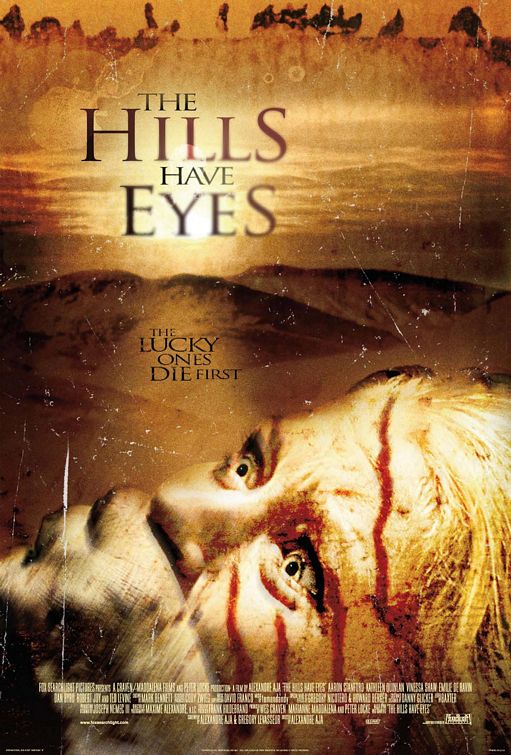
Review: The Hills Have Eyes (dir. by Alexandre Aja)


Many people have issues about remakes and reboots. They see it as unnecessary and a proof that the film industry has run out of ideas. I can’t say that either points have no validity to them, but I disagree with both.While all genres of film have had it’s share of remakes and reboots its the horror section of the film aisle which has seen the most. This shouldn’t come as a shock since horror has always been ripe for remakes. The stories in horror films have always been quite simple and producers take advantage of this by remaking them for a new generation. Take the simple set-up, change the time and setting with a new cast of cheap, unknown actors and you got yourself a horror flick which should make back its budget and make its filmmakers a profit.

While most horror remakes usually range from average to truly dreadful there comes a time when one comes out of the horror remake heap to actually show promise and quality not seen in its remake brethren. One such film is in the Alexandre Aja directed and Wes Craven produced The Hills Have Eyes. Aja’s The Hills Have Eyes is the rare horror remake in that its more than a match to Wes Craven’s original and, at times, surpasses it.

Alexandre Aja first burst onto the horror-cinema scene with his ambitious and grisly homage to grindhouse horror: Haute Tension. Haute Tension was one nasty piece of horror filmmaking which brought to mind 70’s and early 80’s horror exploitation and grindhouse mentality. Aja’s directorial debut was a no-hold-s-barred punch and kick to the stomach that was overtly violent and sublimely painful for the audience to watch. Aja was soon tapped by Wes Craven to lead the remake project of his own The Hills Have Eyes and to Aja’s growing reputation as a rising star of horror, he grew as a filmmaker and more than earned this reputation.

Aja’s The Hills Have Eyes follows pretty much the very same story and characters as the original. This remake has abit more of a political sense to its storytelling in that it doesn’t just pit the basic premise of civilized humans versus the primal inbred, mutant hill dweller, but also the different demographics of red state versus blue state. This theme was hammered through to the audience through the subsurface conflict between Big Bob Carter’s (well-played by industry veteran Ted Levine) red state gung-ho ex-detective and his son-in-law Doug’s (X2‘s Aaron Stafford) pacifist mentality. I think this new wrinkle in the original’s sparse and tight story was unnecessary and unsubtly done. I really didn’t want to know what political leanings and motivations the Carter family members followed. What I did care about was how they would react to the outside forces that was soon to menace and attack them.

The first half of the film was very deliberate in its set-up as it slowly built up the tension and dread as the Carter family’s journey through a supposedly short-cut through the desert put them closer and closer to the dangerous people who dwelt amongst the hills bordering the desert road. Once the family becomes stranded in the middle of nowhere the fun begins for horror-aficionados. For those who have seen the original this remake doesn’t deviate from the main story. The hill people who, up until now have only been glimpsed through quick shadowy movements across the screen, were the true cause of the family’s predicament attack in a brutal and grisly fashion. None of the Carter family members were spared from this attack. From Big Bob Carter, his wife Ethel, their three children, son-in-law and young granddaughter they all suffer in one form or another. The night attack on the camper is the main highlight of the film and shows that Aja hasn’t lost his touch for creating a horror setpiece that doesn’t hold back. From the brutal rape of the Carter’s youngest daughter Brenda to the sudden deaths of several Carter family members. This sequence was both fast-paced and chaotic in nature. It also helped push the definition of what constitute a very hard R-rating. Just like Zombie’s The Devil’s Rejects and Roth’s Hostel, The Hills Have Eyes pushed the limits and boundaries of what the MPAA has allowed so far in terms of on-screen violence when it was first released in 2006. I’m very surprised that some of the violence and deaths in this film made the final cut. This film definitely brings back the 70’s style horror.

The cast for this remake was one high point that the original didn’t have. Where Craven had a very inexperienced cast for the original film. Aja had the luxury of a bigger budget to hire a more competent and able group of actors. A cast that was led by Ted Levine who shined in his role as the patriarch of the civilized Carters. Kathleen Quinlan as the mother of the bunch soldiers on even though its almost predestined in films such as this that she would be one of the doomed. The two daughters as played by Vinessa Shaw and Lost’s Emilie De Ravin were quite good in roles that involved some very graphic rape sequences. Much kudos must go to De Ravin for having to perform through her scene during the trailer-camper attack. But the two actors who excelled in the film has to be pacifist turned avenging angel Doug as played by Aaron Stafford. We see in his character Doug the lengths a civilized human being would go through to survive and protect those he cares for. Even if this means resorting to becoming more brutal and primal than the inbred, mutant hill dwellers. It’s in Doug’s character where the basic premise of the clash of the modern with the primitive comes close to matching the same theme in the original. To a smaller degree this was also echoed in the Carter’s teenage son Bobby. Dan Byrd of Entourage plays Bobby Carter and its in him we see the level-headedness of the family. Despite all the horror and carnage he has seen the hill dwellers have inflicted on his family, Bobby remains somewhat calm and even-keeled to protect what is left of his family. The only drawback as to the cast itself was that the opposing family seemed to have been shortchanged. In the original we actually got to understand some of the motivations that drove the hill dwellers to prey on unsuspecting travelers through their area. In this remake the hill dwellers seem more like superhuman monsters and boogeymen. It didn’t bother me as much, but then it also lessened the impact of the story’s basic premise of civilization versus primitives.

Lastly, the look of the film helps add to the grindhouse nature of Aja’s remake. The film has an oversaturated look and feel that took advantage of the desert location and the high-sun overhead. This oversaturation of the film’s look also lends some credence to its grindhouse sensibilities. It looked, felt and acted like something made during the late 70’s and early 80’s. For most fans of horror it would really come down to the special-effects used to show the death and violence’s impact on the audience. Once again, Greg Nicotero and his crew at KNB EFX house show that they’re the premiere effects house. The make-up used to show the mutant effects on the survivors of the original inhabitants of the hills was excellently done. The same goes for the gags used to show the many brutal and messy deaths of both families.

There’s no denying that The Hills Have Eyes was all about pain when boiled down to its most basic denominator. This film is all about pushing the boundaries and piling on violence upon violence. The Hills Have Eyes is not a film that tells us violence solves nothing. Here it does solve the problem for the Carter clan and is also the only avenue of survival of the remaining Carters. The same goes for the nuclear survivors and their offspring who stayed in the irradiated zones that was their home. This film is all about survival and the levels and heights individuals would take to achieve it.

The Hills Have Eyes might not be the original second helping some have expected from Aja after his brilliant, if somewhat flawed first major film with Haute Tension, but it does show his growth as a filmmaker and his clean grasp of what makes horror cinema truly terrifying and uncomfortable. Two ingredients that makes for making a genre exploitation fare into something of a classic. I’m sure that outside of the horror-aficionado circles this film will either be met with indifference or disgust, but for those who revel in this type of filmmaking then it’s a glorious continuation of the grindhouse horror revival that began with Aja’s own Haute Tension, continued by Zombie’s The Devil’s Rejects, Roth’s Hostel  and continues to live each and every year with the many direct-to-video releases of cheap, but very good horror films. It truly is a great time to be a fan of horror and Aja’s The Hills Have Eyes more than holds its own against Craven’s original.

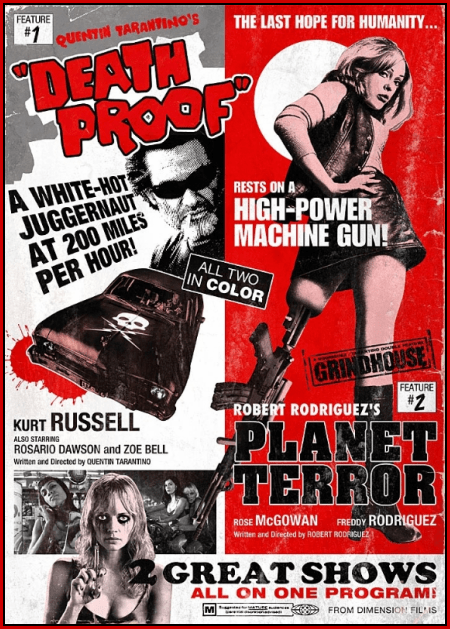
Review: Grindhouse (dir. by Robert Rodriguez and Quentin Tarantino)


Robert Rodriguez and Quentin Tarantino have always professed to anyone within hearing distance their extreme and fanboyish love for the grindhouse days of filmmaking. Both directors’ resume of work look like a modern grindhouse films but with better writing, effects and directing. Anyone who grew up watching grindhouse film’s of the 70’s and 80’s can see it’s heavy influence on films such as From Dusk Til Dawn, Desperado, Pulp Fiction and Kill Bill. With 2007’s Grindhouse, both Rodriguez and Tarantino take their fanboy love for all things grindhouse and exploitation to a whole new level with personal take on the cheap John Carpenter-knock offs, zombie gorefests, slasher film and revenge-driven flicks that made being a young kid during the 70’s and 80’s quite enjoyable.

For those who do not know what grindhouse films are they’re the ultra-cheap and, most of the time, very bad, shlocky horror, revenge, softcore porn, badly-dubbed kung fu flicks and a myriad of other B- to Z-grade movies. These movies were shown in dingy, decrepit (usually former burlesque stagehouses) movie houses which showed double to triple-bills of titles for a low, cheap price all day long (where the popcorn and concession snacks were as stale as week-old coffee). These places and their films were book-ended by the cheap drive-in theaters which grew out of the suburban sprawl boom era of the 60’s and 70’s. One could not avoid the fact that the projector equipment were in bad shape and in desperate need of maintenance while the films played out. Then there’s the film reels themselves with their washed out sequences, out of focus scenes, burnt-in spots and missing film reels where the sex scenes would’ve been. This was the grindhouse experience and with the rise of Hollywood as a corporate entity even moreso than it’s been in the past and urban renewal projects by big city leaders, the grindhouse experience has pretty much faded away and kept alive only in the memories of its fans worldwide.

What Robert Rodriguez and Quentin Tarantino have cranked out with their three-hour long opus to those grindhouse days has been both a literal and thematic homage to an era long since gone. Grindhouse also has allowed Rodriguez and Tarantino to pull out all the stops in filming their respective halves of the film. Rodriguez went all-out in paying literal homage to the zombie gore-fests of George A. Romero, Lucio Fulci and Umberto Lenzi. Planet Terror plays like a hodgepodge of all the zombie movies from these masters of the walking dead but Rodriguez has the use of digital effects to match the over-the-top feel of the past zombie-fests without making the effects look too cheap.

The story for Planet Terror is quite simple yet full of so many incoherent subplots that trying to keep track with whats going on would just confuse a viewer even more. Rodriguez gets the grindhouse feel with such a ludicrous storyline. Whether it was done on purpose or not, the feeling of confusion in addition to the non-stop zombie action was only compounded even more by the digitally-added film stock scratches, burns to the edges of the reel and when the movie was about to get all hot and sexy, missing reel footage. Anyone who watched movies in grindhouse theaters would recognize the look quite well. Rodriguez goes all out in letting his zombie fanboy out. The violence in Planet Terror begins strong and just gets stronger and even more over-the-top right up to the final frame. Zombie’s getting their heads blown apart is shown in scratchy, loving detail with an impossible amount of blood, bone and brain for people to gawk at. The female characters are hot and sexy. Rose McGowan as Cherry Darling holds Planet Terror together with her spunky go-go dancer dreaming to be a stand-up comedienne turning into Ellen Ripley minus a leg but gaining an M16A3 w/ M203 grenade launcher as a leg prosthetic. Freddy Rodriguez as El Wray, her wayward and mysterious lover, almost seem to be channeling a hilariously bad version of Snake Plissken. These two make for quite the explosive couple as they must try and save their small Texas town from the infected townspeople turned pus-oozing, boil-ridden zombies.

Planet Terror sports a nice collection of current B-list actors like Josh Brolin (making like a Nick Nolte at his growliest) and Marley Shelton as a pair of married doctors with marital problems compounded by the increasing amount of zombies their hospital seem to be bringing in for medical help. There’s also genre veterans Michael Biehn, Jeff Fahey and Tom Savini to give Planet Terror the appropriate grindhouse look and feel to it. Ever the good friend and buddy collaborator, Rodriguez even gives Quentin Tarantino a role in his half of the film. He’s shown in the credits for Planet Terror as The Rapist. If any director seem destined to be one, if their love for movies didn’t steer them on the right path, Tarantino seem to look just like one to be called “Tha Rapist”.

There’s explosion and gore galore in Rodriguez’s ode to the zombie genre. Some who sees it might say there’s too much and they would be right if the title of the whole film wasn’t Grindhouse. I, for one, am glad Rodriguez decided to not hold back with what he threw onto the screen. I’m sure that when the dvd finally comes out and the unedited full version of Planet Terror is shown it’ll even surpass the 85-minute running time in the film. I think I can forgive Rodriguez for his gore excess and at times I actually wished for more, but then that would mean taking even more time before I get to Tarantino’s half of the movie. Planet Terror truly got the look of a grindhouse flick, but it’s Tarantino’s Death Proof half which got the spirit of grindhouse down to near-perfect.

Before Tarantino’s Death Proof half of Grindhouse begins the audience gets treated to a sort of intermission involving three fake trailers for movies which celebrate just how ridiculously fun grindhouse movies really were during the 70’s and 80’s. There’s Rob Zombie’s Werewolf Women of the SS which was this weird mish-mash of the women-in-prison flicks with that of the infamous Ilsa: She-Wolf of the SS films that brought about the exploitation in grindhouse. This trailer was great just for the inspired casting of Nicolas Cage as Fu Manchu and Sybil Danning as one of the so-called SS women werewolves. There’s also Edgar Wright’s fake trailer for Don’t (director of Shaun of the Dead and Hot Fuzz) which parodies the trailers for all the gothic, European haunted and horror movies where none of the actors in the trailer speak a word to make sure the film doesn’t get labeled as a “foreign film”. But it’s the third trailer in that intermission trio which had everyone in the audience reacting wildly.

Eli Roth’s Thanksgiving is a throwback to the seasonal-themed slasher flicks like Black Christmas but this time turns the yearly, turkey day and Pilgrim celebration into a trailer with some of the most disturbingly inventive scenes for a fake slasher movie. I don’t know what the Pilgrim serial killer was doing with that turkey at the end of the trailer but I’m sure it will have many people talking about it afterwards. It’s this Eli Roth trailer which fully captures the gritty and gratuitious nature of what makes a grindhouse horror movie. It’s also the one fake trailer I hope Roth would re-visit and turn into a full-length movie.

Now, with the trailers out of the way, Tarantino’s half of Grindhouse begins and we’re treated to a different take on the grindhouse experience. Death Proof begins as if it will continue Rodriguez’s literal examination and homage to the grindhouse experience, but after messing with the film’s focus, adding a few film scratches to the celluloid and even adding a missing reel gag, Tarantino suddenly slows all those grindhouse trickeries and actually ends up making a rip-roaring slasher-revenge-carchase flick. Tarantino takes one part slasher movie adds in a heavy dose of his own Reservoir Dogs (the talking between the female characters in Death Proof are as foul-mouthed and trivial as the diner scene in Reservoir Dogs) then mixes in equal amounts of Vanishing Point, Faster Pussycat! Kill! Kill! and I Spit On Your Grave. Instead of just mimicking these particular grindhouse classics, Tarantino uses his own flair for extended dialogue to slow down the pace of the film thus lulling the audience for the two pay-offs which happen in the middle and the end of Death Proof. Tarantino’s half of Grindhouse could’ve went nowhere with all its estrogen-laced talkies, but Kurt “I AM SNAKE PLISSKEN” Russell really saves the day once he makes his appearance as the automotive-themed serial killer, Stuntman Mike. Where Jason uses farming and bladed implements as his tool of the serial killing trade, Stuntman Mike uses both a 1971 Chevy Nova SS and a 1970 Dodge Charger R/T 440 as his weapons of choice. Both vehicles have been made death proof for filming violent car stunt sequences, but in order to appreciate it’s unique life-saving properties then one has to sit where Mike sits.

Kurt Russell can now add Stuntman Mike to his classic list of badass roles. Mike would feel quite welcome amongst the like of Snake Plissken, John J. MacReady, and Jack Burton to name a few of Russell’s classic characters. Mike comes across as cooly and slickly dangerous, yet not psychotic. His charm is quite disarming until it turns deadly. He really takes the slasher-character stereotype and turns it on its ear. Death Proof once again shows that when Tarantino gets to work with one of his boyhood idols he really gives them a role that they could sink their teeth into.

Death Proof captures the spirit of what makes a grindhouse exploitation film. Even with the heavy references to Vanishing Point, especially with a white 70’s Dodge Challenger used just like in that movie, Tarantino still injects his own brand of craziness to the whole movie. I know many who have complained that Death Proof was too much talk with only the car chase in the end being the saving grace. I politely disagree and say that it’s that very long periods of dialogue between the women in Death Proof that brings some of the spirit of grindhouse to the story. Many forget or don’t remember that most grindhouse cheapies had so much extraneous dialogue to hide the fact that the budget was low to none when the movies were being made so they had to fill-up the movie’s running time with as much nonsensical dialogue before the big effect shots payoff.

The final chase-scene between the Russell’s Stuntman Mike and the female-trio of Rosario Dawson, Tracie Thoms (channeling Jules from Pulp Fiction) and real-life stuntwoman Zoe Bell (she doubled as Uma Thurman in the more dangerous stunts in Kill Bill) has to go down as one of the craziest, whiteknuckling, barnburning car chase sequences of the modern times. No CGI-effects trickery and fancy MTV-style editing was used. George Miller, John Frankenheimer and Richard Sarafian would be proud of what Tarantino was able to accomplish with Death Proof‘s 20-minute long car chase. By the time Death Proof ends the audience have bee put through the wringer and one was hard-pressed not to cheer and root for Stuntman Mike even though we know we shouldn’t. Death Proof proves that “hell hath no fury like a woman scorned” or at least a trio of women endangered.

Grindhouse is a film not for everyone. There’s going to be quite a few people who won’t “get” the film homages and references by both Robert Rodriguez and Quentin Tarantino. Some would say that the movie was too over-the-top, badly made and just out there, but then they would be missing the point of the whole project altogether. For those who grew up watching these kind of films as kids and teenagers, it’s a belated Valentine’s gift from two fanboy filmmakers who finally were able to do the films they grew up idolizing and enjoying. For the rest who are not as well-versed in the grindhouse cinema, this is a good enough starter before they move on to try the classic ones which are now on video (I would suggest they find a worn-out VHS copy of it instead of the cleaned up DVD version). The film is over three-hours long, but one who goes in really can’t say that they didn’t get their money’s worth when they went in to watch Grindhouse.

20 Best Horror Films of the Past Decade


The Aught’s, as some people have come to call this decade about to end, was actually a pretty good decade in terms of the amount of quality horror that showed up on the big-screen. We had some channeling the nastiness of the 70’s exploitation era while a couple ushered in this decade’s era of the so-called “torture porn.” There were more than just a few remakes of past horror films. Most of these remakes were quite awful compared to the original, but more than a few managed to end being good and held their own against the original.

Some of the titles I will list will eschew gore and the shock scares for a more subtle and atmospheric approach. More than a few straddled not just horror but other genres like comedy, drama and sci-fi. If there was one major observation I was able to make, when collating what I thought was the 20 best horror films of the decade, it was that the Foreign studios really came into the decade with a vengeance.

While I consider these horror films on this list as “the best of…” it is still my opinion and I am sure there will be people who will disagree, but even if people do not agree with all my choices it would be hard to dispute any of them as not being good to great in their own way. Like my similar Sci-Fi list this one will be numbered but only for organizational sake and doesn’t determine which film is better than rest. They’re all equal in my eyes.

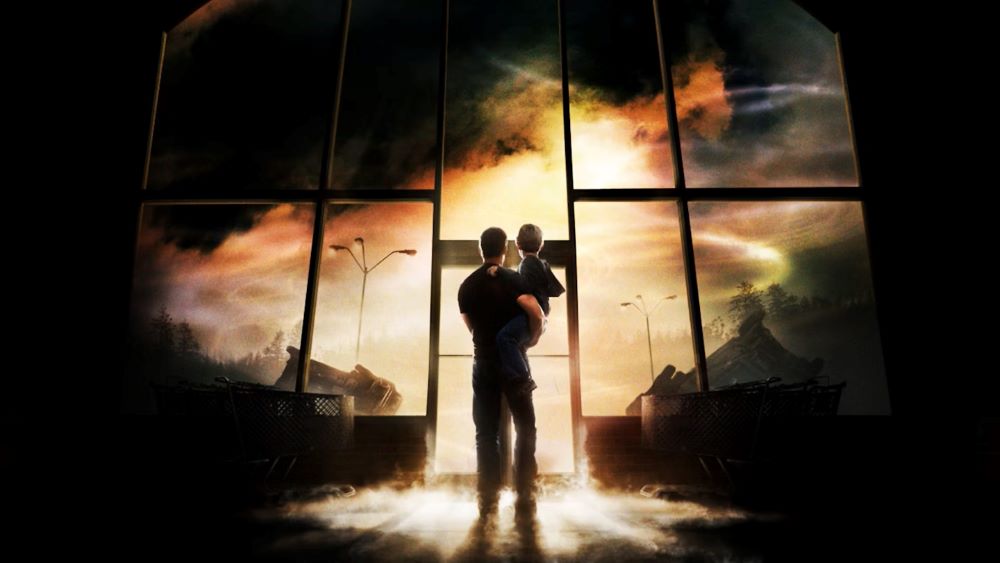
  1. The Mist (dir. Frank Darabont)
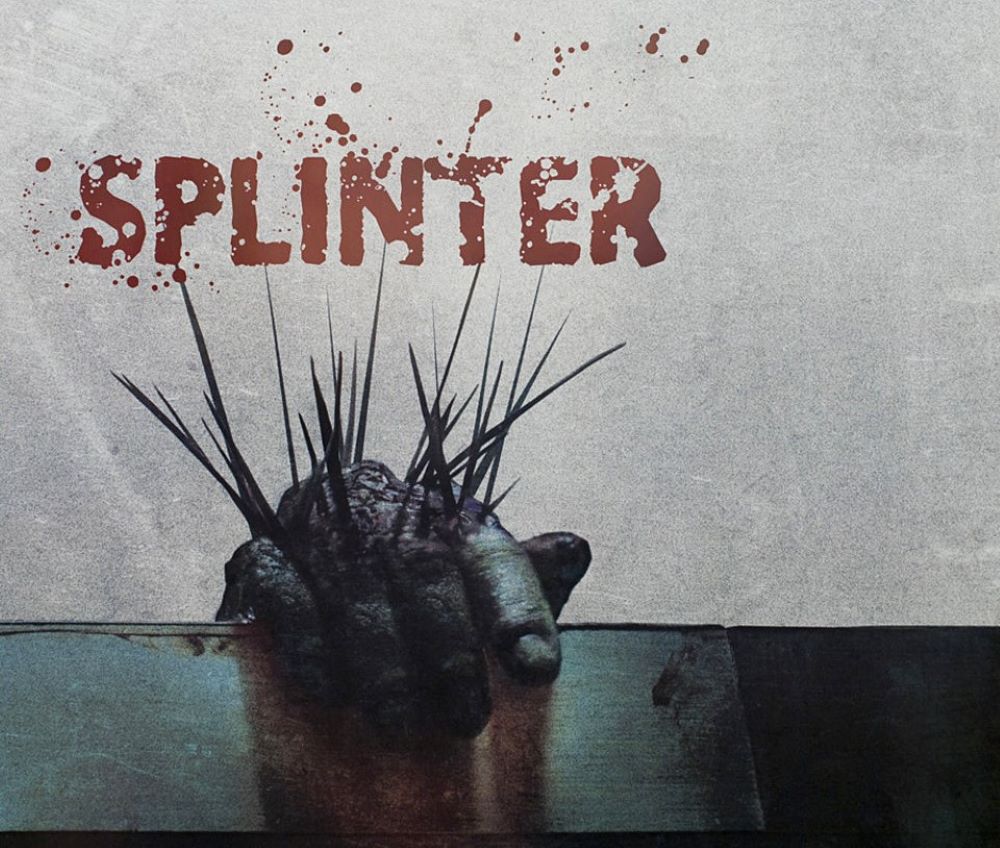
  2. Splinter (dir. Toby Wilkins)
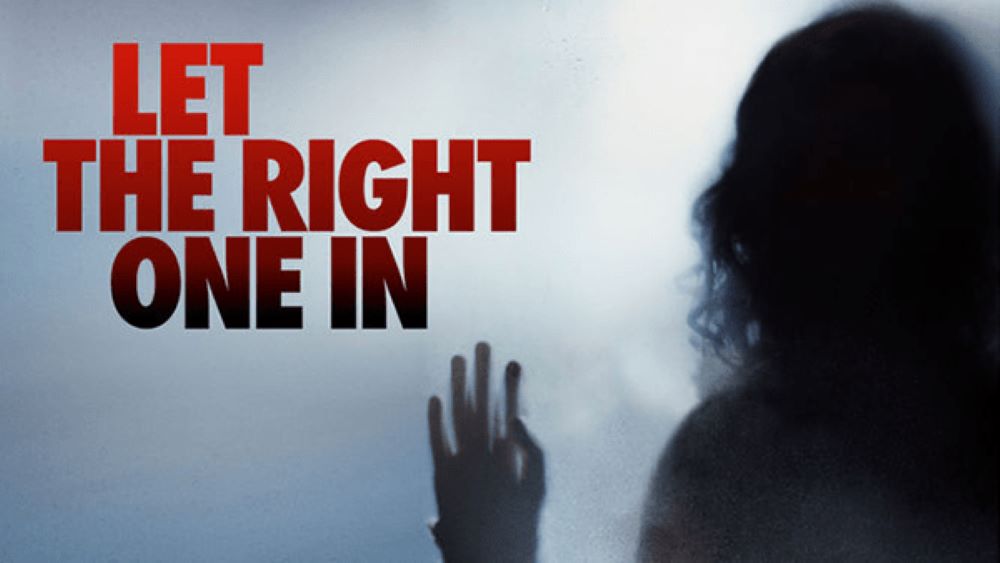
  3. Let the Right One In (dir. Tomas Alfredson)
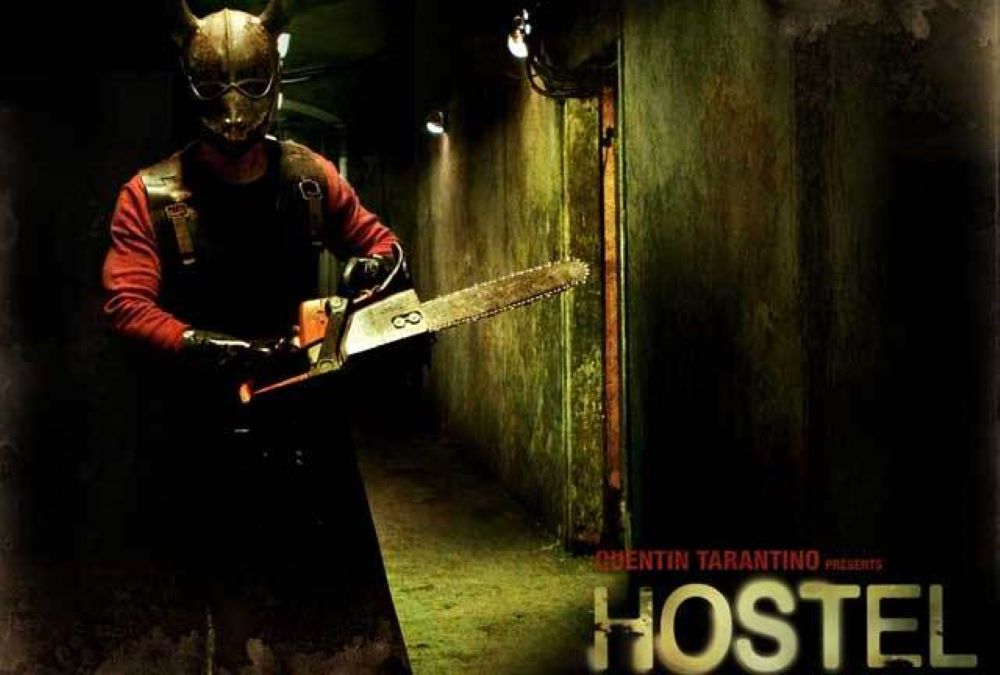
  4. Hostel (dir. Eli Roth)
  5. A Tale of Two Sisters (Kim Ji-woon)
  6. The Descent (dir. Neil Marshall)
  7. Martyrs (dir. Pascal Laugier)
  8. 28 Days Later… (dir. Danny Boyle)
  9. Bubba Ho-Tep (dir. Don Coscarelli)
  10. Dawn of the Dead (dir. Zack Snyder)
  11. The Devil’s Backbone (Guillermo del Toro)
  12. Frailty (dir. Bill Paxton)
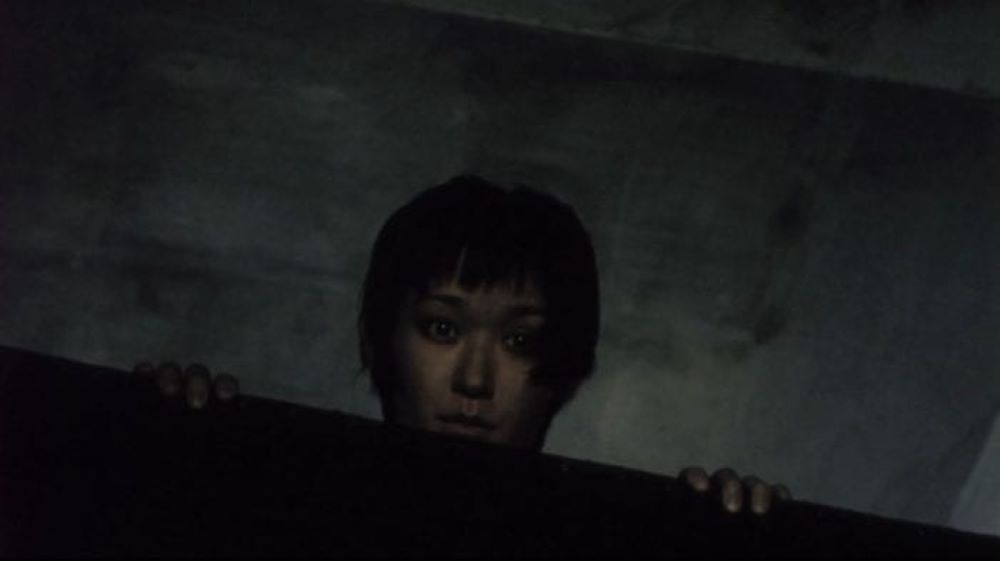
  13. Kairo (dir. Kiyoshi Kurosawa)
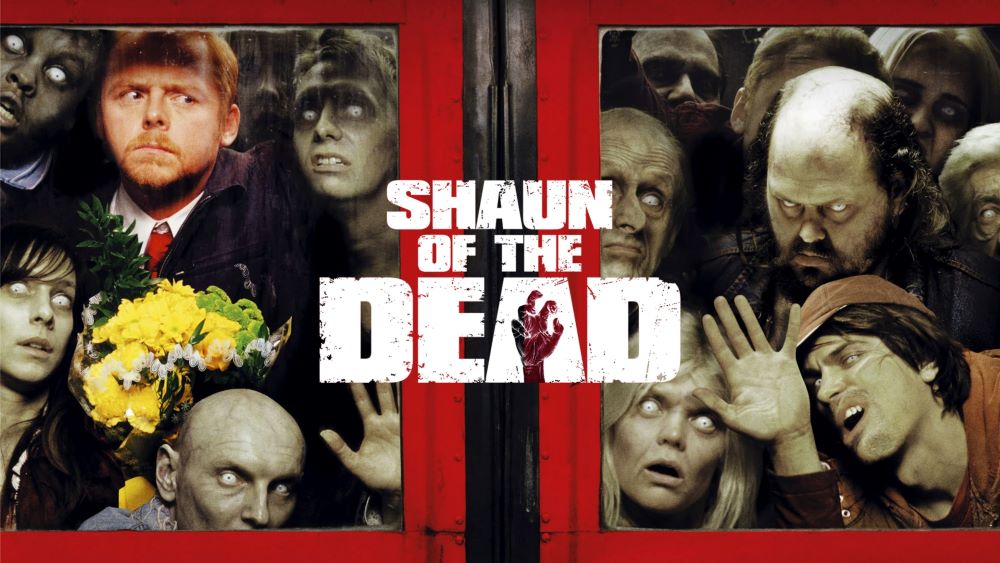
  14. Shaun of the Dead (dir. Edgar Wright)
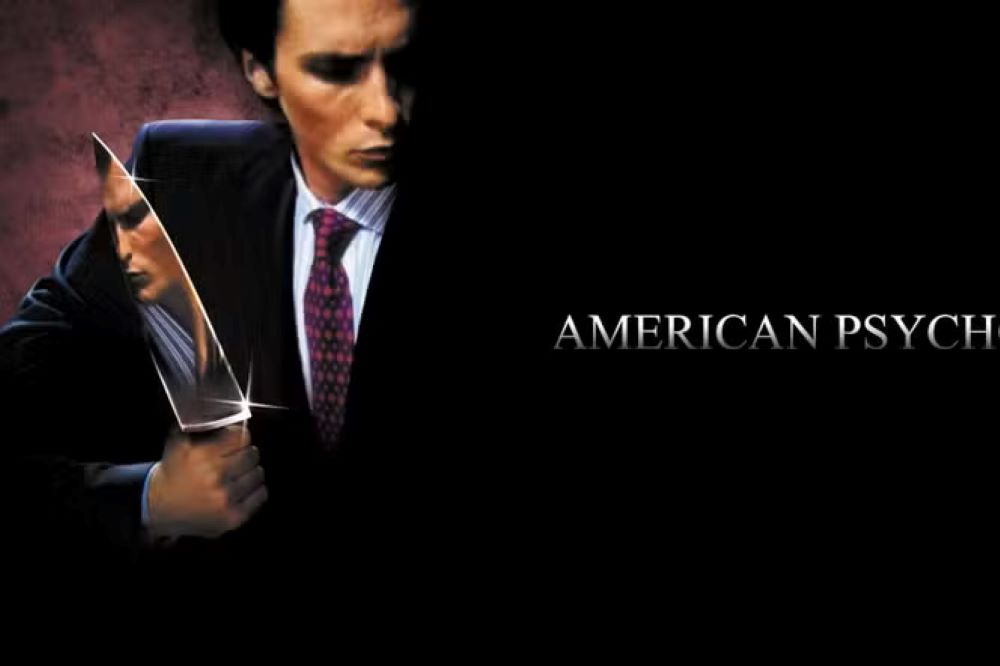
  15. American Psycho (dir. Mary Harron)
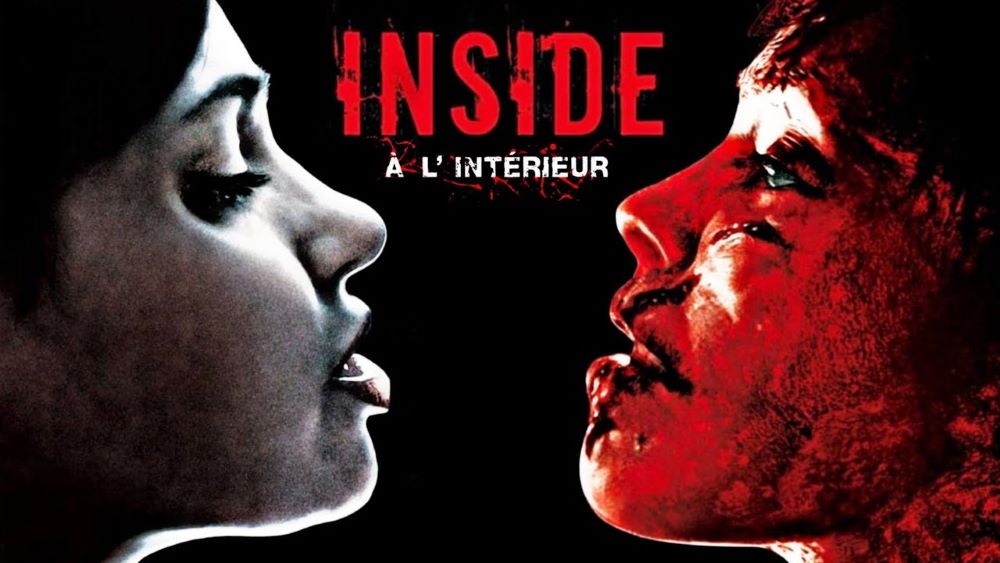
  16. Inside (dir. Alexandre Bustillo & Julien Mary)
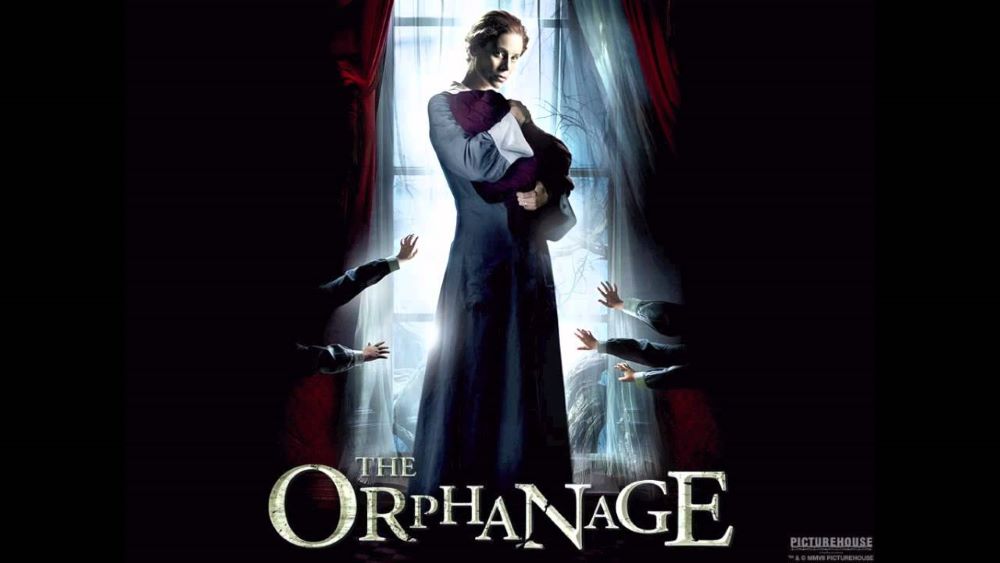
  17. The Orphanage (dir. Juan Antonio Bayona)
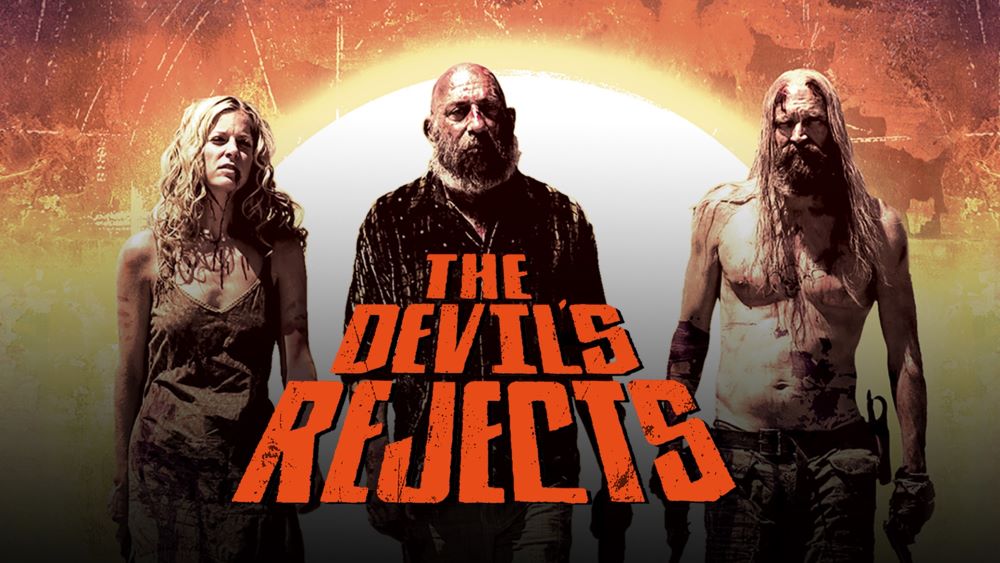
  18. The Devil’s Rejects (dir. Rob Zombie)
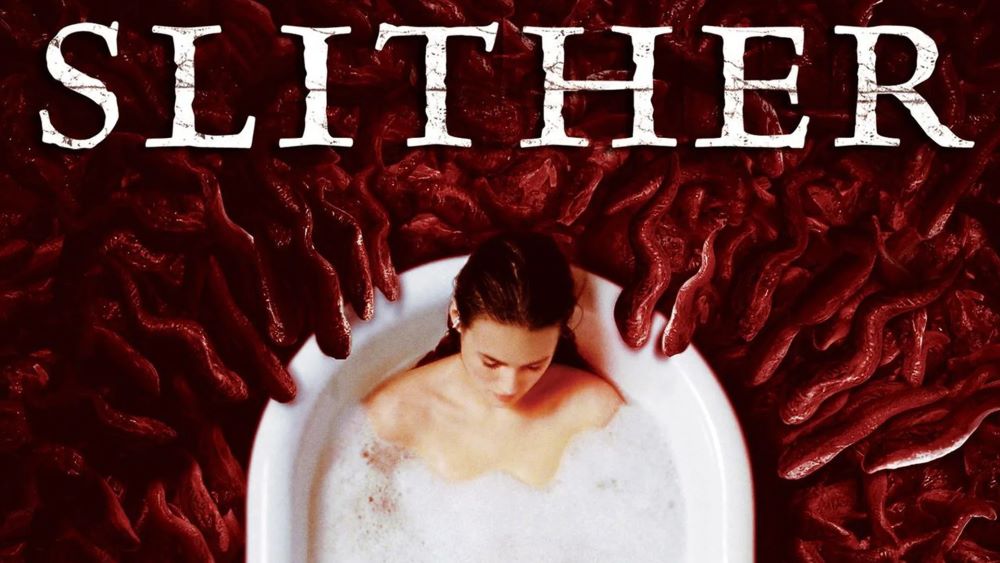
  19. Slither (dir. James Gunn)
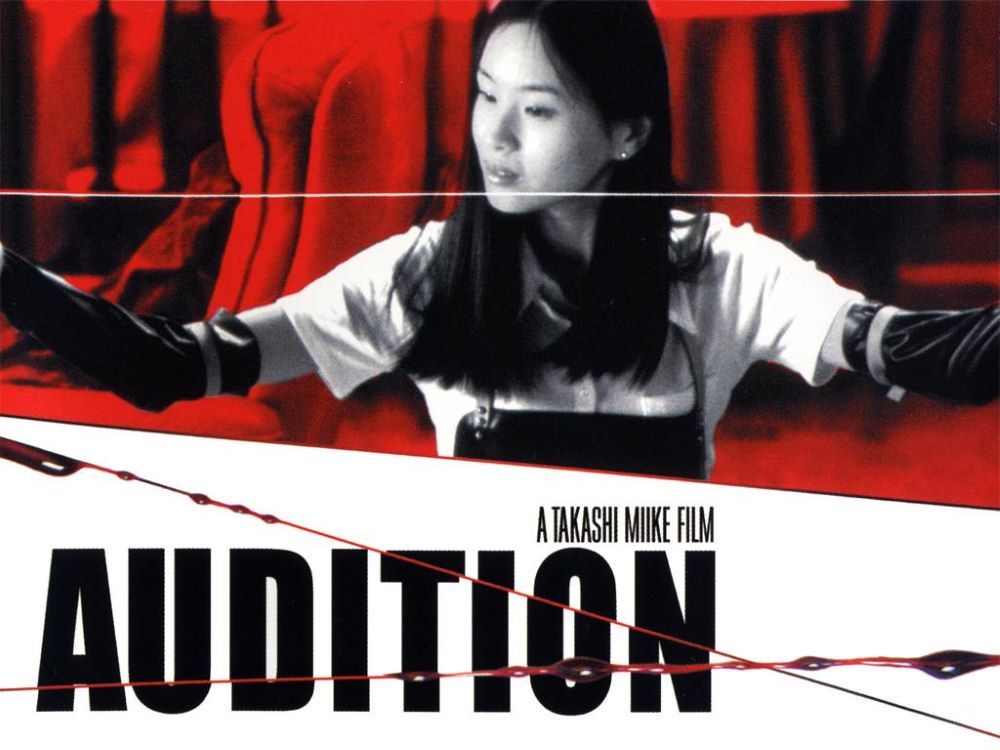
  20. Audition (dir. Takashi Miike)

Honorable Mentions: Saw, Haute Tension, Drag Me To Hell, Trick ‘r Treat, Dog Soldiers, Ju-On, May, Midnight Meat Train, The Ruins, Jeepers Creepers, Ginger Snaps, Funny Games (remake), Shutter, Frontier(s), Behind the Mask: The Rise of Leslie Vernon…just to name a few.