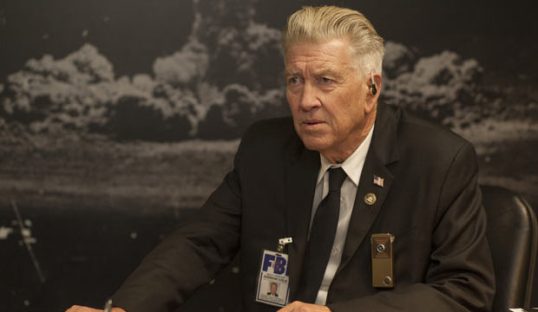
14 Shots From 13 Films: Special David Lynch Edition


4 (or more) Shots From 4 (or more) Films is just what it says it is, 4 (or more) shots from 4 (or more) of our favorite films. As opposed to the reviews and recaps that we usually post, 4 (or more) Shots From 4 (or more) Films lets the visuals do the talking.

Today, the Shattered Lens wishes a very special 75th birthday to the one and only David Lynch.  As should be evident by now, we’re big fans of David Lynch around here.  Not only is he a wonderfully unique filmmaker but he’s also literally the only person who can do what he does.  Trust me — I’ve seen hundreds of films that were made by people who obviously thought they were going to be the next David Lynch and none of them even come close.  David Lynch is a filmmaker who can make the most surreal images seem like the most natural thing in the world.

Speaking of images, it’s time for….

14 Shots From 13 David Lynch Films

Eraserhead (1977, dir by David Lynch, DP: Frederick Elmes, Herbert Cardwell)
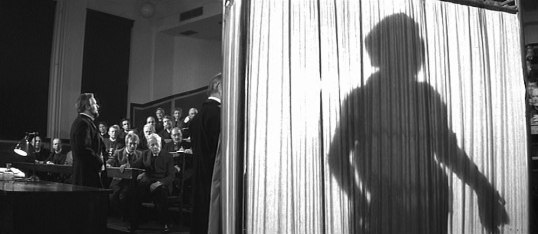
The Elephant Man (1980, dir by David Lynch, DP: Freddie Francis)

Dune (1984, dir by David Lynch, DP: Freddie Francis)

Blue Velvet (1986, dir by David Lynch, DP: Frederick Elmes)

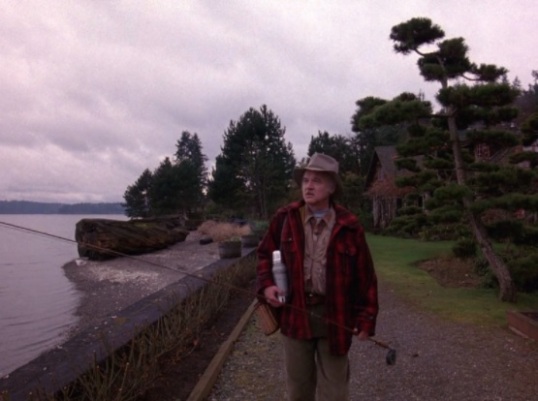
Twin Peaks 1.3 “Zen or the Skill To Catch a Killer” (1990, dir by David Lynch, DP: Frank Byers)
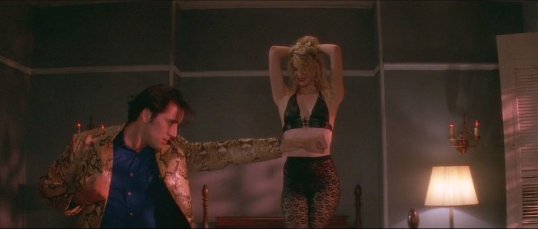
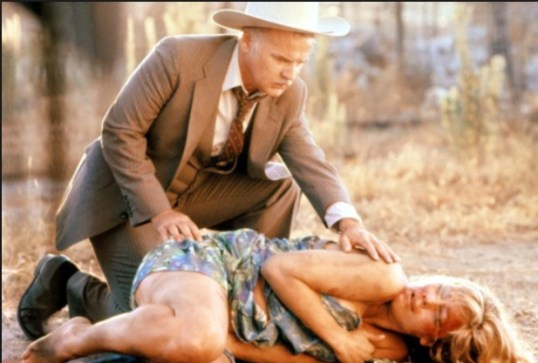
Wild At Heart (1990, dir by Frederick Elmes)

Twin Peaks 2.22 “Beyond Life and Death” (1991, dir by David Lynch, DP: Frank Byers)

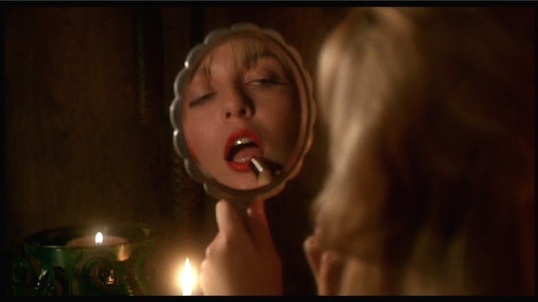
Twin Peaks: Fire Walk With Me (1992, dir by David Lynch, DP: Ron Garcia)
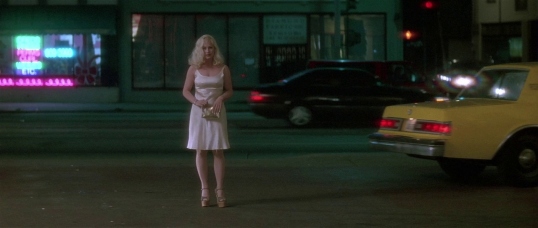
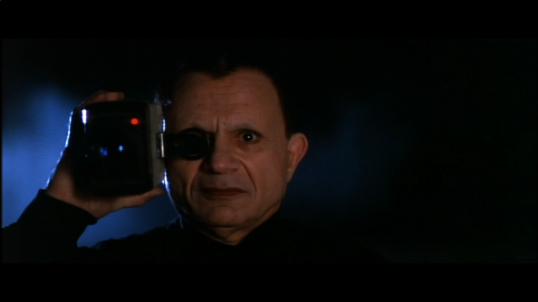
Lost Highway (1997, dir by David Lynch, DP: Peter Deming)

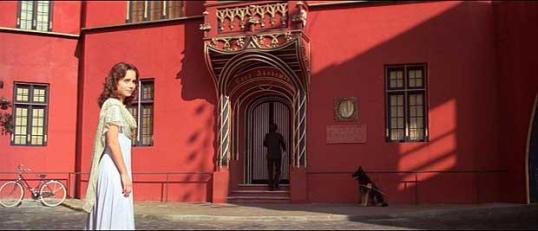
The Straight Story (1999, dir by David Lynch, DP: Freddie Francis)

Mulholland Drive (2001, dir by David Lynch, DP: Peter Deming)

Inland Empire (2006, dir by David Lynch, DP: David Lynch)
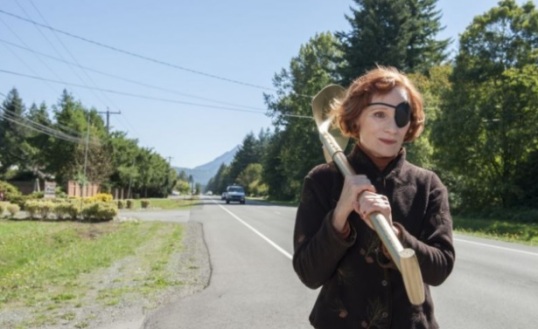
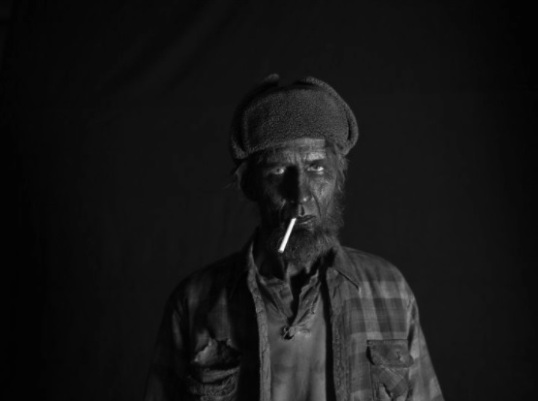
Twin Peaks: The Return Part 15 (dir by David Lynch, DP: Peter Deming)
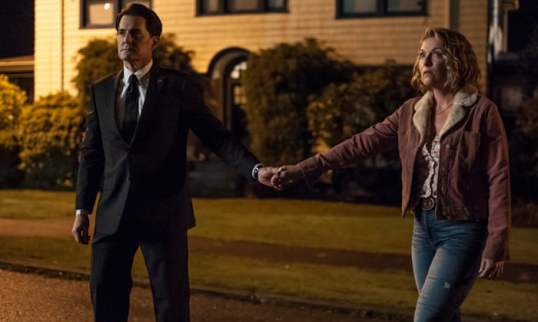
Twin Peaks: The Return Part 18 (2017, dir by David Lynch, DP: Peter Deming)

Happy birthday, David Lynch!
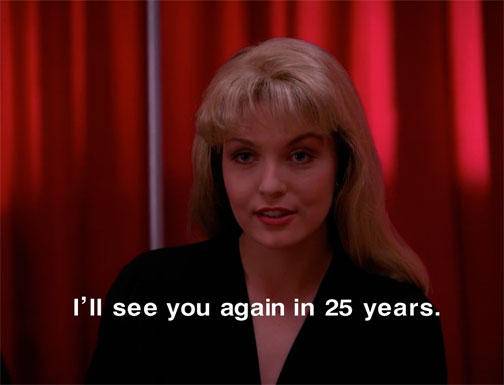
Scenes That I Love: In Heaven, Everything Is Fine From Eraserhead


From David Lynch’s 1977 film, Eraserhead.

Just a reminder that, “In Heaven, everything is fine.”

And Heaven is apparently behind your radiator.

“But Lisa, what is the scene about?”

Well, according to Lynch, the whole movie is “a dream of dark and disturbing things.”  Is that woman really living behind Jack Nance’s radiator and singing that everything is fine, despite the fact that there’s also a mutant baby in the apartment?  She may be.  Or she might just be a figment of someone’s imagination.

Perhaps it’s best not to worry too much about the how’s and the why’s.

Never stop dreaming.

4 Shots From 4 Films: Eraserhead, The Hills Have Have Eyes, Shock Waves, Suspiria


4 Shots From 4 Films is just what it says it is, 4 shots from 4 of our favorite films. As opposed to the reviews and recaps that we usually post, 4 Shots From 4 Films lets the visuals do the talking!

This October, we’re using 4 Shots From 4 Films to look at some of the best years that horror has to offer!

4 Shots From 4 1977 Horror Films:

Eraserhead (1977, directed by David Lynch)

The Hills Have Eyes (1977, dir by Wes Craven)

Shock Waves (1977, dir by Ken Wiederhorn)


Suspiria (1977, dir by Dario Argento)

4 Shots From 4 Films: Special Jack Nance Edition (Eraserhead, Twin Peaks — The Pilot, Whore, Meatballs 4)


In honor of the late, great Jack Nance’s birthday, here are…

4 Shots From 4 Films

Eraserhead (1977, directed by David Lynch)

Twin Peaks 1.1 “The Pilot” (1990, directed by David Lynch)

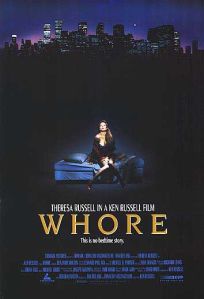
Whore (1991, directed by Ken Russell)

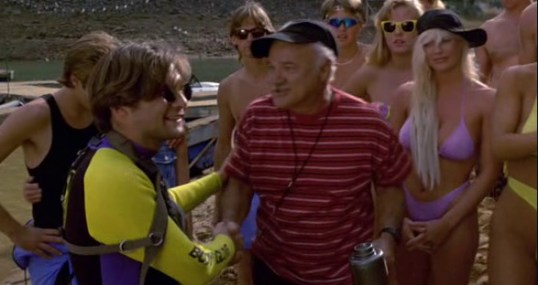
Meatballs 4 (1992, directed by Bob Logan)

4 Shots From 4 Films: Special David Lynch Edition


4 Shots From 4 Films is just what it says it is, 4 shots from 4 of our favorite films. As opposed to the reviews and recaps that we usually post, 4 Shots From 4 Films is all about letting the visuals do the talking.

This October, I am going to be using our 4 Shots From 4 Films feature to pay tribute to some of my favorite horror directors, in alphabetical order!  That’s right, we’re going from Argento to Zombie in one month!

Today’s director: the one, the only David Lynch!

4 Shots From 4 Films

Eraserhead (1977, dir by David Lynch)

Twin Peaks: Fire Walk With Me (dir by David Lynch)

Lost Highway (1997, directed by David Lynch)

Twin Peaks: The Return (2017, dir by David Lynch)


A Movie A Day #93: Whore (1991, directed by Ken Russell)


Liz (Theresa Russell) is a prostitute trying to survive on the mean streets of Los Angeles.  With the help of a homeless performance named Rasta (Antonio Fargas), Liz tries to escape from her abusive pimp, Blake (Benjamin Mouton).
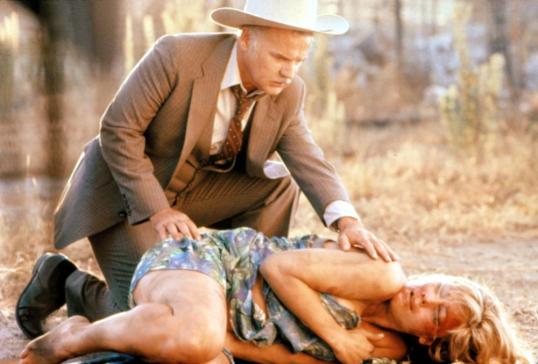
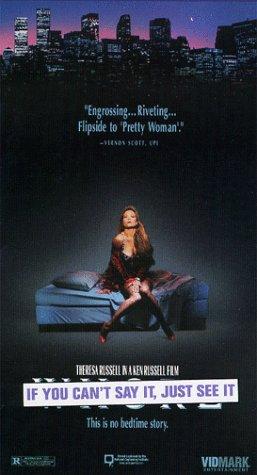
To its credit, Whore was made as a response to the glamorous and irresponsible way that prostitution was portrayed in Pretty Woman but Whore had too much going against it to succeed.  It was based on a theatrical monologue, which was almost always a bad sign.  The majority of the movie was Liz talking straight to the camera, which was another red flag.  Most ominously, it was a Theresa Russell movie that was not directed by Nicolas Roeg and those never seemed to turn out well.  The director of Whore was Ken Russell but it featured none of the excess that Russell was known for.  Stuck with a low-budget and a reportedly unenthusiastic studio, Russell’s direction was uncharacteristically restrained.  (That’s a polite way of saying boring.)

The one good thing about Whore, and the reason why I’m writing about it during this site’s look back at Twin Peaks, was the presence of Jack Nance, playing one of the few men who actually tries to help Liz.  Nance, of course, not only played fishing-obsessed Pete Martell in Twin Peaks but also starred in Eraserhead and appeared in all of Lynch’s films (with the exception of The Elephant Man) up until Nance’s mysterious death in 1996.  Literally credited as playing “Helpful passerby.” Nance only had a few minutes of screen time but made a definite impression as one of the few kind people to be found in Liz’s dark world.

As a reflection of how much times have changed, Whore‘s title was so controversial that, in 1991, it was released in some areas under an alternative title: If You Can’t Say It, Just See It.