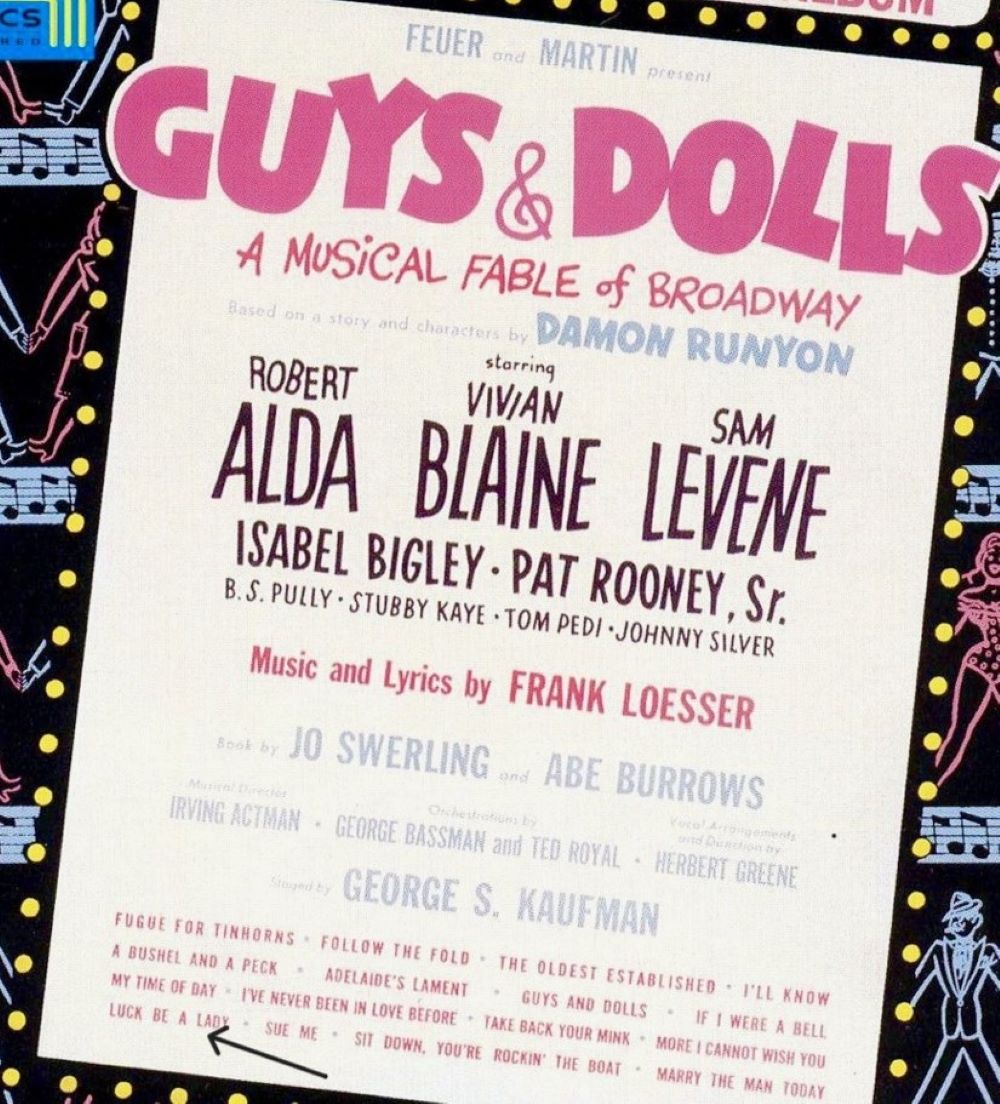
Song of the Day: Luck Be a Lady (by Robert Alda)


In The Wrangler, using Robert Alda’s original version of “Luck Be a Lady” from Guys and Dolls hits differently than the more famous Sinatra take. Alda’s rendition, coming from the Broadway stage, is less smooth and more desperate—it’s a man bargaining with luck, not charming her. That’s a crucial difference in Fallout’s world. When Alda’s voice drifts through the smoky ruin of The Wrangler, it feels like an echo from a long-dead civilization—one where people still believed that fortune was something you could negotiate with. It grounds the scene in Fallout’s favorite tension: the clash between old optimism and new despair.

Thematically, the original version suits Fallout’s tone better. Sinatra’s version oozes control and self-assurance, while Alda sings with the anxious rhythm of someone clinging to hope. In the episode, that anxiety fits the stakes perfectly—characters gambling with their lives, exchanging trust for survival, and hoping the “lady” of luck doesn’t turn her back at the wrong moment. The Broadway earnestness becomes a tragic counterpoint to the brutality around it, emphasizing how fragile that old-world faith in luck or charm truly is.

By choosing Alda over Sinatra, the show subtly reframes what “luck” means in this universe. It’s not style or swagger—it’s survival by the skin of one’s teeth. The song’s theatrical flair feels almost haunting in a world where the audience is gone and the casino’s collapsed. Yet that’s what gives the moment its punch: Fallout has always used nostalgia as both soundtrack and satire, and with Alda’s pleading vocals hanging in the air, The Wrangler reminds us that sometimes, luck isn’t a lady at all—it’s just what’s left when everything else runs out.

Luck Be a Lady

They call you Lady Luck
But there is room for doubt
At times, you’ve had a very unlady-like way of running out
You’re on this date with me
The pickin’s have been lush
And yet before this evening is over
You might give me the brush

You might forget your manners
You might refuse to stay
And so the best that I can do is pray

Luck be a lady tonight
Luck if you’ve ever been a lady to begin with, luck be a lady tonight

Luck let a gentleman see
How nice a dame you can be
I know the way you’ve treated other guys you’ve been with
Luck, be a lady with me

A lady doesn’t leave her escort
It isn’t fair, it isn’t nice
A lady doesn’t wander all over the room
And blow on some other guy’s dice
Let’s keep this party polite
Never get out of my sight
Stick me with me baby, I’m the fella you came in with
Luck, be a lady tonight

Luck, let a gentleman see
Just how nice, how nice a dame you can be
I know the way you’ve treated other guys you’ve been with
Luck be a lady with me

A lady doesn’t leave her escort
It isn’t fair, and it’s not nice
A lady doesn’t wander all over the room
And blow on some other guy’s dice
So let’s keep the party polite
Never get out of my sight
Stick with me baby, I’m the guy that you came in with
Luck be a lady
Luck be a lady
Luck be a lady, tonight
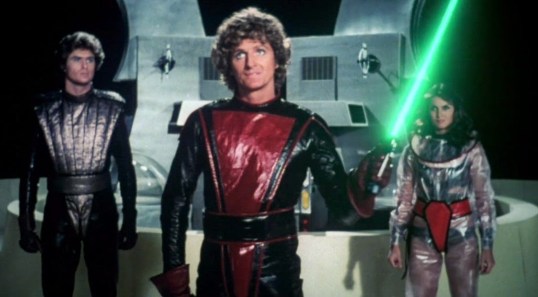
Song of the Day: Lo and Behold, covered by Marjoe Gortner


It’s Marjoe Gortner’s birthday!

Marjoe Gortner is a former child evangelist who had a long career as an actor in films, usually playing sinister characters.  His most-seen film was probably Earthquake.  My favorite Marjoe film is Starcrash.  That said, Marjoe’s best performance was probably as himself in the candid documentary, Marjoe.  The Oscar-winning film featured a look behind the scenes of the religious revival industry, with Marjoe as an amoral tour guide who discussed how he didn’t believe what he was preaching and who had basically been forced into the business by his parents.  Marjoe described how every word he preached was calculated to inspire people to donate more money to his ministry.  Marjoe described himself as being “bad but not evil.”

In 1972, Marjoe recorded an album called, after his famous documentary quote, Bad But Not Evil.  Today’s song of the day is Marjoe Gortner covering Bob Dylan’s Lo and Behold on that album.

I pulled out for San Anton’I never felt so goodMy woman said she’d meet me thereAnd of course, I knew she would
The coachman, he hit me for my hookAnd he asked me my nameI give it to him right awayThen I hung my head in shame
Lo and behold! Lo and behold!Looking for my lo and beholdGet me outta here, my dear man
I come into PittsburghAt 6:30 flatI found myself a vacant seatAnd I put down my hat
“What’s the matter, Molly, dear?What’s the matter with your mound?”“What’s it to ya, Moby Dick?This is chicken town!”
Lo and behold! Lo and behold!Looking for my lo and beholdGet me outta here, my dear man
I bought myself a herd of mooseOne she could call her ownWell, she came out the very next dayTo see where they had flown
I’m going down to TennesseeGet me a truck or somethingGonna save my money and rip it up
Lo and behold! Lo and behold!Looking for my lo and beholdGet me outta here, my dear man
Now, I come in on a Ferris wheelAnd boys, I sure was slickI come in like a ton of bricksLaid a few tricks on them
Going back to PittsburghCount up to 30Round that horn and ride that herdGonna thread up
Lo and behold! Lo and behold!Looking for my lo and beholdGet me outta here, my dear man

Song of the Day: Every Breath You Take vs The Theme From Peter Gunn


I was thinking of re-binging The Sopranos next month and that led to me remembering this totally awesome bit of music from the show’s third season premiere!

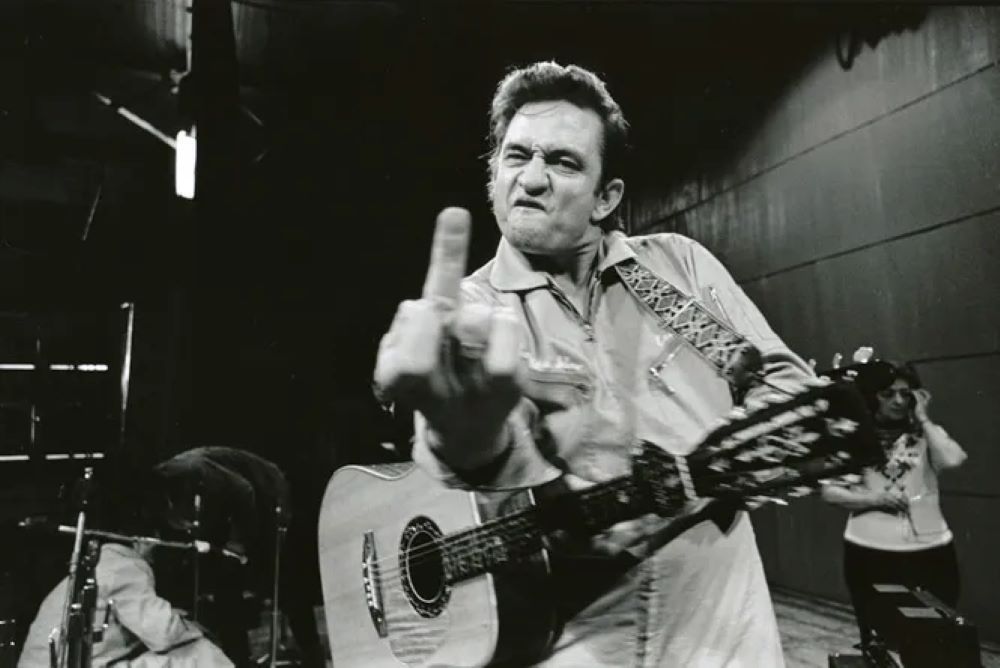
Song of the Day: Cocaine Blues (by Johnny Cash)


Johnny Cash’s “Cocaine Blues” rolling over Lucy gleefully mowing down the ghoul Elvis-faction is one of those perfectly twisted Fallout moments — absurd, violent, and darkly funny. The song’s tale of a killer singing about his own crimes while Lucy grins through the carnage gives the whole scene a warped playfulness. Cash’s deliberate rhythm, all swagger and doom, turns what could’ve been grim into something closer to a dance — a gunslinging ballet where the wasteland’s chaos feels almost celebratory. That contrast is what makes it pop.

In that moment, “Cocaine Blues” becomes more than just needle-drop nostalgia; it’s commentary on Lucy’s transformation. She’s still got that vault-born cheer in her step, but now there’s something unhinged behind it — she’s caught up in the thrill. The imagery of her gunning down rhinestoned ghouls to Cash’s steady beat blurs innocence and indulgence — she’s no longer reacting to the brutality around her, she’s participating in it with genuine abandon. The song’s tale of killing and comeuppance hangs over her like prophecy, reminding us that even the brightest smile in the wasteland can cast a long shadow.

As the gunfire fades and Cash’s voice trails off, the irony hangs in the dust. Fallout has always thrived on these juxtapositions — the sunny Americana soundtrack to utter moral decay. “Cocaine Blues” leaves the scene pulsing with contradictions: joy and violence, freedom and madness, music and mayhem. It’s the sound of Lucy crossing another invisible line while smiling all the way through it, and Cash is there to make sure we don’t miss the joke.

Cocaine Blues

Early one mornin’ while makin’ the rounds
Took a shot of cocaine and I shot my woman down
Went right home and I went to bed
I stuck that lovin’ 44 beneath my head

Got up next mornin’ and I grabbed that gun
Took a shot of cocaine and away I run
Made a good run, but ran too slow
They overtook me down in Juarez, Mexico

Laid in the hot joints takin’ the pill
In walked the sheriff from Jericho Hill
He said, “Willy Lee, your name is not Jack Brown
You’re the dirty hop that shot your woman down”

Said, “Yes, sir, yes, my name is Willy Lee
If you’ve got a warrant, just read it to me
Shot her down because she made me sore
I thought I was her daddy, but she had five more”

When I was arrested, I was dressed in black
They put me on a train and it took me back
Had no friends for to go my bail
They slapped my dried up carcass in that county jail

Got up next mornin’ ’bout a half past nine
Spied the sheriff coming down the line
Hopped and he coughed as he cleared his throat
He said, “Come on you dirty hop into that district court”

Into the courtroom, my trial began
Where I was handled by 12 honest men
Just before the jury started out
I saw that little judge commence to look about

In about five minutes in walked the man
Holding the verdict in his right hand
The verdict read in the first degree
I hollered, “Lordy, Lordy, have mercy on me”

The judge he smiled as he picked up his pen
99 years in the Folsom pen’
99 years underneath that ground
I can’t forget the day I shot that bad bitch down

Come on you hops and listen unto me
Lay off that whiskey and let that cocaine be

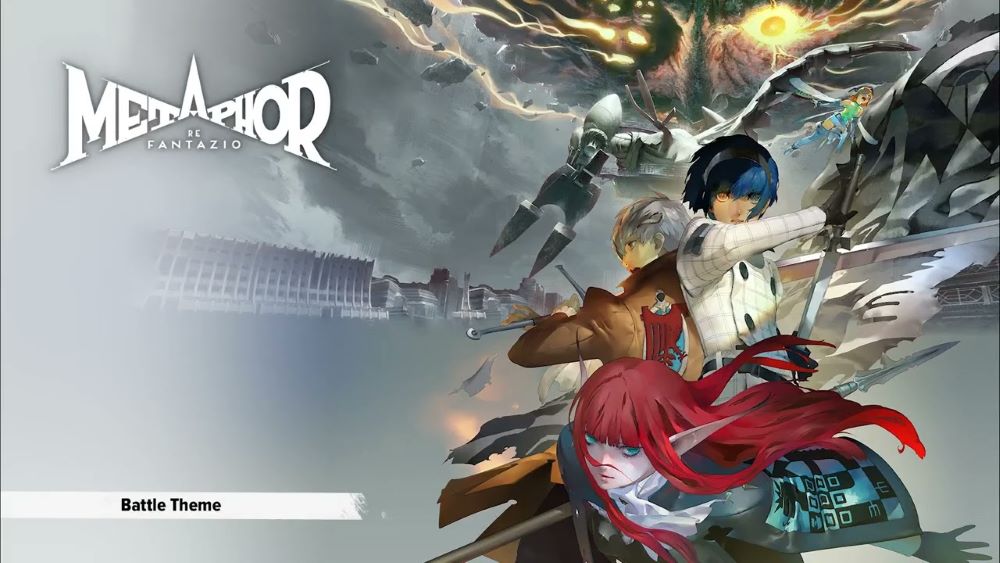
Song of the Day: “Battle Theme” from Metaphor: ReFantazio (by Shoji Meguro)


Metaphor: ReFantazio‘s “Battle Theme” erupts with thunderous brass and pounding drums, turning routine turn-based scraps into pulse-racing spectacles that pull you right into the fray. Shoji Meguro amps the drama by weaving in rhythmic chanting from Myōhō–ji temple’s chief priest, Keisuke Honryo, sung in the international language of Esperanto for that timeless, cross-cultural resonance which makes every Archetype clash feel profoundly ritualistic.

The rhythmic Esperanto vocals loop hypnotically over surging strings and synth pulses, cresting with victorious horns that time perfectly to weakness chains and squad synthesis attacks, mirroring the combat’s strategic highs. This primal chant roots the fantasy battles in spiritual depth, evolving Atlus’s sound beyond synth-pop into something hauntingly primal that lingers post-fight.

It anchors the award-lauded OST’s standout moments, those monk-delivered Esperanto lines lending legendary weight to even basic encounters—though their fervor can overshadow subtler scenes.

Song of the Day: Theme From The Godfather by Nino Rota


Today, the Shattered Lens observes the birthdays of two great actors, Robert Duvall and the much-missed Diane Keaton.

Along with being two of America’s best actors, Duvall and Keaton also co-starred in the first two Godfather films.  They didn’t share many scenes in the second film (though there was at least one Duvall/Keaton scene that was filmed but not included in the final film) but, in the first film, they have a memorable moment in which Keaton (as Kay) visits the Corleone compound while the Corleones are in the middle of a gang war, and asks Duvall’s Tom Hagen to send a letter to Michael in Sicily.  Hagen explains that he can’t do that because that would serve as evidence that he knew where Michael was.  When Kay notices a car that has obviously been bombed, Tom blandly replies, “Oh, that was an accident.  Luckily, no one was hurt!”

In honor of these two amazing performers and my favorite movie of all time, today’s song of the day is Nino Rota’s theme from The Godfather.