Quick Take: Halo: Reach


Sometimes, a full review isn’t terribly useful to people. Quantitative numbers on Halo: Reach from me aren’t particularly likely to sell more copies of the game. But I do think this game is worth discussing; it’s important, in a way. So here’s some thoughts, for which you are most welcome to join me.

Halo: Reach

I was only peripherally aware that Halo: Reach was launching. I mean, it wasn’t marketed, and it’s only a small-time game series… okay, no, of course, I was suffocated by the news. And I was as excited as any casual fan of the series. The problem is… I’ve never been a casual fan of the series. I’ve played thousands of games of Halo between Combat Evolved, Halo 2, and of course, Halo 3 (I only got Halo ODST because it was bundled for free with my new XBox Arcade), and that’s the telling point for me. By the time Halo: Reach came out, I wasn’t as excited for it as I should have been. I didn’t have it pre-ordered, I wasn’t enticed by the Legendary Edition (although I’m not much for collector’s editions of any kind). And the reason why is very simple, and it’s ultimately the most important thing that I can tell you about this game.

I already knew what to expect, and I wasn’t as excited as I used to be. Were you?

By now, Halo fans know exactly what to expect. The game is based around the balanced trinity of grenades, guns, and melee attacks. It is not a cover or tactical shooter, but rather a fast-paced action shooter with players protected by regenerating energy shields. In most ways, the popular multi-player shooter was defined by Halo: Combat Evolved. The graphics are an improvement, the features have expanded, and this is the biggest and best game that we’ve yet seen in the Halo universe. Bungie is run by very intelligent people; the fans don’t want the wheel to be re-invented. They want a new release that fixes perceived problems with previous titles, hands over a whole new slew of maps, re-imagines some of the weapons while leaving other fan favourites in place, and adds a couple toys that we haven’t seen before. In a lot of ways, Halo: Reach is like Madden 11. If you change too much, then you’re not playing Halo anymore, and then what’s the point? Bungie themselves obviously understand this; to go in a new creative direction, they must create a new series.

So what’s my bottom line with Reach?

Well, like all of the Halo titles, it has a surprisingly meaty single player experience. I know that people look at you funny if you even mention the story of Halo: Combat Evolved, but there’s more there than you might expect. It’s at least as elaborate as the story in any Call of Duty title. And the storytelling is done partially through the environments we travel through. Bungie has done a consistently good job of creating beautiful environments scored by epic music. The locations and places are familiar, and yet somehow very alien. It’s an excellent narrative when you bring everything together, complete even with single moments that make you get the tingles. For my money, Halo 2 was the weakest single player campaign, but the story bridged between the set-up in Combat Evolved and the conclusion of Master Chief’s story in Halo 3.

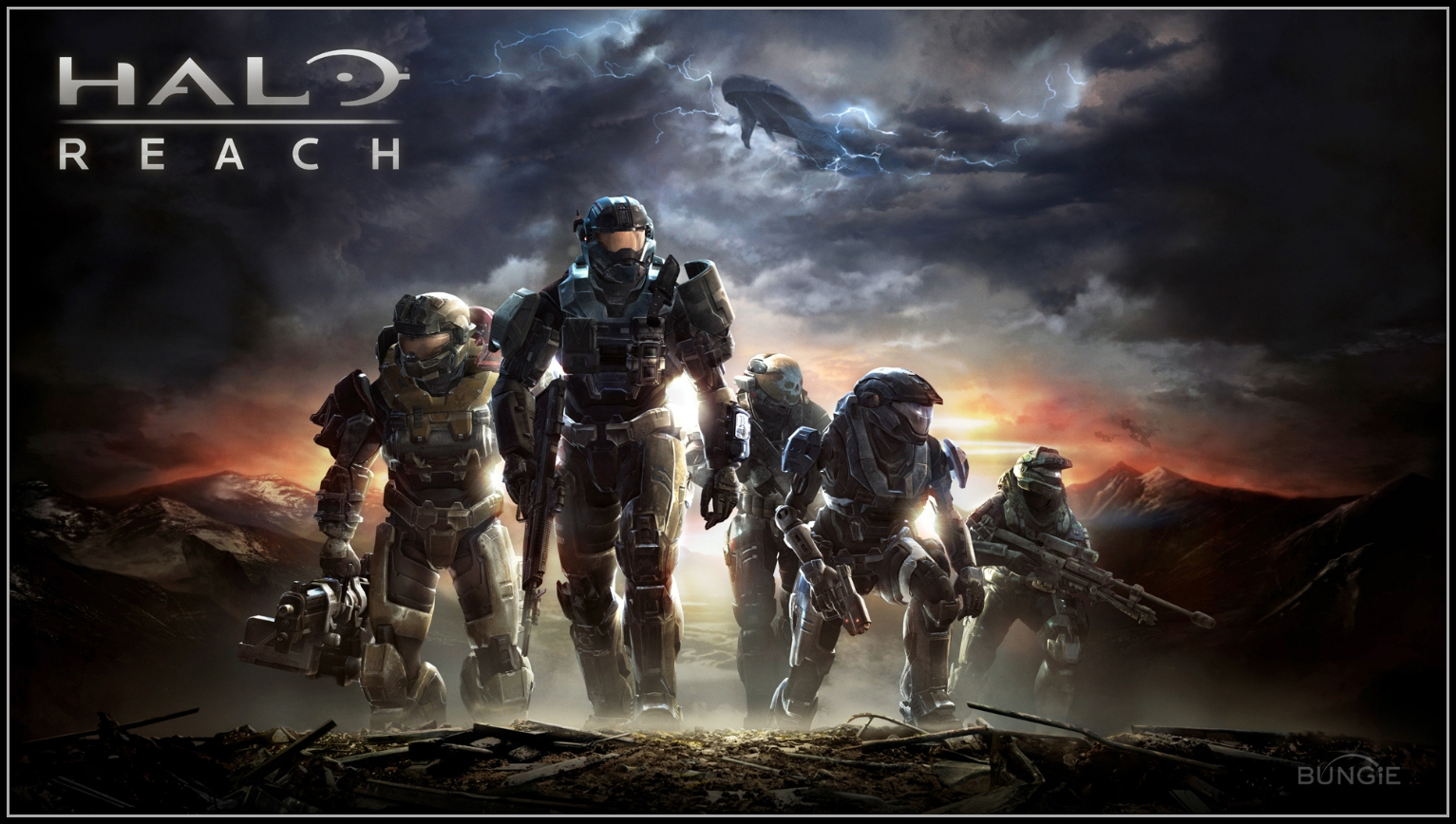
ODST took things to another level, adding more characters to the dynamic. We saw real interaction between characters, even if the player’s character, the rookie, is the typical “strong, silent type”. Reach, I think wisely, took its cues from ODST. We’re treated to an entire cast of powerful Spartan soldiers in their powered armor, with disparate personalities and motivations that make them interesting to us. But Reach also taps into something that we haven’t seen before in the Halo universe. Reach is a prequel. It’s a historical event in the universe, and we already know how things turn out. Disastrously. So woven into the narrative of Reach is a sense of despair. The Covenant is overwhelming. Each move the Spartans make seems like it could be the tipping point, but we’re always knocked back down by the inevitability of it all. It’s rather sad.

Now, from a gameplay standpoint, I had my problems with Reach‘s single player mode. I thought it went on ages too long (although, for me, it seems that I just don’t love Halo the way I used to) and grew tedious. But the narrative quality of the single player was good; far and away better than contemporary rivals like Call of Duty: Black Ops. It took a little time for me to digest the experience, but in the end, I thought that Halo: Reach was definitely worth playing, and makes a fantastic capstone to a series that has really been revolutionary in terms of a genre that is now one of the biggest around.

Oh, and the multi-player is good. I didn’t focus on it here, though, because as I said in the open, it is exactly what you expect. There are new wrinkles – and they’re good ones! – but all it boils down to is this: Do you still love Halo? Then play on!

Review: League of Legends


The Bottom Line

A top notch multi-player experience sometimes marred by its terrible community.

Unfocused Ramblings

When a friend of mine first told me about League of Legends during its Beta period in 2009, my interest was piqued, but I’d been drawn in by World of WarCraft, and it wasn’t until early in 2010 when I finally took the time to download the free client and begin playing League of Legends with my friends. I wish I hadn’t waited. Even years after I stopped playing WarCraft 3 or The Frozen Throne for their own merits, I had continued to occasionally play a game or two of Defense of the Ancients: All Stars. As powerful as the World Editor was in WarCraft 3, there were still always going to be limitations on how far Defense of the Ancients could progress solely as a custom map within a game published by someone else. The natural evolution of course was for some of the developers of Defense of the Ancients to go to work for Riot Games to produce their own title; an experience totally under their control but based on the same style as the wildly successful custom maps that preceded it.

If you liked Defense of the Ancients, the odds are pretty strong that you’re going to love League of Legends. It incorporates most of the things that made Defense of the Ancients great, and eliminates some of the inherent weaknesses of working within a real-time strategy engine. After all, WarCraft 3 is designed to have a little inherent command latency, and the engine itself limits what kinds of spells and special powers (as well as the physical skinning of) any and all heroes. Moreover, the core game-play statistics can’t be changed for the benefit of a single custom map (obviously), so League of Legends is a much more polished experience. Now we have Ability Power as a core game-play stat to increase the power of spells and helping to balance the scales between powerful physical damage heroes and heroes with ridiculous spell abilities in the late-game, among a thousand other things.

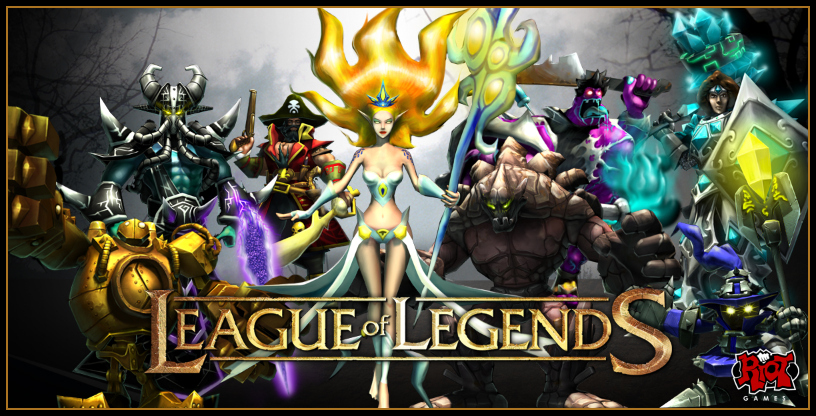
Okay, for the rest of you who didn’t waste many hours of your lives playing Defense of the Ancients, what is League of Legends? It’s a duel between two teams of either three or five champions supplemented by a limitless army of minions. Each champion is a heroic figure with five unique special abilities (as well as a variety of “core” game statistics, like movement speed, attack range, damage dealt, total armor, etc.) and your objective is to breach the defenses of the opposing army by knocking out their defensive towers to gain access to their base, and ultimately, to destroy the opposing Nexus, a capitol building, which ends the game in victory. Your Champions gain experience points to progress through 18 levels (at each level gaining or improving one of their special abilities) as well as harvest gold pieces which are used to buy items that enhance your Champion in various ways. Along the way to victory or defeat, obviously, you will be opposed by the Champions of the other team, controlled by other human beings. They represent your true opposition, and you’ll have to overcome them if you plan to win the day.

Playing matches levels up your Summoner (that is, the personification of the player) and allows you access to a tree of “Masteries” which offer little bonuses to various things that your Champions can do, as well as access to customizable “pages” of Runes. Each match you select a Rune page from your book, which provides fully customized benefits to your Champion such as increased Mana regeneration, a higher chance to dodge enemy attacks, and more. Your multiplayer games also net you access to “Influence Points” which can be used to buy new Champions as well as Runes inside of the League of Legends store. You can download the client and play the game for free even to this day, but Riot also allows players to purchase “Riot Points” from their store which can be used to purchase champions, alternate skins for them, and other bonus content within the store as well. New content is added very frequently, and the product is at a consistently high quality, which really speaks well of Riot Games and its staff of developers.

The Big Question

Aside from ‘why did it take even this long to create a title like League of Legends‘ ? The question absolutely must be: Where do we go from here? It’s a common theme amongst my game reviews; I know. It’s an important question, though. League of Legends is an impressively complete experience. The developers have adequately explored core game-play mechanics, and the game and its objectives themselves are somewhat non-negotiable. Obviously we can continue to enjoy new Champions and Items eternally, but this isn’t truly a source of growth. A third question might be, “where did all the trolls come from” ? One thoroughly maligned aspect of League of Legends is the community, many of which are players that came from Defense of the Ancients, who are a surly, foul-mouthed lot. It’s hard to defend the community, and people with a thin skin might want to avoid this game.

Overall Game-Play: 9.0

The game play very occasionally suffers from graphical or camera glitches. Since they’re always correctable (if only by recalling to base in some cases) it’s not a game-breaking problem, but it’s also the only real criticism I have for a game-play system that is very tight for the most part. Because the interface is designed intentionally for the player to command only their own Champion, you don’t end up targeting another unit and losing control of your hero (as could happen frequently within the WarCraft 3 engine). The four ‘active’ hot keys are consistent amongst every Champion (Q, W, E, R, matching the skills from left to right on your interface) and aren’t competing with internal game commands (as occasionally happened in WarCraft 3). In addition, there’s no inherent latency, so commands are executed crisply and cleanly (barring lag, of course) which makes so-called ‘skill shots’ (that is, abilities which must be aimed and strike the target to take effect) much more common and much more use-able than they ever were before.

The match-making system, champion selection screens, and other framework for the game also deserves a notable mention. Although it’s gone through a couple of iterations by now, the system works very well. New users will learn their way around quickly.

Story 6.0

Although the game obviously has no single player aspect to it, the creators still actually took the time to create a world in which the game is set. Each Champion comes with their own piece of back-story that fits into a larger overall narrative about a world in turmoil, the various nations within, and their larger-than-life heroes – who obviously bring their talents to the institutional League of Legends to test themselves against other such powerful figures. It’s obviously not a focus of the title, but the story is cohesive, and to my mind, appreciated. It’s nice to have a little understanding of who my favourite Champion is, how s/he gained their powers, and what their goals are. Of course, it’s all just fluff, and you can ignore all of the story elements of the game and never miss a beat in terms of game-play.

Graphics 7.0

The graphics are of the cell-shaded variety and look very nice. The most impressive graphics are, of course, the skins of the Champions themselves. Given how many custom looks are available for your Champions and the sheer number of Champions that now are available in the game, I have to give a little nod to Riot. Of course, there’s no real place in the game for incredibly flashy or ultra-realistic graphics, so you won’t see anything in-game that’s going to blow you away. That having been said, all of the models are nicely crafted, and the game’s graphics definitely have a polished feel. The graphical performance is smooth and doesn’t break, and the look and ‘feel’ is consistent across the character models despite their diversity.

Sound 7.0

The sound in this case comes from combat and spell sounds, a relatively quiet announcer (who nonetheless is unfailing in her ability to identify key gameplay situations), and a simple score. Oh, and the unique voice acting for every single one of the League’s champions. Obviously this last part is what you’re going to deal most with, as your Champion responds to everything from you initially selecting them before the game begins to moving about, attacking, or casting spells. We’re not treated to an epic score in the background that fires our passions as we play, but the sound, like the graphics, is a polished effort that doesn’t disappoint.

Multi-Player 9.0

Well, in this case, there is literally no single player aspect to the game, so I suppose this could stand as an overall score for the title. Personally, I find little to complain about. The most important thing for you to know, though, is that Riot is dedicated to keeping this game updated, changing, and improving. I touched on this briefly in my open, but it’s important to expound on the point. Riot patches League of Legends frequently, tweaking abilities and items in order to provide the most balanced experience. Just as importantly, the stream of new Champions is very steady, which ultimately is the only method by which the game can expand. Obviously, there’s not much (if anything) that is going to change about the way the game is played from start to finish, so everything is in the details here.

Review: Call of Duty: Black Ops


The Bottom Line

We’ve left World War II behind, but we’re still a long way from what you might have come to expect from Modern Warfare.

Unfocused Ramblings

It wasn’t a love of Wold War II or shooters or tactical game-play or basically anything else that forced me to indulge in the Call of Duty franchise. It was the multi-player, and the necessity of playing with friends that initially sucked me in. Much like Halo, it seemed like I was on the outside looking in if I refused to play whatever the latest “hot” shooter was. As a person who is primarily interested in partaking of these games with friends, the particulars from shooter to shooter often don’t matter. I imagine there’s more than a few people reading this review who feel the same way.

Well, if the particulars of your shooter aren’t as important as playing the latest title with your friends then fear not; Call of Duty: Black Ops is a shooter. It’s more or less what you’ve come to expect, and your friends are going to play it anyway.

If you’re curious as to whether you’ll truly love this shooter, however, feel free to read on. It presents a significantly different experience than you are used to from Call of Duty: Modern Warfare 2. Some people are going to love the changes presented by Call of Duty: Black Ops, and some people are going to hate it. I earnestly suspect that few people will feel lukewarm about it.

The big differences? Well, Black Ops does its best to eliminate the practice of “quick scoping”, and reduces both the power and accessibility of kill streak rewards. Combined with faster access to the best weapons, and Black Ops basically wants its players to have the best of everything quicker, more easily, and to less ultimate effect than its predecessor. If you enjoyed the advantage of quick-scoping with your sniper rifle, or the fact that some of the strongest weapons were not available from the start, then you may have trouble adjusting to the new environment in Black Ops. Your sniper rifles aren’t going to be as strong, and your run-and-gun types are going to fare better. Submachineguns are going to be stronger than ever.

Interested yet? If so, buy the game, play with your friends, and love the fact that your franchise is going to churn out a game every year. Not everyone has that luxury!

The Big Question

Tell me how often we can re-play the same shooter before we get bored. I, personally, am tired of Halo. Is this inevitable for Call of Duty as well? The weapons are different, and the feel is earnestly different from Modern Warfare 2, but these games share so many themes that it’s inevitable that we ultimately tap this resource out. How do we proceed from here, and in what direction? Do the players prefer the Modern Wafare feel where the killstreaks actually diminish player importance (even as they make you feel like a badass) and low-profile sniping wins the day? Or do people prefer running and gunning with aging machine guns, destroying a host of foes on the move, while killstreak rewards, while powerful, are not always going to be game-changers?

Overall Game-Play: 8.5

Well, the control scheme for shooters has been established. We know that we have to learn what guns we’re best with, and what strategies counter dangerous weapons well. In other words, the formula for shooter controls is well-defined, and it’s not particularly wise to branch out. Maybe we differ on what button B and button X should control, but I think we’re going to agree on the function of the sticks.

Call of Duty: Black Ops is eminently predictable in terms of its control scheme, and you’ll have to work hard to convince me that’s a con. Why deviate from a scheme that has produced so many hours of pleasure?

Story 6.5

You won’t be astonished by the single-player campaign. Of course there are twists and turns in the story. Of course, it’s competently told. But if you’re looking for innovation in level design or game-play, then you are definitely looking in the wrong place. The game-play is tight, and the story is fine, but I can’t necessarily recommend Black Ops if you’re not intending to partake of the multiplayer modes.

The single player campaign follows the adventures of Alex Mason, a CIA Black Ops guy from the 1960s, and begins in no place other than Soviet-allied Cuba during the Bay of Pigs invasion. From there, you’ll battle through the typical assortment of urban and exotic environments while battling with a variety of (mostly) similar opponents. The game does throw a few curve balls in terms of the enemy selection, which is nice, but I doubt that you’ll be blown away by the foes you’re battling.

The story hook is, to my mind, significantly better than for some of the previous installments of Call of Duty, and it does use at least one significant character from World at War whom fans will remember. I have already heard rumblings that the game plays more like a rail shooter than a truly interactive experience. If you’re looking for an open-ended style of gameplay, then games like Far Cry 2 or Mass Effect (or even Battlefield: Bad Company) may suit you better. Call of Duty is a basically linear game where you’ll spend most of your time on foot or in vehicles following the lead of other characters, shooting a number of baddies before moving up to the next checkpoint. The major differences come in the fine details of these sequences, including the weapons at your disposal.

Graphics 8.0

The graphics are smooth and fluid, and the loading times extremely bearable. In a game that is perennially most anticipated for its multi-player mode, there’s not much else to ask. I compliment the level design in both the single and multi-player modes. Still, fans of the series (and, particularly,  Modern Wafare 2) are unlikely to be blown away by the graphics. They show the expected improvement on the same platform (in this case, the tangible differences are few), and not much in the way of unexpected innovation.

Sound 5.0

The score is as forgettable as the previous title in the series. But that’s not why the sound receives such an underwhelming score. The voice acting leaves much to be desired. Predictably, the lines are well-acted, and the accents are convincing, but whether by design or no, the game features far too few lines to comment on game-play. This is most notable in multi-player modes, where the game’s announcer fails to reveal critical information about game objectives anytime that it is even slightly inconvenient to do so. I can assure the developers at Treyarch that every single player in multiplayer modes would prefer to hear repetitive lines every few seconds if it meant an auditory acknowledgment that game objectives were in jeopardy. Considering that the voice actors obviously have lines recorded for any game-play situation, it seems like a debilitating oversight to simply [i]fail[/i] to play acknowledgments in key situations.

Multiplayer 9.0

Well, the game is built to be a multi-player juggernaut. From this vantage point, there’s not much to complain about. Did the match-making initially suffer serious problems? Yes. Could the game use a few more maps; particularly those geared toward one objective type or another? Absolutely. But we’re a few patches in by now, and most of the technical bugs in the match-making system seem to have been resolved. Still, since multi-player is one of the biggest points of contention on this title, let’s break things down, shall we?

Pros?

– The level design is tight and features few discernible bugs or exploits. Although we always hunger for more maps, the ones the game ships with provide a reasonable variety of terrain and encounter types.

– A new multiplayer feature, Contracts, provide yet another way to show your skills without interfering with level, prestige, or challenges. Completing contracts affords the player more in-game cash to spend on the latest equipment as well as aesthetics like emblems.

– Treyarch seems relatively responsive to potentially destructive multi-player issues so far.

– The kill-streaks, although noticeably less game-changing than in Modern Warfare 2, still manage to feel powerful and useful to the player.

– The performance of most kill-streak rewards shows some improvements. The attack helicopter is noticeably more lethal than before, the napalm strike provides an interesting and mostly-reliable option for map control, and the SR-71 (the natural evolution of the Spy Plane / UAV) is one of the most powerful kill-streak rewards we’ve seen yet, even if it lacks flash.

– Although the kill-streaks are powerful – and period specific – they lack the raw potency of the Modern Warfare 2 equivalents. There is no equivalent to the Tactical Nuke in Black Ops. In the main, I feel this is a positive step for the franchise. I always felt that the overwhelming power of the Modern Warfare 2 kill-streaks encouraged boosting and camping to a degree that diminished my enjoyment of the game. If you loved those aspects of Modern Warfare 2, then you will likely be unhappy with the high-end killstreaks available in Black Ops.

– The customisable emblems provide an endless opportunity to express yourself. This can sometimes be a con as well. 🙂

Cons?

Long-range combat is, for the most part, a thing of the past. The weapons, perks, styles, and maps all lend themselves toward a closer range of combat as compared to the Modern Warfare games.

Although the kill-streaks remain powerful, they definitely lack the allure and “badass quotient” of the kill-streak rewards available in Modern Warfare 2.

– While some players will relish the closer and more intimate combat, the game lacks quick-scoping and long-range weapons that define the modern firearm age.

– Despite some improvements, the multiplayer spawn system is still unacceptably flawed. Some of the spawn locations (particularly in objective-based games) are poorly chosen, and the spawn timing will sometimes have enemies spawning right behind you with no rhyme or reason.

– As mentioned before, the in-game announcer is mailing it in this time around. You should pay careful attention to the situation, because you can’t always rely on the audio to warn you about game developments.
Review: Civilization V


The Bottom Line

A worthy successor to Civilization IV, but far from a bold step forward for a classic game franchise.

Unfocused Ramblings

Years and years ago, I picked up a copy of Civilization II and convinced my dad that I really needed to own it. I’d heard from my cousin that it was a great game, and that (as a strategy fan) I really needed to give it a whirl. I loved the game. I probably ran a thousand civs to their completion, cheat mode or no, and I became intimately familiar with the inner workings of the game. Oddly, I learned as much about obscure World Wonders from Civilization II as I did from any class I took in secondary education. In perfect honesty, I didn’t enjoy Civilization III nearly as much, and I became somewhat disenfranchised with the whole series after playing it. A few years later, jaded as I was, I saw Civilization IV on the shelves at a local Best Buy and I decided, “Yeah, it’s time.”

Civilization IV brought me back to the series. From the opening screen with the Baba Yetu chant, I fell in love.

Well, Civilization V is missing Leonard Nimoy’s voice in the narration (and this is a brutal loss, but Mr. Nimoy certainly isn’t aging in reverse). But otherwise, it feels to me like a game that understands its audience. It’s like the developers actually played the game and tried different strategies, civilizations, levels of difficulty, and victory conditions, and realized there were areas where the game-play could be tremendously streamlined. Aside from a couple of major pet peeves – don’t worry, I’ll get into them –  it feels like a natural evolution from the model of almost-perfection that Civilization IV presented.

Unfortunately, while this latest installment represents a step forward in many areas, it is a step back in several others. Most painful in their absence are any presence of religion. I understand all too well how thorny a topic religion is. How is the developer supposed to handle this? Providing distinct characteristics is inevitably going to draw accusations of religious bias, deserved or no, and is not a realistic option. Making all religions do the same thing is going to draw the same sort of criticism and, from a game-play standpoint, it made Civilization IV too easy – spread your religion, and you ensured victory!

At the same time, religion is a cornerstone of all of human history. To simply excise it is… disappointing, and probably the thing that I liked least about this latest title. Rather than providing total customization in the vein of Civilization IV we are forced to accept certain limitations. Culture points are banked and spent on civics, rather than allowing our level of technology and personal preference determine our government’s style, which creates a much more limited scope for your civilization. It just doesn’t have the epic “evolutionary” feel that I always had when advancing a civilization in Civilization IV.

A part of me regrets that Civilization IV was so good. I want the franchise to continue to grow, and it’s hard for me to admit that we may have just hit a ceiling. In terms of our own personal technology, we can hit strides forward, but there’s very little opportunity to gain a greater understanding of the history of the human race.

The Big Question

Where do we go from here? To be honest, I didn’t see a tremendous potential for expansion from where Civilization IV took us. Are we doomed to just re-live a classic game franchise, or can we re-invigorate it? Are there untapped gems of potential in human development that the developers haven’t considered?

Overall Game-Play: 9.5

Yep, I’m giving it an almost-perfect score. I’ve played a dozen civilizations or more, and I’ve yet to encounter an aspect of game-play that frustrates me, or causes me to stop and wonder why I bother playing. I understand that many people are evaluating games purely on their multi-player merits right now, but this is a game that delivers primarily in the single-player “us against them” mode.

The biggest problems you’ll encounter in the game focus around the A.I.’s style of play – which can make achieving cultural or other “peaceful” victories frustrating – but while I have heard others complain about this, I haven’t found it to be a tremendous stumbling block.

Story N/A

There is no “campaign mode” so we don’t have a true evaluation of story. However, this game does allow you to explore an alternate history of the human race in an infinitely varied way. I’ve given this an N/A, but it probably deserves some honourary points for letting you develop your very own story.

Graphics 7.5

You’re almost certainly not playing this game for its visuals if you are playing it. It is, after all, a strategy game, and a darn fine one. The visuals are beautiful for the most part – certainly not an area of complaint – but they’re hardly a focus of the title, and I’d struggle to recall one particularly stunning sequence. I also don’t think that you will be disappointed by the graphics, however, unless you have other issues with the core game-play.

Sound 7.0

If you’re a Civilization IV die-hard, then you will definitely feel the lack of Leonard Nimoy in this title, and the absence of Christopher Ting’s enchantingly beautiful rendition of Baba Yetu at the title screen. In fact, I found very little that ‘stood out’ to me as far as the audio effects in this title. The score was fine, if forgettable, and I found myself feeling bad for anyone who would be tasked with scoring a Civilization game or voice-acting for it after the release of Civilization IV. All of that negativity having been aired, I will say that while Civilization V‘s score lacks the epic feel of its predecessor, its audio is far from disappointing, and you’re unlikely to be overly disappointed once you get past the absence of Nimoy’s impeccable delivery.

Multiplayer 5.0

Unfortunately, the multi-player mode is still a huge weakness of the series and the genre. In all my years of gaming, I still struggle to name a single turn-based game that has suffered the transition to multi-player well. The genre just doesn’t lend itself to an exceptional multiplayer environment. If you have an insatiable lust to compete against other players – despite streamlining and advances in the multi-player environment – this just may not be the title for you. The experience against the A.I. works at a leisurely pace you may enjoy, and ultimately involves a lot less hassle. That having been said, don’t shy away from challenging your friends to a Civilization match – as long as you have the time! Just be aware that this is no quick feat.

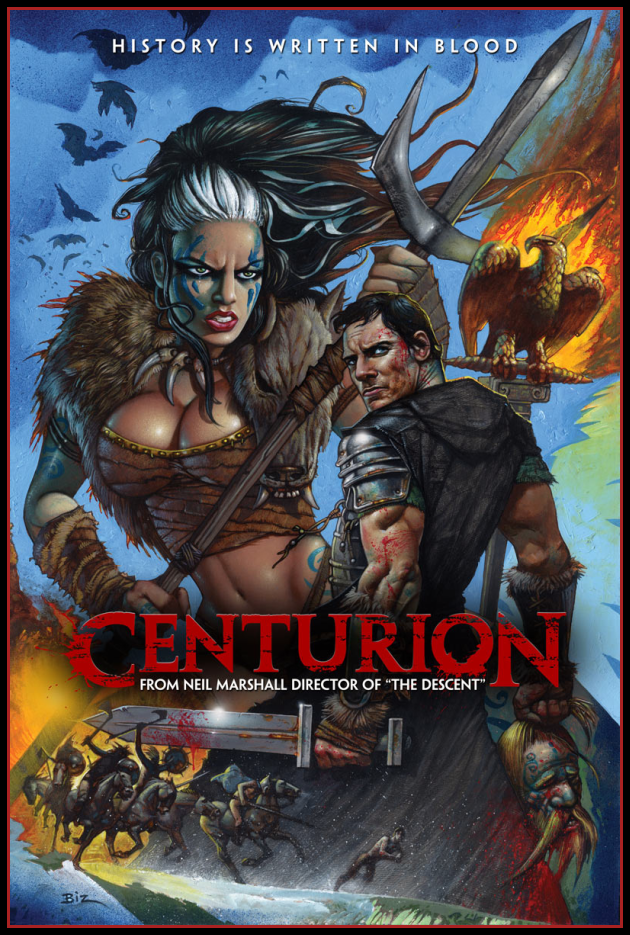
Quickie Review: Centurion (dir. by Neil Marshall)


I’ll outright say and admit that one of my favorite filmmakers has to be British-filmmaker Neil Marshall who burst into the scene almost a decade ago with his genre mash-up werewolf film, Dog Soldiers. Since then he has come out with a film every couple years which follows what’s becoming a trademark style of his.He would take a well-worn and used genre and mash it together with a few others to create a film that’s wholly his own. He did this with his follow-up films in The Descent and Doomsday. Now it’s 2010 and we have his latest film and it follows his usual style. Centurion is an adventure, chase and men on a mission film that doesn’t reinvent the genres it’s smashing together but instead embraces their traditions and creates a rip-roaring yarn which moves at a frenetic pace with characters who grow and expose their motivations as the film progresses to it’s bittersweet finale.

Neil Marshall will always be known to fanboys and the action crowd even if the elites of the film industry continues to dismiss the man as nothing more than competent filmmaker. In Centurion he shows that he could work within a traditional sword and sandal story and still show his signature style. We have it’s main character of Roman centurion Quintus Dias (played with a subdued and introspective seriousness by Michael Fassbender) who gets captured by the Picts of Britain during Rome’s occupation of the island. Unlike most Romans captured by the guerilla-warfare conducting Picts, Quintus has learned to speak Pict thus has become a valuable capture. But his loyalty to his Empire and its people dashes the hopes of the Picts ever learning anything from Quintus and decides to play some sport with him as the hunted prey.

It’s during the hunt for Quintus by a band of Pict warriors that he stumbles upon the Roman Ninth Legion led by General Titus Flavius Virilus (Dominic West). Once freed from his captors and hunters, Quintus is more than happy to rejoin his fellow Roman centurions in their hunt to once and for all destroy Pict leader Gorlacon (Urlich Thomsen) and his Pict army. To aid them in their search for this enemy army is the mute Brigantes scout, Etain (played with silent fury by Olga Kurylenko), who knows the lands where the Picts hide and do their hit-and-run raids.

It’s once the whole Ninth Legion has been led into the thick forests by Etain that the trap was sprung with Etain herself the catalyst for what amounts to as the massacre of the Legion. It’s this event which Marshall in his own way tries to explain one of history’s mysteries: The mysterious fate of the Roman Ninth Legion. Historians have never agreed as to why the Legion disappeared from Roman and historical records and Marshall’s film is one theory.

The rest of the film has the handful of the Legion who has survived trying, at first, to free their general from Pict captivity and when that mission fails with deadly results the remaining men who has chosen to follow Quintus try to make a run back to Roman lines. On their heels like a she-wolf leading a pack of wolves is Etain whose thirst for vengeance for what the Romans did to her (raped her as a young child and cut out her tongue in addition to wiping out her family and tribe) pushes her to get these Romans with near-supernatural drive. It’s rare to find a film where the main villain is a woman, but one whose abilities surpasses that of the men she’s hunting and whose motivations make her more than a tad sympathetic to her cause.

Centurion does action well with sequences involving a jump off of a steep cliff and into the river below to last stand inside an abandoned Roman fort. Marshall knows how to stage and shoot these scenes so we never lose sight of where the participants are. Most filmmakers nowadays try to hide their inability to choreography action sequences by using quick cut editing, hand-held camera jittery viewpoints and, at times, just shooting it from a distance. Neil Marshall doesn’t do anyone of these gimmicks and tricks which just shows that while his hybrid style in terms of storytelling might be new and refreshing he still embraces the traditional ways if it serves his films properly.

The acting in this film was quite good from not just its leads in Fassbender and Kurylenko but from everyone. This film’s ensemble cast includes veteran British actors just as Liam Cunningham, Paul Freeman and David Morrissey. Other supporting players such as Imogen Poots, Urlich Thomsen and Dominic West do a great job in the limited roles they’re given. The fact that Kurylenko utters not one word in her scenes yet commands each and everyone she’s in shows just how well Marshall can direct not just action pieces but how to direct his actors in doing their jobs.

This film doesn’t do anything to reinvent the action genre that is it’s foundation, but what it does is show that action films sometimes could be just as good when it’s filmmaker leans on practices from traditions past. Outside of the CGI-blood used to show the brutality of the fights and deaths this film is quite lacking in the CG department. Shot on location in the highlands of Scotland and studios near and around London, Centurion is quite a throwback to the sword and sandal films which dominated the film industry during the late 50’s and most of the 60’s. Marshall’s latest will not win any mainstream awards, but the genre crowd will definitely embrace it as something that will entertain and thus welcome it with cult status.

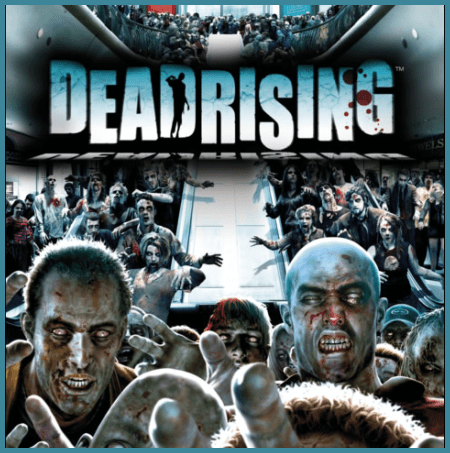
Review: Dead Rising


Capcom’s Dead Rising stands as one of the most fun titles to come out for the Xbox 360 since its initial release in late 2005. From the makers of the Resident Evil series for past console systems, Capcom has taken a new approach in adding to their growing library of zombie titles. Dead Rising is a semi-freeroaming action-horror game which takes the classic premise of George A. Romero’s Dawn of the Dead — survivors trapped in the mall teeming with flesh-eating zombies — and makes a fun and exciting game.

The game takes place Willamette, Colorado, population 53,594 where nothing exciting happens in town outside of visiting the local mega-mall which seems to dominate the entire town. Dead Rising uses a time-based mission system and the intro cutscene in the beginning of the game hints at this. You play as freelance photojournalist Frank West, who never fails to mention that he’s covered riots, wars, and all sorts of dangerous events, who gets a tip from an unknown source that something big is happening in little old Willamette. The intro both introduces Frank West, flying over the town to bypass the military blockade and cordon of the town, and the controls for the photography mechanics of the gameplay. It’s in this hands-on tutorial part of the intro that we see a bird’s eye view of the crisis that has befallen Willamette. From there you’re dropped onto the roof of the Willamette Mall where you meet one of the few survivors of the town. The rest of the game moves on from there at a very frantic pace.

It’s the game itself that shines for Dead Rising. Despite a save system that could’ve been done much better (more on that later), Dead Rising‘s gameplay mechanics has quite a bit in common with Rockstar’s Grand Theft Auto series. From the get-go the player as Frank can just go down into the mall and begin killing zombies left and right, and everyway from Monday through Sunday. All manner of items stocked in the mall walkways and stores can be picked up and used either as a weapon, a change in clothing attire, and/or food. This is where Dead Rising will get most of its mention for being fun. When Capcom programmers decided to allow the player to use anything that could be picked up as a weapon they meant it. There’s over 200 useable items to be picked up as a weapon. These items range from the gore-inducing lawnmower (an homage to Peter Jackson’s Dead Alive zombie film), chainsaws, and excavators (a garden tool that has one of the bloodiest and funniest killing animation) to the ridiculously funny use for CDs, shower-heads, novelty masks, teddy bears and skateboards. There’s also the more traditional weapons such as a pistol, shotgun, submachine gun, machine-gun, swords and axes. Being a game developed by Capcom, Dead Rising has more than a few wink-wink acknowledgement to other Capcom games such as Mega Man and Resident Evil.

One could spend all their time just killing zombies, but the strict time-based missions in the game might make zombie-killing take a backseat to actually solving the mystery of what’s caused the zombie outbreak in the town. There’s two types of missions Frank could try solving. There’s the mandatory “Case Missions” which deal directly with him trying to solve the mystery within the 72-hour time limit. Each case mission must be solved in a linear order to open up the next case. The second set of missions are named “Scoops” and act more as sub-missions that can be taken on and accomplished or ignored. They really don’t affect the availability of further case missions. What they do give Frank are prestige points that can go a long way to levelling him up to gain more skills and abilities. Most scoop missions usually entail finding scattered survivors within the mall and leading them back to the safety of the security office near the roof. Some survivors could be armed with extra weapons Frank carries and defend themselves when attacked, and some survivors are so incapacitated that Frank must carry them to safety. While carrying a survivor Frank will be unable to use a weapon so this type of mission usually takes several tries before the player figures out the best path to safety. Like most game AI, the survivors need a bit of constant attention from the player to make sure they’re actually following you and not stopping every second to fight the closest zombie. It’s not a gamebreaker but the survivor AI could’ve used some more tweaking to make them follow much better.

As mentioned above, Frank can level up to a level cap of 50 by acquiring prestige points (called PP in the game). Prestige points can be acquired through many different ways within the game. Taking pictures of different nature and quality will give Frank prestige points as high as several tens of thousand. Shots with poses that follow a certain genre gives more points than those that are just generic poses. Such genres that shots can be taken of are shots of burtality, horror, outtakes, drama and erotica. Erotica shots are pretty much just photographs taken of survivors and zombies (creepy) in sexually-suggestive poses. Brutality shots are usually pictures where extreme violence and fighting poses are framed and photographed. Horror is pretty much self-explanatory. Drama shots usually involve pictures with survivors and main npc characters in dramatic poses. Outtakes usually entail photographs taken of survivors and zombies involved in any sort of funny situations. Usually them slipping and falling down or wandering around aimlessly with novelty masks over their heads.

Other ways to gain prestige points will be to finish case missions and scoop missions. The PP reward for finishing part or all of each mission usually range from several thousand to as high as 50,000 PP. The high amount of PP reward for taking on and accomplishing these two types of missions go a long way to levelling up Frank. The most fun way of getting PP, though not as much and takes a long time, will be to kill zombies. For every 50 zombies killed Frank gets 500 PP and everytime Frank reaches 1000 zombies killed he gains 20,000 PP. It’s a much slower path to gaining PP but it’s surely the most fun of the three ways.

The main storyline in Dead Rising is actually a very good one. Like most games outside of the role-playing game genre, storylines were usually the weakest of all the games had to offer. In Dead Rising, Capcom was able to create an intriguing storyline that didn’t rip-off the Dawn of the Dead story that the game will always be compared to. There’s conspiracies, betrayals and just outright weirdness to help tie together the mystery of why Willamette, Colorado has suddenly gone zombiefied and why the U.S. military and government were quick to quarantine the whole area.

The game itself leans more towards comedic horror than outright horror. There were some cutscenes and plot developments that were downright creepy and scary, but most of the time you’ll just laugh in glee at all the carnage you’re causing within the mall. The characters of Frank West and those npcs he has to deal with in the context of the case missions were pretty well drawn both in animation and personality. As the game progressed and certain characters were put in danger it was hard not to feel saddened by such tragic events. It helps that the voice-acting in Dead Rising was pretty high quality. The spoken dialogue during the cutscenes were pretty well done and one could sense that Capcom wanted to really capture the cinematic tone they were going for with Dead Rising.

Now to the one glaring negative in Dead Rising. The save system in this game could be called unforgiving and that’s saying it lightly. The game only allows for one save per memory unit. This means that you can only save the game once if you only have the 360 HDD as your memory unit. This means that once you save over a previous save then thats it. If you’re current save doesn’t give you the chance to finish your current case mission then you pretty much have to start the game over. This would sound terrible if not for one saving grace. Dead Rising allows the player to start the game over with all skills, abilities, levels and PP acquired to be transferred over to the new game. This lessens the impact of having to start the game over. It also helps in power-levelling Frank to a level high enough that you can breeze through the case missions. Starting the game over and over with stats and skills included also gives the player a chance to try different methods of solving a case until finding the one thats easiest to do. I know of players who have done nothing but just kill zombies and try on a few case and scoop missions to gain PP to level up then start the game over then repeat the cycle again. This makes the game much easier in the long run, but also takes time.

The graphics in Dead Rising is good to above-average. Capcom went away from making the best-looking graphics and instead opted to go for just good with most of the 360’s power under the hood set aside for the zombies. The game has lots and lots of zombies on-screen and when I say lots I mean in the hundreds, if not thousands. There’s barely any slowdown in frame-rate as the action on the screen gets heavy and crowded. The look of the mall itself was also well done. Each store and utilitarian room has their own unique look with most items rendered with enough detail to be recognized as either weapon, sustenance, etc.

Overall, Capcom has created a great game with their action-horror/comedy Dead Rising. With a choice to either play the game in the free-roaming style of Grand Theft Auto to a more time-based, linear mission-style of an action game this game more than makes up for unforgiving save system its developers decided to give it. Outside of the save system which keeps this game from reaching excellent status, Dead Rising is a great and fun game that should remain fun to pick up long after the player has finished its main mission. With a sequel already set to be released on the tail-end of summer 2010, this game is a good way for one to reacquiant themselves with some zombie-killing.

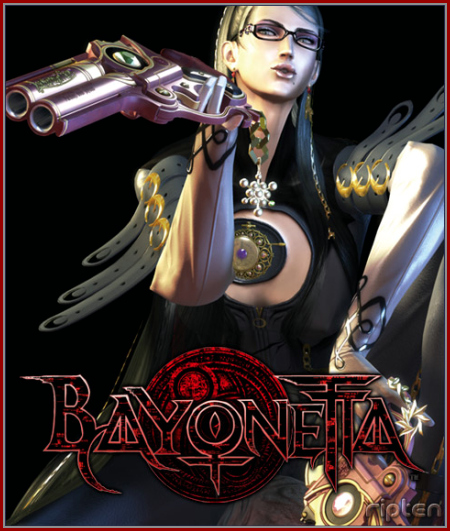
A Non-Stop Infinite Climax Review: Bayonetta


Hideki Kamiya is a name well-regarded by hardcore gamers everywhere. He was the man responsible for giving gamers the iconic action game series, Devil May Cry. The series lasted through four games and released to three different console systems (PS2, PS3, Xbox 360/Windows PC) and was seen by many gamers as one action series on par with Tomonobu Itagaki’s equally iconic franchise, Ninja Gaiden. In 2007, Platinum Games made an announcement about a game being directed by one of its founders (who happens to be Hideki Kamiya himself) that would make it’s way exclusively to the Xbox 360, but which in months ahead would get a PS3 port by way of the game’s publisher, SEGA. This game would turn out to be Bayonetta and looks to be the spiritual successor of Kamiya’s previous franchise, Devil May Cry.

The game received much buzz and fanfare from many gaming sites and bloggers. This was a game that would be a continuation of what Hideki Kamiya was doing with Devil May Cry over at the now-defunct Clover Studios at Capcom. With no news of another installment to the DMC series in the offing it was now up to Bayonetta to satisfy action game junkies the world over. Using the provocative titular character as a selling point for the game, Platinum Games’ was able to keep the title in the public’s consciousness but not so much that oversaturation would set in to create a backlash against a game that wasn’t even out yet when the middle part of 2009 rolled around.

After a couple of release date delays it is now January 2010 and the game has finally been released to both current generation console system in the Xbox 360 and the PS3. The game has turned out just as advertised and promised by Kamiya and his Platinum Games team. It is an action-packed title eerily reminiscent of Devil May Cry both in its presentation and it’s extremely fast gameplay. With Bayonetta developed independently of the much larger and previous employer of Kamiya and his team, the game uses the well-used over-the-top storyline and characters from DMC and adds a very oversexualized sheen to everything from Bayonetta herself to some of the many bosses and cutscenes in the game.

The game’s storyline takes place in a recognizable, albeit alternate Earth, where two clans of witches (the Umbra Witches and the Lumen Sages — Dark and Light respectively) have kept the world’s divine balance in check through the centuries. Using the prologue (and tutorial chapter) to explain some of the particulars as to what caused the destruction of both clans, the player learns some of the mystery behind the character of Bayonetta. She herself is one of the last remaining Umbran Witches who also happens to have forgotten her past as one. All she knows is that she acts as a sort of indepedent contractor for the daemonic side of the equation and hunts and kills the many angels sent by Heaven after her. The rest of the game is Bayonetta’s quest to learn more about her lost memories and to solve the puzzle of why Heaven is after her. Along the way much violence and mayhem ensues with her in the center and all of it heavily tinged with some of the mose provocative cutscenes, camera angles and dialogue outside of Japanese eroge‘s and dating sim games.

The gameplay is easy to pick up with the Y-button and the B-button on the Xbox 360 controller providing both punch and kick attacks respectively. The A-button is where the jump command is mapped to with the X-button relegated to action commands when not in combat and firing a simple pistol when in one. Players who are usually just button-mashers should be able to pull off tons of combos just randomly pressing all four buttons every which way but loose. True action game experts have access to pretty much all the combos in the game right from the beginning and will have a time of their life mastering and chaining all of them to try and get the best combo score in the several Verses which make up the sections in each Chapter (Stage) of the game. It’s pulling off these combos which fills Bayonetta’s magic meter and when full she can pull off the myriad of special finishing moves called Torture Attacks. These attacks are some of the more bizarre and inventive gameplay actions Platinum Games have brought to the action game genre. One Torture Attack has Bayonetta drop an Iron Maiden device behind her target which she then kicks repeatedly until they fly back into the device before it slams shut to kill them.

The one aspect of the combat mechanics in Bayonetta that helps both newbie and hardcore gamers alike is the addition of the “Witch Time Dodge” that could pulled off with the simple pull of the right trigger on the Xbox 360 controller. When a player pulls the right trigger (to dodge an attack)and successfully dodges an enemy who is about to land a blow the gameplay will purposely slowdown  and the screen enter a purple-hazed time-delayed moment. It is in this moment which lasts between 5-10 seconds depending on the level of enemy being dodge that a player stays in regular speed while everything else on the screen stands still. This will allow a player to pull off a godly amount of attacks and combos not to mention avoid getting hit. Mastering the “Witch Time Dodge” is a necessity in the later stages of the game as enemies get stronger, faster and smarter in combat. Hopefully once a newbie player gets that deep in the game they’ve learned the nuances of the game and, at the very least, has gone beyond just button-mashing.

Each Verse in the 17 Chapters which make up the full game brings in an assortment of huge screen-filling Angelic Boss fights which raises the hectic and chaotic fights a player experiences. Some boss fights could end as quickly as under a minute depending on where the game’s difficulty level is set at to almost ten or more minutes. These mid-chapter bosses are not cheapies but could be as difficult to defeat as the big bosses which brings each chapter to a close. One thing which separates Bayonetta‘s fights, both regular and boss types, from other action games of its type is that they never feel cheap. They’re hard enough to do without being so mind-numbingly difficult (a la Ninja Gaiden) and with enough practice even a casual player could defeat in no time. They’re also not too easy that it takes away any sort of challenge and strategy from the gameplay. With patience and attention to detail about how the bosses behave the player can pull off Bayonetta’s Climax Moves which has her spooling out her hair to create a demonic portal for massive Infernal Demons (made up from her hair) which will finish off the bosses in question.

On the graphics and audio side of things Bayonetta ranks as one of the best games released on the Xbox 360. The game runs a consistent 60fps right from the get-go. There’s rarely a slow down in the game’s engine during gameplay even when the action gets extremely busy with the screen full of enemies all doing their own unique actions in addition to the player’s. When there is a slowdown it’s slight enough that it doesn’t cause the player’s commands to fail in pulling off attacks and combos. It actually seem to look like part of the game itself. Like adding a dramatic twist to the boss fight (where it usually occurs) right when the player is about to kill them off. There are some screen-tearing during certain parts of the game where the player navigates Bayonetta through the many varied Chapter environments, but like some of the rare slowdown in gameplay this graphical glitch doesn’t happen too often and when it does occur gameplay is not affected and didn’t pull me out of the gameplay moment.

The game’s art direction and design was well done with enough of an over-the-top 30’s Neoclassical look to the game’s locations to give Bayonetta a recognizable, but unique visual-style. The design of the Angelic host which make up the enemies in the game brings together the classical Renaissance-style of angels and heavenly figures and architecture, but with a slightly demented and disturbing twist to them. One mid-level boss is a flying two-headed dragon whose serpentine necks are attached to a body the size of a small mountain in the shape of a cherub’s face. Platinum Games design team should be commended in their work with Bayonetta. On their design alone I would recommend this game to others just for the sheer audacity of their chosen visual and design styles. But it’s Bayonetta’s look which will bring the most discussion amongst gamers.

Bayonetta I can only describe as combination of sexy British librarian, long-legged model dominatrix and sex personified. Bayonetta also pretty much spends a goodly amount of the game literally naked. I say this because her body-hugging leather outfit is actually created from the locks of her long hair which when she pulls off combo finishing moves (which is often) and Climax Attacks spool off of her body. While none of the special bits are ever shown a lot of skin do show up to be viewed. This design choice adds that touch of sexiness to the the ludicrous and imaginative designs throughout the game. Some may call this as Platinum Games using sex as a selling point for the game and they’ve been heard saying as such, but since that was the intent then people shouldn’t be shocked when they see it.

The voice over work in the game was actually pretty good. The lines of dialogue spoken were done so with panache and flowed well from the actors of the cast. Bayonetta’s voice actor gives the character a seductive and sexy British accent which just adds to an already oversexualized character. Innuendos and double-entendres flow from Bayonetta’s lips with the rest of the cast of characters on the receiving end. The dialogue was really nothing to write home about but when heard through Bayonetta they’re some of the most laugh out loud stuff to come out of games in a long while and will also elicit more than a few “WTF?!” moments. Again it all adds to the chosen decision by Hideki Kamiya and the Platinum Games team to create an over-the-top game which continues what they began with Dante in Devil May Cry.

Lastly, the music used I could only describe as a mixture of J-technopop, techno-jazz riffs and, in one instance, an amped up, bubblegum-pop jazz rendition of the classic song by Frank Sinatra, “Fly Me to the Moon.” Listening to this song as it plays throughout certain areas of the game does get old after awhile, but it still has a certain catchiness to it that I caught myself humming the tune myself while playing the game.

In the end, Bayonetta is one of those games which will appeal to both casual and hardcore gamers. The replay value from trying to unlock new items, costumes and difficulty levels (the hardest difficulty setting aptly named Non-Stop Infinite Climax) makes the game worth more than just one playthrough. The ease with which a player can pick up the game and become very adept in its combat mechanics makes it less of a niche game that only the elite of the elite action gamers could delve deeply into. This game is definitely not like Itagaki’s Ninja Gaiden or even Kamiya’s own Devil May Cry where the gameplay could get so difficulty and frustrating that it loses its appeal to most gamers who fail to see the fun in such a game. While the game itself is not perfect by any means there’s little the small flaws in the game can do to detract from the fun one will have playing it from beginning to end then playing it again to see what they can discover.

As an aside this review is from playing the Xbox 360 version which is superior in every way to the PS3 version whose development was actually given by Platinum Games to one of SEGA’s internal teams. The quality made by that decision of Platinum Games to outsource the port development definitely shows as the PS3 version’s graphics looks washed out, barely keeping a 30fps throughout the game (forget even getting 60fps) and too many long loading times some of which just ruins the game even for the most ardent PS3 supporter and fanboy. Really, the only place to play this game should be on the Xbox 360 and for those who own both systems I recommend they buy the Xbox 360 version.

Official Site: http://www.sega.com/platinumgames/bayonetta/

Extra: This two clips should best show how hilariously oversexed this game really is…AWESOME.

Review: Dragon Age: Origins


Before BioWare became famous for its console rpgs set in scifi settings (Mass Effect and Star Wars: Knights of the Old Republic), they were a company already well-known and well-loved by PC gamers for their excellent Baldur’s Gate and Neverwinter Nights fantasy-based rpgs. The company was able to take the rich and complex setting of AD&D’s Forgotten Realms universe and actually succeed in making it accessible to old and new fans alike. While they made one fantasy-based console rpg in the last couple years (the very underrated Jade Empire for the original Xbox), BioWare seem to have stuck mainly in making scifi rpgs. It was a nice surprise when just a couple years ago the company announced that in addition to developing Mass Effect for the Xbox 360 the company was also in the midst of creating a new and original fantasy-based rpg for the next-gen consoles (Xbox 360/PS3) and the PC. This game was to be called Dragon Age and was to be their latest rpg franchise. A fantasy one to bookend the scifi franchise they had established with Mass Effect. It took them a couple years, but the renamed Dragon Age: Origins was finally released in early November 2009 to some considerable fanfare. This was a game fans of the company’s earlier fantasy rpgs on the PC have been waiting for. Did fans of the Baldur’s Gate Series get what they’ve been wishing for or did BioWare misstep with their return to fantasy rpg in Dragon Age: Origins. I’m happy to say that BioWare more than lived up to their own hype of their latest fantasy offering.

Dragon Age: Origins is a a fantasy rpg based on a world wholly-created and owned by BioWare. Like it’s scifi sibling in Mass Effect, this game is an amalgamation of ideas from well-established franchises (Forgotten Realms, Lord of the Rings, Warhammer Fantasy) but with a rich history and background created from the ground up by the creative forces within BioWare. This world that DA:O inhabits is called Thedas with the realm of Ferelden being the main setting for this introductory game to what looks to be an on-going franchise. It is populated by the usual fantasy races such as elfs, dwarfs and imperial humans. The world has its own version of the usual orcs, goblins and other so-called evil races of fantasy. These races are generally called “darkspawn” and it is this danger which forms the main conflict the player must fight and defeat throughout most of the game’s playthrough. BioWare has also introduced a very complex political and intrigue element to the game in the form of a civil war brewing within the human faction in the game not to mention a conflict of succession on the dwarf side of the equation. The elf race (divided in two separate and distinct groups – city elf and Dalish elf aka wood elf) also get it’s own brand of subplot in the form of racial discrimination and a genocidal battle with a primal race. One common thread binds all these different races and the many classes one could choose from and that’s they all become Grey Wardens and the main hero of the game.

Such rich additions to an rpg are usually simple and minor in even some of the best rpgs of the past both western and Japanese. BioWare’s decision to make these sorts of storytelling additions very complex and rich makes for a more immersive gameplay. There are literally volumes of history and information to find and sort through in the game and from the impression I was able to glean from books and stories found throughout it barely scratches the surface of the history and background of Thedas and Ferelden. The world-building BioWare has done with DA:O was as deep and complex as Tolkien’s fantasy world and those created by the legion of writers who worked on AD&D’s Forgotten Realms. DA:O just doesn’t introduce you to the game and it’s world but immerses you in its details. These were details ranging from those needed to get through the game to the minutiae which doesn’t do much in terms of gameplay but does help make the world seem more real.

The gameplay begins with an introductory chapter which works as both introducing the origins of the player’s chosen race and class, but also as a way for new players to get an on-the-field tutorial on the game’s combat and inventory mechanics. Combat both melee and spellcasting has less to do with button-mashing once a target has been highlighted but instead similar to BioWare’s combat system in their KOTOR games. A player selects the appropriate special attacks and buffs using a radial menu (attacks and buffs used often can be hotkeyed to the appropriate button on the Xbox 360 controller for instant access). Other characters in the player’s combat party could either be left to attack, defend and support the player using preset commands similar to Square-Enix’s “Gambit System” in Final Fantasy XII or the player could pause the game to switch to those characters individually and set a particular command manually before unpausing the game to continue the fight. The combat in DA:O is more about managing how the party fights and making sure the right combinations of attacks and spells are chosen. In the beginning of the game the simplest commands should suffice to beat most enemies in small or large numbers, but as the game progresses deeper into the story both main and sidequests the need to make use of every type of attacks and spells became more important. Bulldozing one’s way through most of the game only works in the beginning and would only get a player and his party killed once they enter Chapter 2.

This type of gameplay mechanic might turn-off some players who prefer a more active-style of combat which BioWare implemented in Jade Empire. At times I still found myself button-mashng a particular hotkeyed attack even though I knew that pressing that attack nonstop didn’t make me attack faster (each use of an ability came with a cooldown time which last just mere seconds to minutes depending on their level and potency). It is definitely a combat mechanic that took some getting used to and at time it does make the player less an active participant in the game and more an observer. I’m still on the fence as to whether I like this micromanaging-style of combat. While it does add some complexity and strategy to how a player fights the multitudes of battles in the game it also makes some of the larger boss fights (especially the final boss fight) very long with a wrong choice of commands ending a fight as quickly as it started.

The graphics for DA:O on the Xbox 360 is pretty crisp and keeps a steady frame-rate throughout the  game and it’s many cutscenes. I’ve heard comparisons about the look of the game on the 360 to the PS3 version with the latter having a more vibrant color palette but some slowdowns in the framerate when there’s many things going on in the screen. Until I actually get a chance to play the PS3 version I will say that the 360’s look and stability of its graphics I’d prefer than slowdowns which considering the type of combat mechanic it uses could really become detrimental to gameplay. It’s not the prettiest Xbox 360 game out there but this game makes’ ample use of the 360’s power to make gameplay as smooth as possible.

Now one can’t talk about the graphics without pointing out the pros and cons of the audio in the game. I’d say that it’s in this aspect of DA:O that BioWare had better success. Each weapon strike whether they be sword, staff or bow/crossbow has a very distinct sound to them. The sounds of the world around the player adds to the experience. Even when a player is not in battle and just stands around to admire the view the game still bombards them with sounds both ambient and natural depending on the area they’re currently at. One aspect of the sound design that would probably put a smile on many gamers would be the varying sounds of weapons and spells hitting flesh in the game. BioWare sure delivered on making a very violent world come to life with their sound design. I’d also like to make special mention to the soundtrack by longtime collaborator Inon Zur. His orchestral work in the game is a great mixture of Medieval Europe and Middle Eastern musical influences.

The voiceover work by the large cast in Dragon Age: Origins gives life to the dialogue both in and out of camp. I would say that pretty much 60 percent of all the dialogue in the game was spoken and done well. While it’s not on the same level as Mass Effect‘s voice work for an rpg it was a lot and helps distinguish it from it’s Japanese rpg counterparts where most dialogue outside of cutscenes are silent and read-only affairs. Some players might even recognize some of the voices in the game. Two who stood out where Claudia Black (of Farscape and Stargate SG-1 fame) as the witch Morrigan and Kate Mulgrew (Star Trek Voyager’s Capt. Janeway) as Morrigan’s mother, Flemeth. All the actors on in the game give off dramatic readings instead of flat, directionless reads which could break a player out of the moment. I think Black’s work as Morrigan was some of the best voiceover work in video game history and really fleshesh out her character. I knew that I kept her around through pretty much most of the game’s playthrough just to hear her speak.

Overall, Dragon Age: Origins was a great introduction to BioWare’s newest rpg franchise. It’s definitely the spiritual successor to their acclaimed Baldur’s Gate rpg series on the PC. As with most introductory games in a franchise it does have some flaws that could’ve been fixed prior to the game’s release, but these flaws were not enough to take away from the game’s enjoyment (on the Xbox 360 at least which I played it on). The rich and complex world-building BioWare’s creative magicians were able to inject into their own brand of rpg gameplay makes for a very immersive videogaming experience. Thedas and Ferelden come to life as do the Grey Wardens and it’s other inhabitants both good and evil. BioWare has already announced a new expansion to extend the game past it’s final boss fight. Here’s to hoping that they continue to support the game while they begin work on the sequel.

Dragon Age: Origins – Morrigan Profile

Dragon Age: Origins – Leilana Profile

Dragon Age: Origins – Zevran Profile

Dragon Age: Origins – Wynne Profile

Dragon Age: Origins – Oghren Profile

Dragon Age: Origins – Sten Profile

Dragon Age: Origins – Alistair Profile

Dragon Age: Origins – Shale Profile