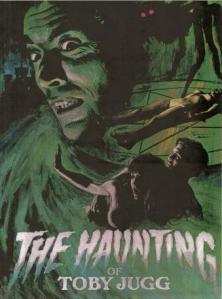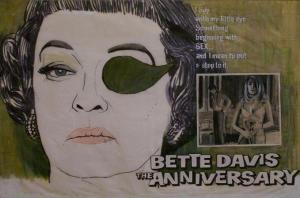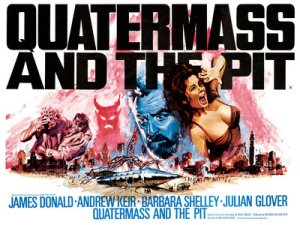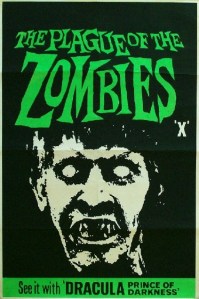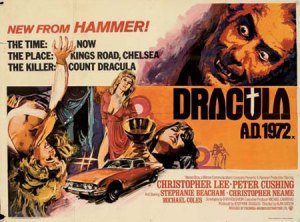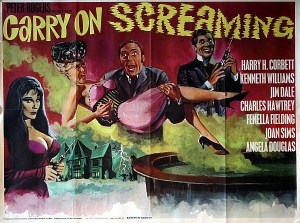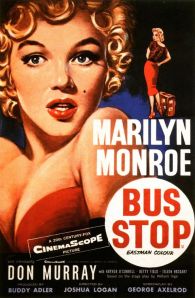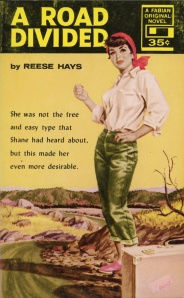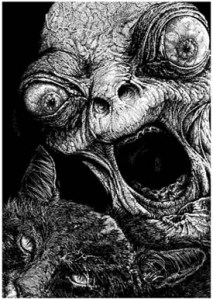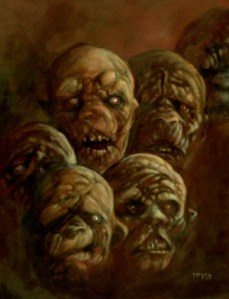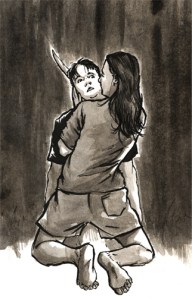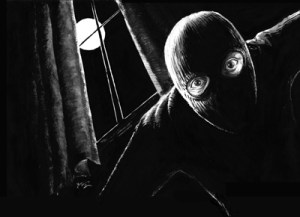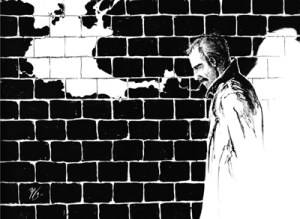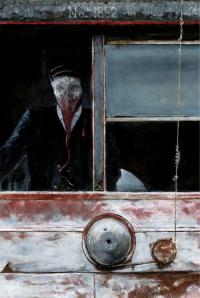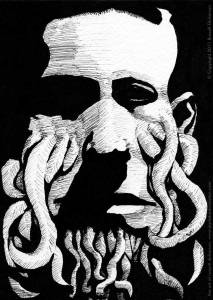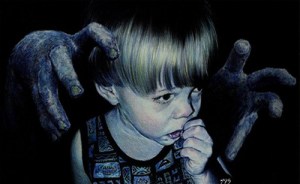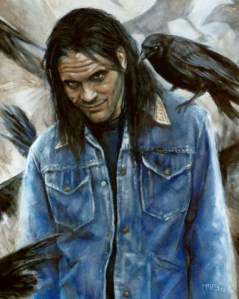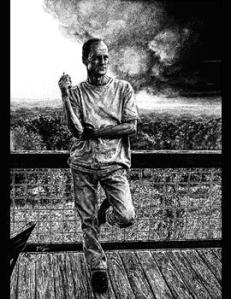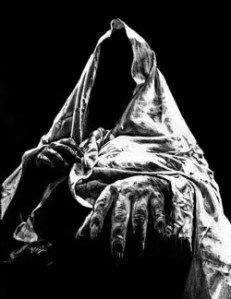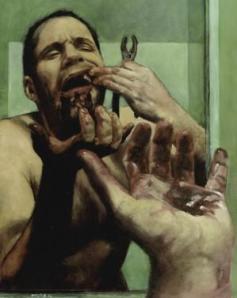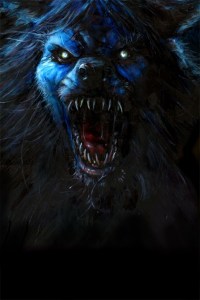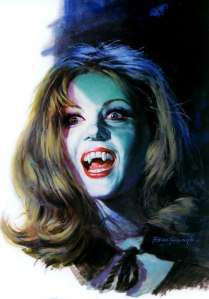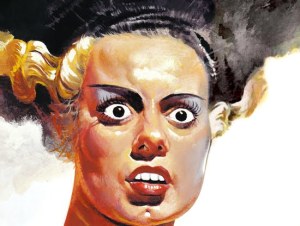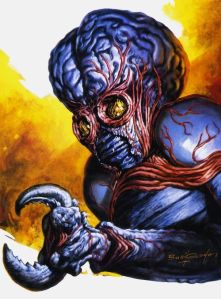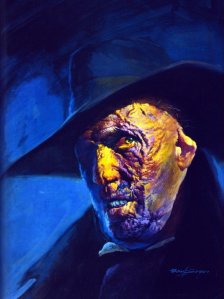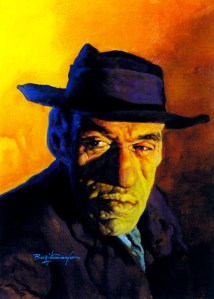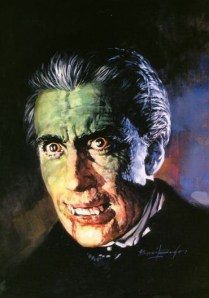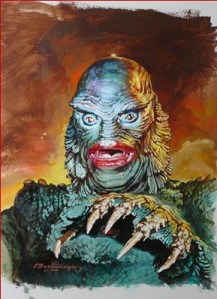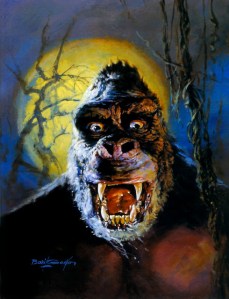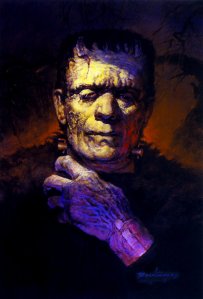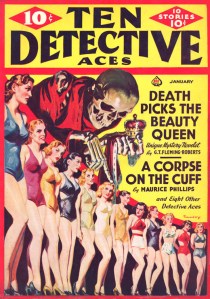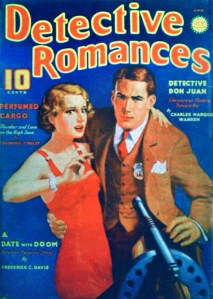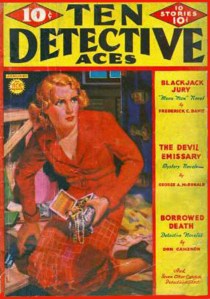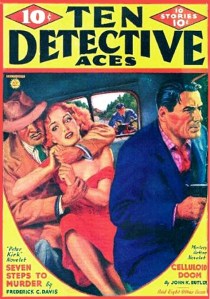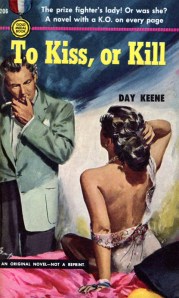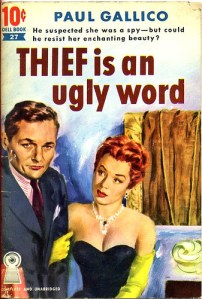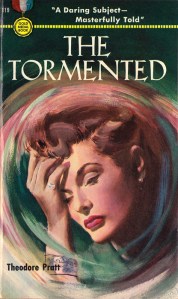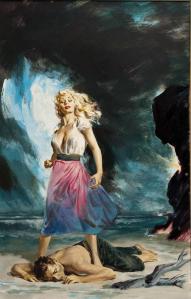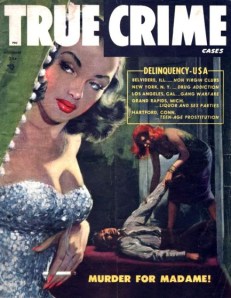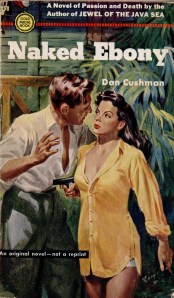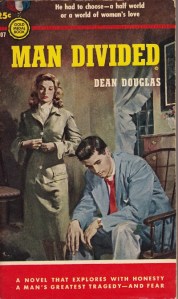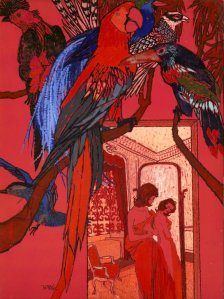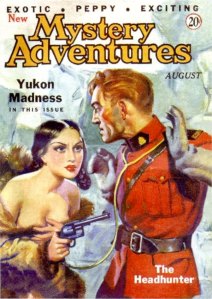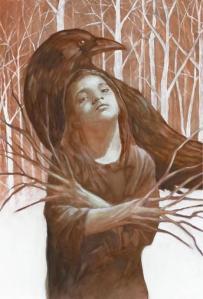
Considered by many to be the best artist currently working in the horror field, Texas-born Alex McVey is an award-winning illustrator whose work has ranged from album art to graphic design to book illustration. He has illustrated the works of several horror writers, including Stephen King.
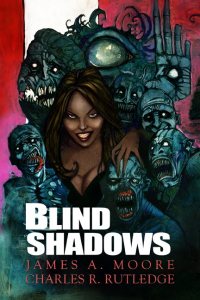
Category Archives: Art
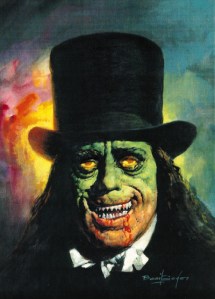
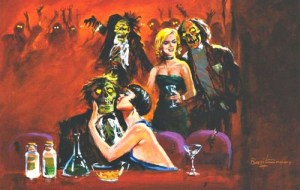
Artist Profile: Basil Gogos
Born to a Greek family living in Egypt, Basil Gogos immigrated to the United States at the age of 16. Gogos was interested in art from a young age and studied at several New York city art schools. Gogos began his professional career in 1959 and found his greatest success painting covers for The Famous Monsters of Filmland magazine. In the 1970s, Gogos retired from commercial art and devoted himself to doing fine art. In 2006, Gogos received the Monster Kid Hall Of Fame Award at The Rondo Hatton Classic Horror Awards.
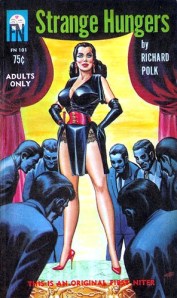
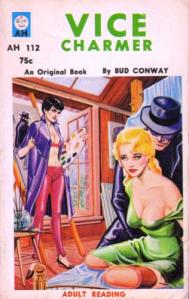
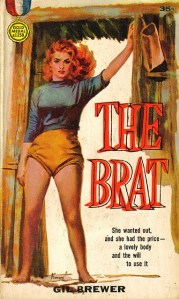
Artist Profile: Eric Stanton (1926 — 1999)
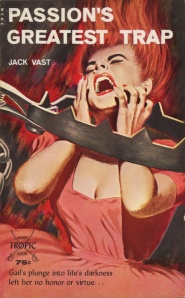
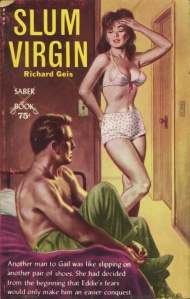
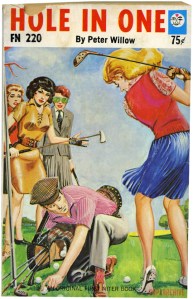
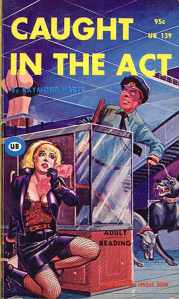
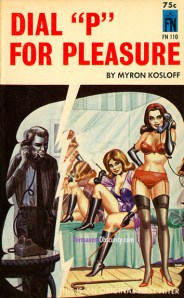
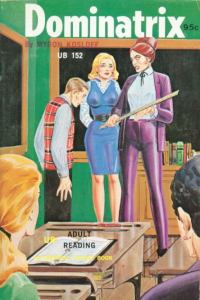
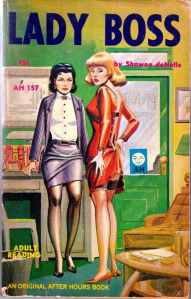
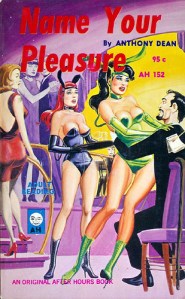
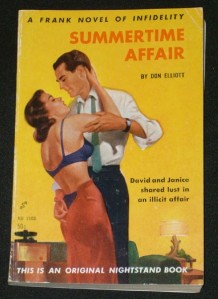
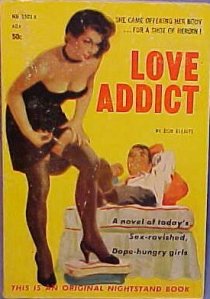
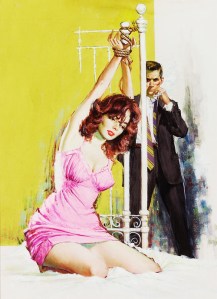
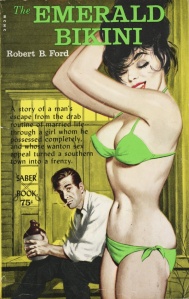
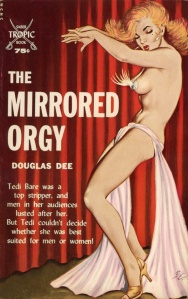
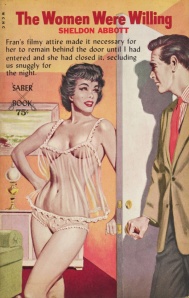
Born and raised in New York City, Eric Stanton was 12 years old when he was quarantined because of Scarlet Fever. During this time, he started to draw out of boredom. After a stint in the Navy, Stanton attended the Cartoonists and Illustrators School and found work as a freelance artist. Between 1963 and 1966, Stanton painted over a 100 paperback book covers. His covers typically featured strong women dominating weak men.
Below are a few examples of Stanton’s work as a paperback cover artist.
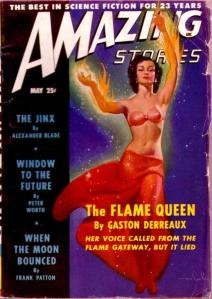
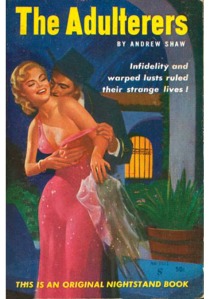
Artist Profile: Harold W. McCauley (1913–1977)
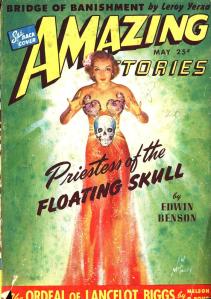
A Chicago native, Harold McCauley trained at the Art Institute of Chicago and at the American Academy of Art. From 1939 until 1942, he worked at Haddon Sundbloom’s busy Chicago art studio and posed for the original painting of the Quaker Oats Man. Starting in 1946, McCauley worked as a staff artist for the Ziff-Davis publishing house and painted over a hundred covers for magazines like Amazing, Fantastic Adventures, and Mammoth Detective. Duringthe early 1960s, he also painted several covers for Nightstand Library.
Artist Profile: William Luberoff (1910–2002)
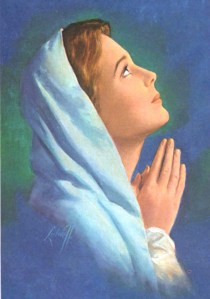
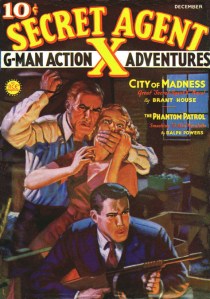
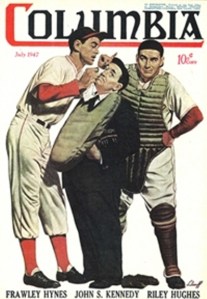
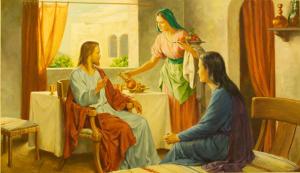
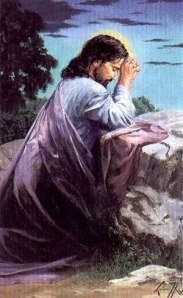
William Luberoff had no formal training but he was one of the most prolific illustrators of the pulp era. He began his career doing covers and illustrations for magazines such as Climax, Secret Agent X, and Saga and he also designed over 60 cover for Columbia, one of America’s top Catholic-interest magazines. He retired from the magazine market in the 1960s and devoted himself to doing religious paintings. While I was researching him for this post, I came across many of his paintings that I remembered first seeing in catechism class. Luberoff’s painting Baseball can be seen in the Baseball Hall Of Fame.
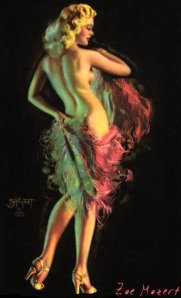
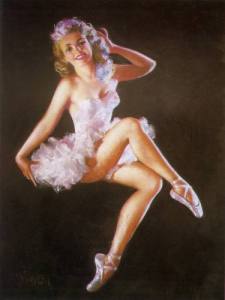
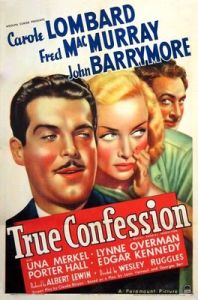
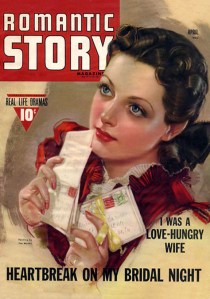
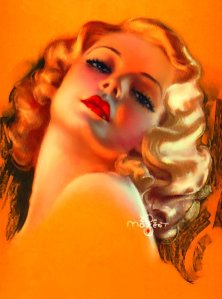
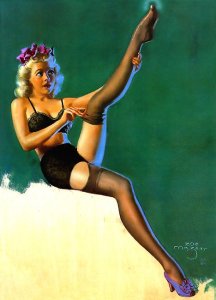
Artist Profile: Zoe Mozert (1907–1993)
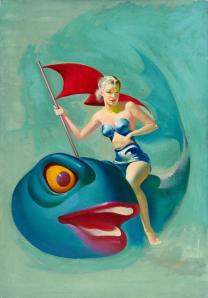
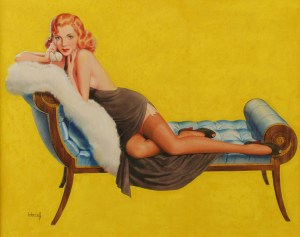
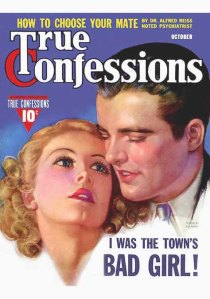
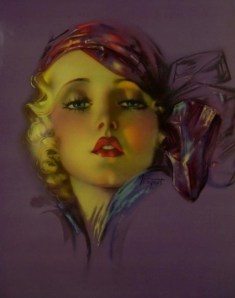
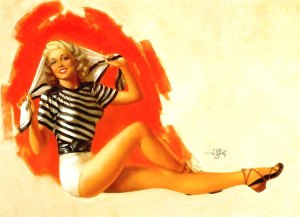
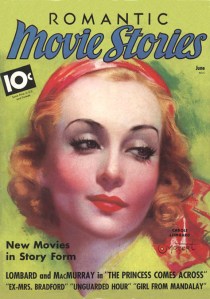
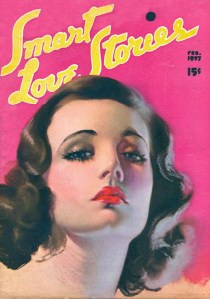
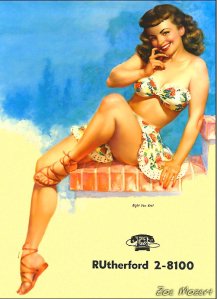
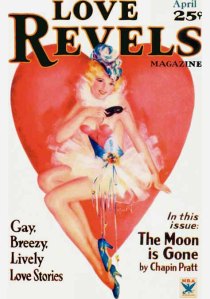
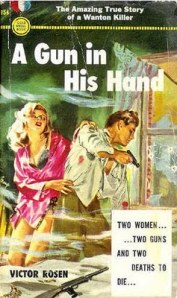
Zoe Mozert was one of the few female glamour/pin-up artists and she was one of the most famous. A graduate of the Philadelphia School of Industrial Art, Mozert began her career as an illustrator in 1932. She often used herself as her model and her illustrations were known for their realistic depiction of women. Along with her pin-up work, she illustrated hundreds of covers for magazines like Romantic Movie Stories and True Confessions.
Artist Profile: Barye Phillips (1924–1969)
Artist Profile: Bob Peak (1927–1992)
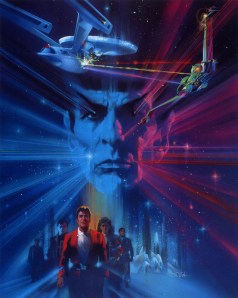
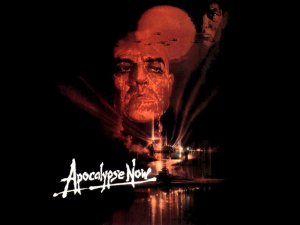
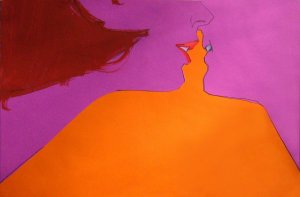
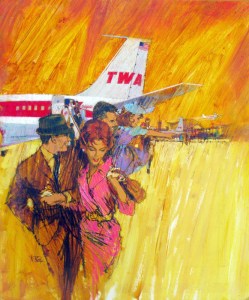
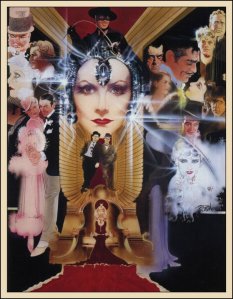
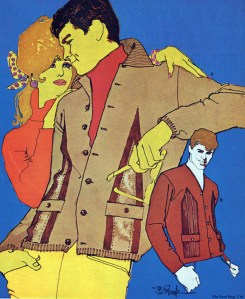
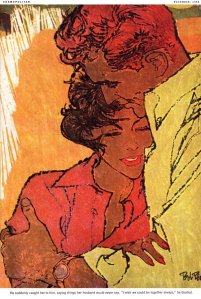
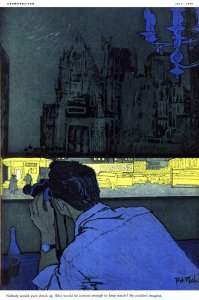
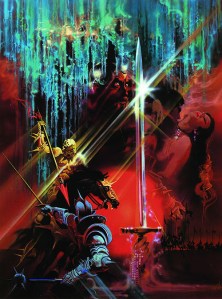
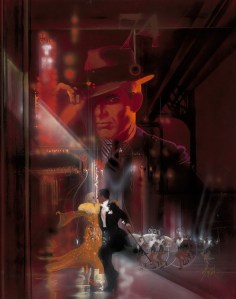
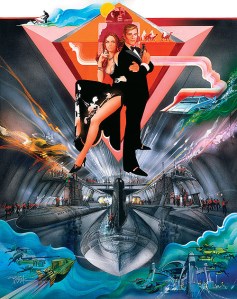
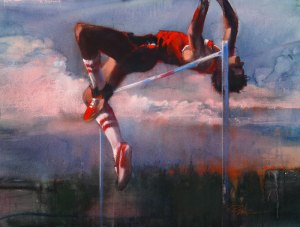
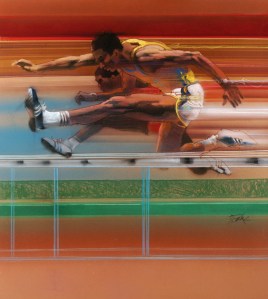
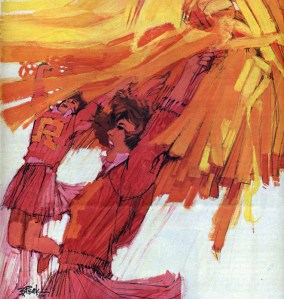
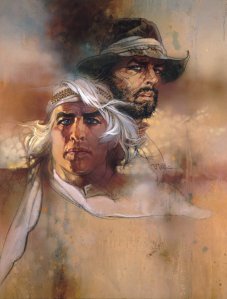
Bob Peak was born in Denver, Colorado and grew up in Kansas. Following a stint in the U.S. Army, Peak enrolled in the Art Center College of Design. After graduating in 1951, Peak moved to New York City and found work as a commercial artist. In the 1960s, Peak was hired by Universal Studios where he designed film posters and frequently collaborated with the artist Bill Gold. As a result of the film posters that he designed in the 1970s and 1980s, Peak has been called “the father of the modern motion picture poster.” Along with his film work, Peak also drew several covers for TV Guide and Time Magazine and was commissioned to create 30 stamps for the 1984 Summer Olympics.
Below are a few examples of Peak’s work.
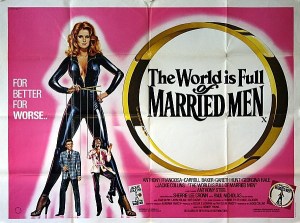
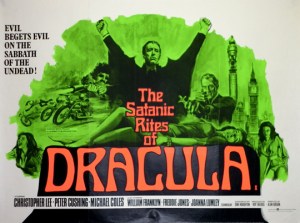
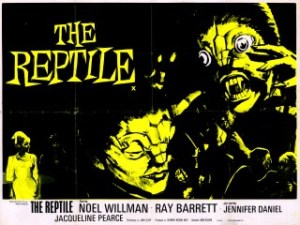
Artist Profile: Tom Chantrell (1916 — 2001)
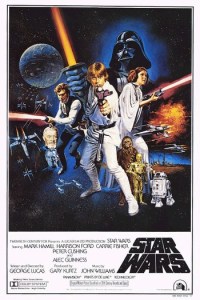
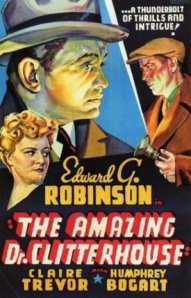
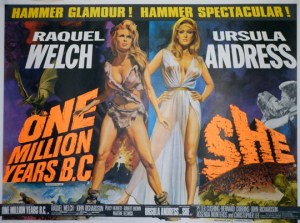
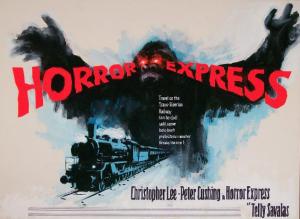
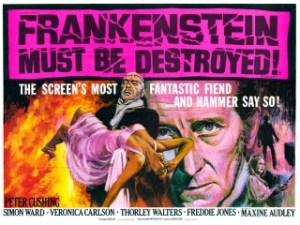
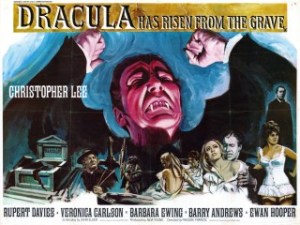
British film poster artist Tom Chantrell was the son of a trapeze artist. He attended Manchester Art College before entering the world of advertising. He designed his first film poster, for The Amazing Dr. Clitterhouse, in 1938. He would go on to design over 7,000 different film poster and would be best remembered for his poster for Star Wars. Some other examples of his work can be found below.
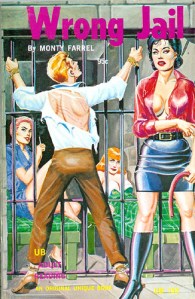
Artist Profile: Bill Edwards (1918 — 1999)
Bill Edwards was born in New Jersey and grew up on a farm in Wyoming. He started out his career as a championship rodeo rider but, after several broken bones, he moved to New York and pursued a career as a model. He appeared as an actor in several Westerns during the 1940s before pursuing a second career as a painter and commercial illustrator. Along with painting scenes inspired by the Old West, Edwards illustrated over 100 paperback covers. In the 1960s, he started another career as a certified SCUBA diver and instructor. He died of pneumonia at the age of 81 in Newport Beach, California.