
by Hubert Rogers
As it is says on the cover, this is from 1948. He probably should be keeping an eye on the robots. We all should.
by Hubert Rogers
As it is says on the cover, this is from 1948. He probably should be keeping an eye on the robots. We all should.
Meow!
If you’ll cast your mind back to the admittedly dark later days of 2016, you’ll recall that there were two common reactions from the so-called “coastal elites” with regard to the electoral college victory of a certain syphilitic game show host who is now, according to his closest former aides, living in some kind of thick bubble of reality denial (as if he wasn’t back then) : one was to give his voters in the so-called “heartland” the old fly-under-a-magnifying glass treatment, thereby subjecting readers of the New York Times and other outlets to one interminable series of profiles after another, ostensibly designed to provide “insight” into the lives of “the forgotten men and women of middle America,” while the other was to quickly glom onto this supposedly-ascendant subset of Americans and portray Trump’s rather flukey (if we’re being completely honest) win as “the revenge of flyover country.”
Both entirely-manufactured points of view did the REAL men and women of small town and rural America a disservice, of course, in that they forced them to be either curious holdovers of a bygone era or hard-working “salt of the Earth” types fed up with supposedly being talked down to by their self-appointed social “betters,” but they also both had the curious effect of letting the real culprits for the rise of neo-fascism off the hook, in that neither editorially-dictated point of view bothered to look at the simple, oft-repeated precedent of history, to wit : people who have been screwed over by the rich have always been easy prey to do the bidding of those selfsame rich folks as long as you can direct their anger somewhere other than where it belongs. Don’t blame the billionaire class for raising your health insurance premiums astronomically, looting your formerly-secure pension fund, shuttering the factory you used to work at and opening one in Mexico the following week, or gouging you at the grocery store checkout line. Blame, uh — well, whoever else you can, from transgender athletes to starving migrants fleeing war-torn countries to gay school teachers to supposedly “violent” inner-city youths. Yeah, there you go — your problems are their fault.
Lost in the sudden urge to either attack this so-called “real” America, embrace it, or manipulate it for political gain, however, is the simple fact that “these people” are still real people, and not all of them are easily reduced to the role of pawns in a game. Hell, even those who are still have hopes, dreams, and aspirations like anyone else, and while none of this — I repeat, absolutely none of it — excuses the petty prejudices at the heart of Trumpism (to say nothing of the whopping prejudices that animate its virulent offshoot movements such as QAnon, The Proud Boys, The Oath Keepers, and the Three Percenters), there is, I think, a real danger in focusing only on prejudice when talking about how “middle America” came to find itself in the state it’s in.
Is it really that hard to blame greedy rich bastards for the mess they’ve left in their wake? In America, apparently, it is. But I digress —
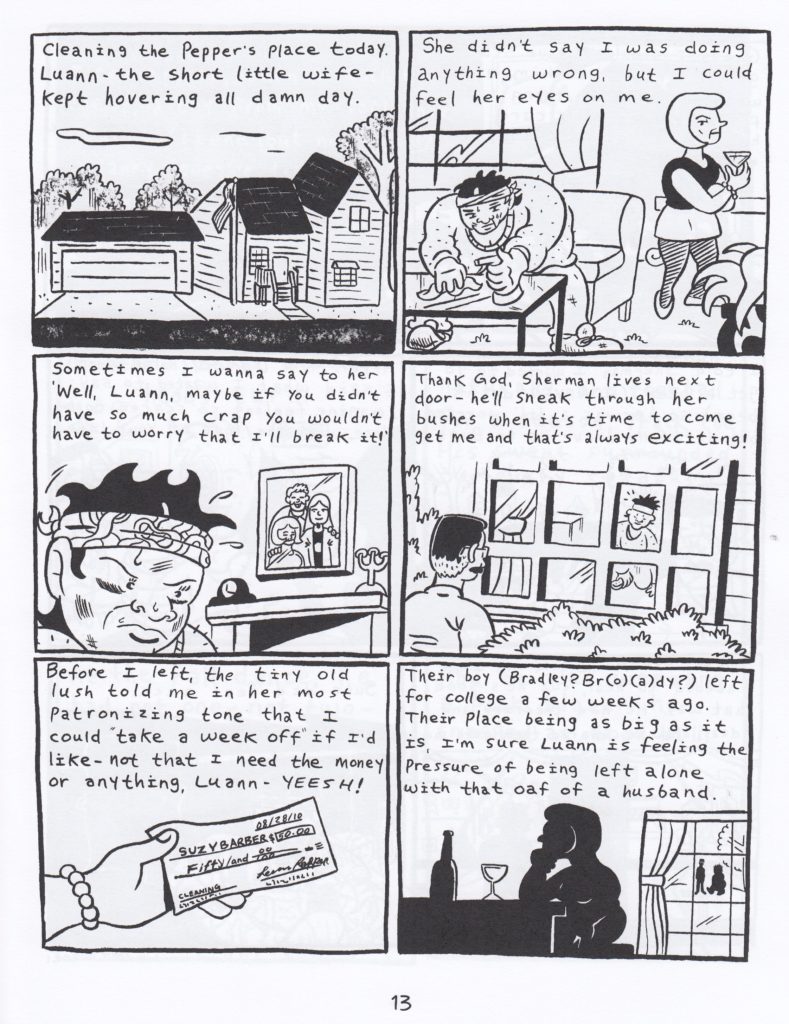
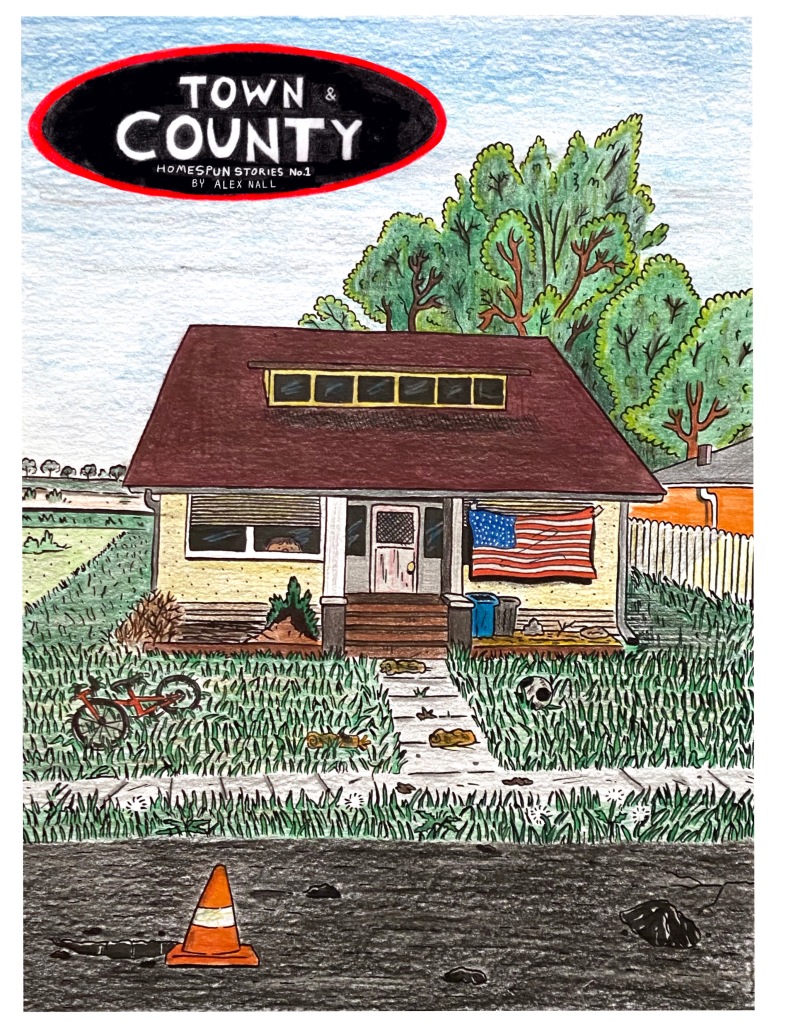
Still, while the journalistic class may have lost sight of much of the richness of small-town life, our cartoonists have not : Sean Knickerbocker and his coterie of contributors are delineating its highs, lows, and in-betweens in the fine Rust Belt Review anthology series, for instance, and Alex Nall has shown an uncanny ability to communicate its quiet idiosyncrasies in the pages of Lawns, Kids With Guns, and the first magazine-sized issue of his new ongoing project, Town & County — which liberally drops references to, and even borrows concepts from, the pair of earlier comics just mentioned, while crafting something new and substantial that requires no intimate knowledge of either of them. In other words, if this is your first step into what we’ll call, with apologies to the author, the “Nall-verse,” you needn’t worry : the welcome mat is rolled out for you.
Which rather strikes me as apropos of the general attitude of the citizenry of the fictitious-in-name-only Clydesdale, Illinois, the “everyday America” setting of the four interconnected vignettes that comprise this debut issue. Longing for something better — or at least for something else — is something all of our protagonists (a lonely widower, a nosey housecleaner, a tortured insomniac, and a low-rent drug dealer) have in common, and while I have no practical experience with “rural Americana” myself, being a lifelong (and, for the record, damn proud) inner city resident, I found all these folks easy to identify with because that tug that exists in the space between wishing for a return to the familiar and yearning for even modestly new vistas of experience is pretty well universal in nature.
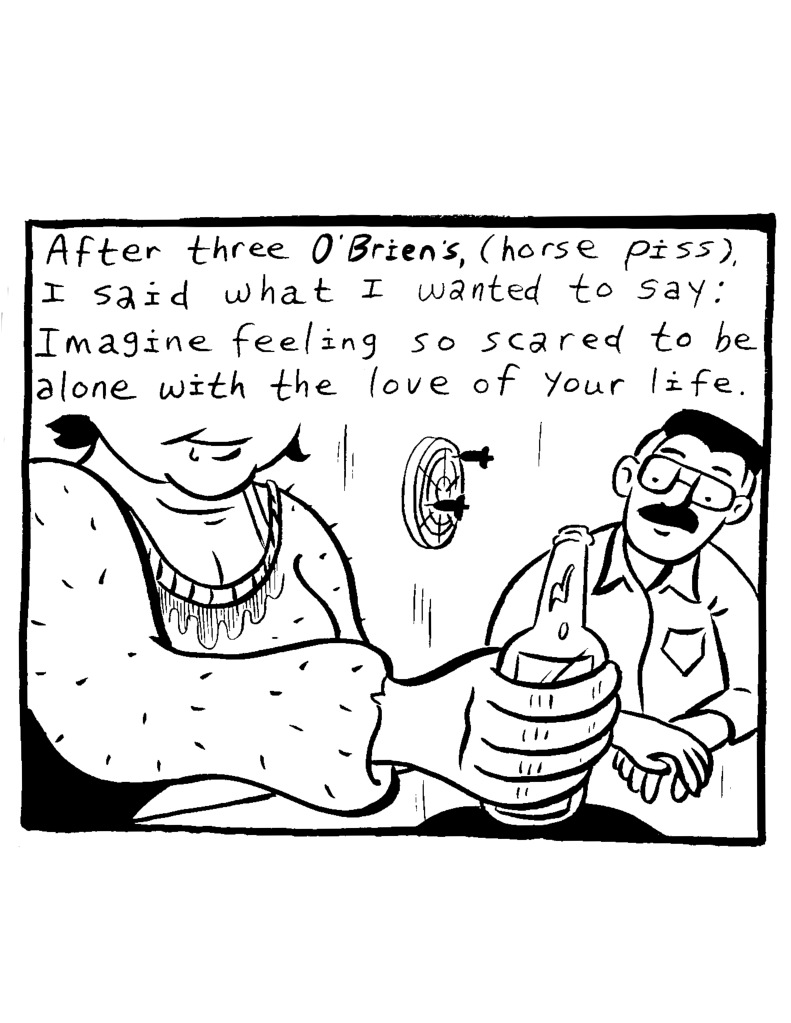
Nall, for his part, just so happens to be able to put that dichotomy into words and images better than most — hell, better than almost any of his contemporaries, and he’s got a project here that plays to all his strengths : authentic dialogue paired with rich inner monologue, clean expressive figure lines paired with rough-hewn, entirely unglamorous backgrounds/locales. There’s a push and pull sub rosa tension that animates both writing and art here, and why the hell wouldn’t there be? That pretty much sums up the lives of his characters in a nutshell, whether they consciously realize it or not.
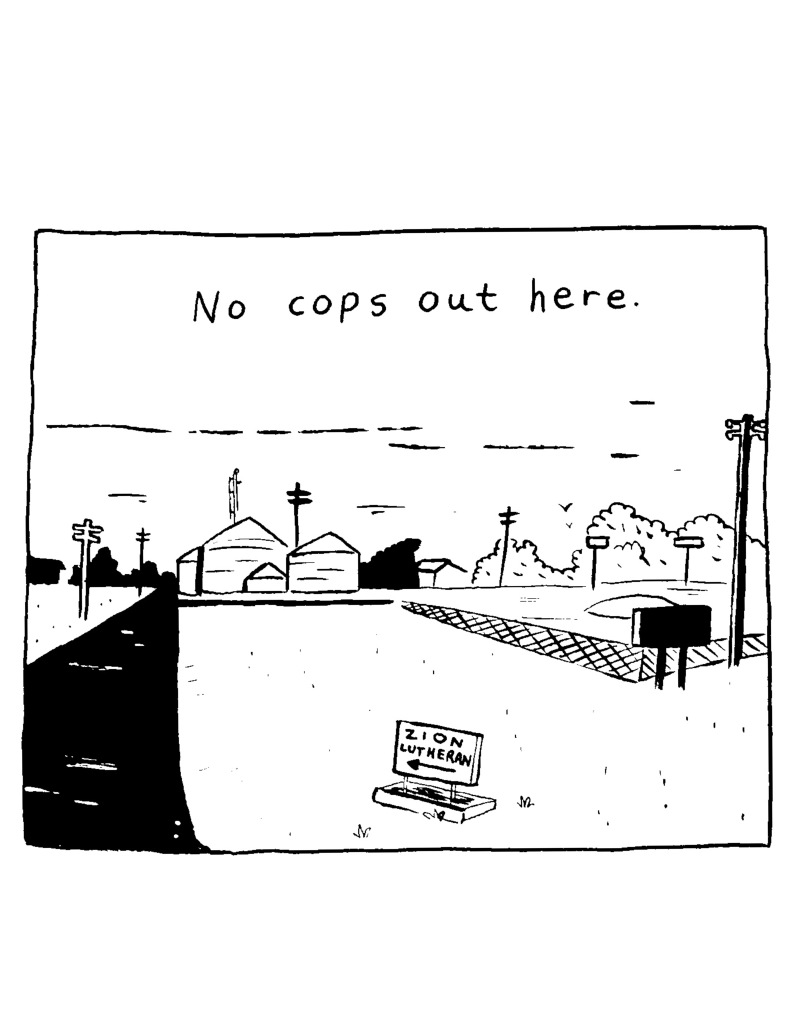
This, then, really is what you think it is going in : a comic about a town and its people — one that eschews the easy trappings of both Norman Rockwell cliche and anti-Rockwell “darkness on the edge of town.” This is a place where bathtub meth slingers and broken-hearted oldsters coexist while inhabiting entirely different personal realities. Where 2nd Amendment militia nuts fill their gas tanks at the same place as frightened mothers who would do anything to protect their kids from the next school shooter. Where the John Deere plant that was the source of everyone’s employment, either directly or indirectly, has shut its doors and left whatever survivors stuck around scrambling to find a new way forward. Where the end of the world has already happened and any promise — no matter how ephemeral and/or fraudulent — to bring back the “good old days” is better than nothing. It’s a place like thousands of others, sure — but that doesn’t mean it’s anything other than utterly unique.
***********************************************************************
Town & County #1 is self-published by Alex Nall under the auspices of his Ivy Terrace Press imprint and is available for $8.00 from his Storenvy site at https://alexnallcomics.storenvy.com/products/35138617-town-county-no-1
Also, this review is “brought to you” by my Patreon site, where I serve up exclusive thrice-weekly rants and ramblings on the worlds of comics, films, television, literature, and politics for as little as a dollar a month. Subscribing is the best way to support my continuing work, so I’d be very appreciative if you’d take a moment to give it a look by directing your kind attention to https://www.patreon.com/fourcolorapocalypse
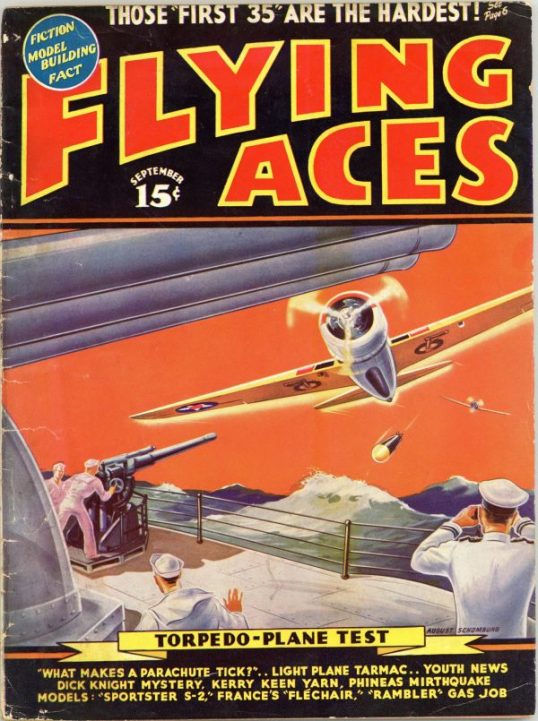
by August Schomburg
This is from 1939.
Meow!
It’s currently midnight and it’s still like 100 degrees outside. AGCK!
Oh well, I’ll try to stay cool with movies and music.
Here’s what I watched and listened to this week:

Films I Watched:
Television Shows I Watched:
Music To Which I Listened:
News From Last Week:
Links From Last Week:
Links From The Site:
More From Us:

by John Coleman Burroughs
This is from 1946, just like the cover says. The artist was the son of the author.
Meow!

Yes, you are seeing this correctly. I watched next to zero television last week and the only new show that I watched was the latest episode of Barry. I’ve been busy cleaning around the house, listening to music, and writing this week. Usually, I use the television for background noise but this week, I listened to music. It was the right decision, I think.
Here’s a few thoughts on what little I watched this week:
Allo Allo (Sunday Night, PBS)
With the French Resistance broke and in desperate need of money, Michelle demanded that Rene hand over the painting of the Fallen Madonna With Big Boobies so that the Resistance could sell it. Unfortunately, Rene had already given the painting to Herr Flick so Michelle suggested that Rene break into Herr Flick’s dungeon and steal it back. Rene agreed, though his plan was to steal it and then sell it for himself as opposed to the Resistance. Meanwhile, Herr Flick deal with an official order to stop having sex while on duty and, as newspaper editor, Rene was tasked with helping to select the perfect model for The Spirit of Nouvion.
The important thing, of course, is that nothing worked out and, at the end of the show, the British airmen were still trapped in France,
Barry (Sunday Night, HBO)
This week’s episode of Barry was …. disquieting. While Gene filmed his hilariously over-the-top online acting class, Barry struggled to recover from being poisoned and Sally was fired from writing for the sitcom about the Medusas after she was filmed screaming the C-word at her former assistant. While Barry struggles with his own mortality, Sally seems to be heading for a very, very dark place.
That said, the episode was dominated by Stephen Root and his performance as Fuchces. Fuches has finally been arrested but, even while sitting in an interrogation room, he still managed to expertly manipulate everyone around him. He’s like a Southern-version of Hannibal Lecter. This episode made as a strong a case as any in the show’s history that Stephen Root deserves all the Emmys.
Full House (Sunday Evening, MeTV)
Starting as of late week, MeTV now only shows two episodes of Full House on Sundays and I do have to say that the show is more bearable when you only watch two at a time instead of four. Last Sunday, Joey took his crappy comedy act to Vegas and he reconciled with his father, who apparently was some sort of general or admiral. (Shades of Jim Morrison, I suppose.) In the second episode, DJ developed an eating disorder but, fortunately, all it took was for Danny to say a few understanding words and DJ snapped out of it. The episode had a good message but it would have been more effective if Aunt Becky had been the one to have the eating disorder talk with DJ.
King of the Hill (Hulu)
I watched three episodes, two on Tuesday and one on Friday. The two episodes on Tuesday both featured Bobby taking on eccentric hobbies that were nearly ruined by Hank, rose growing and dog dancing. Friday’s episode was one of my favorites: Minh, Nancy, and Peggy all run for school board and end up losing to the local kooky fundamentalist.
Seinfeld (Netflix)
On Friday, I rather randomly watched an episode where Kramer and George went to the airport to pick up Jerry and Elaine. Kramer saw his former roommate. George ended up trapped on a plane with a serial killer. Jerry got upgraded to first class while Elaine suffered the indignities of flying in coach. The episode made me laugh but it also made me want to fly somewhere. But only in first class!

by Modest Stein
This is from February of 1927. The exact date says February 12th and Love Story was published on a weekly basis so this was probably also the magazine’s Valentine’s Day edition.
 Through the Shattered Lens