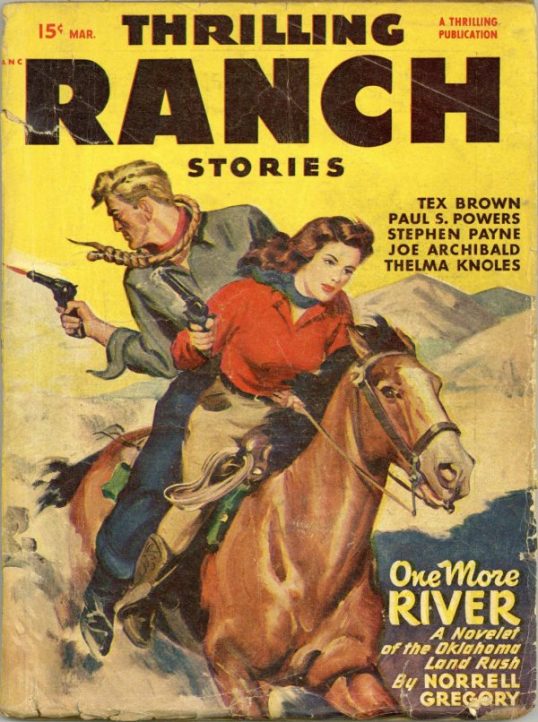
by Sam Cherry
This cover is from 1948 and was done by western specialist, Sam Cherry.

Artist Unknown
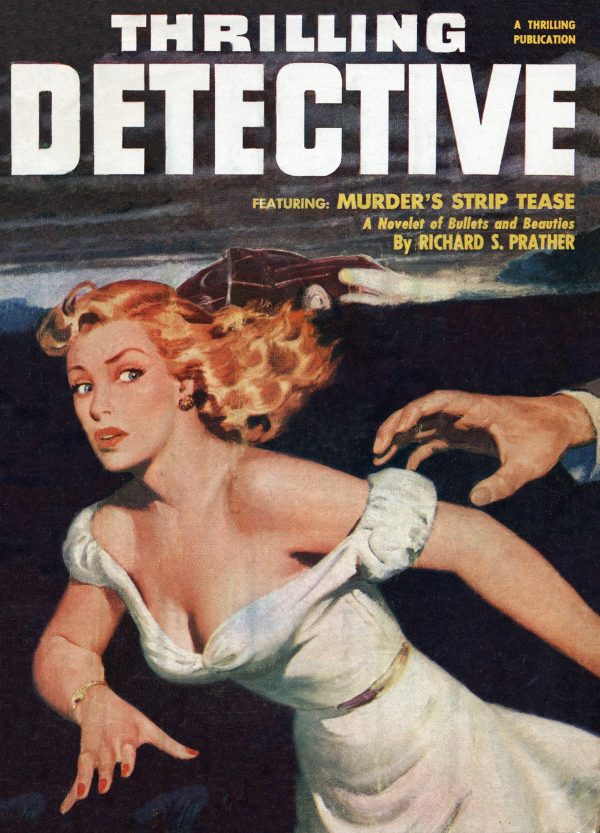
Featuring stories of detectives, murder, femme fatales, and tough guys, Thrilling Detective thrilled readers during the pulp era of the 30s, 40s, and 50s. Today, the magazine remains highly sought after by collectors. Every cover promised sex or violence or both. Below are just a few of the thrilling covers of Thrilling Detective!

by George Rozen

by George Rozen

by Milton Luros

by Norman Saunders

by Rafael DeSoto

by Rafael DeSoto

by Rafael DeSoto

by Rafael DeSoto

by Rudolph Belarski

by Rudolph Belarski

by Rudolph Belarski

by Rudolph Belarski

by Rudolph Belarski

by Sam Cherry

by Sam Cherry
With the Fourth of July just a few days away, let’s celebrate the American countryside with the pulps! From the early days of the pulps, life in rural America has been a favorite subject. Here are a few portrayals of that life, courtesy of some of the best artists and illustrators to work in the pulp industry!

by James Meese

by Barye Phillips

by Emmett Watson

by George Gross

by Hans Helweg

by James Avati

by James Avati

by Julian Paul

by Paul Rader

by Rafael DeSoto

by Raymond Johnson

by Robert Bonfils

by Robert Bonfils

by Robert Maguire

by Robert McGinnis

by Rudy Nappi

by Sam Cherry

by Samson Pollen

by Saul Levine

by Stanley Zuckerberg

by Victor Kalin

by Walter Popp
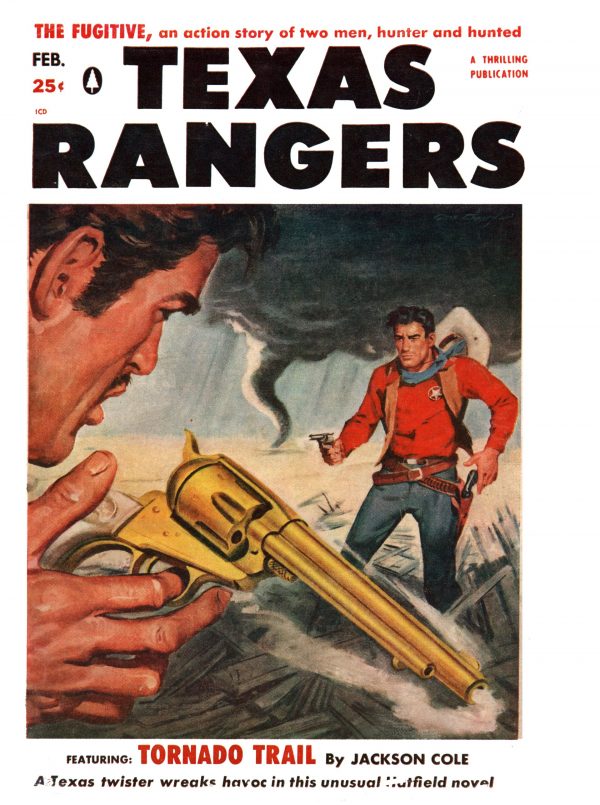
You know you’re in Texas when the outlaw having a golden gun is the least surprising part of your day.
This issue is from 1958 and it features a problem that everyone must eventually face while living down here. The artist is Sam Cherry.

by Rudolph Belarski
From 1932 to 1952, the Phantom Detective fought crime and had adventures in his very own pulp magazine. Released shortly after the first issue of The Shadow and a month before the first issue of Doc Savage, The Phantom Detective was the second pulp hero to get his own magazine and also one of the most successful. With a 170 issues, The Phantom Detective had the third-highest number of “official” adventures of any pulp character. (Ahead of him were, again, the Shadow and Doc Savage.)
Much like both the Shadow and the soon-to-be introduced Batman, the Phantom Detective was a playboy by day and a crime fighter by night. Richard Curtis Van Loon may have begun life as a member of the idle rich but, after experiencing the horrors of World War I, he found it difficult to return to his former lifestyle. So, he became the Phantom Detective and used his powers to solve mysteries, fight crime, and protect the public.
Given the magazine’s long run, it’s no surprise that many different artists did covers for The Phantom Detective. Below are just a few covers from his original run. Where known, the artist have been credited.

Artist Unknown

Artist Unknown

by Bertram Glover

by Emmett Watson

by Rudolph Belarski

by Rudolph Belarski

by Rudolph Belarski

by Sam Cherry

Unknown Artist

Unknown Artist

Unknown Artist

Unknown Artist
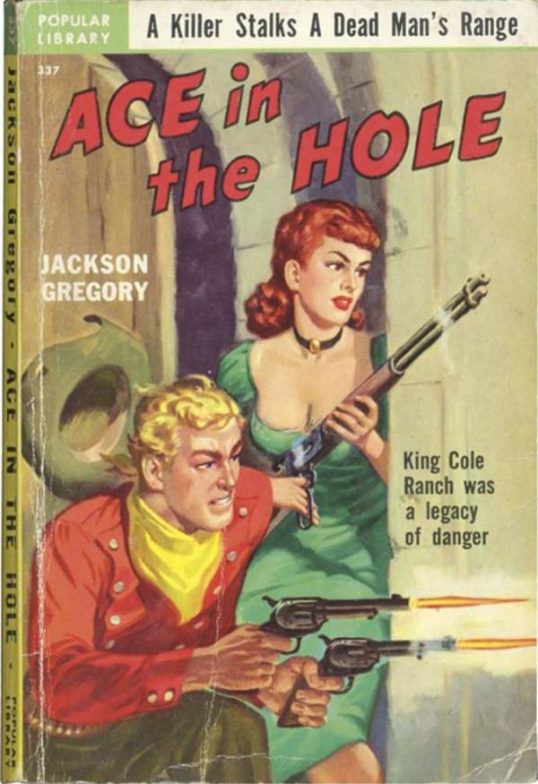
by Sam Cherry

by Sam Cherry

Educated at the Arts Student League, Sam Cherry painted pulp covers from the late 1930s until the industry began its decline in the 1950s. This prolific, Bronx-born artist is perhaps best remembered for the exciting covers that he painted for Texas Rangers magazine.


 Through the Shattered Lens