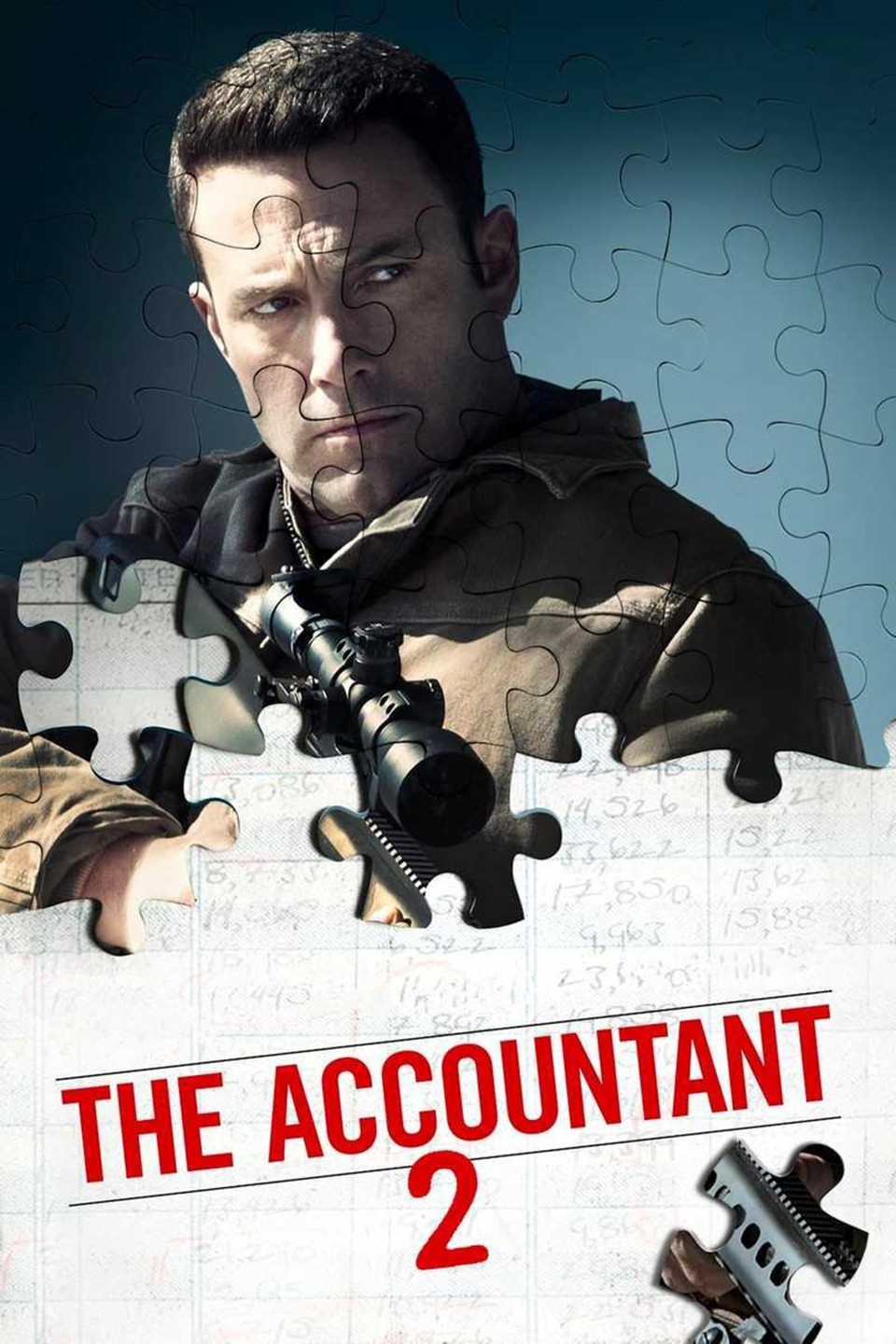
Review: The Accountant 2 (dir. by Gavin O’Connor)


“Is there anything better than punching somebody in the face who’s got it coming?” — Braxton

The Accountant 2 plunges back into the offbeat world of Christian Wolff, Ben Affleck’s autistic accounting savant who wields a calculator and a combat prowess with equal deadliness. Directed by Gavin O’Connor, the sequel reunites Christian with his wayward brother Braxton (Jon Bernthal) as they unravel a conspiracy triggered by the murder of FinCEN director Raymond King (J.K. Simmons), pulling in agent Marybeth Medina (Cynthia Addai-Robinson) for a tense alliance. It cranks up the action and brotherly banter from the 2016 original, delivering bursts of gritty fun, but bogs down in bloated plotting and uneven tone that dilute its punchy premise.

The story explodes open with King’s brutal assassination, his dying message—”find the accountant”—dragging Christian out of his trailer-bound solitude. Medina taps Wolff’s uncanny financial insight to sift through King’s jumbled clues, tracing a trail from a pizza parlor’s money-laundering scheme to a vicious human trafficking ring straddling the Juarez border. A sleek assassin named Anaïs (Daniella Pineda) haunts the edges, her fragmented memories linking to Christian’s murky history, while Braxton joins for brawn and levity, transforming the probe into a chaotic sibling odyssey. The narrative sprawls across factories, motels, and hacker dens, blending forensic number-crunching with explosive confrontations, though it piles on subplots—like selfie-stalking tech whizzes and cartel infighting—that strain coherence without sharp resolutions.

Affleck deepens Christian’s portrayal, blending rigid logic with flashes of wry humor that feel more lived-in than the first film’s stiffness. He shines in quirky beats, like speed-dating disasters fueled by probabilistic algorithms or spotting fiscal fraud in pizza dough sales, then enforcing confessions with a vicious finger-twist. Yet the character teeters into trope territory, his neurodivergence often serving as shorthand for unstoppable violence rather than a nuanced lens on isolation. Bernthal dominates as Braxton, his raw charisma and emotional cracks—vulnerable confessions evolving into rowdy bar dances teaching Christian social flow—infuse the film with infectious warmth. Their rooftop schemes and escort-aided stakeouts pulse with buddy-movie spark, a major merit that carries weaker stretches.

Action remains the film’s powerhouse, surpassing the original in raw ferocity if not elegance. The pizza factory brawl erupts from interrogation into a whirlwind of pipes, knives, and improvised carnage, while garage pursuits and a border compound siege unleash R-rated savagery—precise headshots, joint-snapping grapples, even a sniper duel echoing thriller classics. O’Connor’s practical stuntwork and sweaty cinematography ground the chaos effectively, with a throbbing score that heightens tension without flash. These sequences thrill, but the climax devolves into a generic bullet storm, missing the original warehouse fight’s balletic intimacy, and the 132-minute runtime drags amid repetitive cop-agenta standoffs.

Medina’s arc offers steady grit, as Addai-Robinson charts her shift from protocol-bound skeptic to off-book partner, her rapport with Christian adding subtle friction to the bromance. Simmons maximizes his opener, fending off thugs in a dive bar before a fatal shot, nailing a tone of immediate peril. Pineda’s Anaïs cuts a striking figure—poised killer grappling with resurfaced trauma—but her threat fizzles, undermined by sparse buildup and a rushed tie-in to the brothers’ past. Lesser foes like the greasy pizza kingpin or border thug Tomas propel the plot competently yet forgettably, while Christian’s handler Justine (Annie Oosterom) doles out remote wisdom that’s underutilized.​

At its core, The Accountant 2 wrestles with family bonds and hidden pains, pitting Christian’s analytical shell against Braxton’s impulsive soul in redemption-tinged flashbacks. Lighter quirks—honky-tonk flirtations, cat cameos, goofy T-shirts—humanize without diluting the edge, crafting a playful hyperviolence that charms in detours like smart-home hacks gone absurd. These merits shine brightest in hangout vibes, where meandering chats and line dances breathe life into the formula. Failures creep in through diluted quirks: the accounting genius takes a backseat to rote crime-thriller beats, cartel clichés overwhelm the fresh oddity, and pacing lurches from taut kills to listless exposition.

Technical craft holds firm, with O’Connor’s no-frills visuals capturing industrial grime and motel seediness, favoring tangible impacts over CGI gloss. The R-rating justifies itself via unflinching gore and profanity, satisfying gorehounds, though humor occasionally jars—like trailer quips amid slaughter—disrupting tonal balance. Compared to the debut’s sleeper surprise, this entry coasts on familiarity, expanding the Wolff mythos with teases of future clashes but lacking the tight ingenuity that sparked cult love.

The Accountant 2 succeeds as a rowdy sequel when leaning on its stars’ chemistry, visceral fights, and odd-couple heart, making it a blast for action cravings. It falters, however, in overreaching scope, diluting Christian’s uniqueness amid familiar shadows and slack momentum. Solid for fans seeking sibling sparks and calculated brutality, it lands as entertaining excess rather than essential evolution—catch it for the highs, forgive the math that doesn’t quite balance.
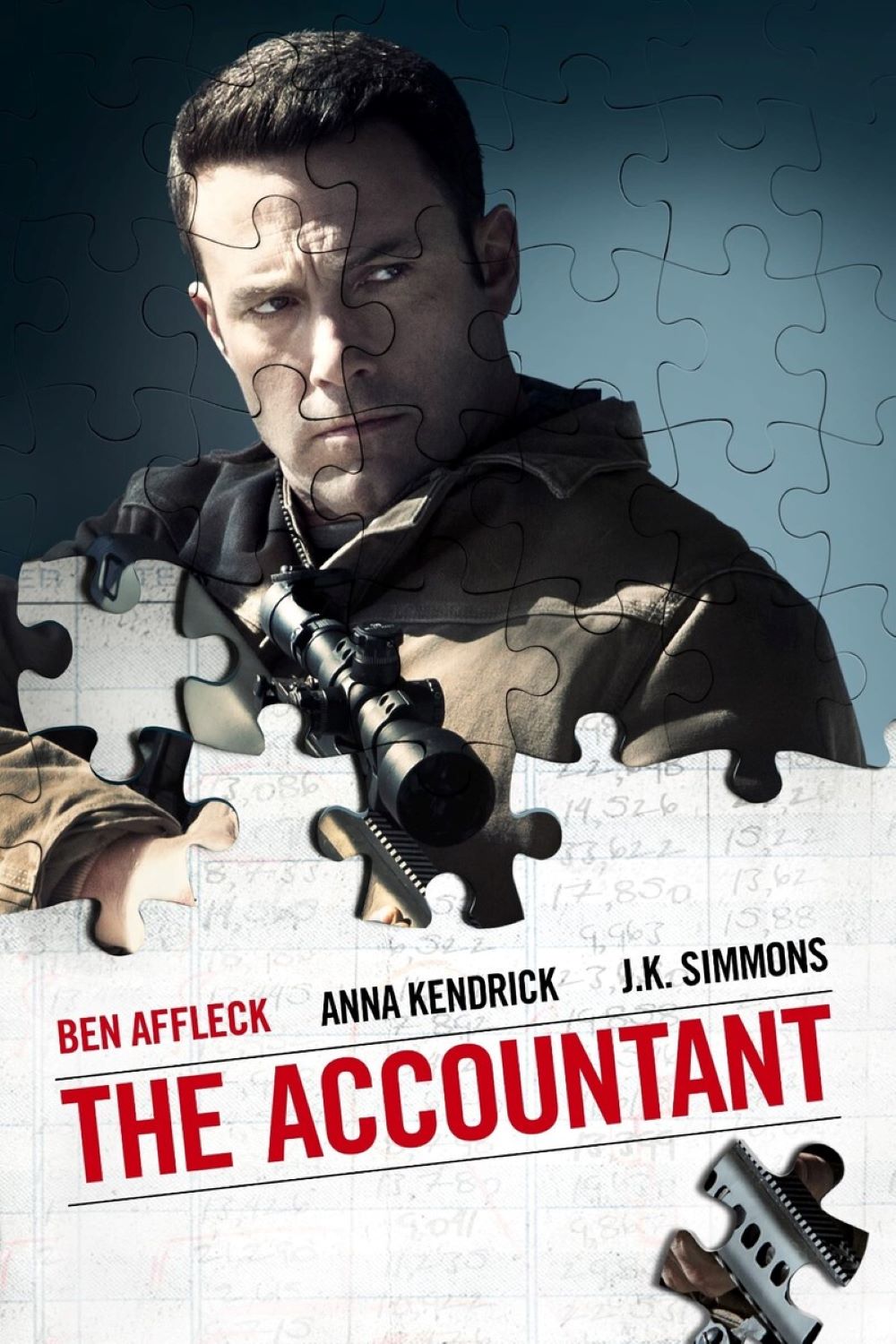

Review: The Accountant (dir. by Gavin O’Connor)


“What I do is not against the law. What I don’t do… is.” — Christian Wolff

The Accountant is a 2016 action thriller that mixes elements of character drama, crime mystery, and family dynamics into a unique storyline. The movie follows Christian Wolff, a man with autism and exceptional math and accounting skills, who works as a freelance accountant for criminal organizations. Raised by a strict military father who pushed him to develop precision and discipline, Christian has a rigid moral code that guides his actions. As Christian unravels financial fraud within a robotics company, he finds himself hunted by a Treasury agent. The film blends intellectual mystery with high-stakes action, presenting a different take on the typical thriller formula.

Ben Affleck leads as Christian Wolff, bringing a quiet intensity that captures the character’s inner complexities and unique worldview. Anna Kendrick plays Dana Cummings, the robotics company accountant whose discovery of financial irregularities kicks off the central conflict, offering a relatable and warm counterpoint. J.K. Simmons portrays Raymond King, the sharp Treasury agent on Christian’s trail, adding layers of tension and moral ambiguity. Jon Bernthal embodies Braxton Wolff, Christian’s estranged brother and a rugged former military operative, whose presence heightens the family drama. The brothers’ strict and demanding father is portrayed by Rob Treveiler, who appears mainly in flashbacks that showcase the rigorous military-style training and discipline shaping Christian’s development. These performances ground the film’s ambitious mix of genres, making the characters feel lived-in and believable.

Christian Wolff stands out as a well-rounded character whose autism shapes his personality without becoming a mere plot device. The film shows his struggles alongside his strengths, like sensory sensitivities, social awkwardness, and laser focus on details. He relies on strict routines and coping tools to handle his surroundings, mirroring real experiences on the autism spectrum. Affleck’s portrayal draws from this backstory—those intense father-son training montages with Treveiler—to explain Christian’s discipline and guarded emotions, giving audiences a clear window into what drives him.

At the movie’s core sits Christian’s personal moral compass. He might balance the books for shady clients, but he draws a hard line at true ethical breaches, stepping in with his own form of justice. This anti-hero vibe keeps things gray and intriguing. His bond with Dana, played by Kendrick, offers rare moments of connection amid the chaos, though it stays somewhat surface-level and misses chances for deeper emotional pull.

The plot tracks Christian’s dive into massive fraud at the robotics firm, all while dodging Simmons’ relentless agent. The accounting scenes impress with their detail—Christian pores over ledgers, spotting irregularities that expose embezzlement on a grand scale. This cerebral side contrasts sharply with the brutal action, like the raw fights between Affleck’s Christian and Bernthal’s Braxton, which mix physical showdowns with buried family pain. Those brotherly clashes tie back to their shared traumatic past, ramping up the stakes beyond just numbers and guns.

The Accountant handles autism with real care, steering clear of clichés. It spotlights Christian’s sensitivities, routine needs, and social hurdles while celebrating his smarts and toughness. Affleck makes these traits feel authentic, turning what could be quirky into profoundly human. This approach avoids stereotypes, letting viewers connect with Christian on a deeper level and appreciate how his mind works in high-pressure situations.

The film has room for refinement in a few spots. It crams in crime plots, sibling secrets, and shadowy ops, which can jumble the pace as it bounces from fights to feels to financial deep dives. Relationships like Christian and Dana’s, or the Wolff brothers’, might hit harder with extra screen time to build that emotional core and make the risks feel more intimate.

Tonally, The Accountant strikes a balance—serious stakes lightened by Christian’s offbeat interactions and fresh outlook. Autism never turns into a joke; instead, it builds empathy. The ethical murk in his world—cooking books for crooks one day, punishing them the next—flips hero tropes on their head, keeping you guessing.

Overall, The Accountant shines by fusing brainpower and brawn in its lead and narrative, transcending standard shoot-’em-ups as a thoughtful character piece that honors its hero’s nuances. It probes unconventional strengths and ethics in a murky reality while illustrating thriving with distinct abilities and hurdles in a harsh landscape, all while clinging to personal principles—delivering thrills with substance on neurodiversity and payback. Fans of smart action will dig this blend of suspense, puzzles, and character depth, even if the threads tangle at times, making it a solid pick for thriller seekers wanting more than explosions.

Horror On TV: Hammer House Of Horror Episode #2: The Thirteenth Reunion (dir by Peter Sasdy)


In this episode of Hammer House of Horror, Julia Foster plays a tabloid reporter who is assigned to investigate an unconventional weight loss program.  Foster discovers that weight loss is actually the last thing that the clinic is concerned with.  This is an enjoyable macabre episode, one the features a particularly nasty twist.

The Thirteenth Reunion originally aired in the UK on September 20th, 1980.