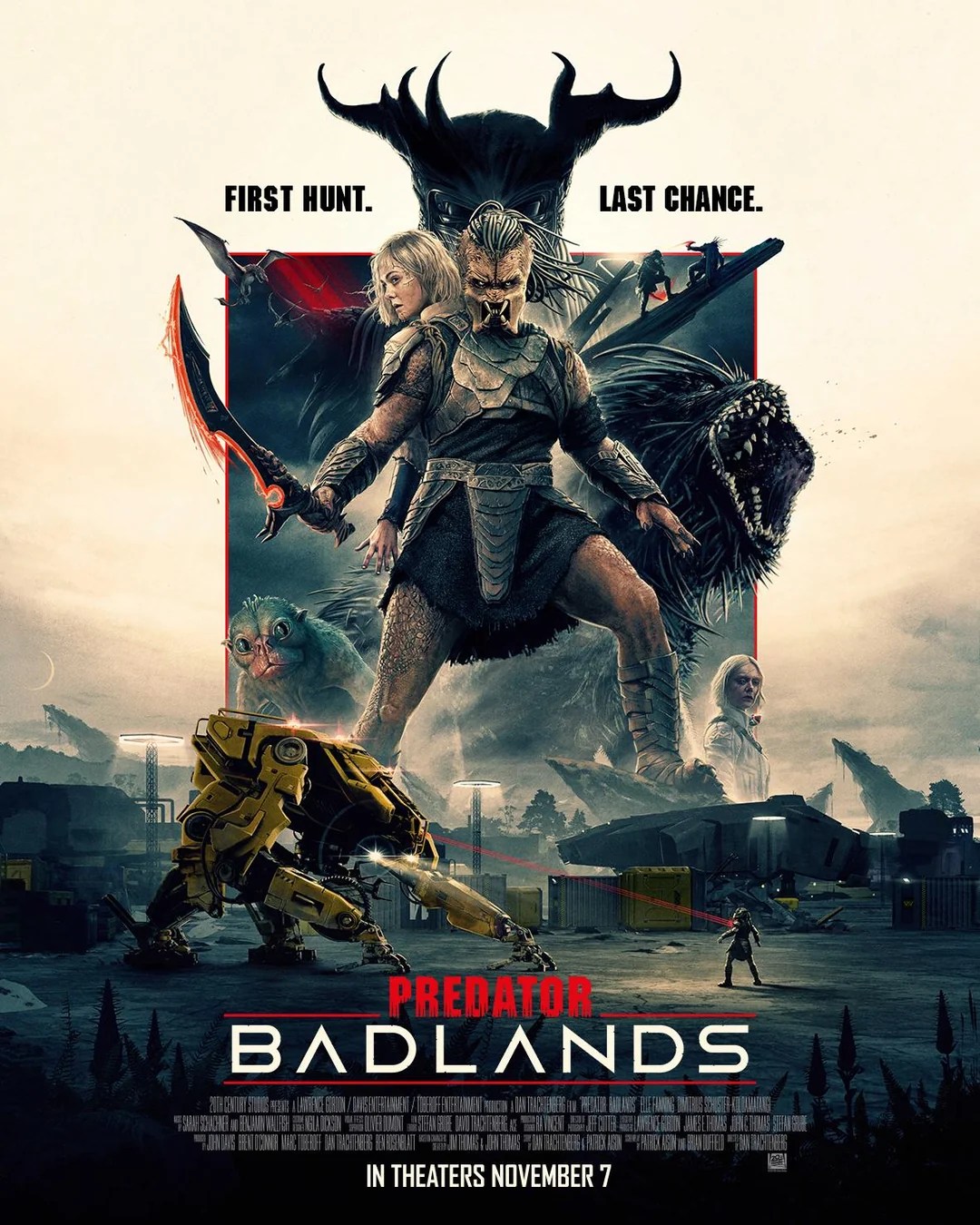
Review: Predator: Badlands (dir. by Dan Trachtenberg)


“Here, you’re not the predator. You’re the prey.” — Thia

Predator: Badlands, directed by Dan Trachtenberg, marks a significant evolution within a franchise that has captivated audiences for nearly four decades. Known for its intense action and the enigmatic extraterrestrial hunters called the Yautja, the Predator series has continuously explored themes of survival, honor, and primal combat. Trachtenberg’s vision shifts the focus toward a more intimate and nuanced perspective by centering the narrative on Dek, the youngest and smallest member of the Predator clan. Through Dek’s journey, the film delves deep into Predator culture, ritual, and the personal struggles of one cast out from his tribe.

Dek, the youngest and smallest member of his Predator clan, finds himself exiled and cast out due to perceptions of weakness. Determined to prove himself worthy, he crash-lands on the hostile planet Genna—infamously named “The Death Planet”—where he must navigate a dangerous ecosystem full of lethal creatures and unpredictable hazards. Struggling to survive alone, Dek forms an uneasy alliance with Thia, a damaged synthetic android with knowledge of the planet. Together, they embark on a perilous journey that will test their strengths, challenge their beliefs, and redefine what it means to be predator and prey.

The chemistry between Dimitrius Schuster-Koloamatangi and Elle Fanning as Dek and Thia is notably believable and compelling. Their performances breathe life into this unconventional duo—Dimitrius conveys Dek’s internal struggle and fierce determination almost entirely through physicality and subtle expression, while Fanning’s portrayal of Thia is richly layered with intelligence, resilience, and warmth despite her synthetic nature. Their interactions—marked by moments of tension, wit, and genuine connection—ground the narrative emotionally, making their partnership feel authentic even amid the film’s relentless action and alien setting.

At the emotional core of the film lies this evolving relationship, where Thia’s intelligence, wit, and empathy contrast Dek’s warrior stoicism. Physically bound to Dek early on, their partnership forged from necessity deepens into a profound bond that challenges traditional Predator stereotypes of ruthless isolation, opening space for exploration of trust, companionship, and mutual reliance in an unforgiving universe.

Adding to this complexity, Fanning also portrays Thia’s sister Tessa, embodying a dogmatic loyalty to the Weyland-Yutani corporation’s ruthless agenda. This dual role enriches the film’s meditation on identity, autonomy, and control, as the opposing android personas reflect divergent paths of resistance and compliance. The tension between Thia’s compassion and Tessa’s dogmatic obedience mirrors Dek’s own conflict between inherited tribal honor and his emerging personal values shaped by empathy and survival.

The narrative intensifies in the second act as the story shifts from Dek and Thia navigating Genna’s rough terrain to confronting the formidable forces of Weyland-Yutani and their synthetic android enforcers. This escalation brings broader stakes and a shift from survival to active resistance, with Dek’s combat style evolving into inventive use of the alien ecosystem’s deadly plants and creatures. His resourcefulness and adaptability are tested as much as his physical prowess.

Thia’s role grows beyond mere survival partner, serving as a moral compass guiding Dek through escalating challenges. Their deepening bond underscores themes of loyalty and defiance against overwhelming power. The rivalry between Thia and Tessa encapsulates both personal and systemic struggles, enriching the narrative’s emotional and thematic layers.

Action scenes in this act blend visceral intensity with strategic ingenuity, highlighting the evolving dynamic between Dek’s warrior instincts and Thia’s empathetic intelligence. This partnership provides an emotional anchor amid rising external threats.

Visually, while some of the VFX may not reach the technical heights of blockbuster films like AvatarPredator: Badlands excels in blending digital effects with practical makeup and effects work. This approach makes the portrayal of Dek and the other Yautja—particularly when not helmeted—convincing and tangible. The hybrid effects allow Dek’s Yautja character to emote convincingly, adding crucial depth and relatability to a typically masked and silent character. This tactile realism enhances the immersive quality of the film and brings the Predator characters to life in a way that CGI alone might not achieve.

A distinct departure for the franchise, the film carries a PG-13 rating—a strategic decision enabled by the filmmakers’ exclusive use of non-human characters—synthetic androids and other alien beings—in violent scenes. This choice eliminates the display of red human blood, substituting blue synthetic fluids, thereby maintaining intensity while broadening audience accessibility. Although this approach softens the visceral brutality traditionally associated with the franchise, it allows for sustained creative violence and suspense without an R-rating’s restrictions. Some fans may find the absence of traditional gore reduces the raw impact and immediacy familiar to previous entries.

Throughout, the violence is intentional and purpose-driven, enriching the narrative rather than serving gratuitous spectacle. The film’s conclusion thoughtfully underscores themes of self-determination, as Dek eschews rigid tribal expectations in favor of personal autonomy, while Thia embraces an evolving identity beyond her synthetic origins.

One of the film’s most impressive achievements—and a testament to its commitment to authenticity—is the introduction of a fully constructed Yautja language. Developed by linguist Britton Watkins, who was recommended by Paul Frommer (the creator of the Na’vi language for James Cameron’s Avatar), this language was crafted with respect for the anatomical and cultural traits of the Predator species. Lead actor Dimitrius Schuster-Koloamatangi and his fellow Yautja cast members learned to perform fluently in this language. This effort adds remarkable depth and realism to the Predator characters, creating a linguistic culture that supports the film’s immersive world-building. Scenes featuring Yautja dialogue are carefully subtitled, offering fans a fascinating and detailed glimpse into Predator communication and ritual.

Predator: Badlands is a layered, compelling addition to the saga. It pairs exhilarating action with thoughtful meditations on identity, survival, and connection. The evolving relationship between Dek and Thia, amplified by Elle Fanning’s complex dual roles, grounds the film emotionally and thematically, broadening the Predator mythos in significant ways.

Director Dan Trachtenberg has firmly cemented his position as the franchise’s caretaker, continuing a remarkable three-film streak following the critically acclaimed Prey and the animated Predator: Killer of Killers. Each installment boasts distinctive narrative voices and innovative approaches that have successfully engaged and expanded the fanbase. Trachtenberg’s vision skillfully balances honoring the franchise’s core elements with fresh storytelling, ensuring Predator remains vital and intriguing for both longtime followers and new viewers alike.

Predator Franchise Reviews
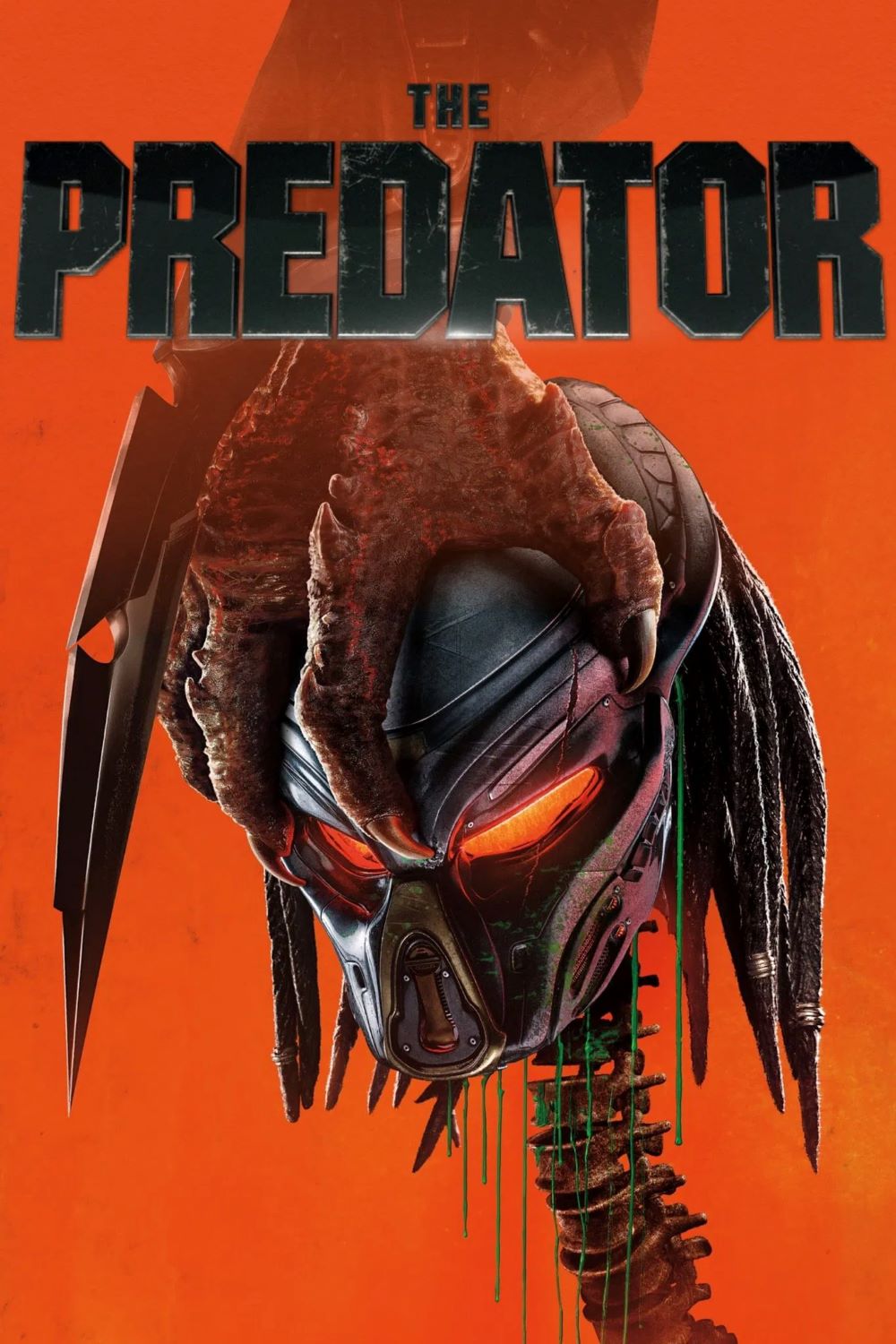
Review: The Predator (dir. by Shane Black)


“Gentlemen, remember… they’re large, they’re fast, and fucking you up is their idea of tourism.” — Traeger

Shane Black’s The Predator (2018) lands with a bang, offering a spectacle heavy on action, gore, and the signature snarky humor Black is known for. If you come looking for a suspenseful, tightly wound survival story in the tradition of the original 1987 film, you’re in for something very different—a gonzo mashup of nostalgia, R-rated slapstick carnage, and creature-feature excess that leans gleefully into genre absurdity.

The plot barrels forward with almost reckless energy. Boyd Holbrook stars as Quinn McKenna, a sniper whose mission goes haywire when a Predator spaceship crashes to Earth. Through a sequence of provocatively silly events, McKenna’s autistic son, Rory (Jacob Tremblay), ends up with the alien’s high-tech gear, unwittingly drawing attention from both the government and the technologically advanced Predators themselves. McKenna teams up with a ragtag bunch of soldiers, each with their own collection of quirks and psychological scars, plus Olivia Munn’s biologist Casey Bracket. This time, the hunt spills out of the jungle and into suburbia, with the chaos quickly escalating as a souped-up, genetically upgraded Predator enters the mix.

Where the 1987 original thrived on tension and jungle-stalking suspense, Black’s take is more about velocity, bloody spectacle, and loud, rapid-fire banter. The tone is set early, never letting up: The jokes fly thick and fast, the action is relentless, and there’s barely a lull for actual character development. The chemistry among “the Loonies,” McKenna’s loose-cannon squad, is the highlight—Keegan-Michael Key and Thomas Jane, in particular, deliver a mix of comic relief and bruised pathos that provides Black with fertile ground for his trademark dialogue. Sterling K. Brown chews the scenery as Traeger, the government antagonist, with a kind of joyous villainy that’s hard not to enjoy, even when the narrative slides into pure chaos. Olivia Munn starts strong as a scientist thrown into the deep end but is ultimately brushed aside by the film’s mayhem-heavy set pieces.

The film’s comedic pulse is strong, sometimes to its own detriment. Shane Black fills out every moment with his specific brand of irreverence, which works best in the banter between the Loonies but can undercut the menace of the Predators themselves. The violence is over-the-top, with practical splatter and digital effects combining for set pieces that are more monstrous brawls than hunting sequences. The movie rarely worries about internal logic—kids instantly deciphering alien technology and scientists surviving actions that would doom most is par for the course here. For fans of the previous films, there are enthusiastic callbacks and plenty of Easter eggs, though these are delivered more as punchlines than as foundations for new franchise mythology.

One of the film’s major issues is its kitchen-sink approach: it tries to be a throwback action movie, a gory sci-fi thriller, and a self-aware parody all at once. The result is a film constantly threatening to come apart at the seams—some viewers will find the tonal whiplash exhausting, with jokes about mental illness and disability that are more dated than daring. The narrative bounces between subplots and characters so quickly that plot armor and convenient twists abound, while the stakes themselves grow ever more implausible. If you’re looking for slow-burn tension or the primal fear that powered John McTiernan’s or even Stephen Hopkins’ installments, you’ll find yourself unmoored by the gleeful chaos and genre self-parody that Black serves up.

Still, for all its messiness, The Predator is never boring. It’s an action movie that refuses to slow down, boldly swapping iconic mud-soaked hunting for suburban street battles, and musclebound brawn for damaged, wise-cracking outcasts. It is, in its own profane, ADD-addled way, a love letter to the kind of big, dumb, fun genre movies that Black himself helped define in the late ’80s and ’90s.

Ultimately, The Predator isn’t a triumphant reinvention of the franchise nor a true return to the original’s nerve-shredding simplicity. Fans looking to see a return to the franchise’s glory days will be sorely disappointed. However, taken on its own merits and not dragged down by the expectations brought by the franchise, the film does entertain with its wild, unruly, blood-spattered romp that wears its flaws on its sleeve and dares the audience to laugh along with the carnage. If you’re in it for straight-up monster mayhem, creative kills, and a barrage of one-liners, you’ll have a blast. If you’re looking for restraint, genre evolution, or old-school suspense, you’ll probably end up shaking your head—grinning, maybe, but shaking it all the same.

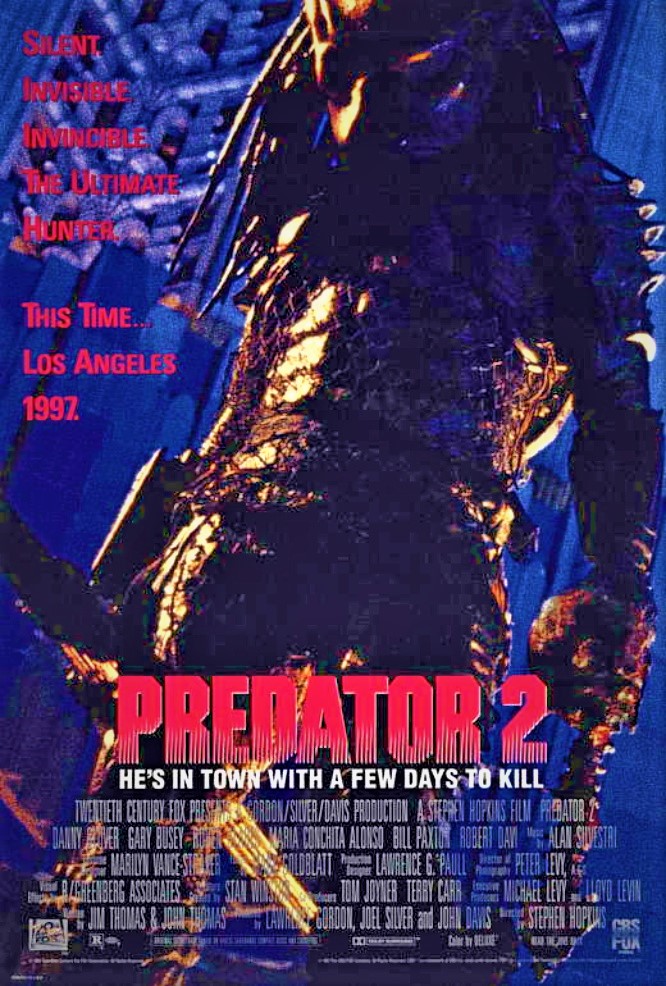
Review: Predator 2 (dir. by Stephen Hopkins)


Predator 2

Like any successful genre film, Predator would remain in the consciousness of filmgoers during the late 80’s. The film was that popular and successful. This also meant that the studio who produced and released the film were more than happy to try and replicate what made them a lot of money.  So, a sequel was quickly greenlit within the halls of 20th Century Fox.

Yet, despite the success the first film was able to garner despite some major production problems, this time around luck wasn’t with Predator 2. The follow-up film would have different production issues than the first but they would affect the film in the long run.

First off, John McTiernan wouldn’t be on-board to direct the sequel. His back-to-back successes with Predator and Die Hard has suddenly made him a coveted action director. His schedule would keep him from directing Predator 2 as his slate was already full with The Hunt for Red October being his next film. In comes Stephen Hopkins to helm the sequel.

Yet, the biggest blow to the production would be not being able to get Arnold Schwarzenegger to return in the role of Dutch, the sole survivor of the elite rescue team from the first film. As with most stars and sequels, this time it would be over a salary dispute that would keep Arnold from returning so in comes Danny Glover to take on the sequel’s lead role.

Now, Danny Glover has more than pulled his own action film weight with two Lethal Weapon films already under his belt, but in terms of on-screen charisma he would be a major downgrade from the presence Schwarzenegger provided the first film. But Glover was more than game to take on the role of Lt. Harrigan of the LAPD as the setting for the sequel moves from the steaming jungle canopy of Central America to the blistering asphalt and concrete jungle of gang-ridden Los Angeles.

This change in location made for an interesting take as it helped establish some world building that showed these Predators have visited Earth many times in the past and not just in the faraway jungles but more towards areas and places rife with conflict. We learn that it hunts those who have survived the conflicts of the area they’re in. Only the strongest for these extraplanetary hunters.

Unlike, the original film, Predator 2 fails in not having a cast of characters that the audience could empathize and root for. This follow-up is mostly about action and even more gore than the first. Even the opening sequence tries to one-up the jungle shooting scene from the first film, yet instead of shock and awe the sequence just seems loud and busy,

Predator 2 suffers from a lot of that as the film feels more than just a tad bit bloated. The Thomas brothers (Jim and John) who wrote the original film return for the sequel but were unable to capture lightning in a bottle a second time around. Where the first film was very minimalist in it’s narrative and plot, the sequel goes for the throw everything in but the kitchen sink approach. We have warring drug gangs, inept police leadership, secretive government agencies with their own agendas.

What does work with Predator 2 and has made it into a cult classic as years passed was the very worldbuilding I mentioned earlier. We learn a bit more of this predator-hunter. While some comes as exposition from Gary Busey’s special agent role Peter Keyes, the rest comes from just seeing the new look of this particular Predator courtesy of special effects master Stan Winston.

The biggest joy for fans of the films comes in an all-too-brief scene showcasing the trophy case of the Predator inside it’s spacecraft. Within this trophy case are the skulls of the prey it’s hunted and killed. One skull in particular would ignite the imagination of scifi action fans worldwide. It’s a skull of a xenomorph from the Alien franchise. It made fans wonder if the two films were part of a larger tapestry. Both properties were owned by 20th Century Fox, so there was a chance and hope that the two meanest and baddest alien creatures on film would crossover together.

It would be many, many years before such a team-up would happen. Even when it finally did fans of the franchises would be let down with what they get after waiting for over a decade.

Predator 2 could be seen as trying to make lightning hit the same patch twice or it could be seen as a quick cash grab by a studio seeing a potential franchise. Both are true and without its two biggest stars, Arnold Schwarzenegger and John McTiernan, returning to reprise their roles for the sequel the film was already behind the eight-ball before filming began.

While the follow-up had some interesting new ideas that helped round out the Predator as one of film’s greatest onscreen villains, it also failed to capitalize on those ideas in a creative way. There’s some good in Predator 2, but way too much baggage and too much bad to have it live up to the success and popularity of the original.

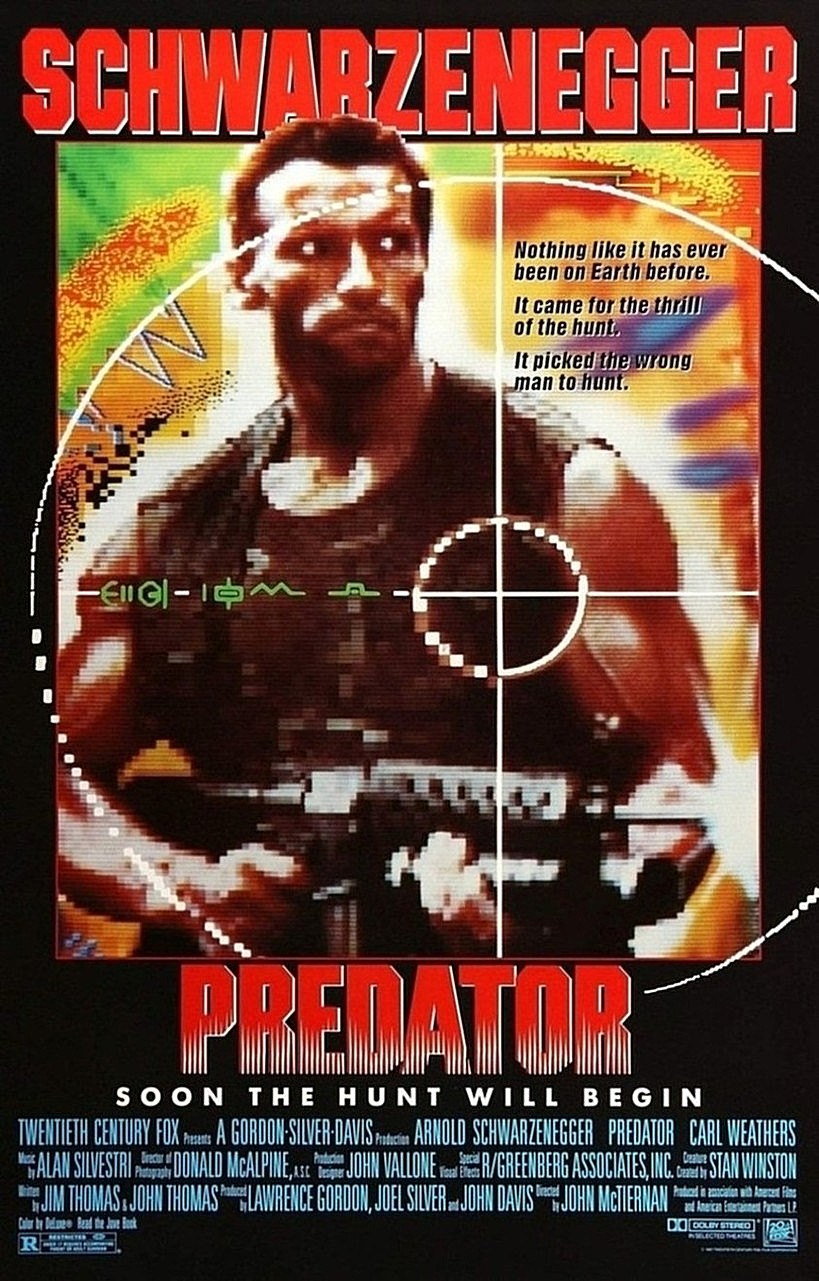
Review: Predator (dir. John McTiernan)


Predator 1987

It would be accurate for one to say that Arnold Schwarzenegger was king of the 80’s action flicks. He first burst onto the scene in the titular role in Conan the Barbarian then it’s follow-up sequel. Yet, it would be his role in James Cameron’s The Terminator in 1985 that would make him a household name.

He began to crank out action films after action film every year to varying degrees of success and quality between 1984 and 1987. It would be in the summer of 1987 that he would add a third iconic action film role to stint as Conan the Barbarian and the relentless cybernetic killer, the Terminator.

Maj. Dutch Schaefer in John McTiernan’s action scifi Predator cemented Arnold Schwarzenegger as the most bankable movie star of the 1980’s. The film itself has become a go-to classic whenever film fans of all stripes discuss what were some of the best films of the era. Yes, I do categorize Predator as one of the best to come out of the 1980’s. It does more than hold it’s own when stacked up against Oscar winners, festival darlings and indie cult-favorites.

It’s a film that takes the premise that “man is the most dangerous game” to new levels by adding in a scifi element to the story. That scifi element being an extraterrestrial hunter who comes to Earth every so often to hunt. It’s chosen prey tends to be killers, fighters and soldiers at the top of their craft and usually during times of extreme conflict.

The film, as written by the two brothers John and Jim Thomas, actually works like a slasher horror film in the beginning as Dutch and his team of elite commandos trek through the Central American jungle on a rescue mission. A mission that lands the team in finding the grisly remains of another American special forces team. Questions come up as to whether their CIA liaison (played by Carl Weathers of Rocky and Rocky II fame) knows more about the true nature of their supposed rescue mission than he’s willing to let on.

It’s once the team, still being stalked through the jungle by an unseen predator, finally find the people they’re suppose to rescue that all hell breaks loose in more ways than one. The action is loud, messy and exquisitely choreographed and filmed. Unlike some of the action films of the last ten years, Predator succeeds with it’s action scenes for having a director who uses very long takes and little to no hand-held to keep the action geography easy to follow and the action choreography unencumbered by too many edits and cuts.

Even once the team realizes that they were now being hunted and that whoever, or whatever is hunting them, the film still continues to stay on a creative track. When I mentioned that the film plays out like slasher film, it does in way in that the titular character behaves and moves like slasher killers. It seems to be everywhere and nowhere. The very victims it’s hunting only see it when it’s too late and death’s upon them.

The film’s dialogue has been quoted by so many fans that memes have been created around them. Yet, this doesn’t mean that the film is hilarious. What it does have was that masculine, brother’s-in-arms banter and quips that’s become a sort of signature for screenwriter and director Shane Black who was hired to do some uncredited rewrites on the Thomas Brother’s original script. Black would also end up playing one of the commandos in the film.

Outside of Arnold himself, Predator would be best-known for the effects work by the late and great Stan Winston, who would come in to help redesign the title character (with some help from his buddy James Cameron) and the rest as they would say was film history. It would be difficult to go anywhere around the world, show the Predator to some random person and they not know what it is.

Predator was one of those films that people, at first, thought was just a mindless, popcorn flick. The type of cinema that was to be seen then forgotten for better fare. Yet, in the end, Predator ended up becoming not just a classic of its genre, but a perfect example of a film that transcends it’s genre roots to become just a great film, in general.