shokushu zeme: “tentacle attack” erotica that explores taboo themes using tentacle-based sexual fantasy as a narrative and visual motif to circumvent Japanese censorship laws.
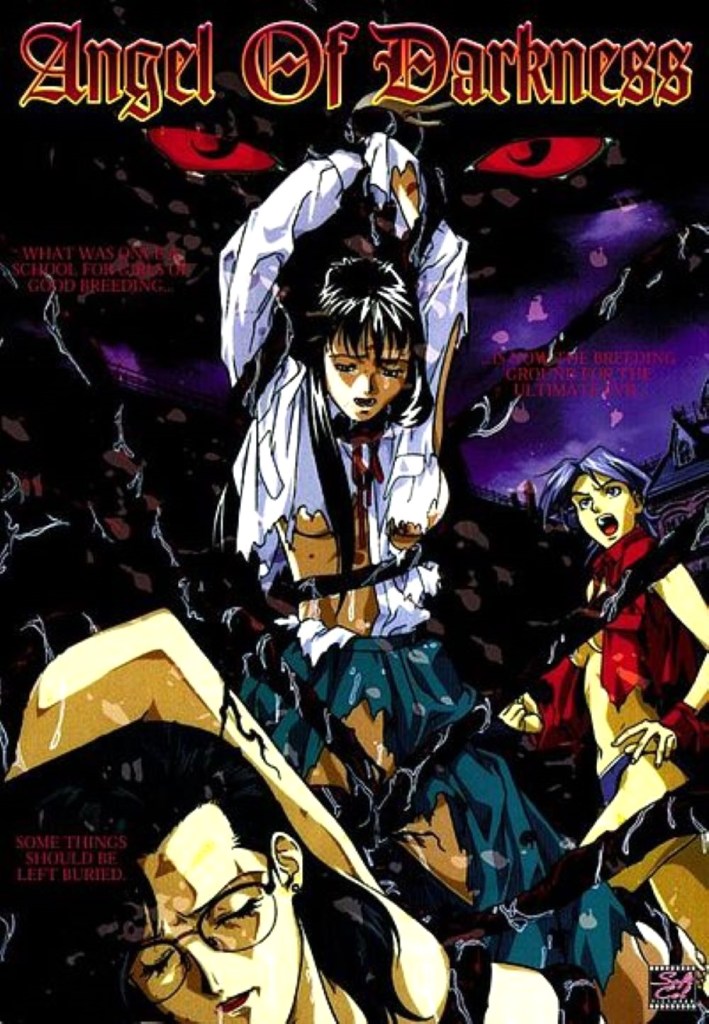
Angel of Darkness (Injū Kyōshi) holds a notorious place in the lineage of erotic horror anime, bridging the transgressive extremities of Chōjin Densetsu Urotsukidōji and the occult eroticism that would later define Bible Black. This four-episode OVA series from 1994 encapsulates the tentacle horror subgenre with uncompromising explicitness, wrapping its unsettling imagery in a narrative set within the seemingly innocent confines of a girls’ boarding school. The series exemplifies a distinctive moment in adult anime history, when grotesque sexuality and supernatural horror merged to explore themes of control, corruption, and forbidden knowledge.
Like Urotsukidōji, Angel of Darkness does not shy away from cataclysmic violence or graphic sexual transgression. However, rather than sprawling cosmic battles and apocalyptic carnage, it opts for a claustrophobic setting where the boundaries between predation and education collapse. The boarding school, an archetype of sheltered innocence, becomes a crucible for spiritual decay where evil—in the form of demonic possession and twisted rituals—lurks beneath routine façades. This subversion of a sacred educational environment highlights the series’ investment in moral and sexual transgression as intertwined forces.
The plot centers on Professor Goda, whose discovery of a strange stone beneath a campus tree unleashes an ancient, tentacled spirit that begins a viral corruption throughout the school. His transformation into a monstrous sex demon initiates an escalating cycle of ritual abuse and possession among the students and faculty. Against this backdrop, the developing relationship between Sayaka and Atsuko—the relatively innocent lovers trying to find connection amid chaos—provides a tragic human center to the nightmarish events unfolding. The series’ focus on lesbian romance adds emotional depth while diverging from typical harem or fetishistic formulas, instead using sexuality as both refuge and vulnerability under the shadow of demonic influence.
The narrative frequently returns to graphic scenes of domination, bondage, and forced extraction of bodily fluids, imagery that serves symbolic purposes as much as titillation. The recurring S&M rituals, scenes of rape by tentacles, and the desecration of once-hallowed spaces—such as the chapel turned site of torment—communicate a profound collapse of innocence and spirituality. This fusion of sex, violence, and the supernatural positions Angel of Darkness not as mere pornography, but as a stark allegory for power, control, and the corruption of purity.
Visually, the series operates within the constraints of mid-1990s adult OVA budgets, but its simplistic, shadow-heavy animation effectively evokes a mood closer to gothic horror than glossy erotica. The color palette is muted, alternating between the sterile luminescence of the school’s daytime routine and the ominous shadows of ritual scenes. This dichotomy underscores the narrative’s tension between surface normality and subterranean evil. Though the character designs lack the polish of contemporary works like Bible Black, with rougher lines and stilted motion, these limitations amplify the uncanny atmosphere, making the viewer uneasy in a way polished animation rarely achieves.
Sexual content dominates explicitly and persistently, refusing to separate eroticism from horror. This integration exemplifies Angel of Darkness’ commitment to challenging viewer boundaries and expectations. The tentacle horror motifs—ubiquitous in the genre but here rendered with disturbing severity—represent not just physical assault but a symbolic invasion of autonomy and identity by dark forces. The series’ interest in bodily horror situates it firmly within the tradition of Japanese erotic horror, yet its blend of sexuality with a narrative of supernatural possession elevates it beyond titillation toward a meditation on corruption and loss of self.
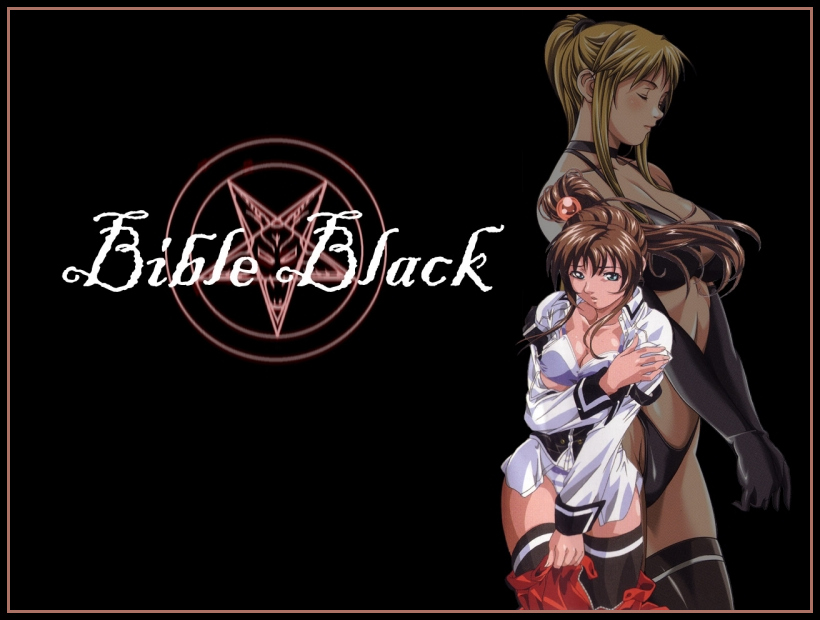
The series’ narrative and visual style contributed significantly to the evolution of adult anime as a genre willing to explore complex themes within erotic content. It is a clear spiritual predecessor to later occult-erotic works such as Bible Black, which would refine this formula with denser storytelling and atmospheric lighting but owe much to Angel of Darkness’ bold fusion of sex and the supernatural. The taboo-challenging spirit of the series also helped popularize tentacle pornography as a distinctive fetish category internationally, with Angel of Darkness frequently cited as a touchstone in underground anime communities.
Critically, Angel of Darkness remains polarizing. Its extreme explicitness and depiction of violent, non-consensual acts alienate many viewers while fascinating others with its raw thematic ambition. While it is impossible to discuss the anime without acknowledging its deeply problematic content, dismissing it purely as objectionable obscenity overlooks its place as a cultural artifact that pushes the limits of storytelling in adult animation. Indeed, the series critiques institutional complicity and the violation of trust—from teacher to student, from sacred institution to corrupted shrine—embedding its sexual horror within a larger allegory for power abuse.
Despite—or perhaps because of—its intense imagery, Angel of Darkness has maintained a lasting cult status for nearly three decades. Its influence reaches beyond hentai audiences, with many anime historians and scholars referencing it as a foundational work in the erotic horror niche. Its legacy is one of transgression not just for shock, but as a deliberate aesthetic and narrative strategy that challenges the viewer’s comfort zones and probes darker aspects of desire and domination.
Ultimately, Angel of Darkness is a complex and disturbing work that defies simple categorization. It is a horror anime that uses explicit sexuality and supernatural menace to explore themes of corruption, power, and forbidden love. As a historical piece, it represents both the creative ambition and the social taboos of 1990s adult Japanese animation, offering a grim yet compelling experience for those prepared to confront its darkness.




 Through the Shattered Lens