4 Shots From 4 Films is just what it says it is, 4 shots from 4 of our favorite films. As opposed to the reviews and recaps that we usually post, 4 Shots From 4 Films is all about letting the visuals do the talking.
Today is the birthday of director John McNaughton! It’s time for….
4 Shots From 4 John McNaughton Films
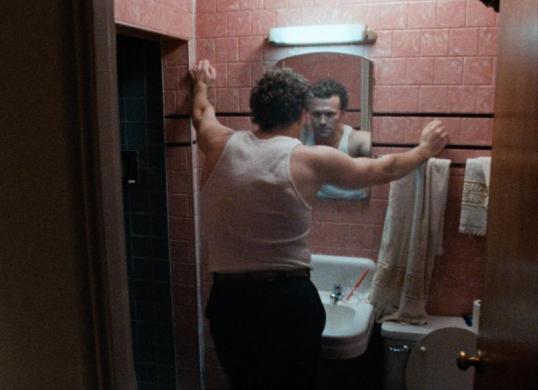
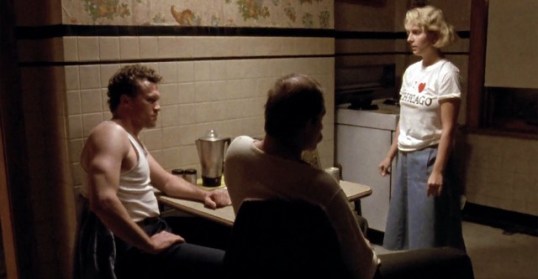
Henry: Portrait of a Serial Killer (1986, dir by John McNaughton, DP: Charles Lieberman)
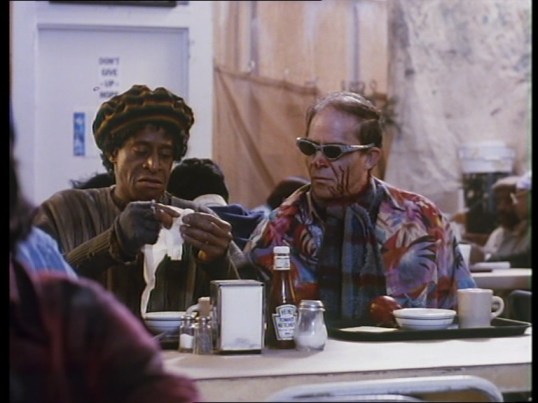
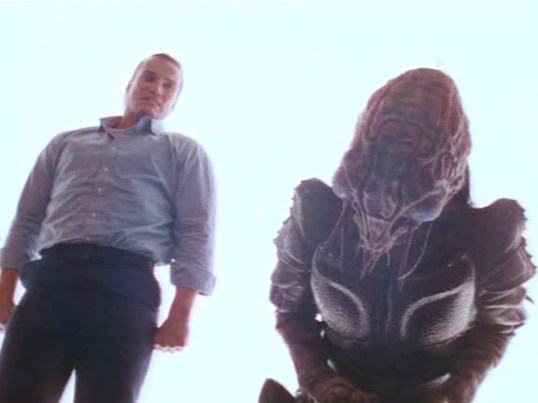
The Borrower (1991, dir by John McNaughton, DP: Julio Mucat and Robert C. New)
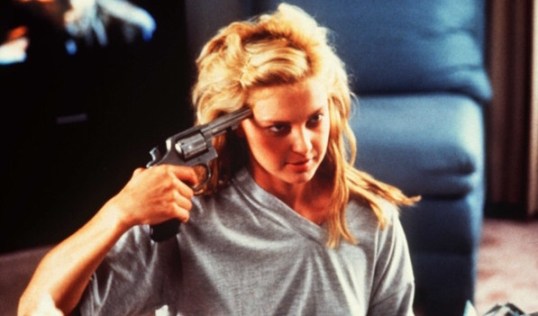
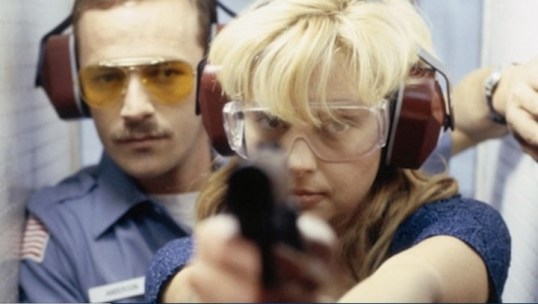
Normal Life (1996, dir by John McNaughton, DP: Jean de Segonzac)
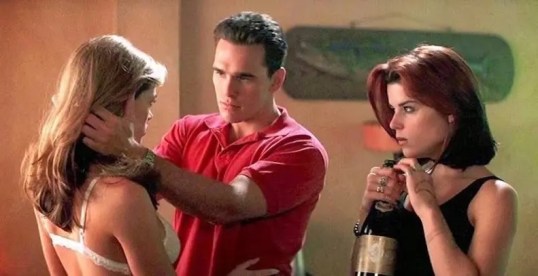
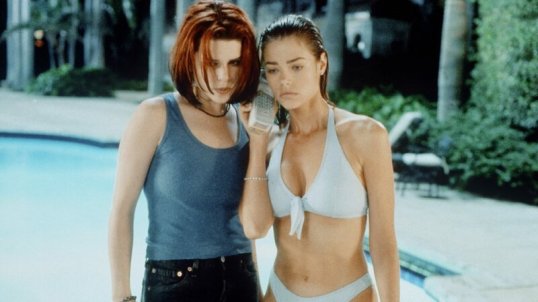
Wild Things (1998, dir by John McNaughton, DP: Jeffrey L. Kimball)
This October, I’m going to be doing something a little bit different with my contribution to 4 Shots From 4 Films. I’m going to be taking a little chronological tour of the history of horror cinema, moving from decade to decade.
Today, we start the 90s!
4 Shots From 4 Films
Henry: Portrait of a Serial Killer (1990, dir by John McNaughton)
Candyman (1992, dir by Bernard Rose)
Buffy the Vampire Slayer (1992, dir by Fran Rubel Kuzui)
4 Shots From 4 Films is just what it says it is, 4 shots from 4 of our favorite films. As opposed to the reviews and recaps that we usually post, 4 Shots From 4 Films is all about letting the visuals do the talking.
Today is the birthday of director John McNaughton! It’s time for….
4 Shots From 4 John McNaughton Films
Henry: Portrait of a Serial Killer (1986, dir by John McNaughton, DP: Charles Lieberman)
The Borrower (1991, dir by John McNaughton, DP: Julio Mucat and Robert C. New)
Normal Life (1996, dir by John McNaughton, DP: Jean de Segonzac)
Wild Things (1998, dir by John McNaughton, DP: Jeffrey L. Kimball)
4 Shots From 4 Films is just what it says it is, 4 shots from 4 of our favorite films. As opposed to the reviews and recaps that we usually post, 4 Shots From 4 Films is all about letting the visuals do the talking.
Today is the birthday of director John McNaughton! It’s time for….
4 Shots From 4 John McNaughton Films
Henry: Portrait of a Serial Killer (1986, dir by John McNaughton, DP: Charles Lieberman)
The Borrower (1991, dir by John McNaughton, DP: Julio Mucat and Robert C. New)
Normal Life (1996, dir by John McNaughton, DP: Jean de Segonzac)
Wild Things (1998, dir by John McNaughton, DP: Jeffrey L. Kimball)
Are these the scariest films of all time? Well. I’m not going to say that because horror is subjective and what scares me might not scare you and blah blah blah blah.
So, these might not be the scariest ten films of all time. But then again, they might…
This October, I’m going to be doing something a little bit different with my contribution to 4 Shots From 4 Films. I’m going to be taking a little chronological tour of the history of horror cinema, moving from decade to decade.
Today, we start the 90s!
4 Shots From 4 Films
Henry: Portrait of a Serial Killer (1990, dir by John McNaughton)
Candyman (1992, dir by Bernard Rose)
Buffy the Vampire Slayer (1992, dir by Fran Rubel Kuzui)
Last night we saw the return of Michael Rooker as Merle Dixon in season 3 of AMC’s The Walking Dead. He’s been one of those actors who has made a living in genre film and projects and for this he has gained quite a loyal and zealous fan-base which includes myself. Not many people actually know that he starred in one of the most disturbing piece of filmmaking in the last quarter-century. Many people will throw the word “most disturbing” all the time, but with the film I’m taking the latest “Scenes I Love” entry it’s been a consensus amongst genre fans and just film-lovers in general that it’s a film that deserves all the praise thrown it’s way.
It’s not a film that’s really enjoyable. In fact, it’s a film that’s made to elicit a reaction that ranges from disgust to plain creepiness. The film I’m talking about is John McNaughton’s classic horror film simply titled Henry: Portrait of a Serial Killer.
The film has so many sequences that has become etched in the minds of those who have seen the film. Whether it’s the opening of the film where we see Henry going about his business like some average joe interspersed with scenes of violence and degradation left behind. Another infamous scene that many has decried the film for being tasteless and is the home invasion scene. Even the final scene of the film is disturbing for the fact that we don’t see the redemption we thought the end of the film was going for, but instead just another start in a new cycle of violence and death for the title character.
The one scene I picked and saying I love this scene is pushing it. Let’s just say that this is the scene that really solidified the film to me as a horror classic. It’s a scene between Henry and his old pal Otis on a double date and it’s a date that horrible goes awry. The horror of Henry killing people is enough for some, but the reaction afterwards of both Henry and Otis just shows that these events do happen in real-life and that the banality of evil in everyday life is more horrifying and disturbing than any horror fiction people can come up with.
Masters of Horror has been good but very uneven in its execution during it’s two season run on Showtime. Haeckel’s Tale is the last episode for Season One (Takashi Miike’s episode never got an official airing) and it sure ends the season on a disturbingly kinky compilation of twisted grotesqueries. The story is from a Clive Barker short story that’s been adapted by Mick Garris (fellow Masters of Horror director and also its brainchild) and produced by George A. Romero to be directed by John McNaughton.
One wonders why Romero would be producing instead of directing the piece. Scheduling conflicts prohibited Romero from taking the director’s chair and he instead recommended John McNaughton (his one film which earned him Master of Horror status is one of the best horror films of the last quarter century: Henry – Portrait of a Serial Killer). The fact that Romero was originally chosen to direct Barker’s Garris adapted short story means there’s got to be zombies or some form of undead within. I, for one, was glad that Romero decided that he wouldn’t be able to direct and chose another in his stead. Barker’s short story does indeed include zombies but it also has a heavy sense of the old classic technicolor Hammer Films vibe to it. Haeckel’s Tale under the capable hands of McNaughton takes those Hammer Films conventions and ramps it up into overdrive.
Even though John McNaughton really has only one true horror film under his belt (he also directed a little-known cult scifi-horror called The Borrowers which had fledgling effects shop KNB EFX still doing things guerilla-style), but his work in Henry: Portrait of a Serial Killer more than earned him his horror creds. In Haeckel’s Tale, John McNaughton clearly has a bit of fun making the only true period piece in the whole Masters of Horror series. McNaughton goes for the classic Hammer Films look for this episode and it shows in the gothic, fog-shrouded atmosphere in the outdoor scenes. The look of the costumes and even the dialogue harkens back to those Christopher Lee and Peter Cushing Hammer Films.
The story is a mixture of the Frankenstein tale with a some Cemetary Man (aka Dellamorte Dellamore) mixed in. Haeckel’s Tale begins somewhere around the 1800’s and I’m assuming close to the end of it from the costume worn by Steve Bacic who played Mr. Ralston who arrives to seek the help of Miz Carnation who is purported to be a necromancer who can grant him his wish to have his dead wife brought back to life for him. Miz Carnation rebuffs Ralston, but after some begging she makes a deal with him to hear Haeckel’s Tale. If he still wants his wife brought back to life after hearing it then she would do so.
Ernst Haeckel (played by Derek Cecil)is a young medical professor whose obsession to conquer death mirrors that of a certain eccentric European scientist he so admires. Unlike his idol, Haeckel’s attempt to use electricity to put the spark of life back into a corpse fails dramatically. He’s soon investigating the rumor of a certain traveling necromancer who goes by the name of Montesquino (played by Joe Polito) who he thinks to be a fraud, but he soon finds out that Montesquino is all he says he is when Haeckel stumbles upon Wolfram (played by Stargate SG-1‘s own Maybourne, Tom McBeath) and his stunning young wife Elise (the drop-dead gorgeous Leela Savasta).
Haeckel quickly lusts after the young Elise, but as Wolfram will later tell him as the story nears it’s climax (in more ways than one), Elise cannot be satisfied by him or Haeckel. Her obsession with a dead husband she loves and cannot let go brings Haeckel to a scene that he cannot comprehend nor accept as something she truly wants. I must say that Leela Savasta’s performance as the dead-obsessed Elise is only surpassed by Anna Falchi’s own work as “She” in Dellamorte Dellamore. Leela’s pretty much spending most of her screentime fully naked and writhing around in an orgy not typical of most horror movies. It’s also in this orgy scene where we get the biggest Clive Barker feel to the story. Anyone how has read Barker earlier work knows the man can mix horror and sex like no other.
The ending of the episode brings to it a slight twist with Miz Carnation being more than she says she is. This Masters of Horror episode is not the best of the lot, but it is one of the better looking ones in terms of cinematography and it’s leads. It also doesn’t have much in terms of genuine scares. The story gradually builds up the dreads and disturbing images but never anything that will put a genuine heart-stopping scare on the viewer. Like McNaughton’s own foray into horror with Henry, Haeckel’s Tale lets the story’s own disturbing themes on obsession and the darker side of love put the horror in the story. It does have a nice gore-laden sequence courtesy of Howard Berger and Greg Nicotero and their KNB FX team.
In the end, Haeckel’s Tale is a very good episode which has its flaws like the rest of the Masters of Horror episodes. What sets it apart from the rest of the series entries is its unique Hammer Films look and the return of McNaughton back in the director’s chair as a horror filmmaker. It’s no Henry: Portrait of a Serial Killer, but Haeckel’s Tale will have enough disturbing images to burn itself to its audiences’ minds.





 Through the Shattered Lens