4 Shots From 4 Films: Special Arthur Penn Edition


4 (or more) Shots From 4 (or more) Films is just what it says it is, 4 (or more) shots from 4 (or more) of our favorite films. As opposed to the reviews and recaps that we usually post, 4 (or more) Shots From 4 (or more) Films lets the visuals do the talking.

103 years ago today, Arthur Penn was born in Philadelphia.  In the 50s, Penn was one of the new crop of directors who made a name for themselves directing for television.  Like most of his colleagues, he transitioned into film.  Unlike many of his colleagues, he remained a fiercely iconoclastic director, one who was willing to challenge the conventions of Hollywood.  While his early films often struggled at the box office, he was respected by actors and hailed as a visionary by the directors of the French New Wave.

In 1967, he and Warren Beatty changed the course of American cinema with Bonnie and Clyde.  Penn followed up that classic film with movies like Alice’s Restaurant, Little Big Man, Night Moves, and a handful of others.  When he died in 2010, Penn was hailed as one of the most influential (if sometimes underrated) directors of all time.

Today, in honor of the anniversary of his birth, the Shattered Lens offers up….

4 Shots From 4 Arthur Penn Films

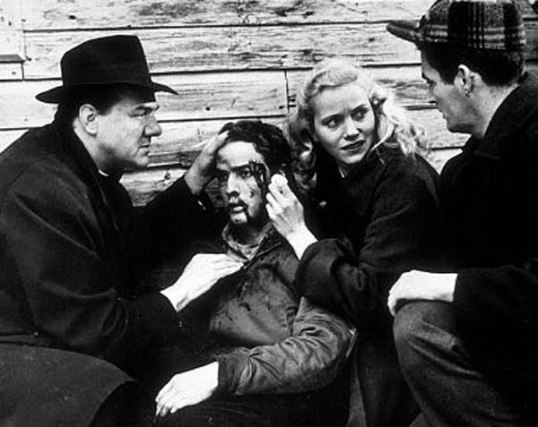
The Chase (1966, dir by Arthur Penn, DP: Joseph LaShelle)

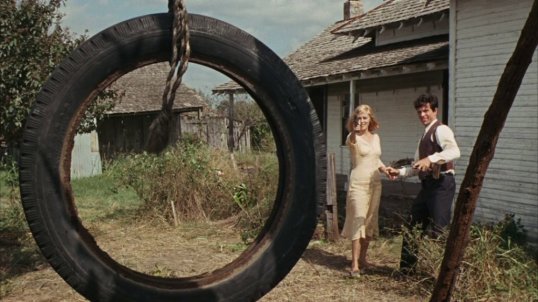
Bonnie and Clyde (1967, dir by Arthur Penn, DP: Burnett Guffey)

Alice’s Restaurant (1969, dir by Arthur Penn, DP: Michael Nebbia)

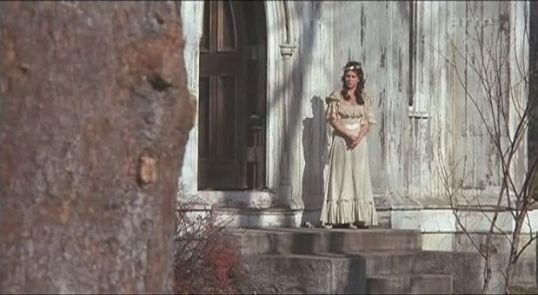
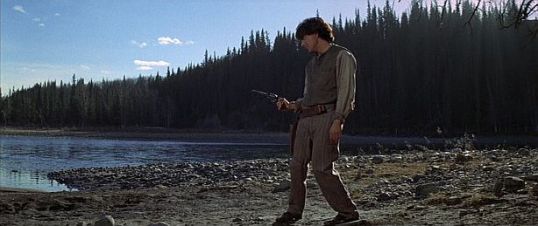
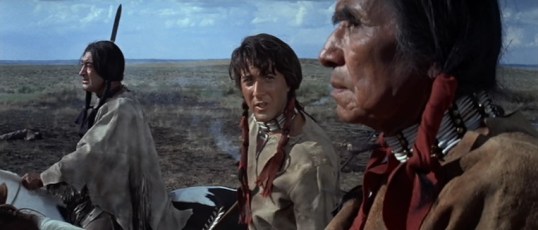
Little Big Man (1970, dir by Arthur Penn, DP: Harry Stradling Jr)

4 Shots From 4 Films: Special Marlon Brando Edition


4 Or More Shots From 4 Or More Films is just what it says it is, 4 shots from 4 of our favorite films. As opposed to the reviews and recaps that we usually post, 4 Shots From 4 Films lets the visuals do the talking!

101 years ago, on this date, Marlon Brando was born in Omaha, Nebraska.  One of the greatest of American actors and one of the main reasons why so many young actors became enamored with the Method, Marlon Brando played many roles in our culture.  When he was young, he was a Broadway bad boy.  When he went out to Hollywood, he became a legitimate movie star.  In the 60s, he was a cautionary tale as his career suffered a series of notorious flops.  In the 70s, he made a comeback and, in during the final years of his career, he was as known for his eccentricities as for his talent.  It’s a shame that those eccentricities overshadowed Brando as an actor.  When he wanted to be, he was one of the best to ever appear on stage or in the movies.

In honor of the wonderful, tragic, and talented Marlon Brando, it’s time for….

4 Shots From 4 Marlon Brando Films

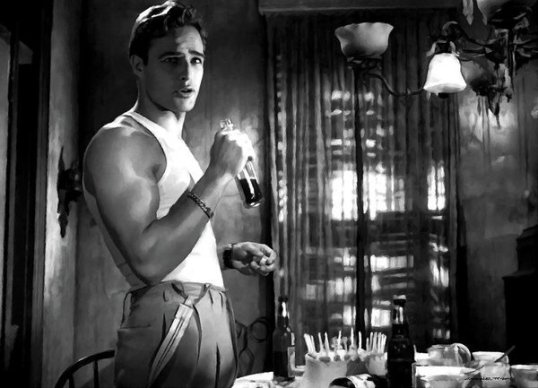
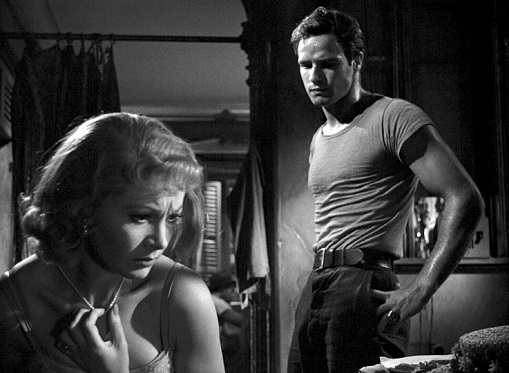
A Streetcar Named Desire (1951, dir by Elia Kazan, DP: Harry Stradling)

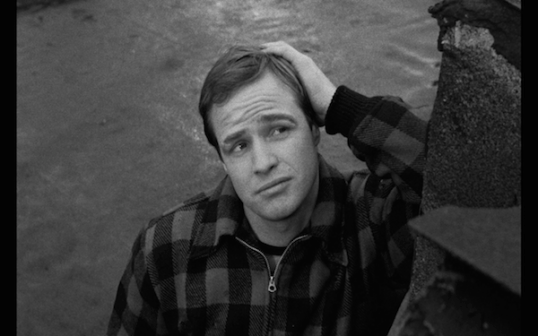
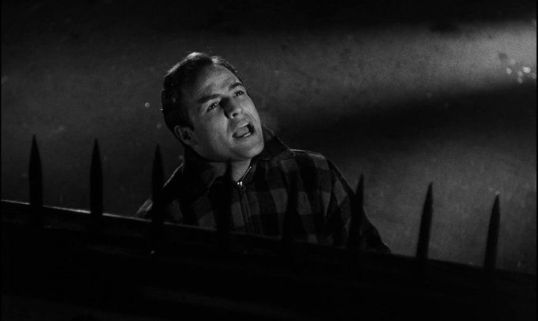
On The Waterfront (1954, dir by Elia Kazan, DP: Boris Kaufman)

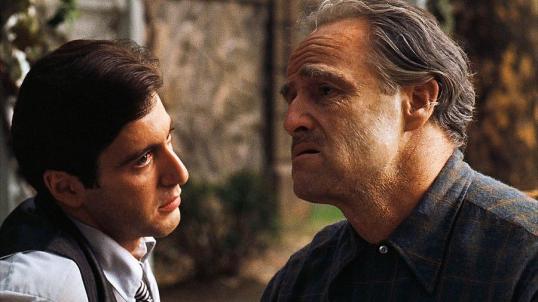
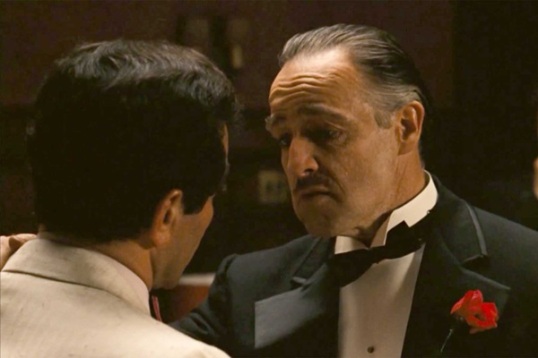
The Godfather (1972, dir by Francis Ford Coppola, DP: Gordon Willis)

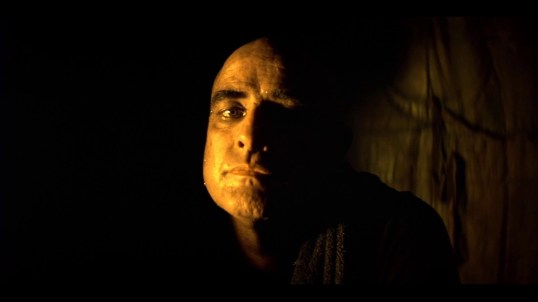
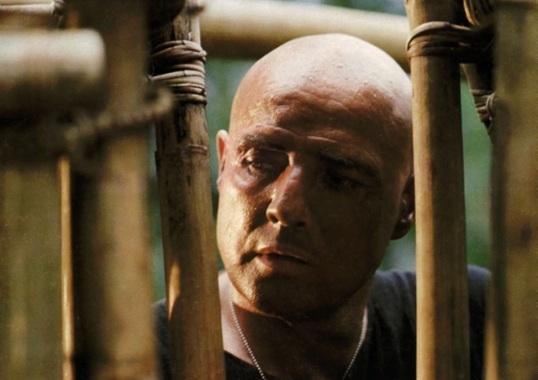
Apocalypse Now (1979, dir by Francis Ford Coppola, DP: Vittorio Storaro)

4 Shots From 4 Films: Special 1970 Edition


4 Or More Shots From 4 Or More Films is just what it says it is, 4 shots from 4 of our favorite films. As opposed to the reviews and recaps that we usually post, 4 Shots From 4 Films lets the visuals do the talking!

Today, let’s celebrate the year 1970!  It’s time for….

4 Shots From 4 1970 Films

MASH (1970, dir by Robert Altman, DP: Harold E. Stine)

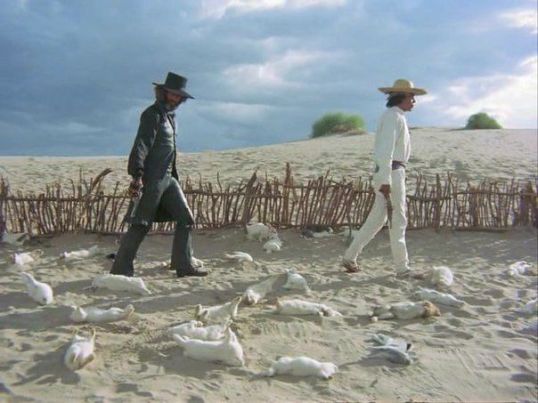
El Topo (1970, dir by Alejandro Jodorowsky, DP: Rafael Corkidi)

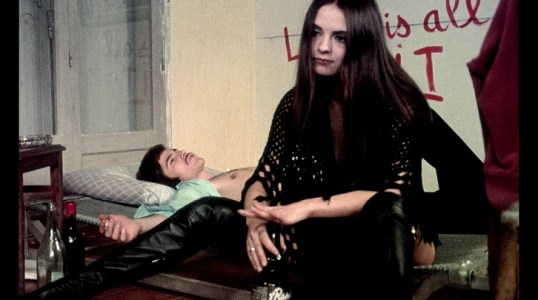
Nightmares Come At Night (1970, dir by Jess Franco)

Little Big Man (1970, dir by Arthur Penn, DP: Harry Stradling Jr)

4 Shots From 4 Films: Special Marlon Brando Edition


4 Or More Shots From 4 Or More Films is just what it says it is, 4 shots from 4 of our favorite films. As opposed to the reviews and recaps that we usually post, 4 Shots From 4 Films lets the visuals do the talking!

One hundred years ago and on this date, Marlon Brando was born in Omaha, Nebraska.  One of the greatest of American actors and one of the main reasons why so many young actors became enamored with the Method, Marlon Brando played many roles in our culture.  When he was young, he was a Broadway bad boy.  When he went out to Hollywood, he became a legitimate movie star.  In the 60s, he was a cautionary tale as his career suffered a series of notorious flops.  In the 70s, he made a comeback and, in during the final years of his career, he was as known for his eccentricities as for his talent.  It’s a shame that those eccentricities overshadowed Brando as an actor.  When he wanted to be, he was one of the best to ever appear on stage or in the movies.

In honor of the wonderful, tragic, and talented Marlon Brando, it’s time for….

4 Shots From 4 Marlon Brando Films

A Streetcar Named Desire (1951, dir by Elia Kazan, DP: Harry Stradling)

On The Waterfront (1954, dir by Elia Kazan, DP: Boris Kaufman)

The Godfather (1972, dir by Francis Ford Coppola, DP: Gordon Willis)

Apocalypse Now (1979, dir by Francis Ford Coppola, DP: Vittorio Storaro)

4 Shots From 4 Films: Special Arthur Penn Edition


4 (or more) Shots From 4 (or more) Films is just what it says it is, 4 (or more) shots from 4 (or more) of our favorite films. As opposed to the reviews and recaps that we usually post, 4 (or more) Shots From 4 (or more) Films lets the visuals do the talking.

101 years ago today, Arthur Penn was born in Philadelphia.  In the 50s, Penn was one of the new crop of directors who made a name for themselves directing for television.  Like most of his colleagues, he transitioned into film.  Unlike many of his colleagues, he remained a fiercely iconoclastic director, one who was willing to challenge the conventions of Hollywood.  While his early films often struggled at the box office, he was respected by actors and hailed as a visionary by the directors of the French New Wave.

In 1967, he and Warren Beatty changed the course of American cinema with Bonnie and Clyde.  Penn followed up that classic film with movies like Alice’s Restaurant, Little Big Man, Night Moves, and a handful of others.  When he died in 2010, Penn was hailed as one of the most influential (if sometimes underrated) directors of all time.

Today, in honor of the anniversary of his birth, the Shattered Lens offers up….

4 Shots From 4 Arthur Penn Films

The Chase (1966, dir by Arthur Penn, DP: Joseph LaShelle)

Bonnie and Clyde (1967, dir by Arthur Penn, DP: Burnett Guffey)

Alice’s Restaurant (1969, dir by Arthur Penn, DP: Michael Nebbia)

Little Big Man (1970, dir by Arthur Penn, DP: Harry Stradling Jr)

4 Shots From 4 Films: Special Arthur Penn Edition


4 (or more) Shots From 4 (or more) Films is just what it says it is, 4 (or more) shots from 4 (or more) of our favorite films. As opposed to the reviews and recaps that we usually post, 4 (or more) Shots From 4 (or more) Films lets the visuals do the talking.

99 years ago today, Arthur Penn was born in Philadelphia.  In the 50s, Penn was one of the new crop of directors who made a name for themselves directing for television.  Like most of his colleagues, he transitioned into film.  Unlike many of his colleagues, he remained a fiercely iconoclastic director, one who was willing to challenge the conventions of Hollywood.  While his early films often struggled at the box office, he was respected by actors and hailed as a visionary by the directors of the French New Wave.

In 1967, he and Warren Beatty changed the course of American cinema with Bonnie and Clyde.  Penn followed up that classic film with movies like Alice’s Restaurant, Little Big Man, Night Moves, and a handful of others.  When he died in 2010, Penn was hailed as one of the most influential (if sometimes underrated) directors of all time.

Today, in honor of the anniversary of his birth, the Shattered Lens offers up….

4 Shots From 4 Arthur Penn Films

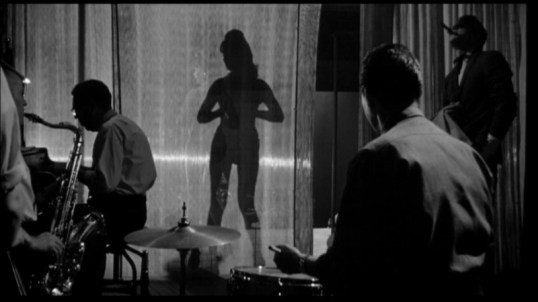
Mickey One (1965, dir by Arthur Penn, DP: Ghislain Cloquet)

Bonnie and Clyde (1967, dir by Arthur Penn, DP: Burnett Guffey)

Little Big Man (1970, dir by Arthur Penn, DP: Harry Stradling Jr)

Night Moves (1975, dir by Arthur Penn, DP: Bruce Surtees)

6 Shots From 6 Films: Special Richard Brooks Edition


4 (or more) Shots From 4 (or more) Films is just what it says it is, 4 (or more) shots from 4 (or more) of our favorite films. As opposed to the reviews and recaps that we usually post, 4 (or more) Shots From 4 (or more) Films lets the visuals do the talking.

109 years ago today, Richard Brooks was born in Philadelphia, Pennsylvania. He would go on to become an iconoclastic director, making films that challenged taboos and often dealt with the social issues that most mainstream Hollywood filmmakers refused to touch. With In Cold Blood, he launched the entire true crime genre. With Elmer Gantry, he was one of the first American directors to examine how religion became a big business. Throughout his long career, Brooks was a consistent opponent of bigotry, censorship, and hate. As one of the few independent directors to regularly work and achieve prominence during the studio era, he was a trailblazer for many today’s best directors.

In honor of the date of his birth, it’s time for….

6 Shots From 6 Richard Brooks Films

Blackboard Jungle (1955, dir by Richard Brooks, DP: Russell Harlan)
Cat On A Hot Tin Roof (1958, dir by Richard Brooks, DP: William Daniels)
Elmer Gantry (1960, dir by Richard Brooks, DP: John Alton)
In Cold Blood (1967, dir by Richard Brooks, DP: Conrad Hall)
Bite The Bullet (1975, dir by Richard Brooks, DP: Harry Stradling, Jr.)
Looking for Mr. Goodbar (1977, dir by Richard Brooks, DP: John A. Fraker)

4 Shots From 4 Films: Special Jack Smight Edition


4 (or more) Shots From 4 (or more) Films is just what it says it is, 4 (or more) shots from 4 (or more) of our favorite films. As opposed to the reviews and recaps that we usually post, 4 (or more) Shots From 4 (or more) Films lets the visuals do the talking.

Though the name Jack Smight might not be a familiar one in the way the name of some directors are, this filmmaker was responsible for some of the most “fun” movies of the 60s and 70s.  He was born 96 years ago, on this date, in Minnesota and he passed away in 2003.  In between that time, he directed television shows, movies, and he was responsible for popularizing the deathless phrase, “The stewardess is flying the plane?”

In honor of Jack Smight, here are….

4 Shots From 4 Jack Smight Films

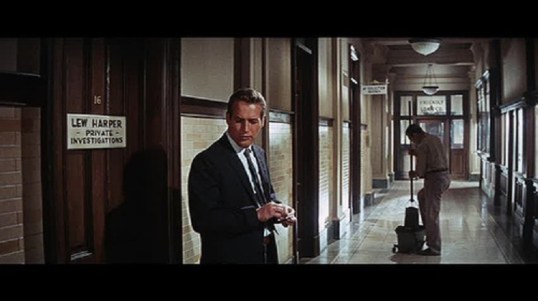
Harper (1966, dir by Jack Smight, DP: Conrad L. Hall)

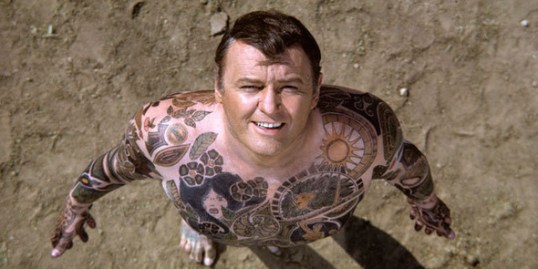
The Illustrated Man (1968, dir by Jack Smight, DP: Philip H. Lathrop)

Airport1975 (1974, dir by Jack Smight, DP: Philip H. Lathrop)

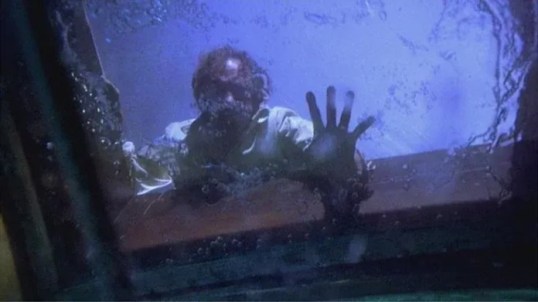
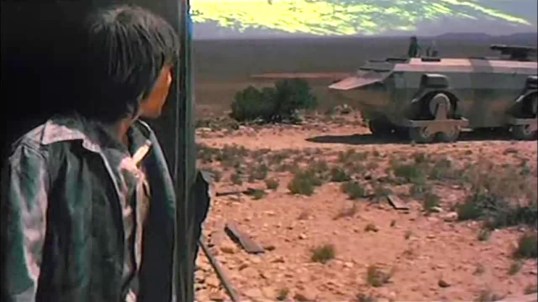
Damnation Alley (1977, dir by Jack Smith, DP: Harry Stradling, Jr.)

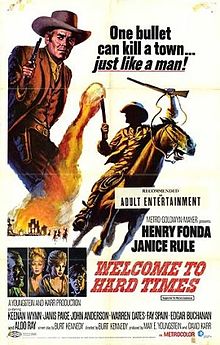
Film Review: Welcome to Hard Times (1967, directed by Burt Kennedy)


220px-WelcomehardtimesWelcome to Hard Times is a western that used to frequently turn up on TV when I was a kid.  I remembered that I had always enjoyed it but otherwise, I had largely forgotten about it when I saw that it was airing on TCM earlier today.  I rewatched it to see if I would still enjoy it.  Welcome To Hard Times has its flaws but it is still an above average addition to the genre.

Based on a novel by E.L. Doctorow, Welcome to Hard Times takes place in the small western settlement of Hard Times, Nevada.  When the mysterious Man From Bodie (Aldo Ray) shows up, he terrorizes everyone in the town.  When the town founder, Mr. Fee (Paul Birch), attempts to stand up to him, the Man from Bodie shoots him dead.  When the local undertaker, Mr. Hansen (Elisha Cook, Jr.) tries to stop the Man from stealing one of his horses, the Man silently guns him down.  As the town’s mayor, Will Blue (Henry Fonda), stands by and helplessly watches, The Man rapes and murders Fee’s girlfriend and also kills the local saloonkeeper, Avery (Lon Chaney, Jr.).  The Man burns down the town and finally leaves.

Thought most of the surviving townspeople abandon Hard Times, Will Blue stays behind and tries to rebuild.  He adopts Fee’s son, Jimmy (Michael Shea).  Also staying behind is Jimmy’s mother, Molly Riordan (Janice Rule), a former saloon girl who was also raped by the Man and who constantly taunts Will for not being able to stand up to him.  New settlers arrive and the town starts to rebuild.  Zar (Kennan Wynn) and his four girls reopen the saloon and serve the workers at a nearby mine.  Isaac Maple (John Anderson) reopens the general store.  Under Will’s leadership, Hard Times starts to thrive.

A drifter named Leo Jenks (the great Warren Oates) also moves in.  When Molly discovers that Leo is a crack shot, she gets him to teach Jimmy how to handle a shotgun.  Both she and Will know that the Man is going to return in the spring.  Molly is obsessed with vengeance and Will fears that Jimmy is going to be consumed by her hatred.
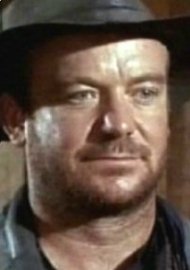
Aldo Ray  Welcome to Hard Times (1967)Of course, the Man does eventually return.

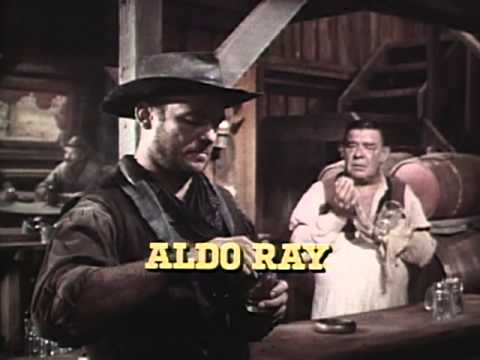
Welcome to Hard Times works best at the beginning and the end, when Aldo Ray is on-screen.  As the sadistic Man from Bodie, Ray gives a classic western bad guy performance.  He’s intimidating, he’s violent, and he guns down the citizens of Hard Times with even more casual arrogance than Lee Marvin, Jack Palance, and Lee Van Cleef combined!  The middle section of the film drags and it is hard to ignore Jane Rule’s shaky Irish accent.  It is obvious that Welcome to Hard Times is trying to say something about Will Blue’s humanistic approach but it does not seem to know what.

Director Burt Kennedy was best known for directing comedic westerns.  Welcome to Hard Times was a rare dramatic film for him.  It’s not a great western but, thanks to Aldo Ray’s performance and the excellent work of cinematography Harry Stradling, Jr., it’s still a worthy addition to the genre.
 

Aldo Ray