Under the Moon’s Shadow: The Many Faces of the Modern Werewolf in Cinema


“Beneath the full moon’s gaze, the werewolf’s howl reminds us that the monster we fear most lives within.”

Werewolves have been haunting movies for almost a century, capturing our deepest fears and hidden desires. But today’s werewolf films go beyond the classic horror formula, offering fresh takes that reflect different genres, tones, and cultural vibes. From the intense, action-packed Dog Soldiers to the emotionally charged coming-of-age story in Ginger Snaps, modern werewolf stories keep evolving. This piece explores five standout films—Dog Soldiers (2002), Ginger Snaps (2000), Wolfen (1981), The Howling (1981), and An American Werewolf in London (1981)—to see how they each put their unique spin on the age-old monster myth.

The Werewolf as Warrior: Dog Soldiers’ Brutal Siege

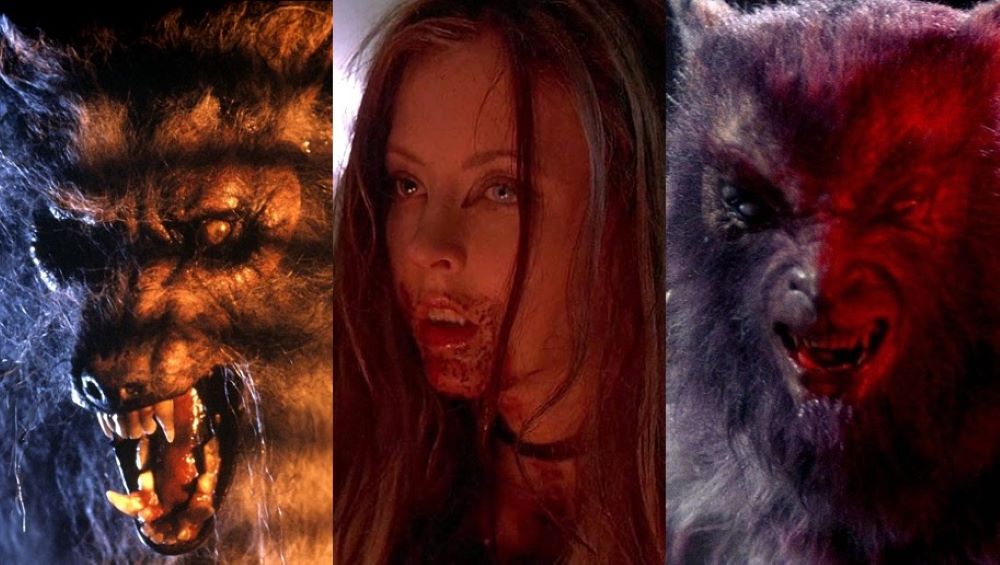
Neil Marshall’s Dog Soldiers breaks away from the lonely, tragic werewolf trope and cranks up the action. Set deep in the Scottish Highlands, it throws a squad of British soldiers against a ferocious pack of werewolves. This film turns the myth into a survival war story packed with tension and raw energy, reminiscent of classics like Aliens and Zulu. The werewolves here aren’t lonely victims—they’re terrifying predators, more beast than man, rarely fully shown to keep the suspense sharp. The movie focuses on the squad’s fight to survive and the bonds they share, putting teamwork and instinct front and center.

The werewolves are intentionally faceless threats, less about human drama and more about pure danger. Instead of personal transformation, Dog Soldiers is about external combat, the struggle between man and beast in its rawest form.

Adolescence Unleashed: Ginger Snaps and the Lycanthropic Metaphor

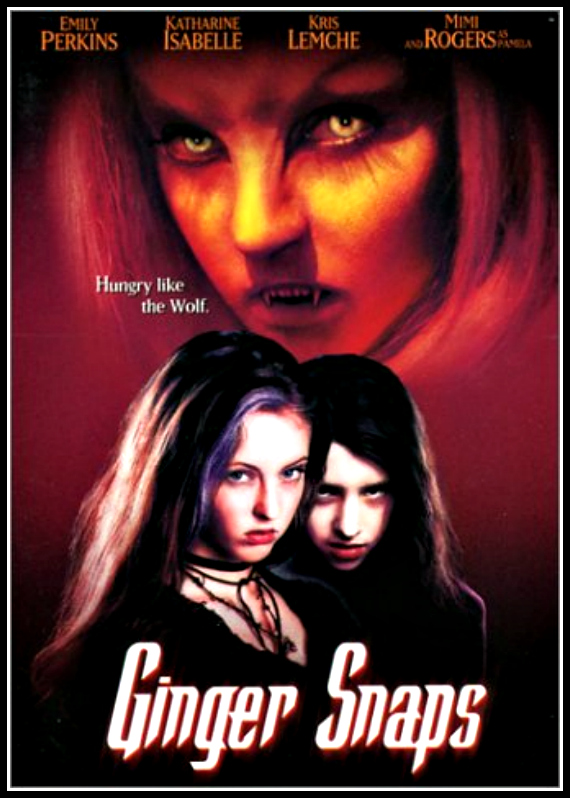
Ginger Snaps takes a totally different route, using werewolf transformation as a metaphor for female puberty and all the confusing emotions that come with growing up. The bridge between monster and metaphor is Ginger’s first period, which triggers her curse and mirrors the changes and fears of adolescence. The movie digs deep into sisterhood, identity crises, and the loss of control, wrapping its horror in psychological drama and dark humor.

Instead of flashy creature effects, Ginger Snaps keeps things subtle, focusing on emotional truth. It’s a personal story about change and fear of becoming “other,” making the monster symbolic of real-life struggles rather than just an external threat.

Urban Shadows: Wolfen’s Mystical Guardians of Decay

Wolfen stands apart for taking the werewolf myth into the world of urban decay and social unrest. Set in New York City’s rundown South Bronx, it follows detectives chasing a mysterious “Wolfen” creature tied to Native American spirituality. These aren’t just monsters—they’re ancient protectors fighting back against the destruction of nature by the city.

This movie trades fast-paced horror for slow-building atmosphere and social commentary. It uses the werewolf myth to reflect on displacement, environmental trauma, and the clash between nature and modern life.

Satire and Savagery: The Howling’s Shifting Tones

Joe Dante’s The Howling mixes body horror, camp, and satire in a way few horror movies do. The film tracks a journalist who stumbles upon a hidden werewolf colony and shifts effortlessly between chilling scares and self-aware humor. The transformation scenes set a new standard with unforgettable effects, and the movie sneaks in sharp critiques of media culture and cult mentality.

The werewolves in The Howling have a raw, animalistic design inspired by medieval art, which adds to the unsettling vibe. The film plays with expectations, flipping between serious horror and playful camp to keep viewers on their toes.

Tragedy and Humor: An American Werewolf in London’s Genre Fusion

An American Werewolf in London changed the game by blending horror, comedy, and tragedy all in one. It tells the bittersweet story of an American backpacker cursed after a werewolf attack in England. The special effects were groundbreaking, making the transformation scenes legendary. But more than the effects, its mix of sharp wit and real sadness gives it an emotional depth rare for horror films.

Unlike the external threats in Dog Soldiers or Wolfen, this film focuses on the inner turmoil of becoming a monster and the tragic human cost. The humor lightens the mood but never undercuts the emotional punch.

Thematic and Stylistic Divergence: A Closer Look

What stands out most when looking at these films is just how differently each approaches the werewolf myth, using it to tap into a wide variety of fears and ideas.

Tone and Mood

The films differ widely in tone. Dog Soldiers is intense and gritty, pulling viewers into a tense battle for survival marked by an unrelenting external threat. In contrast, Ginger Snaps is more reflective and symbolic, presenting the werewolf as a metaphor for adolescent change and identity struggles, especially in the context of female puberty. Its tone is intimate and emotionally charged.

Wolfen adopts a slower, more brooding atmosphere, emphasizing mystery and social critique through ecological and urban decay themes. The Howling fluctuates between genuine body horror and camp satire, challenging viewer expectations with its mix of fear and humor. Finally, An American Werewolf in London balances horror and comedy with a tragic undertone, creating an emotional complexity that few other werewolf films achieve.

Narrative Focus

The stories told by these films further highlight their differences. Dog Soldiers centers on a group dynamic, focusing on survival against a faceless external menace. Ginger Snaps is more inward-looking, exploring personal growth, family bonds, and the emotional upheaval of transformation.

Wolfen zooms out to look at social and environmental issues, making the werewolf a symbol of nature fighting back against urban chaos. Similarly, The Howling blends personal horror with cultural critique, exploring media obsession and cult psychology, all while keeping the story focused on its characters. An American Werewolf in London chooses to dive deep into one man’s tragic journey, showing the emotional impact of becoming a monster.

Cultural Themes

Together, these films show how the werewolf myth can reflect whatever fears or themes society is grappling with. Dog Soldiers taps into worries about survival and overwhelming outside forces; Ginger Snaps gets at the confusion and pain of growing up; Wolfen reflects alienation and environmental concerns; The Howling examines media hype and societal madness; and An American Werewolf in London highlights inner conflict and loss.

This broad range of themes and styles proves the werewolf legend is still incredibly adaptable—still a powerful way for films to engage with human experience in all its complexity.

Other Modern Werewolf Films in Context

Beyond these main works, many other films contribute to the werewolf legacy. The Company of Wolves (1984) explores gender and sexuality through fairy tale visuals. Silver Bullet (1985) adapts Stephen King for a small-town horror tale. Joe Johnston’s The Wolfman (2010) revives gothic horror with modern effects and includes standout makeup work by Rick Baker, delivering a visually rich yet emotionally complex take on the classic. Mike Nichols’ Wolf (1994) uses lycanthropy as a metaphor for aging and desire.

Most recently, Leigh Whannell’s remake of The Wolfman (2024) offers a fresh perspective on the myth, blending psychological horror with visceral transformation sequences. Whannell’s version emphasizes the protagonist’s internal struggle and familial curses within a contemporary setting, melding suspense with a nuanced character study and updated special effects to appeal to modern audiences while honoring the gothic roots.

Adding a lighter touch is The Monster Squad (1987), where a group of kids face off against classic monsters—including a reluctant Wolfman—in a mix of horror, adventure, and youthful courage. Its playful tone offers a nostalgic, fun take on the werewolf legend, proving that these creatures can captivate across genres and generations.

Together, these films highlight how the werewolf myth keeps evolving, adapting to reflect new cultural moments and storytelling styles.

Conclusion: Why the Werewolf Still Howls

The lasting power of werewolves in cinema lies in their extraordinary adaptability. These films show how the werewolf morphs to fit different narratives and cultural concerns: from brutal external threats in Dog Soldiers to metaphors for personal growth in Ginger Snaps; from mystical protectors in Wolfen to symbols of media mania in The Howling; and from tragic heroes in An American Werewolf in London to youthful adventurers in The Monster Squad.

The werewolf is not just a monster of flesh and fur but a cultural shape-shifter—malleable, symbolic, and endlessly fascinating. Its transformations mirror not only physical change but societal anxieties, personal struggles, and the complexities of human nature. This versatility guarantees the werewolf’s howl will echo across cinema for generations to come.
6 Shots From 6 Horror Films: 2000 — 2001


4 Or More Shots From 4 Or More Films is just what it says it is, 4 shots from 4 of our favorite films. As opposed to the reviews and recaps that we usually post, 4 Shots From 4 Films lets the visuals do the talking!

This October, I’m going to be doing something a little bit different with my contribution to 4 (or more) Shots From 4 (or more) Films.  I’m going to be taking a little chronological tour of the history of horror cinema, moving from decade to decade.

Today, we take a look at 2000 and 2001!

6 Shots From 6 Horror Films — 2000 — 2001

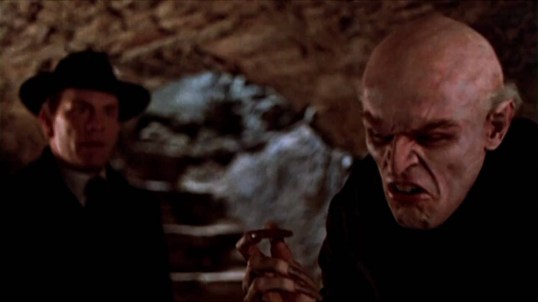
Shadow of the Vampire (2000, dir by E. Elias Merhige, DP: Lou Bogue)

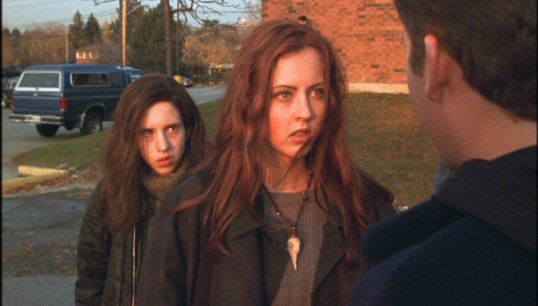
Ginger Snaps (2000, dir by John Fawcett, DP: Thom Best)

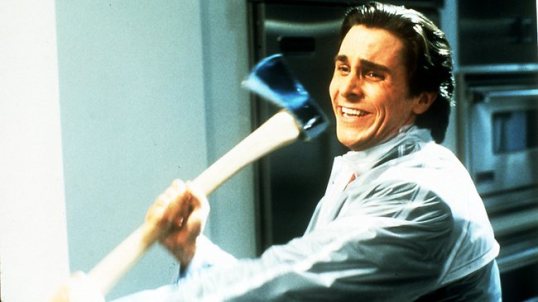
American Psycho (2000, dir by Mary Harron, DP: Andrzej Sekuła)

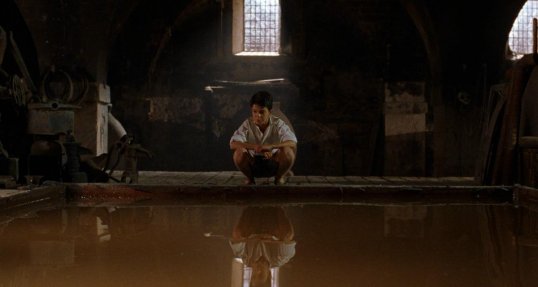
The Devil’s Backbone (2001, dir by Guillermo del Toro, DP: Guillermo Navarro)

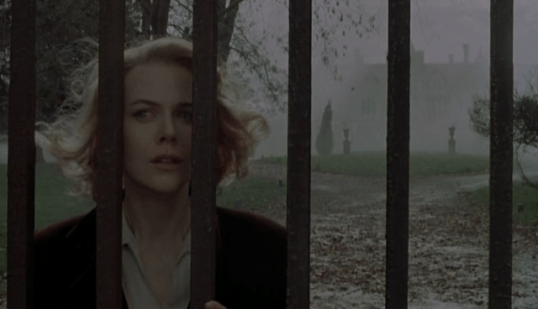
The Others (2001, directed by Alejandro Amenabar, DP: Javier Aguirresarobe)

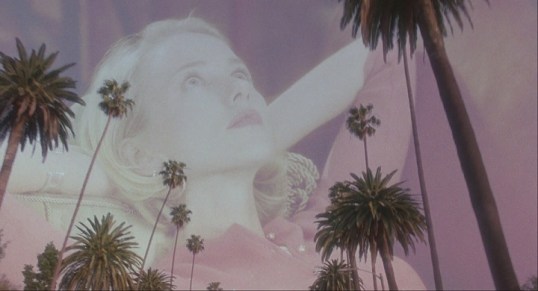
Mulholland Drive (2001, dir by David Lynch, DP: Peter Deming)

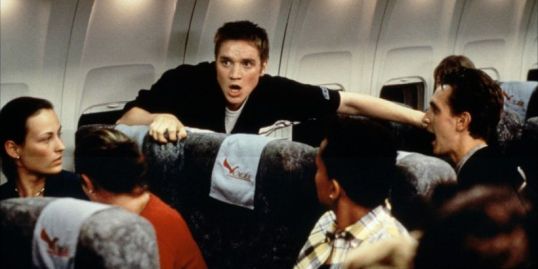
4 Shots From 4 Films: American Psycho, Final Destination, Ginger Snaps, Shadow of the Vampire


4 Shots From 4 Films is just what it says it is, 4 shots from 4 of our favorite films. As opposed to the reviews and recaps that we usually post, 4 Shots From 4 Films lets the visuals do the talking!

This October, we’re using 4 Shots From 4 Films to look at some of the best years that horror has to offer!

4 Shots From 4 2000 Horror Films

American Psycho (2000, dir by Mary Harron)

Final Destination (2000, dir by James Wong)

Ginger Snaps (2000, dir by John Fawcett)

Shadow of the Vampire (2000, dir by E. Elias Merhige)

Ginger Snaps, Reviewed- BAM!


54c00238fc9688b71b648e0086b09a3b

I need to begin this film review by writing that I LOVE THIS MOVIE…A LOT!  There will be some geeking out- prepare yourselves.  The ideal horror film takes an issue or life lesson and hides the message in something scary. The horror genre is not alone; good science fiction does this, but it’s rare.  “Ginger Snaps” takes the milestone of 50% of the World’s population – the menarche and uses lycanthropy as a metaphor for it.  Yes, you read that right-  Werewolfism as a metaphor for the first menstrual cycle.  I have two very young daughters and in an odd way, I feel a little more prepared.  This film’s got it all: werewolves, a coming of age story, and Mimi Rogers.  Yes, Mimi Rogers – a Voluptuous Artsy Smarty Pants (VASP) and the uber crush of my youth – is in Ginger Snaps.

We open in suburban Canada- every house looks the same.  A mom is cleaning up yard waste and her son is playing in the sandbox with…. dog gore.  The mom sees her son covered in their dog and their dog is opened all up.  She freaks in the neighborhood and no one cares.

The story moves onto Brigitte and Ginger.  Brigitte is the introspective sister and Ginger is the more gutsy one.  They both are very Alternative and Gothish.  In high school, these would be the girls whom I would’ve crushed on very awkwardly and they would’ve thought I was boring because I was into sports and pretty stammering.  The sisters are obsessed with death.  They stage elaborate death scenes of each other impaled, hanged, poisoned, overdosed, and suffocated (list not exclusive). They present this avant garde masterpiece to their teacher who thinks they’re whacko.  Sidenote: I truly love the 1990s vibe the high school has!!!

The girls are trying to play Field Hockey.  Brigette is being bullied by a Mean Girl.  Then, Brigette trips into a dog and what I mean by into I mean there is ANOTHER mauled dog and Brigette is sitting in him. YEECH!

They get home and their mom- Mimi Rogers- is trying to connect with them.  She recognizes the premenstrual symptoms that Ginger is having and tries to bond with her. It fails- Poor Beautiful Mimi Rogers.  The girls sneak out of the house to kidnap the Mean Girl’s dog.  While canine hunting, Ginger gets her period as she calls it The Curse and the Werewolf attacks her.  Also, they call the lycanthropy a curse throughout the film.  Ginger is mauled by the werewolf and is saved by Brigette, but the werewolf gives chase and is run over by a Drug Dealer’s van.  Yep, forget silver to kill Werewolves; it’s all about an old school car.  A Prius, however, would not likely save you because they suck and are terrible.

The girls get home and Ginger’s wounds are already healing.  The movie continues with references to lunar cycles in relation to Ginger’s lunar and menstrual cycle.   Ginger rapidly leaves Brigette behind as she begins to chase a bad boy and the occasional neighbor dog for a snack.  Ginger also begins to dress more provocatively.  Then, Ginger porks her boyfriend and she grows a tail.  See what premarital sex will get you?! A Tail!

Brigette attracts the Mean Girl’s ex the Drug Dealer who ran over the werewolf.  He comes up with some nifty werewolf-be-gone remedies: One being for Ginger to get a belly piercing- Ok, whatever works.  Ginger gets more aggressive at school and beats the piss out of anyone who messes with Brigette.  We see Ginger’s Boyfriend and he looks roughed because Ginger gave him her werewolf disease by knockin’ boots with him.  The Drug Dealer guy figures out that mainlining wolf’s bane will cure Ginger.

The Mean Girl shows up at Brigette’s and Ginger’s home and hilariously slips and dies. Sorry, it was kind of funny.  The girls bury her in the cellar.  Later, Mimi Rogers finds the body of the Mean Girl and resolves to take the girls far away.  Ginger kills a few more people and becomes more wolf-like and decides it’s time to party.

She tries to seduce Drug Dealer guy, but is thwarted by Brigette.  Mimi loses track of her girls and is not seen again.  Brigette distracts Ginger by mixing their blood with the hope that this will distract Ginger long enough to inject them both, curing them all.  Does it work? Not so much. Ginger goes full-on werewolf, Brigette is becoming a werewolf, and …… You’ll just have to watch.  I’m not spoiling the 3rd act of the best Metaphorical Horror Movie Ever! NO WAY!  Go buy this film!!!  It’s really awesome!  If you buy Ginger Snaps and you don’t like it, you get to keep it.  This film is just purely great! I know many of you like my snark alec a lot, but this movie just wonderful!


Quickie Horror Review: Ginger Snaps (dir. by John Fawcett)


Werewolf horror films have not enjoyed the same prolific output as zombie or vampire cinema in recent decades. While the undead and bloodsuckers dominate both mainstream and indie horror, lycanthropes remain relatively underrepresented. In the last ten to fifteen years, the number of truly memorable werewolf films is small enough to count on one hand, suggesting that the subgenre is persistently niche despite the creature’s long-standing place in horror folklore. This scarcity makes standout entries even more notable, and among those, two titles remain touchstones for modern audiences: Neil Marshall’s gritty low-budget Dog Soldiers (2002) and the Canadian cult classic Ginger Snaps (2000), which preceded Marshall’s work by two years.

Ginger Snaps is as much a coming-of-age drama as it is a horror film, weaving werewolf mythology into a biting exploration of adolescence, sisterhood, and female identity. Set in a seemingly quiet Canadian suburb, the story follows sisters Ginger and Brigitte Fitzgerald, misfits bound by their shared cynicism, morbid sense of humor, and disdain for high school conformity. Isolated from their peers, they find comfort in their own dark, goth-influenced world, preferring late-night cemetery photography to pep rallies or social gatherings. Their bond is strong, but it faces a severe test one fateful night.

While walking home together, the sisters encounter something in the darkness—an unseen, feral creature that lunges, attacking Ginger with brutal force. The animal’s bite leaves a wound that begins to heal at an unnatural speed, and soon, strange transformations begin to manifest. At first, these changes seem physical—accelerated hair growth, heightened senses, and an insatiable appetite—but as time passes, her personality shifts as well. Ginger grows more assertive, sexually confident, and rebellious, traits that make her magnetic to others yet alienate her from her once inseparable sister.

Director John Fawcett and screenwriter Karen Walton craft the lycanthropy metaphor with unusual clarity: the werewolf curse mirrors puberty’s upheaval. Much like films inspired by the “body horror” sensibilities of David Cronenberg, Ginger Snaps draws unsettling power from portraying transformation as both horrifying and intoxicating. This duality captures adolescence’s contradictions—its liberating confidence and its destabilizing volatility—while reframing the traditional werewolf narrative to center on female experience. For Ginger, the physical metamorphosis coincides with new social dominance, a rejection of her former outsider identity, and an embrace of raw, animalistic freedom. For Brigitte, these same changes signify danger, loss, and the unraveling of the relationship she once relied upon.

The narrative excels in balancing its supernatural premise with human emotional stakes. While a less thoughtful script could have leaned entirely on gore and special effects, Ginger Snaps roots its horror in character dynamics. Walton’s writing, although sometimes heavy-handed in its metaphors, is remarkably strong for a film produced on a modest budget. Themes of loyalty, femininity, sexuality, and transformation run parallel to the literal werewolf plot, creating layers of meaning. This thematic richness ensures that the story resonates beyond its horror trappings, inviting audience discussion in a way that pure creature features often do not.

Central to this success are the performances. Katharine Isabelle embodies Ginger with feral charm, adeptly shifting from sardonic teenager to predatory seductress. Her portrayal never loses sight of the character’s humanity, even as the animal side takes over. Emily Perkins delivers an equally strong performance as Brigitte; her quiet, introverted resolve becomes the emotional anchor of the film, providing a moral counterbalance to Ginger’s volatility. Together, they create a convincing sisterly dynamic where love is tested by fear, jealousy, and survival.

Even the supporting cast contributes meaningfully, with Mimi Rogers standing out as Pamela Fitzgerald, the sisters’ well-intentioned but oblivious mother. Rogers resists the temptation to overplay the role for comic relief, giving Pamela a genuine warmth that contrasts the darkness overtaking her daughters’ lives. This restraint keeps the film grounded, preventing it from becoming camp and ensuring its humor arises naturally from character interactions rather than exaggerated antics.

Visually, Ginger Snaps sidesteps the glossy look of higher-budget Hollywood horror, opting instead for the muted realism of suburban streets and dimly lit interiors. This aesthetic choice enhances the film’s authenticity, making the supernatural intrusion feel more jarring. The creature effects, while limited by budget, are used sparingly and effectively; rather than relying on endless transformation sequences, the filmmakers allow viewers’ imaginations to fill in the most disturbing details. This restraint mirrors the approach of Dog Soldiers, demonstrating that practical effects and atmospheric tension often outshine CGI spectacle.

The film’s release trajectory reflects its cult status. Premiering at the 2000 Toronto International Film Festival, Ginger Snaps did not achieve immediate mainstream attention. Instead, it found its audience gradually, through word of mouth and home video rentals. Horror fans discovered it over time, drawn to its unconventional blend of teenage angst and supernatural dread. In the years since, it has earned a devoted following and spawned two sequels—Ginger Snaps 2: Unleashed (2004) and Ginger Snaps Back: The Beginning (2004)—that expanded the lore while retaining the core themes of the original.

Part of the film’s enduring appeal is that it approaches werewolf mythology with fresh eyes. Traditionally, cinematic werewolves are framed around male protagonists, their curse tied to aggression, uncontrollable rage, or forbidden lust in a way that reflects masculine fears and desires. By centering two teenage girls and equating lycanthropy with female sexuality and transformation, Ginger Snaps subverts these tropes, adding complexity to a genre often dominated by male perspectives. The werewolf becomes a vehicle for exploring how society reacts to—and attempts to control—the emergence of female autonomy.

Dark humor plays an important role as well. The Fitzgerald sisters’ sardonic wit is woven throughout, providing moments of levity even as events grow increasingly grim. These comedic beats arise out of their personalities, underscoring their outsider status and emotional coping mechanisms. The humor and horror work in tandem, preventing the film from collapsing into bleakness while maintaining its bite.

Thematically, Ginger Snaps joins a short list of werewolf films that transcend their genre trappings, akin to An American Werewolf in London (1981) or The Company of Wolves (1984). It invites analysis not just for its scares but for what those scares signify: the fear of change, the allure of liberation, and the strain placed on human bonds by transformation—be it supernatural or psychological. In this respect, it aligns with Cronenberg’s The Fly, where bodily change becomes the central metaphor for loss and evolution.

Two decades later, the film remains a touchstone for horror fans advocating for more diverse and conceptually rich werewolf stories. Its success highlights that the subgenre’s scarcity is not due to audience disinterest but perhaps to a lack of filmmakers willing to innovate beyond conventional “monster hunt” templates. As the horror landscape continues to evolve, Ginger Snaps offers a blueprint for blending creature mythology with compelling character drama, ensuring that lycanthropes can be as emotionally resonant as their undead or vampiric cousins.

For viewers wondering why werewolf cinema lags behind zombie apocalypses and vampire sagas, Ginger Snaps provides an answer: when the subgenre is approached with thematic depth, sharp performances, and genuine character stakes, it can be every bit as compelling—and perhaps even more relatable—than its supernatural peers. In weaving together dark humor, horror, and adolescence’s raw turbulence, the film stands as a rare entry that deserves both its cult following and its place in the broader horror canon.