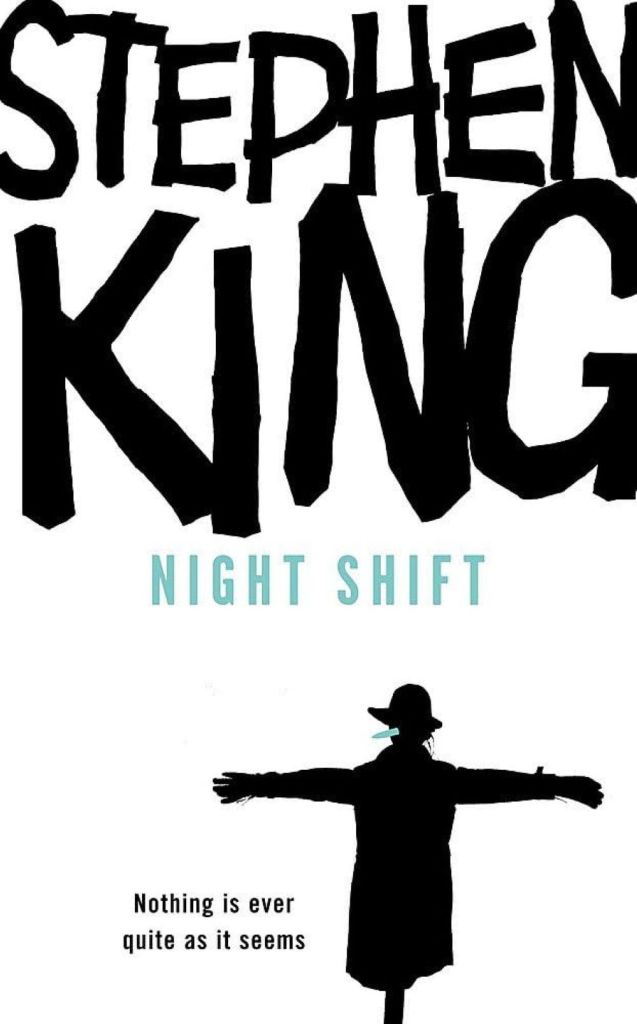
Horror Book Review: Night Shift (by Stephen King)


“Some fears are not of ghosts or demons but of loss, regret, and the quiet mistakes that haunt us long after the night has ended.”

Stephen King’s Night Shift is a fascinating look at the beginnings of one of the most prolific horror writers of our time. Many of these 20 stories first appeared in men’s magazines like CavalierPenthouse, and Gallery, where King started building his reputation from the ground up. This collection offers a wide range of horror—from supernatural thrills to deeply emotional tales—crafted with a realism that makes the scares hit harder. The book naturally moves from more traditional horror into stories that shine a light on human fears and regrets.

Although the collection opens with “Jerusalem’s Lot,” a story about haunted history, one of the more striking horror tales is “The Mangler.” It tells of a demon-possessed industrial laundry machine that becomes a deadly force. King’s detailed storytelling turns familiar machinery into something terrifying, driving the suspense from beginning to end.

“Sometimes They Come Back” takes a more emotional route. It centers on a man who is haunted by the death of his brother, with ghostly bullies from his past making a frightening return. This story blends the supernatural with raw grief, showing that some wounds never fully heal.

“The Last Rung on the Ladder” provides a quiet but powerful punch. It reflects on childhood, family, and the pain that comes with lost chances. This tale stands out by demonstrating King’s skill in generating a deep sense of dread through emotional weight rather than monsters.

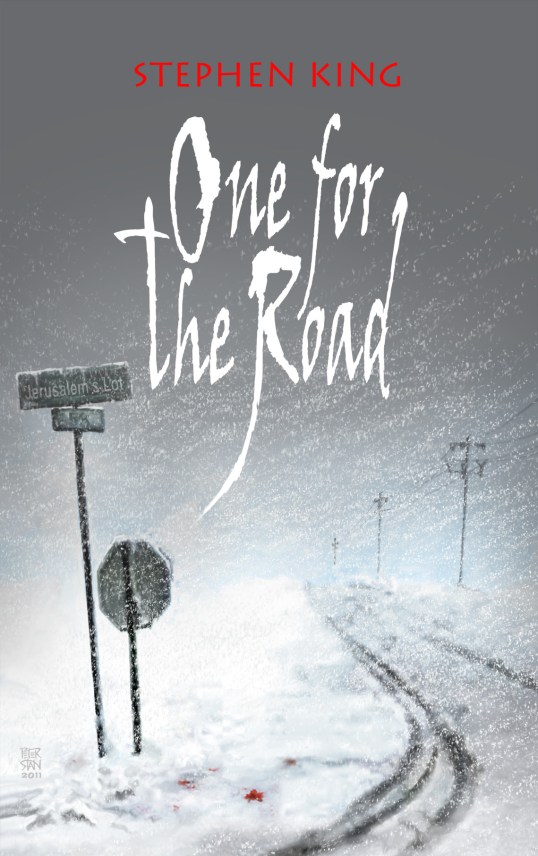
In “One for the Road,” the tension ratchets up with a story set during a harsh snowstorm near a vampire-infested Maine town. The narrative grips you with its chilling atmosphere, isolation, and fight for survival. Notably, this story acts as a postscript to King’s novel Salem’s Lot, offering an eerie glimpse into what happens long after the main events, expanding that dark world in a satisfying way.

“Strawberry Spring” unspools slowly like creeping fog. Set on a college campus haunted by a serial killer, the story uses an unreliable narrator and a murky atmosphere to create a sense of growing paranoia and confusion.

Finally, “I Know What You Need” explores obsession cloaked in supernatural mystery. A college student experiences an unsettling friendship that appears to improve his life, but underlying this is a dark manipulation. King carefully builds this eerie tale with layers of tension and reveals the dangerous side of desire.

What makes these tales work so well together is King’s ability to vary tone and pace while grounding the stories with believable characters and locations. The rapid heartbeat of “The Mangler” contrasts with the quiet heartbreak of “The Last Rung on the Ladder.” The claustrophobic fear in “One for the Road” stands alongside the fog-thickened dread of “Strawberry Spring,” and the slow-burning menace in “I Know What You Need” rounds out the mood spectrum.

More than just scary stories, Night Shift taps into fears we all recognize: loss, guilt, loneliness, and obsession. King layers excitement with emotional truths, creating stories that stick with you. These fears aren’t just the stuff of monsters—they’re very real and human.

The order of the stories themselves feels intentional—starting with classic supernatural spins like “Jerusalem’s Lot,” and moving toward more internal, emotional terrors in stories like “Sometimes They Come Back” and “The Last Rung on the Ladder.” Some stories also ground horror in real-life struggles, like dangerous, grueling jobs in “Graveyard Shift” and “The Mangler,” where the horror is as much about the setting as the supernatural.

A lot of these stories have found their way to the screen, but while the films are entertaining, most take only loose inspiration from the originals and often don’t capture the full power of the tales. This disconnect doesn’t lessen the strength or impact of King’s writing, which remains impressive and affecting.

Ultimately, Night Shift is a journey through many forms of fear—from sharp shocks to slow-building unease—and its stories feel personal and alive. Whether it’s an industrial machine come to life, ghostly revenge, or a vampire town trapped in eternal winter, King’s tales connect with readers on multiple levels.

If you want horror that thrills but also hits close to home, Night Shift is a brilliant starting place. These stories show early signs of why King remains a master: he discovers monsters not just in the shadows, but woven into the fabric of everyday life. Sometimes, those are the ones that scare us the most.
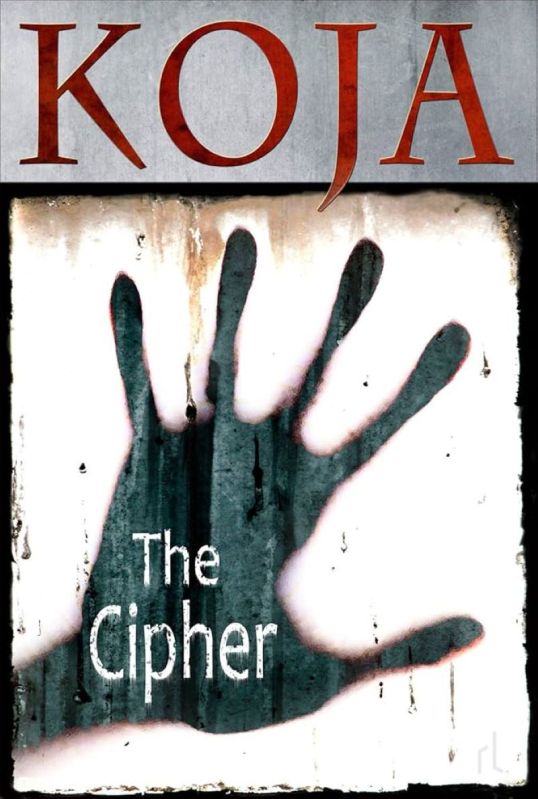
Horror Book Review: The Cipher (by Kathe Koja)


Kathe Koja’s The Cipher stands as a landmark achievement in splatterpunk and psychological horror, noted for its unapologetic dive into existential dread, fragmented narrative, and raw emotional landscape. Its reputation as a genre-defining work is well-earned, yet it also represents a demanding reading experience that diverges sharply from more traditional horror novels. For readers looking for straightforward thrills or clear-cut storytelling, Koja’s novel may feel opaque or even impenetrable. However, for those willing to engage deeply, The Cipher offers a poetic and unsettling exploration of alienation, obsession, and the unknowable.

At the heart of the novel’s challenge is Koja’s distinctive writing style. Eschewing conventional chapter structures or linear storytelling, The Cipher operates as an immersive psychological tapestry woven through the fragmented consciousness of its protagonist, Nicholas. The prose flows in long, often unruly sentences filled with impressionistic and surreal imagery that echo Nicholas’s damaged, chaotic inner world. His thoughts, memories, and anxieties drift in and out of focus, making the narrative feel like a fever dream or an inside-out nightmare. For readers new to literary horror or those more comfortable with clear plots and defined characters, this style can seem alienating and difficult to parse. The book frequently moves between blurred timelines, hallucinations, and raw emotional bursts, challenging the reader to accept ambiguity and psychological discomfort rather than easy narrative anchors.

The story revolves around Nicholas and Nakota, a dysfunctional and toxic couple trapped in a bleak urban environment that acts almost as a third character. This grim unnamed city, reminiscent of the American Rust Belt in decay during the early 1990s, exudes a cold, oppressive atmosphere that mirrors the emotional desolation of its residents. The setting’s grime and desolation bolster the novel’s themes of hopelessness and fragmentation, with Koja’s spare prose turning every scene into a sensory experience of discomfort and decay.

Central to the plot—and the horror—is the discovery of the Funhole, a mysterious and unnaturally black void located in a storage room of the apartment building. Hardly celebrated for whimsy, the Funhole is a locus of enigmatic and malevolent power that both fascinates and consumes. Nicholas and Nakota’s experiments with the Funhole—dropping insects, animals, and eventually cameras—reveal its capacity to distort and corrupt physical reality in grotesque ways, leading to disturbing mutations and aberrations. However, the real horror lies not just in these transformations but in the obsessive pull the Funhole exerts on the characters, particularly Nakota’s increasingly toxic fixation and Nicholas’s reluctant fascination.

Rather than relying on external action or traditional plot progression, The Cipher roots its terror in the psychological and emotional unraveling of its characters. The story is less about what happens and more about how it feels to fall apart in the face of an unknowable force. The degradation of Nicholas and Nakota’s relationship—marked by manipulation, dependency, and alienation—is the emotional thread binding the novel’s narrative chaos. This internal focus demands patience and a willingness to sit with discomfort from the reader; those unaccustomed to introspective or experimental fiction might find the experience frustrating or exhausting.

Overlaying all this is a strong vein of cosmic horror. The Funhole is presented as an unknowable abyss, an entity without explanation, echoing the eldritch voids found in the works of Lovecraft, Blackwood, and Machen. It refuses to comply with human curiosity or understanding, warping reality and identity in ways that defy definition. Unlike classic monster tales, the horror here is existential and diffuse, manifesting as a dark reflection of humanity’s inability to grasp the true nature of the universe or even themselves. In this respect, Koja’s work is a meditation on obsession and transformation, where the boundary between cosmic indifference and personal disintegration disappears.

While The Cipher has been celebrated for its ambition and literary risks, it offers little reprieve in terms of character likability or narrative closure. The protagonists are deeply flawed, often unlikable people caught in spirals of self-destruction. The novel’s resolution is ambiguous and bleak, leaving the audience with more questions than answers, emphasizing themes of loss, transformation, and the unknowable. It challenges standard genre expectations and eschews easy emotional satisfaction, positioning itself as a novel that unsettles rather than comforts.

Readers familiar with the edgier corners of horror fiction—fans of Clive Barker’s visceral fantasies or Poppy Z. Brite’s explorations of identity and desire—will find much to admire in Koja’s approach. The novel’s body horror is not gratuitous but symbolic, a metaphysical cracked mirror reflecting profound anxieties about embodiment, control, and alienation. Its grim realism and morally complex characters resonate alongside challenging literary experiments such as Fight Club and House of Leaves, where mental and existential crises are front and center.

In sum, Kathe Koja’s The Cipher stands as a bold, uncompromising exploration of despair, obsession, and cosmic terror wrapped in a chaotic, poetic narrative. It demands engagement on a deep level, rewarding readers with a unique experience that expands the scope of horror fiction. This is a novel best suited for those who prize atmosphere, psychological depth, and existential questioning over conventional scares or plot-driven horror. While it may prove inaccessible or taxing for some, for others it offers a transformative journey into the dark, tangled spaces of the mind and the universe—an unsettling masterpiece that lingers long after the final page is turned.

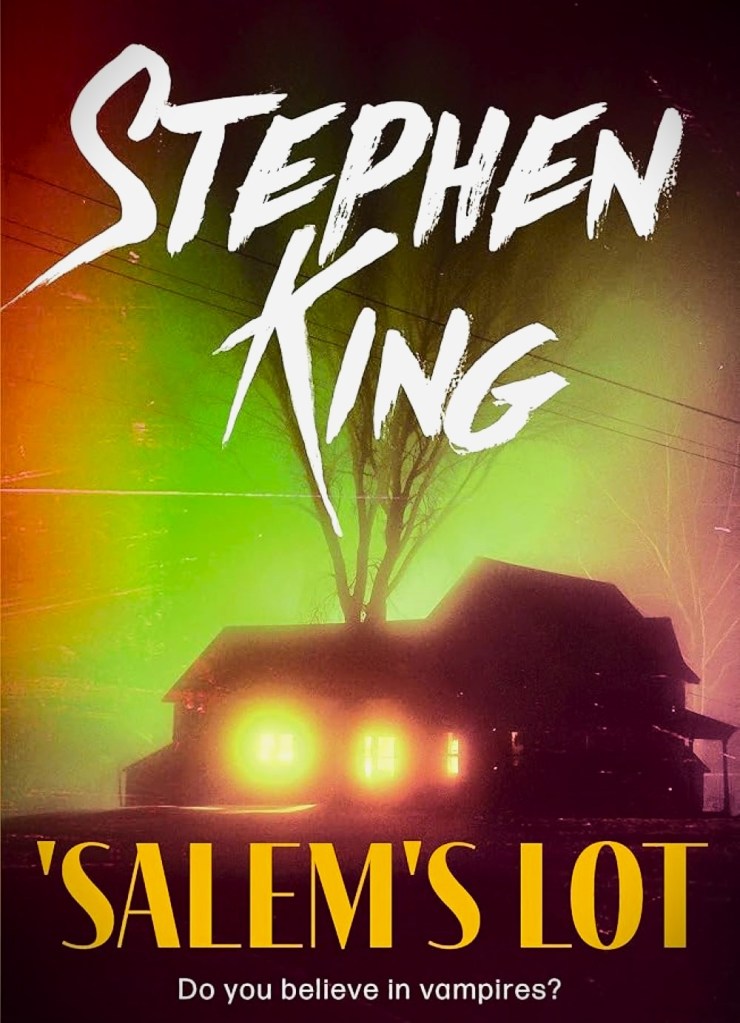
Horror Book Review: ‘Salem’s Lot (by Stephen King)


“Within, walls continued upright, bricks met neatly, floors were firm, and doors were sensibly shut; silence lay steadily against the wood and stone of Hill House, and whatever walked there, walked alone.”
—Shirley Jackson, The Haunting of Hill House

Stephen King’s Salem’s Lot opens with an unsettling and bold narrative choice. Instead of introducing the main characters or setting a conventional stage, the novel begins by showing two nameless figures—an older man and a younger companion, burdened by events already passed. These itinerants are fleeing a terrible evil, seeking refuge in a small Mexican village, suffused with mystery and dread. This brief but cryptic prologue hooks the reader immediately with a pervasive sense of unease and unanswered questions: who are these men, and what horror haunts them so far from home?

This unsettling beginning is not only risky but masterful. King, in just his second published novel, chooses to forgo straightforward exposition and instead promises that the narrative will move backward, retracing the dark events that led to this moment of flight and loss. The prologue casts a shadow into the past, preparing readers for a story where the darkness is already present and will only deepen.

Rewinding, the narrative places us in the small New England town of Jerusalem’s Lot—known to its inhabitants simply as “The Lot”—a quintessential small town in 1970s Maine. Here, Ben Mears, a novelist haunted by childhood trauma centered on the forbidding Marsten House, returns home with the intention of writing about the old mansion. The Marsten House is not just a setting; it is a malignant presence perched over the town like an ominous sentinel. Ben’s youth intrudes everywhere in his memory of that house—a place where something unknowable once touched him—and now, as an adult, he confronts both that past and the house again, its shadow casting unease over the town.

Ben isn’t the only arrival. Richard Straker sets up an antique shop, accompanied by his rarely seen partner, Kurt Barlow—an inscrutable figure whose very mention deepens the novel’s pervasive tension. King reveals Barlow’s presence slowly and indirectly, heightening the atmosphere without immediate confrontation.

King excels at immersing readers in the rhythms of small-town life. Through detailed observation of everyday routines, gossip, and personalities, he crafts a believable, textured community. Each townsperson—whether skeptical official, gossip-prone neighbor, child, or elder—is vividly realized, not as a simple archetype but as a living, breathing individual. Yet beneath this surface of normalcy lurks a pervasive darkness: secrets, resentments, and moral frailties accumulate like hidden mildew in the town’s corners.

In this, Salem’s Lot evokes the spirit of Peyton Place, the classic fictional small town where scandal and hypocrisy fester beneath neighborly facades. King’s Jerusalem’s Lot feels like a much darker cousin—a town where those faults and hidden sins once fodder for gossip become the very soil from which real, supernatural evil springs. While Peyton Place explored human failings within social dynamics, Salem’s Lot reveals how those failings create openings for Kurt Barlow’s vampiric menace. The town’s insularity, mistrust of outsiders, and collective denial become liabilities dooming it—not just morally, but existentially.

At the heart of this encroaching nightmare stands the Marsten House, a building elevated beyond mere backdrop into a living entity. Like Shirley Jackson’s Hill House, Richard Matheson’s Belasco House in Hell House, and King’s own later Overlook Hotel, the Marsten House is steeped in decades of violence and evil. Its walls seem to soak up past horrors; its windows serve as more than architectural features—they are eyes into the house’s dark soul. This physical presence is sinister and predatory, complicit in the nightmarish events it enables. To enter the house is to step into something corrupt and breathing, an organism as alive and malign as the vampire it conceals.

What makes Salem’s Lot especially powerful is how King integrates the supernatural into the texture of daily life. The fantastical elements do not feel imposed or alien but grow organically from the social dynamics, habits, and vulnerabilities of this small town. The horror is inevitable precisely because it grows from recognizable human weaknesses and communal blind spots. This fluid blending invites readers to experience terror as an intimate shattering of the ordinary, a disruption of the familiar.

Relationships anchor the emotional core of the narrative. Ben’s romance with Susan Norton, the steady wisdom of Matt Burke, the youthful courage of Mark Petrie—their humanity keeps the terror grounded and poignant. As vampirism spreads, these bonds are tested and shattered. Community, which once defined the town’s identity, fractures under suspicion and fear. Friends become threats; homes become prisons.

The looming Marsten House is a perfect emblem of this dual threat: a predator perched within the community itself. As Barlow turns neighbors into monsters, the house’s silent complicity looms ever larger. It is as much a character as any human, a sentinel feeding on the decay of place and spirit alike.

As the novel hurtles toward its climax, King heightens the tension with vivid, claustrophobic scenes inside the haunted mansion. The house’s corridors and rooms twist into traps, its atmosphere suffocating and oppressive. King’s mastery of sensory detail brings a visceral dimension to the horror, blending psychological terror with physical menace.

The conclusion returns to the somber tone of the prologue. Although some survive, the town is hollowed out—a ghostly husk abandoned to darkness. Evil is not eradicated but waits patiently, ready to thread its way back through the cracks. The cycle of horror, loss, and exile continues.

Stephen King’s unique strength in Salem’s Lot lies not only in his richly developed characters and finely drawn community but in how seamlessly he introduces supernatural horror into what reads like a real-time study of small-town life. The fantastical elements grow naturally from the social fabric, making the terror feel inevitable rather than contrived. This synthesis of realism and fantasy deepens the novel’s power.

King’s portrayal of Jerusalem’s Lot as a place rotting from within yet clinging to its veneer of normalcy offers a chilling echo of Peyton Place. But while Metalious’s town suffocated under scandal, Salem’s Lot is consumed by predation—the vampire feasting not only on blood but on the fractures of belonging and trust. It is both eerily familiar and profoundly alien: a place where monsters live not just in shadows, but in whispered suspicions and buried sins.

Through this blend of gothic haunted-house traditions, social critique, and psychological realism, Salem’s Lot endures as a masterpiece of horror. The Marsten House is not merely a setting but a sentinel, symbolizing accumulated evil watching over a doomed community. King’s novel terrifies not only with its monsters but with its intimate knowledge of how everyday life can harbor the seeds of nightmare beneath a calm surface.

Horror Review: “One for the Road” (by Stephen King)


Stephen King’s writing style in “One for the Road” exemplifies his mastery of atmosphere, character voice, and narrative restraint. While much of his later work often invests heavily in world-building over long stretches, this short story demonstrates his ability to deliver a rich, immersive experience in a concise format. His choices here, both stylistic and structural, serve the story’s central purpose: to convey unspoken dread and the inevitability of evil.

The story serves as a chilling epilogue to ’Salem’s Lot, set during a brutal New England winter many years after a fire destroyed the infamous town. Told by Booth, an elderly local from nearby Falmouth, it begins in the warm familiarity of Herb Tookey’s bar, where Booth and Herb are longstanding fixtures. Their evening is interrupted when Gerald Lumley, cold and near collapse, stumbles in. Lumley explains that his car broke down in the snow miles away, and that he left his wife and daughter in the vehicle while seeking help. Tension deepens when he reveals the breakdown happened near Jerusalem’s Lot—a place everyone in the area fears but rarely discusses. Despite knowing the dangers, Booth and Herb reluctantly agree to help him return.

Their journey into the storm is both physically taxing and emotionally tense, as the two locals understand all too well what they might find. As they approach the outskirts of The Lot, King uses sparse detail and implication to build dread. By the time they reach Lumley’s car, the supernatural horror makes itself known, hammering home the message that evil never truly dies—it lingers, waiting for an opportunity to strike.

King’s decision to frame “One for the Road” within a harsh New England winter is critical to its success. The cold itself becomes an antagonist—slowing movement, reducing visibility, and draining the characters’ strength—adding a physical urgency to the supernatural threat. Snowstorms are a recurring motif in his work (The ShiningStorm of the Century) because they isolate the characters, making escape impossible and forcing confrontation with whatever is lurking nearby. The blizzard in this story intensifies feelings of claustrophobia, despite the vastness of the open, rural landscape.

King also makes the setting deeply familiar for his readers. Falmouth feels like a lived-in place, with its bar, locals who know one another’s routines, and whispered legends about The Lot. The story doesn’t waste time describing Jerusalem’s Lot in detail; instead, its horrors exist in the margins, in what the locals refuse to say.

The choice of Booth as the first-person narrator adds authenticity and intimacy. Booth speaks with the cadence of an elder New Englander—practical, reserved, and hardened by experience. Readers never doubt that this is the account of someone who understands the local history and its dangers. The conversational delivery, sprinkled with regional colloquialisms, draws the reader into the moment rather than presenting a polished, detached recounting.

Rather than sensationalizing The Lot’s horrors, Booth lets them linger unsaid. King understands that withholding explicit details can fuel imagination more effectively than extravagant description. This restraint makes the story’s climax more impactful because the dread has been steadily fed through implication.

The story’s pacing is deliberate but tight. King introduces the danger early—Lumley’s car is stranded near Jerusalem’s Lot—then uses the journey back to extend suspense. The structure mirrors a descent into darkness: starting in the relative safety of Herb Tookey’s bar, venturing into the blizzard, and finally confronting the true horror at the edge of The Lot. King avoids unnecessary subplots, instead focusing on a single mission: rescuing Lumley’s family. This gives the narrative relentless forward motion while allowing tension to rise in small increments.

One of King’s most notable thematic choices is the portrayal of evil as a constant, indestructible force. In ’Salem’s Lot, that evil once emanated from the Marsten House, a decaying mansion that served as both the symbolic and literal heart of darkness. By the time of “One for the Road,” however, the Marsten House has been burned down and stripped of its power. Yet, rather than eradicating the evil, its essence has expanded outward—the town itself has inherited its malign influence. The Lot has effectively become the new Marsten House, and its ruined streets and frozen remains now radiate the same dark gravity that once resided solely within those walls. King transforms the geography of evil: what was once contained in a single haunted house has transposed itself over the entire landscape, infecting the air, the snow, and the silence with something sentient and waiting.

King also plays with the tension between duty and self-preservation. Booth and Herb could have ignored Lumley’s plea. Their choice to help—despite knowing what might await them—aligns with King’s recurring motif that true courage lies in facing evil with no guarantee of victory.

Even when weaving atmosphere, King exercises a tight control over detail. The bar scene is economical: we know just enough about Herb, Booth, and their friendship to trust their dynamic. The blizzard is described vividly but without purple prose. This brevity forces the reader to focus on what matters—the growing realization that Lumley’s family is in mortal danger. The vampires themselves receive minimal “screen time,” a deliberate choice that allows the prior suspense to make their eventual appearance all the more devastating.

As a companion piece, “One for the Road” functions as both a continuation and a tonal reinforcement of ’Salem’s Lot. Rather than tying up loose ends, King emphasizes that nothing was truly resolved. Evil is only temporarily held back, and the destruction of the town did not remove its blight. By telling the story through outsiders who skirt the edge of The Lot without entering deeply into it, King preserves the town’s mystique, forcing readers to imagine the horrors that remain—an imaginative space where dread thrives long after the last page.