Review: Final Fantasy VI


“It’s not the result of one’s life that’s important. It’s the day-to-day concerns, the personal victories, and the celebration of life… and love. It’s enough if people are able to experience the joy that each day can bring…” – Terra Bradford

Final Fantasy VI is one of those JRPGs that feels bigger than the cartridge it shipped on, and even now it earns its reputation as both a high point of the 16-bit era and a blueprint for what narrative-driven RPGs could become. It is dense, melodramatic, occasionally clunky, but consistently ambitious in ways that still feel relevant to the genre’s modern landscape, blending theatrical storytelling with flexible mechanics and a structure that dares to rethink its own world midway through. Revisiting it reveals not just a classic, but a foundational text whose echoes show up in everything from ensemble casts to customizable skill systems in later titles.

The opening hours set the tone with impressive confidence, dropping you right into a steampunk-flavored world where magic has been industrialized into a tool of conquest. Terra, a half-human, half-Esper whose mind is shackled by an imperial slave crown, marches through snowy mountains in powered Magitek armor toward the mining town of Narshe, instantly hooking you with her vulnerability amid high-stakes espionage. This personal thread weaves into a broader guerrilla war between the Gestahlian Empire—led by the scheming Gestahl and his unhinged general Kefka—and the ragtag Returners resistance, but the real genius is how the story quickly pivots from standard “rebels vs. empire” to a sprawling ensemble piece that trusts no single hero to carry the weight.

That cast of fourteen permanent party members is the game’s boldest swing, each layered with backstories, quirks, and mechanical identities that make them stick. Terra grapples with her monstrous heritage and search for belonging, Celes wrestles betrayal and isolation after defecting from the Empire, Locke chases redemption for a lost love, Cyan buries himself in grief over his family’s slaughter, Sabin roams as a free-spirited brawler, Edgar plays the charming king-turned-inventor, and Setzer brings cynical gambler flair—it’s a roster that juggles melodrama like opera-house soliloquies and doomed romances with quieter, human moments that land surprisingly hard even today. Some inevitably get shortchanged if you beeline through the back half, feeling more like vivid archetypes than deep dives, but the sheer ambition of giving everyone a mini-arc amid the chaos set a new bar for character work in JRPGs, influencing how later games like the Persona series built entire identities around tight-knit parties and personal subplots.​

Kefka anchors the escalating stakes as few villains do, evolving from a clownish psycho prone to war crimes like poisoning a town into a nihilistic force who hijacks the god-like Warring Triad, shatters the planet, and rules the resulting apocalypse as a tyrant-god cackling over the ruins. Midway through, he doesn’t just threaten doom—he delivers it, wiping cities off the map and thrusting the story into the World of Ruin, a time-skipped wasteland where survivors scrape by amid decay and despair. This pivot isn’t a cheap shock; it’s a structural earthquake that shifts the tone to post-apocalyptic reflection, forcing each character to confront whether they even have a reason to fight on, with Celes’ suicidal low point on a lonely island giving way to gradual reunions that feel earned because you choose the order. That willingness to let the bad guy win—and make the heroes rebuild emotionally as well as literally—rippled through the genre, showing JRPGs could handle survivor guilt, loss, and fragile hope without hand-waving the darkness.

Structurally, it’s like two games fused together: the linear World of Balance builds your crew through set pieces like infiltrations, multi-party defenses, and the iconic opera sequence, then explodes into a semi-open World of Ruin where you roam a shattered map, tackling side dungeons and personal vignettes at will. Pacing can wobble if you stray off-path early or grind too hard later, but the freedom to prioritize arcs—like Cyan’s haunted family dreams or Terra’s village sanctuary—mirrors the themes of recovery, prefiguring how modern titles blend cosmic plots with player-driven character priorities.

Combat nails a sweet spot with the Active Time Battle system, where gauges fill in real-time for flexible pacing—toggle “Active” for pressure or “Wait” to strategize—and row positioning adds tactics, frontliners tanking full hits while backrow slings safer damage. Character-unique commands keep it fresh: Sabin’s Blitz commands mimic fighting-game inputs, Edgar’s Tools hit formations, Cyan charges sword techs, Gau Rages as monsters, Setzer gambles on slots—making swaps feel playful and deliberate. The Esper system elevates this, letting anyone equip magical summons to learn spells via Magic Points and snag level-up bonuses, blending fixed identities with modular builds in a way that blurred roles late-game but normalized customization as core to JRPG fun.

This philosophy—strong personalities atop teachable, recombinable abilities—quietly reshaped the genre, with Persona‘s demon/persona fusion, Lost Odyssey‘s memory-tied skills, and similar systems in Clair Obscur owing a debt to Espers as a bridge from rigid classes to player-sculpted parties without erasing narrative flavor. Dungeons mix it up too, from pincer ambushes and gimmick bosses like the shell-hiding Whelk to timed escapes and that charming opera blending inputs with spectacle, though some late hauls drag with random encounters exposing 16-bit limits.

Visually, it’s pixel art at its peak: expressive sprites, detailed industrial backdrops, and a palette flip from Balance’s vibrancy to Ruin’s sickly decay, with ruined landmarks and evolving NPC lines selling irreversible change. Bosses escalate to surreal, painterly horrors fitting the finale’s otherworldliness, proving art direction trumps raw fidelity.

Nobuo Uematsu’s soundtrack is legendary for good reason, weaving leitmotifs—Terra’s theme, Kefka’s manic laugh, Celes’ aria—into a narrative spine that evolves with the story, from triumphant fanfares to haunting piano and faux-choral dread, all within SNES constraints. It established JRPG scores as orchestral-caliber storytelling tools, influencing fully symphonic later works and live concerts.

Final Fantasy VI‘s legacy permeates JRPGs today, its DNA visible in the way Persona weaves school-life bonds with supernatural showdowns, how Lost Odyssey probes immortal grief through written vignettes, or how ambitious indies like Clair Obscur chase painterly melancholy and hope amid ruin—the ensemble healing, world-shattering pivots, and trauma-to-recovery arcs all trace back here, proving a 16-bit game could set emotional and structural templates still in play. Hironobu Sakaguchi crystallized as the modern JRPG’s godfather through this title, fusing mechanical innovation like Esper flexibility with mature themes of identity and despair that Final Fantasy VII and beyond amplified into global phenomena, his vision elevating the genre from quest logs to profound, character-soaked epics.​

The Final Fantasy VII Remake‘s blockbuster success—reimagining a classic with modern graphics, cinematic flair, real-time twists, and expanded character beats—has only intensified fan campaigns for VI to get similar lavish treatment, from a fully voiced, motion-captured opera house to a destructible world rendered in heartbreaking detail and Ruin reunions that hit even harder with modern intimacy. Yet Square Enix leadership has flagged the project’s nigh-insurmountable scale: the fourteen-character sprawl, mid-game reset, player-driven nonlinearity, and web of optional stories demand a development odyssey that could dwarf even VII‘s trilogy, risking dilution of what makes the original a personal, unpredictable journey if forced into rigid cinematic lanes.

Flaws persist—sappy dialogue dates it amid earnest monologues, sidelined characters like Gau or Strago need deliberate hunting for payoff, Espers can shatter balance into spell-spam routs, and marathon dungeons fatigue under random encounter spam—but these 16-bit quirks pale against a boldness that endures. Final Fantasy VI isn’t frozen nostalgia; it’s a living cornerstone, its sprawling heart, tinkering joy, musical sweep, and unyielding ambition still sparking JRPG evolution, demanding replays not as history homework but as a masterclass in what the genre can feel like when it swings for the fences and connects. Decades on, it whispers to every ambitious RPG dev: let your world break, let your cast breathe, let your systems invite play—and watch players find reasons to care long after the credits roll.

Song of the Day: Alicia ( by Louis Testard feat. Alice Duport-Percier)


“Alicia” from the Clair Obscur: Expedition 33 soundtrack hits with this quiet emotional force that sneaks up on you. Louis Testard’s composition feels intimate, almost fragile at first, built around a slow progression that flows between melancholy and solace. When Alice Duport‑Percier’s voice comes in, it feels less like a vocal performance and more like a memory being sung—gentle, human, and full of warmth that complements the game’s painterly atmosphere. The track doesn’t tell you what to feel; it just leaves space for you to find your own emotions in it.

What stands out most to me is how balanced it feels—Testard’s score never overwhelms. Every instrument breathes, giving Duport‑Percier’s voice that clear space to bloom. The music grows patiently, moving from soft contemplation toward a kind of quiet hope, like someone lifting their eyes after a long, heavy silence. It’s the kind of composition where you can feel each breath behind the notes, and that subtle pacing mirrors the emotional rhythm of Clair Obscur beautifully.

By the time the last notes fade, “Alicia” leaves this lingering ache that’s hard to shake. It feels deeply personal—the kind of track that stays in your chest long after it ends. Testard and Duport‑Percier manage to craft something that transcends simple “game music”; it’s closer to a conversation between sorrow and serenity. It’s not just background—it’s the emotional pulse of the adventure itself.

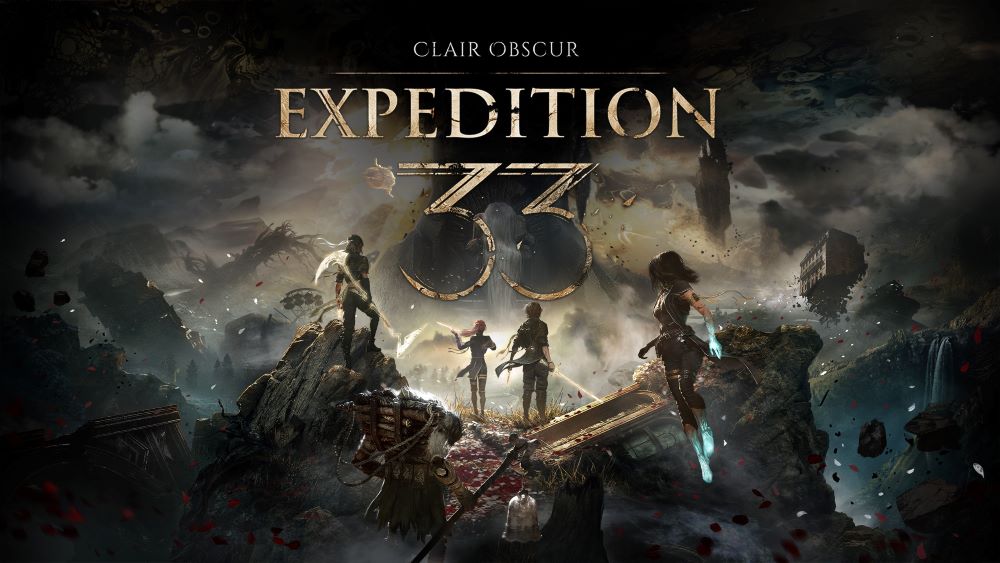
Clair Obscur: Expedition 33 Review


“Life keeps forcing cruel choices.” — Verso

I’ve now played through and finished Sandfall Interactive’s Clair Obscur: Expedition 33, and it stands out as a captivating entry in the JRPG space, blending a deeply melancholic storyline with eye-catching visuals and a combat setup that mixes thoughtful planning with split-second decisions, all within a richly detailed world evoking a fading era of grandeur. At its heart lies the chilling concept of the Paintress, a mysterious entity who annually inscribes a number across the heavens, causing all who reach that age to fade from existence without fanfare or trace. The game’s protagonists band together for a high-stakes voyage aimed at scaling her towering domain and halting this grim tradition before it strikes Year 33, transforming a familiar quest motif into an extended reflection on life’s brevity, rebellion against destiny, and the customs societies invent to endure tragedy. The tone stays approachable, laced with sharp-witted exchanges amid the gloom, while gameplay keeps players actively involved, and echoes of iconic JRPG influences from Hironobu Sakaguchi—like the sweeping epics of Final Fantasy and the poignant depth of Lost Odyssey—shine through in its design choices.

The plot progresses as a gripping blend of escalating peril and introspective pauses, opening in communities that have woven the Paintress’s decree into their daily fabric. Local celebrations honor remaining time, households tally days with subdued anxiety, and affluent districts ponder existence over lavish artworks meant to defy forgetting. Your team gathers from those scarred by previous culls—bereaved kin, displaced souls, wanderers—infusing the group with individual wounds that amplify the shared plight. The path forward involves sidetracks through abandoned sites, fraught dealings with devotees viewing the Paintress as a benevolent force, and ethical dilemmas such as granting mercy to those facing obliteration. Closer to the summit, layers of lore unfold, suggesting the Paintress could stem from a misguided origin or embodied sorrow, prompting the crew to debate whether victory redeems or merely reshuffles catastrophe.

This storytelling prowess draws clear lines to Hironobu Sakaguchi’s legacy, the visionary behind early Final Fantasy triumphs and the overlooked masterpiece Lost Odyssey. The grand-scale conflicts and heartfelt interpersonal ties of Final Fantasy resonate in how Clair Obscur intertwines global peril with private sorrows. Yet Lost Odyssey provides the closest parallel, with its focus on ageless wanderers burdened by sorrow—mirrored here by time-bound lives—employing ethereal sequences and subdued musings to delve into mourning’s toll. The short, evocative tales in Lost Odyssey‘s “Thousand Years of Dreams” parallel the game’s archival entries and memory glimpses, which breathe life into vanished souls: versifiers halted in flow, tinkerers forsaking unfinished marvels, youths denied basic legacies. Studio insights highlight Sakaguchi’s skill in rendering eternal burdens profoundly mortal as a guiding light for crafting the party’s resilient yet fractured ideals.

Central motifs pit surrender to fate against willful resistance, threading seamlessly through dialogues at rest stops and chance meetings to avoid heavy-handedness. Communal resignation appears as sensible resilience rather than weakness—resisting an annual wave proves futile, so adaptation prevails. The travelers represent the flip side: audacious optimism teetering on folly, fueled by unyielding curiosity, akin to Lost Odyssey‘s undying figures rediscovering purpose amid oblivion’s threat. A comrade might grip a memento from a lost relative as rage’s spark; another embraces excess, seeking fleeting thrills since futures dissolve; yet another serves as ethical anchor, cautioning that unchecked revolt harms bystanders. These paths collide poignantly—fractures from panic, mends through peril’s forge, hushed admissions of battling for vitality over triumph, capturing Sakaguchi’s fusion of mythic scope and visceral feeling.

Sorrow and recollection anchor further layers, via retrospective visions and elective records that personalize the toll, nodding to Sakaguchi’s use of intimate narratives to anchor vast realms. This juxtaposes against vibrant holdouts—opulent dances beneath ominous vaults, buskers flaunting flames to taunt twilight—fueling an overarching idea of enactment drawn from his dramatic sensibilities. Existence morphs into a drama directed by the Paintress, participants ad-libbing parts: resolute captain veiling dread, comic veiling remorse in quips, thinker unraveling legends pre-finale. The script deftly merges genuineness and showmanship; raw outpourings yield to lush scores, probing if sentiments endure or merely peak performances—reminiscent of Lost Odyssey‘s detached eternals reenacting humanness.

Optimism faces scrutiny, portrayed with nuance rather than idealization, honoring Sakaguchi’s shift from Final Fantasy‘s luminous quests to Lost Odyssey‘s jaded realism. Initially a binding flame, it frays amid reversals—raids by adherents, glimpses of doomed prior ventures—exposing vulnerabilities. Does opposition uplift, or burden allies with delusion? Nuanced moments abound: euthanizing a settlement embracing mass erasure to spare agony ignites clashes mirroring life’s terminal choices, akin to Lost Odyssey‘s eternal-versus-finite contemplations. Kinship and affection weave closeness—a divided pair riven by self-offering, budding connection strained by farewell drafts—revolving around fleeting hours. Cling or release kin? Impact stems from narrative faith in interpretive space, shunning neat closures per Sakaguchi’s player-trusting ethos.

The orchestral soundtrack stands as one of the game’s true triumphs, composed by the talented Lorien Testard with contributions from a full symphony orchestra that captures the Belle Époque essence in every sweeping string section and haunting motif. Testard’s score masterfully shifts from delicate piano interludes during quiet camp reflections—evoking fragile hope amid numbered days—to thunderous brass crescendos during tower ascents and boss confrontations, perfectly syncing with the emotional highs of defiance and loss. Guest artists like Alice Duport-Percier on vocals add ethereal layers to key themes, such as the Paintress’s ritual melody, which recurs as a leitmotif tying personal grief to cosmic dread. Recorded live with meticulous attention to period instrumentation, including harps and woodwinds for that ornate, fading-elegance vibe, the music doesn’t just accompany; it immerses, turning traversal into symphonic poetry and battles into operatic clashes that linger long after the controller’s down.

Performances soar across the board, with standout work from Charlie Cox as the determined Gustave, bringing a grounded intensity to the engineer’s final-year desperation, and Ben Starr as the enigmatic Verso, delivering a layered mix of menace and vulnerability that keeps you guessing. Jennifer English shines as the fiery Maelle with raw emotional power, while Shala Nyx’s calm yet fierce Sciel adds a steady anchor amid chaos. These voices, alongside gravel-voiced wisdom akin to Andy Serkis and resilient fire reminiscent of others in the cast, lend real heft to reflections on purpose in a counted world, elevating every dialogue into something memorable.

The opulent, twilight-era backdrop enriches motifs, merging Sakaguchi-esque fantasy with continental lavishness for novelty. Elaborate towers rend misty expanses, attire upholds decorum in wreckage, vessels glide as innovation’s specters—all painting a realm in refined decline, staging poise toward closure. Playful quirks—a trader morphing beasts for barter scraps, an aeronaut spouting verse aloft—highlight stubborn spirit, easing gravity sans dilution. Runtime hits 20 hours core, concise yet hinting at untapped depths—like genesis tales or foe quests—primed for expansions, echoing Sakaguchi’s potent brevity.

Gameplay propels via evolved hybrid vigor, building on Sakaguchi-defined norms: menu selections via vibrant dial (strikes, resource skills for ruptures/chains, targeted blasts, aids) merge with instant retorts through evades, counters, leaps versus foe cues, like Lost Odyssey‘s strategy plus timing. Flawless guards restore fuel for climaxes, crafting battles as hazard-harmony flows syncing with tale strains. Traversing covers sparse hubs with patrolling threats in flexible areas—bypass for pace, engage for growth—stats tilt to quickness/endurance edges, execution overriding setups. Initial timing hurdles test, end patterns exact, glitches annoy, yet synergy evokes tale revolt and Sakaguchi innovation.

Aesthetics dazzle: interfaces flare in spectacle—delays, bursts—rendering wins grand, saluting Final Fantasy pomp. Taken as a whole, Sandfall Interactive’s Clair Obscur: Expedition 33 takes a well-established brand of RPG mechanics and storytelling, polishes it with modern hybrid twists, introspective depth, that masterful orchestral score, and stellar voice work, modernizing it into one of the best games of recent years—a somber treasure where fate-drama depths, keen casts, and dynamic clashes in compact form outshine sheer scale, flaunting its Sakaguchi nods boldly while standing tall on its own. Shortfalls in ancillary tales and timing tilt persist, yet for evocative RPGs melding soul and vigor, it endures memorably—affirming grace persists, counted or not.