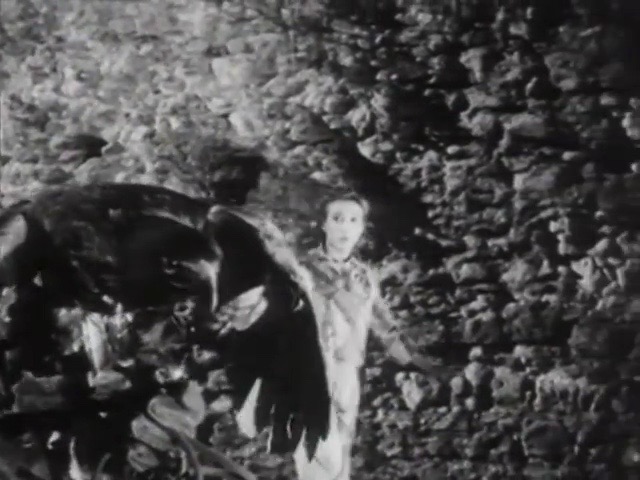
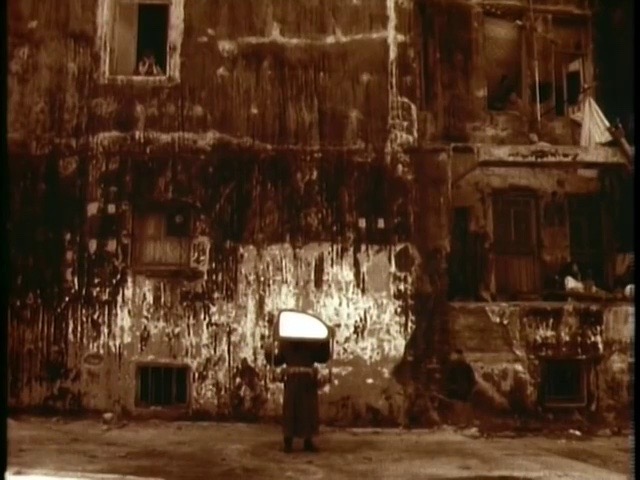
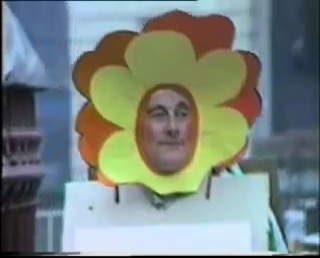
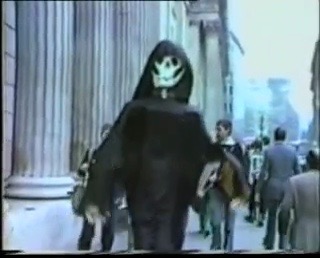
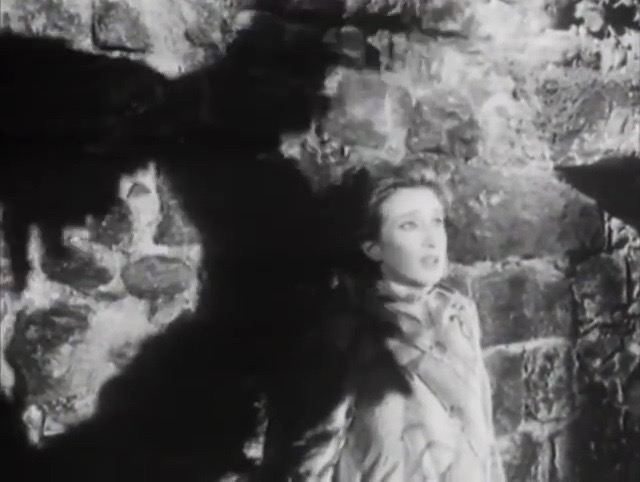
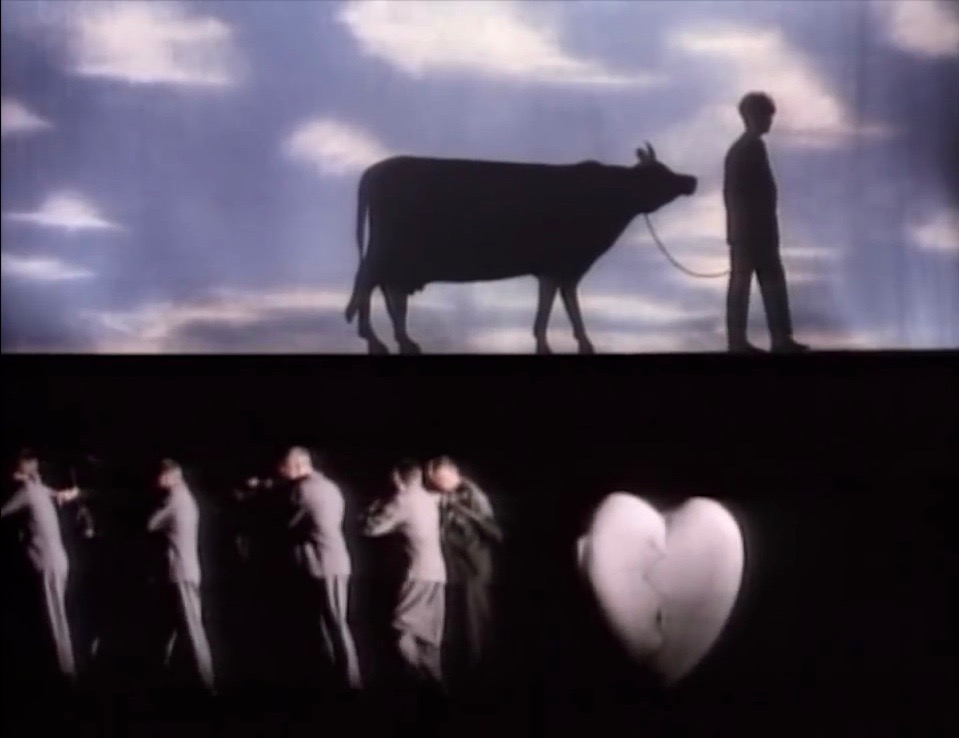
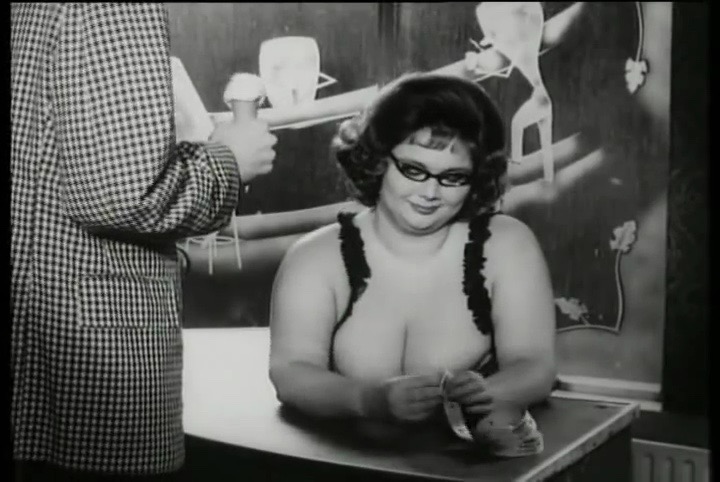
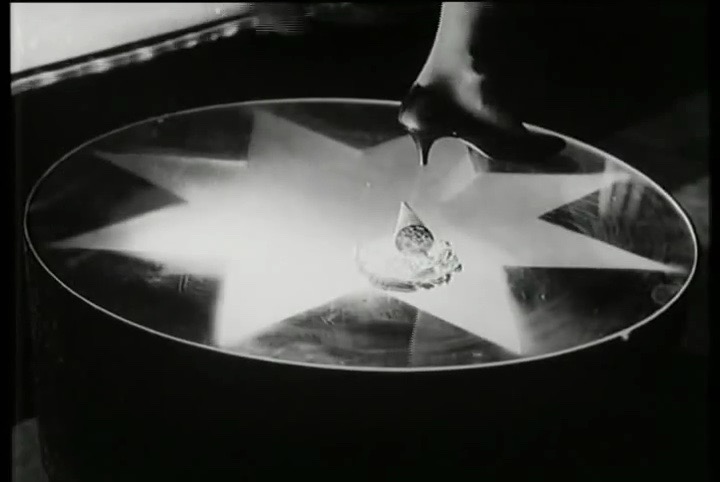
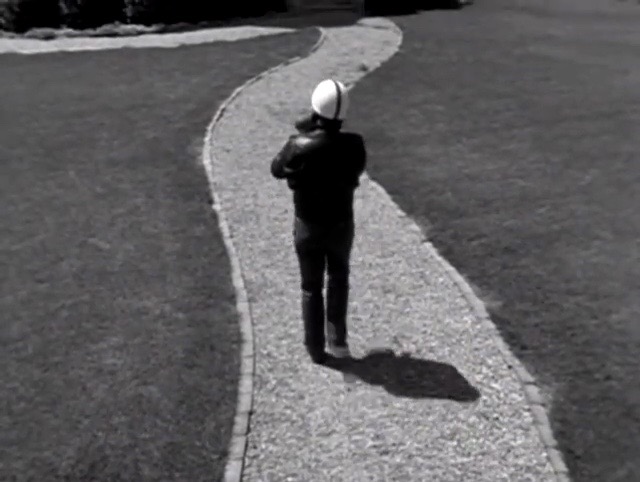
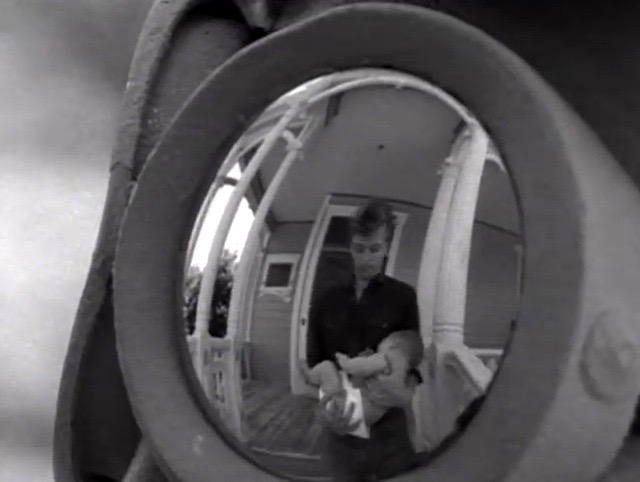
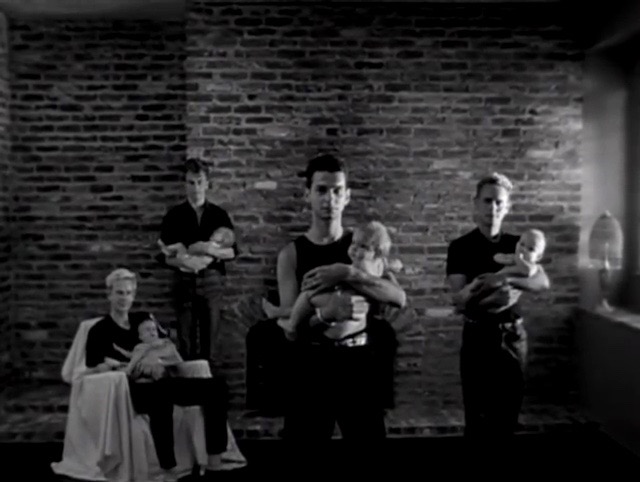
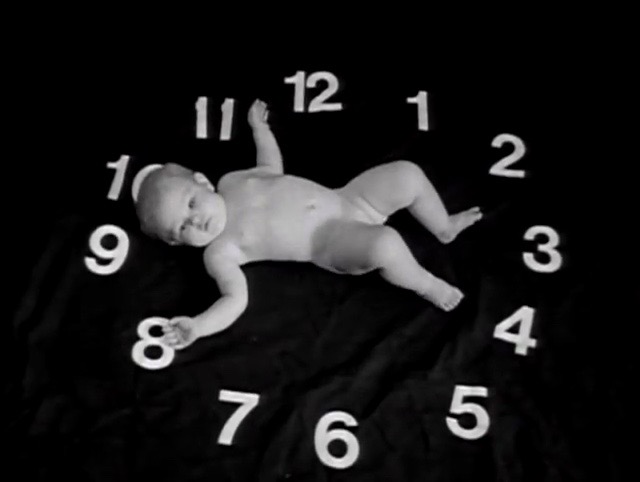
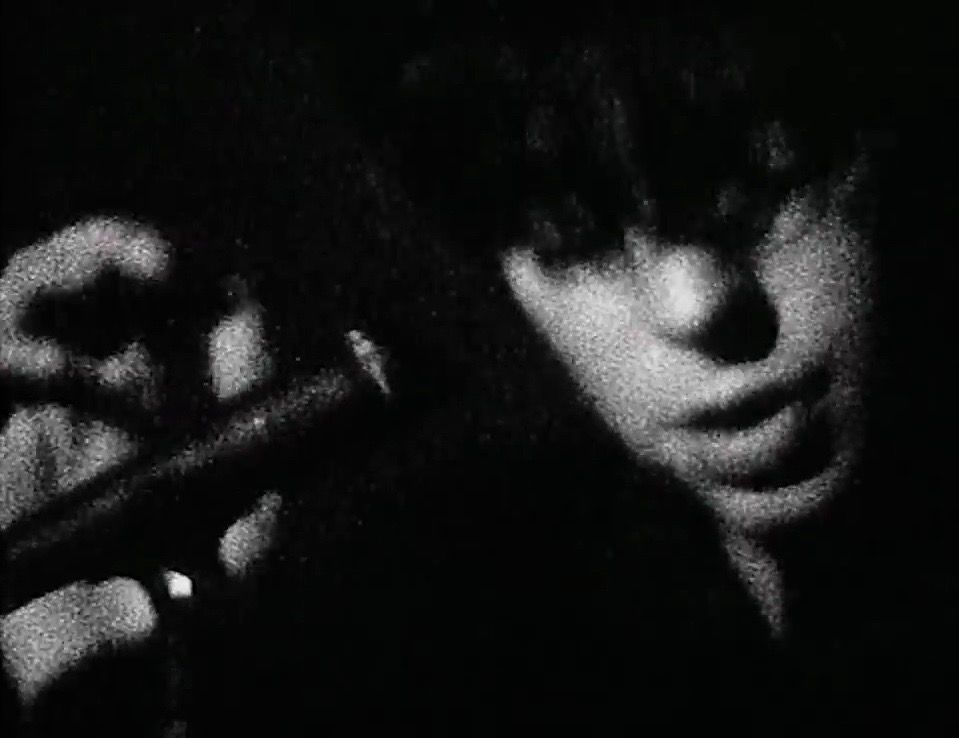
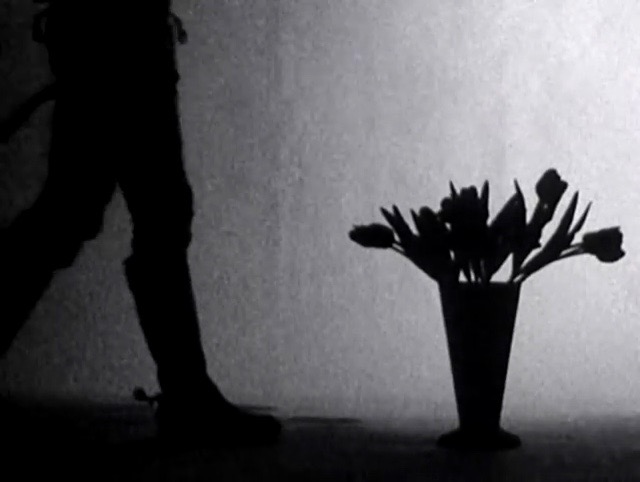
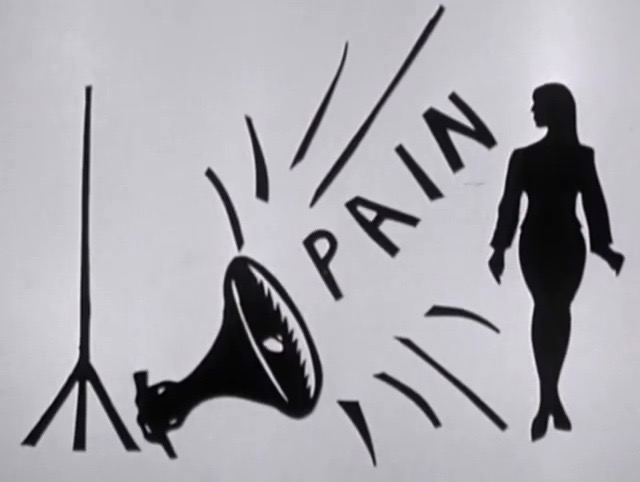
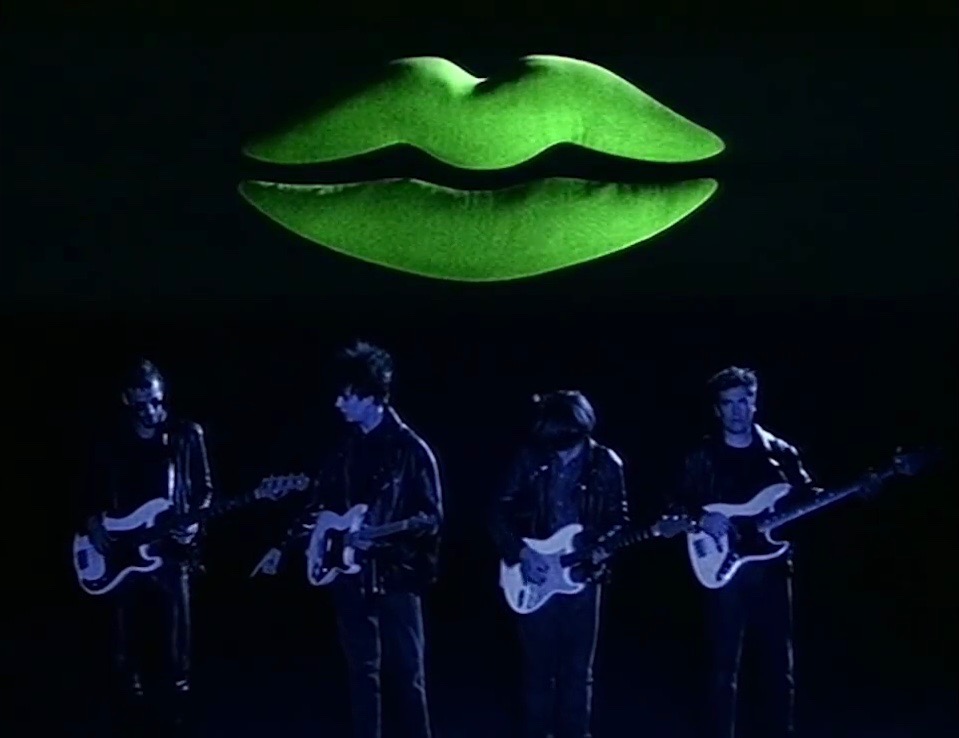
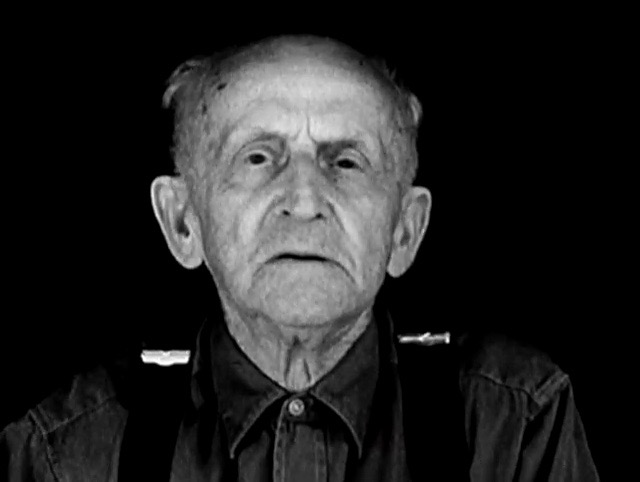
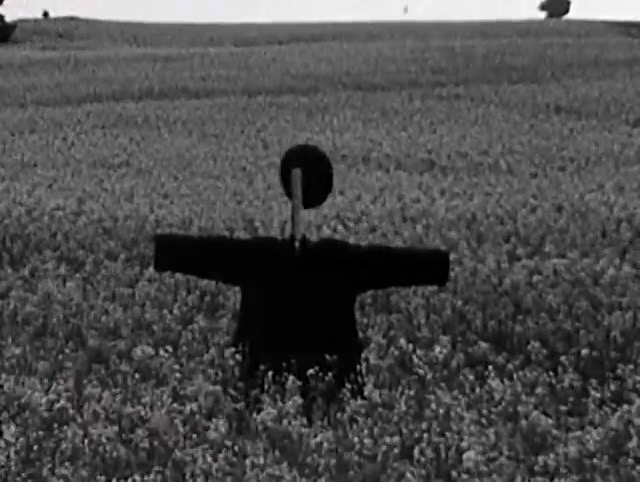
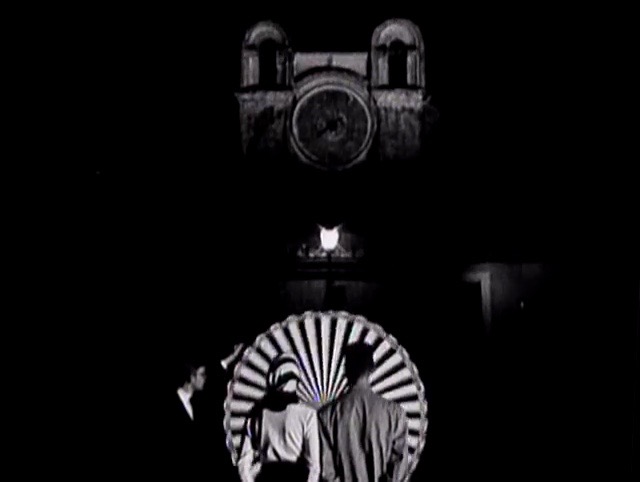
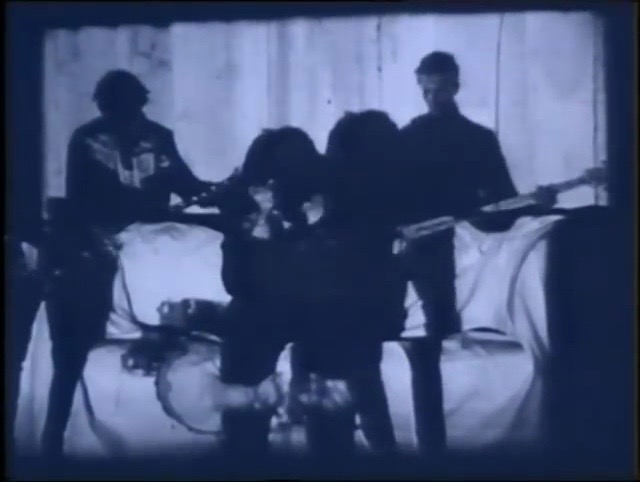
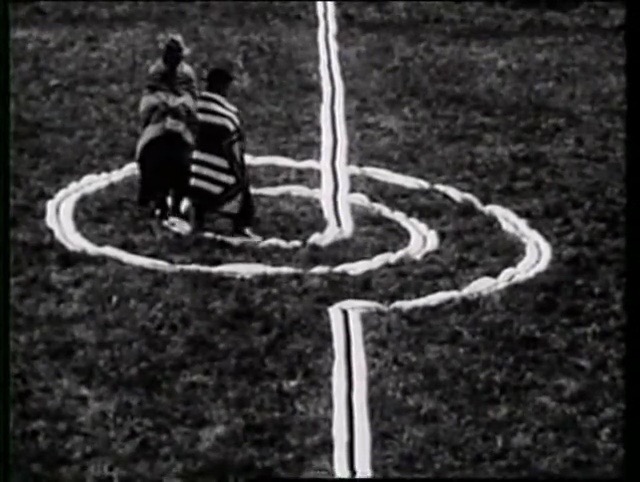
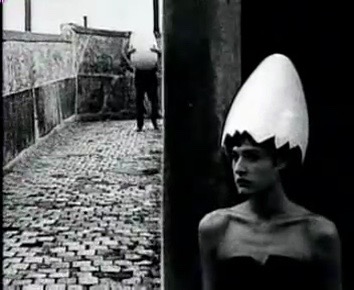
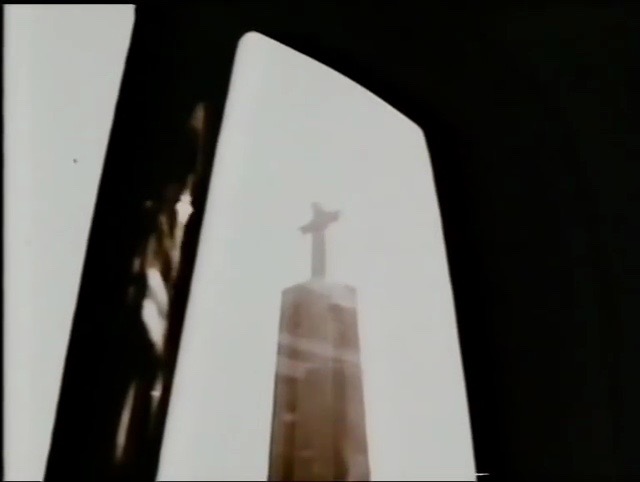
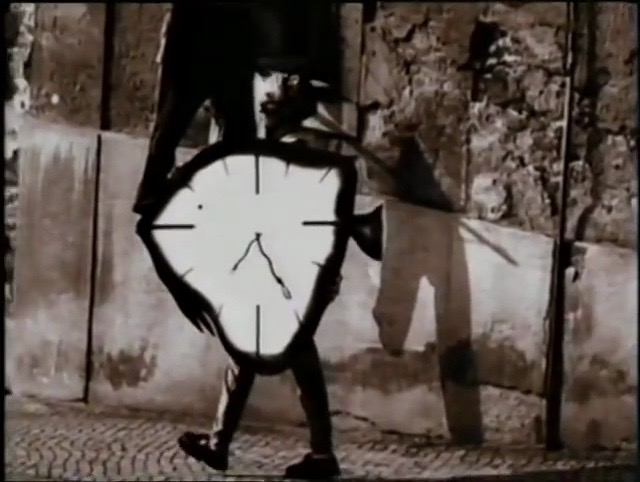
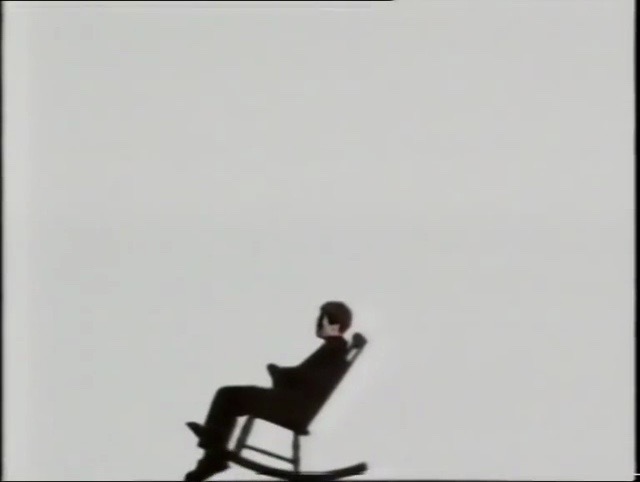
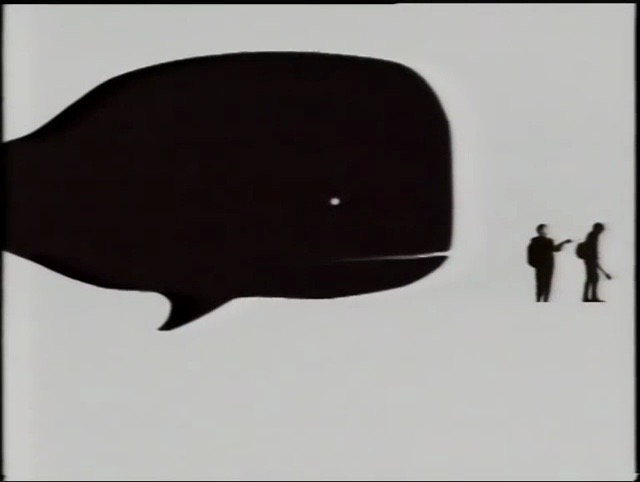
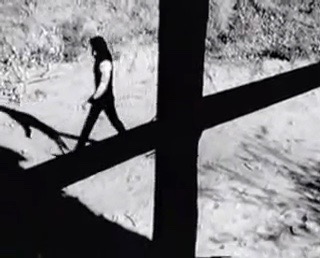
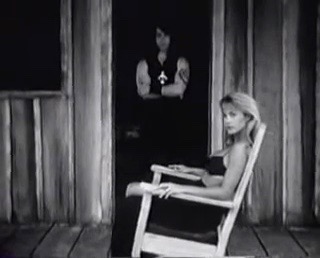
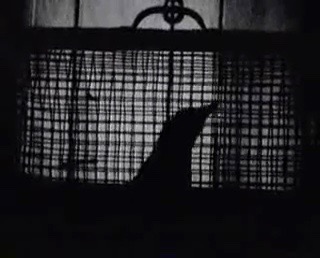
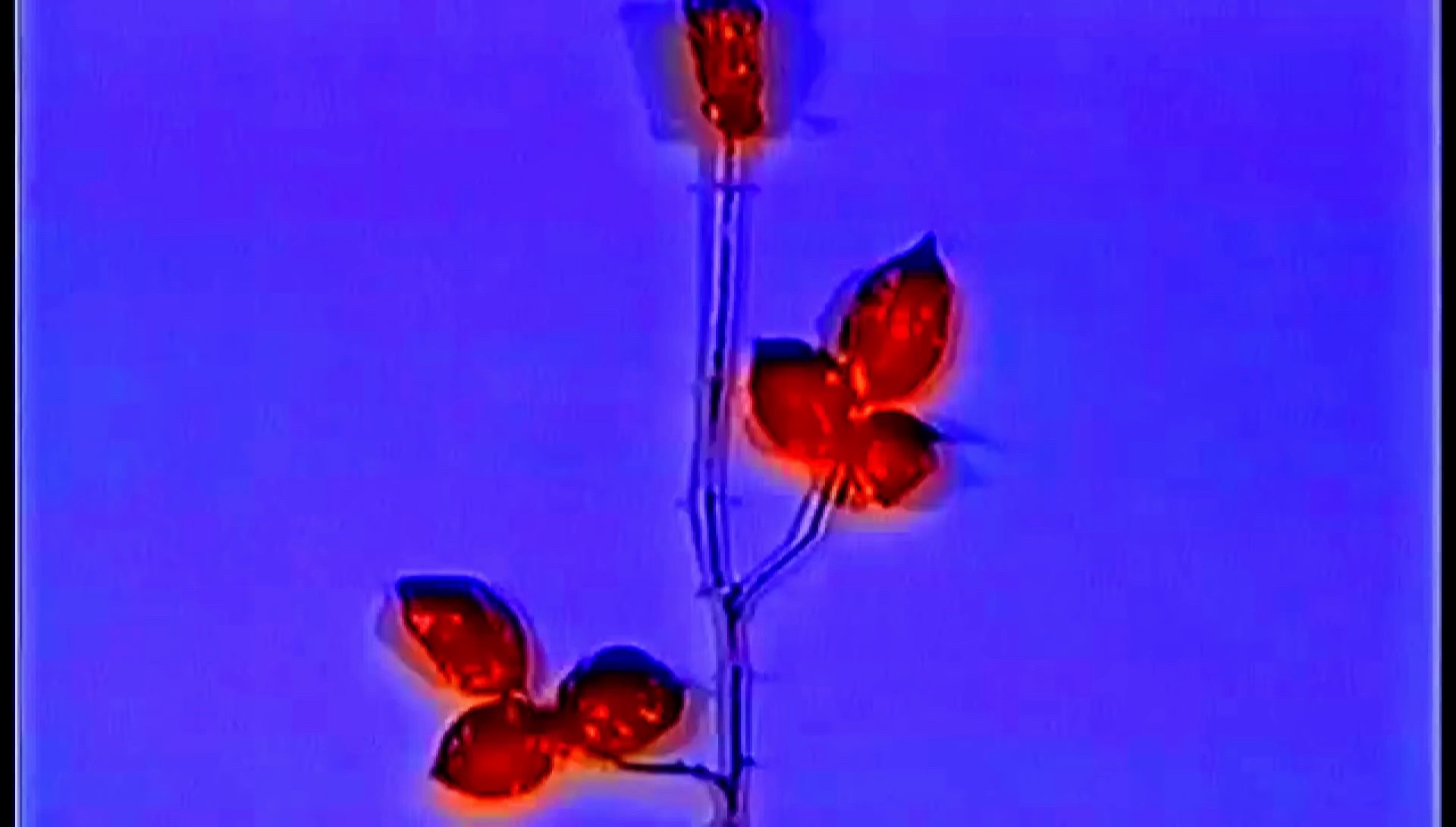
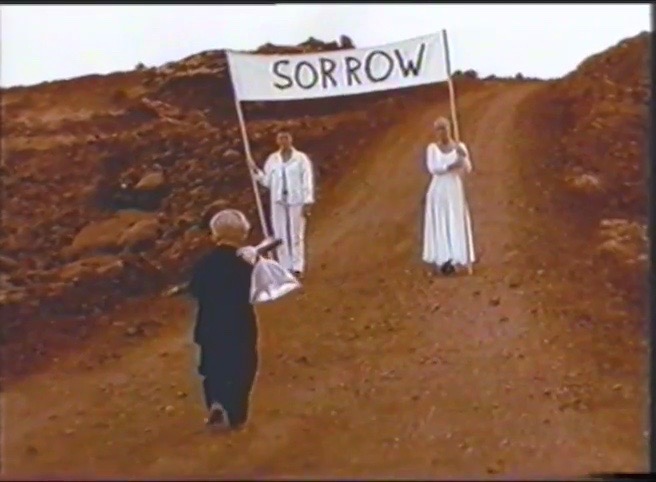
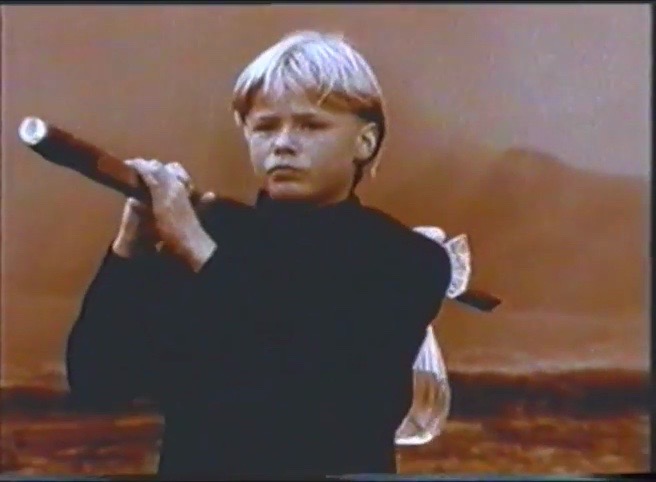
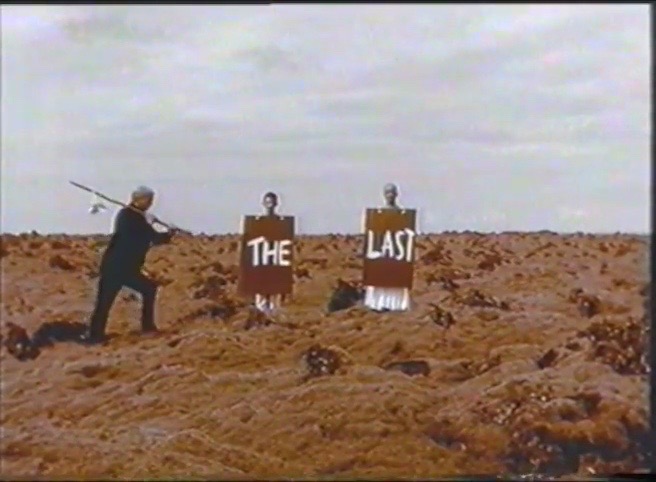
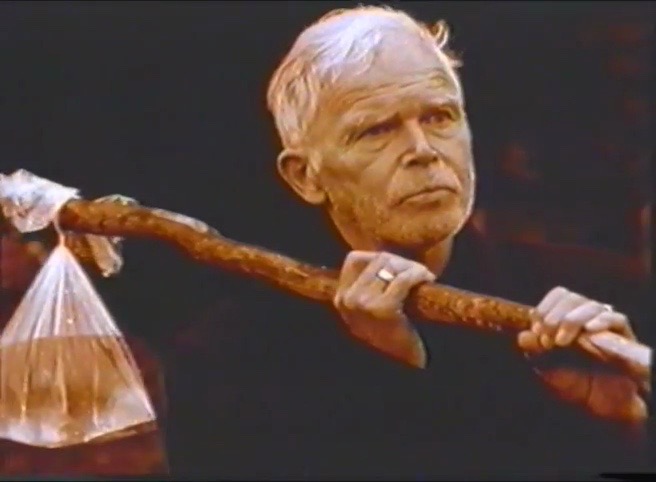
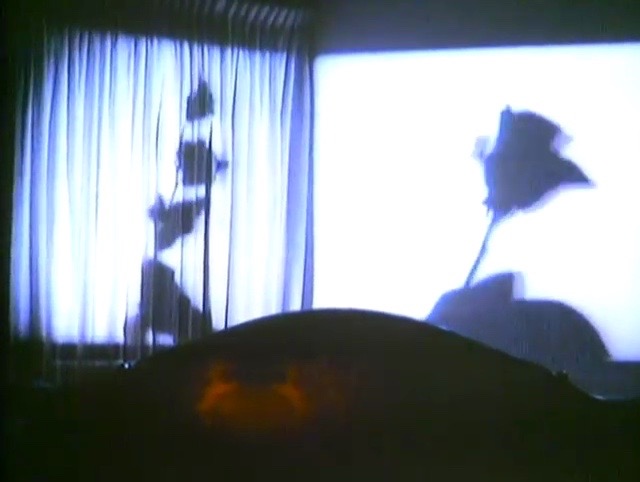
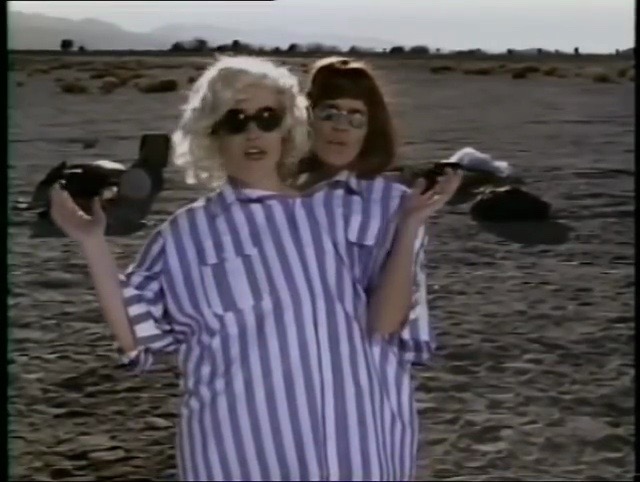
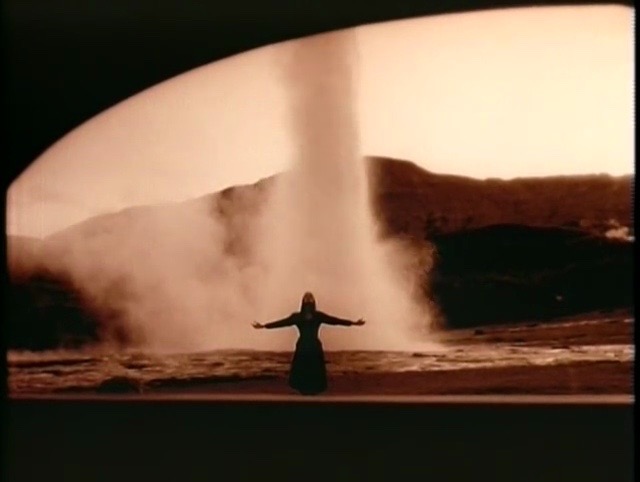
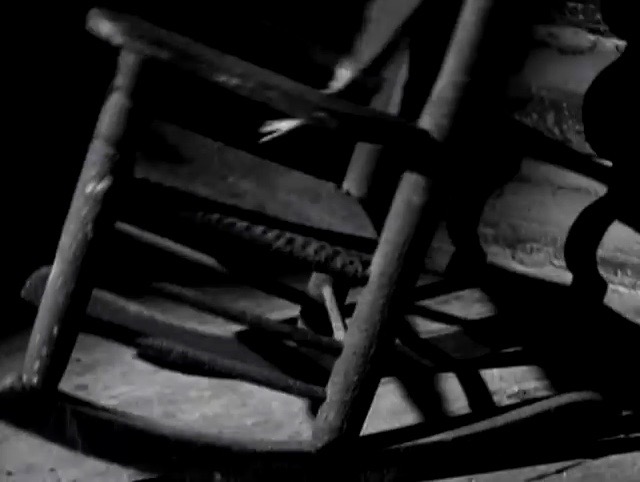
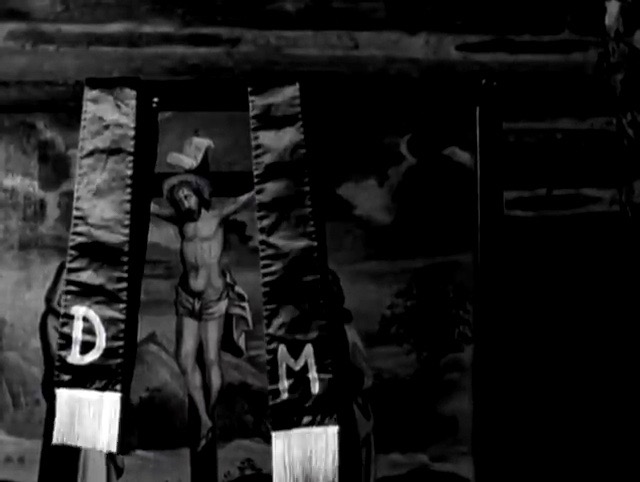
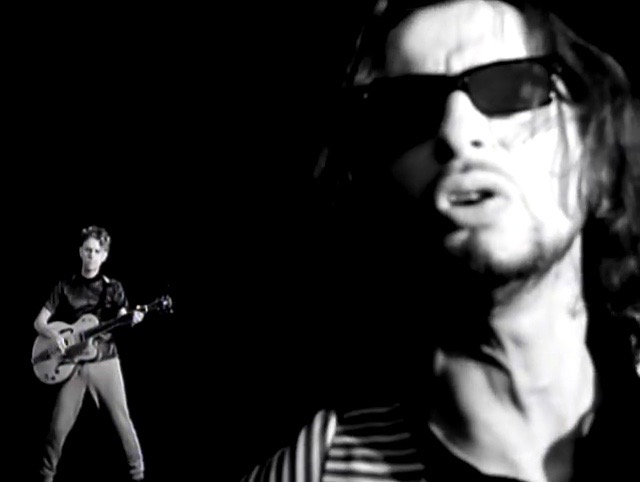
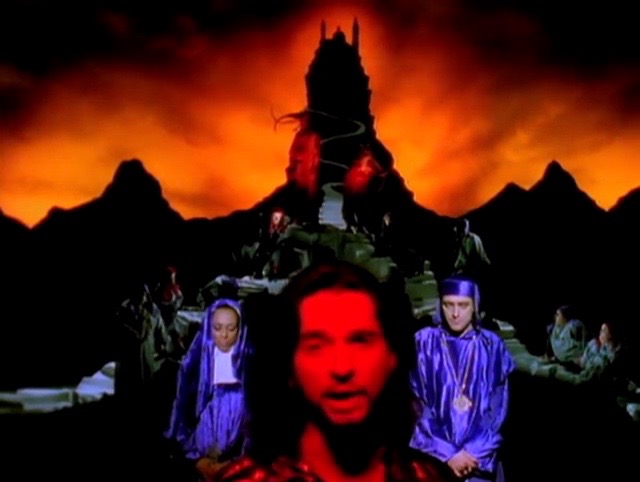
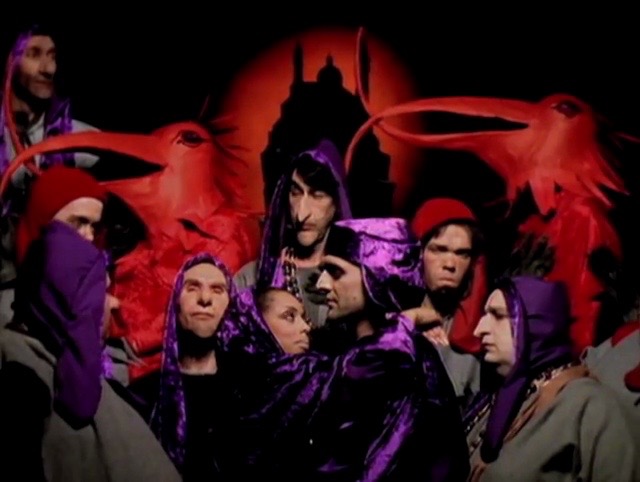
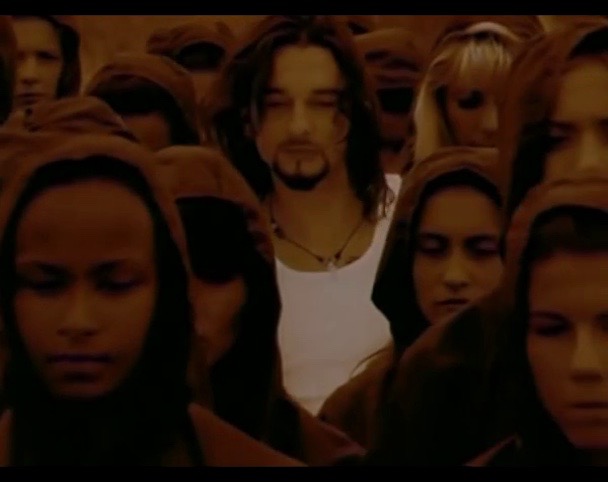
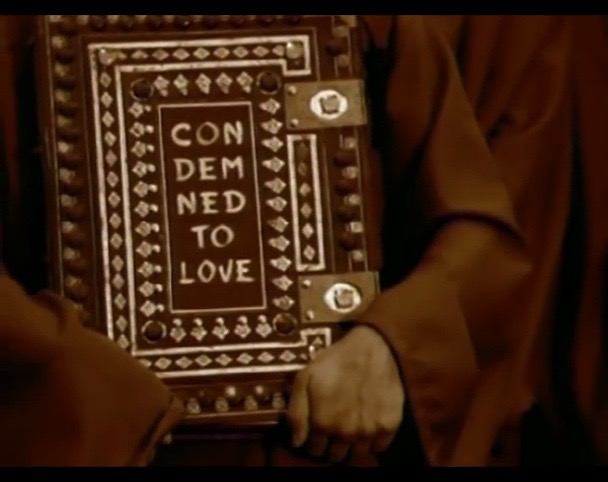
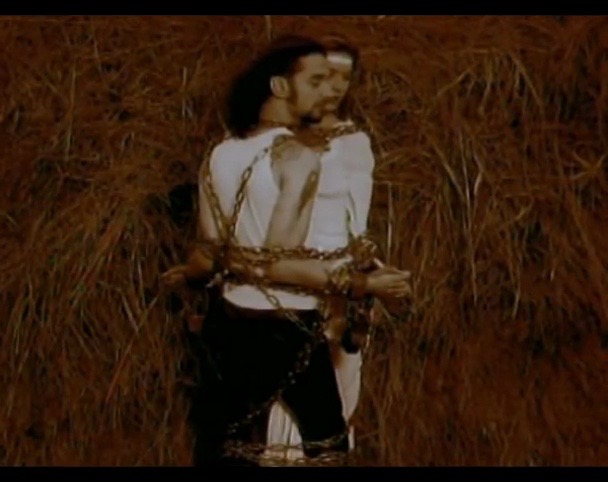
I wish there was more I could share with you about this music video. I needed something surreal, and I felt like doing the less common of the two David Sylvian videos that Anton Corbijn directed first.
Despite not finding anything out there on the video, there are still a few things I can point out. If you’re familiar with Corbijn videos, then you’ll recognize elements that he would reuse later on.
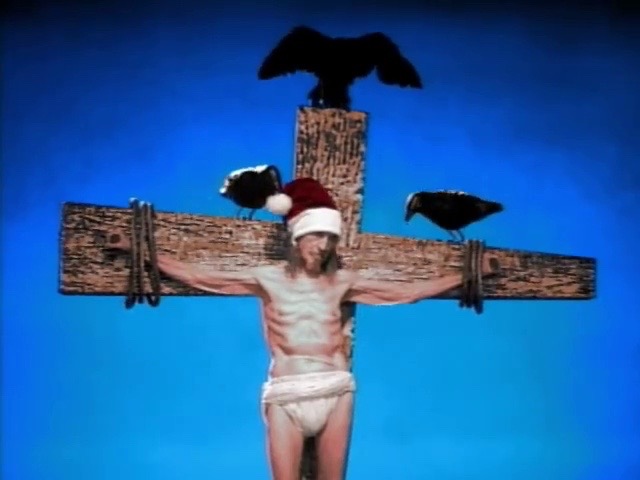
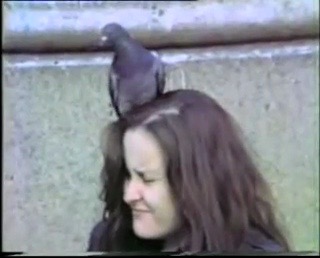
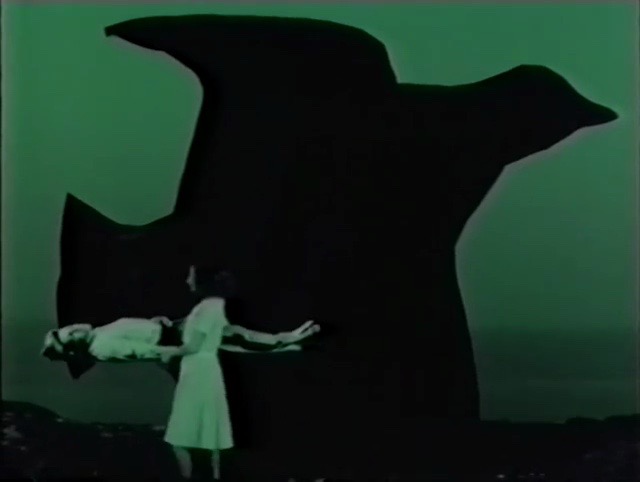
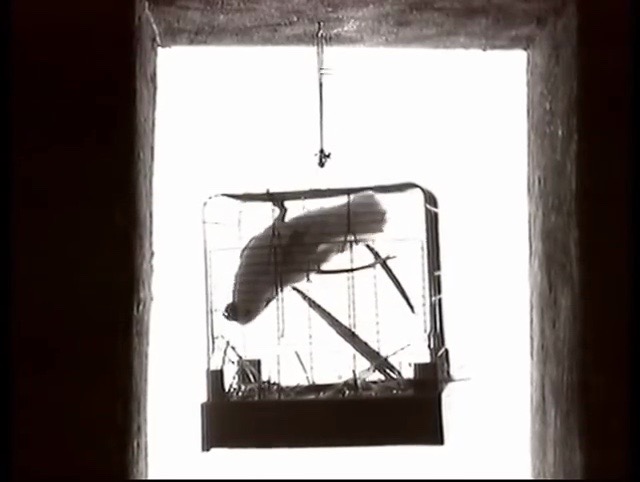
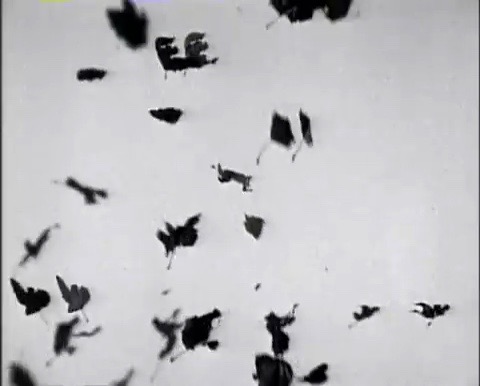
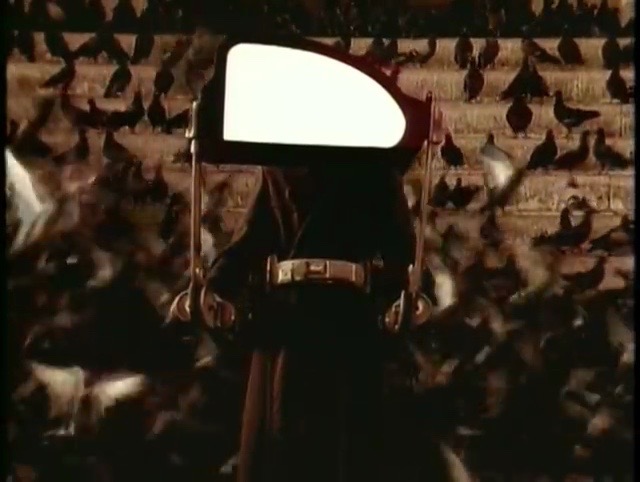
He seems to have a thing for birds.
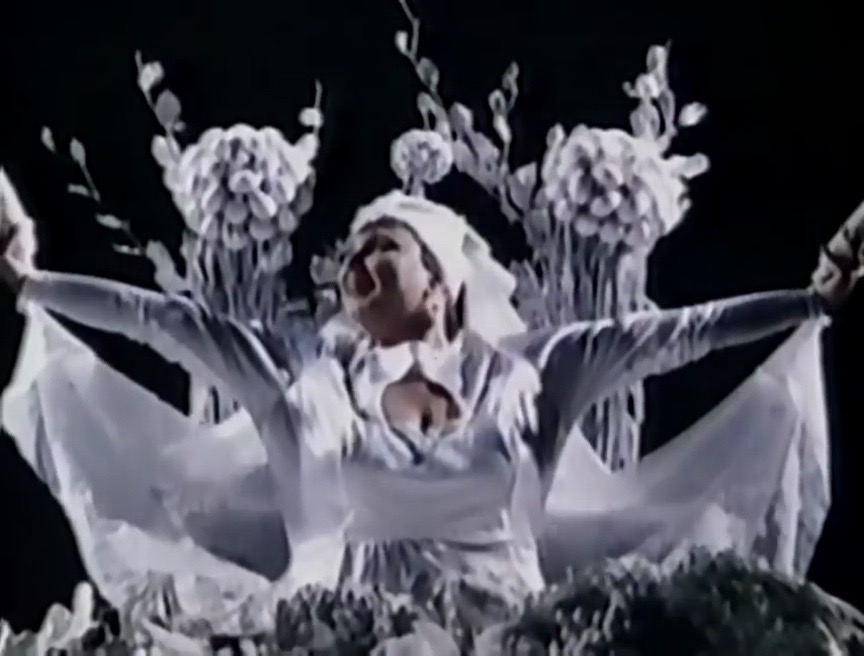
Dr. Mabuse by Propaganda (1984)
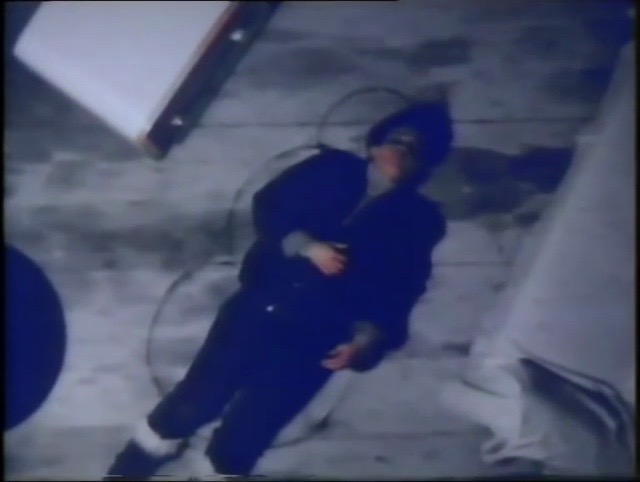
Heart-Shaped Box by Nirvana (1993)
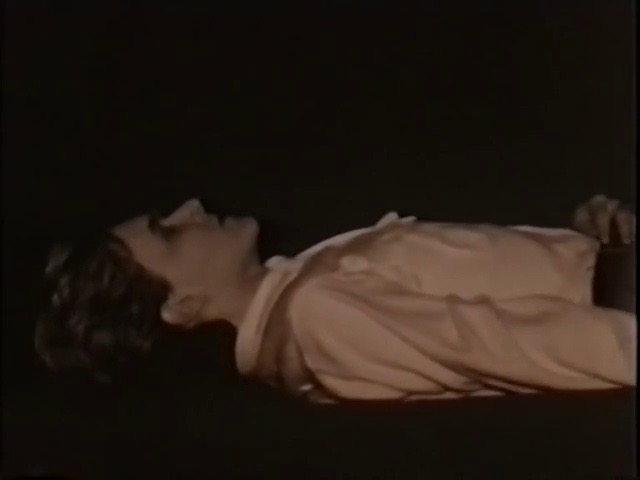
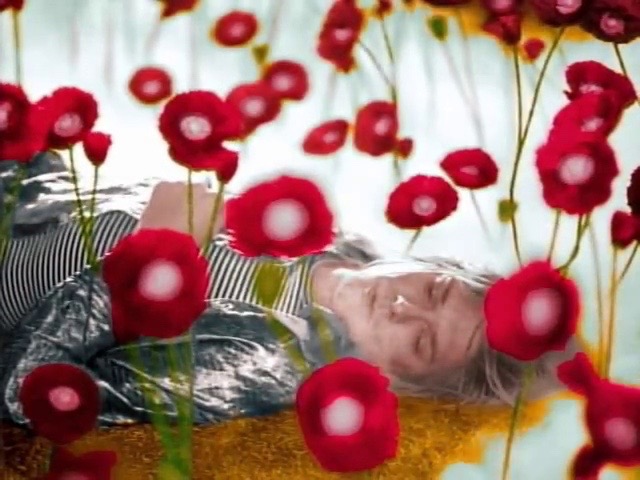
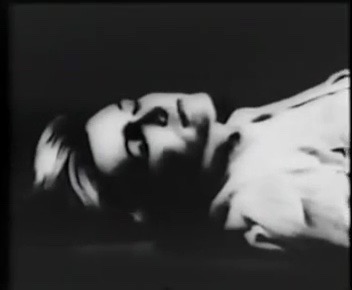
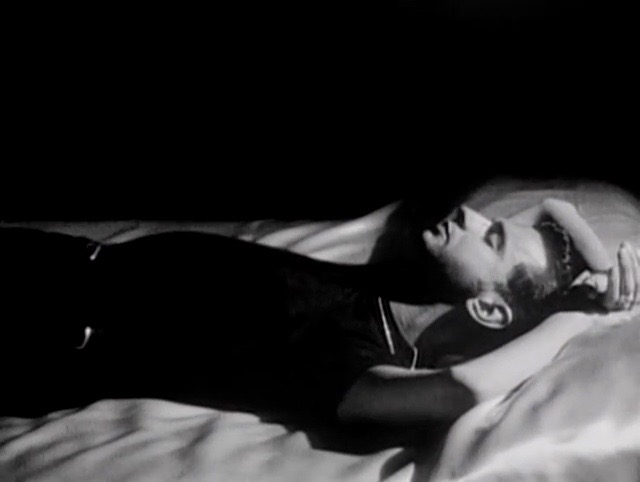
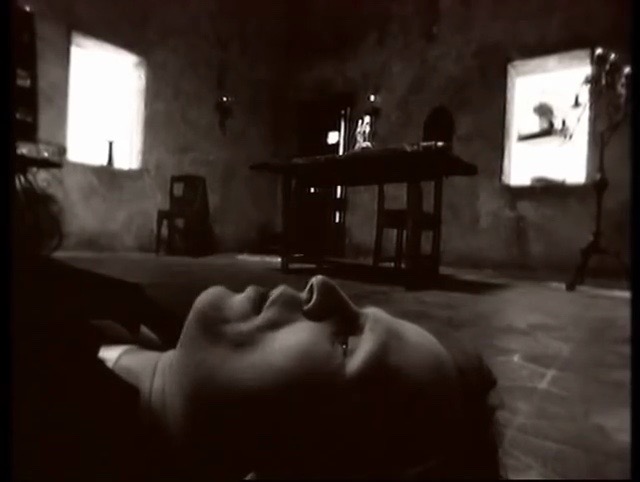
You can also see the singer-laying-peacefully shot in this and Heart-Shaped Box.
Heart-Shaped Box by Nirvana (1993)
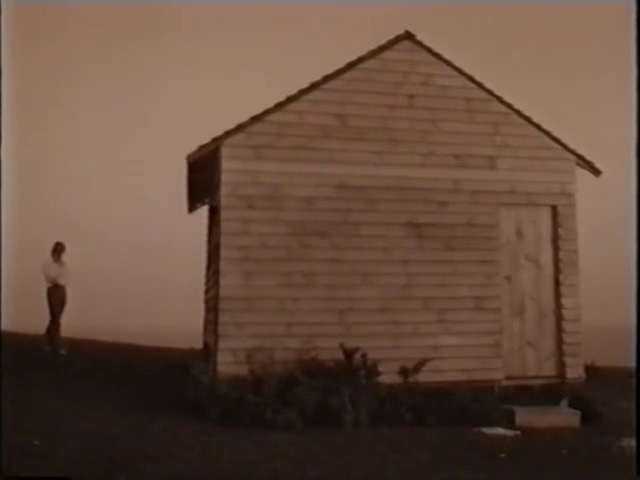
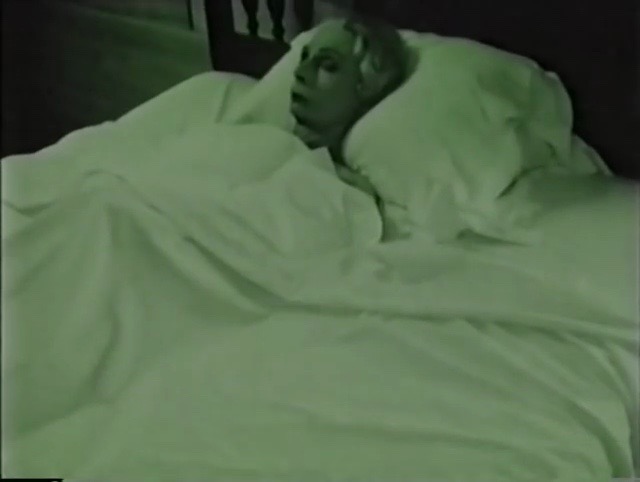
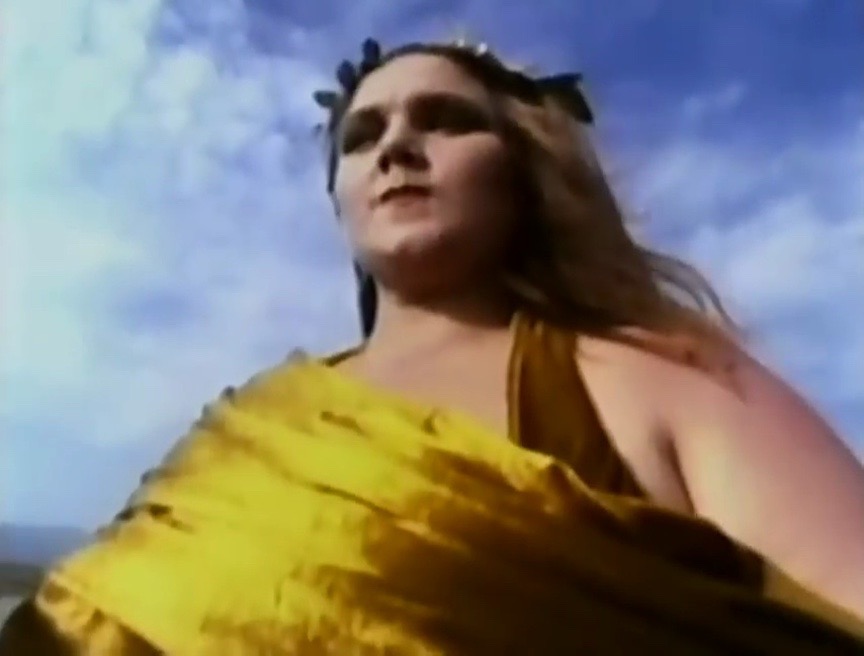
Corbijn is known for his use of black-and-white, but that doesn’t mean he didn’t tint on occasion.
Do I Have To Say The Words? by Bryan Adams (1992)
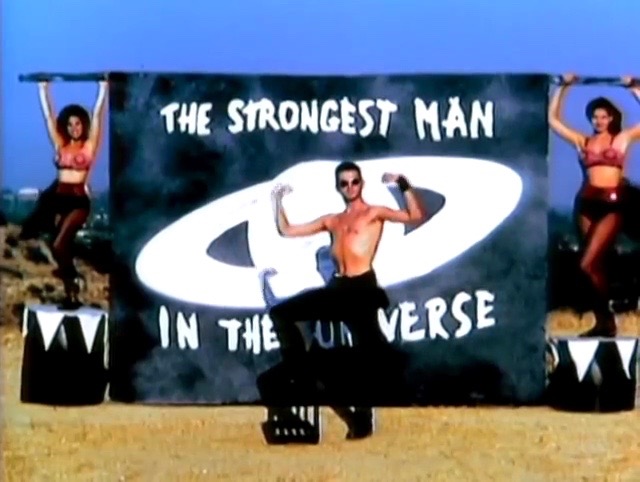
You can go on and on with his music videos. They all seem to connect together through the use of some shot, element, theme, technique, etc. That includes showing up in at least three of his own music videos.
As if watching the first one again after all these years wasn’t hard enough, that director’s cut is even harder to watch. I am really thankful I am not director/photographer Anton Corbijn. Talk about a blessing, and a curse to have worked with those bands over the years. I mean considering he got his start with Joy Division, only to make the last music video with Nirvana about a decade later. Let’s not forget having made Enjoy The Silence and other things with Depeche Mode considering what happened with Dave Gahan.
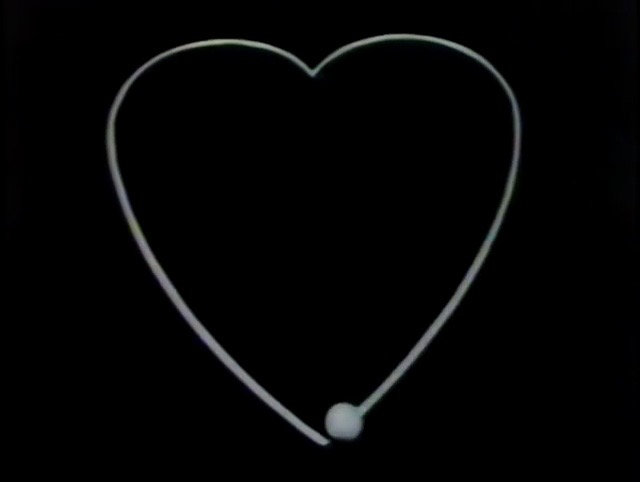
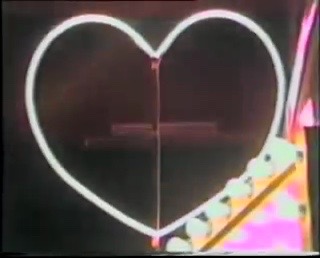
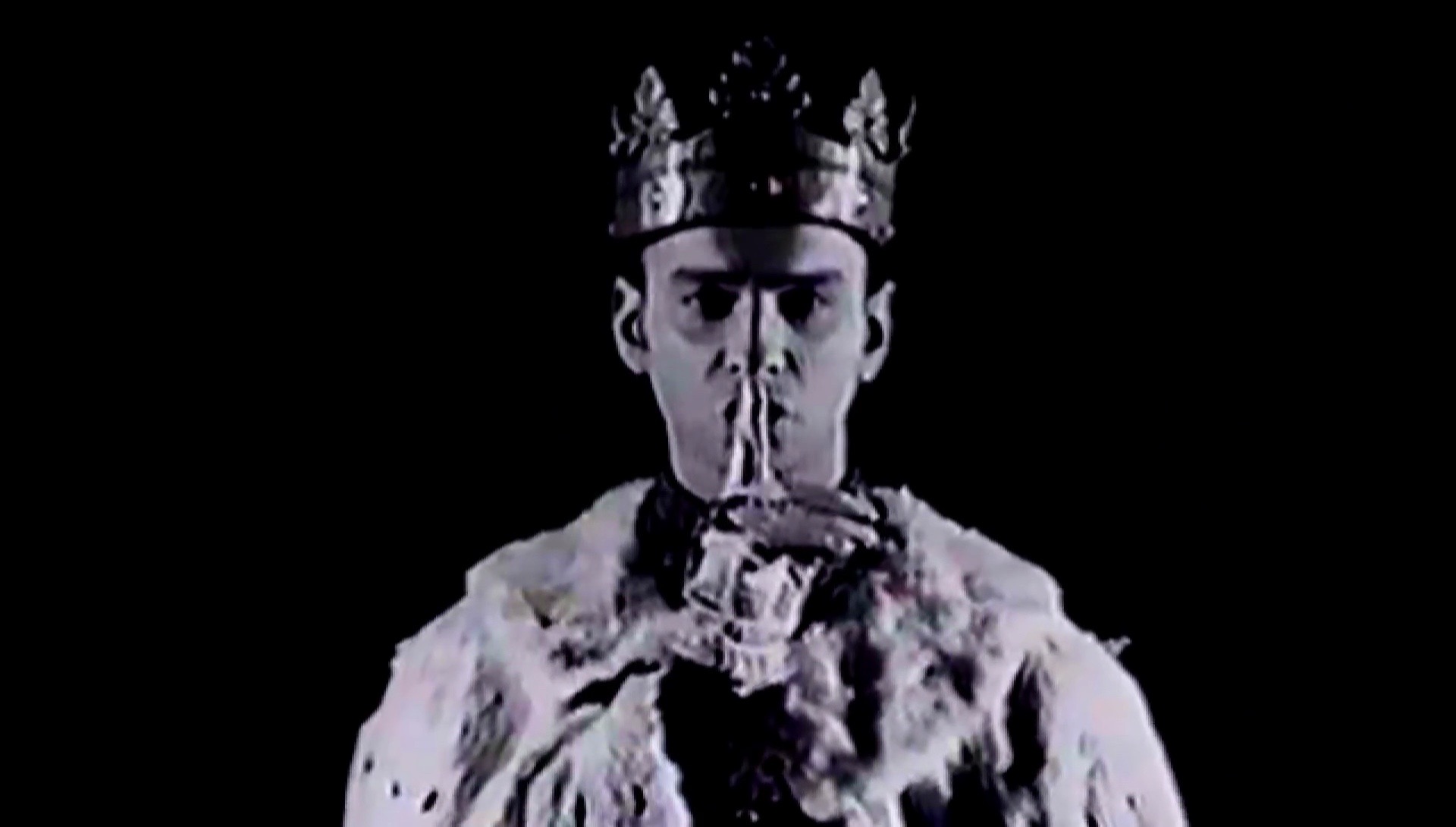
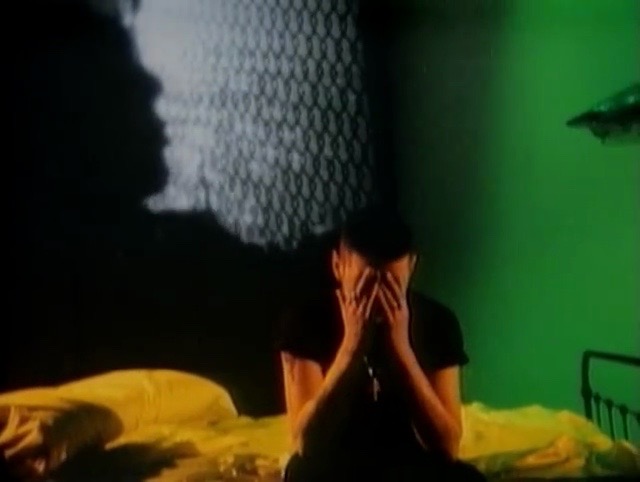
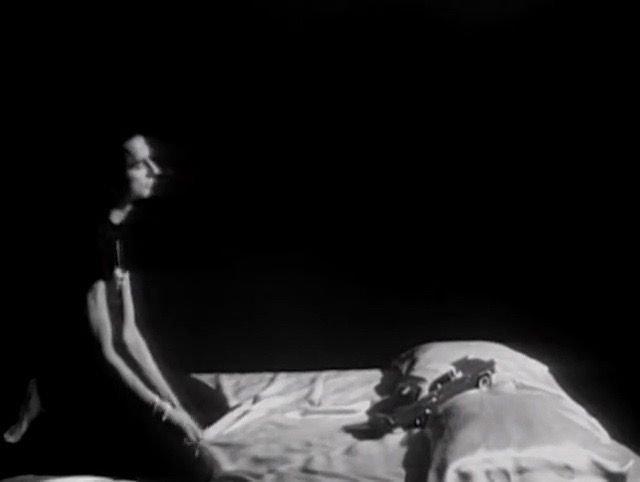
Everyone seems to have talked about this music video on its own. I don’t intend to do that. I find it more interesting to look back at Corbijn’s earlier music videos to see where some of the notorious weirdness of this music video comes from and other visual ties to Nirvana in his work. Some things don’t translate well to only a still image, but otherwise, enjoy! I found all, but one or two music videos released prior to Heart-Shaped Box. Oh, and the heart appears a little over 30 seconds into his very first music video.
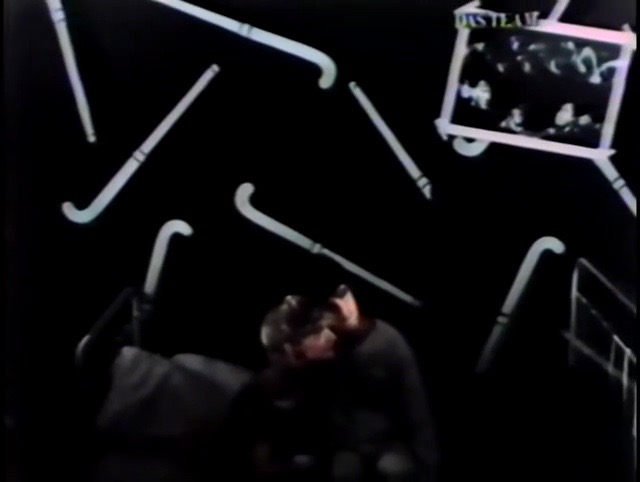
Hockey by Palais Chaumburg (1983)
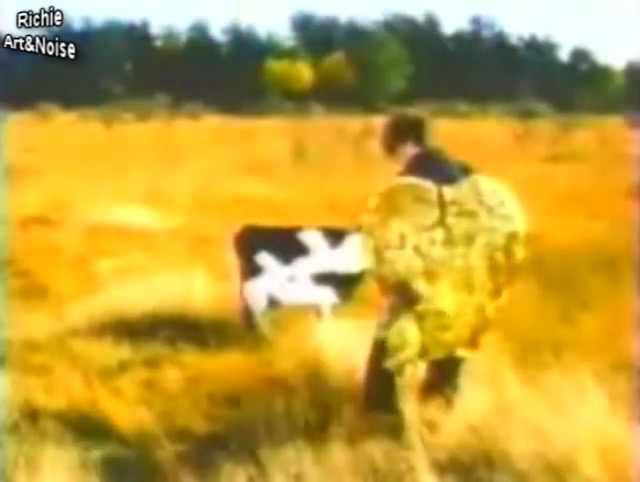
Beat Box by Art of Noise (1984)
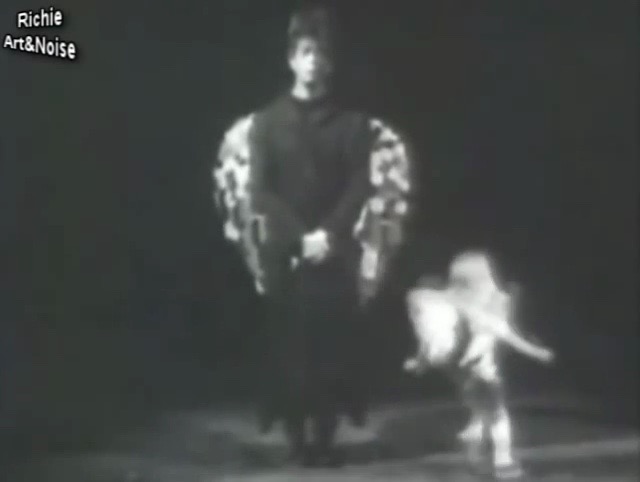
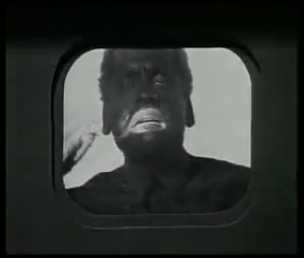
Dr. Mabuse by Propaganda (1984)
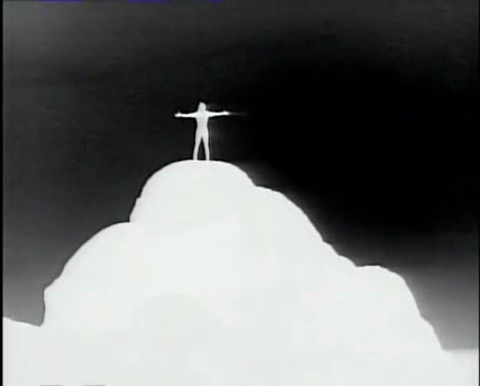
Red Guitar by David Sylvian (1984)
Seven Seas by Echo & the Bunnymen (1984)
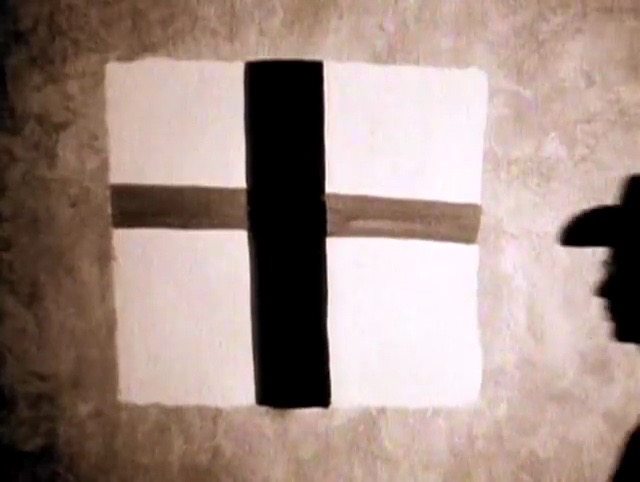
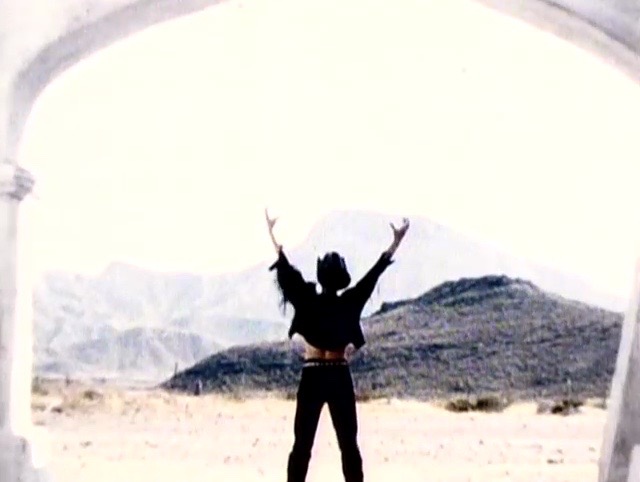
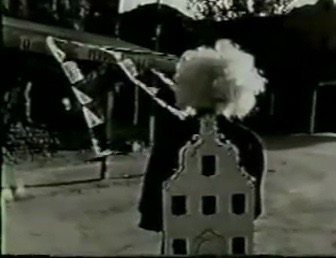
The Ink in the Well by David Sylvian (1984)
Pride (In the Name of Love) by U2 (1984)
Bring on the Dancing Horses by Echo & the Bunnymen (1985)
Quiet Eyes by Golden Earring (1986)
A Question of Time by Depeche Mode (1986)
Bedbugs and Ballyhoo by Echo & the Bunnymen (1987)
Strangelove by Depeche Mode (1987)
Pimpf by Depeche Mode (1987)
The Game by Echo & the Bunnymen (1987)
Lips Like Sugar by Echo & the Bunnymen (1987)
Never Let Me Down Again by Depeche Mode (1987)
Behind the Wheel by Depeche Mode (1987)
Blueprint by Rainbirds (1988)
My Secret Place by Joni Mitchell & Peter Gabriel (1988)
Atmosphere by Joy Division (1988)
Headhunter by Front 242 (1988)
Love is a Better Word (White City of Light) by Rainbirds (1989)
Sea of Time by Rainbirds (1989)
Faith and Healing by Ian McCulloch (1989)
Personal Jesus by Depeche Mode (1989)
Killer Wolf by Danzig (1990)
Enjoy the Silence by Depeche Mode (1990)
Policy of Truth by Depeche Mode (1990)
World in My Eyes by Depeche Mode (1990)
May This Be Your Last Sorrow by Banderas (1991)
Clean by Depeche Mode (1991)
Two Faces by Rainbirds (1991)
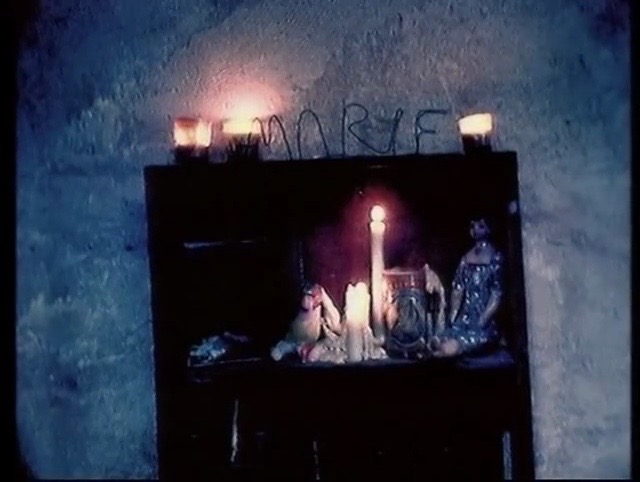
Marie by Herbert Grönemeyer (1991)
Tragedy (For You) by Front 242 (1991)
Halo by Depeche Mode (1991)
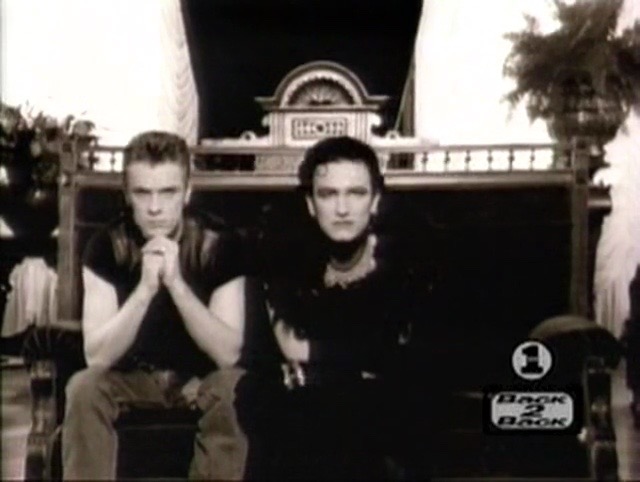
One by U2 (1992)
Hail Hail Rock ‘n’ Roll by Garland Jefferys (1992)
Lover Lover Lover by Ian McCulloch (1992)
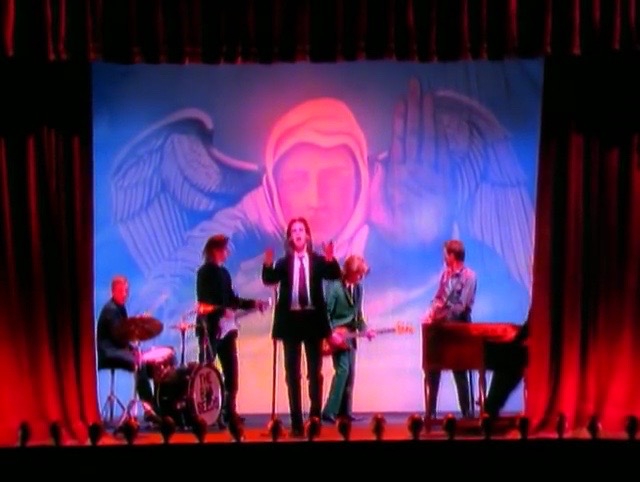
Straight to You by Nick Cave & the Bad Seeds (1992)
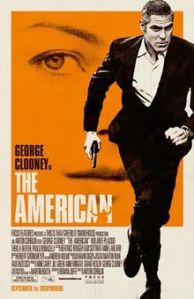
Earlier today, I had the misfortune to sit through the just released movie The American.
The title character, as played by George Clooney (who also produced the film), is an aging assassin. He’s done some bad, bad things and, as a result, he has some bad, bad people after him. So, he hides out in an isolated, Italian village. He makes friends with the local priest, engages in some shady business of some sort with a mysterious woman (Thekla Reuten), and of course falls in love with the proverbial hooker with a heart of gold (Violante Placido). The whole time, the American is aware that his days are numbered and that he can trust no one.
And who really cares?
Director Anton Corbijn appears to be trying to do an homage to the noir-influenced French New Wave of the late 50s and 1960s but he seems to have forgotten that Jean-Luc Godard’s and Francois Truffaut’s films were usually as entertaining as they were intellectually stimulating. (This, of course, is something that Godard forgot as well.) As a result, The American often feels like a parody of an art film. Every scene drips with great importance and all the actors play their roles like they’re in a passion play but, in the end, it’s just a lot of pretension that ultimately adds up to nothing.
As a movie, the American is pretty to look at but I lost interest in it fairly early. Corbijn tries to create an atmosphere of ennui but the end result is simply dull. Clooney attempts to give a restrained performance full of self-loathing and paranoia but he’s miscast in the part. George Clooney the producer doesn’t seems to realize that Clooney’s essential shallowness is the key to his appeal. George Clooney comes across as the perfect one-night stand, the epitome of fun-while-it-lasted but nothing to regret once he’s gone. Whenever Clooney attempts to suggest anything suggesting any greater depth — like in this film — he simply seems lost.
Speaking of lost, so was I as I watched this dull, boring movie. I’m sure some will embrace this film but for me, I’ll pass.