4 Or More Shots From 4 Or More Films is just what it says it is, 4 shots from 4 of our favorite films. As opposed to the reviews and recaps that we usually post, 4 Shots From 4 Films lets the visuals do the talking!
Today, we honor the birth and the legacy of the great Italian director, Sergio Corbucci! It’s time for….
4 Shots From 4 Sergio Corbucci Films
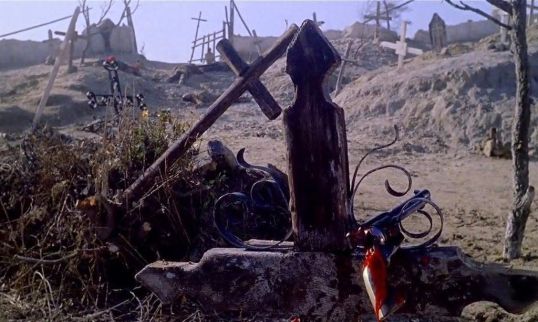
Django (1966, dir by Sergio Corbucci, DP: Enzo Barboni)
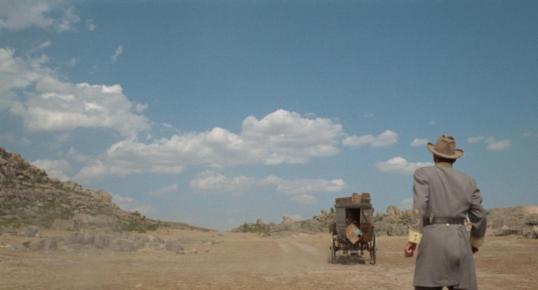
The Hellbenders (1967, dir by Sergio Corbucci, DP: Enzo Barboni)
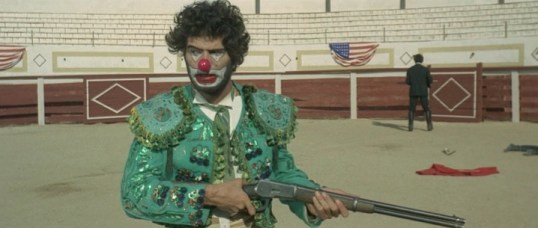
The Mercenary (1968, dir by Sergio Corbucci, DP: Alejandro Ulloa)
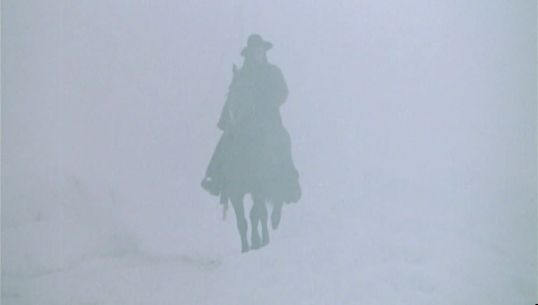
The Great Silence (1968, dir by Sergio Corbucci, DP: Silvano Ippoliti)
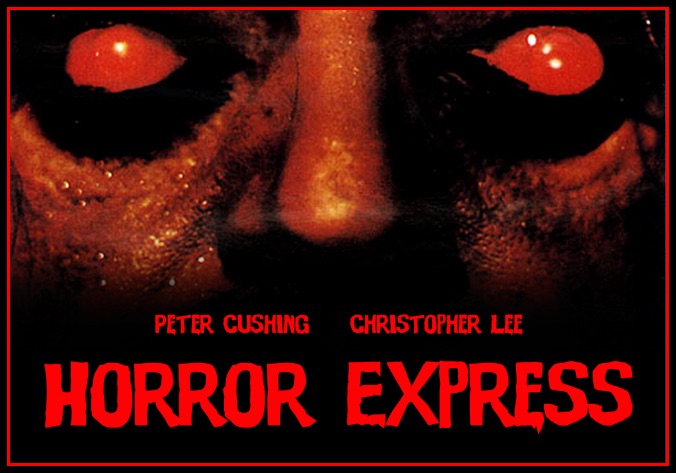
There was one film I saw when I was very young that absolutely terrified me, and even now, decades later, it still has the power to unsettle me and rob me of sleep. That film is Horror Express, a 1972 Spanish-British horror/science fiction hybrid directed by Eugenio Martín. It brought together two titans of gothic horror cinema, Christopher Lee and Peter Cushing—icons of the Hammer Films era—while also featuring Telly Savalas in a sadistic, scene-stealing turn as a volatile Cossack captain.
When Horror Express was released, the horror genre was at a fascinating crossroads. The gothic traditions popularized by Hammer Studios throughout the 1960s were beginning to fade, overtaken by the grittier, bloodier styles of filmmakers like Herschell Gordon Lewis and George A. Romero. By 1968, Romero’s Night of the Living Dead had already shifted the genre toward a darker, more nihilistic tone, paving the way for the grislier excesses that would dominate the 1970s. Martín’s film stood out precisely because it clung to the elegance and atmosphere of Hammer’s gothic aesthetic while incorporating moments of shocking violence and morbid detail. It occupied an unusual in-between space: refined in look and tone yet unnerving in its thematic brutality. Its blend of period atmosphere, science fiction paranoia, and restrained gore made it a fascinating transitional work in horror history.
The premise is simple but chilling. Aboard the Trans-Siberian Express, a British anthropologist (Christopher Lee’s Professor Saxton) transports a recently unearthed specimen—an ape-like, fossilized creature. His colleague, Peter Cushing’s Dr. Wells, becomes reluctantly entangled in the unfolding mystery. Predictably, the specimen is not what it seems; it revives and begins unleashing a series of violent attacks on the passengers. Soon it is revealed to harbor a far more terrifying, alien intelligence capable of killing and inhabiting its victims. This leads to one of the film’s most haunting sequences: the white-eyed, zombie-like corpses, drained of memories and humanity, shambling through the train corridors under the entity’s control. At eight years old, these images struck me as some of the most horrifying I had ever seen, and even today their uncanny blend of gothic atmosphere and science fiction body horror still lingers.
Viewed in retrospect, Horror Express bears a striking resemblance to John W. Campbell’s novella Who Goes There?—the basis for Howard Hawks’ The Thing from Another World and John Carpenter’s The Thing in 1982. Like those stories, it is steeped in paranoia, playing with the idea of an alien intelligence that can absorb knowledge and animate the dead. While it never attains the precision of Carpenter’s later masterpiece, it foreshadows that same blend of claustrophobia, distrust, and escalating dread.
What makes Horror Express unforgettable is its restraint. Rather than leaning on gore, it generates fear through suggestion, atmosphere, and disturbing imagery. The snowy isolation of the Trans-Siberian route reinforces the cold sterility of its alien invader, while the confined train cars become a claustrophobic prison of escalating terror. Over time, the film has slipped into the public domain, making it widely available on streaming platforms and budget DVDs. Though often overlooked in surveys of 1970s horror, it deserves recognition as one of the last great gothic horror films before the torch passed to Craven, Carpenter, and Hooper.
For me, Horror Express remains not just a childhood scare but a cinematic touchstone: a rare piece of science fiction horror bridging two eras, one that manages to terrify without relying on excess gore. It disturbed me at age eight, and even now, watching the blank-eyed corpses lurch through the dim train cars still triggers that same visceral shiver.
4 Or More Shots From 4 Or More Films is just what it says it is, 4 shots from 4 of our favorite films. As opposed to the reviews and recaps that we usually post, 4 Shots From 4 Films lets the visuals do the talking!
Today, we honor the legacy of a man who was not just a great horror star but also a great actor. period Christopher Lee worked with everyone from Laurence Olivier to Steven Spielberg to Peter Jackson to Martin Scorsese. Though he turned own the chance to play Dr. No, Lee later did go play a Bond villain in The Man with The Golden Gun. He was one of those actors who was always great, even if the film wasn’t.
That said, it’s for his horror films that Lee is best known. He was the scariest Dracula and the most imposing Frankenstein’s Monster. He played mad scientists, decadent aristocrats, and even the occasional hero. Christopher Lee was an actor who could do it all and today, on what would have been his birthday, we honor him with….
6 Shots From 6 Christopher Lee Films
The Horror of Dracula (1958, dir by Terence Fisher, DP: Jack Asher)
Count Dracula (1970, dir by Jess Franco, DP: Manuel Merino and Luciano Trasatti)
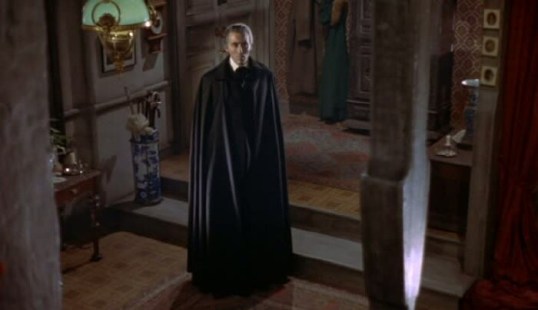
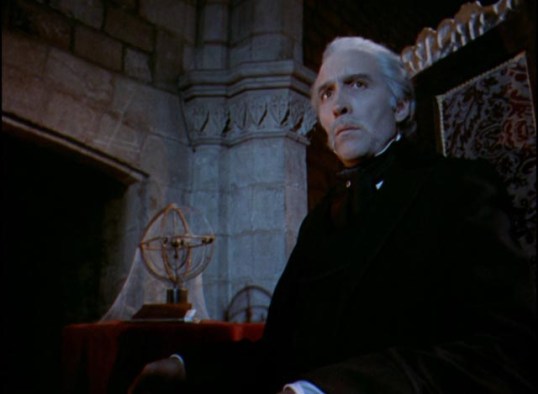
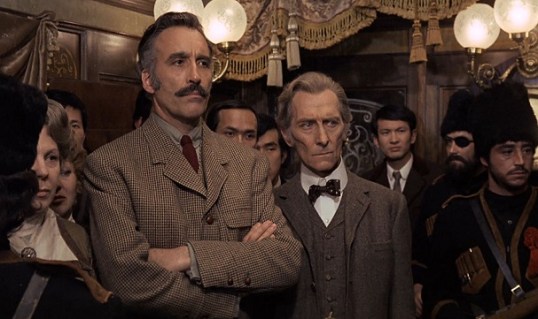
Horror Express (1972, dir by Eugenio Martin, DP: Alejandro Ulloa)
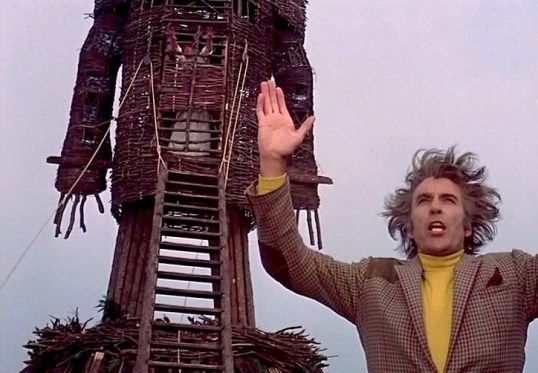
The Wicker Man (1973, dir by Robert Hardy. DP: Harry Waxman)
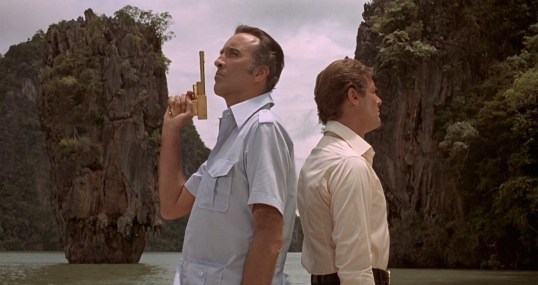
The Man With The Golden Gun (1974, dir by Guy Hamilton, DP: Ted Moore and Oswald Morris)
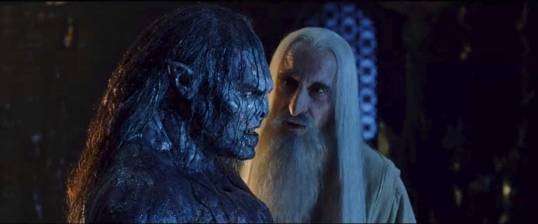
Lord of the Rings: The Fellowship of the Ring (2001, dir by Peter Jackson, DP: Andrew Lesnie)
4 Or More Shots From 4 Or More Films is just what it says it is, 4 shots from 4 of our favorite films. As opposed to the reviews and recaps that we usually post, 4 Shots From 4 Films lets the visuals do the talking!
Today, we honor the birth and the legacy of the great Italian director, Sergio Corbucci! It’s time for….
4 Shots From 4 Sergio Corbucci Films
Django (1966, dir by Sergio Corbucci, DP: Enzo Barboni)
The Hellbenders (1967, dir by Sergio Corbucci, DP: Enzo Barboni)
The Mercenary (1968, dir by Sergio Corbucci, DP: Alejandro Ulloa)
The Great Silence (1968, dir by Sergio Corbucci, DP: Silvano Ippoliti)
4 Or More Shots From 4 Or More Films is just what it says it is, 4 shots from 4 of our favorite films. As opposed to the reviews and recaps that we usually post, 4 Shots From 4 Films lets the visuals do the talking!
Today, we honor the legacy of a man who was not just a great horror star but also a great actor. period Christopher Lee worked with everyone from Laurence Olivier to Steven Spielberg to Peter Jackson to Martin Scorsese. Though he turned own the chance to play Dr. No, Lee later did go play a Bond villain in The Man with The Golden Gun. He was one of those actors who was always great, even if the film wasn’t.
That said, it’s for his horror films that Lee is best known. He was the scariest Dracula and the most imposing Frankenstein’s Monster. He played mad scientists, decadent aristocrats, and even the occasional hero. Christopher Lee was an actor who could do it all and today, we honor him with….
6 Shots From 6 Christopher Lee Films
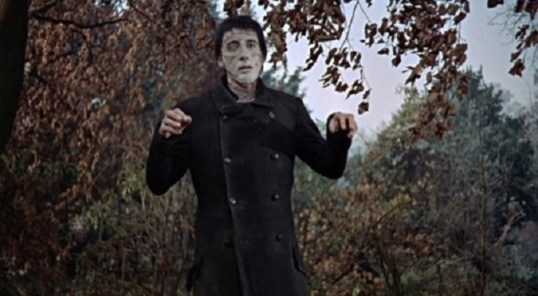
The Curse of Frankenstein (1957, dir by Terence Fisher, DP: Jack Asher)
The Horror of Dracula (1958, dir by Terence Fisher, DP: Jack Asher)
Rasputin The Mad Monk (1966, dir by Don Sharp, DP: Michael Reed)
Count Dracula (1970, dir by Jess Franco, DP: Manuel Merino and Luciano Trasatti)
Horror Express (1972, dir by Eugenio Martin, DP: Alejandro Ulloa)
The Wicker Man (1973, dir by Robert Hardy. DP: Harry Waxman)
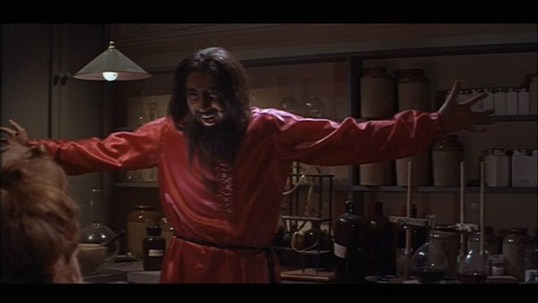
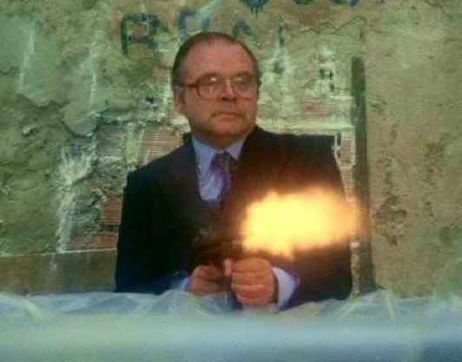
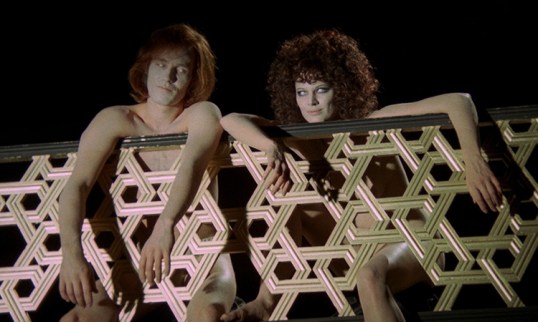
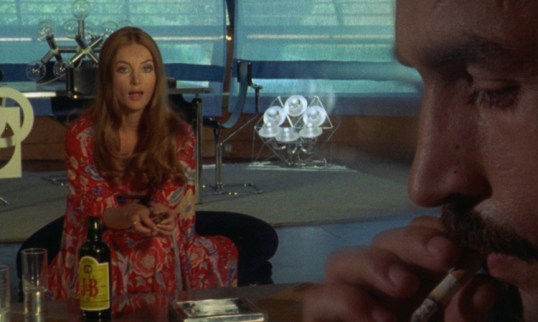
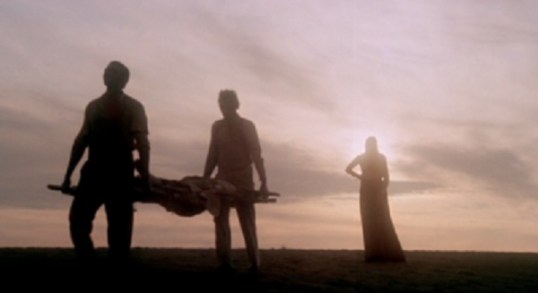
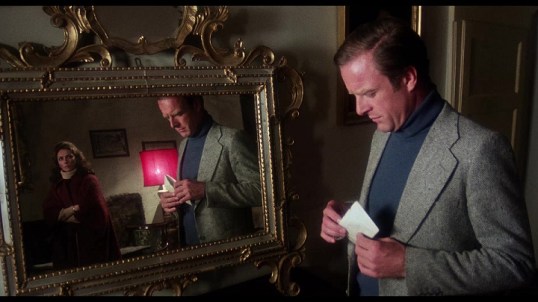
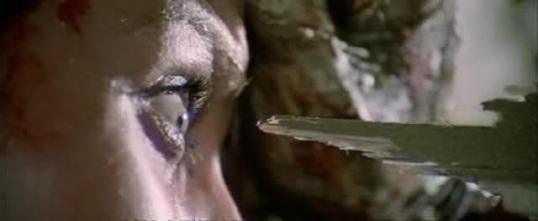
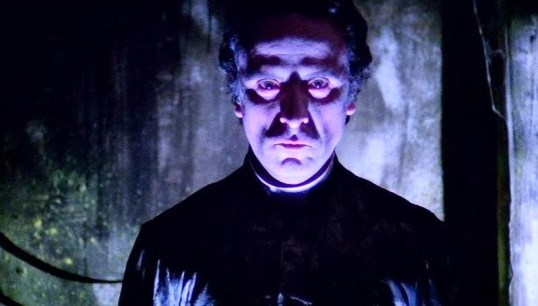
4 (or more) Shots From 4 (or more) Films is just what it says it is, 4 (or more) shots from 4 (or more) of our favorite films. As opposed to the reviews and recaps that we usually post, 4 (or more) Shots From 4 (or more) Films lets the visuals do the talking.
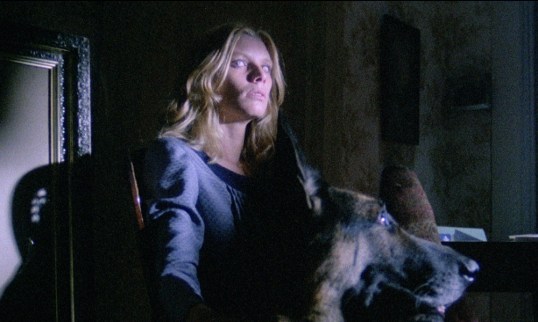
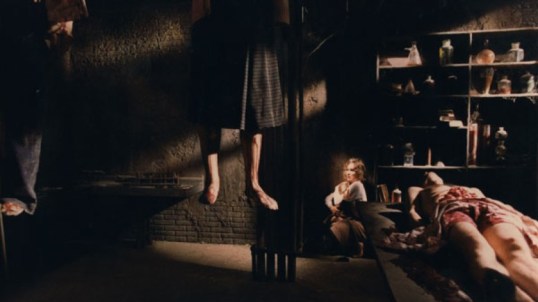
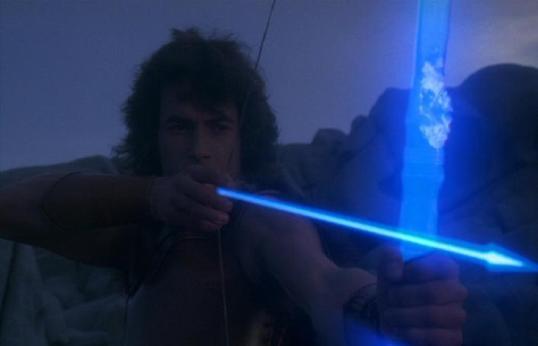
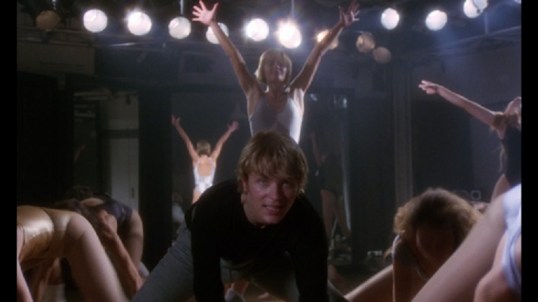
94 years ago today, Lucio Fulci — the maestro of Italian genre filmmaking — was born in Rome. Fulci would go on to direct some of the most visually stunning (and, occasionally, most narratively incoherent) films ever made. Fulci worked in all genres but he’ll probably always be best remembered for launching the Italian zombie boom with Zombi2. His subsequent Beyond trilogy continues to fascinate and delight lovers of both horror and grindhouse filmmaking.
Lucio Fulci, needless to say, is a pretty popular figure here at the TSL. In honor of the date of his birth, it’s time for….


 Through the Shattered Lens