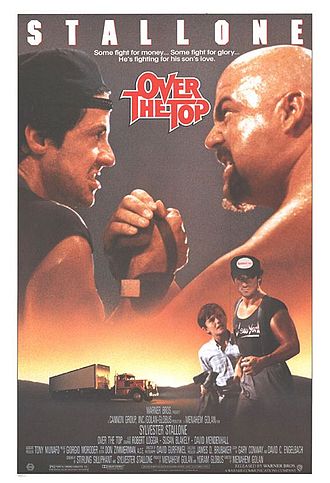
In the wake of Zohran Mamdani’s victory in New York City and Graham Platner’s possible victory in Maine, I’ve become a lot more interested in watching anti-communist films. And really, it doesn’t get more anti-communist than a movie about an independent, non-union trucker who has no interest in being an authoritarian and who only want to be left alone so that he can raise his son and make a little money arm-wrestling.
In this scene from 1987’s Over The Top, Lincoln Hawk (played by Sylvester Stallone) explains the importance of turning his hat. That’s all it takes.
“If you so want the company of devils, you’d better hurry back to hell, Gemma.” — Jubei
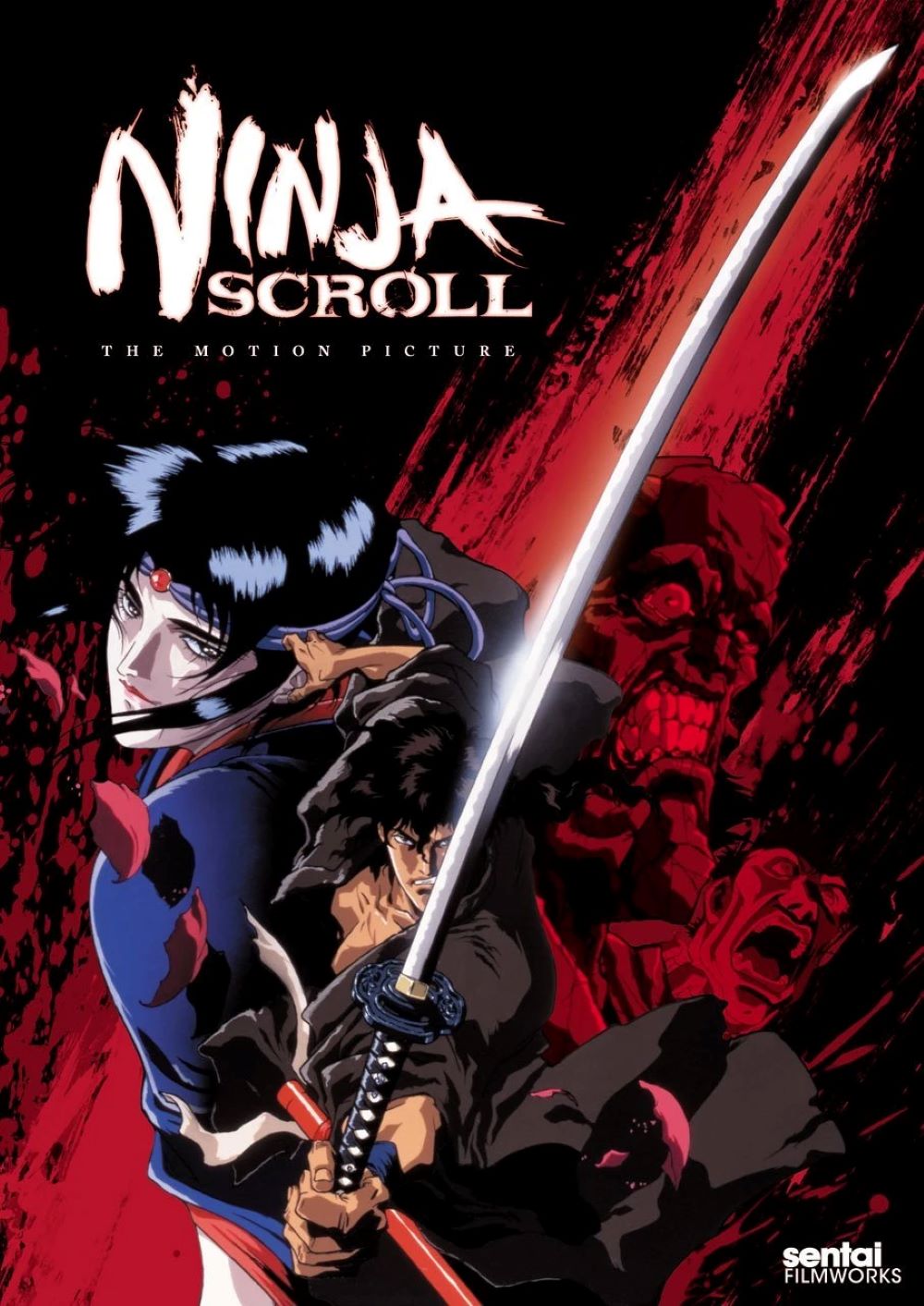
Ninja Scroll, the 1993 anime film directed by Yoshiaki Kawajiri, stands as a landmark in anime history for its groundbreaking animation, intense action, mature themes, and unique blending of historical fantasy with the supernatural. Its fluid, detailed hand-drawn animation vividly brings to life brutal sword fights and supernatural battles, while the richly textured 17th-century Japan setting immerses viewers in a dark, menacing world. This artistic achievement set a high benchmark, elevating anime’s global reputation as a cinematic art form beyond works like Akira.
The story follows Kibagami Jubei, a wandering mercenary ninja drawn into a plot involving the immortal villain Genma and the feared Eight Devils of Kimon. Though the plot remains straightforward—largely focused on Jubei’s confrontation with powerful enemies—it gains depth through morally ambiguous characters and mature themes of sacrifice, honor, and survival. A key emotional element is the relationship between Jubei and Kagero, a female poison ninja cursed to kill anyone who touches her, which sidesteps typical romance tropes and develops themes of vulnerability and resilience.
The voice acting, particularly in the English dub, is a significant highlight, delivering performances that imbue characters with seriousness and emotional nuance, broadening the film’s international appeal and cementing it as a gateway for adult animation in the West. While Ninja Scroll excels in action and atmosphere, it also courts controversy for its graphic violence and explicit sexual content. There is a notably disturbing sexual assault scene involving Kagero, which has long sparked discomfort and debate. However, it is important to clarify that while the film uses explicit sexual content to enhance its darker tone, it does not cross into hentai territory; the sexual content serves a narrative purpose rather than mere eroticism. This mature material intensifies the film’s psychological tension and power struggles, positioning it firmly within adult-oriented anime.
Sexual violence directed mostly at female characters has been a persistent source of controversy surrounding Ninja Scroll. While the sexual content is relatively tame compared to many contemporary non-hentai anime, its depiction of sexual assault and coercion has never lost its provocative edge. The character Kagero, despite being a formidable and dangerous figure, is victimized through sexual violence that many viewers and critics find disturbing. Scenes such as her being captured and violated by monstrous enemies contribute to an uneasy juxtaposition of empowerment and victimhood, with Kagero often used as a plot device to motivate male protagonists rather than as a fully autonomous character. This imbalance and the graphic nature of these depictions have led to censorship in some countries and sparked ongoing debates around the ethics of such content in adult media. Critics often argue that these portrayals risk glamorizing or exploiting sexual violence, while defenders contend that the shocking nature heightens the dark tone of the film’s world, reflecting its brutal and morally fraught universe. Nonetheless, these themes remain divisive, challenging viewers to grapple with how mature animation handles issues of gendered violence and trauma.
One of Ninja Scroll’s defining strengths lies in its animation style. The kinetic action sequences are not only meticulously choreographed but also executed with an extraordinary fluidity and dynamism that were revolutionary for the early 1990s. The hand-drawn fight scenes feature sweeping, graceful movements punctuated by sharply detailed strikes and counterattacks, bringing a visceral sense of speed and impact seldom achieved in other works of the period. This fluidity is complemented by innovative techniques like the use of deleter dot screens for shading and shadow effects, which add texture and depth without sacrificing motion smoothness.
The animation’s prowess extends beyond just the fight choreography. The film’s use of lighting and atmospheric effects creates a hauntingly dreamlike world that feels simultaneously realistic and mythical. Backgrounds are richly painted with a softness that evokes Impressionistic influences, enveloping characters in an environment that accentuates the eerie and supernatural tone. The balance between detailed character animation and these painterly settings builds a distinct visual identity that has aged gracefully over decades.
This combination of fluid, kinetic action and richly atmospheric artistry contributed significantly to Ninja Scroll being considered one of the modern classics of anime. It elevated expectations for what animated films could achieve in terms of dynamic movement and aesthetic sophistication. The influence of its animation style can be traced through numerous subsequent anime productions, as well as Western media inspired by anime’s visual storytelling techniques.
Ninja Scroll’s legacy is extensive and multifaceted. Its DNA can be seen clearly in later samurai-themed anime such as Samurai Champloo and Afro Samurai. Samurai Champloo echoes Ninja Scroll’s stylistic blending of Edo-period Japan with anachronistic influences—infusing hip-hop culture with samurai narratives—while maintaining intense, fluid sword fights and a mix of humor and gravitas. Afro Samurai shares its dark tone, violent action, and lone-protagonist vengeance quest, carrying forward the mood and narrative style originally forged by Ninja Scroll. Director Kawajiri’s subsequent works, including his segments in The Animatrix, further pursue this blend of hyper-realistic violence, dark fantasy, and mature storytelling. His visual style and thematic preoccupations continue to set standards for adult anime storytelling.
Beyond anime, Ninja Scroll substantially impacted Western filmmakers. Its dynamic animation and mature tone influenced the Wachowskis’ Matrix trilogy, particularly in its kinetic martial arts choreography and philosophical depth. This cross-cultural influence helped establish anime as a vital creative wellspring for global media, encouraging Hollywood to adopt similar stylistic and narrative innovations. The film’s success helped popularize ninja and samurai mythologies worldwide, inspiring Hollywood action films and series exploring similar themes.
In conclusion, Ninja Scroll is a seminal work blending technical brilliance, compelling voice performances, stark mature themes, and memorable characters. Its relatively simple yet focused plot allows intense action and emotional depth to shine. While its graphic sexual content remains controversial, especially due to its depiction of sexual violence toward women, this aspect underscores the dark world the film portrays rather than serving gratuitous ends. Its influence spans subsequent anime like Samurai Champloo and Afro Samurai and extends into Western filmmaking, confirming Ninja Scroll’s importance as a groundbreaking and enduring classic that shaped adult animation globally.
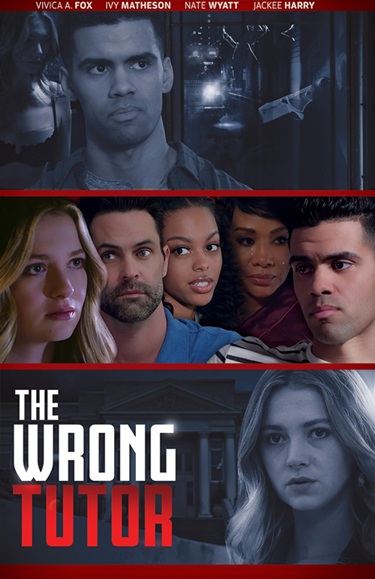
Hi, everyone! Tonight, on twitter, I will be hosting one of my favorite films for #MondayMania! Join us for The Wrong Tutor, starring Vivica A. Fox!
You can find the movie on Prime and then you can join us on twitter at 9 pm central time! (That’s 10 pm for you folks on the East Coast.) See you then!
As a film lover, there are three letters that strike fear in my heart. U. F. C.
Seriously, directors — especially male directors — love the UFC and Mixed Martial Arts in general. If I had to guess, I would say that in another few years, there will be no more boxing movies. Sorry, Balboa. Sorry, Creed. You’re going to be replaced by movies that are exclusively about men kicking each other in a cage and then pounding on each other once they’re down. I’m not even saying that’s a bad thing. Obviously, the sport has a lot of fans. In the future, when Conor McGregor is doing double duty as both the President of Ireland and the Pope, a lot it will be due to the popularity of MMA. I have to say, though, that I almost always seem to find films about MMA and cage matches to be a little bit boring, unless they star Jean-Claude Van Damme or, in some cases, Lou Ferrigno. I prefer boxing movies. I guess I like my fights without the little kicks.
The Smashing Machine is a biopic of Mark Kerr (played by Dwayne Johnson), an MMA fighter who, the film tells us, was one of the early pioneers of the sport. When he’s first seen in the film, he’s being interviewed about his success in the UFC. We see a few clips of him fighting and watching his fists fly, we understand why he’s known as The Smashing Machine. He’s known for his ability to end fights quickly. He assures the interviewer that he doesn’t hate any of the men that he fights. (“Is he okay?” Mark asks about an opponent after one particularly brutal beat down.) Mark leaves the United States for Pride, which is Japan’s version of UFC. Not long after arriving in Japan, he discovers that Pride has changed its ruled to disallow almost all of Mark’s techniques because Mark was ending the fights too quickly.
One thing that we notice about Mark is that he’s always smiling and that he seems to have a rather low-key personality for someone who makes his living as a fighter. It’s easy to see that he’s holding back a lot of his emotions and that he gets those emotions out in the ring. When he’s not fighting, he’s living in a nice home with his girlfriend, Dawn (Emily Blunt). He’s a bit of a control freak, worrying about the cat getting on his couch, telling Dawn exactly how to make his protein shakes, and obsessing over the way a cactus is growing outside. Mark may be a fighter but he also constantly worries about his “tummy,” which is apparently overly sensitive. Mark is also a drug addict, popping painkillers like candy and shooting up in his bathroom. When Mark and Dawn argue, his temper can flare and he can go from being soft-spoken Mark to the someone who can tear a door off of its hinges. After Mark loses his first fight, he sinks deeper into depression and then tries to get clean. Complicating things is that Dawn is still using and Mark is preparing for his next fight in Japan.
For all the anticipation and the hype that surrounded its release, The Smashing Machine is an uneven film. It’s not necessarily a bad film but it is a film that leaves the viewer feeling somewhat detached from the action, on the outside looking in. Dwayne Johnson gives a good performance as Mark and Emily Blunt gives a good performance as Dawn but they’re never quite believable as a couple. (In fact, I would argue that Johnson’s best dramatic performance remains his nearly silent but physically powerful turn in the unfairly overlooked Faster.) Because the film is based on a true story and, I imagine, also because the film was directed by Benny Safdie, The Smashing Machine avoids a lot of the traditional cliches of the sports film. It’s very much an A24 film, wearing it’s indie aesthetic like a chip on its shoulder. I have to admit though that, while watching the film, I missed a lot of those cliches. There are some good scenes scattered throughout The Smashing Machine but there’s also not much narrative momentum.
That said, I do have to say that the film’s ending, which feature the real Mark Kerr shopping for groceries, did bring a smile to my face. He’s someone who has been through a lot so seeing him smiling and debating which cut of beef to purchase was definitely something of a relief.
As some of our regular readers undoubtedly know, I am involved in hosting a few weekly live tweets on twitter and occasionally Mastodon. I host #FridayNightFlix every Friday, I co-host #ScarySocial on Saturday, and I am one of the five hosts of Mastodon’s #MondayActionMovie! Every week, we get together. We watch a movie. We snark our way through it.
Tonight, for #MondayActionMovie, the film will be 1987’s Over The Top!I picked it so you know it’ll be good.
It should make for a night of fun viewing and I invite all of you to join in. If you want to join the live tweets, just hop onto Mastodon, find the movie on YouTube, Tubi, or Prime hit play at 8 pm et, and use the #MondayActionMovie hashtag! The watch party community is a friendly group and welcoming of newcomers so don’t be shy.
The year was 2001 and *NSYNC was sick of being dismissed as just being another pop boy band. So, Justin Timberlake and Wade Robson wrote a song satirizing the band’s image and trying to show that they were everything but “pop.” Of course, they called the song Pop. And then they went on a tour called PopOdyssey.
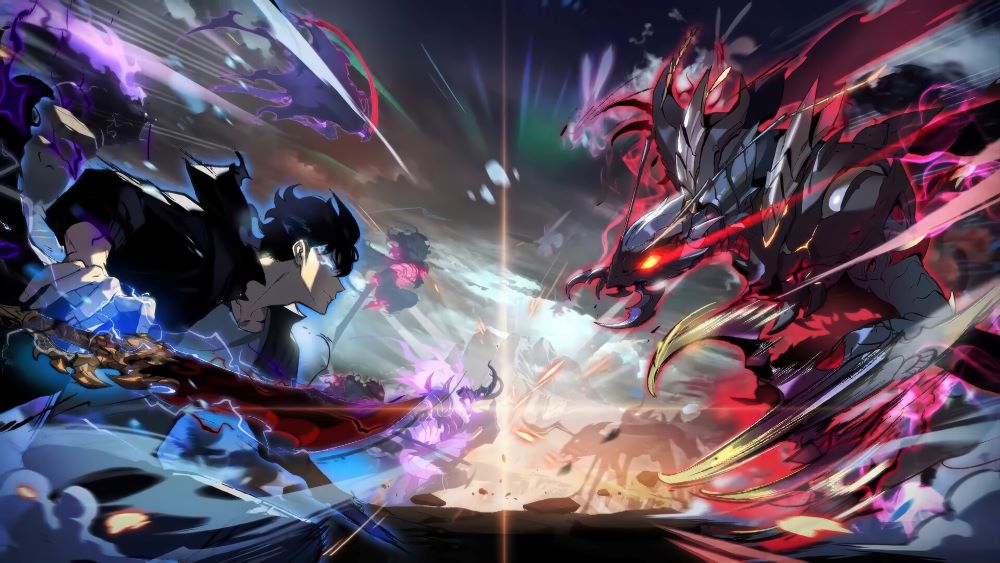
The latest AMV of the Day comes from the talented French creator DarinVisual, who has crafted an impressive anime music video featuring the main fight scene from the highly anticipated Season 2 of the hit series Solo Leveling. This intense battle showcases the protagonist, Sung Jinwoo, facing off against one of his toughest adversaries yet: the formidable Ant King Beru.
Set to the dynamic track “Royalty” by Egzod & Maestro Chives, the AMV captures the energy, suspense, and stunning animation that have helped Solo Leveling become a massive sensation over the past few years. Since the series was first announced and its inaugural season premiered, fans worldwide have been captivated by its compelling story, vivid fight sequences, and character development — all of which are brilliantly highlighted in this fan-made tribute.
DarinVisual’s skilled editing and careful synchronization of visuals with the music make this AMV a must-watch for both longtime fans and newcomers eager to experience why Solo Leveling continues to dominate the anime scene.
Song: Royalty by Egzod & Maestro Chives (feat. Neoni)
Anime: Corpse Party, Talentless Nana, Wandering Witch Elaina, Another, Mirai Nikki, Blood C, Tokyo Ghoul, Kara no kyoukai, Shin Sekai Yori, Ergo Proxy, Shiki, Ghost in a Shell, Owari No Seraph, Elfen Lied, Akame Ga Kill, Mahou shoujo site, Higurashi no naku koro ni
“A fight to the death… only one will live… and the survivor… will face me!” — Grendel King
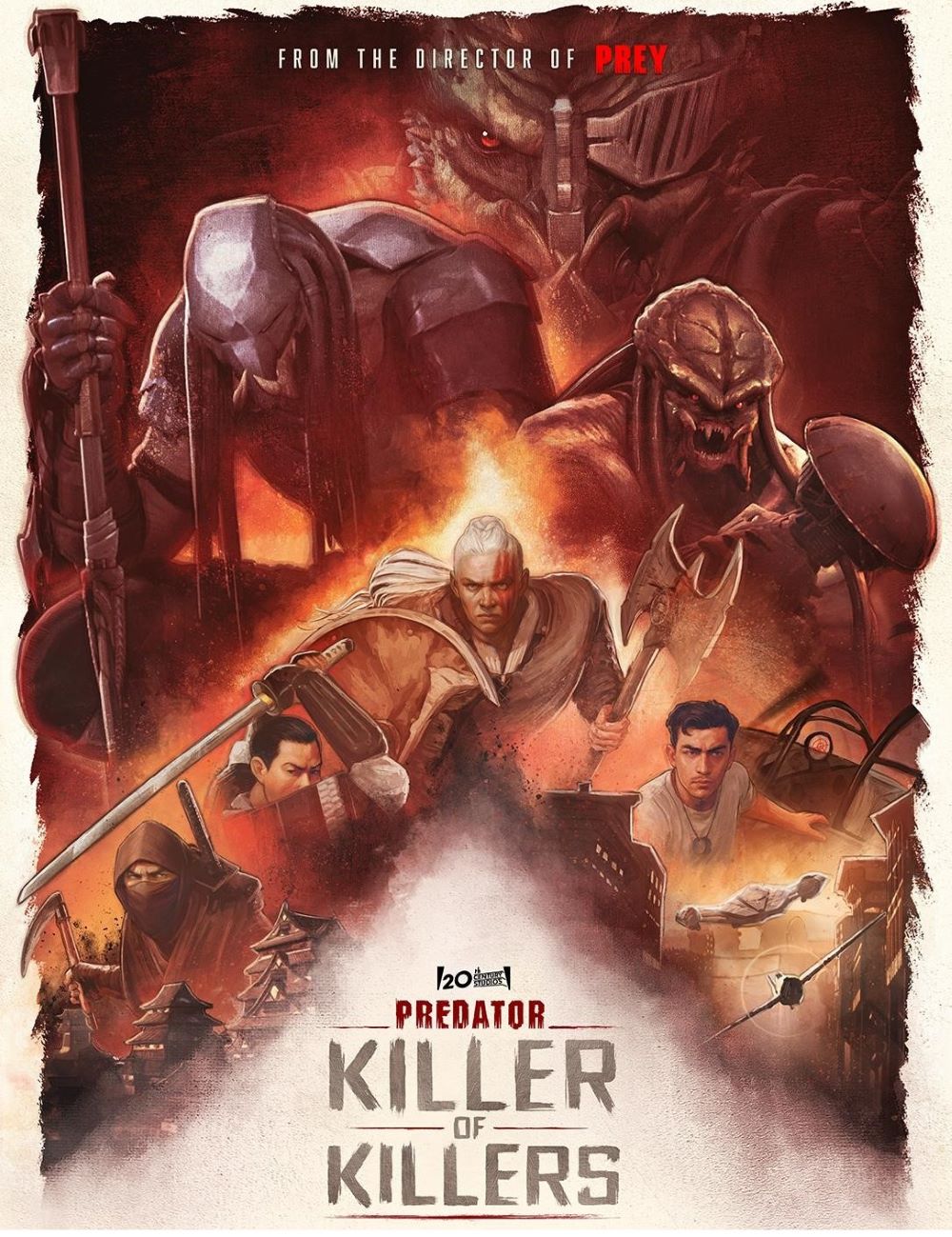
Hulu’s Predator: Killer of Killers signifies an ambitious and stylistically bold evolution of the Predator franchise, once again directed by Dan Trachtenberg following his excellent 2022 film Prey. Trachtenberg has clearly become the new creative caretaker of this series, bringing fresh vision and depth to the franchise. This animated anthology spans three distinct historical periods—Viking-era Scandinavia, feudal Japan, and World War II Europe—and tells the story of humanity’s ongoing, brutal clash with the alien hunters. By setting the predator mythos across such different cultures and eras, Trachtenberg presents a compelling exploration of survival, legacy, and adaptation.
The film unfolds in three chapters, each focusing on a different protagonist. The first segment introduces Ursa, a Viking mother consumed by grief and vengeance, who soon encounters a Predator in a primal battle that tests her strength and will to survive. The second segment is largely silent, centering on estranged brothers—a samurai and a ninja—in feudal Japan, who must unite against the alien menace. The final chapter shifts to World War II, following Torres, a Latino mechanic who seizes a chance to become a pilot amid chaotic battles against the Predators. Each story is steeped in its cultural milieu, aiming for depth and texture despite the limited runtime.
Visually, the film leverages a painterly animated style reminiscent of acclaimed adult animations like Arcane and Spider-Verse, yet it carries a darker, grittier tone suitable for the Predator universe. This style allows for intense, stylized violence—gore, blood, and brutal combat—which the anthology format showcases spectacularly. The distinct visual aesthetics of each era—from the somber shadows of Viking times, the flowing elegance of Japanese landscapes, to the metallic intensity of WWII dogfights—remarkably serve the film’s atmospheric ambitions. Notably, the Predators themselves are designed to reflect the atmosphere of each segment: the hulking, brute force Predator in the Viking-era matches the raw, physical brutality of that time; the lithe, agile Predator in feudal Japan suits the stealthy, precise combat of the samurai and ninja; and the grizzled, veteran pilot Predator in the WWII segment complements the aerial warfare and war-hardened theme. While some viewers may find the animation style unconventional compared to live-action, it delivers a fresh and inventive energy, allowing for spectacle and mood impossible in a traditional film.
Trachtenberg and screenwriter Micho Robert Rutare invest effort in creating emotionally grounded characters despite the anthology’s compressed storytelling. Ursa’s portrayal as a grieving mother brings weight to her arc, the Japanese chapter uses sibling rivalry and silence to evoke tension and tradition, while Torres embodies hope, determination, and cultural representation in a largely unexplored protagonist archetype for the series. The Predator itself remains a fearsome, vigilant hunter. Yet this film adds layers by examining how violence and survival shape human experience across eras, giving thematic weight beyond simple action thrills.
The film delivers relentless and varied action, ranging from poetic, skillful duels in Japan to brutal, visceral fights in the Viking and WWII chapters. Its anthology structure allows exploration of different combat styles and settings. However, this rapid pace sometimes sacrifices emotional depth and character development, making the stories feel like glimpses rather than fully realized narratives. Regarding the WWII segment, I found Torres’s character problematic; he often seems to succeed less through skill or ingenuity and more through luck or circumstance, embodying a “failing upwards” trope that weakens the audience’s emotional investment in his narrative. His frequent self-dialogue also disrupts the tone established by the near-silent Japanese chapter, creating a jarring shift that detracts from the overall cohesion.
Another notable aspect is the anthology format itself: while it enables a rich diversity of storytelling across periods and styles, the film’s roughly two-hour runtime limits how deeply each segment can develop. This leaves viewers craving more time to fully explore the characters and settings. In this respect, Predator: Killer of Killers might have been better served as a four-episode limited series rather than a single anthology film. Such a format would have allowed each segment to breathe, providing more room for nuanced storytelling and emotional engagement without making the runtime feel excessive. Stretching this anthology into a feature film already pushes its length near two hours, and adding more time to fully flesh out each story could have pushed it close to three hours, which might have been challenging for a theatrical or streaming movie. A limited series would have accommodated this expansiveness, letting each era’s story flourish while maintaining pacing and cohesion across episodes.
Though the film culminates in a grand finale combining the protagonists, the climax is somewhat chaotic and lacks coherence, which diminishes its impact. Notably, the movie ends on an unresolved note that doesn’t fully tie up the main storyline but instead clearly hints at a future sequel. While this open-ended conclusion may frustrate viewers seeking closure, it sets up anticipation for what lies ahead under Trachtenberg’s continued direction.
A fun piece of trivia is Michael Biehn’s inclusion as one of the voice actors in the film. With his role as Vandy in the WWII segment, Biehn has joined a very exclusive club: he is just the second actor to be part of all three iconic 1980s sci-fi franchises—Alien, Predator, and Terminator. Known for his roles as Kyle Reese in The Terminator and Corporal Dwayne Hicks in Aliens, Biehn’s presence in Killer of Killers cements his unique legacy alongside fellow actors Lance Henriksen and the late Bill Paxton, who both previously held this sci-fi trifecta distinction. Director Dan Trachtenberg deliberately cast Biehn as a nod to this legacy, making his involvement a meaningful Easter egg for longtime fans.
While Predator: Killer of Killers marks a striking artistic and narrative effort within the franchise, it is not without flaws. The anthology format, while innovative, sometimes feels like a drawback—it limits how much the film can dig into each character or setting fully. The weakest link remains the WWII chapter and its protagonist Torres, whose arc doesn’t quite deliver the same resonance and often feels contrived. The finale’s lack of narrative closure may leave some feeling unsatisfied, though it promises more to come.
Despite these negatives, this film confirms Dan Trachtenberg’s role as a visionary leader for the Predator franchise, blending genre thrills with cultural specificity and psychological insight. For fans and newcomers alike, it offers a unique, stylized, and intense take on the alien hunters—the best the franchise has offered in many years. The film’s ambition and creativity outweigh its shortcomings, setting a foundation for a promising future for Predator under Trachtenberg’s direction.
 Through the Shattered Lens