Back in the early 90s, underwater music videos were very popular. So, of course, INXS had to do one. This is actually one of my favorite INXS songs. No matter what else you might want to say about the band, they never had any problem being clear about exactly what they were singing about.
This song and video were both a part of Duran Duran’s early 90s comeback. Backing vocalist Tessa Niles is both heard in the song and seen in the video as she struggles to escape from the underwater chains that bind her. The majority of this video was shot in Los Angeles but the giant aquarium scenes were filmed at the London Zoo.
Director Julien Temple needs no introduction. He is, of course, best known for his work with the Sex Pistols.
This originally premiered as a part of Mr. T’s motivational video, Be Somebody … Or Be Somebody’s Fool! Director Jeff Margolis was an Emmy-winning director who worked with Carol Burnett, Julie Andrews, and Richard Pryor.
In this video, Megadeth takes on the 1990s mortgage crisis with a song that feels just as relevant today as when it was first released. It’s hard to imagine Metallica ever doing a song like this.
Director Jeff Richter has also worked with everyone from Michael Jackson to Faith Hill to John Fogerty and Nine Inch Nails.
From 1979’s Apocalypse Now, here is the haunting music that plays as Willard and the boat approach the infamous bridge that is built every day so that it can be destroyed every night. This musical piece was composed by Francis Ford Coppola’s father, Carmine.
The Breeders did more than just Cannonball. Their entire first album was full of excellent songs, like this one. This video shows that the band was just as cool in the snow as they were at a carnival.
Director Frank Sacramento also worked with Blondie, Everlast, Dru Hill, Hootie and the Blowfish, and House of Pain.
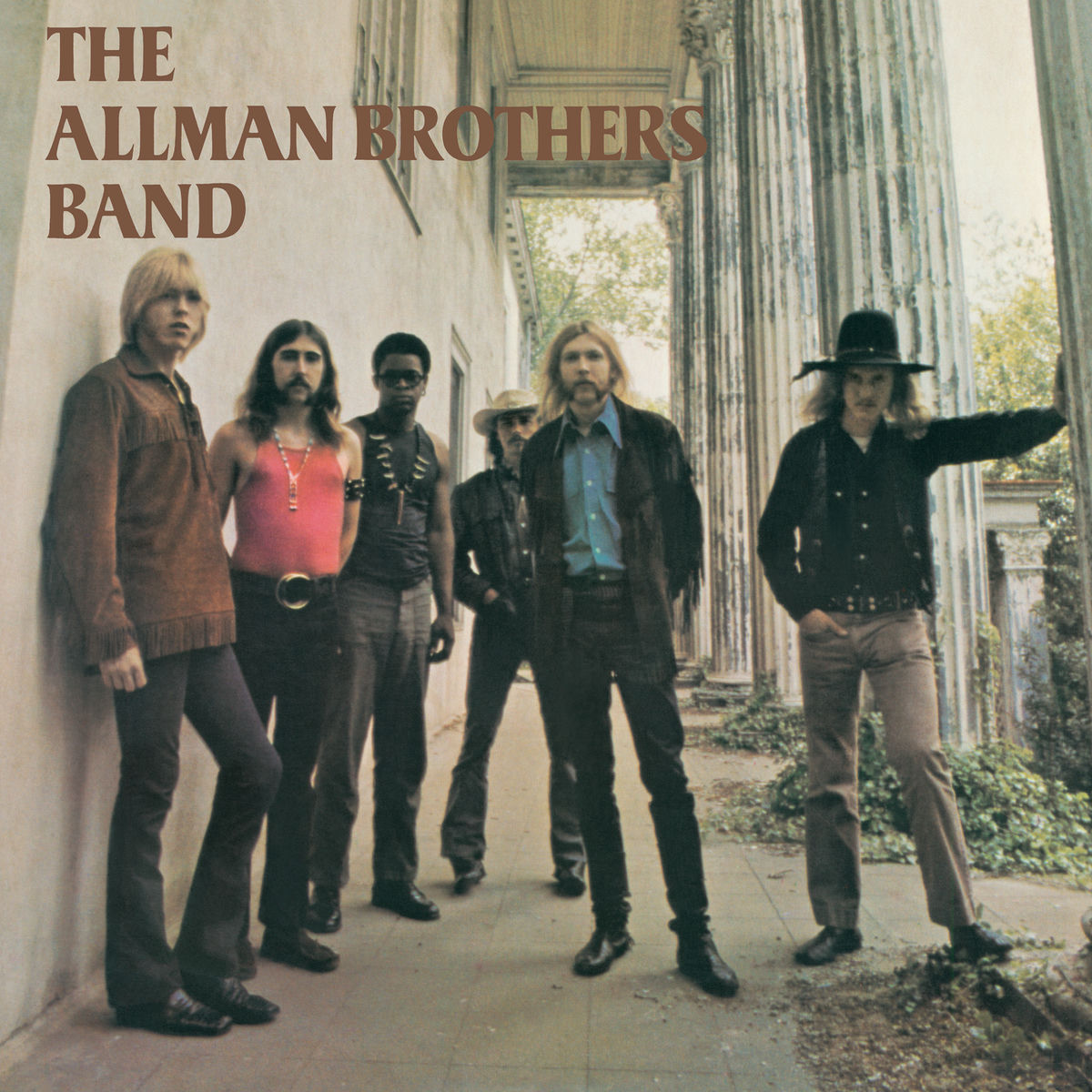
“Blue Sky” by The Allman Brothers Band is one of those songs that instantly lifts your mood — like cruising down a long stretch of highway under perfect weather. Dickey Betts wrote and sang it, and you can feel his sense of ease and optimism through the melody. But while the vocals are sunny and inviting, it’s the guitar work that really carries the song’s soul. Betts and Duane Allman trade licks like two friends finishing each other’s thoughts, creating one of the best musical conversations in rock.
Around 1:07, Duane Allman takes off with the first guitar solo. It’s bright, flowing, and packed with his signature slide-guitar emotion. Duane doesn’t just play notes — he makes the guitar sing, full of expressive bends and lyrical phrasing that sound spontaneous but purposeful. His solo feels alive, like he’s narrating the feeling of absolute freedom the song evokes. There’s a spiritual quality to his touch that sets the tone beautifully for the rest of the jam.
Then at about 2:37, Dickey Betts steps in with his solo, and the vibe subtly shifts. Betts’s lines are cleaner, more melodic, and dance across the rhythm with an almost country-like cheer. His phrasing is so smooth you can hear the future seeds of his later work, where melody takes center stage. While Duane’s solo soars in a soulful, searching way, Betts’s solo feels precise and joyful — he’s painting in sunlight. Together, their contrast creates a satisfying balance between fire and finesse.
The two guitars eventually weave together in harmony, returning to the main theme before easing back into the song’s final verse. It’s one of those moments that reminds you why the Allman Brothers were so special—the sheer communication happening between players. No flashy gimmicks, no ego, just musicians playing from a place of joy. If you’re new to the band, “Blue Sky” is the perfect entry point. It sums up their balance of skill and soul, and it’s the last recording Duane Allman played on before his passing, which gives that final harmony an even deeper resonance.
Blue Sky
Walk along the river, sweet lullaby, it just keeps on flowing, It don’t worry ’bout where it’s going, no, no. Don’t fly, mister blue bird, I’m just walking down the road, Early morning sunshine tell me all I need to know
[CHORUS:] You’re my blue sky, you’re my sunny day. Lord, you know it makes me high when you turn your love my way, Turn your love my way, yeah.
[Duane Allman guitar solo @1:07]
[Dickey Betts guitar solo @2:37]
Good old sunday morning, bells are ringing everywhere. Goin to Carolina, it won’t be long and I’ll be there
 Through the Shattered Lens