For Carly (Tommi Rose) and her friend, Simone (Nikki Nunziato), that means heading down to Florida so that they can drink, dance, and party on the beach.
For Carly’s mom, Beverly (Tori Spelling), it means staying up all night and worrying about her daughter.
Beverly owns a diner and she’s worked hard to put Carly through college. Carly appears to be super responsible and she’s got a bright future waiting for her. She’s going to go to medical school and becoming a doctor. Compared to Simone, Carly can be a bit naive. No sooner has she arrived in Florida than she’s accidentally insulted a local named Luke (Joseph Cannon). Later, when Simone introduces her to the obviously sleazy and tattooed Pete (Nick Flaig), Carly’s first impulse is to ask him what college he goes to.
Pete doesn’t go to college. Instead, he lives in an isolated Everglades cabin. That’s where Carly ends up, tied to a chair and blind-folded after an attempt to humiliate her and Simone goes wrong. Pete, it turns out, is related to Luke. And a plan to simply embarrass a snobbish college student has instead led to Carly getting abducted and Simone ending up in a coma at a local hospital.
When Beverly attempts to report her daughter missing, the local authorities tell her to calm down. It’s Spring Break. College students come down to Florida and forget to check in all the time. Carly’s probably just drunk somewhere. “Not my daughter!” Beverly says and soon, she’s in Florida searching. Helping her out is Ray (Luke Ballard), a hot and rugged local boatman. Even if Beverly doesn’t find her daughter, it looks like maybe she’s found a new husband!
Advertised as being based on a true story, Abducted In The Everglades tells a familiar Lifetime story. That said, as I’ve explained in the past, the familiarity is often the point when it comes to Lifetime movies. One doesn’t necessarily watch a Lifetime movie to be surprised. Instead, one watches to see how the film will embrace the melodrama. There’s a comfort to watching a Lifetime movie. Watching a Lifetime movie is like visiting an old friend who never changes and who always delivers what they’ve promised.
For a lot of viewers, the main appeal of this film will be the chance to see Tori Spelling playing the mother. Back in the 90s, Spelling almost always played the naive daughter who ended up getting kidnapped (Mother, May I Sleep With Danger?) or the snooty popular girl who upset the wrong person (Death of a Cheerleader). Now, Spelling is the one worrying about her college-age daughter. Tori Spelling has never been much of an actress. She wasn’t particularly good in any of her earlier movies and she’s not particularly believable as a blue collar mom in this film. But oddly, that’s part of the appeal of Tori Spelling. It’s not just that she’s a bad actor. It’s that she’s so spectacularly bad that it becomes fascinating to watch.
The rest of the cast is a bit better, especially Luke Ballard and Nick Flaig. That said, the real stars here are the Everglades, the cottonmouths, and the alligators. They all do their bit to bring this Florida film to life. I should note that Jeff and I spent the first half of our summer vacation in Florida and we absolutely loved it. It’s a beautiful state. If Texas ever brings back the state income tax, I know where I’m moving.
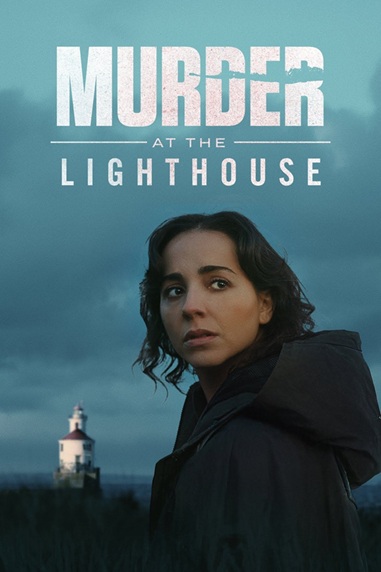
In Murder at the Lighthouse, Jessica Vickers (Skye Coyne) is trying to escape her abusive husband, Colton (Mark Justice). She meets up with Rory (Brandon Brooks), an old friend from college who now runs a charter boat service with his brother Anthony (Tyler Noble). It’s implied that Rory has always had romantic feelings for Jessica and, when she asks him to help her escape from Colton, he agrees to use his boat to take her to Canada.
The only problem is that they sail straight into a storm. While Colton is murdering Anthony on the mainland, a tidal wave is capsizing the boat. Rory drowns. Jessica washes up on a nearby beach where, the next morning, she is found by Adeline (Shelli Manzoline). Adeline takes Jessica back to the lighthouse that she calls home. When Jessica wakes up, Adeline explains that the lighthouse is pretty much isolated from the rest of civilization. The nearest town is a few miles away. There’s no landline. There’s no cell reception or WiFi. There’s just Adeline, the lighthouse, and a goldfish.
At first, Jessica keeps her past a secret from Adeline. But, when Colton shows up at the lighthouse and asks Adeline if she’s seen Jessica or Rory, Jessica finally breaks down and tells Adeline everything. Adeline reveals that she is also a victim of abuse and she promises to protect Jessica from Colton.
At first, I was like, “Yay!” Women have to stand up for other women and I was very much looking forward to Adeline protecting Jessica from Colton in much the same way that Lillian Gish protected the children from Robert Mitchum in Night of the Hunter. However, as the film progressed, I noticed that there seemed to be something a bit off about Adeline. I was so happy that she was going to stand up to the vile Colton that it took both me and Jessica a while to notice that she had a possessive streak of her own. It turns out that Adeline has some secrets as well.
Murder at the Lighthouse is a superior Lifetime film, one that plays with the genre’s conventions and successfully lulls the audience into a false sense of security before tossing a few new twists at them. Skye Coyne, Mark Justice, and Shelli Manzoline all give strong performances. Mark Justice is especially intimidating at Colton, a husband who is not just an abuser but also a corrupt cop as well.
What really makes Murder at the Lighthouse stand out, though, is its ominous atmosphere. From the opening shots with the wind howling in the background to the final confrontation at the lighthouse, Murder at the Lighthouse makes a wonderful use of its isolated and stormy setting. The lighthouse is a wonderful location and the movie does a good job of keeping Jessica and the audience disorientated. About halfway through the movie, I was truly asking myself, “How is she ever going to find her way out of there?”
Murder at the Lighthouse is a bit of somber film, especially by Lifetime standards. That said, it keeps you guessing and it ultimately embraces the melodrama in that way that we all love.
Here are the 2025 Nominations of the Puerto Rico Critics Association!
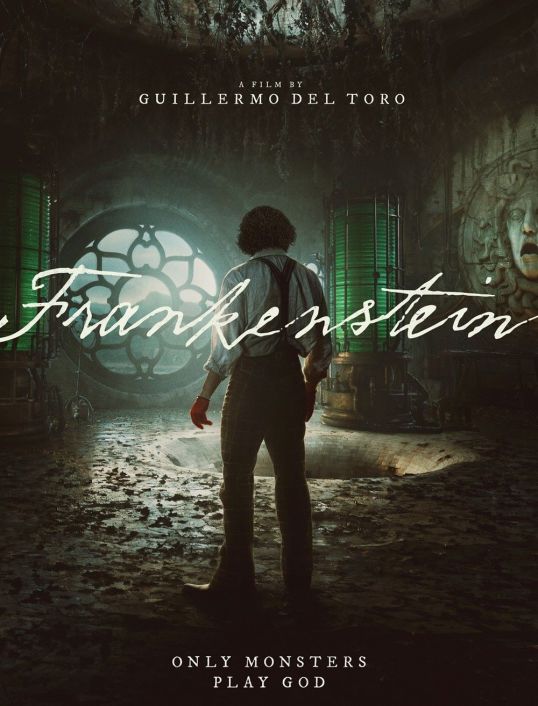
Best Picture Frankenstein It Was Just an Accident One Battle After Another The Secret Agent Sentimental Value Sinners Sirāt The Testament of Ann Lee
Best Puerto Rican Film @-Amor Esta Isla Parto
Best Director Ryan Coogler – Sinners Mona Fastvold – The Testament of Ann Lee Oliver Laxe – Sirāt Jafar Panahi – It Was Just an Accident Paul Thomas Anderson – One Battle After Another Chloé Zhao – Hamnet
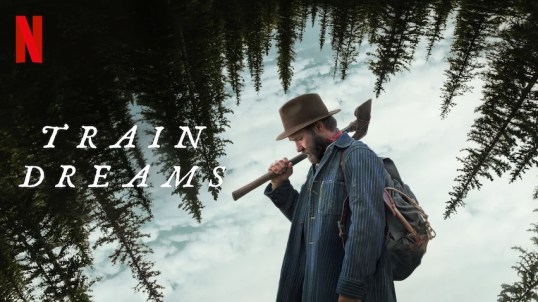
Best Actor Timothée Chalamet – Marty Supreme Leonardo DiCaprio – One Battle After Another Joel Edgerton – Train Dreams Ethan Hawke – Blue Moon Michael B. Jordan – Sinners Wagner Moura – The Secret Agent
Best Actress Jessie Buckley – Hamnet Rose Byrne – If I Had Legs I’d Kick You Chase Infiniti – One Battle After Another Jennifer Lawrence – Die, My Love Renate Reinsve – Sentimental Value Amanda Seyfried – The Testament of Ann Lee
Best Supporting Actor Jacob Elordi – Frankenstein Delroy Lindo – Sinners Paul Mescal – Hamnet Josh O’Connor – Wake Up Dead Man: A Knives Out Mystery Stellan Skarsgård – Sentimental Value Benicio del Toro – One Battle After Another
Best Supporting Actress Jodie Comer – 28 Years Later Mia Goth – Frankenstein Inga Ibsdotter Lilleaas – Sentimental Value Amy Madigan – Weapons Wunmi Mosaku – Sinners Teyana Taylor – One Battle After Another
Best Adapted Screenplay 28 Years Later Frankenstein Hamnet No Other Choice One Battle After Another Wake Up Dead Man: A Knives Out Mystery
Best Original Screenplay It Was Just an Accident The Secret Agent Sentimental Value Sinners Sorry, Baby Weapons
Best Animated Feature Arco Chainsaw Man – The Movie: Reze Arc Elio KPop Demon Hunters Little Amélie or the Character of Rain Zootopia 2
Best Documentary 2000 Meters to Andriivka Cover-Up Megadoc My Undesirable Friends: Part I – Last Air in Moscow The Perfect Neighbor Put Your Soul on Your Hand and Walk
Best International Feature It Was Just an Accident No Other Choice Resurrection The Secret Agent Sentimental Value Sirāt
Best Action Film From the World of John Wick: Ballerina F1 Mission: Impossible – The Final Reckoning One Battle After Another Predator: Badlands Superman
Best Horror Film 28 Years Later Final Destination: Bloodlines Frankenstein Sinners The Ugly Stepsister Weapons
Best Comedy/Musical If I Had Legs I’d Kick You The Naked Gun No Other Choice One Battle After Another The Testament of Ann Lee Wake Up Dead Man: A Knives Out Mystery
Best First Film The Chronology of Water Eephus Lurker Sorry, Baby The Ugly Stepsister Urchin
Best Cinematography 28 Years Later Frankenstein One Battle After Another Sinners Sirāt Train Dreams
Best Costume Design Frankenstein Hamnet The Phoenician Scheme Sinners The Testament of Ann Lee Wicked: For Good
Best Film Editing It Was Just an Accident No Other Choice One Battle After Another The Secret Agent Sinners Sirāt
Best Hair & Makeup 28 Years Later Frankenstein Sinners The Testament of Ann Lee The Ugly Stepsister Wicked: For Good
Best Production Design Frankenstein Hamnet Sentimental Value Sinners The Testament of Ann Lee Wicked: For Good
Best Original Score Frankenstein Hamnet One Battle After Another Sinners Sirāt The Testament of Ann Lee
Best Original Song Lowly – 28 Years Later The Risk – A Big Bold Beautiful Journey Golden – KPop Demon Hunters I Lied to You – Sinners Clothed by the Sun – The Testament of Ann Lee Train Dreams – Train Dreams
Best Sound Avatar: Fire and Ash F1 Frankenstein One Battle After Another Sinners Sirāt
Best Visual Effects 28 Years Later Avatar: Fire and Ash F1 Frankenstein Sinners Tron: Ares
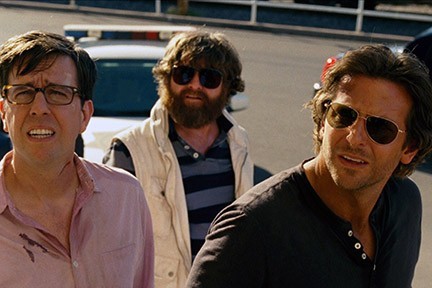
In THE HANGOVER PART III, Phil (Bradley Cooper), Stu (Ed Helms), and Doug (Justin Bartha) get back together so they can help Alan (Zach Galifianakis), whose gone off his meds and seems incapable of handling his dad’s sudden death. After a family intervention, the guys are driving him to a rehabilitation facility when their car is forced off the road and out steps the gangster Marshall (John Goodman), assisted by Black Doug (Mike Epps). Marshall kidnaps (white) Doug as leverage to force the guys to bring him their old friend Leslie Chow (Ken Jeong) within three days, or they won’t see Doug alive again. It seems that Chow, who recently escaped from a Thai prison, had stolen $21 million in gold from Marshall, and he’s pissed. The Wolfpack head back to Vegas, and with the help of a few old friends, they do whatever they have to do to save Doug one more time!
Released in the summer of 2013, THE HANGOVER PART III pulled in around $362 million in worldwide box office against a $103 million budget. While definitely a box office hit, these numbers are a big step down from the prior film’s $586 million, so up to this point, Part III has remained the Wolfpack’s last adventure. While THE HANGOVER PART II was practically a remake of the first film, PART III seems to be going the opposite way and actively tries not to repeat itself. The “what the hell happened last night” plot lines are abandoned for something different, and honestly, that’s probably about the smartest decision the filmmakers could have made for this installment. The film plays more like a darker, R-rated crime comedy, leaning into the action, heist, and confrontation sequences. While the change isn’t entirely successful, I definitely appreciate the attempt to come up with something different.
Even though THE HANGOVER PART III isn’t as funny as the prior films, I still enjoy the chemistry between Bradley Cooper, Ed Helms, and Zach Galifianakis as the primary members of the Wolfpack. I also thought it was funny that Justin Bartha’s pack member Doug is once again relegated to the guy who’s not really involved, as he’s the one who’s kidnapped. Ken Jeong’s Mr. Chow, as cartoonish and unhinged as he is, is probably my favorite character in the series at this point. He pretty much steals every scene he’s in. John Goodman is a welcome addition as the intimidating bad guy, and he’s good in the film, but it’s the kind of role he could do in his sleep. I also really liked the fact that PART III returned to the initial setting of Las Vegas, which provides a nice sense of closure to the series, while also allowing for the participation of former characters like Heather Graham’s Jade and her son Tyler! It was nice to check in with them again.
Ultimately, THE HANGOVER PART III is a pretty good conclusion to the series. It’s certainly not as funny or outrageous as the prior films, but it does deserve some credit for trying something new instead of simply repeating the formula for a third time. And I also thought the final scenes were emotionally effective as they took us for a quick trip down memory lane with the Wolfpack. It felt like the end, and I felt good watching it.
It’s a yearly tradition to celebrate the birth of this site by reintroducing its readers—and introducing new visitors—to the greatest film ever made. It’s the greatest Christmas film, the ultimate feel-good film. In the end, it’s simply the greatest film ever made, and anyone who thinks otherwise is sadly misguided.
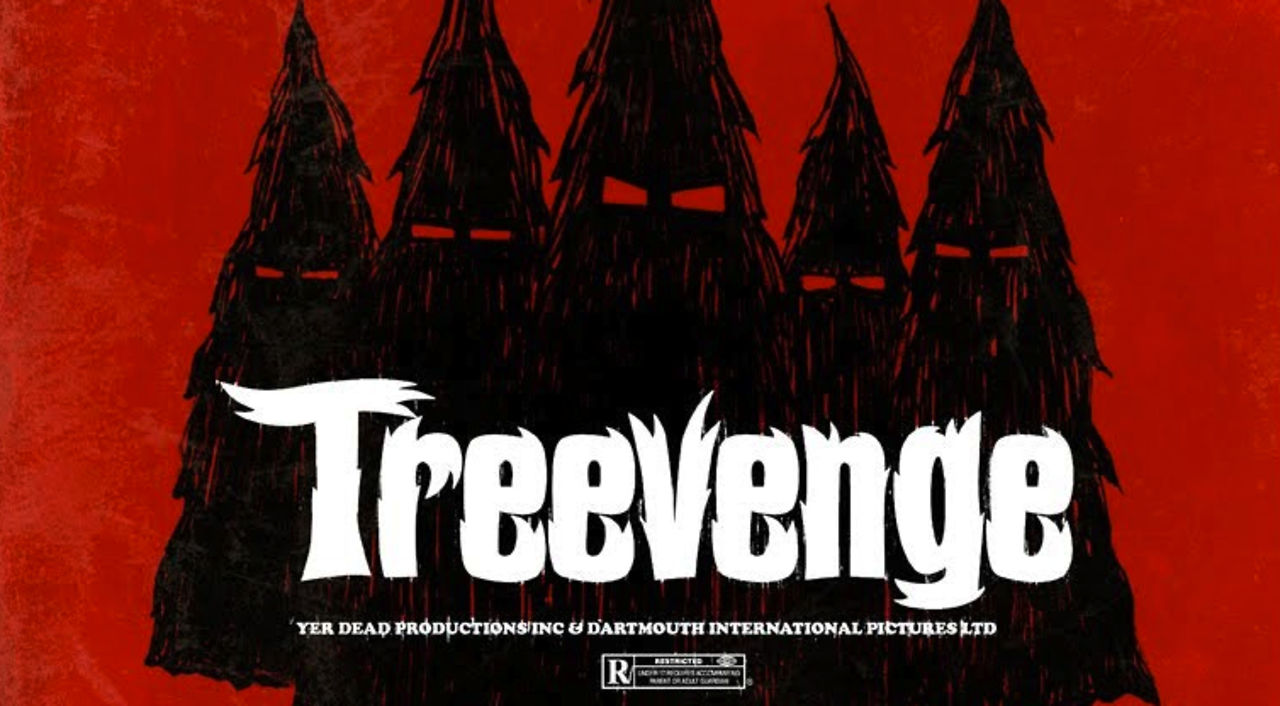
Treevenge has everything one could ever want—or never realized they needed. It has romance, a touch of nostalgia for those who fondly remember choosing their first Christmas tree, and the warmth of family as we watch them celebrate holiday traditions.
It even has moments of scandal that might make you gasp, “Oh my!” Many of the original contributors, past and present, look forward to this yearly TSL tradition. I may not have been as active the past several years as I was in the years when I first started this site, but that has changed this year and what better way to help usher in another Happy Holidays here but with this ultimate Christmas classic.
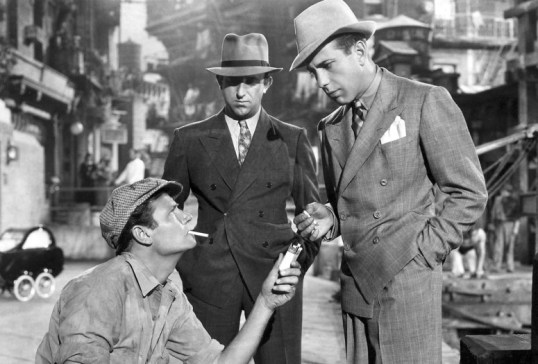
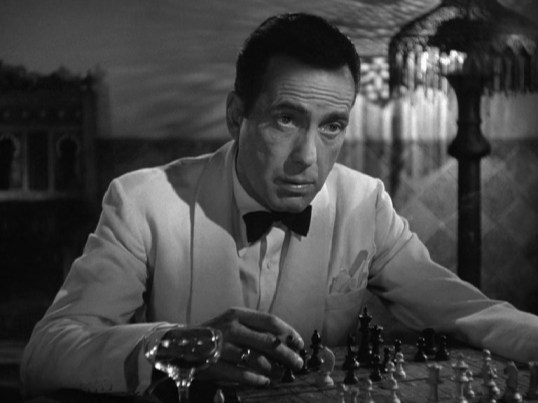
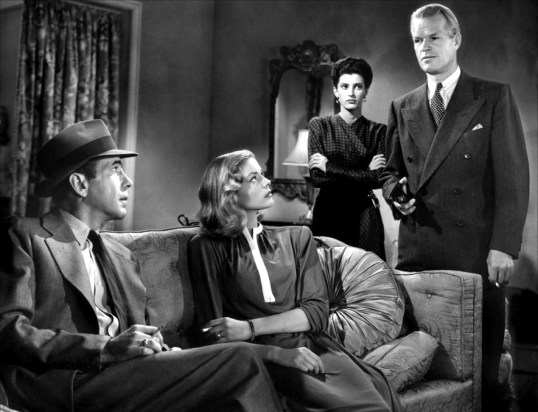
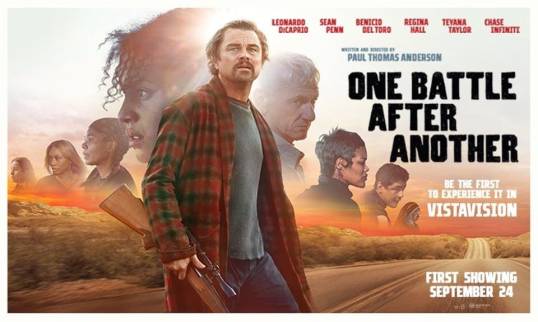
4 Shots From 4 Films is just what it says it is, 4 shots from 4 of our favorite films. As opposed to the reviews and recaps that we usually post, 4 Shots From 4 Films lets the visuals do the talking.
Today is not just Christmas! It is also Humphrey Bogart’s birthday! Bogart was born 126 years ago, today! And that means that it’s time for….
The Greater Western New York Film Critics Association has announced its nominations for the best of 2025. And here they are:
BEST PICTURE The Ballad of Wallis Island Bugonia Frankenstein If I Had Legs I’d Kick You It Was Just an Accident Marty Supreme No Other Choice One Battle After Another Sinners Train Dreams
BEST FOREIGN FILM It Was Just an Accident (Iran/France) Misericordia (France) No Other Choice (South Korea) The Secret Agent (Brazil) Sentimental Value (Norway)
BEST ANIMATED FILM Arco Boys Go to Jupiter KPop Demon Hunters Little Amélie or the Character of Rain Zootopia 2
BEST DOCUMENTARY Afternoons of Solitude Cover-Up The Encampments The Perfect Neighbor The Tale of Silyan
BEST DIRECTOR Paul Thomas Anderson – One Battle After Another Mary Bronstein – If I Had Legs I’d Kick You Ryan Coogler – Sinners Guillermo del Toro – Frankenstein Josh Safdie – Marty Supreme
LEAD ACTOR Timothée Chalamet – Marty Supreme Leonardo DiCaprio – One Battle After Another Ethan Hawke – Blue Moon Michael B. Jordan – Sinners Jesse Plemons – Bugonia
LEAD ACTRESS Jessie Buckley – Hamnet Rose Byrne – If I Had Legs I’d Kick You Jennifer Lawrence – Die My Love Renate Reinsve – Sentimental Value Emma Stone – Bugonia
SUPPORTING ACTOR Benicio del Toro – One Battle After Another Jacob Elordi – Frankenstein Delroy Lindo – Sinners Sean Penn – One Battle After Another Stellan Skarsgård – Sentimental Value
SUPPORTING ACTRESS Odessa A’zion – Marty Supreme Ariana Grande – Wicked: For Good Amy Madigan – Weapons Wunmi Mosaku – Sinners Teyana Taylor – One Battle After Another
ORIGINAL SCREENPLAY If I Had Legs I’d Kick You (Mary Bronstein) It Was Just an Accident (Jafar Panahi) Marty Supreme (Josh Safdie & Ronald Bronstein) Sentimental Value (Eskil Vogt & Joachim Trier) Sinners (Ryan Coogler)
ADAPTED SCREENPLAY Bugonia (Will Tracy) Frankenstein (Guillermo del Toro) Hamnet (Chloé Zhao & Maggie O’Farrell) No Other Choice (Park Chan-wook, Lee Kyoung-mi, Jahye Lee & Don McKellar) One Battle After Another (Paul Thomas Anderson)
BEST ENSEMBLE It Was Just an Accident
Marty Supreme
One Battle After Another
Sentimental Value
Sinners
BEST CINEMATOGRAPHY Frankenstein (Dan Laustsen) Marty Supreme (Darius Khondji) One Battle After Another (Michael Bauman) Sinners (Autumn Durald Arkapaw) Train Dreams (Adolpho Veloso)
BEST EDITING It Was Just an Accident (Amir Etminan) Marty Supreme (Ronald Bronstein & Josh Safdie) One Battle After Another (Andy Jurgensen) Sinners (Michael P. Shawver) Weapons (Joe Murphy)
BEST ORIGINAL SCORE Frankenstein (Alexandre Desplat) Marty Supreme (Daniel Lopatin) One Battle After Another (Jonny Greenwood) Sinners (Ludwig Göransson) Train Dreams (Bryce Dessner)
BREAKTHROUGH PERFORMANCE Odessa A’zion – Marty Supreme Miles Caton – Sinners Chase Infiniti – One Battle After Another Inga Ibsdotter Lilleaas – Sentimental Value Eva Victor – Sorry, Baby
BREAKTHROUGH DIRECTOR Clint Bentley – Train Dreams Mary Bronstein – If I Had Legs I’d Kick You Harris Dickinson – Urchin Carson Lund – Eephus Eva Victor – Sorry, Baby
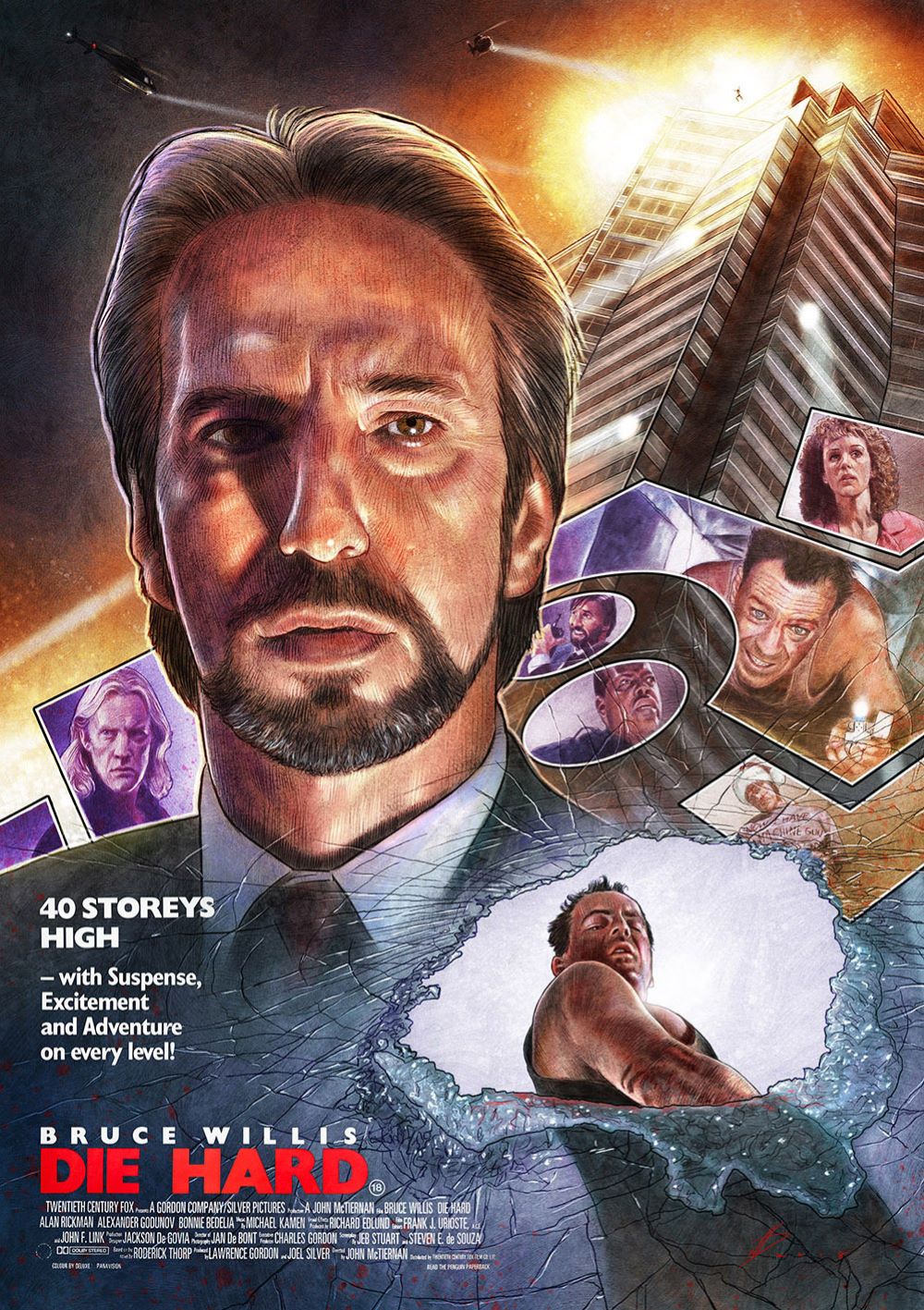
Die Hard is the ultimate Christmas film (though not the greatest) disguised as an action thriller, blending holiday cheer with high-stakes mayhem in a way that has sparked endless debates and turned it into a seasonal staple for millions. It stands as a landmark action movie and a sharp, character-driven thriller that continues to set the standard for the genre. The film mixes bombast with genuine heart, balancing tension, wit, and raw emotion so effectively that its imperfections only add to its enduring appeal.
Released in 1988 under John McTiernan’s direction, Die Hard follows New York cop John McClane (Bruce Willis) arriving in Los Angeles during the holidays to reconcile with his estranged wife Holly at her office Christmas party in Nakatomi Plaza. He’s fresh off a transcontinental flight, nursing a cocktail of jet lag and marital tension, hoping a festive gathering might thaw the ice between them after her career move to the West Coast has strained their family life. No sooner has he kicked off his shoes—famously leaving him barefoot for most of the chaos—than a disciplined crew of armed robbers, masquerading as terrorists under the command of Hans Gruber (Alan Rickman), storms the building, holding the revelers captive and forcing McClane to fight back shoeless and outgunned amid the towering offices. This lean setup—one man, one skyscraper, one chaotic evening—drives the story’s relentless pace, with straightforward spatial awareness keeping viewers locked into the rising peril. The Christmas setting isn’t just window dressing; twinkling lights, carols on the soundtrack, and a rooftop Santa sleigh add layers of irony and warmth to the gunfire, making the film a peculiar but perfect yuletide watch.
The movie refreshingly casts its action lead as an everyday underdog, full of sarcasm and frailty rather than invincible machismo. McClane takes real damage—he’s slashed by glass, battered by falls, and wheezing from asthma attacks—freaks out under pressure, second-guesses himself constantly, and limps through the ordeal covered in cuts and shards while grumbling about his lousy luck. These moments of raw vulnerability humanize him in a genre often dominated by perfect physiques and unflappable cool. Bruce Willis brings a rumpled, relatable edge to the role, drawing from his TV background on Moonlighting to infuse McClane with quick-witted banter and hangdog charm, making his pigheaded risks and desperate quips—like his tense radio chats or infamous air vent shuffle—land as the outbursts of an ordinary Joe desperate for survival and a way out. Willis’s casting was a gamble at the time, pivoting from wisecracking detective to gritty hero, but it paid off by redefining what an action star could be: flawed, funny, and fiercely determined.
Hans Gruber remains a standout antagonist, living up to every ounce of his legendary status—and remarkably, this was Alan Rickman’s very first film role, launching him into stardom with a performance that still defines screen villainy. Fresh from stage work, Rickman infuses him with suave detachment and subtle menace, his silky British accent dripping with condescension as he portrays a criminal mastermind who approaches the heist like a hostile merger, his cultured facade slipping just enough to reveal cold ruthlessness. Lines like his mocking “Mr. Mystery Guest” taunts or his gleeful disdain for American excess have become iconic, delivered with a theatrical precision that elevates Gruber above typical thugs. Clever writing highlights his contempt for yuppie excess and delight in red tape, while McTiernan’s direction turns their encounters into personal showdowns brimming with verbal sparring beyond mere firepower, turning cat-and-mouse into a battle of intellects as much as endurance.
A strong ensemble bolsters the narrative without bogging down the momentum. Bonnie Bedelia’s Holly exudes quiet strength, proving herself a sharp professional unafraid of bosses or bandits, which elevates her rapport with McClane above clichéd rescue tropes—she’s calling shots from the hostage room and holding her own in tense negotiations. Reginald VelJohnson’s Sergeant Al Powell elevates a stock radio contact into the story’s heartfelt core, offering McClane solace and shared regrets during their poignant nighttime talks about lost family and second chances, creating an unlikely but touching bromance across police lines. Figures like Hart Bochner’s smarmy Ellis, with his coke-fueled deal-making, or William Atherton’s pushy journalist Richard Thornburg, chasing scoops with ruthless ambition, add biting commentary on greed and sensationalism, sharpening the film’s take on ’80s excess and how corporate snakes and media vultures complicate the crisis. Even smaller roles, like the hapless deputy chief or the bickering SWAT team, paint a vivid picture of institutional incompetence that McClane must navigate alone.
Die Hard excels in choreographing escalating clashes within tight quarters, turning the skyscraper into a multi-level chessboard. McTiernan masterfully exploits Nakatomi’s design—raw construction levels with exposed beams, service elevators for ambushes, fire stairs slick with tension, upper decks for sniper duels, and cubicle warrens for close-quarters chaos—to distinguish every skirmish from rote shootouts, ensuring each fight feels unique and earned. Precise editing weaves between McClane’s scrambles, captive dread, robber schemes, and external responders, layering suspense without devolving into explosive filler; the cross-cutting builds dread as plans intersect disastrously. Standout sequences thrill because of careful buildup around deadlines and official blunders, like ill-timed interventions that raise the stakes sky-high. The practical effects—real stunts, squibs, and pyrotechnics—give the action a tangible weight that CGI-heavy modern films often lack, grounding the spectacle in sweat and physics.
Blending laughs with savagery proves the film’s toughest feat, yet it mostly triumphs. McClane’s biting comebacks, taped to dead bodies or barked into walkie-talkies, and the dark comedy amid cop-thug banter sustain levity amid dire threats and mounting casualties, preventing the film from tipping into grim slog. Gags like the executive’s C4 “gift” or Powell’s Twinkie diet poke fun at excess without diffusing danger. Certain gags and era-specific jabs feel dated—like mockery of inept brass or overzealous feds—but this institutional skepticism fuels the plot, portraying red tape and hubris as lethal as automatic weapons, a theme that resonates in any age of bloated bureaucracies.
The film’s action overload, ironically its signature strength, occasionally trips it up. Later stretches bombard with relentless blasts and ballets, prompting some to decry the carnage’s intensity or plot holes from initial reviews, where critics noted the escalating body count’s numbing effect. Elements like tactical decisions by authorities or vault breach logistics falter on nitpicks, relying now and then on lucky breaks to align the chaos, such as perfectly timed discoveries or overlooked details in the heist plan. Fans of taut caper tales might see the wilder antics as indulgence over invention, prioritizing popcorn thrills over airtight logic. Yet these are minor quibbles in a runtime that clocks in under two hours, keeping energy high without exhaustion.
Yet a solid emotional arc lends depth beyond mere spectacle. Fundamentally, it’s about a bullheaded officer confronting his marital neglect, enduring brutal comeuppance while seeking redemption amid the tinsel and terror. His raw confessions to Powell inject humanity that heightens the personal stakes, turning isolated survival into a quest for reconnection. The script, adapted from Roderick Thorp’s novel Nothing Lasts Forever, weaves family drama into the frenzy without halting the pace, making quieter moments—like shared vulnerabilities over radio—punch harder than any explosion.
Technically, Die Hard brims with assured flair bordering on swagger. Cinematographer Jan de Bont’s lenses capture glassy surfaces, mirrors for disorienting reflections, and soaring perspectives to render the tower both glamorous and hostile, a glassy trap turned warzone that mirrors the characters’ fractured relationships. Crisp cuts allow pauses for character amid the rush, preserving brisk tempo without shortchanging development; McTiernan’s post-Predator confidence shines in rhythmic pacing that breathes. Michael Kamen’s soundtrack fuses orchestral surges with jingly carols like “Let It Snow,” amplifying the bizarre fusion of festivity and fusillades that forever fuels “Christmas movie” arguments—ho-ho-hos interrupted by hails of bullets.
Die Hard‘s influence reshaped action cinema, birthing the “Die Hard in a [location]” trope for enclosed thrillers, from buses to battleships, spawning endless imitators chasing its formula. Sequels amplified scale at the cost of grounded heroism, proving surface mimics—snark, stunts, scheming foes—miss the original’s vulnerable punch, as later entries piled on global threats and gadgets. Detractors note it paved paths for bloated pyrotechnics in successors, but that’s on copycats, not this taut gem; its box-office success—over $140 million worldwide—proved audiences craved smart spectacle.
All told, Die Hard delivers razor-sharp, hilarious, masterfully built blockbuster entertainment that ages like fine whiskey. Pairing a rugged everyman lead, suave nemesis, and geography-smart sequences, it raises a benchmark few match. Flaws like overkill blasts or shaky rationale aside, its tension, depth, and gritty laughs cement its throne in action lore, a holiday gift that keeps on giving.
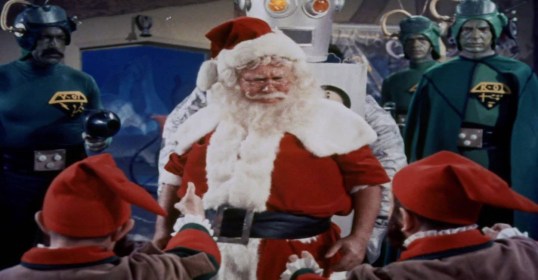
Watching the 1964 holiday sci-fi epic, Santa Claus Conquers The Martians, is a Christmas Eve tradition here at the Shattered Lens! So, sit back, turn on Kid TV, and get ready to sing!


 Through the Shattered Lens