I went through my Asian movie phase beginning in the mid to late 90’s. I started with Hong Kong cinema before adding in South Korean cinema in the early 2000’s. One of the first South Korean films I watched was JOINT SECURITY AREA (2000), which was directed by the great Park Chan-wook and starred Lee Byung-hun and Song Kang-ho. It’s an amazing film so I started following the work of all the talent involved. Lee Byung-Hun would make A BITTERSWEET LIFE in 2005, and it’s probably my favorite film of his. He’s a complete badass in it. I bought my DVD of the film from a cool movie shop in Chicago when I was visiting on business back in 2011. Lee would eventually start appearing in Hollywood films like the GI JOE movies, RED 2, and THE MAGNIFICENT SEVEN remake, but my favorites are his Korean films, with the violent I SAW THE DEVIL (2010) a real standout. Heck, he’s even in the popular THE SQUID GAME series that’s currently playing on Netflix. I didn’t realize that until a few weeks back, so I even watched a few episodes.
Today, July 12th, 2025 is Lee Byung-hun’s 55th birthday. I’m celebrating here on the Shattered Lens by sharing a badass fight scene from A BITTERSWEET LIFE. Lee looks great in a suit or tux, but he’s also a believable tough guy who isn’t afraid to get bloody like he does here.
So, enjoy this brutal fight scene from A BITTERSWEET LIFE, and be sure to stay for the humorous punctuation from the gravediggers at the end!
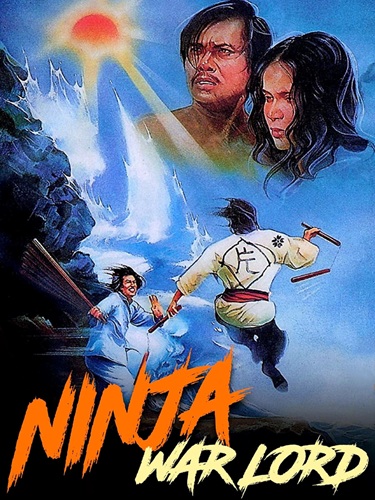
Also known as NinjaWarLord, 1973’s RageofWind takes place during the Japanese occupation of China during the Second World War.
A Chinese fishing village is controlled by the ruthless Taka (Yasuaki Kurata), who terrorizes the town with his Hawaiian-shirt wearing henchmen and who deals with dissent by hanging people in the town square and then refusing to allow their loved ones to take down the bodies. When boxer Chan Kwong (Chan Sing) returns to the village after pursuing a successful fighting career in the United States, the village rejoices. Finally, there is someone who can stand up to Taka! And the villages needs help because Taka has just instituted a new fishing tax!
Oh, Taka, you fool! Don’t you realize that raising taxes never solves anything? I realize that this film is taking place at a time when Milton Friedman was still working for the government and also long before the Laffer Curve was drawn on that napkin but still, raising taxes is always the last refuge of the unimaginative. When the people in the village express their displeasure at having to pay more in taxes, Taka decides to seize their boats. Hey, Taka, you dumbass commie — how are they going to make the money to pay your taxes if they don’t have their boats!? Fortunately, Chan Kwong isn’t going to let the taxman get away with this.
(It’s interesting that this film features a Chinese hero fighting on the side of free enterprise.)
Here’s a few things that I liked about RageofWind.
First of all, it didn’t waste anytime getting to the good stuff. The film’s first fight broke out within the first five minutes of its running time and, from that moment on, people were either fighting or preparing to fight. This film didn’t feature any slow spots. The fights were exciting to watch and, even more importantly, they distracted the viewer from asking too many questions about the plot. At times, it felt like everyone in the film would have been well-served to just stop fighting and negotiate but that wouldn’t have been as much fun to watch.
Second, Taka wore a cape. His henchmen may have dressed like tourists in Hawaii but Take wore a red cape! And what’s even more impressive is that Taka totally pulled off the look. Seriously, if someone can wear a cape and not look like an idiot, that’s when you know that person is a total badass.
Third, both the bad guys and the good guys got their own annoying sidekick. The bad sidekick was constantly popping up and laughing. The good sidekick had no teeth. Both sidekicks died, which is an example of this film giving the viewers what they want.
Fourth, the musical score was made up of stolen riffs from Pink Floyd and the Theme From Shaft. (I didn’t recognize the Pink Floyd riffs but everyone that I was watching the film with was like, “How did they get Pink Floyd!?”) Apparently, the film “borrowed” the music without paying. I love the shamelessness of old school Hong Kong cinema.
Fifth, the final fight between Taka and Chan Kwong is absolutely brutal! Seriously, when you’re watching a film about people who are incapable of settling their conflicts through talking, this is exactly the type of fight you want to see.
Finally, once again, all of the conflict could have been avoided if they hadn’t tried to tax everyone to death! I love films that are anti-taxation. Watching a double feature of RageofWind and Harry’s Warmight become my new Tax Day tradition!
As some of our regular readers undoubtedly know, I am involved in a few weekly live tweets on twitter. I host #FridayNightFlix every Friday, I co-host #ScarySocial on Saturday, and I am one of the five hosts of #MondayActionMovie! Every week, we get together. We watch a movie. We tweet our way through it.
Tonight, at 9 pm et, Deanna Dawn will be hosting #ScarySocial! The movie? 1995’s Piranha!
If you want to join us this Friday, just hop onto twitter, start the movie at 9 pm et, and use the #ScarySocial hashtag! It’s a friendly group and welcoming of newcomers so don’t be shy.
4 Or More Shots From 4 Or More Films is just what it says it is, 4 shots from 4 of our favorite films. As opposed to the reviews and recaps that we usually post, 4 Shots From 4 Films lets the visuals do the talking!
96 years ago today, the great director Monte Hellman was born in New York City. Though Hollywood never quite understood Hellman or his idiosyncratic vision, he and his films have inspired a countless number of independent filmmakers. Hellman started his career with Roger Corman and was one of the first directors to recognize the talent of actors like Jack Nicholson and Warren Oates. When Monte Hellman passed away in 2021, he was eulogized as one of the key figures of the Hollywood counterculture. Today, we celebrate Hellman and his films with….
4 Shots From 4 Monte Hellman Films
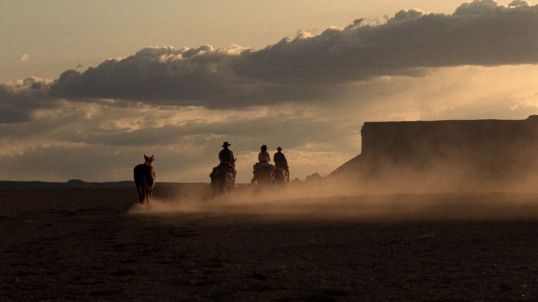
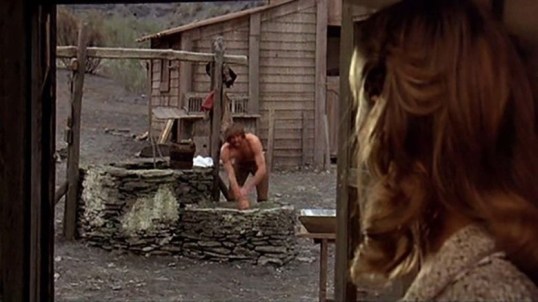
The Shooting (1966, dir by Monte Hellman, DP: Gregory Sandor)
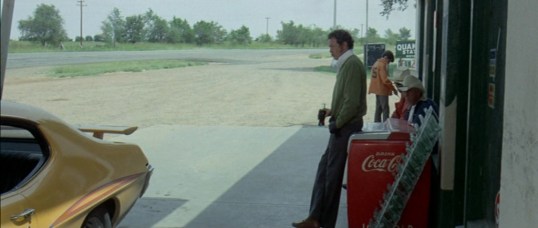
Two-Lane Blacktop (1971, dir by Monte Hellman, DP: Jack Deerson)
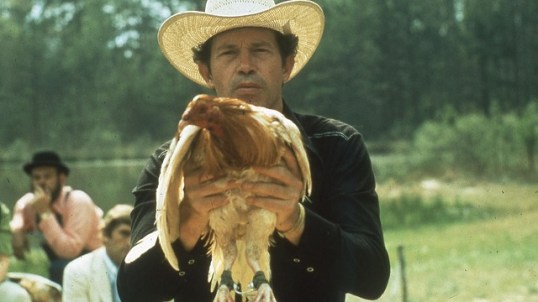
Cockfighter (1974, dir by Monte Hellman, DP: Nestor Almendros)
China 9, Liberty 38 (1978, dir by Monte Hellman, DP: Guiseppe Rotunno)
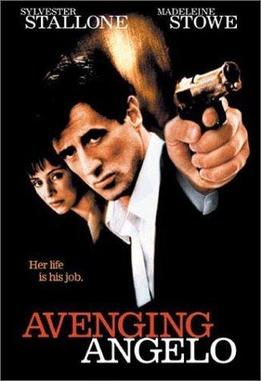
When mob boss Angelo (Anthony Quinn) is assassinated on the orders of the son of a former rival, bodyguard Frankie Delano (Sylvester Stallone) takes it upon himself to protect Angelo’s daughter, Jennifer (Madeleine Stowe). The problem is that Jennifer, who was adopted by a normal couple, doesn’t know that she is the daughter of a mobster. Her life and her marriage are already falling apart even before Frankie reveals the truth to her. All she wants to do is disappear into the pages of a romance novel written by her favorite writer, Marcello (Raoul Bova) but Marello is not quite what he seems.
Sylvester Stallone has had a long career, full of high points (Rocky, First Blood, The Expendables, Creed) and low points (too many to list). AvengingAngelo, made at a time when it was assumed that the aging Stallone would never again play Rocky Balboa or John Rambo, is a moderate low point. It’s no Rocky but it’s still better than Stop! Or My Mom Will Shoot! Overall, it’s not very good and a lot of the humor falls flat but Stallone and Madeleine Stowe are both likable and they have a few moments that display what seems like genuine chemistry. It’s still a slow movie that awkwardly mixes comedy and action but it was not the disaster that I was expecting it to be when I first found it on Tubi. It’s more forgettable than bad. If there is anything to really regret when it comes to AvengingAngelo, it’s that Anthony Quinn did not get a more memorable swan song.
AvengingAngelo was Stallone’s second movie to go straight to video. It’s easy to forget not but the conventional wisdom in 2002 really was that Stallone was washed up. There were jokes about whether or not he would follow Schwarzenegger’s lead and go into politics. Stallone, however, proved all the naysayers wrong, proving that he could still throw punches as Rocky Balboa and John Rambo while The Expendables revealed a Stallone who could finally laugh at himself. Avenging Angelo turned out to be not the end of Stallone’s career but instead just a detour. Say what you will about the man and his movies, Sylvester Stallone is an American institution.
4 Shots From 4 Films is just what it says it is, 4 shots from 4 of our favorite films. As opposed to the reviews and recaps that we usually post, 4 Shots From 4 Films lets the visuals do the talking.
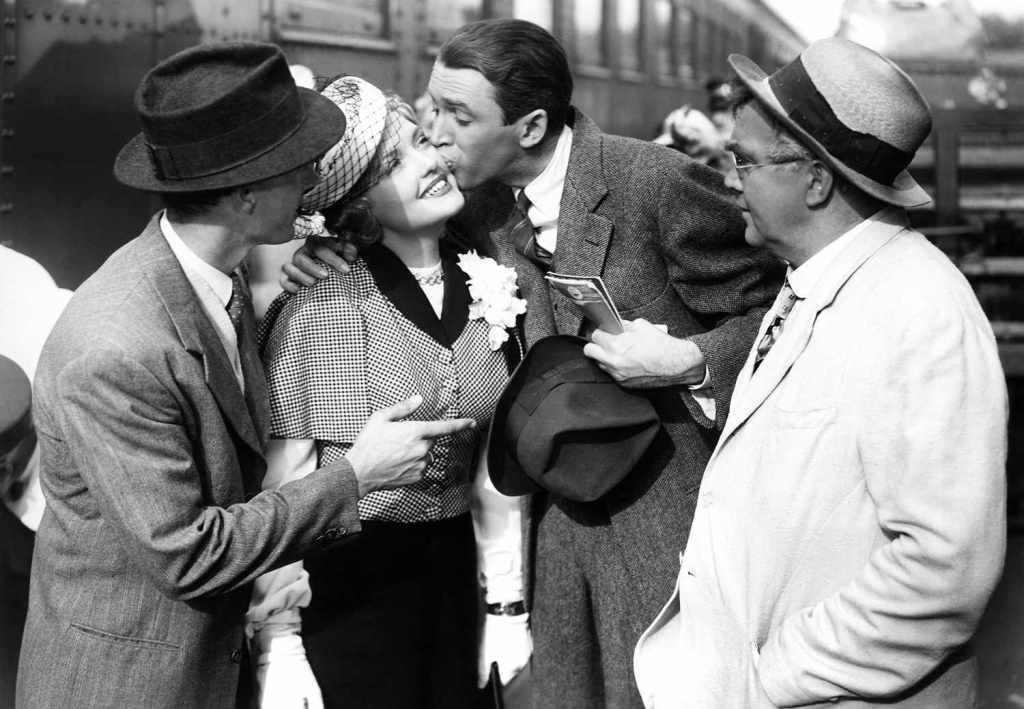
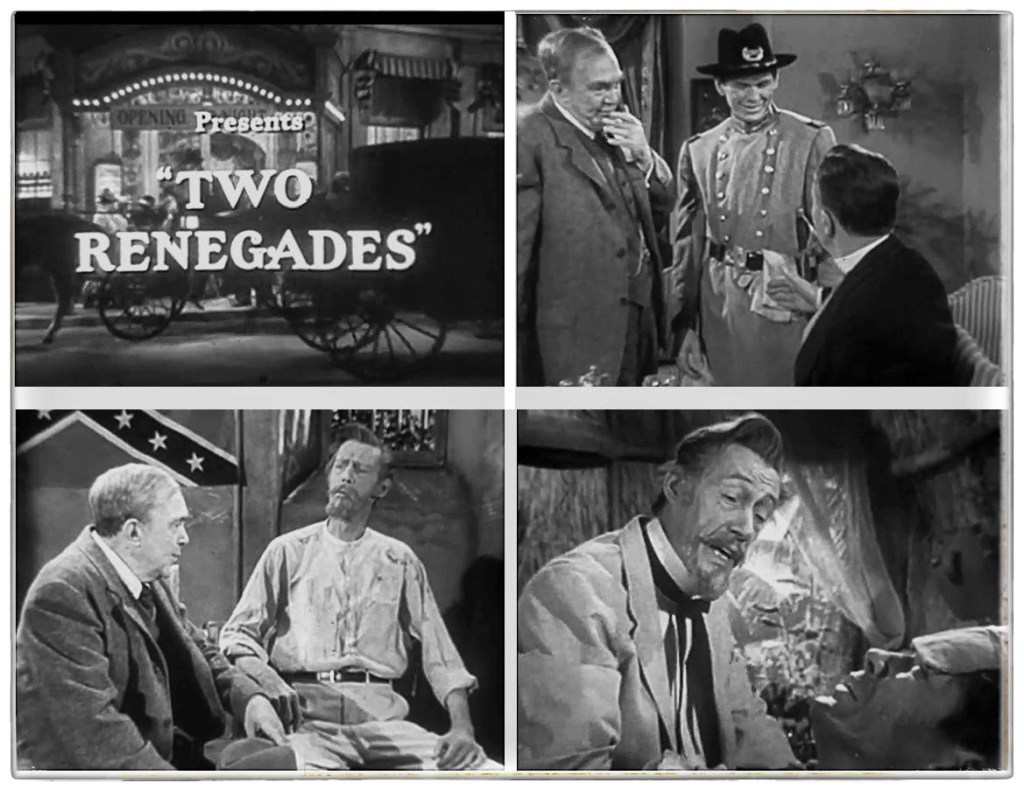
I noticed that today, July 11th, 2025, is actor Thomas Mitchell’s 133rd birthday in cinema heaven! I can guarantee that I, along with most of you, watch him every year around Christmas time. I also found out today that he worked with my movie hero Charles Bronson on THE O. HENRY PLAYHOUSE TV series back in 1957. That combination of appearances makes Mitchell about as close to a cinematic immortal as a person can get!
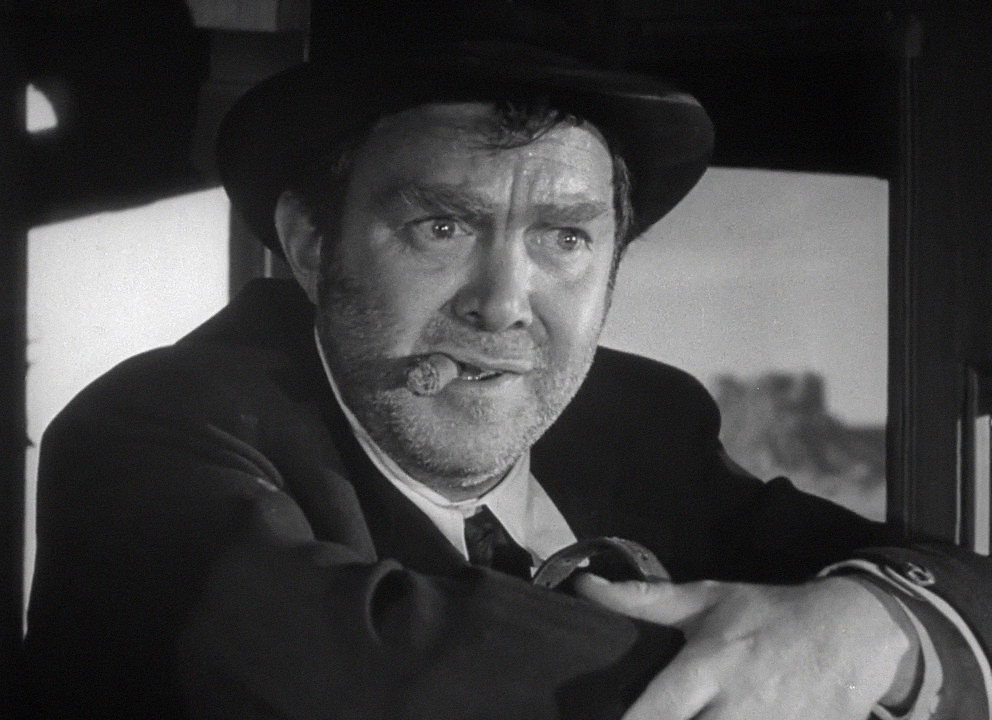
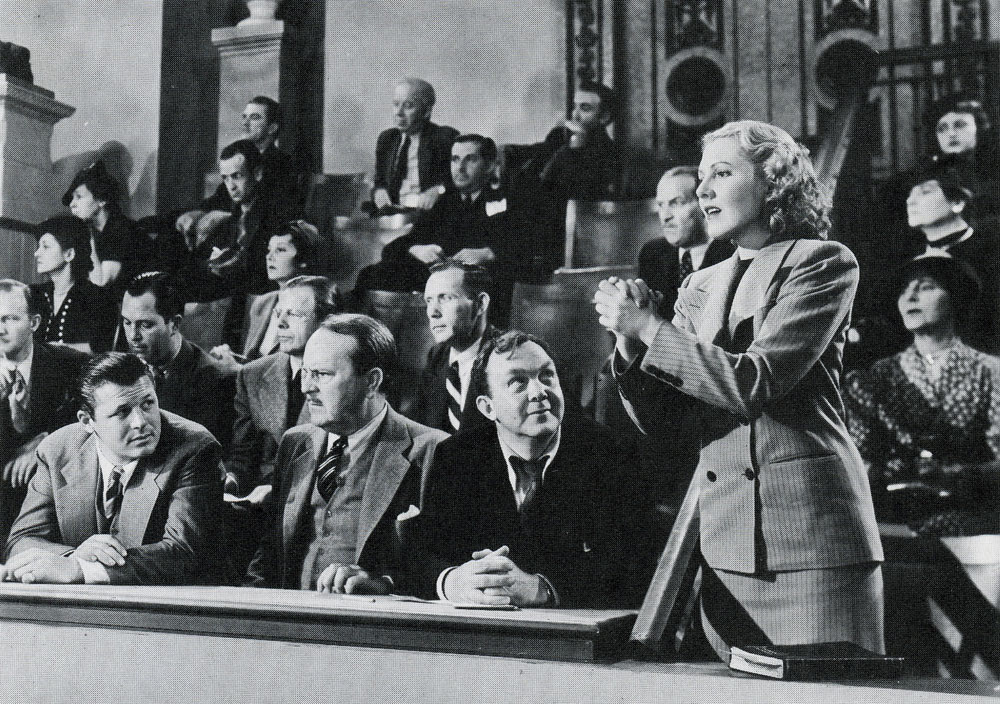
Enjoy 4 shots from 4 films, with Thomas Mitchell!
Stagecoach (1939)Mr. Smith Goes to Washington (1939)It’s a Wonderful Life (1946)The O. Henry Playhouse: Two Renegades (1957)
Happy Birthday in cinematic heaven to one of the great actors and movie stars, Yul Brynner! Brynner was born on July 11th, 1920, in Vladivostok, Russia. He would win an academy award in his career for his performance as King Mongkut of Siam in THE KING AND I (1956), but I will always appreciate him the most for his part as Chris, the leader of those seven magnificent men on the lookout for justice! In honor of Brynner’s birthday, my scene of the day is from the classic western, THE MAGNIFICENT SEVEN!
As some of our regular readers undoubtedly know, I am involved in a few weekly watch parties. On Twitter, I host #FridayNightFlix every Friday and I co-host #ScarySocial on Saturday. On Mastodon, I am one of the five hosts of #MondayActionMovie! Every week, we get together. We watch a movie. We tweet our way through it.
Tonight, at 10 pm et, I will be hosting #FridayNightFlix! The movie? 1973’s NinjaWarlord!
If you want to join us this Friday, just hop onto twitter, start the movie at 10 pm et, and use the #FridayNightFlix hashtag! I’ll be there tweeting, probably while fireworks shake the windows of my office. It’s a friendly group and welcoming of newcomers so don’t be shy.
Korean Actor Gong Yoo was born on July 10th, 1979, in Busan, Korea. He stars in one of my favorite South Korean films, TRAIN TO BUSAN, which also happens to be one of my favorite zombie films. I highly recommend it, and for those interested, it’s currently streaming on Netflix. In honor of Gong Yoo’s birthday, enjoy this graphic and intense scene from TRAIN TO BUSAN.
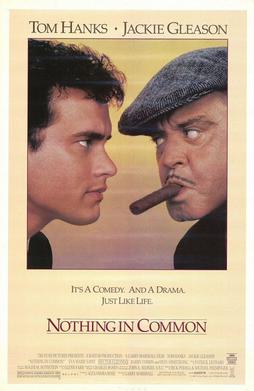
Tom Hanks plays David Basner (Tom Hanks), an advertising executive whose immature lifestyle gives him insight into what sells but has also left him totally unprepared to deal with the fallout when his mother (Eva Marie Saint) leaves his father, Max (Jackie Gleason). David, who is struggling to come up with the perfect commercial for a demanding client (Hector Elizondo), has to come to terms with both his father’s bad health and his history of infidelity.
This isn’t my favorite Tom Hanks movie. It comes from that awkward period when Hanks was trying to make the transition from comedy to drama and its attempt to mix the two genres is not always successful. The scenes of Hanks at the ad agency are often so cartoonish that they don’t seem like they belong in a movie where Jackie Gleason loses a foot to diabetes and realizes that he spent his entire marriage emotionally abusing his wife. The movie, though, is worth watching for the teaming of Hanks and Gleason, two comedic actors who eventually proved themselves to equally as skilled at playing it serious. Gleason, especially, gives a strong performance. This was his final film and Garry Marshall convinced him to take it by asking, “Do you really want to go out on Smokey and the Bandit 3?” Gleason would die a little over a year after the release of NothingInCommon and this film, even if it wasn’t perfect, gave the world a chance to see what a good actor he really was.
This film is often cited as the the movie that started Hanks on the way to becoming a dramatic actor. Like Punchline, NothingInCommon played a role in Hanks becoming more than just a comedian but I think Big was ultimately the better showcase for Hanks’s ability to mix pathos with laughs. NothingInCommon was directed by Garry Marshall and, as was usually the case with Marshall, he often doesn’t trust the audience to figure things out for themselves. He goes overboard trying to force an emotional response instead of just trusting the material. Tom Hanks still does a good enough job in NothingInCommon. Hanks is as likable as always and you can see the dramatic actor emerging in Hanks’s performance even if Hanks still wasn’t totally comfortable with it.
NothingInCommon is flawed but it was definitely a better swan song for Jackie Gleason than Smokey and the Bandit 3.