As the music above plays I must speak of why such a tribute song is necessary…read on.
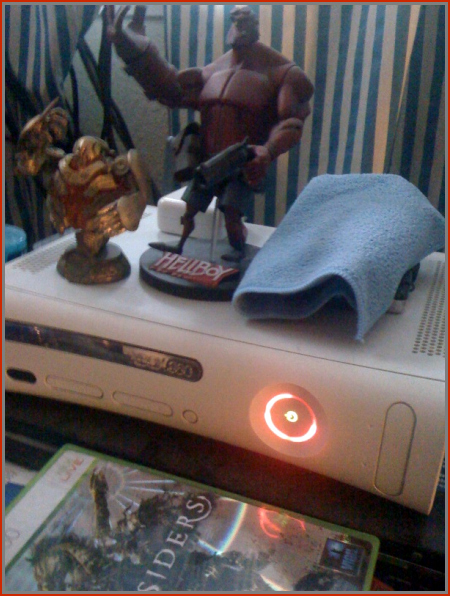
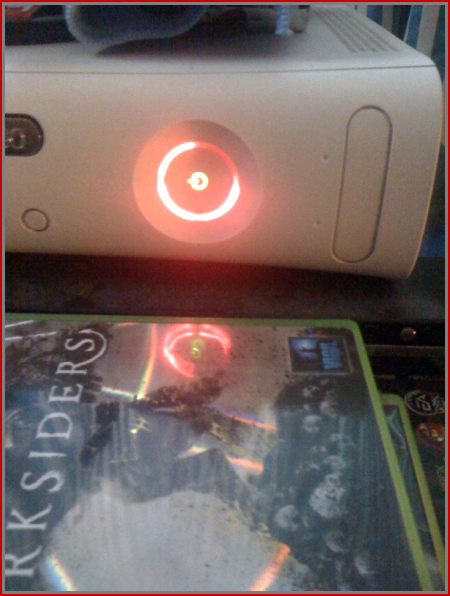
It finally happened. While I wasn’t surprised that it did happen what did surprise me was how long Butters held out. I got Butters on midnight of November 22, 2005. Never has Butters failed me in the 4 years, 1 month and 27 days it was in my care. But this afternoon he finally succumbed to old age.
While it has happened to friends of mine who had something similar and I know the symptoms which tells me Butters was gone for good it still wasn’t a good feeling. All I can do now is just make sure that all the fun memories Buuters and I have are not lost. I sure will try my damndest to keep them.
Even though the grieving process has just begun and some of it includes a bit of denial, I now have to look forward to finding a replacement for Butters. I’m thinking an upgrade is way overdue. I’m not sure if I should also name it Butters or will the memory be too fresh still and a new name needed. Whether it’s Butters, Butterstotch or Bubbba and many others, I will make sure that I’m not without for too long.
There will be new memories to add to the ones I had with Butters. Memories which, if I am prescient, will hopefully be made starting January 26, 2010. Memories that I will make sure will continue a particular one from Butters. I will be very vexed if that doesn’t happen. For that particular past memory was well-earned with many hours spent in the making.
So, once again I must play “Taps” and pay homage to Butters which lived a long, fruitful life but I still thought was taken too soon and without much warning.
To Butters! May the Valkryies welcome you to the halls of Valhalla where the brave live forever!
Being single once again and slowly getting back on the dating scene (wasn’t easy at 26 and it sure as hell hasn’t gotten easier at 36) I started looking at my music collection and realized that I subconsciously always had a specific set of songs as a playlist to help close the deal, so to speak. While I’m sure my own charm and skills have a lot to do with it I do think this playlist helps things along.
So, here’s the top ten songs which helps seal the deal. Some has to be clicked to be seen…If someone does try using this list and fails then don’t blame game…blame the player. 😉
10. Closer – Nine Inch Nail
9. Ready or Not – After 7
8. Brown Sugar – D’Angelo
7. Wicked Game – Chris Isaak
6. Between the Sheets – The Isley Brothers
5. Anytime, Anyplace – Janet Jackson
4. My, My, My – Johnny Gil
3. Sexual Healing – Marvin Gaye
2. Let’s Get It On – Marvin Gaye
1. Secret Garden (Sweet Seduction Suite) – Quincy Jones
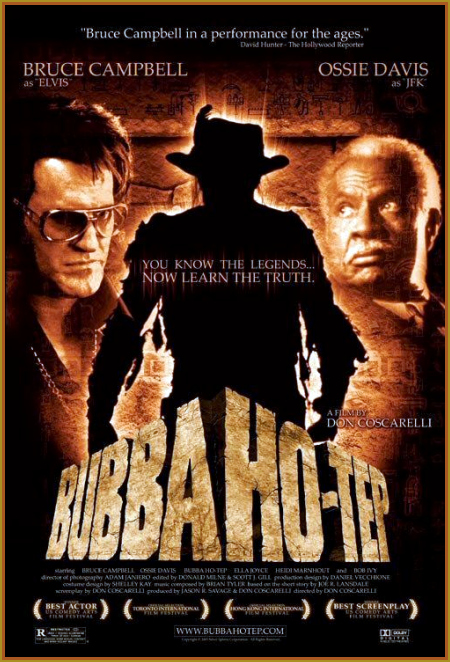
Bubba Ho-Tep was one of those film projects which just screamed out “can’t lose” the moment it the people who were going to be attached to it were announced. I mean for people who grew up watching horror movies and other such fun things during the 80’s would know of the name Don Coscarelli. His Phantasm franchise scared and creeped out a large number of young kids and teenagers as they grew up during the 1980’s. Author Joe R. Landale is not as well-known for the unread but he also brings big smiles to people who also like their stories to be full of quirky humor, dry sarcastic wit in addition to pulp-style horror and thrills. But the major coup this film had which made all genre fans suddenly smile and grin like fools has to be hearing that genre-veteran and B-movie extraordinaire Bruce Campbell taking on the role of an aging Elvis Presley.
The movie was released in very limited screens in the summer of 2002. In fact, the movie really only got shown during the summer genre film festivals which dealt with genre movies like horror, sci-fi and other so-called low-brow genre projects which the more elitist film goers tend to shun. Luckily I wasn’t too elitist enough to be able to find Bubba Ho-Tep playing in the San Francisco Film Festival. To say that what I saw was pure cheesy fun would do the film a disservice. While it’s true that the film had it’s moment of horror, I mean it is a movie about a soul-sucking Egyptian Mummy let-loose in a Texas retirement home. What I was surprised to see as I watched through Bubba Ho-Tep was just how much more than a cheesy B-movie horror flick it turned out to be.
The film pretty much brings up the scenario of how it would be if the real Elvis Presley was still alive, in his 70’s and wasting away in a Texas retirement home. That the Elvis Presley who passed away sitting on a toilet at Graceland was actually an impostor who switched places with the real Elvis after the genuine article decided all the fame, groupies and excessiveness of being The King was just too much and wanted a break from it all. So, the real Elvis lost his chance to switch back with his double and thus ended up forgotten in a Texas retirement home where the employees and caregiver treat him like a child and don’t believe him when he tells them he is the real deal. To make matters worse he now has to deal with a cowboy hat and boots wearing Egyptian mummy whose sole source of nourishment are the souls of the old retirees who inhabit the retirement home. The way the mummy sucks the souls from its victims become a running joke within the film. Let’s just say it doesn’t try sucking the souls out through the old folks’ mouth or nose.
Bruce Campbell has always been a mainstay of the B-movie scene. His popularity as being “The Man” who has inhabited such iconic cult characters such as Ashley “Ash” Williams of Evil Dead fame has made him a well-known actor to genre fans everywhere. Campbell could’ve easily hammed it up in the role of the aging Elvis Presley in Bubba Ho-Tep. No one would’ve faulted him for such an over-the-top performance, but instead of going that route he instead plays the role with such an understated and subtle style which made the character more human and sympathetic. Campbell’s nuanced performance also turned a horror-comedy into something more sentimental and sad. Bubba Ho-Tep had turned into a horror-comedy which had a unique and sympathetic look at how the elderly have been treated and seen more as nuisances and less than human. It doesn’t help that their cries for help once the mummy targets them for feeding fall on deaf ears as those hired to help them consider their pleas as the senile ramblings of someone whose mental facilities have long left them.
Campbell’s performance as “The King” was supported quite well by the great, late Ossie Davis whose role as an elderly black man who thinks he’s John F. Kennedy brings new meaning to the film cliche: buddy movie. Davis’ character truly believes that he was and is President Kennedy who was turned black through some conspiracy by Lyndon B. Johnson to save his life. At first, we the audience are in on the joke but due to Davis’ wonderful performance we begin to believe that he may be right. If cowboy-attired Egyptian mummies and an aging Elvis look real why not him. The interplay between Campbell and Davis makes for some great acting and comedy. Without these two men the film would’ve been relegated to the direct-to-video level of filmmaking. Instead what we get is a wonderfully crafted film which despite its pedigree still became one of the better films of 2002.
Don Coscarelli does a fine job of balancing the scenes of comedy and horror with poignancy without ending up with a film that’s too maudlin for its own good. It’s a good sign that one of the 80’s master genre directors has found a nice project to show that he hasn’t lost the edge and skill when it comes to making genre movies. He has also shown with Bubba Ho-Tep that one can have a horror-comedy without drowning it in gore (which this movie had a surprisingly little of) and juvenile slapstick. Even joke sequences involving aging Elvis’ penis with it’s unidentifiable growth made for genuine laughs instead of laugh for laughs sake. The same goes for the double entendre from JFK involving his Ding Dong snack. I think with anyone else at the helm of this picture the movie would’ve fallen either too much into gorehound territory on one side or inane slapstick comedy on the other end.
In the end, Bubba Ho-Tep was one of those rare little genre gems which transcends its genre pedigree and beginnings without meaning to. Like I said with the convergence of Coscarelli, Lansdale, and Campbell making the project happen this was one little movie that was bound to not fail. I highly recommend this movie to anyone who hasn’t seen it. Despite it’s silly sounding title the movie is more than just the sum of its cover.
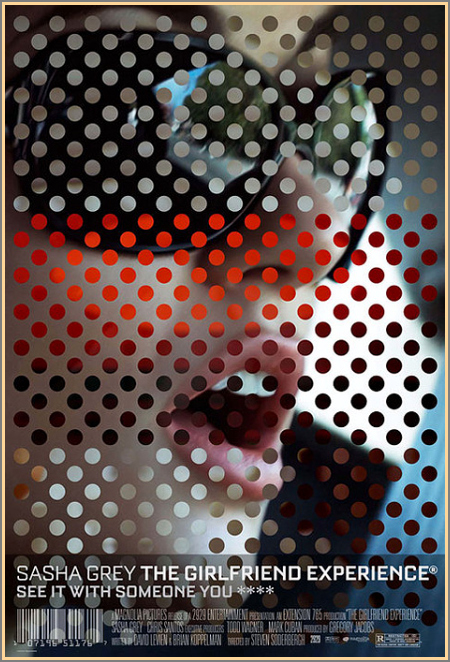
In-between his big epic projects (Che biopic) and studio projects (Ocean’s 11 thru to 13) Steven Soderbergh has been quite busy with very low-budgeted, experimental film projects like Bubble and Full Frontal. His latest in this series of HD-shot, low-budget fare is The Girlfriend Experience. When it was first announced in 2008 the buzz on this little film was due to the fact that Soderbergh decided to cast the lead of the film with real-life porn star Sasha Grey. Much of the talk of the film since that announcement up to its film festival circuit release always end up dealing with his bold choice to cast Grey in the role of Chelsea. The Girlfriend Experience is an intriguing film which tries to show parallels between the high-end sex industry Chelsea deals in to the powerbrokers of capitalism.
First off, Sasha Grey is not the weak link of the film despite her reputation as being a major porn star. While her performance was spotty throughout there was several instances when there’s definite talent and energy in her scenes. Ms. Grey’s seemingly vacuous and imperceptible on-screen persona was seen as her lack of talent and a performer way over her head, but looking at her performance from the stand point of her character it’s actually very spot on. Chelsea is a $10,000-dollar a night call-girl whose client base are the rich and powerful. Individuals who can buy anything and anyone they want and in Chelsea they pay a lot of money to have the so-called “girlfriend experience.” One of the very first scenes we see her in shows her with a client as they go through events of their day. At first, it seems like they’re a normal couple of a powerful man dating a younger, well-mannered and educated woman, but it is this artifice which permeates through the entirety of the whole film.
Chelsea’s life is one of not just selling her body for money, but also creating the illusion of what makes for a perfect relationship. On the surface, everyone who sees them only see what she and the client want them to see but the truth of it is much seedier and perpetuates the idea that everything is going well. Ms. Grey sells this aspect of Chelsea’s life quite well. Where some may see a Barbie-doll playing as a serious actress I see a performer who seem to be channeling her own personal and intimate experiences into the role. It’s very difficult to determine where Ms. Grey ends and Chelsea begins. Does this mean she has a future as a mainstream performer? I think it does if given the right projects and director to work with. It is quite easy for her to be typecast in sexually-charged roles, but as this film shows she can handle herself ably enough in a role that doesn’t rely on her reputation as a porn star.
The Girlfriend Experience may have its story around a high-end call-girl but the film itself has less to do with the selling of sex and more to do with the selling of illusions and fantasies. Even Chelsea’s boyfriend Chris (played by Chris Santos) who works as a personal trainer sells a fantasy to his clients in a fashion. There’s very little sentimentality in this film and when it tries to is when the film trudges over to the weak-side of the spectrum. The very nature of the themes presented in the film eschews sentimentality and shows just how brutal the truth can be when the layers of illusions and fantasies have been peeled away. Chelsea knows this but still clings to a certain naivete about life in general. While she shows a head for the business she is in and how she could conitnue to use it to open up her own business her decisions once new blood start encroaching on her clients shows just how vulnerable she still is to those in power and influence who have decades of experience over her.
The film was shot in such a quick manner during the latter end of 2008 and into 2009 that it one could sense Soderbergh’s attempt to link Chelsea’s experiences in the film as a parallel to the sudden collapse of the banking and housing industry. Two industries which peddled and sold the macro-version of the “girlfriend experience.” People who wanted a piece of the American Dream despite not being able to afford it were sold an illusion that they could. In time such illusions were bound to fall and for reality to set in as it had for Ms. Grey’s Chelsea and her attempt to realize her dream. In the end, everything and everyone bought into the “girlfriend experience” and couldn’t see the reality of things until it was too little and, definitely, too late.
Soderbergh’s direction is a bit difficult to comprehend at times as the film unfolds in his typical non-linear fashion. Those who have followed his work won’t be put-off by this fractured narrative but those who come into The Girlfriend Experience who only know Soderbergh through his studio work may end up being confused. All that aside, he does show the ability to try new things in this film and his continued experimentation of HD-cameras. The look of the film is very crisp and at times too much so that it looks artificial as HD can sometimes look on the big-screen. But then again this just adds to the themes running throughout the film. While the film may look too clean and artificial at first glance that is just the surface. It’s beneath that things dirty and real are perceived.
Of his three works so far in this HD-medium I will say that The Girlfriend Experience is his best work work, so far. While it is not a perfect film by any means — at times looking and sounding quite average for a director of his talent — there’s a certain French New Wave quality which evokes Jean-Luc Godard in the direction. This film will not win Soderbergh any awards and may be a one-time mainstream fluke of one Sasha Grey, but the fact that it has gotten made and people are actually interested in it (even if its due to the voyeuristic and tittilating aspect of watching a porn star trying to act mainstream) shows that both director and star are not willing to settle for what they consider safe. That’s quite a refreshing thing to see in the industry and whether the film succeeds in how Hollywood gauges such things it won’t matter since the film has gone beyond an idea and into something anyone can see and decide for themselves its merits.
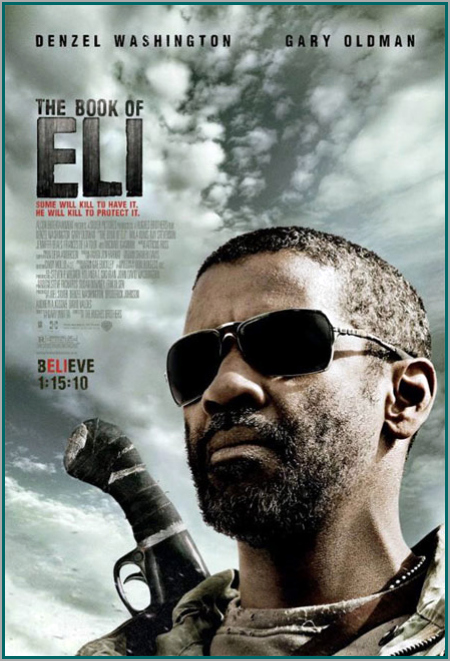
In 2001 the Hughes Brothers released their film adaptation of the celebrated and very dense graphic novel From Hell. A graphic novel meticulously researched and every detail reconstructed to tell the tale of Jack the Ripper and his killing spree in the London slum of Whitechapel during the turn of the 19th-century into the 20th. It was a film fans of the graphic novel have been waiting for years since it was initially announced. When it was finally released in 2001 the reception and reaction from both critics and audiences were a resounding thumbs down. The Hughes Brothers first major film outside of their comfort zone of the urban setting was seen as a colossal failure and for almost a decade they seemed to have put themselves into a self-imposed exile from Hollywood. It’s now 2010 and with a cas consisting of Denzel Washington and Gary Oldman on opposite sides it looks like the Hughes Brothers have returned from their exile with a very good post-apocalyptic Western called The Book of Eli.
I call The Book of Eli a post-apocalyptic Western because it’s what the film reminded me most of. The setting may be all ashen gray with the world and the environment decades into what the cast can only describe as “the flash” which ended everything. But with all that the film still felt like a throwback to the Westerns of Sergio Leone with equal parts Akira Kurosawa samurai epics. Taking cue from the screenplay by Gary Whitta, the Hughes Brothers set up the rules of the film from the very first frames. We see a world still raining ash even thirty years since a war (hinted as being caused and fought between the major religions of the world). It is a world where cats have become not just the source of food but also oil for chapped lips. If one bought into the world being presented in the very first ten minutes of the film then the rest the remaining hour and forty minutes would be easy going.
The very first twenty minutes of the film was pretty much free of dialogue as we see the No-Name walker (played by Denzel Washington) survive a day on the road inside an abandoned homestead with only an ancient iPod and the titular book to keep him company. When we finally hear his character speak it is in hushed tones, almost a whisper as if his time of wandering the blasted landscape in solitude has made speaking out loud something almost forgotten. In fact, throughout most of the film Denzel’s character rarely speaks and when he does it doesn’t bode well for those trying to keep him from the path he had been set on for the past thirty years since after “the flash.” It’s during these “encounters” when his character must protect himself that the Hughes Brothers show their unique style in how to film an action scene.
The action scenes owe much of their smooth, precise and deadly ballet to the work of stunt coordinator Jeff Imada and his team of stunt men and women. There’s none of the fast cut and edits to make an action scene seem more chaotic than it really is. Each brutal fight sequence from the hand-to-hand combat to the shootouts are shot with a wide lens to give the audience a clear view of every move, decision and attack made through the fight. When the camera does move from combatant to combatant it flows from one to another without missing a beat. I will also say that the violence in these fights are quite sudden and brutal. Limbs and heads are cut off with ease that it takes several beats before the audience even realizes what has happened. While the film does have it’s share of action sequences the Hughes Brothers actually seem to hold themselves back from putting in more to keep the fast-pace moving. Instead they use these sudden burst of violence to break whatever monotony may set in during scenes of dialogue.
It is during these downtime from the action that the meat of the story shows itself. The book being protected by Washington’s character may seem to look like a MacGuffin from the onset as he tries to stay on path to deliver it somewhere West. It’s during his brief stop in an unnamed town that we find out just exactly what the book really is. It is also in this part of the film where the audience meets the opposite of Washington’s character in the Carnegie, the town’s dictatorial mayor played by Gary Oldman channeling his inner Stansfield from his time more than a decade ago on the film Leon: The Professional. There really is no one better right now when it comes to playing a villain with some sophistication to go with an equal amount of sociopathic tendencies. Oldman’s Carnegie gets most of the lines in the film and it’s from his lines of dialogue that we learn not just why but also the motivations for his need to have the book in Washington’s possession.
This section of the film where some explaining of the motivations from both leads bring up some interesting ideas about the nature of faith and religion and how both ideas which seem to share a common ground could also be so different from each other. While the ideas of faith and religion gets screen time there’s not much heavy-handed preaching to alienate the audience. Whitta’s script (with some extensive doctoring from a few individuals) gives the audience enough explanation without forcefeeding them. The film leaves it up to the individual viewer to make up their minds about what had been brought up. I do think that the script and the how the two leads in the film were drawn up left little gray area to be explored. We clearly see Washington’s character as the good guy trying to preserve civilization and society as the Good Book teaches while Oldman’s Carnegie wants to use the power of said Book to cement his power and hold over his town and beyond. There definitely could have been room for some more work on the script to actually complicate the two characters’ motivations where both could be seen as correct in what they want done. Instead there’s no delineation as to who is good and who is bad. It is only through Oldman’s performance that the character of Carnegie escapes becoming a one-note villain.
The rest of the cast perform ably enough but still just left to become plot device characters to help move the story forward. It was good to see Jennifer Beals in another major motion picture. The same goes to Ray Stevenson of HBO’s Rome. While their roles were quite small compared to the two leads they still did quite well with what they had to work with. I was surprised to see Tom Waits make an appearance as the town’s Mr. Fixit man and it was a delight to see. Even the small roles played by Michael Gambon and Frances de la Tour didn’t disappoint. Many in the audience, including myself, reacted quite positively to their slightly demented, but funny elder couple. Their time on-screen was brief but they sure made great use of the time they were given.
The one misstep that almost broke the film for me was the miscasting of Mila Kunis in the role of Solara. While I can understand why she looked quite clean in a town and world where everyone’s hygiene was really not a priority she just looked too clean. It seemed like she just stepped out of a Beverly Hills, 90201 remake by way of The Road Warrior. While her performance was good it still paled when compared to the rest of the principals she interacted with. When we finally see what happens to her in the end of the film there’s no reaction of rousing claps, but instead I could hear snickers and more than a few laughs.
While the story was quite good, albeit with some flaws, the film really stands out with its art direction and the work of DP Don Burgess. With the latter, The Book of Eli was given a very washed out looked of browns and greys. There was barely much any color outside of those two that the film, at times, took on a black & white quality in its visual tone. Burgess and the Hughes Brothers’ decision to use the Red HD-camera allowed the team to create a world that’s been turned on its head. This decision also allowed the filmmakers to combine live-action with the matte paintings to show the blasted landscape in the background. But not everything about the look of the film was perfect and/or well-done. At times some of the scenes clearly looked like they were filmed in front of a green-screen. Maybe it was a deliberate choice but one that, at times, became too distracting.
In the end, while not a perfect film, the Hughes Brothers’ The Book of Eli was a very good take on the current spate of post-apocalyptic films. While Hillcoat’s The Road was a depressing and agonizingly morbid take on the same subject, the Hughes Brothers were able to convey the same sentiments with their film but giving enough of a glimmer of hope. The ending doesn’t mean that society is saved by any means, but it does show that the chance for rebuilding is there if given the chance. So, whatever director hell the brothers have been relegated to for most of the last decade this film surely has brought them back from exile. While all was still not forgiven for their work on From Hell they’ve at least gotten back into the good graces of the film-going public and, hopefully, they’ve got more work to come.
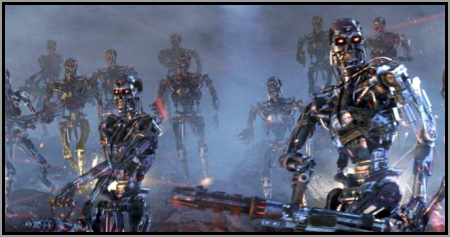
It looks like for the 5th time in the history of the Terminator franchise there will be a new owner. Lions Gate was an early bidder for the franchise’ rights which has been put up for sale by it’s current owner, Halcyon Group. Now that Lions Gate’s initial bid of $15million has set the starting price big -name studios like Sony and Warner in addition to mid-level ones such as Summit and Legendary have made their interest known that they may join in the bidding.
Whoever ends up with the rights to the franchise have much work to do in righting the ship. While Terminator Salvation made money even after factoring in it’s $200million budget it wasn’t the huge blockbuster Halcyon Group was hoping for thus the sale of the rights. Fans of the franchise have been fine with the series ending after the second film, but then a third was made and even that one most fans were on-board since it introduced the opening salvo of “Judgement Day” which have always been seen only in clips or as backstory exposition. Terminator Salvation was suppose to sate that interest, but instead might have sunk the franchise for good.
While future films in the franchise will always hold an interest for me I do think that the series (plus the rights to it) really should just go back to the man who began it all: James Cameron. He has made no effort to have his legal representatives even make an offer for the rights even though he could definitely afford to buy it back. I’m sure any studio would help him get it back if it meant a partnership in getting an iconic sci-fi franchise back to prominence. Cameron wouldn’t even have to be directing the film to get fans back on-board. As producer he would bring in the sort of dedication to get things right he always brings to all his projects.
The only problem is that Cameron seem to have moved on from the series and couldn’t care less what people do with it. Early naivete about how Hollywood worked in his early years in the business seem to have soured him on the franchise. Here’s to hoping that whoever does end up with the rights, at the very least, approaches Cameron about ideas and how they can get the franchise back on track.
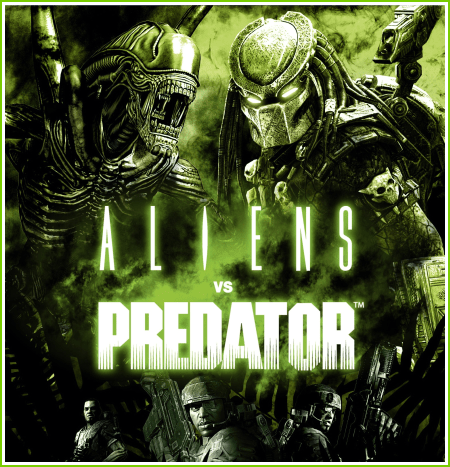
2010 is not even a month old and it already has two quality games already in the books with Platinum Games’ Bayonetta and Vigil Studios’ Darksiders. The end of January brings the heavily-anticipated follow-up to BioWare’s critically-acclaimed Mass Effect. Following in Mass Effect 2‘s wake will be Take-Two’s own sequel with the February 9th release of BioShock 2. The one game which seems to be running under most people’s radar is a little title from UK-based developer, Rebellion Developments. The game I speak of is the FPS-shooter simpy titled, Aliens vs. Predator.
That name alone should bring excitement to gamers who have played previous iterations of that very game on the PC years ago. Let’s just forget that the two films using that same name doesn’t even exist and concentrate on just how awesome this game seems to be turning out. The game’s premise is pretty simple from released info by the studio. It’s a FPS where three factions (Aliens, Predator and Colonial Marines) each have their own single-player campaign which would make-up the overarching storyline. Rebellion Developments knows that the single-player campaign shall be as epic as the films they’re based on, but in the end it is the multiplayer campaign where players get to play on-line with other players either as an Alien, a Predator or a Colonial Marine. I have a feeling that very last faction will be dying quite a bit when chosen by poorly-skilled on-line players.
The game will be coming out on February 16th here in North America with a February 19th release for Europe. The publisher handling it’s release will be SEGA with Rebellion Developments handling any updates, patching and future DLC for the game’s lifetime. As a special, albeit very pricey, extra for the gamer completist it looks like SEGA will be making available for pre-order a limited Hunter Edition of the game with loads of extras that may or may not justify a 99.99 dollar price tag.
Yes, my friends that is a fully-articulated face-hugger in that Hunter Edition. I think the only thing which would make it even better is if it could be remote-controlled to scuttle around. Other things in the Hunter Edition will be the collected edition of the original Dark Horse Comics’ Aliens vs. Predator mini-series. The game will be released on the PS3, Xbox 360 and Windows PC. Sorry, there’s no plans to release a Mac-version of the game. Sorry, Apple peeps.
I, for one, will be pre-ordering the Hunter Edition because that’s just how we player’s roll. here’s to hoping this game delivers on all that Rebellion has shown and promised the last couple years of its development.
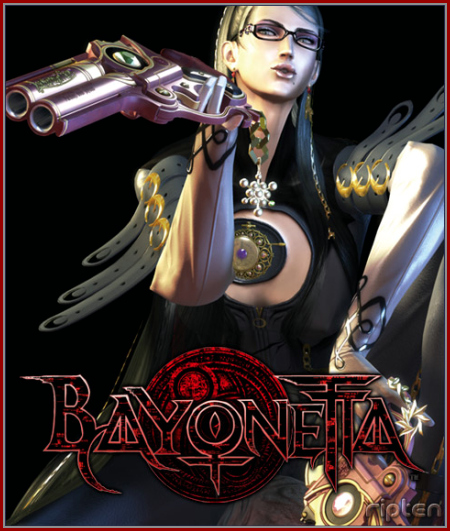
Hideki Kamiya is a name well-regarded by hardcore gamers everywhere. He was the man responsible for giving gamers the iconic action game series, Devil May Cry. The series lasted through four games and released to three different console systems (PS2, PS3, Xbox 360/Windows PC) and was seen by many gamers as one action series on par with Tomonobu Itagaki’s equally iconic franchise, Ninja Gaiden. In 2007, Platinum Games made an announcement about a game being directed by one of its founders (who happens to be Hideki Kamiya himself) that would make it’s way exclusively to the Xbox 360, but which in months ahead would get a PS3 port by way of the game’s publisher, SEGA. This game would turn out to be Bayonetta and looks to be the spiritual successor of Kamiya’s previous franchise, Devil May Cry.
The game received much buzz and fanfare from many gaming sites and bloggers. This was a game that would be a continuation of what Hideki Kamiya was doing with Devil May Cry over at the now-defunct Clover Studios at Capcom. With no news of another installment to the DMC series in the offing it was now up to Bayonetta to satisfy action game junkies the world over. Using the provocative titular character as a selling point for the game, Platinum Games’ was able to keep the title in the public’s consciousness but not so much that oversaturation would set in to create a backlash against a game that wasn’t even out yet when the middle part of 2009 rolled around.
After a couple of release date delays it is now January 2010 and the game has finally been released to both current generation console system in the Xbox 360 and the PS3. The game has turned out just as advertised and promised by Kamiya and his Platinum Games team. It is an action-packed title eerily reminiscent of Devil May Cry both in its presentation and it’s extremely fast gameplay. With Bayonetta developed independently of the much larger and previous employer of Kamiya and his team, the game uses the well-used over-the-top storyline and characters from DMC and adds a very oversexualized sheen to everything from Bayonetta herself to some of the many bosses and cutscenes in the game.
The game’s storyline takes place in a recognizable, albeit alternate Earth, where two clans of witches (the Umbra Witches and the Lumen Sages — Dark and Light respectively) have kept the world’s divine balance in check through the centuries. Using the prologue (and tutorial chapter) to explain some of the particulars as to what caused the destruction of both clans, the player learns some of the mystery behind the character of Bayonetta. She herself is one of the last remaining Umbran Witches who also happens to have forgotten her past as one. All she knows is that she acts as a sort of indepedent contractor for the daemonic side of the equation and hunts and kills the many angels sent by Heaven after her. The rest of the game is Bayonetta’s quest to learn more about her lost memories and to solve the puzzle of why Heaven is after her. Along the way much violence and mayhem ensues with her in the center and all of it heavily tinged with some of the mose provocative cutscenes, camera angles and dialogue outside of Japanese eroge‘s and dating sim games.
The gameplay is easy to pick up with the Y-button and the B-button on the Xbox 360 controller providing both punch and kick attacks respectively. The A-button is where the jump command is mapped to with the X-button relegated to action commands when not in combat and firing a simple pistol when in one. Players who are usually just button-mashers should be able to pull off tons of combos just randomly pressing all four buttons every which way but loose. True action game experts have access to pretty much all the combos in the game right from the beginning and will have a time of their life mastering and chaining all of them to try and get the best combo score in the several Verses which make up the sections in each Chapter (Stage) of the game. It’s pulling off these combos which fills Bayonetta’s magic meter and when full she can pull off the myriad of special finishing moves called Torture Attacks. These attacks are some of the more bizarre and inventive gameplay actions Platinum Games have brought to the action game genre. One Torture Attack has Bayonetta drop an Iron Maiden device behind her target which she then kicks repeatedly until they fly back into the device before it slams shut to kill them.
The one aspect of the combat mechanics in Bayonetta that helps both newbie and hardcore gamers alike is the addition of the “Witch Time Dodge” that could pulled off with the simple pull of the right trigger on the Xbox 360 controller. When a player pulls the right trigger (to dodge an attack)and successfully dodges an enemy who is about to land a blow the gameplay will purposely slowdown and the screen enter a purple-hazed time-delayed moment. It is in this moment which lasts between 5-10 seconds depending on the level of enemy being dodge that a player stays in regular speed while everything else on the screen stands still. This will allow a player to pull off a godly amount of attacks and combos not to mention avoid getting hit. Mastering the “Witch Time Dodge” is a necessity in the later stages of the game as enemies get stronger, faster and smarter in combat. Hopefully once a newbie player gets that deep in the game they’ve learned the nuances of the game and, at the very least, has gone beyond just button-mashing.
Each Verse in the 17 Chapters which make up the full game brings in an assortment of huge screen-filling Angelic Boss fights which raises the hectic and chaotic fights a player experiences. Some boss fights could end as quickly as under a minute depending on where the game’s difficulty level is set at to almost ten or more minutes. These mid-chapter bosses are not cheapies but could be as difficult to defeat as the big bosses which brings each chapter to a close. One thing which separates Bayonetta‘s fights, both regular and boss types, from other action games of its type is that they never feel cheap. They’re hard enough to do without being so mind-numbingly difficult (a la Ninja Gaiden) and with enough practice even a casual player could defeat in no time. They’re also not too easy that it takes away any sort of challenge and strategy from the gameplay. With patience and attention to detail about how the bosses behave the player can pull off Bayonetta’s Climax Moves which has her spooling out her hair to create a demonic portal for massive Infernal Demons (made up from her hair) which will finish off the bosses in question.
On the graphics and audio side of things Bayonetta ranks as one of the best games released on the Xbox 360. The game runs a consistent 60fps right from the get-go. There’s rarely a slow down in the game’s engine during gameplay even when the action gets extremely busy with the screen full of enemies all doing their own unique actions in addition to the player’s. When there is a slowdown it’s slight enough that it doesn’t cause the player’s commands to fail in pulling off attacks and combos. It actually seem to look like part of the game itself. Like adding a dramatic twist to the boss fight (where it usually occurs) right when the player is about to kill them off. There are some screen-tearing during certain parts of the game where the player navigates Bayonetta through the many varied Chapter environments, but like some of the rare slowdown in gameplay this graphical glitch doesn’t happen too often and when it does occur gameplay is not affected and didn’t pull me out of the gameplay moment.
The game’s art direction and design was well done with enough of an over-the-top 30’s Neoclassical look to the game’s locations to give Bayonetta a recognizable, but unique visual-style. The design of the Angelic host which make up the enemies in the game brings together the classical Renaissance-style of angels and heavenly figures and architecture, but with a slightly demented and disturbing twist to them. One mid-level boss is a flying two-headed dragon whose serpentine necks are attached to a body the size of a small mountain in the shape of a cherub’s face. Platinum Games design team should be commended in their work with Bayonetta. On their design alone I would recommend this game to others just for the sheer audacity of their chosen visual and design styles. But it’s Bayonetta’s look which will bring the most discussion amongst gamers.
Bayonetta I can only describe as combination of sexy British librarian, long-legged model dominatrix and sex personified. Bayonetta also pretty much spends a goodly amount of the game literally naked. I say this because her body-hugging leather outfit is actually created from the locks of her long hair which when she pulls off combo finishing moves (which is often) and Climax Attacks spool off of her body. While none of the special bits are ever shown a lot of skin do show up to be viewed. This design choice adds that touch of sexiness to the the ludicrous and imaginative designs throughout the game. Some may call this as Platinum Games using sex as a selling point for the game and they’ve been heard saying as such, but since that was the intent then people shouldn’t be shocked when they see it.
The voice over work in the game was actually pretty good. The lines of dialogue spoken were done so with panache and flowed well from the actors of the cast. Bayonetta’s voice actor gives the character a seductive and sexy British accent which just adds to an already oversexualized character. Innuendos and double-entendres flow from Bayonetta’s lips with the rest of the cast of characters on the receiving end. The dialogue was really nothing to write home about but when heard through Bayonetta they’re some of the most laugh out loud stuff to come out of games in a long while and will also elicit more than a few “WTF?!” moments. Again it all adds to the chosen decision by Hideki Kamiya and the Platinum Games team to create an over-the-top game which continues what they began with Dante in Devil May Cry.
Lastly, the music used I could only describe as a mixture of J-technopop, techno-jazz riffs and, in one instance, an amped up, bubblegum-pop jazz rendition of the classic song by Frank Sinatra, “Fly Me to the Moon.” Listening to this song as it plays throughout certain areas of the game does get old after awhile, but it still has a certain catchiness to it that I caught myself humming the tune myself while playing the game.
In the end, Bayonetta is one of those games which will appeal to both casual and hardcore gamers. The replay value from trying to unlock new items, costumes and difficulty levels (the hardest difficulty setting aptly named Non-Stop Infinite Climax) makes the game worth more than just one playthrough. The ease with which a player can pick up the game and become very adept in its combat mechanics makes it less of a niche game that only the elite of the elite action gamers could delve deeply into. This game is definitely not like Itagaki’s Ninja Gaiden or even Kamiya’s own Devil May Cry where the gameplay could get so difficulty and frustrating that it loses its appeal to most gamers who fail to see the fun in such a game. While the game itself is not perfect by any means there’s little the small flaws in the game can do to detract from the fun one will have playing it from beginning to end then playing it again to see what they can discover.
As an aside this review is from playing the Xbox 360 version which is superior in every way to the PS3 version whose development was actually given by Platinum Games to one of SEGA’s internal teams. The quality made by that decision of Platinum Games to outsource the port development definitely shows as the PS3 version’s graphics looks washed out, barely keeping a 30fps throughout the game (forget even getting 60fps) and too many long loading times some of which just ruins the game even for the most ardent PS3 supporter and fanboy. Really, the only place to play this game should be on the Xbox 360 and for those who own both systems I recommend they buy the Xbox 360 version.
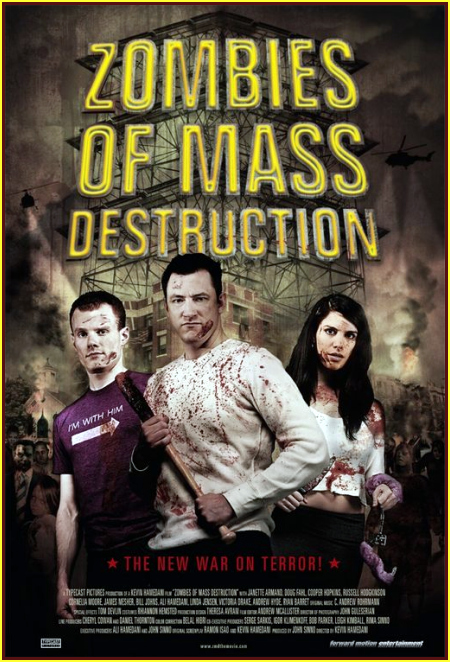
I must say that one thing which I find both great and awful about zombie films is how easy they are to make. When a great storyteller and/or filmmaker gets a hold of one they usually end up being some of the best allegorical horror stories and films out there. Now, those kinds are far and few to be read and seen. Most of the time anyone with a camera thinks they can make a zombie flick better than the next person. I see this as the film version of the so-called “The Next Great American Novel.” In the end, what they end up doing looks like something even the Mystery Science Theater 3000 guys wouldn’t find funny to even watch.
I’m not sure where Kevin Hamedani’s zombie flick or as he calls it, Zombies of Mass Destruction, stand on the good to awful meter. I will say that watching the trailer for this zombie flick, chosen to be part of After Dark Horrorfest’s latest 8 Films To Die For series, looks like it’s awful but with enough laughs to make it a fun flick. There’s one line in the trailer that just got me busting out laughing and it arrives at the 1:19 mark. There’s even a subtle crack at the Twilight team right at the end.
I definitely will be watching this once I can find a dvd of it. LOL.
I just came across this little piece of very creative writing. Let’s just say that it puts a nice take on the ending to John Carpenter’s The Thing. This short story definitely could be made into a very great short film. In the film we always thought the Thing was evil, but what if we actually got to see inside it’s mind and learned its motivations.





 Through the Shattered Lens