Afraid of the Dark (1991, directed by Mark Peploe)


Lucas (Ben Keyworth) is an 11-year-old boy who lives in London and who enjoys watching the neighborhood through his telescope.  Because Lucas’s mother is blind, Lucas is concerned that there is a serial killer who is going around and attacking blind women.  Lucas is determined to help his father (James Fox), an inspector with Scotland Yard, capture the killer.  Lucas starts to sneak out of the house, visiting cemeteries and spying on the same blind women that the killer is stalking.  Investigating on his own, Lucas discovers who the killer might be.

Or does he?

Outside of the imaginary world where he spends most of his time, Lucas is a shy boy and his father is not a detective but instead a florist.  While Lucas’s mother actually is blind, Lucas himself is starting to lose his eyesight as well.  Lucas is scheduled to undergo an experimental surgery.  He’s due to go under the knife, just as surely as the victims of the serial killer that he thinks he’s hunting.  Meanwhile, his mother is pregnant and the increasingly unstable Lucas is both obsessed with his older stepsister and jealous of all the attention that his new baby sister is already getting.

Afraid of the Dark is a British psychological thriller that deserves to be better known.  Intelligently written and directed Mark Peploe, it’s both a poignant and a frightening look at a child who, due to being forced to deal with something that few others can understand, has retreated so far into his own imaginary world (where he can be the hero) that he can no longer tell what is real and what isn’t.  Lucas is both frightening and sympathetic and the movie will keep viewers guessing as to what is real and what isn’t.  James Fox and Fanny Ardant are perfectly cast as Lucas’s parents and David Thewlis, Paul McGann, and Robert Stephens all make an impression as the men who Lucas investigates in his search for the serial killer.  Tense, intelligent, and surprising, Afraid of the Dark is a film that is worth discovering.

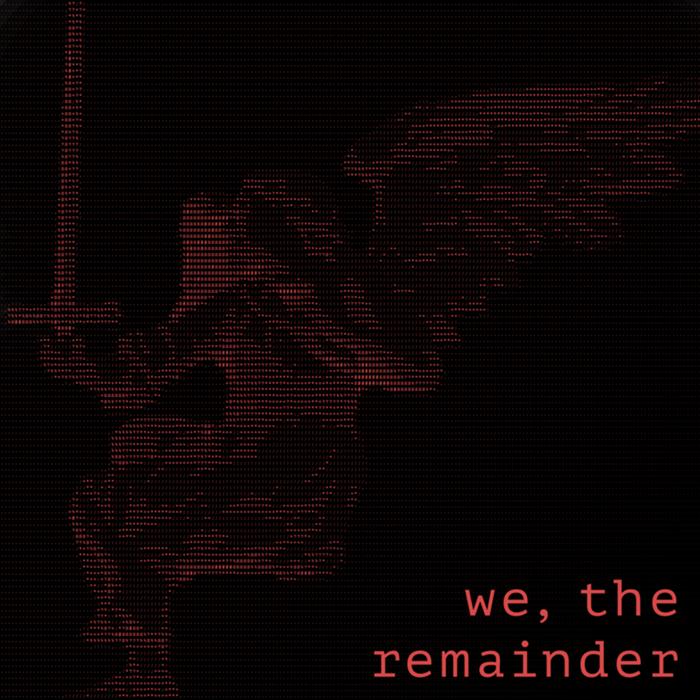
Game Review: we, the remainder (2021, Charm Cochran)


we, the reminder is an entrant in 2021 Interactive Fiction competition.  Browse and experience all of the games by clicking here.

Something has happened. Everyone that you ever knew, including your mother, vanished nearly a month ago. They went up into the air. You are alone in a dilapidated apartment building, confined to a wheelchair and running out of food. Through the living room window, you can see what appears to be a dead body on the street below. Go out into the hallway and you’ll discover the elevator is broken. The stairs are going to be a struggle to get down on your own. But it’s either that or starve to death. If you make it down the stairs, the world outside is a dangerous place and bad memories of your life in a religious cult are triggered. If you can find food, you’ll then be able to solve the mystery of where everyone has gone.

we, the remainder is a vividly written, horror and religious-themed Twine game, one that features a fair number of puzzles and which can be unforgiving if you don’t quickly figure out how to find food. (As I’ve said, puzzles are always my downfall when it comes to IF so I starved to death a few times.) Once you eat, though, the game is a rewarding exploration of a surreal but intriguing world. Play it, solve the mysteries, and be sure to keep a Bible nearby because having a working knowledge of the Book of Revelations will definitely help you out.

Play we, the remainder.

Music Video of the Day: Welcome to My Nightmare by Alice Cooper (1975, directed by Jorn Winther)


What better way to celebrate Halloween than with the original horror rocker himself, Alice Cooper?  Welcome To My Nightmare is one of Alice Cooper’s signature tunes and this early music video shows that, even before the advent of MTV, both Alice Cooper the singer and Alice Cooper the band understood the importance of matching the right image with the right song.

This video starts out with a Halloween-themed promo for MTV2.  Obviously, that was not a part of the original video but it’s still pretty cool.

What I like about Alice Cooper is that once he gets off-stage, he’s just a normal, golf-playing suburbanite.

Enjoy and Happy Halloween!

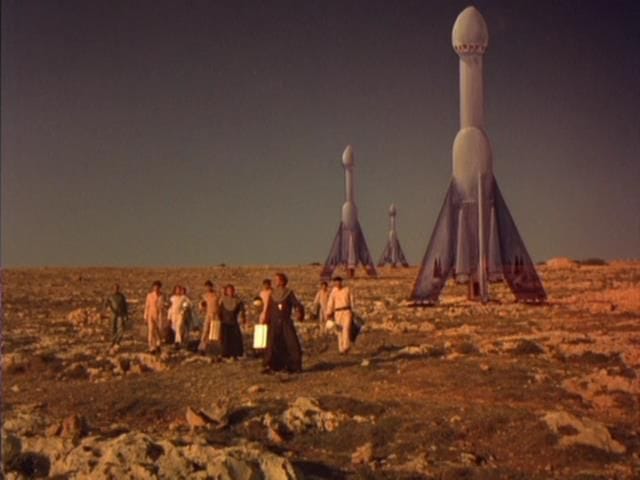
The Martian Chronicles: Episode 3: The Martians (1980, directed by Michael Anderson)


Episode 2 of The Martian Chronicles ended with Sam Parkhill (Darren McGavin) helplessly watching as Earth was consumed by nuclear fire.  Episode 3 opens with Col. John Wilder (Rock Hudson) returning to Earth in 2006 and discovered that the entire planet is dead.  He had hoped to find his brother and rescue him but instead, all Wilder finds is a video of his brother being vaporized by an atomic blast.

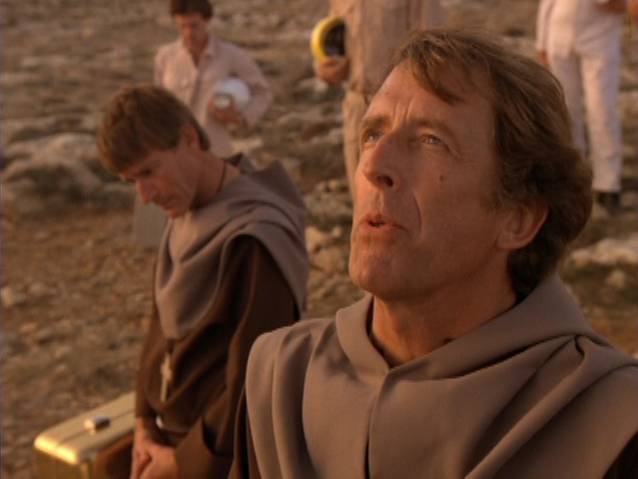
Back on Mars, the planet is nearly deserted.  Most of the human colonizers were ordered to return to Earth before the war broke out and, as a result, they died in the atomic inferno.  Only a few humans remain on Mars.  One of them, Ben Driscoll (Christopher Connelly), is excited to discover another survivor named Genevieve (Bernadette Peters) but he abandons her when he discovers that she’s too high-maintenance for him.  He decides he’d rather live alone.  (Too mean-spirited to really be funny, this was the weakest short story in Rad Bradbury’s collection and it’s also the weakest segment of the miniseries.)  Wilder and Father Stone (Roddy McDowall) visit another survivor, a scientist named Peter Hathaway (Barry Morse).  Peter lives with his devoted wife and daughter but when he dies of heart attack, they barely notice because they’re robots.

The first hour of the final episode of The Martian Chronicles is considerably weaker than the two episodes that proceeded it.  After the effective scenes of Wilder exploring Earth, the series is suddenly taken over by Christopher Connelly, playing a character that we’ve never seen before and who isn’t very likable.  The Ben and Genevieve sequence is weak and never that funny, despite Peters’s skill with comedy.  The sequence with Dr. Hathaway and the robots feels like a dry run for something Ray Bradbury would have written for The Twilight Zone.

Fortunately, the final segment of The Martian Chronicles swoops in to save the series.  Col. Wilder and his family spend the day camping at the same ancient Martian city where, during the first episode, Spender tried to convince Wilder not to allow Mars to be colonized.  While walking around the ruins of the city, Wilder meets what is either the ghost or the future projection of a Martian.  They have a friendly and philosophical conversation.  They talk about how The Martian doesn’t know if he’s from the past or if he’s from the future but it doesn’t matter.  Returning to his family, Wilder looks at their reflection in Briggs Canal and he say that, with Earth gone, they are now the Martians.  With Earth in ruins and only a few humans left, it’s up to the survivors to combine the ways of Earth with the ways of Mars and create a new world.  Though Hudson is usually held up as being the epitome of a stuff actor, when he made The Martian Chronicles, he had the right amount of gravitas to make the final scenes work.

The Martian Chronicles is an uneven miniseries.  The first episode is so good that the two that follow struggle to keep up.  But just, as in Bradbury’s book, the ending is perfectly realized and it still work, ever after all these years later.

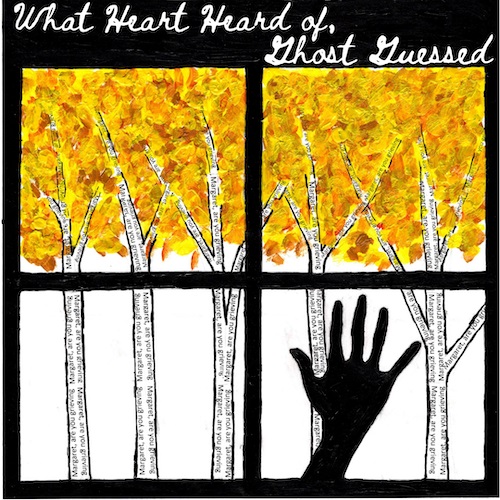
Game Review: What Heart Heard Of, Ghost Guessed (2021, Amanda Walker)


What Heart Heard Of, Ghost Guessed is an entrant in 2021 Interactive Fiction competition.  Browse and experience all of the games by clicking here.

First, I need to warn you that there’s a SPOILER in this review.  It’s not a huge spoiler but it might effect how you react to certain things that you discover while playing this game.

In What Heart Heard Of, Ghost Guessed, you discover yourself in a large gothic mansion.  You have no memories of how you came to be there.  You also have a very limited set of actions available to you.  This is because, and this is the SPOILER, you’re a ghost and you no longer know how to communicate with the world of the living.  Fortunately, if you were smart enough to accept the game’s opening offer of “helpful information,” you’ll have a list of a few verbs that you can use to escape the room that you’ve found yourself in and explore the house.  As you explore, you learn how to do things in your ghostly form, which in game terms means that you learn new verbs.  You also start to remember the disturbing circumstances of what led to you becoming a ghost in the first place.

This is a long but rewarding game, a throwback to the type of Interactive Fiction that balanced solving puzzles with telling stories instead of favoring one over the other.  The game’s unique command system takes some getting used to but it pays off.  Fortunately, there’s not only a very helpful Hints system but there’s also a walk-through, in case you really get stuck.  I got stuck but I always struggle with IF puzzles.  This is a well-written and thought-provoking game and one of the best of the entrants that I’ve played.  I highly recommend it.

Play What Heart Heard Of, Ghost Guessed.

Music Video of the Day: We’re So Close by Carly Simon (1979, directed by ????)


On August 1st, 1981, MTV premiered. Over the course of 24 hours, 116 unique music videos were played on MTV.  Yes, there was a time when the M actually did stand for music.

The 96th video to premiere on MTV was this soulful clip of Carly Simon performing We’re So Close.

Enjoy!

The First Videos Shown on MTV:

  1. Video Killed the Radio Star by the Buggles
  2. You Better Run by Pat Benatar
  3. She Won’t Dance With Me by Rod Stewart
  4. You Better You Bet By The Who
  5. Little Suzi’s On The Up by PH.D
  6. We Don’t Talk Anymore by Cliff Richard
  7. Brass in Pocket by Pretenders
  8. Time Heals by Todd Rundgren
  9. Take It On The Run by REO Speedwagon
  10. Rockin’ in Paradise by Styx
  11. When Things Go Wrong by Robin Lane & The Chartbusters
  12. History Never Repeats by Split Enz
  13. Hold On Loosely by .38 Special
  14. Just Between You And Me by April Wine
  15. Sailing by Rod Stewart
  16. Iron Maiden by Iron Maiden
  17. Keep On Loving You by REO Speedwagon
  18. Better Than Blue by Michael Johnson
  19. Message of Love by The Pretenders
  20. Mr. Briefcase by Lee Ritenour
  21. Double Life by The Cars
  22. In The Air Tonight by Phil Collins
  23. Looking for Clues by Robert Palmer
  24. Too Late by Shoes
  25. Stop Draggin’ My Heart Around by Stevie Nicks and Tom Petty and the Heartbreakers
  26. Do Ya Think I’m Sexy by Rod Stewart
  27. Surface Tension by Rupert Hine
  28. One Step Ahead by Split Enz
  29. Baker Street by Gerry Rafferty
  30. I’m Gonna Follow You by Pat Benatar
  31. Savannah Nights by Tom Johnston
  32. Lucille by Rockestra
  33. The Best of Times by Styx
  34. Vengeance by Carly Simon
  35. Wrathchild by Iron Maiden
  36. I Wanna Be a Lifeguard by Blotto
  37. Passion by Rod Stewart
  38. Oliver’s Army by Elvis Costello
  39. Don’t Let Me Go by REO Speedwagon
  40. Remote Control and Illegal by The Silencers
  41. Angel of the Morning by Juice Newton
  42. Little Sister by Rockpile with Robert Plant
  43. Hold On To The Night by Bootcamp
  44. Dreamin’ by Cliff Richard
  45. Is It You? by Lee Ritenour 
  46. Tusk by Fleetwood Mac
  47. He Can’t Love You by Michael Stanley Band
  48. Tough Guys by REO Speedwagon
  49. Rapture by Blondie
  50. Don’t Let Go The Coat by The Who
  51. Ain’t Love A Bitch by Rod Stewart
  52. Talk of the Town by The Pretenders
  53. Can’t Happen Here by Rainbow
  54. Thank You For Being A Friend by Andrew Gold
  55. Bring It All Home by Gerry Rafferty
  56. Sign of the Gypsy Queen by April Wine
  57. The Man With The Child In His Eyes by Kate Bush
  58. All Night Long by Raindow
  59. Boys Keep Swinging by David Bowie
  60. Rat Race by The Specials
  61. Once in a Lifetime by Talking Heads
  62. Victim by Bootcamp
  63. Tonight’s the Night (Gonna be Alright) by Rod Stewart
  64. Cruel to be Kind by Nick Lowe
  65. A Little In Love by Cliff Richard
  66. Wild-Eyed Southern Boys by 38 Special
  67. Wuthering Heights by Kate Bush
  68. Celebrate The Bullet by The Selecter
  69. More Than I Can Say by Leo Sayer
  70. A Message To You, Rudy by The Specials
  71. Heart of Glass by Blondie
  72. Oh God, I Wish I Was Home Tonight by Rod Stewart
  73. Kid by The Pretenders
  74. Come What May by Lani Hall & Herb Alpert
  75. I Got You by Split Enz
  76. Sister Disco by The Who
  77. Fashion by David Bowie
  78. Love Stinks by J. Geils Band
  79. Johnny and Mary by Robert Palmer
  80. Tomorrow by Shoes
  81. Prime Time by The Tubes
  82. Cruel You by Shoes
  83. Calling All Girls by Hilly Michaels
  84. I Was Only Joking by Rod Stewart
  85. Let’s Go by The Cars
  86. Do You Remember Rock’N’Roll Radio by The Ramones
  87. Ridin’ The Storm Out by REO Speedwagon
  88. You’re In My Heart by Rod Stewart
  89. So Long by Fischer Z
  90. I Don’t Want To Know by Robin Lane and the Chartbusters
  91. Go Back Home Again by Andrew Gold
  92. Time For Me To Fly by REO Speedwagon
  93. Rough Boys by Pete Townshend
  94. Dangrous Type by The Cars
  95. Turn It On Again by Genesis

The Martian Chronicles: Episode 2: The Settlers (1980, directed by Michael Anderson)


The first episode of The Martian Chronicles ended with a dying Jeff Spender (Bernie Casey) warning John Wilder (Rock Hudson) that humans settling on Mars would be the worst thing that could ever happen to the once powerful red planet.

The second episode, called The Settlers, sets about to prove Spender right.  By 2004, humans are desperately leaving the war-torn Earth for a new home on Mars.  They rename all of the Martian landmarks, honoring the men who died exploring the planet.  In one of the few deliberately funny moments of this entire miniseries, it’s revealed that the canal that Briggs threw his beer cans in was eventually named Briggs Canal.  There’s one unfortunate shot of a line of miniature space ships that are supposed to be orbiting Mars and waiting for their chance to land.  The episode then gets down to showing what the settlers do to Mars.
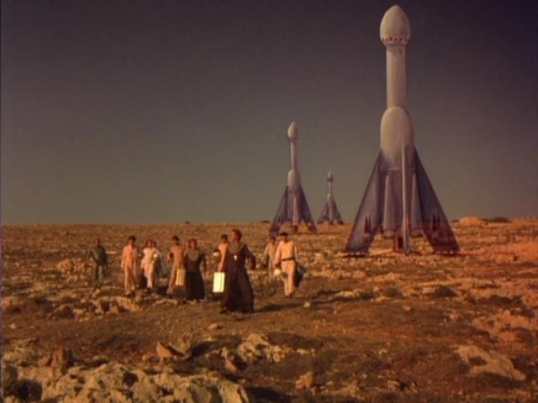
It’s nothing good.  The main town looks like a traveling carnival, full of bars and crime.  Many of the people who come to Mars are people who are fleeing something on Earth and Col. Wilder has his hands full trying to keep the peace.  All of the Martians are believed to be dead but it turns out that there are still a few out there.  Using their mental powers, they disguise themselves as humans.  A large part of the second episode deals with a Martian who approached an elderly couple, disguised as their dead son.  Even though they know that he’s not really their son, they allow him to live in their home.  But, when the Martian goes to the city, he becomes overwhelmed by all the thoughts that bombard his mind.  Everyone sees him as being someone that they care about.  Even the local priest, Father Peregrine (Fritz Weaver), sees the Martian as being Jesus.  (That’s no big deal today but that had to have been controversial in 1980.)  Eventually, the Martian becomes so overwhelmed that he dies while a group of humans gawk at him.

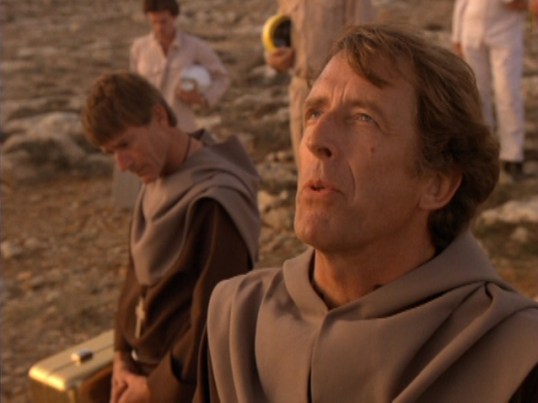
As for Father Peregrine and Father Stone (Roddy McDowall, who spent most of his later years appearing in miniseries like this one), they explore the Martian mountains, searching for three lights that have been reported as hovering in the sky.  When they find the lights, the lights explain that they are ancient Martians who long ago abandoned their corporeal bodies.  They also somewhat implausibly say that they worship the same God as the two priests.  In a departure from Bradbury’s original short stories (in which Bradbury was skeptical about the idea of bringing religion to the Mars), Father Peregrine commits to building a church so that, even on the Red Planet, people can worship.
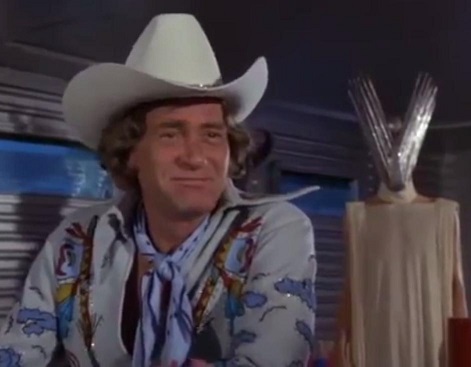
Finally, Sam Parkhill (Darren McGavin) has achieved his dream of building a restaurant on Mars.  He says that, as soon as more Earthlings arrive, he’ll be rich because every trucker will stop off at his place for a bite to eat.  When a Martian suddenly shows up in the diner, Parkhill panics and shoots him.  When more Martians show up, Parkhill flees.  It’s only when the Martians catch up to him does he learn that they’re giving him a grant for half the land on Mars.  “Tonight’s the night,” they tell him, “Prepare.”  Old Sam Parkhill’s pretty excited until he looks through a space telescope and sees that Earth, the home of his future customers, is now glowing with the sure sign of nuclear fire.  I can’t remember how old I was when I first saw this episode on late night Baltimore TV but I do remember being thoroughly freaked out by the scene where Sam watches as a fiery glow encircles the Earth and the planet’s green surface turns brown.  It’s the most powerful moment in the miniseries and a fitting visualization of Bradbury’s concerns about the nuclear age.
As for the rest of The Settlers, it’s good but it’s not as strong or as cohesive as the first episode.  The Martin shapeshifter story is good but the two priests in the mountains felt like they were included to keep religious viewers happy and their segment takes too many liberties with Bradbury’s original material.  Then, Darren McGavin returns to the story. dressed like a cowboy and getting chased by a Martian sandship and The Martian Chronicles goes back to being one of the coolest miniseries to ever be broadcast.

With Earth dead, would Mars follow?  That was the theme of the next episode of The Martian Chronicles, which we’ll look at tomorrow.

Game Review: Universal Hologram (2021, Kit Riemer)


Universal Hologram is an entrant in 2021 Interactive Fiction competition.  Browse and experience all of the games by clicking here.

Some games just aren’t going to be for everyone and that’s definitely the case with Universal Hologram, a Twine game where you live in a Martian colony and you learn how to astral project.  Astral projection leads to some wild dreams but it also leads to the discovery that you are living in a simulation.  It’s a long game, one that is more concerned with philosophy than it is with its plot.  Each action and decision is a chance for the game’s characters to discuss man’s place in the universe and the nature of reality.  If that’s your thing, you’re going to enjoy the game’s mix of the profane and the profound.  If you’re not into it and just looking for something more straightforward, you may get frustrated with Universal Hologram‘s deliberately enigmatic narrative.

Myself, though, I enjoyed it.  Twine games, by their nature, are best used for games that are like short stories with occasional choices as opposed o traditional puzzle-solving Interactive Fiction.  Twine games, above all else, reward good writing and Universal Hologram is very well-written.  Mars, the simulation, and the eccentric characters all come to life.  The game also includes computer-generated visuals, the better to put you into a dream state.  That the game is willing to risk alienating its players is one of the things that makes Universal Hologram stand out from so many other recent Interactive Fiction games.  I like games that take risks.

Play Universal Hologram.

Music Video of the Day: Turn It On Again by Genesis (1980, directed by ????)


On August 1st, 1981, MTV premiered. Over the course of 24 hours, 116 unique music videos were played on MTV.  Yes, there was a time when the M actually did stand for music.

The 95th video to premiere on MTV was the video for Turn It On Again, by Genesis.  Though the video wad largely performance clips, the song’s lyrics, dealing as they did with a man who was addicted to watching TV, predicted the future of MTV.

Enjoy!

The First Videos Shown on MTV:

  1. Video Killed the Radio Star by the Buggles
  2. You Better Run by Pat Benatar
  3. She Won’t Dance With Me by Rod Stewart
  4. You Better You Bet By The Who
  5. Little Suzi’s On The Up by PH.D
  6. We Don’t Talk Anymore by Cliff Richard
  7. Brass in Pocket by Pretenders
  8. Time Heals by Todd Rundgren
  9. Take It On The Run by REO Speedwagon
  10. Rockin’ in Paradise by Styx
  11. When Things Go Wrong by Robin Lane & The Chartbusters
  12. History Never Repeats by Split Enz
  13. Hold On Loosely by .38 Special
  14. Just Between You And Me by April Wine
  15. Sailing by Rod Stewart
  16. Iron Maiden by Iron Maiden
  17. Keep On Loving You by REO Speedwagon
  18. Better Than Blue by Michael Johnson
  19. Message of Love by The Pretenders
  20. Mr. Briefcase by Lee Ritenour
  21. Double Life by The Cars
  22. In The Air Tonight by Phil Collins
  23. Looking for Clues by Robert Palmer
  24. Too Late by Shoes
  25. Stop Draggin’ My Heart Around by Stevie Nicks and Tom Petty and the Heartbreakers
  26. Do Ya Think I’m Sexy by Rod Stewart
  27. Surface Tension by Rupert Hine
  28. One Step Ahead by Split Enz
  29. Baker Street by Gerry Rafferty
  30. I’m Gonna Follow You by Pat Benatar
  31. Savannah Nights by Tom Johnston
  32. Lucille by Rockestra
  33. The Best of Times by Styx
  34. Vengeance by Carly Simon
  35. Wrathchild by Iron Maiden
  36. I Wanna Be a Lifeguard by Blotto
  37. Passion by Rod Stewart
  38. Oliver’s Army by Elvis Costello
  39. Don’t Let Me Go by REO Speedwagon
  40. Remote Control and Illegal by The Silencers
  41. Angel of the Morning by Juice Newton
  42. Little Sister by Rockpile with Robert Plant
  43. Hold On To The Night by Bootcamp
  44. Dreamin’ by Cliff Richard
  45. Is It You? by Lee Ritenour 
  46. Tusk by Fleetwood Mac
  47. He Can’t Love You by Michael Stanley Band
  48. Tough Guys by REO Speedwagon
  49. Rapture by Blondie
  50. Don’t Let Go The Coat by The Who
  51. Ain’t Love A Bitch by Rod Stewart
  52. Talk of the Town by The Pretenders
  53. Can’t Happen Here by Rainbow
  54. Thank You For Being A Friend by Andrew Gold
  55. Bring It All Home by Gerry Rafferty
  56. Sign of the Gypsy Queen by April Wine
  57. The Man With The Child In His Eyes by Kate Bush
  58. All Night Long by Raindow
  59. Boys Keep Swinging by David Bowie
  60. Rat Race by The Specials
  61. Once in a Lifetime by Talking Heads
  62. Victim by Bootcamp
  63. Tonight’s the Night (Gonna be Alright) by Rod Stewart
  64. Cruel to be Kind by Nick Lowe
  65. A Little In Love by Cliff Richard
  66. Wild-Eyed Southern Boys by 38 Special
  67. Wuthering Heights by Kate Bush
  68. Celebrate The Bullet by The Selecter
  69. More Than I Can Say by Leo Sayer
  70. A Message To You, Rudy by The Specials
  71. Heart of Glass by Blondie
  72. Oh God, I Wish I Was Home Tonight by Rod Stewart
  73. Kid by The Pretenders
  74. Come What May by Lani Hall & Herb Alpert
  75. I Got You by Split Enz
  76. Sister Disco by The Who
  77. Fashion by David Bowie
  78. Love Stinks by J. Geils Band
  79. Johnny and Mary by Robert Palmer
  80. Tomorrow by Shoes
  81. Prime Time by The Tubes
  82. Cruel You by Shoes
  83. Calling All Girls by Hilly Michaels
  84. I Was Only Joking by Rod Stewart
  85. Let’s Go by The Cars
  86. Do You Remember Rock’N’Roll Radio by The Ramones
  87. Ridin’ The Storm Out by REO Speedwagon
  88. You’re In My Heart by Rod Stewart
  89. So Long by Fischer Z
  90. I Don’t Want To Know by Robin Lane and the Chartbusters
  91. Go Back Home Again by Andrew Gold
  92. Time For Me To Fly by REO Speedwagon
  93. Rough Boys by Pete Townshend
  94. Dangrous Type by The Cars

Great Moments In Television History: Doctor Who Begins Its 100th Story


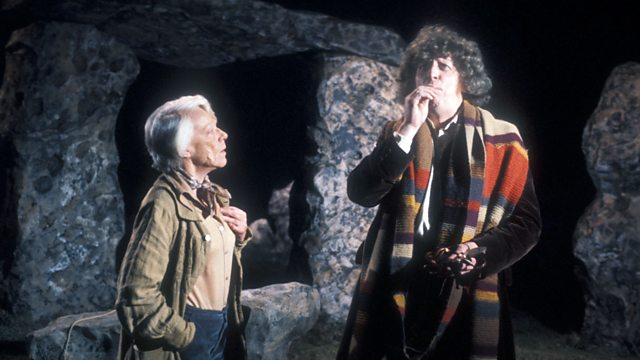
Forty-three years ago, on October 28th, 1978, the first episode of the 100th story of Doctor Who was broadcast in the UK.

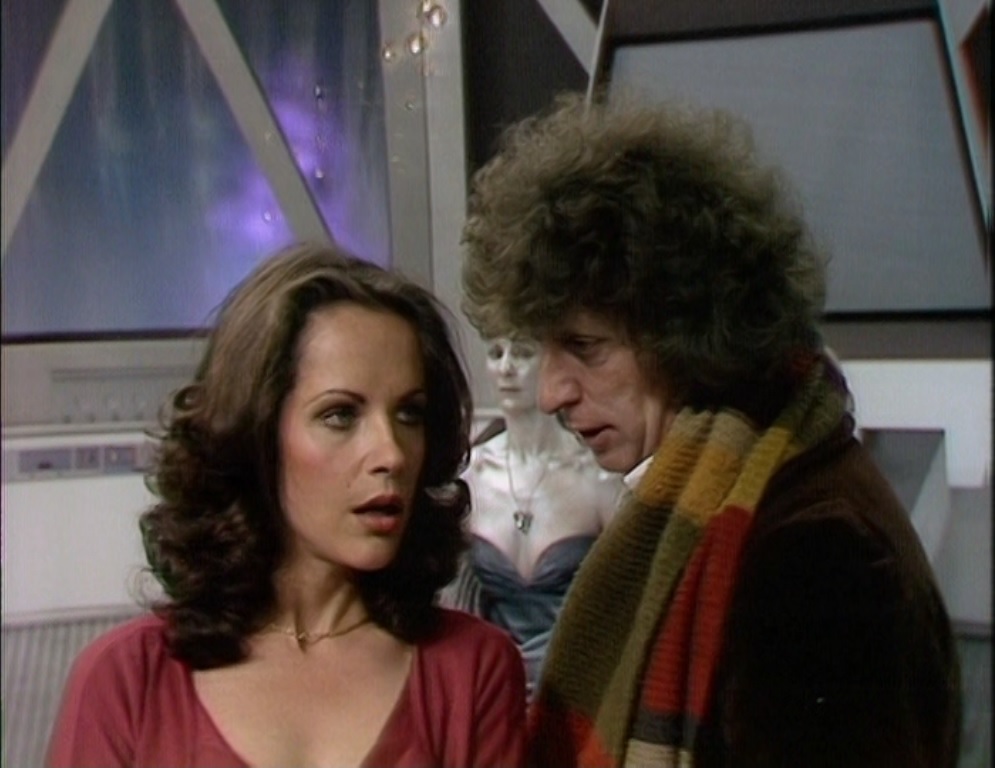
The Stones of Blood, as the story was named, was a part of the season-long quest for the separate pieces of the Key to Time. The Doctor (played, in his fourth television incarnation, by Tom Baker) and his companions, Romana (Mary Tamm) and K-9 (voiced by John Leeson) traveled across time and space, searching for the pieces. The catch was that each piece was disguised as something that didn’t look like it would be a part of a key. So, the Doctor would have to fight space pirates, space androids, and even space prisoners before managing to figure out what each piece was disguised as.

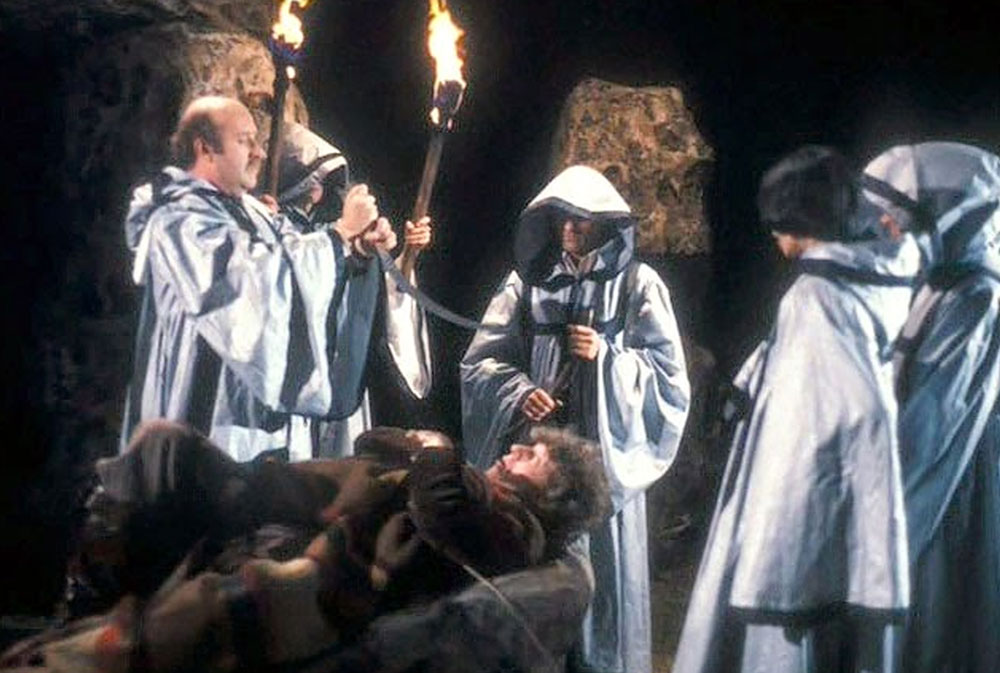
The Stones of Blood was a four-part story. The first two parts find the Doctor and his companions on Earth, investigating a set of standing stones in Cornwall and fighting a group of modern-day druids. The second half of the story moves the action to a prison ship, where the Doctor pursues an intergalactic thief who has stolen one of the stones. In fact, the thief has stolen the most important of the stones because it’s actually a piece of the Key of Time.

The Stones of Blood is middle-of-the-road Doctor Who. It starts out strong. My favorite episodes of the original Doctor Who are almost always the ones that bring the Doctor back to the UK. The earthbound episodes usually have more humor and they don’t suffer from the handicap of having to create an alien world out of cardboard and papier-mâché. The use of the standing stones especially gives this episode an even more British feel than usual. Once the action moves to the prison ship, things get much less interesting. Tom Baker is an acquired taste for some but he’s always been one of my favorite Doctors and whenever I see any of the Key of Time episodes, I always think it’s unfortunate that Baker and Mary Tamm apparently didn’t enjoy working together. She’s been overshadowed by Lalla Ward’s interpretation of the character but Mary Tamm’s Romana was intriguing as well. It was always interesting to see the Doctor have to work with someone who took the rules of time and space seriously.

It may be hard to believe now but, when Doctor Who began in 1963, it’s doubtful anyone expected that it would be still going strong in 1978. Certainly, no one would have expected it to still be as popular as it is in 2021. Much like the Doctor, Doctor Who has proven to be indestructible.

Previous Great Moments In Television History:

  1. Planet of the Apes The TV Series
  2. Lonely Water
  3. Ghostwatch Traumatizes The UK
  4. Frasier Meets The Candidate
  5. The Autons Terrify The UK
  6. Freedom’s Last Stand
  7. Bing Crosby and David Bowie Share A Duet
  8. Apaches Traumatizes the UK