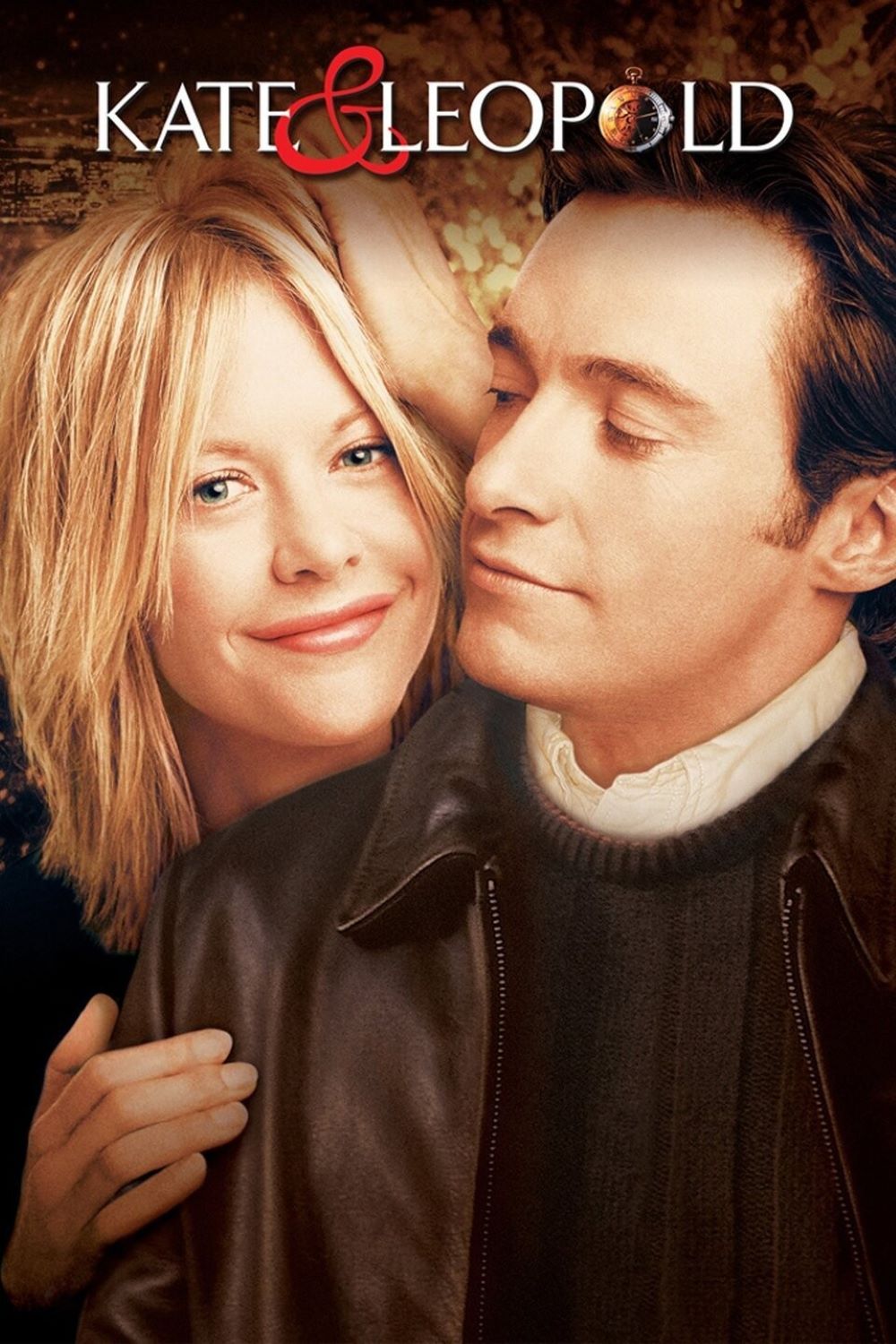
Review: Kate & Leopold (dir. by James Mangold)


“What has happened to the world? You have every convenience and comfort, yet no time for integrity.” — Leopold

Kate & Leopold is one of those romantic comedies that sneaks up on you with its old-school charm, even if it doesn’t always stick the landing. Released in 2001, it catches Hugh Jackman right after his breakout as Wolverine in the first X-Men film, during that early stretch of hits leading toward epics like The Fountain, giving him a chance to shine in pure rom-com mode before the superhero world fully claimed him. It’s a time-travel tale starring Jackman as a 19th-century duke and Meg Ryan as a modern-day exec, and while it’s predictable in spots, it delivers some genuinely sweet moments amid the silliness, boosted by his fresh, pre-typecast appeal.

The setup is pure fantasy fodder. Leopold, the third Duke of Albany, lives in 1876 New York, tinkering with an elevator prototype that accidentally rips a hole in time. His descendant Stuart, a bumbling scientist played by Liev Schreiber, drags him to the present day. Leopold lands in modern Manhattan, bewildered by cars, skyscrapers, and people who don’t stand when a lady enters the room. Enter Kate McKay, Meg Ryan in full quirky career-woman mode, who’s too busy chasing a promotion to notice the fish-out-of-water nobleman crashing at her place. Her roommate Charlie, a slacker pianist, thinks Leopold’s a method actor at first, leading to some fun roommate hijinks.

What works best is Hugh Jackman’s effortless charisma as Leopold. He nails the role with wide-eyed wonder and impeccable manners, riding a horse through Central Park to chase a mugger, whipping up gourmet meals from sparse ingredients, and delivering lines about life’s simple pleasures—like how food must taste good to nourish the soul—with total sincerity. It’s disarming. Leopold isn’t just a pretty face; he’s a walking critique of 21st-century rudeness. When he calls out advertisers for peddling tasteless margarine or marvels at how folks wolf down burgers without savoring them, you can’t help but chuckle. His old-world chivalry clashes hilariously with New York’s hustle, like when he stands every time Kate leaves the table, leaving her exasperated but secretly charmed.

Meg Ryan holds up her end too, bringing that familiar rom-com energy she perfected in the ’90s. Kate’s a high-powered market researcher obsessed with a big pitch for some farmer’s butter spread—ironic, given Leopold’s later meltdown on set. She’s jaded from a recent breakup with Stuart, prioritizing work over everything, but Leopold slowly cracks her shell. Their first real connection comes over a picnic where he waltzes her around a rooftop to a hired violinist, and yeah, it’s corny, but Jackman sells it. Ryan’s got great chemistry with him; you buy their spark even when the script strains. Liev Schreiber steals scenes as Stuart, evolving from jealous ex to unlikely matchmaker, while Breckin Meyer adds comic relief as Charlie, who learns to woo his crush by channeling Leopold’s authenticity.

The fish-out-of-water gags land most of the laughs. Leopold navigating subways, elevators (his invention, after all), and TV commercials feels fresh enough, especially since the movie leans into his culture shock without overdoing slapstick. There’s a memorable bit where he tours modern New York, gaping at the Brooklyn Bridge and declaring it a marvel, only to learn it’s named after his investment. Director James Mangold keeps things light, blending screwball elements with a touch of Somewhere in Time nostalgia. The score swells romantically, and the production design pops—Leopold’s Victorian tux against neon signs is a nice visual contrast. Early 2000s rom-coms loved these fish-out-of-water tales—like The Holiday or Two Weeks Notice—but this one stands out for its sincere take on manners as a cure for modern cynicism.

But let’s be honest: Kate & Leopold has flaws that keep it from greatness. The time-travel rules are fuzzy at best. Leopold has to return to 1876 or the timeline implodes—elevators stop working, chaos ensues—but it’s hand-waved with vague portal talk. Stuart’s asylum stint feels mean-spirited, and the third act rushes into melodrama. Some supporting bits drag, like the endless ad pitch subplot, and the pacing dips mid-film when everyone’s just hanging out. The plot’s contrived overall, with that bridge-jump climax feeling abrupt, but the earnest vibe carries through.

Still, the romance earns its payoff. Kate and Leopold aren’t insta-lovers; they bicker over integrity versus ambition, with Leopold pushing her to taste life fully and Kate grounding his idealism. Their Central Park chase and final ball scene in 1876 deliver genuine swoon factor. It’s not subversive—Kate ditches her career for corsets, after all—but it celebrates courtesy and heart in a cynical world. Compared to edgier rom-coms like When Harry Met Sally, this one’s softer, more fairy tale than reality check. Ryan’s quirky energy bounces off Jackman’s poise, creating sparks that feel earned, even if the career sacrifice lands a bit dated now.

For a 2001 release, it holds up surprisingly well. No cell phones dominate every scene, letting face-to-face charm shine. Jackman’s glow makes Leopold believable as a duke who’d invent the elevator, and Ryan reminds us why she was America’s sweetheart. It’s PG-13 for mild language and innuendo—nothing racy, safe for date night or family viewing. Critics were mixed; some praised the manners humor but called the plot preposterous, which nails it. Watch it today, and it’s a charming time capsule, as out-of-step as Leopold in a subway.

Review: Send Help (dir. by Sam Raimi)


“We’re not in the office anymore, Bradley.” — Linda Liddle

Sam Raimi’s Send Help is a nasty, funny, and surprisingly romantic little pressure cooker that strands two archetypes—the mousy doormat and the smug rich kid—on a desert island and then slowly turns the screws until the film’s “eat the rich” satire curdles into genuine horror. It is neither the triumphant, all‑timer comeback some fans might crave nor a lazy retread, but a confident mid‑budget horror‑comedy from a director who still knows exactly how to make an audience wince and cackle in the same breath.

Raimi and writers Damian Shannon and Mark Swift build Send Help on a simple but potent premise: Linda Liddle (Rachel McAdams), a meek corporate strategist and survival‑show obsessive, has been promised a promotion by her former boss, only for the new CEO—his son Bradley Preston (Dylan O’Brien)—to hand the job to his frat‑bro buddy Donovan and try to shuffle Linda into a dead‑end role. He finds her embarrassing and even comments on her smell; she swallows the humiliation until a company plane trip to a business summit ends in a violent crash, leaving Linda and Bradley as the only known survivors on a remote island in the Gulf of Thailand. Out here, Linda’s years of reality‑TV survival fandom and wilderness prepper skills suddenly matter, while Bradley’s only proven talents—golf, networking, and cruelty—are exposed as useless.

The first act, set in the office and on the doomed flight, plays as Raimi’s version of workplace horror, pitched somewhere between Drag Me to Hell’s moral fable and a nastier episode of The Office. McAdams leans into Linda’s awkwardness without turning her into a caricature, sketching a woman who has internalized decades of minor humiliations and found solace in parasocial survival fantasies. O’Brien, meanwhile, riffs on the archetype of the tech‑adjacent finance bro, weaponizing charm into something brittle and mean so that every “joke” lands like a micro‑aggression. Raimi shoots these early scenes with brisk, unfussy energy, reserving his more flamboyant camera moves for moments when Linda’s resentment starts to spike; the tonal hint is clear that the island will be where his signature style truly erupts.

Once the plane goes down, Send Help shifts into a survival thriller that gradually becomes a duel, and this is where the film finds its most compelling rhythm. Linda wakes up, builds a shelter, secures water, and—crucially—chooses to help the injured Bradley despite every reason not to, only to be met with the same entitled barking as in the office. She abandons him for days to bake in the sun and dehydrate, only to return at the brink and ration out water on her terms, turning what could have been a straightforward revenge fantasy into a looping series of power reversals. Raimi milks the island setting for physical comedy—failed fire‑starting, slapstick injuries, disgusting food gags—before undercutting the laughs with sudden spikes of cruelty and violence that remind you someone could easily die out here.

Raimi’s direction is where Send Help most clearly announces itself as his homecoming to horror. Even without demons or supernatural curses, he brings back the aggressive visual language: lunging crash zooms, canted angles that seem to tilt with Linda’s shifting moral compass, and kinetic tracking shots that whip around the camp as arguments turn into physical scuffles. The gore is heightened but not constant—geysers of blood appear at key turning points, functioning as exclamation marks on the escalating class war rather than wall‑to‑wall splatter. You can still feel the Three Stooges in the staging; even the nastiest beats often end on a punchline built around bodily fluids, improvised weapons, or the absurd indignity of almost dying because you slipped on a fish.

Tonally, the film walks a provocative tightrope between screwball rom‑com and survival horror, and your mileage will depend on how much whiplash you are willing to embrace. There are scenes that play almost like a twisted date movie—Linda cooking up makeshift dinners, trying to build a semblance of “home,” Bradley begrudgingly softening—only for the dynamic to swerve back into emotional manipulation or outright brutality. The film clearly flirts with the tradition of 1930s battle‑of‑the‑sexes comedies, but here the gender and class politics are sharper, and the potential for lethal violence never disappears. For some viewers, this constant oscillation will feel thrillingly unstable; for others, it may make the film’s ultimate stance on these characters’ relationship and culpability feel muddier than intended.

Narratively, Send Help borrows its class‑flipped survival template from the kind of satirical, wealth‑skewering stories where workers suddenly control the only skills that matter. The formerly “lowly” employee—in this case Linda rather than a bathroom janitor or ship’s cleaner—suddenly dictates the terms of existence, upending the old hierarchy once the corporate infrastructure is gone. Where broader ensemble satires linger on systemic critique, Raimi narrows the focus to a two‑hander and uses genre excess to explore how vengeance, desire, and survival blur together when the rules are erased. This narrower scope sometimes makes the class commentary feel schematic—you can spot each new reversal coming like a story beat in a screenwriting manual—but it also gives McAdams and O’Brien ample room to shade their roles.

Performance‑wise, McAdams is the film’s anchor and secret weapon. She charts Linda’s evolution from shy, apologetic office drone to ruthless island operator without losing sight of the character’s essential decency, so that her darker choices land as both cathartic and unsettling. O’Brien has the flashier arc in some ways, modulating Bradley from cartoonish jerk to scared, dependent man‑child and, eventually, something more morally ambiguous as he learns how to play the island power game himself. Their chemistry thrives on friction; the film is at its best when it lets them volley insults, bargains, and threats in long, increasingly twisted negotiations over food, shelter, and the possibility of rescue.

Where Send Help falters is largely in its final stretch, where Raimi has to decide just how far he’s willing to push the “eat the rich” fantasy and what that means for Linda’s soul. Without spoiling specifics, the climax leans into brutal spectacle and a last‑minute moral turn that some may read as a cop‑out and others as a necessary corrective to pure revenge porn. The thematic through‑line—that capitalism warps everyone it touches and that power corrupts even the formerly powerless—is coherent enough, but a few late plot contrivances and cameo‑style appearances from supporting players feel more functional than organic.

Ultimately, Send Help plays like a spiritual cousin to Drag Me to Hell: a small, mean moral tale about how a single workplace injustice can metastasize into something monstrous once the trappings of civilization fall away. It may not reinvent survival horror or class satire, and viewers hoping for the wild supernatural invention of Evil Dead II or the operatic sweep of Spider‑Man 2 might find it comparatively contained. But as a brisk, roughly 100‑minute showcase for Raimi’s enduring flair, anchored by a terrific McAdams performance and a gleefully ugly sense of humor, it is a welcome return to the genre that made his name—and a reminder that sometimes the scariest demons are just your coworkers, stripped of HR and given a machete.

Join #MondayMania For The Wrong Stepmother!


Hi, everyone!  Tonight, on twitter, I will be hosting one of my favorite films for #MondayMania!  Join us for 2019’s The Wrong Stepmother!

You can find the movie on Prime and Tubi and then you can join us on twitter at 9 pm central time!  (That’s 10 pm for you folks on the East Coast.)  See you then!

4 Shots From 4 Films: Special Early Bill Murray Edition


4 Shots From 4 Films is just what it says it is, 4 shots from 4 of our favorite films. As opposed to the reviews and recaps that we usually post, 4 Shots From 4 Films lets the visuals do the talking.

Admittedly, it is not Bill Murray’s birthday today but it’s not really anyone else’s birthday either (and don’t you dare say Paul Mescal because you need to be around for a long while to get one of these appreciation posts).  Today is Groundhog Day and, even though the production of the movie of the same name was not exactly harmonious by most accounts, it is one of the movies that has come to define everything that people love about Bill Murray.

So today, it just seem appropriate to share….

4 Shots From 4 Bill Murray Films

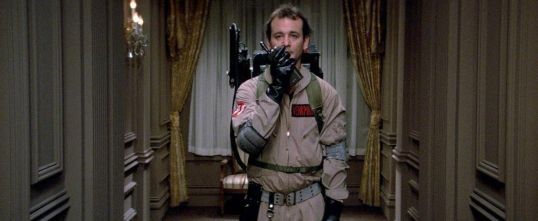
Ghostbusters (1984, dir by Ivan Reitman, DP: Laszlo Kovacs)

Groundhog Day (1993, Dir. by Harold Ramis, DP: John Bailey)

Rushmore (1998, dir by Wes Anderson, DP: Robert Yeoman)

Lost In Translation (2003, dir by Sofia Coppola, DP: Lance Acord)

Monday Live Tweet Alert: Join Us For Millennium!


As some of our regular readers undoubtedly know, I am involved in hosting a few weekly live tweets on twitter and occasionally Mastodon.  I host #FridayNightFlix every Friday, I co-host #ScarySocial on Saturday, and I am one of the five hosts of Mastodon’s #MondayActionMovie!  Every week, we get together.  We watch a movie.  We snark our way through it.

Tonight, for #MondayActionMovie, the film will be 1989’s Millennium!

It should make for a night of fun viewing and I invite all of you to join in.  If you want to join the live tweets, just hop onto Mastodon, find the movie on YouTube and hit play at 8 pm et, and use the #MondayActionMovie hashtag!  The  watch party community is a friendly group and welcoming of newcomers so don’t be shy.   

See you soon!

Music Video of the Day: Time Has Come Today by The Ramones (1983, dir by Francis Delia)


In today’s music video of the day, we visit the Church of the Ramones, where the band is energizing the congregation with a cover of The Chambers Brothers’s Time Has Come Today.

And indeed the time has come.  It’s Groundhog Day!  For the first time this year, someone is going to tell the future!

ENJOY!

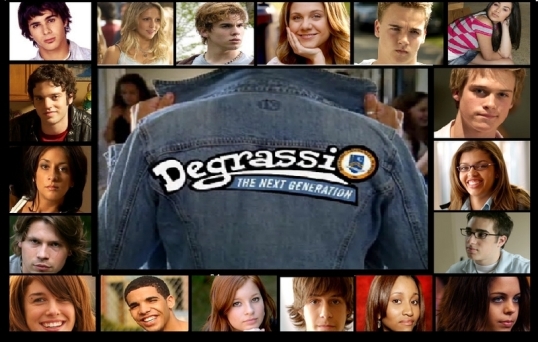
Late Night Retro Television Review: Degrassi: The Next Generation 2.4 “Karma Chameleon”


Welcome to Late Night Retro Television Reviews, a feature where we review some of our favorite and least favorite shows of the past!  On Sunday, I will be reviewing the Canadian series, Degrassi: The Next Generation, which aired from 2001 to 2015!  The series can be streamed on YouTube and Tubi.

This week, several important characters make their first appearances!

Episode 2.4 “Karma Chameleon”

(Dir by Stefan Sciani, originally aired on October 21st, 2002)

This week, Ellie makes her first appearance!

Though she doesn’t do much in this episode, Ellie Nash (Stacey Farber) would go on to become one of the most important characters on Degrassi: The Next Generation.  (And Farber herself would go on to have one of the more-successful post-Degrassi careers of the show’s regulars.)  When I first watched Degrassi, I related to Ellie, largely because we both had red hair, we both tended to wear black, and we both had a weakness for Craig Manning.  (There was another reason why I related to Ellie but I won’t go into that until we reach season 3.)  Now that I’ve gotten older, I can see that, in high school, I actually had more in common with the overly dramatic Ashley Kerwin than I did with Ellie but still, Ellie is one of Degrassi’s best characters.

In her first appearance, Ellie refuses to move to another computer, despite Paige ordering her to so that Paige can sit next to Hazel.  Later, she provides some sarcastic comfort to Ashley after Ashley’s latest poorly conceived plan blows up in her face.  “That went well,” Ellie says and yes, it’s a little bit snarky but that’s what made Ellie so cool.  As I said, Ellie doesn’t do much in this episode.  (Stacey Farber wouldn’t become a regular until the third season.)  But she definitely makes an impression.

As for Ashley, she spends this episode trying to get back into everyone’s good graces.  Following Terri’s suggestion, Ashley swallows her pride and apologizes to Paige, Jimmy, and Sean.  Everyone seems to be willing to forgive Ashley, except for Paige.  Paige continually warns everyone that Ashley is just being manipulative.  Jimmy, however, wants to restart his romantic relationship with Ashley.  But when Sean calls Ashley and asks her on a date, Ashley happily accepts.  Terri says that Ashley is going to hurt Jimmy if she goes out with Sean because Jimmy thinks that he and Ashley are about to get back together.

Ashley rolls her eyes, explains that she’s single, and then tells Terri that “Ter, one day when a guy likes you, you’ll understand how this works.”

AGCK!

I mean, actually, Ashley’s right.  She didn’t tell Jimmy that she wanted to get back together again.  (She did say that she missed having Jimmy around and I would say that Ashley should have been able to guess how Jimmy would interpret that, given their past relationship.)  And there’s no reason why she shouldn’t date Sean Cameron if she wants to.  And, for that matter, no one likes Terri.

(At least not yet.  Eventually, Terri’s first boyfriend will end putting her in a coma and then shooting up the school but that’s a while off….)

But Ashley definitely could have put things a bit more diplomatically.  One reason why I cringe so much watching this is because I can remember saying similar stuff when I was a teenage and not understanding why people got offended until many years later.  Ellie never would have said something like that.

Meanwhile, Toby has a girlfriend!  Kendra Mason (Katie Lai) loves anime even more than Toby!  The only problem is that …. KENDRA IS SPINNER’S ADOPTED SISTER!  At first, Toby is terrified to talk to Kendra because of Spinner.  But Toby finally finds the courage to stand up to Spinner and tell him that he’s going to talk to Kendra whether Spinner likes it or not.  Spinner says that he will disembowel Toby is Toby hurts his sister.  Toby says he’s prepared for that.  (Toby, never prepare for something like that.)  It’s nice that Toby has a girlfriend and can presumably stop whining about Emma liking Seasn.  It’s just too bad that Kendra’s going to vanish after this season and never be mentioned again, not even by her protective older brother.

Also, all the boys in school are in love with the new science teacher, Ms. Hatzilakos (Melissa DiMarco).  This was Hatzilakos’s first appearance.  It’s only one scene of Spinner and Jimmy drooling at their desks.  Of course, Ms. Hatzilakos is destined to eventually become principal of Degrassi and her son Peter will eventually enroll as a student, break a lot of hearts and law, and write the deathless song House Arrest.

Anyway, Jimmy gets mad at Ashley.  Sean gets mad at Ashley and calls off their date.  Paige tells Terri that she has to make a choice between four years of being popular or four years of being an outcast and Terri decides to be popular.  Ashley breaks down crying as her school picture is taken.  So ends another happy episode of Degrassi!

Oh, this episode.  It’s actually pretty good for an Ashley episode.  And the freeze frame of Ashley getting her school picture taken as a tear sloppily rolls down her face?  That’s image pretty much sums up Degrassi perfectly.

Next week, Spinner is a part of a science experiment and …. well, this would never happen on American television.