4 Shots From 4 Films is just what it says it is, 4 shots from 4 of our favorite films. As opposed to the reviews and recaps that we usually post, 4 Shots From 4 Films is all about letting the visuals do the talking.
Today, the Shattered Lens wishes a happy birthday to director Mark L. Lester. It’s time for….
4 Shots From 4 Mark L. Lester Films
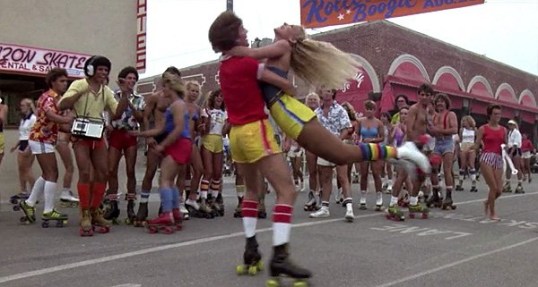
Roller Boogie (1979, dir by Mark L. Lester, DP: Dean Cundey)
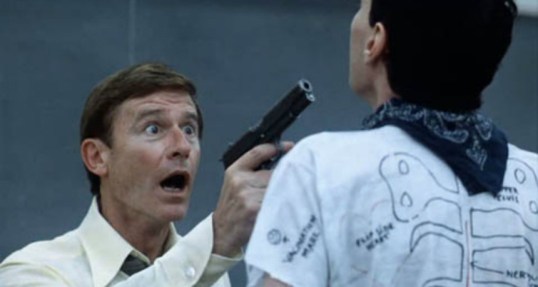
Class of 1984 (1982, dir by Mark L. Lester, DP: Albert Dunk)
Commando (1985, dir by Mark L. Lester, DP: Matthew Leonetti)
Public Enemies (1996, dir by Mark L. Lester, DP: Misha Suslov)
“One missing piece doesn’t make you any less whole.” — Ava Fremont
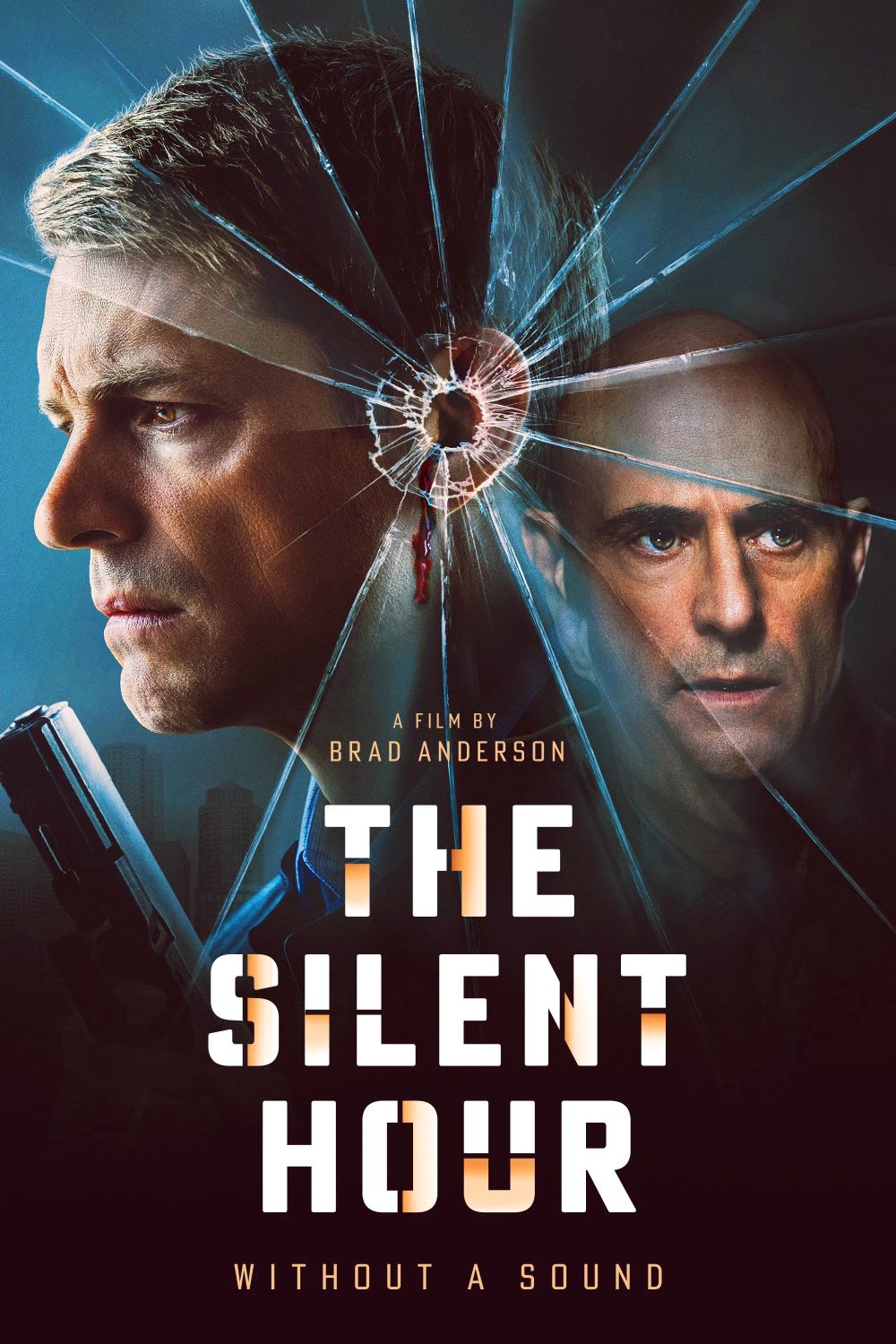
The Silent Hour is the kind of mid-budget thriller that used to quietly fill up Friday night multiplex lineups, and there’s something refreshing about that. It is not reinventing the genre, but it does just enough with its premise of hearing loss, a deaf witness, and a sealed-off apartment block to feel engaging instead of disposable. When it leans into that sensory angle and the physical geography of the building, it clicks; when it falls back on stock corrupt-cop beats, you can feel the air go out of the room a little.
The setup is straightforward: Boston detective Frank Shaw (Joel Kinnaman) is struggling with permanent hearing loss after an on-the-job accident, trying to find a way back onto the force and into his own life. He is brought in because he knows some sign language and is asked to help take the statement of Ava Fremont (Sandra Mae Frank), a deaf photographer who has video evidence of a brutal gang murder. Once Frank leaves her run-down apartment building, he realizes he forgot his phone, heads back, and walks straight into a hit team sent to silence Ava; the rest of the film traps them inside the almost-condemned complex with a crew of killers who, crucially, they often cannot hear coming.
Director Brad Anderson has always had a knack for tense, contained spaces, and you can feel the same instincts here that powered films like Session 9 and Transsiberian, even if The Silent Hour is more conventional. The apartment block is shot as a grim, half-abandoned maze: flickering lights, long hallways, and just enough remaining tenants to complicate any hope of a clean escape. Anderson stages several sequences as slow, creeping cat-and-mouse instead of wall-to-wall gunfire, which fits the “you can’t hear the danger” concept nicely and gives the movie a more claustrophobic vibe than the plot synopsis might suggest.
Where the film genuinely distinguishes itself is in how it uses sound—or sometimes refuses to use it. Scenes that shift into Frank’s perspective often dampen or distort the audio, letting the score fall away so small vibrations, visual cues, and body language carry the tension, while Ava’s point of view goes further, dropping into near-total silence and forcing the audience to scan frames the way she would. It is not as radical as something like A Quiet Place, but it is effective, and the sound department clearly understands that “absence” can be as expressive as any bombastic action mix.
Kinnaman slides comfortably into this kind of bruised, low-key action role, and here he plays Frank as a guy permanently half a step behind the world around him, frustrated but not wallowing. The script gives him some predictable beats—guilt, self-destructive drinking, a shot at redemption—but Kinnaman sells the physical awkwardness of someone relearning how to move and work while not fully trusting his own body. Sandra Mae Frank is the movie’s secret weapon, though; as Ava, she never reads as a passive victim, and there is a practical, almost sardonic edge to the way she navigates the situation that helps keep the film from turning mawkish about disability.
The dynamic between Frank and Ava is also where the film finds its heart, even if it is pretty lightly sketched. Their communication is messy at first—his sign language is rusty and limited, hers is fast and precise—but that awkwardness becomes part of the tension, because a misread sign or delayed understanding can get people killed in this environment. As they settle into a rough rhythm, the movie quietly nudges Frank toward accepting that his hearing loss is not just a temporary obstacle but a permanent part of who he is now, and Ava is allowed to be more than a symbolic “guide” through that, with her own fears and bad decisions hanging over her.
On the flip side, the actual crime plot is about as standard as they come. The villains are corrupt cops cleaning up a messy murder, and if you have seen more than a couple of thrillers, you will probably guess who is dirty long before the script “reveals” it. There are a few half-hearted attempts at moral compromise and temptation—a hefty bribe, old loyalties—especially around Frank’s former partner Doug Slater (Mark Strong), but the story never digs into systemic rot or moral ambiguity in any meaningful way; it just uses corruption as a convenient engine to keep the bullets and double-crosses coming.
Structurally, the film works best as a series of mini-scenarios inside the building rather than as a twisty conspiracy. You get sequences where Frank and Ava navigate dark stairwells while trying to stay ahead of men they can feel but not hear, tense face-offs in cramped apartments with panicked tenants, and a few well-staged bursts of violence that remind you this is still a pretty nasty situation. The climax leans into fire, chaos, and one last push for survival, and while the resolution lands exactly where you’d expect, the final quieter beats give the characters a bit of closure that feels earned rather than tacked on.
Performance-wise, the supporting cast does its job without stealing the movie. Mekhi Phifer and Mark Strong bring some veteran presence as fellow cops circling around Frank, and even when the writing nudges them toward archetype, they at least feel like people who have known each other for years rather than walking plot devices. The henchmen are more one-note, essentially “the guys with guns” hunting through the building, but the film leans on their physicality and menace instead of trying to give everyone a tragic backstory, which is probably the right call for a lean thriller like this.
If there is a frustration here, it is mostly about missed potential. The core hook—two people with hearing loss trying to survive in a sound-dependent cat-and-mouse game—is strong enough that you can imagine a slightly sharper script pushing much harder on point of view, communication breakdown, and the way the police institution treats disability. Instead, The Silent Hour uses those elements as flavoring around a very familiar skeleton, resulting in a movie that is solid and sometimes gripping but rarely surprising.
Taken on its own terms, though, The Silent Hour is a tight, competently staged thriller that understands how to milk a confined space and an offbeat sensory angle for suspense. The running time is under two hours, the pacing stays brisk, and there are enough well-executed set pieces and committed performances to make it an easy recommendation if you are in the mood for a darker, low-key action night. It will not stick with you the way the very best of Brad Anderson’s work does, but as a late-night watch with the lights down and the volume doing most of the heavy lifting, it gets the job done.
“People don’t always know who they are… ’til it’s too late.” — Frank Hamer
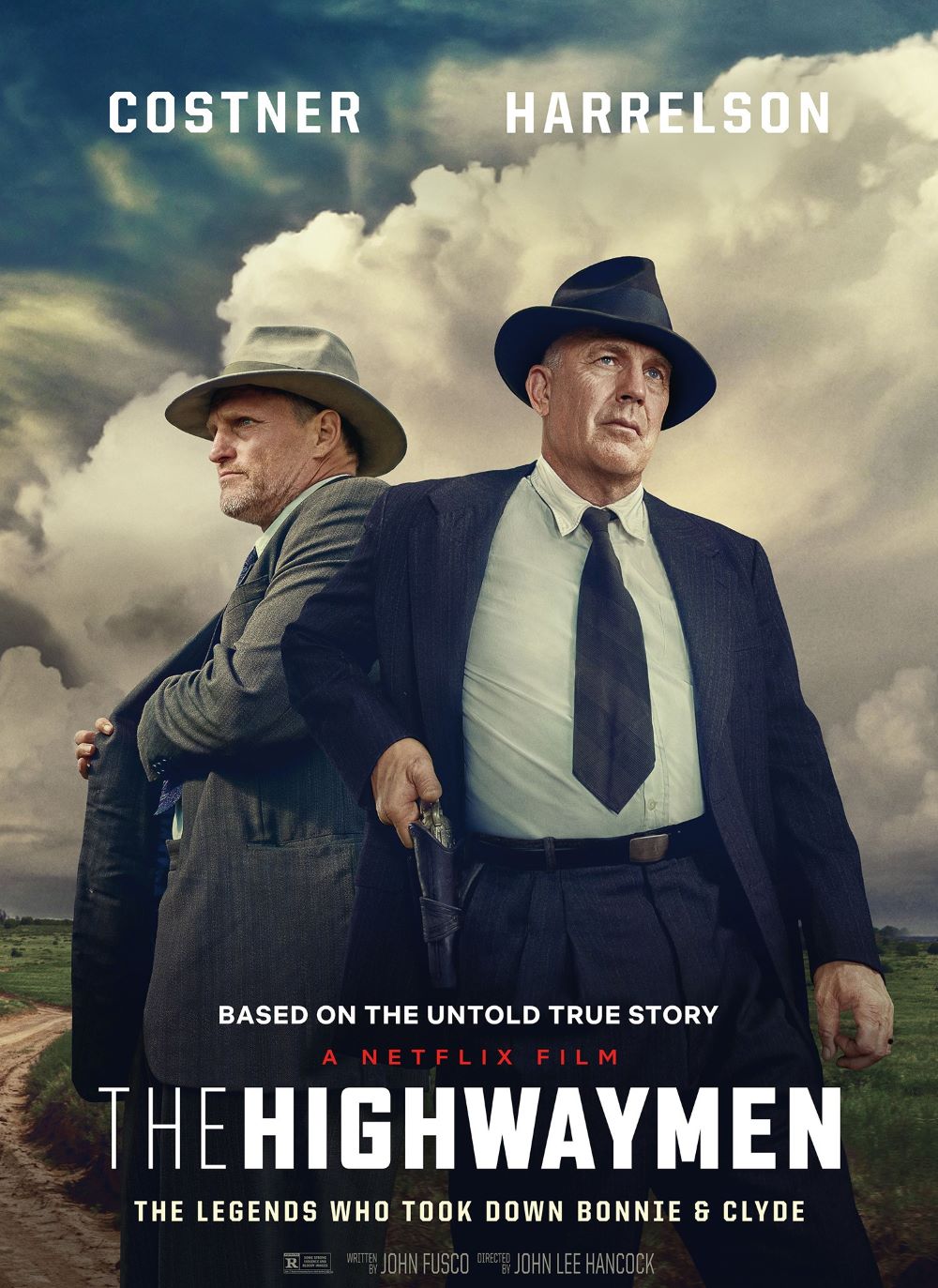
The Highwaymen, as directed by John Lee Hancock, delivers a character-driven, period crime drama that refreshes a story so often mythologized in American pop culture. Instead of glamorizing Bonnie and Clyde, the film spotlights the two former Texas Rangers tasked with ending their crime spree: Frank Hamer (played by Kevin Costner) and Maney Gault (played by Woody Harrelson). Set against the bleak dustbowl landscape of 1934, the film opens with the criminal duo breaking their associates out of Eastham Prison, setting the state of Texas into a panic. In desperation, Governor “Ma” Ferguson authorizes the return of Hamer, a seasoned lawman whose old-school methods have largely been left behind in modern policing.
From the start, The Highwaymen takes its time, inviting viewers into a slower, more contemplative chase rather than the kinetic action often associated with outlaw stories. Hamer, long retired and resistant to rejoining the fight, is persuaded both by the severity of Bonnie and Clyde’s violence and the humiliation his state faces in failing to catch them. Gault, for his part, is recruited despite his own personal struggles, adding a layer of regret and weariness to their partnership. Their pursuit is marked by straightforward detective work—staking out small towns, following trails, and confronting a public that is strangely captivated by the criminals they hunt. The film repeatedly draws attention to the way crowds and the press elevate Bonnie and Clyde, reflecting on an early version of true crime celebrity culture.
The dynamic between Hamer and Gault forms the emotional core of the movie. Their bond is shaped by years of experience, mistakes, and a real sense of being out of place in a society that now doubts their relevance. There’s plenty of banter and friction, but also reflective moments that dig into the costs of life spent in pursuit of justice. Throughout the investigation, the film uses the Texas and Louisiana landscape as a powerful backdrop—the vast, windswept highways underscore the isolation and existential gravity faced by these lawmen. The cinematography favors wide shots and muted colors, giving the chase a feeling of endlessness and melancholy.
Instead of showcasing Bonnie and Clyde as glamorous anti-heroes, the film keeps them at a distance, rarely granting much screen time or dialogue. Violence is handled abruptly and unsentimentally. When it finally arrives, most notably in the climactic ambush, it is portrayed as brutal and inevitable, reminding the viewer that myths are built on blood and public spectacle. The lawmen’s final confrontation results in the infamous shootout, depicted with documentary-like restraint. The aftermath involves a bullet-riddled car towed through throngs of onlookers—an eerie scene that highlights how tragedy becomes spectacle.
One of the film’s greatest strengths is in its portrayal of moral ambiguity. Both Hamer and Gault operate by principles shaped in a different era. Their methods can be rough and unorthodox; they clash with younger law enforcement and the FBI, whose approaches are more bureaucratic, less personal. The film hints at the toll violence and a lifetime in law enforcement has taken on them, including a poignant story from Gault about a tragic accident in his past. These reflections draw out the muted sadness underlying their pursuit, exploring themes of justice, changing times, and what remains after one’s era passes.
Performance-wise, Costner and Harrelson bring authenticity and gravity to their roles. Their chemistry is quiet and real, developed largely through understated scenes—silent drives, awkward motel breakfasts, and occasional arguments broken up by mutual respect. Supporting roles, like Kathy Bates’s steely governor and John Carroll Lynch’s earnest corrections chief, flesh out the historical setting and institutional pressures.
The film doesn’t always dig as deep as it could into the complexities of Depression-era justice, but its restraint and focus on character make up for that. Rather than indulging in nostalgia or sensationalizing violence, it keeps its lens on the human cost—the consequences for the victims, the weariness of the men trying to restore order, and the strange cultural fascination with outlaws. If you’re looking for a grounded historical drama that trades fast action for thoughtful pacing, and puts working-class grit front and center, The Highwaymen is worth the ride.
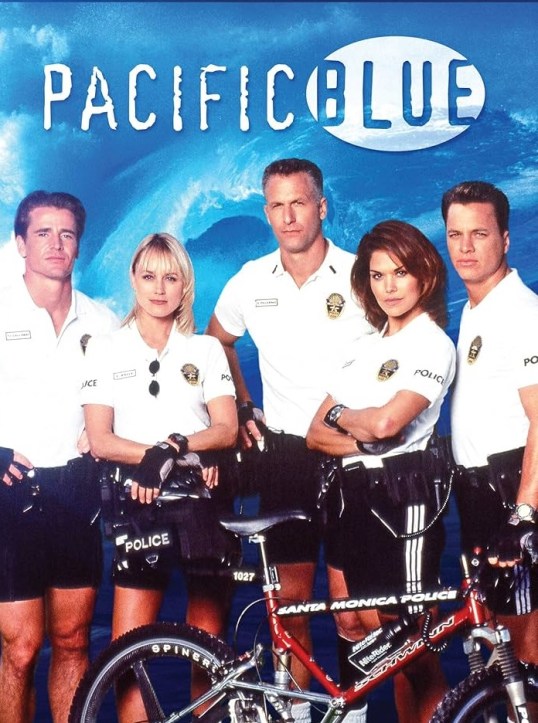
Welcome to Late Night Retro Television Reviews, a feature where we review some of our favorite and least favorite shows of the past! On Tuesdays, I will be reviewing Pacific Blue, a cop show that aired from 1996 to 2000 on the USA Network! It’s currently streaming everywhere, though I’m watching it on Tubi.
It’s a Chris epiosde. *Yawn*
Episode 3.7 “Repeat Offenders”
(Dir by Charles Siebert, originally aired on September 28th, 1997)
When this show first started, Chris Kelly was introduced as being a hotshot Navy pilot who was forced into reserve status due to her eyesight. In this episode, it’s revealed that she actually left active duty because she was involved in an accident that was the fault of her commanding officer. Rather than testify against him and run the risk of being crucified on the stand and then run out of the Navy, she instead took the blame.
Five years later, she discovers that another Navy pilot, Rebecca Santori (Liza Snyder), is facing the same dilemma. Her commanding officer — who was also Chris’s commanding officer — screwed up and Santori is being pressured to take the blame. Chris encourages Santori to fight for her right to fly. Cory suggests that Chris is pressuring Snantori because Chris feels guilty about giving up when she was in the same position. Cory suggests that Chris is putting Santori’s career at risk just to deal with her own anger and resentment. Chris says that’s not true and the show seems to expect us to take her word for it. Fortunately, things do work for Santori. She is cleared in the accident and Chris is vindicated when its determined that their commanding officer has a long history of incompetence.
This storyline had potential but Chris is just such a one-note character that it’s hard to get excited about anything involving her. Every week, it seems like Chris finds something new to get upset about and every week, anyone who suggests that Chris isn’t being totally honest about her motivations has to deal with the Chris Kelly glare of death. In order to remain sympathetic while glaring at people and telling them that they’re idiots, you have to have some shred of charisma. Chris does not and whenever she’s at the center of an episode, even when she’s in the right as with this one, I just find myself thinking about how much I would dread to have to work with her on a daily basis.
As for the other storyline, thieves are targeting foreign tourists on the boardwalk. Palermo and TC put on Hawaiian shirts and pretend to be foreign tourists. The thieves get arrested. Yay. How exciting. Bike patrol does it again.
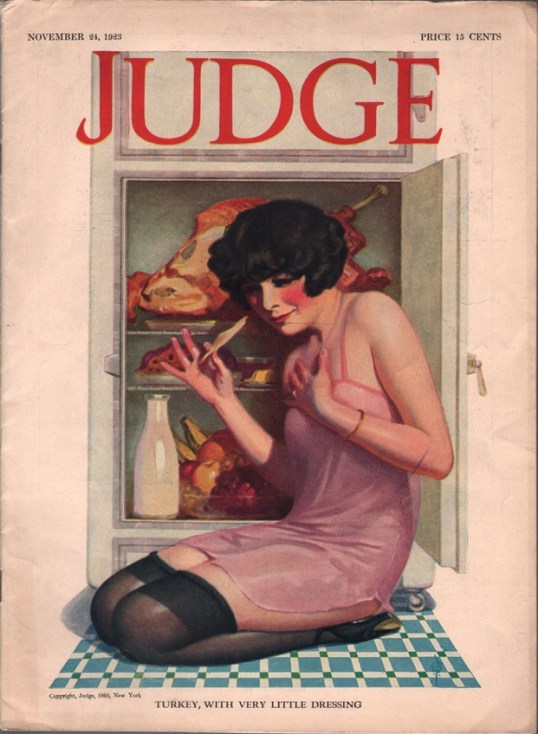
It wouldn’t be the Thanksgiving season without sharing these scenes that I love from the brilliant sitcom, WKRP in Cincinnati. I’m looking forward to seeing my family in Baltimore this Thanksgiving and, for maybe the 100th time, watching this classic episode.
Believe it or not, this episode was based on a true story! It didn’t happen in Ohio. Instead, it happened in Atlanta, Georgia and it was real promotion stunt for a local station, WQXI. Years later, a young copywriter named Hugh Wilson heard the story while he was working WQXI. Wilson later moved to California, started writing scripts, and eventually created WKRP In Cincinnati.
I always feel bad for the turkeys but I am glad that the survivors were able to launch a counter attack.
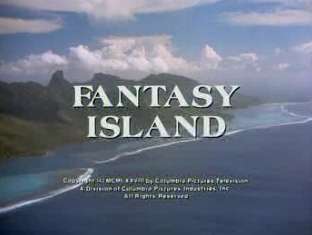
Welcome to Retro Television Reviews, a feature where we review some of our favorite and least favorite shows of the past! On Tuesdays, I will be reviewing the original Fantasy Island, which ran on ABC from 1977 to 1984. The show is once again on Tubi!
This week, I really missed Tattoo.
Episode 7.19 “”Lost and Found/Dick Turpin’s Last Ride”
(Dir by Bob Sweeney, originally aired on April 7th,1984)
Stung by the discovery that her husband has cheated on her, Sheila McKenna (Carol Lynley) comes to Fantasy Island, looking for revenge. Her husband, Frank (Adam West), follows her and tries to save his marriage. Sheila is tempted to cheat with Frank’s business partner. Fortunately, Mr. Roarke is there to show Frank the error of his ways and, for some reason, Sheila ends up forgiving him and they leave the Island with their marriage stronger than ever.
This storyline is one that I perhaps would have been more invested in if Sheila McKenna had not been played by Carol Lynley. Lynley was the most frequent guest star on Fantasy Island. She was never particularly memorable but, in this episode, she gives a performance that can only be described as bad. Delivering her lines without a hint of emotion (and forget about having any chemistry with West), Lynley comes across as if she under the influence of serious narcotics. I was genuinely worried about her health. I didn’t really care much about her marriage.
As for the other storyline, singer Tom Jones stars as mild-mannered accountant Jack Palmer. Palmer idolizes the legendary Welsh highwayman, Dick Turpin. Roarke sends him into the past so that he can actually be Dick Turpin. Tom Jones as Turpin sings almost all of his dialogue. Jack’s wife (Dianne Kay) is also sent into the past and is kidnapped by Sid Haig.
The Dick Turpin storyline was the sort of thing that Fantasy Island did well in the past. However, despite some surprisingly strong production values, it just kind of fell flat in this episode. A big problem is that this was the type of story that would have been perfect for Tattoo but, unfortunately, the show replaced Herve Villechaize with Christopher Hewett. I have nothing against Christopher Hewett. From what I’ve read, he was apparently a very devout Catholic who was loved by all. But the switch-over from Villechaize to Hewett was definitely the moment that Fantasy Island stopped being a fantasy to watch.
It’s hard to believe that I’m nearly done with this series. I’ve been reviewing it since 2022! It’s brought me a lot of joy but, as I make my way through the final episodes of season 7, I’m ready to finally move on.
4 Shots From 4 Films is just what it says it is, 4 shots from 4 of our favorite films. As opposed to the reviews and recaps that we usually post, 4 Shots From 4 Films is all about letting the visuals do the talking.
Today, the Shattered Lens wishes a happy birthday to the co-creator of Twin Peaks, Mark Frost! It’s time for….
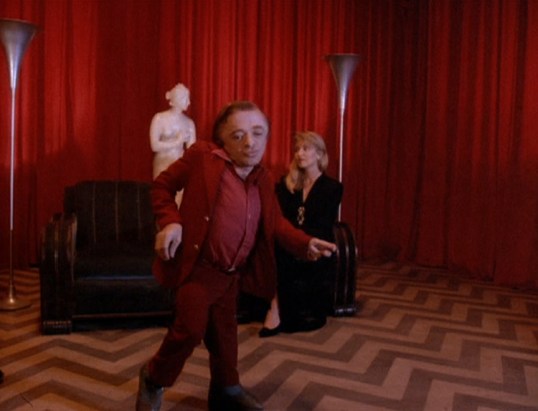
4 Shots From 4 Episodes Of Twin Peaks
Twin Peaks 1.3 “Zen or the Skill To Catch a Killer” (1990, dir by David Lynch, DP: Frank Byers)
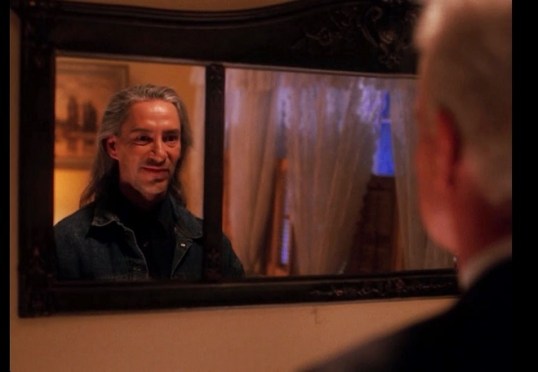
Twin Peaks 2.7 “Lonely Souls” (1990, dir by David Lynch, DP: Frank Byers)
Twin Peaks: The Return Part 5 (2017, dir by David Lynch, DP: Peter Deming)
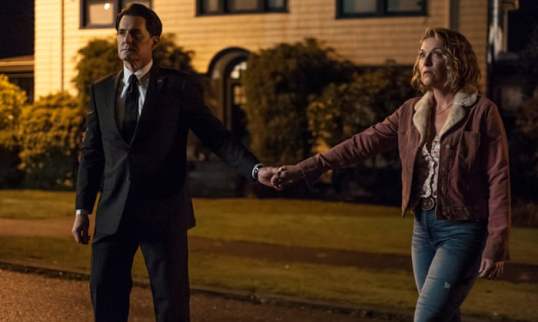
Twin Peaks: The Return Part 18 (2017, dir by David Lynch, DP: Peter Deming)



 Through the Shattered Lens