4 Shots From 4 Films is just what it says it is, 4 shots from 4 of our favorite films. As opposed to the reviews and recaps that we usually post, 4 Shots From 4 Films is all about letting the visuals do the talking.
Today, we celebrate the birthday of Jeff Bridges! It’s time for….
4 Shots From 4 Jeff Bridges Films
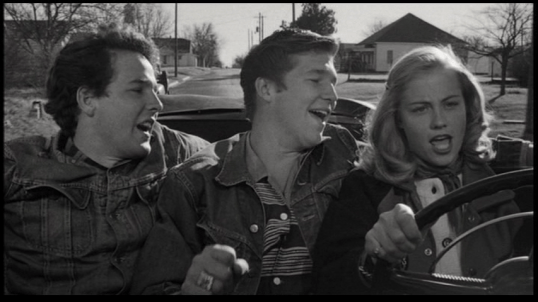
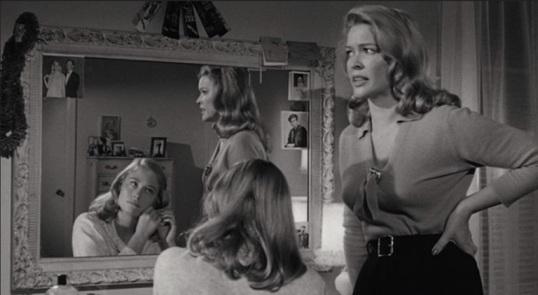
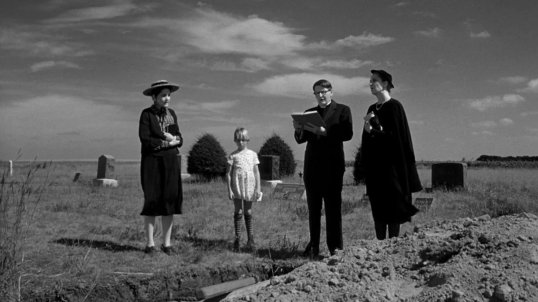
The Last Picture Show (1971, dir by Peter Bogdanovich, DP: Bruce Surtees)
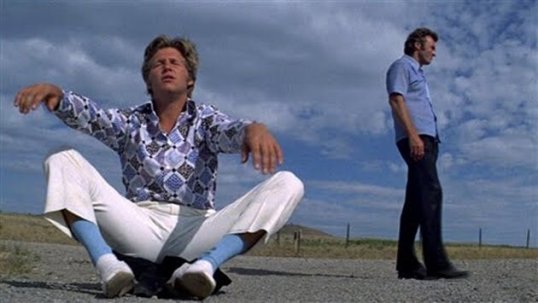
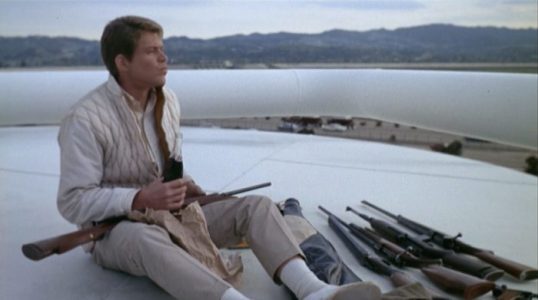
Thunderbolt and Lightfoot (1974, directed by Michael Cimino, DP: Frank Stanley)
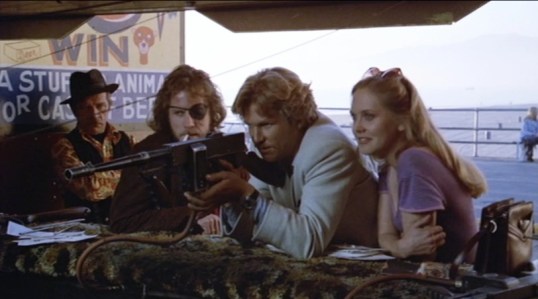
Cutter’s Way (1981, dir by Ivan Passer, DP: Jordan Cronenweth)
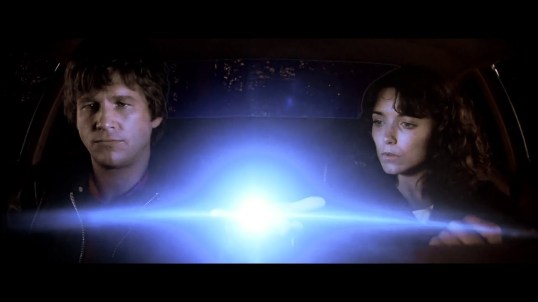
Starman (1984, dir by John Carpenter. DP: Donald M. Morgan)
4 Or More Shots From 4 Or More Films is just what it says it is, 4 shots from 4 of our favorite films. As opposed to the reviews and recaps that we usually post, 4 Shots From 4 Films lets the visuals do the talking!
Today, the Shattered Lens pays tribute to the year 1971!
4 Shots From 4 1971 Films
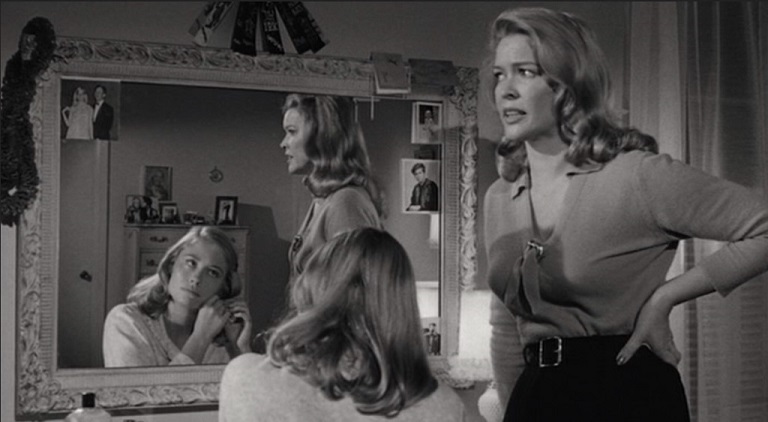
The Last Picture Show (1971, dir by Peter Bogdanovich, DP: Bruce Surtees)
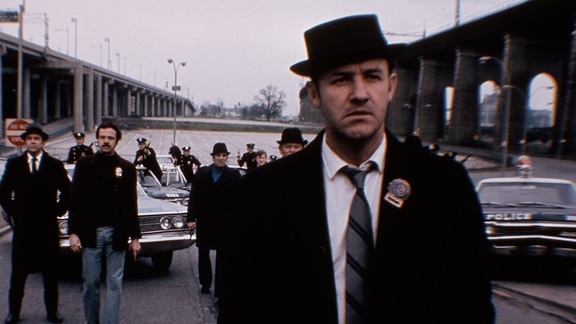
The French Connection (1971, dir by William Friedkin, DP: Owen Roizman)
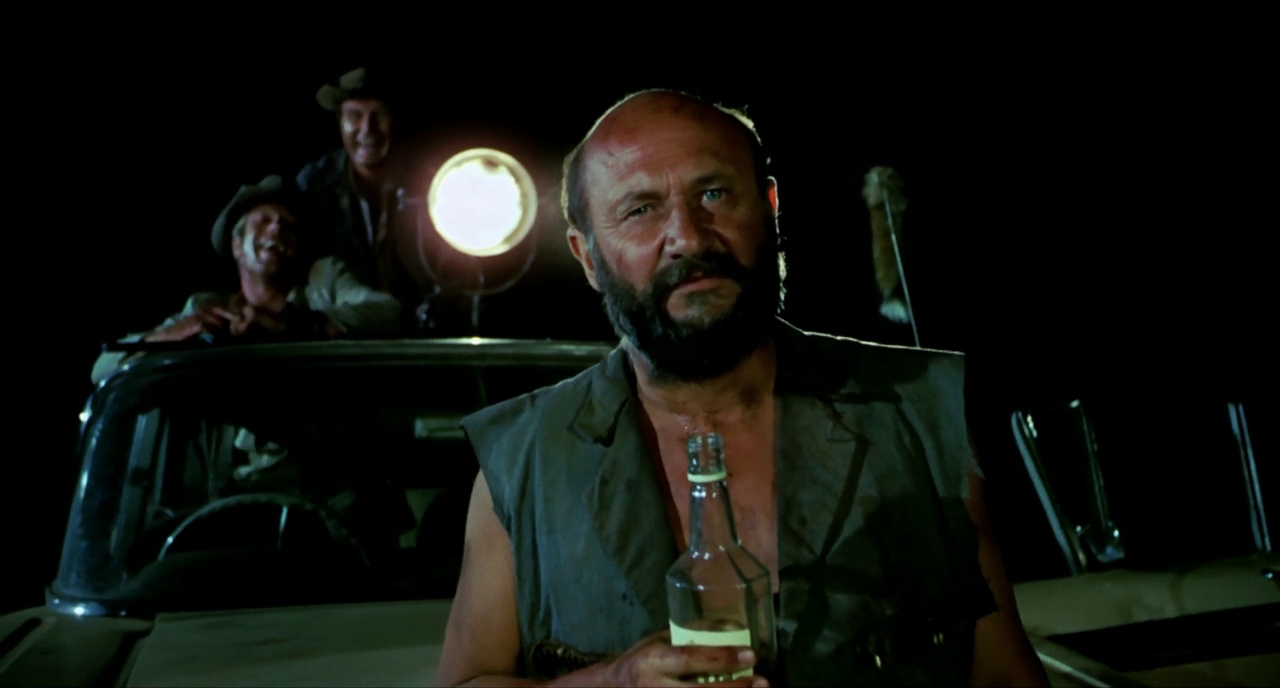
Wake in Fright (1971, dir by Ted Kotcheff, DP: Brian West)
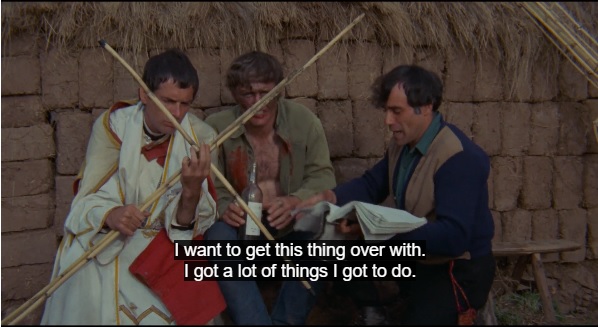
The Last Movie (1971, dir by Dennis Hopper, DP: Laszlo Kovacs)
4 Or More Shots From 4 Or More Films is just what it says it is, 4 shots from 4 of our favorite films. As opposed to the reviews and recaps that we usually post, 4 Shots From 4 Films lets the visuals do the talking!
I just read that director Peter Bogdonavich passed away earlier today. He was 82 years old.
Bogdanovich’s directorial career serves as both an inspiration and a cautionary tale. He achieved the dream of many a film journalist by making the jump from writing about films to actually making them. He went from interviewing Orson Welles to being declared the next Orson Welles. His first film, Targets, allowed him to give Boris Karloff one final, great role. His second film, The Last Picture Show, was nominated for Best Picture. With his next film, Paper Moon, he directed Tatum O’Neal to an Oscar. At a time when the so-called “movie brats” were rejecting the old ways of making films, Bogdonavich paid homage to the classic films of the past. At his height, he made films that were both entertaining and, if you got all the references, educational.
Unfortunately, Bogdanovich’s later films were not as successful with critics or audiences. Bogdanovich himself would later say that he underestimated just how much some of his former colleagues resented both his early success and his very public relationship with actress Cybil Shepherd. In short, the critics were waiting for him to slip up and they attacked films like Daisy Miller and At Long Last Love like sharks in a feeding frenzy. By the end of the 70s, he often found himself struggling to raise the money to make the movies that he wanted to make. So determined was he to see that his film They All Laughed was released that he distributed it himself, at great financial cost.
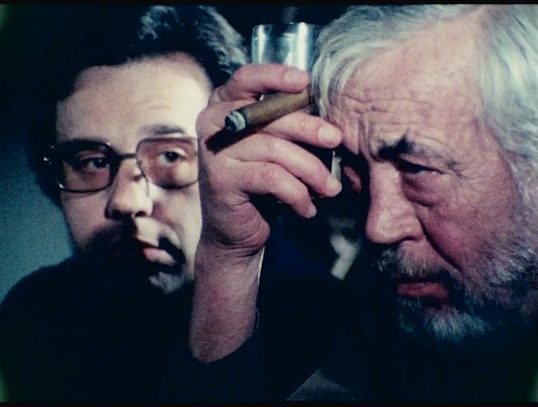
Regardless of his later career struggles, Bogdanovich remained a tireless advocate for watching and appreciating the films that were produced during the the Golden Age of Hollywood and he was a regular fixture on TCM, where he would discuss the films of Welles, John Ford, John Huston, Howard Hawks, and others. He oversaw the release of Orson Welles’s long-delayed The Other Side of the Wind, a film in which he co-starred with John Huston. Along with directing, Bogdanovich was a reliable character actor and those who don’t know him as a director might know him as Dr. Melfi’s therapist on The Sopranos.
Finally, a lot of the Bogdanovich films that were initially dismissed have subsequently been positively reappraised. Bogdanovich was correct when he said that many of his later films were unfairly criticized or dismissed. If nothing else, Bogdanovich’s love of the movies came through in everything that he did. He will be missed for film historians everywhere.
Here are….
4 Shots From 4 Peter Bogdanovich Films
Targets (1968, dir by Peter Bogdanovich, DP: Laszlo Kovacs)
The Last Picture Show (1971, dir by Peter Bogdanovich, DP: Bruce Surtees)
Paper Moon (1973, dir by Peter Bogdanovich, DP: Laszlo Kovacs)
The Thing Called Love (1993, dir by Peter Bogdanovich, DP: Peter James)
Yesterday, it was announced that the actress Cloris Leachman had passed away at the age of 94.
Leachman had a long career. I know that most people know her from her comedic work. Indeed, when it was announced that she had passed, Twitter was full of people posting clips from Young Frankenstein, Raising Hope, and a host of other comedies. However, Leachman was also just as a capable as a dramatic actress. She began her career in 1947 and, though she worked regularly (and appeared in the noir classic, Kiss Me Deadly), her career really didn’t pick up until she won an Oscar for Best Supporting Actress in 1972.
She won that Oscar for playing Ruth Popper in The Last Picture Show. Ruth is the lonely wife of a closeted high school coach in a small Texas town. She has an affair with teenager Sonny Crawford (Timothy Bottoms), just for him to abandon her for the beautiful but self-absorbed Jacy Farrow (Cybil Shepherd). At the end of the film, after realizing that Jacy actually has no interest in him, Sonny attempts to return to Ruth. It’s a powerful scene, largely due to Leachman’s performance.
In memory of Cloris Leachman, here’s a scene that I love:
Monday is the first day of school down here in Dallas so it seems only appropriate that this latest entry in our Back to School series should be a look at one of those most quintessential Texas films ever made, the 1971 best picture nominee, The Last Picture Show.
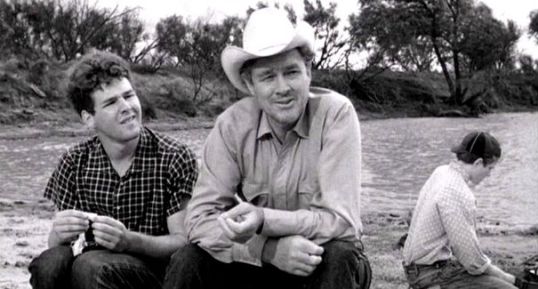
Directed by Peter Bogdanovich and based on a novel by Larry McMurtry, The Last Picture Show takes place in 1951 and tells the story of two high school seniors, best friends Sonny Crawford (Timothy Bottoms) and Duane Jackson (Jeff Bridges, reminding us once again why everbody loves him). Sonny and Duane live in the rural town of Anarene, Texas. With little to look forward to in the future, beyond perhaps getting a job working in the oil fields, Sonny and Duane are both intent on enjoying their final year of high school. Sometimes, that means driving down to Mexico for the weekend. Sometimes, it means going to the only theater in town and seeing a movie. Most of the time, however, it means hanging out in a pool hall owned by the strict but fatherly Sam (Oscar winner Ben Johnson). Often times they are accompanied by the intellectually disabled Billy (Sam Bottoms), who responds to everything with a blank smile and spends most of his spare time wandering around with a broom, futilely trying to sweep the dusty streets.
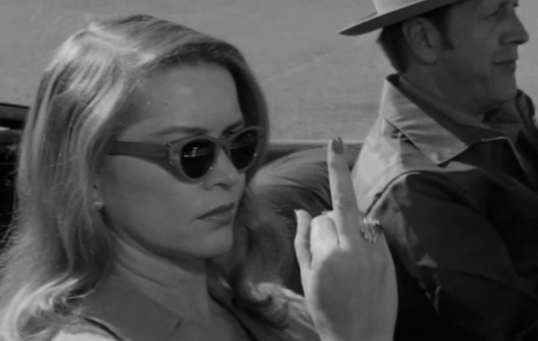
The charismatic and impetuous Sonny is dating the beautiful and self-centered Jacy Farrow (Cybil Shepherd), who is the daughter of the wealthiest woman in town. Jacy knows that her cynical mother (Ellen Burstyn) is having an affair with an oil worker named Abilene (Clu Gulager) but she’s more concerned with her own future. Even though she’s dating Sonny, Jacy still accepts an invitation from the awkward Lester Marlow (played by a memorably goofy Randy Quaid) to attend a naked indoor pool party. At the party, she meets Bobby Sheen (Gary Brockette), who is rich and will be able to provide her with the future that Duane never will. However, Bobby tells Jacy that he isn’t interested in her because she’s a virgin. If nothing else, this gives Jacy a reason to stay with Duane, at least until after they have sex.
Meanwhile, the far more sensitive Sonny ends up having an affair with Ruth Popper (Cloris Leachman, who won an Oscar for her performance in this film), the wife of the high school football coach. It appears that Sonny truly cares about Ruth but then he finds himself being tempted by none other than his best friend’s girlfriend…
At heart, The Last Picture Show really is basically a small town soap opera, a Texas version of Peyton Place.The difference between the two films — beyond the fact that The Last Picture Show just happens to be a 1oo times better than Peyton Place — is that The Last Picture Show doesn’t take place in a beautiful, idealized small town. Instead, the town ofAnarene is a believably bleak location, one that will be familiar to anyone who, like me, grew up in the American southwest. A good deal of the success of The Last Picture Show is due to the fact that it was actually filmed on location in Archer City, Texas.
(Nothing annoys me more than when I see the mountains of California in the background of a movie that’s supposed to be taking place in North Texas. We don’t have mountains up here. For the most part, we don’t even have hills. The land is flat. You can see forever, if you know where to look.)
Of course, you can’t talk about The Last Picture Show without talking about Robert Surtees’s stunning black-and-white cinematography. Not only does the black-and-white remind us that this is a film about a fading way of life but it drives home the fact that Sonny and Duane don’t have much to look forward to. Growing up in Anarene means they are destined for lives without color or excitement. In the end, can you really blame them for occasionally acting before they think?
Ultimately, the success of The Last Picture Show is due to a lot of things. This was Peter Bogdanovich’s second film as a director and he did such an excellent job here that he’s basically spent the rest of his career trying to live up to this one film. (That said, Bodganovich also left his wife for Cybill Shepherd — despite the fact that his wife was the one who suggested that he make this film and cast Cybill in the first place! Don’t worry though — Polly Platt got her revenge by having a far more successful career than her ex-husband and she even produced Say Anything, a film that we will soon be looking at.) The screenplay, by McMurtry and Bogdanovich, is full of sharp dialogue and memorable characters. As for the performers, this is probably one of the best acted films ever made. Jeff Bridges and Timothy Bottoms play off each other well, Cybill Shepherd is the epitome of casual destructiveness, and Ben Johnson is brilliantly cast as the film’s moral center. My favorite performance comes from Ellen Burstyn, who delivers every line with just the right combination of contempt and ennui.
Ellen Burstyn in The Last Picture Show
If you’re a Texan, The Last Picture Show is one of those films that you simply have to see. And if you don’t enjoy it and if you don’t relate to at least a few of the characters (I related to Jacy, though I like to think that I’m a lot nicer in the way I treat people), then you’re not a real Texan.



 Through the Shattered Lens