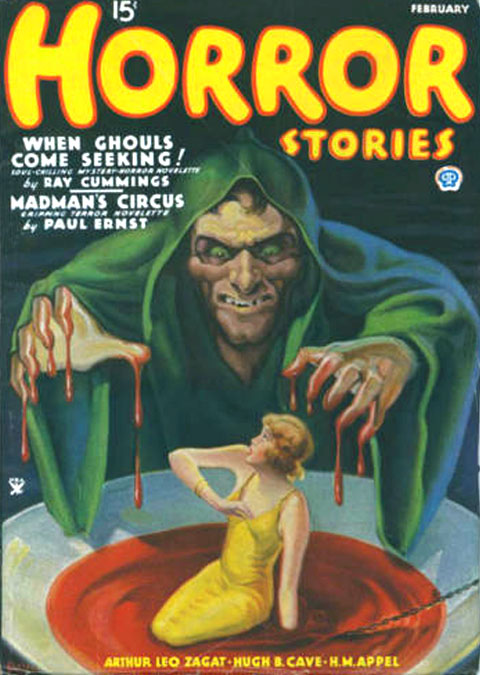
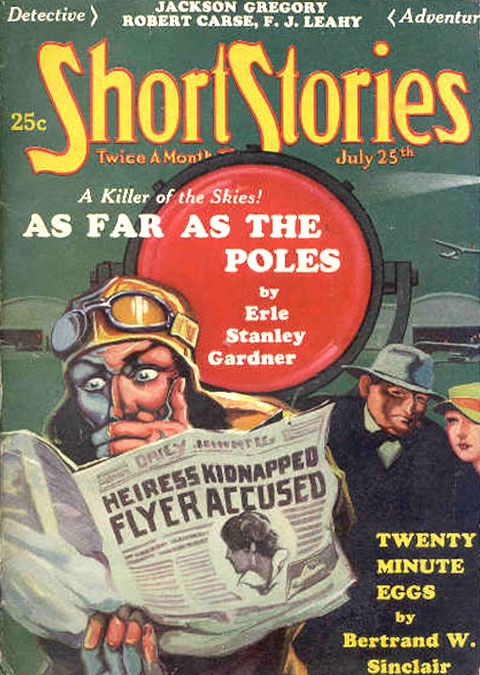
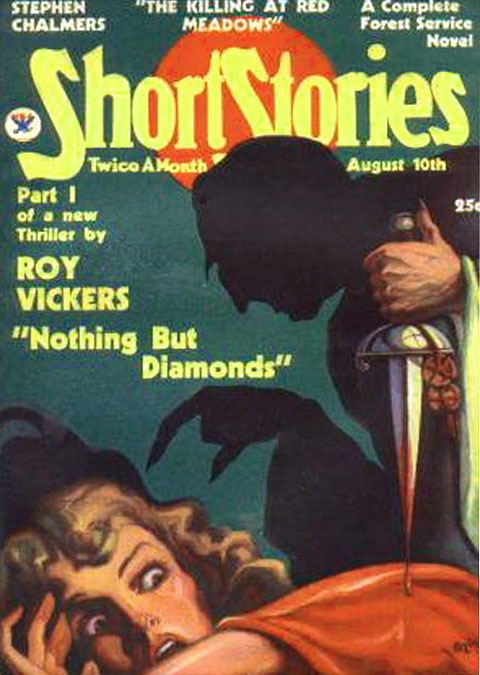
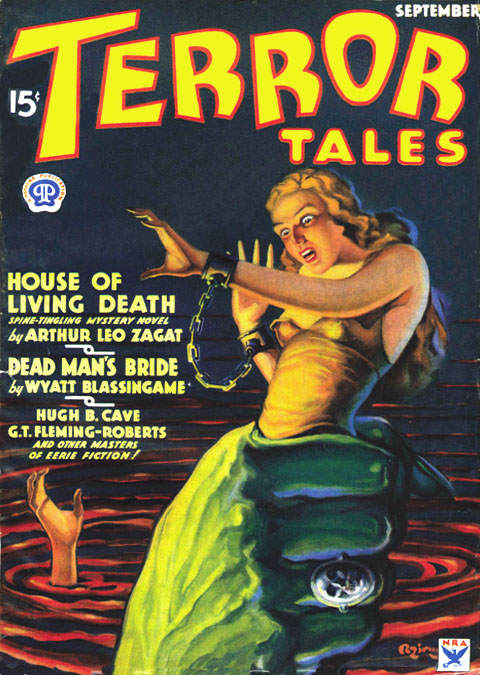
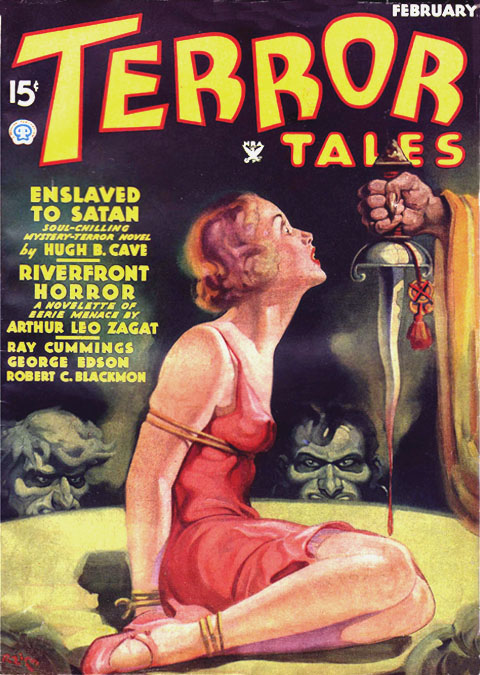
Since the start of the pulp era, cults have been a popular subject. Usually dressed in red and concealing their faces behind hoods, cult members have menaced and frightened.
For this Halloween, here are some of the cults of the pulp era.
Since the start of the pulp era, cults have been a popular subject. Usually dressed in red and concealing their faces behind hoods, cult members have menaced and frightened.
For this Halloween, here are some of the cults of the pulp era.

by Rudolph Zirm
What big teeth you have! This cover is about as scary as you can get.

by Rudolph Zirm
I guess the rat needed some toys. This cover is about as nightmarish as you can get.
Since the start of the pulp era, cults have been a popular subject. Usually dressed in red and concealing their faces behind hoods, cult members have menaced, tortured, and frightened. Luckily, there’s often a strong-jawed hero right around the corner to take them out and save the day.
Here’s a few of the cults of the pulp era!
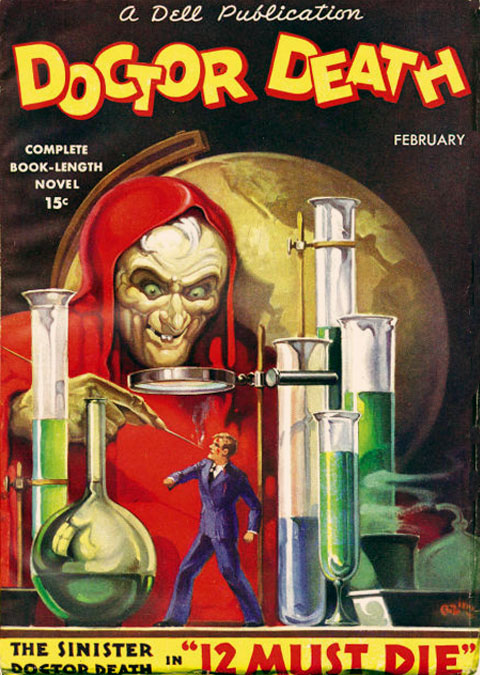
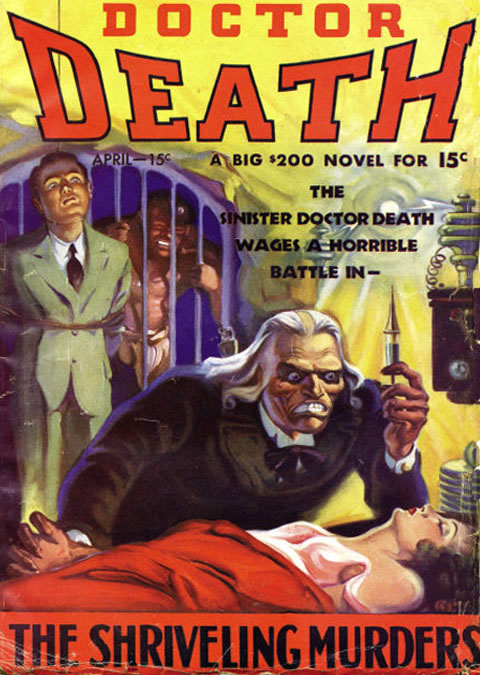
Who was Dr. Death? His original name was Rance Mandarin and he used to be a professor at Yale University until he was driven mad by his hatred of technology. Through the occult, Mandarin hoped to turn back time and reduce civilization back to a simpler, more primitive state. Standing in his way were the members of the Secret Twelve, one of whom was apparently the President of the United States.
In 1935, Dr. Death appeared in three issues of his own pulp magazine, with cover art from Rudolph Zirm. The magazine didn’t last long but it did find an audience years later when, in the 60s, Corinth Books reprinted the Dr. Death stories in paperback form. These paperbacks all had covers by Robert Bonfils, who brought a different visual spin to the character than Zirm had.
Below are the 6 covers of Dr. Death!
Finally, Dr. Death was driven mad by technology in the 1930s. Can you imagine what would have happened to his brain if he had lived during our time?
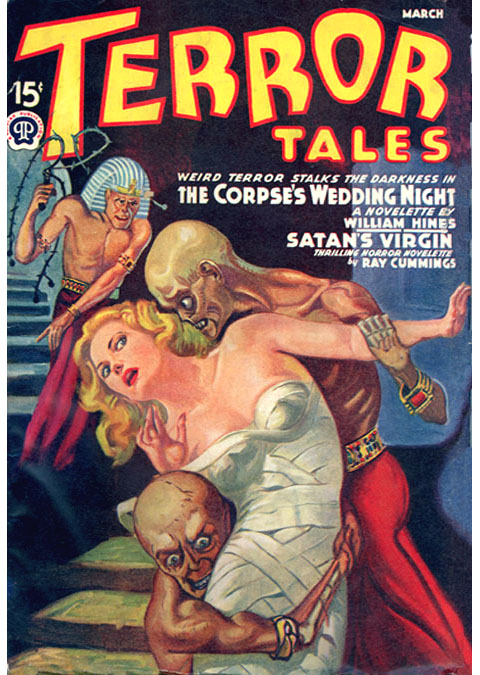
The son of German immigrants, Rudolph Zirm was born in New Jersey. Though he never had any formal artistic training, Zirm pursued a career as a freelance artist after the print shop he worked at closed in 1933. Though he only worked as an artist for 6 years and was never acclaimed during his lifetime, Zirm’s work is now highly praised and sought by collectors.
A sampling of his work can be found below.