Horror Review: The Evil Within


evil-within-4
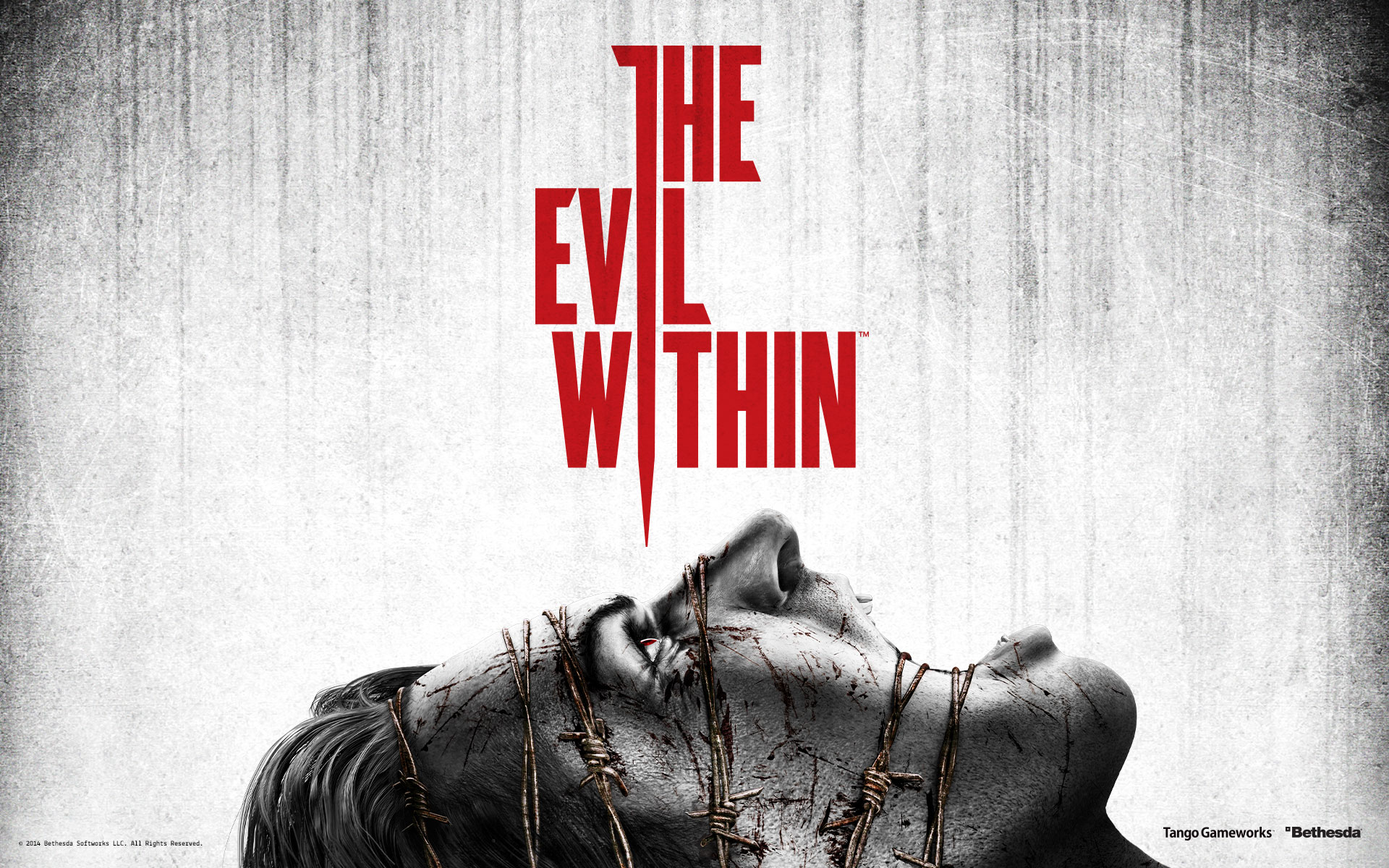
The Evil Within’s announcement was met with huge expectations for being an original horror title directed by Shinji Mikami, creator of Resident Evil, benchmark of modern horror videogames. Over the years he personally directed a few projects with very fluctuating results, but his leadership of the Resident Evil games was competent, and they only really squandered when he cut ties with the series after his involvement right after Resident Evil 4, which many regard as one of the best games of the last decade. No pressure in this new intellectual property then.

And I’ll just straight out say it. It’s a disappointment. It would be hard not to be one. But it’s not a normal disappointment. If it were I’d give it a passable review and say that people might enjoy it just for the effort. However, The Evil Within is, pardon me, utter piss. I realize negative reviews are very “in” nowadays and people do them just for the sake of it, but this one is sincere. I wouldn’t buy something on retail price crossing my fingers, HOPING, it would be such a mess. I spent cash on this shit. This money was invested. I wanted it to give some return in the form of entertainment. Which was wishful thinking, of course.

First of all let me talk about the technical issues. Full disclosure; I played the PC port; not a good option, apparently. To be honest I only had one issue with it, but I understand that “it is not a good port” because this piece of trivia was bombarded on me by my peers. So don’t buy the PC version, it’s bad (maybe until they release some patches). That being stated, we’re left with “the game”. The real horror.

Probably under the pretense that this would make the game scarier, the development team decided that the camera just had to be forever stuck on letterbox view. This is not just pretentious, it is an OBSTACLE. It takes maybe a third of everything in your field of view. Your eyes are hindered by two monstrous gaps of black bars, top and bottom. And you need to actually look at stuff to be able to pick them, so you can only imagine how this is cumbersome on the playing experience (By items, I mean ammo, medicine, documents, same kind of thing that was in Resident Evil). Are you a fan of collecting stuff? A perfectionist maybe? You’ll either spend more time than you should inside one map to make sure you’ve gotten everything or you’ll forget that. Chances are you’ll miss items either way. This camera is out of this world. It is a monster incarnate full of spite toward you. Catching inbound enemies is an equally hard job, as the lack of proper vision of your immediate surroundings makes it hard to realize if you’re being chased, or to know exactly how many enemies are around you. This might lead to some unintentional scares if that fancies you, but fact of the matter is that it’s simply put, bad camera mechanics. And let’s not talk about the obtuse amount of film grain. That being said, this title is not entirely offensive on a visual scale. The art and graphics are quite nice, even if hamfisted on the gore. It’s just too bad it’s so hard to see it properly.
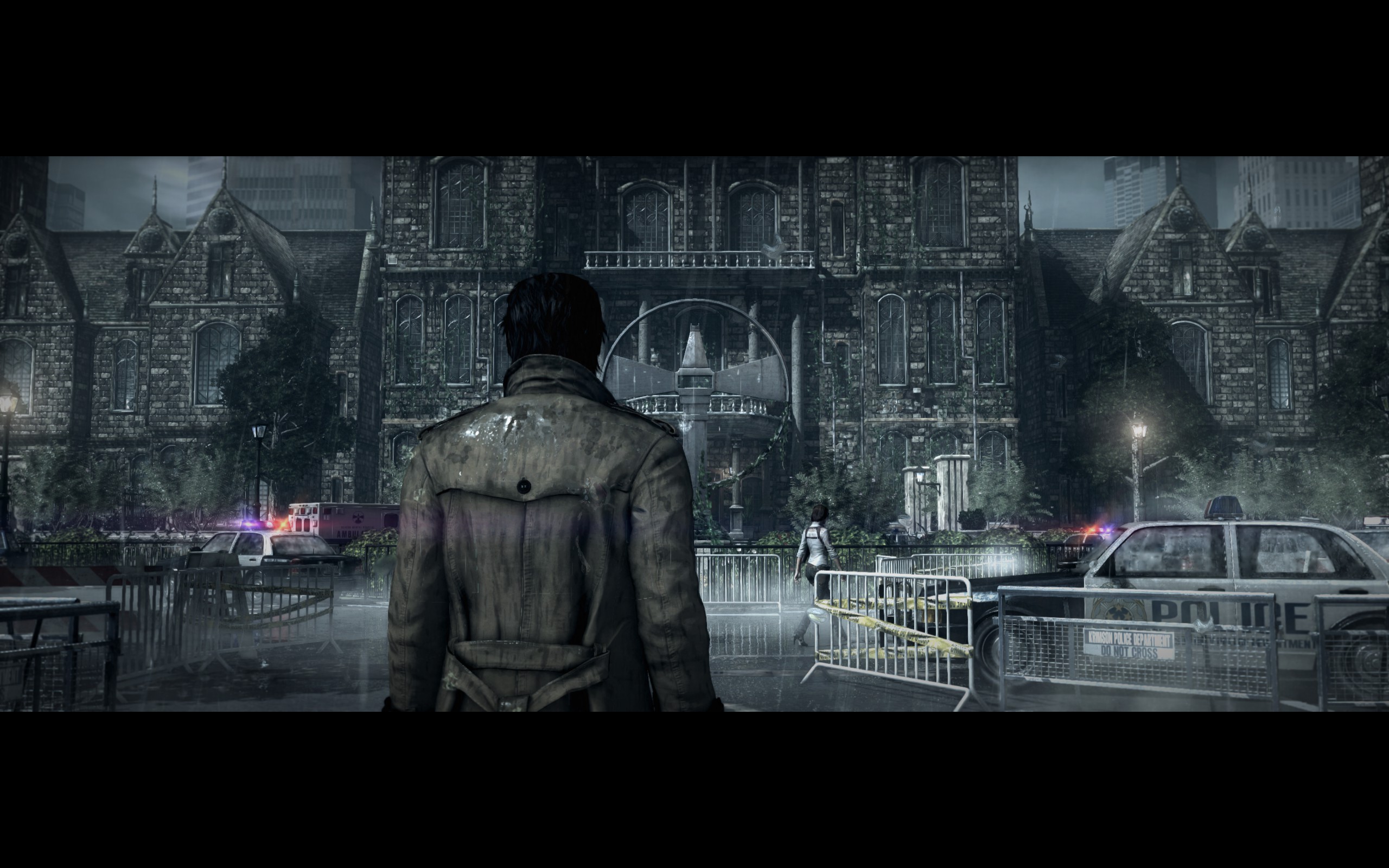
Apparently it actually covers something around 45% of the screen

Actually, it seems to cover something closer to 45% of the screen

A document early on the playthrough makes a point of telling you that the protagonist, Sebastian Castellanos is one of the fastest ever policemen of Krimson City to rise to the rank of detective (I feel like the name of the city might have been suggested by me when I was 14 and thought I was really death metal) . You will quickly notice though that Detective Castellanos isn’t the physical marvel he is laid out to be. The act of sprinting in the beginning takes a full 3 seconds from top speed to complete exhaustion. At his best, Sebastian can run for ten seconds before needing to stop and breathe in the middle of a full herd of enemies (which he WILL do if you rely on sprinting too much). He’s not a very good shot either, even at ranges close to point blank he’ll miss often unless you upgrade his weapon. Walking is awkward, running away is awkward, shooting is awkward. Some of these can be improved by buying common sense into the game in the form upgrades for the character with green goop. Seriously, that’s their currency. I confess to maybe having missed something, but I don’t think that part was ever explained.

If you think objectively about it, Resident Evil was awkward. Even the fourth one. The controls were always strange at best. It comes to me that, while people were begging for a new, good Resident Evil, Mikami acknowledged their wants and needs. That’s what The Evil Within is. I mean, the zombies are there, the alien controls as well, and it’s ever so slightly scarier, which was another major complaint, since some viewed the Resident Evil series as having swayed from survival horror to mostly action with some horror elements. In this sense, people got just what they asked for: A survival horror made by Mikami that is very much like Resident Evil. However since Resident Evil 4, Mikami directed two titles, a four year gap between each of them (2006, 2010, and The Evil Within in this Gregorian year of 2014), and the other two were not even close to being horror games. So what we got is a newly released outdated survival horror with ten year old survival horror mechanics.
B

What happened!? I heard there was a good game in here!

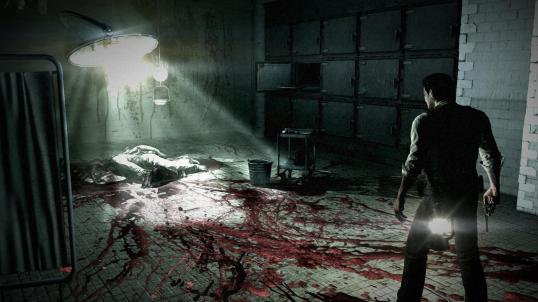
The sad realization is that maybe Shinji Mikami isn’t a master of horror. The Evil Within isn’t very scary past the few initial chapters, where you’re completely powerless (and maybe this was this game’s real element, which in my opinion he failed to realize). Some of the more tense parts orchestrated by him come from trial and error, when some scripted event or other makes you face something new, something you’re totally willing to fight against. Then, upon closer inspection, you notice your head has just been pulverized by this new thing you perceive. So it occurs to you that you don’t fight this thing, you run from it. Of course, that’s after you died. Not very fair, honestly. The story is intriguing, but extends itself far too much. My interest was gradually lost on what could be a great mixture of body and psychological horror. It failed because while the art was on the right spot, the writing lost its way and somewhere it just became a zombie game. And I hoped it would pick up again. It never did.

It seems The Evil Within has few redeeming features and is somewhat obsolete in a very weird way. The space reserved for its image projection is malevolent. The gameplay is unimpressive and clumsy. It is artistically well intentioned, but ultimately poor. It does have, however, a very nice character in the form of an otherworldly and cryptic nurse that helps you through the story during dreamlike sequences. Her personality and oddities make her seem like a character from a Suda51 game, maybe something learned by Mikami in his time working with Suda on Shadows of the Damned. Man, now that’s a good title. Suda is really good, isn’t he?
The-evil-within

Review: The Wolf Among Us


The-Wolf-Among-UsThe Wolf Among Us was the first game released by Telltale after the extraordinary success of The Walking Dead. They had finally found their element, and decided (prudently) to stick with it. But how do you follow up a title based on a comic book series recognized by some as the best game of its year?

It’s simple. Make another title based on a comic.

Fables, the series Telltale’s following project was based upon, is about fairy tale characters we grew up reading about secretly living in our real world, in a real city, hiding their existence by creating their own society. None of that Once Upon A Time cutsey niceness. They are opressed and opressors, have severe flaws in their characters, vices and, in some cases, signs of antisocial personality disorder. That is to say, they’re often psychopaths.

I'll reconcile the shit out of you!

I’ll reconcile the shit out of you!

The game gives you control of Bigby Wolf, sheriff of the fables. As you might have guessed, previously known as the Big Bad Wolf of Little Red Riding Hood and Three Little Pigs fame. Reformed and willing to put his past behind him, Bigby tries to reconcile the poor and rebelious with the powerful and bureaucratic, in a very socially imbalanced society of mythical people.

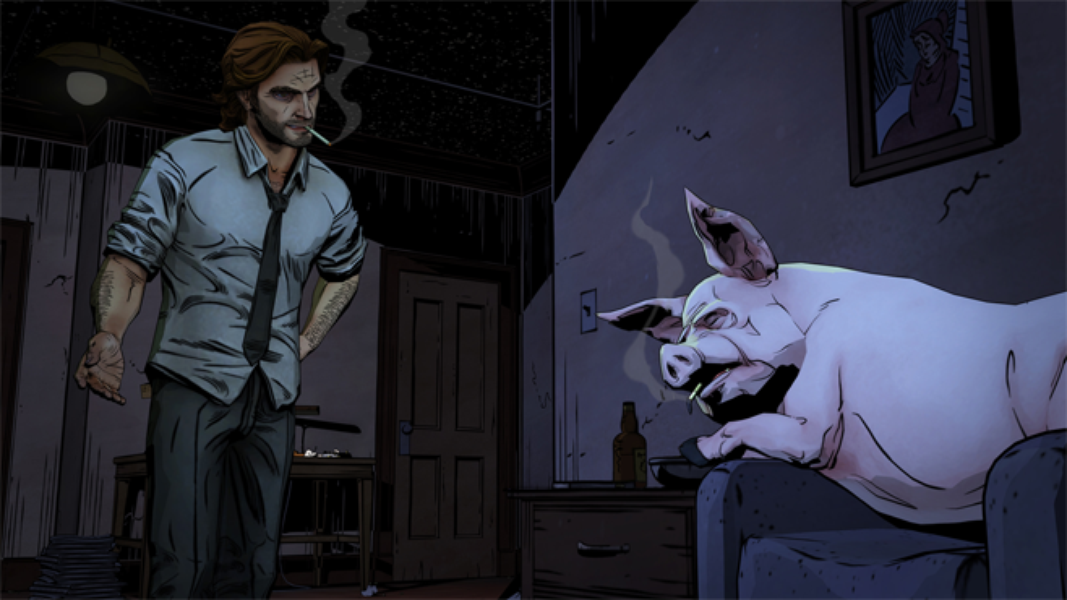
Bigby is the most human of all characters, ironically. Given the task of upholding the law in this broken, small society where everyone knows everyone else, he lives a lonely life, being recognized and feared for doing his job, which frustrates him. His tendency to bend the rules makes the fables’ mayor office see him as a loose cannon. Bigby is a noir hero, chain smoking and full clad in trenchcoat. Bitter with having to raise his hand against unsatisfied citizens and with the impunity of guileful villains; forced against rebellion, but resentful towards the bureaucrats, he often passes his own kind of law. His humanity is revealed through conversations with the only people close to him. Colin, one of the three pigs he used to terrorize, and Snow White, secretary of the mayor office and object of his affections.

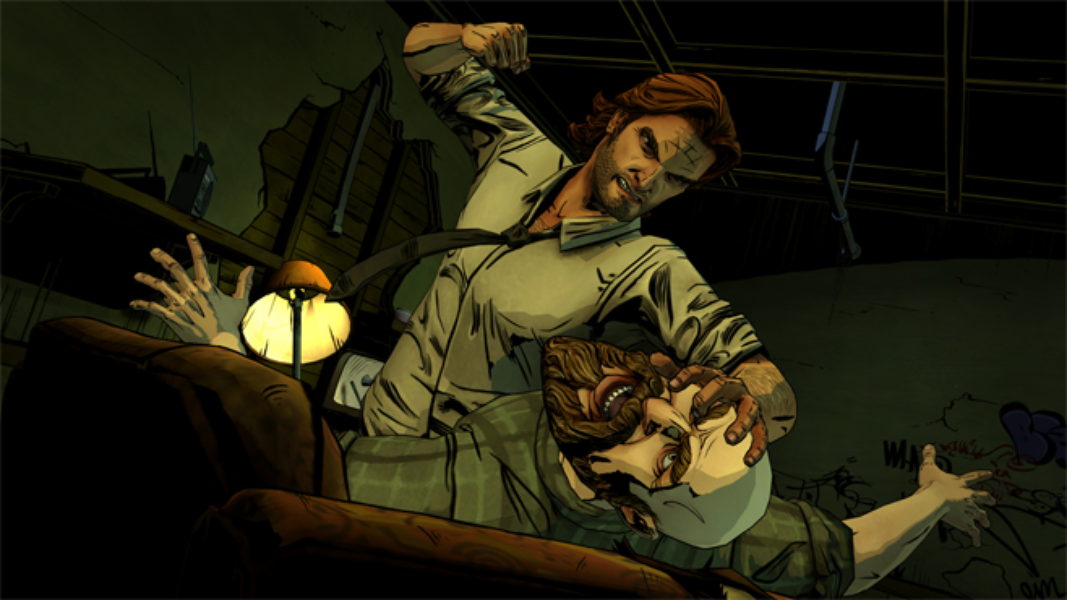
the-wolf-among-us-004The amount of deviance from the path of justice in the game vary depending on your playing style. As you solve a series of murders during the span of the game, you decide how violent Bigby will be towards everyone, from the mostly innocent to the very guilty. However, this is not a story about choices like The Walking Dead, but about people leading double lifes. By taking fables, one of our most powerful cultural symbols of purity and innocence, and twisting and corrupting them, The Wolf Among Us is a modern and allegorical story with heavy noir influences, with fantasy and magic playing a part in the narrative.

It is not without flaws, however. It should be noted that, as the game needs a central story, the mystery of the series of murders obfuscate this amazing world, and one purely interested in the big picture; the unjust society of the fantastical, would be better served by reading the Fables comics. The Wolf Among Us has lots of ups far too early in the game and a few too many downs too late into it. It serves as a decent mystery thriller, and more importantly as an origin story for the comic book series, and it does have absolutely thrilling moments. However, it doesn’t bring much new to the table of longtime Fables fans other than focusing on one of the most interesting characters of its mythos.

the-wolf-among-us-episode-3-review-a-crooked-mile-1109968

As a standalone story, The Wolf Among Us has amazing action sequences and is a very exciting story up until the last quarter where it disappoints. As part of the Fables series, and possibly first chapter of others to come, it’s a perfect entry point and highly recommended. The complexity of its premise and excellence of some of its moments more than compensates for the lackluster closure of this first chapter. If that’s not enough to convince you, play it for Bigby Wolf, who might just be the coolest detective in videogame history.

Video Game Quick Review: The Amazing Spider Man


Rocksteady changed things with 2009’s Batman: Arkham Asylum. As a brand new IP, it’s starting to become the template for a few popular games. Beenox has noted that the game was an influence on their “The Amazing Spider Man” game, and it really shows. Eidos’ Hitman:Absolution will also be working off the same engine (if not a similar one).

Before playing Activision and Beenox’s “The Amazing Spider-Man”, you should first know that it takes place after the events of the Marc Webb’s film that opened recently. Playing the game will give away major plot points from the film, but visually, it’s quite a treat. Unlike the other Spider-Man related tie in’s, this game doesn’t feature the voices of the movie cast. I was kind of hoping that it would, really.

Activision, along with Treyarch, created all of the movie related Spider-Man games (which I’ve owned), and by far, I’ve always thought of Spider-Man 2 as the best game in the franchise. The control in that game, which allowed you to shoot separate weblines from each hand, was amazing. It allowed you to pull off some incredible turns mid-swing and if timed just right, you could pull off sideways swinging. Beenox decided to change the style of the game, focusing on more of a Parkour-style swinging dynamic. This adds two great touches:

The “Web-Rush” system allows you to pick predesignated places for Spider-Man to go at any time. Once chosen, the game will take the quickest route to that target, even if it means Spider-Man has to bounce from Building A, hop off the fire escape of Building B and flip over some cars to get there. The Web Rush system also works similar to Batman’s Detective Mode in the Arkham games, allowing you to lock onto targets of attack, object to grab and use against your enemies. In flight (or fall, however you choose to look at it), it slows down time to allow you to select your destination. It makes it all look very beautiful and stylish, but also manages to take away the effort required to make it happen. It’s not a terrible thing at all, but I suppose it could be compared to Assassin’s Creed vs. Mirror’s Edge. Both games have you climb a building. Assassin’s Creed uses one button to get you to the top. Mirror’s Edge requires a number of calculated button presses to do the same thing. The reward is different, and I tend to prefer the latter. Still, it’s very fun to use, especially in close quarter interior battles. You can leap backwards to the ceiling and then advance right back to the enemy with a button press.

The controls are incredibly easy to access. Climbing a wall is as simple as pushing against it, and you can alternate between climbing and “perching” against any sideways wall. This turns the camera back to it’s original state to give you an idea of where you are as you move.

The camera is closer to Spider-Man overall, so you get a better sense of vertigo during swinging. You aren’t able to do any acrobatics while swinging, but that free fall experience is still there. It’s definitely beautiful. You can literally spend your time swinging all across the city all day. Note that the map is condensed, compared to Spider Man 2, which also contained part of Queens. Considering all of the graphical data that had to be generated, I can understand shrinking the map.

Collector Fiends will love that there are almost 700 comic book pages floating around the city, similar to the feathers in the Assassin’s Creed games. Collecting enough of these will unlock actual viewable versions of classic Spider-Man comics. XP gained from collecting these, along with taking out bad guys via the main storyline or the random crimes that occur in Manhattan will allow to unlock new moves and stealth actions for the old webhead. At one point, you’ll also obtain a camera that will allow you to take pictures around the city. It would have been nice if there was a way to capture screenshots of yourself swinging, but I’ll take it.

Stealth is a new factor in this game, a carryover from the Batman games. Spider-Man has the ability to now climb above and behind bad guys to web them up and get them out-of-the-way. It works to some degree, though some bad guys move in such tight nit groups that it’s hard to get them away from each other to take them out. You’ll be able to stealth eliminate two at a time (with an upgrade), but the rest of the group sees this, you’ll be under attack. Bad guys range from normal thugs to some monsters to even giant robots, which are pretty fun.

The problem with The Amazing Spider-Man is the same problem that plagued all of the other free roaming versions of the game. The mini crimes are so predictable and monotonous that you’ll probably end up getting bored doing them. They literally are all the same ones from the original Spider-Man game, though cleaned up a bit.The web swinging and comic page collecting will make up for it, but I’m not sure if any game developer can find a better way to make the city defending elements better than what they are.

Overall, The Amazing Spider-Man is a fun game to try out, and the reply value is okay in the sense that you can just pick it up and go, but like every other game in the series, it still requires a few tweaks. The game is available for all the console systems.