Welcome to Retro Television Reviews, a feature where we review some of our favorite and least favorite shows of the past! On Mondays, I will be reviewing Miami Vice, which ran on NBC from 1984 to 1989. The entire show can be purchased on Prime!

This week, Crockett learns an important lesson about trusting the French.
Episode 2.18 “French Twist”
(Dir by David Jackson, originally aired on February 21st, 1986)
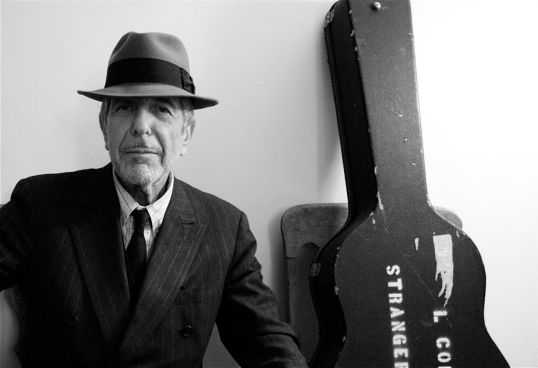
An infamous French drug dealer and terrorist named Bandi (Xavier Coronel) has escaped from a Canadian prison and surfaced in Miami, where he murders an innocent hospital worker and takes off with a van full of morphine. While Tubbs tries to protect the only witness, a rebellious teenage photographer named Cindy (Shari Headley), Crockett works closely with Danielle Hier (Lisa Eichorn), a French INTERPOL agent who has been sent to Miami by her boss, Zolan (played, in an odd cameo, by folk singer Leonard Cohen).
In fact, Crockett may be working a bit too closely with Danielle because he’s the only person who doesn’t seem to notice that there’s something suspicious about her. Tubbs feels that there’s something that Danielle is not telling the Vice Squad and he’s right. While Castillo is under orders to take Bandi alive so he can be sent to face prison in Canada, Danielle has been sent to assassinate Bandi on behalf of French Intelligence.
This is a typically cynical episode of Miami Vice. The latter half of the first season and the majority of the second season have been full of episodes in which competing government agencies screw up Tubbs and Crockett’s efforts to clean up Miami. This episode is unique in that the competing government agency is French but otherwise, the theme remains the same. The War on Drugs can never be won because too many people are benefitting from it. When watched today, it’s helpful to have some knowledge of what was going on in France from the 60s to the 80s. Many French terrorist organizations — on both the left and the right — funded their activities through the heroin trade and it’s easy to see Bandi as a stand-in for the infamous ex-OAS drug lords of the era. As for Danielle, it’s mentioned that one of her previous missions involved blowing up a Greenpeace boat, which is something that French Intelligence actually did around the same time that this episode aired.
This is yet another episode the ends with a fateful gunshot in the night. In this case, it’s Crockett killing his lover to save his partner. It’s an ending that doesn’t quite have the emotional resonance to it that it’s had when used during previous episodes, largely because there’s very little romantic or sexual chemistry between Don Johnson and Lisa Eichorn. Eichorn, who was so good in Cutter’s Way, struggles a bit with her French accent and the final twist involving her character feels a bit too obvious. It’s hard to believe that Sonny — world-weary Sonny who lives on a boat and whose best friend is a crocodile and who has experienced plenty of CIA duplicity in both Vietnam and Miami — wouldn’t have been able to see right through her.
This was a forgettable episode, one that went through the motions without making much of an impression. It happens …. even in Miami.
 Through the Shattered Lens