
Ah, the 40s! For most of the decade, the world was at war and the Academy’s nominations reflected that fact. The best picture lineups alternated between patriotic films that encouraged the battle against evil and darker films that contemplated both the mistakes of the past and what threats might be waiting in the future. With the Academy being even more aware than usual that films and awards could be used to send a message, the snubs continued.
1940: John Carradine Is Not Nominated For The Grapes of Wrath
John Carradine’s first credited film appearance was in 1930 but Carradine himself claimed that he had appeared as an uncredited extra in over 70 films before getting that first credit. Carradine would continue to work until his death 58 years later. John Carradine did so many films that he was still appearing in new releases in the 90s, years after his death. He appeared in over 234 films and in countless television shows. He was a favorite of not only Fred Olen Ray’s but also John Ford’s.
Unfortunately, Carradine was never nominated for an Oscar, despite the fact that he did appear in some classic films. (He also appeared in a lot of B-movies, which is perhaps one reason why the Academy was hesitant to honor him.) Personally, I think Carradine most deserved a nomination for playing “Pastor” Jim Casy in John Ford’s The Grapes of Wrath. Carradine is ideally cast as the former preacher turned labor activist. When he’s alive, he gives the Joads hope. When he dies, both the Joads and the audience start to realize how difficult things are truly going to be.
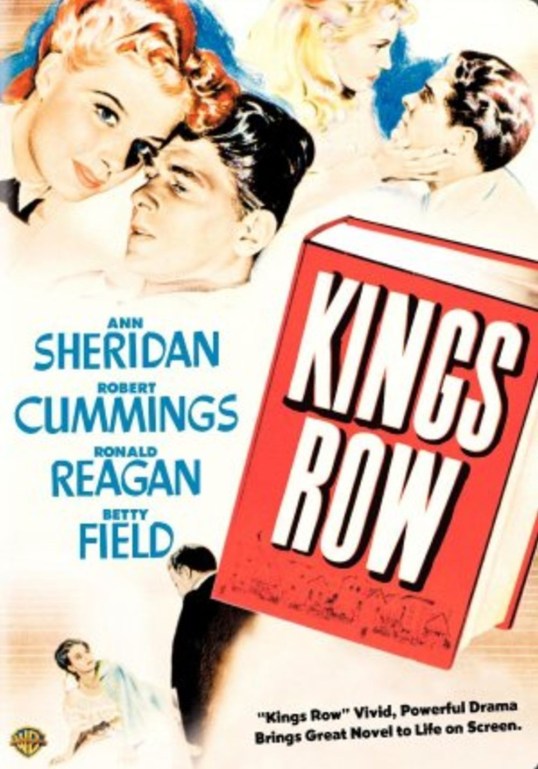
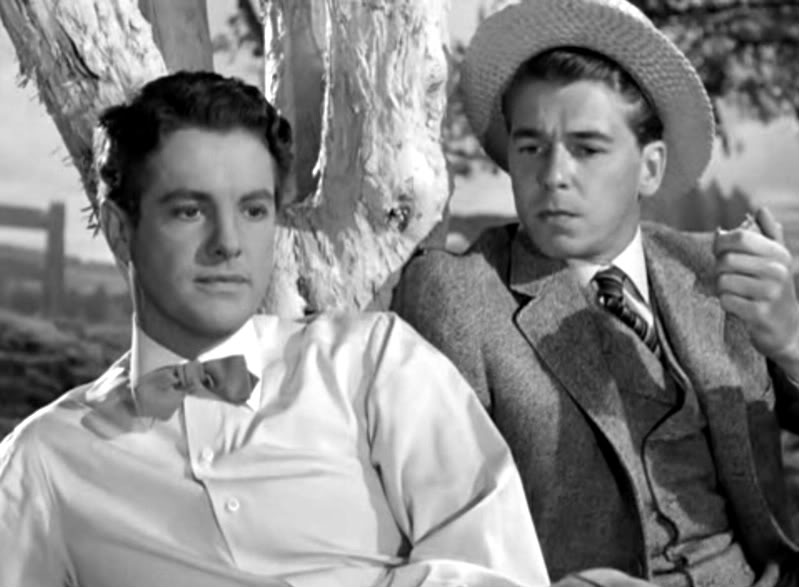
1942: Ronald Reagan Is Not Nominated For Best Supporting Actor For Kings Row
Kings Row is an enjoyably over-the-top small town melodrama and future President Ronald Reagan is fantastic in the film, with his natural optimism providing a nice contrast to the truly terrible things that happen to him and his loved ones over the course of the film. Reagan was not nominated for this performance, the one that both he and the most of the critics agreed was his best, but he should have been.
1943: Hangmen Also Die Is Not Nominated For Best Picture
Fritz Lang’s anti-Nazi classic was not nominated for Best Picture and only received two nominations (for Sound and Score). That year, the Best Picture winner was another anti-Nazi classic, Casablanca.
1943: Shadow Of A Doubt Is Ignored
Today, it is recognized as one of Hitchcock’s best but, in 1943, Shadow of a Doubt couldn’t even score a nomination for Joseph Cotten’s wonderfully diabolical turn as Uncle Charlie. One gets the feeling that the film’s satirical jibes at small town America and its theme of evil hiding behind a normal façade were not what the Academy was looking for at the height of World War II. It’s a shame because, in many ways, Cotten’s Uncle Charlie was the perfect symbol of the enemy that the Allies were fighting.
1944: Tallulah Bankhead In Not Nominated For Best Actress For Lifeboat
Unlike Shadow of a Doubt, Hitchcock’s Lifeboat received several Oscar nominations. However, Tallulah Bankhead was not nominated for Best Actress. Perhaps the Academy was scared of what she might say if she won.

1944: Fred MacMurray and Edward G. Robinson Are Not Nominated For Double Indemnity
For all the nominations that this classic noir received, somehow neither Fred MacMurray nor Edward G. Robinson were nominated for their roles. Both actors are brilliantly cast against type in this film. MacMurray uses his trademark casual glibness to portray Walter Neff as being an arrogant man who is hardly as clever as he thinks that he is. Meanwhile, Robinson’s more introspective performance leaves you with little doubt that, if anyone can solve this case, it’s him. While Barbara Stanwyck was (rightfully) nominated, it’s had to believe that both MacMurray and Robinson were snubbed.
1946: Thomas Mitchell and Lionel Barrymore Are Not Nominated For Best Supporting Actor For It’s A Wonderful Life
As wonderful as James Stewart and Donna Reed are, it just wouldn’t be Bedford Falls without Uncle Billy and Mr. Potter! Thomas Mitchell breaks your heart in the scene where he tries to remember what he did with the lost money. And, for audiences who had just lived through the Great Depression, Lionel Barrymore represented every businessman who cared more about money than people. It’s impossible to imagine the film without them …. or without Henry Travers, for that matter! Seriously, very few films have received three best supporting actor nominations but It’s A Wonderful Life deserved to be one of them.
1948: Humphrey Bogart Is Not Nominated For Best Actor For The Treasure of the Sierra Madre
The Treasure of the Sierra Madre received four Oscar nominations. Somehow, not one of those nominations was not for Humphrey Bogart.
1948 and 1949: Red River, Fort Apache, and She Wore A Yellow Ribbon Are Not Nominated For Best Picture
The public may have loved Westerns but the Academy largely shied away from them, with a few notable exceptions. Howard Hawks’s Red River and John Ford’s Fort Apache and She Wore A Yellow Ribbon are today all recognized as being classic Hollywood films. However, the Academy, then at the height of its bias towards “genre” films, didn’t honor any of them.
1949: James Cagney Is Not Nominated For Best Actor For White Heat
“Top of the world, ma!” Maybe so, but not top of the Oscars. The Academy was always more interested in honoring Cagney for being a song-and-dance man than for honoring him for his iconic gangster roles.
Agree? Disagree? Do you have an Oscar snub that you think is even worse than the 10 listed here? Let us know in the comments!
Up next: Get ready to hate the commies and to love Ike because the 50s are coming!


 Through the Shattered Lens