Horror on the Lens: The Cabinet of Dr. Caligari (dir by Robert Wiene)


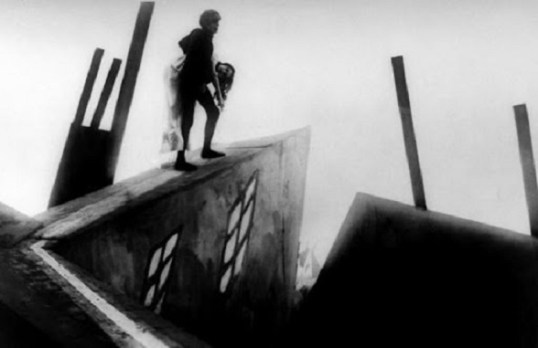
The Cabinet of Dr. Caligari (1920, dir by Robert Wiene, DP: Willy Hameister)

The Cabinet of Dr. Caligari is a film that I’ve shared many times previously on the Shattered Lens.  The first time was in 2011 and then I shared it again in 2014, 2015, 2016, 2017, 2018, 2019, 2020, 2021, and 2022!  Well, you know what?  I’m sharing it again because it’s a classic, it’s Halloween, and everyone should see it!  (And let’s face it — it’s entirely possible that some of the people reading this post right now didn’t even know this site existed in any of those previous years.  Why should they be deprived of Caligari just because they only now arrived?)

Released in 1920, the German film The Cabinet of Dr. Caligari is one of those films that we’ve all heard about but far too few of us have actually seen.  Like most silent films, it requires some patience and a willingess to adapt to the narrative convictions of an earlier time.  However, for those of us who love horror cinema, The Cabinet of Dr. Caligari remains required viewing.  Not only did it introduce the concept of the twist ending (M. Night Shyamalan owes his career to this film) but it also helped to introduce German expressionism to the cinematic world.

My initial reaction to The Cabinet of Dr. Caligari was that it simply wasn’t that scary.  It was certainly interesting to watch and I was happy that I was finally experiencing this film that I had previously only read about.  However, the film itself was obviously primitive and it was difficult for my mind (which takes CGI for granted) to adjust to watching a silent film.  I didn’t regret watching the film but I’d be lying (much like a first-year film student) if I said that I truly appreciated it after my first viewing.

But you know what?  Despite my dismissive initial reaction, the film stayed with me.  Whereas most modern films fade from the memory about 30 minutes after the end credits,The Cabinet of Dr. Caligari has stuck with me and the night after I watched it, I even had a nightmare in which Dr. Caligari was trying to break into my apartment.  Yes, Dr. Caligari looked a little bit silly staring through my bedroom window but it still caused me to wake up with my heart about to explode out of my chest.

In short, The Cabinet of Dr. Caligari passes the most important test that a horror film can pass.  It sticks with you even after it’s over.

For the curious with an open mind to watch with, here is Robert Wiene’s The Cabinet of Dr. Caligari!

Enjoy!

Horror on the Lens: The Cabinet of Dr. Caligari (dir by Robert Wiene)


The Cabinet of Dr. Caligari (1920, dir by Robert Wiene, DP: Willy Hameister)

The Cabinet of Dr. Caligari is a film that I’ve shared many times previously on the Shattered Lens.  The first time was in 2011 and then I shared it again in 2014, 2015, 2016, 2017, 2018, 2019, 2020, and 2021!  Well, you know what?  I’m sharing it again because it’s a classic, it’s Halloween, and everyone should see it!  (And let’s face it — it’s entirely possible that some of the people reading this post right now didn’t even know this site existed in any of those previous years.  Why should they be deprived of Caligari just because they only now arrived?)

Released in 1920, the German film The Cabinet of Dr. Caligari is one of those films that we’ve all heard about but far too few of us have actually seen.  Like most silent films, it requires some patience and a willingess to adapt to the narrative convictions of an earlier time.  However, for those of us who love horror cinema, The Cabinet of Dr. Caligari remains required viewing.  Not only did it introduce the concept of the twist ending (M. Night Shyamalan owes his career to this film) but it also helped to introduce German expressionism to the cinematic world.

My initial reaction to The Cabinet of Dr. Caligari was that it simply wasn’t that scary.  It was certainly interesting to watch and I was happy that I was finally experiencing this film that I had previously only read about.  However, the film itself was obviously primitive and it was difficult for my mind (which takes CGI for granted) to adjust to watching a silent film.  I didn’t regret watching the film but I’d be lying (much like a first-year film student) if I said that I truly appreciated it after my first viewing.

But you know what?  Despite my dismissive initial reaction, the film stayed with me.  Whereas most modern films fade from the memory about 30 minutes after the end credits,The Cabinet of Dr. Caligari has stuck with me and the night after I watched it, I even had a nightmare in which Dr. Caligari was trying to break into my apartment.  Yes, Dr. Caligari looked a little bit silly staring through my bedroom window but it still caused me to wake up with my heart about to explode out of my chest.

In short, The Cabinet of Dr. Caligari passes the most important test that a horror film can pass.  It sticks with you even after it’s over.

For the curious with an open mind to watch with, here is Robert Wiene’s The Cabinet of Dr. Caligari!

Enjoy!

Horror on the Lens: The Cabinet of Dr. Caligari (dir by Robert Wiene)


The Cabinet of Dr. Caligari is a film that I’ve shared four times previously on the Shattered Lens.  The first time was in 2011 and then I shared it again in 2014, 2015, 2016, 2017, 2018, 2019, and 2020!  Well, you know what?  I’m sharing it again because it’s a classic, it’s Halloween, and everyone should see it!  (And let’s face it — it’s entirely possible that some of the people reading this post right now didn’t even know this site existed in any of those previous years.  Why should they be deprived of Caligari just because they only now arrived?)

Released in 1920, the German film The Cabinet of Dr. Caligari is one of those films that we’ve all heard about but far too few of us have actually seen.  Like most silent films, it requires some patience and a willingess to adapt to the narrative convictions of an earlier time.  However, for those of us who love horror cinema, The Cabinet of Dr. Caligari remains required viewing.  Not only did it introduce the concept of the twist ending (M. Night Shyamalan owes his career to this film) but it also helped to introduce German expressionism to the cinematic world.

My initial reaction to The Cabinet of Dr. Caligari was that it simply wasn’t that scary.  It was certainly interesting to watch and I was happy that I was finally experiencing this film that I had previously only read about.  However, the film itself was obviously primitive and it was difficult for my mind (which takes CGI for granted) to adjust to watching a silent film.  I didn’t regret watching the film but I’d be lying (much like a first-year film student) if I said that I truly appreciated it after my first viewing.

But you know what?  Despite my dismissive initial reaction, the film stayed with me.  Whereas most modern films fade from the memory about 30 minutes after the end credits,The Cabinet of Dr. Caligari has stuck with me and the night after I watched it, I even had a nightmare in which Dr. Caligari was trying to break into my apartment.  Yes, Dr. Caligari looked a little bit silly staring through my bedroom window but it still caused me to wake up with my heart about to explode out of my chest.

In short, The Cabinet of Dr. Caligari passes the most important test that a horror film can pass.  It sticks with you even after it’s over.

For the curious with an open mind to watch with, here is Robert Wiene’s The Cabinet of Dr. Caligari!

Enjoy!

Horror on the Lens: The Cabinet of Dr. Caligari (dir by Robert Wiene)


The Cabinet of Dr. Caligari is a film that I’ve shared four times previously on the Shattered Lens.  The first time was in 2011 and then I shared it again in 2014, 2015, 2016, 2017, 2018, and 2019!  Well, you know what?  I’m sharing it again because it’s a classic, it’s Halloween, and everyone should see it!  (And let’s face it — it’s entirely possible that some of the people reading this post right now didn’t even know this site existed in any of those previous years.  Why should they be deprived of Caligari just because they only now arrived?)

Released in 1920, the German film The Cabinet of Dr. Caligari is one of those films that we’ve all heard about but far too few of us have actually seen.  Like most silent films, it requires some patience and a willingess to adapt to the narrative convictions of an earlier time.  However, for those of us who love horror cinema, The Cabinet of Dr. Caligari remains required viewing.  Not only did it introduce the concept of the twist ending (M. Night Shyamalan owes his career to this film) but it also helped to introduce German expressionism to the cinematic world.

My initial reaction to The Cabinet of Dr. Caligari was that it simply wasn’t that scary.  It was certainly interesting to watch and I was happy that I was finally experiencing this film that I had previously only read about.  However, the film itself was obviously primitive and it was difficult for my mind (which takes CGI for granted) to adjust to watching a silent film.  I didn’t regret watching the film but I’d be lying (much like a first-year film student) if I said that I truly appreciated it after my first viewing.

But you know what?  Despite my dismissive initial reaction, the film stayed with me.  Whereas most modern films fade from the memory about 30 minutes after the end credits,The Cabinet of Dr. Caligari has stuck with me and the night after I watched it, I even had a nightmare in which Dr. Caligari was trying to break into my apartment.  Yes, Dr. Caligari looked a little bit silly staring through my bedroom window but it still caused me to wake up with my heart about to explode out of my chest.

In short, The Cabinet of Dr. Caligari passes the most important test that a horror film can pass.  It sticks with you even after it’s over.

For the curious with an open mind to watch with, here is Robert Wiene’s The Cabinet of Dr. Caligari!

Enjoy!

Horror on the Lens: The Cabinet of Dr. Caligari (dir by Robert Wiene)


The Cabinet of Dr. Caligari is a film that I’ve shared four times previously on the Shattered Lens.  The first time was in 2011 and then I shared it again in 2014, 2015, 2016, 2017, and 2018!  Well, you know what?  I’m sharing it again because it’s a classic, it’s Halloween, and everyone should see it!  (And let’s face it — it’s entirely possible that some of the people reading this post right now didn’t even know this site existed in any of those previous years.  Why should they be deprived of Caligari just because they only now arrived?)

Released in 1920, the German film The Cabinet of Dr. Caligari is one of those films that we’ve all heard about but far too few of us have actually seen.  Like most silent films, it requires some patience and a willingess to adapt to the narrative convictions of an earlier time.  However, for those of us who love horror cinema, The Cabinet of Dr. Caligari remains required viewing.  Not only did it introduce the concept of the twist ending (M. Night Shyamalan owes his career to this film) but it also helped to introduce German expressionism to the cinematic world.

My initial reaction to The Cabinet of Dr. Caligari was that it simply wasn’t that scary.  It was certainly interesting to watch and I was happy that I was finally experiencing this film that I had previously only read about.  However, the film itself was obviously primitive and it was difficult for my mind (which takes CGI for granted) to adjust to watching a silent film.  I didn’t regret watching the film but I’d be lying (much like a first-year film student) if I said that I truly appreciated it after my first viewing.

But you know what?  Despite my dismissive initial reaction, the film stayed with me.  Whereas most modern films fade from the memory about 30 minutes after the end credits,The Cabinet of Dr. Caligari has stuck with me and the night after I watched it, I even had a nightmare in which Dr. Caligari was trying to break into my apartment.  Yes, Dr. Caligari looked a little bit silly staring through my bedroom window but it still caused me to wake up with my heart about to explode out of my chest.

In short, The Cabinet of Dr. Caligari passes the most important test that a horror film can pass.  It sticks with you even after it’s over.

For the curious with an open mind to watch with, here is Robert Wiene’s The Cabinet of Dr. Caligari!

Enjoy!

Horror on the Lens: The Cabinet of Dr. Caligari (dir by Robert Wiene)


The Cabinet of Dr. Caligari is a film that I’ve shared four times previously on the Shattered Lens.  The first time was in 2011 and then I shared it again in 2014, 2015, 2016, and 2017!  Well, you know what?  I’m sharing it again because it’s a classic, it’s Halloween, and everyone should see it!  (And let’s face it — it’s entirely possible that some of the people reading this post right now didn’t even know this site existed in 2017.  Why should they be deprived of Caligari just because they only now arrived?)

Released in 1920, the German film The Cabinet of Dr. Caligari is one of those films that we’ve all heard about but far too few of us have actually seen.  Like most silent films, it requires some patience and a willingess to adapt to the narrative convictions of an earlier time.  However, for those of us who love horror cinema, The Cabinet of Dr. Caligari remains required viewing.  Not only did it introduce the concept of the twist ending (M. Night Shyamalan owes his career to this film) but it also helped to introduce German expressionism to the cinematic world.

My initial reaction to The Cabinet of Dr. Caligari was that it simply wasn’t that scary.  It was certainly interesting to watch and I was happy that I was finally experiencing this film that I had previously only read about.  However, the film itself was obviously primitive and it was difficult for my mind (which takes CGI for granted) to adjust to watching a silent film.  I didn’t regret watching the film but I’d be lying (much like a first-year film student) if I said that I truly appreciated it after my first viewing.

But you know what?  Despite my dismissive initial reaction, the film stayed with me.  Whereas most modern films fade from the memory about 30 minutes after the end credits,The Cabinet of Dr. Caligari has stuck with me and the night after I watched it, I even had a nightmare in which Dr. Caligari was trying to break into my apartment.  Yes, Dr. Caligari looked a little bit silly staring through my bedroom window but it still caused me to wake up with my heart about to explode out of my chest.

In short, The Cabinet of Dr. Caligari passes the most important test that a horror film can pass.  It sticks with you even after it’s over.

For the curious with an open mind to watch with, here is Robert Wiene’s The Cabinet of Dr. Caligari!

Enjoy!

Horror on the Lens: The Cabinet of Dr. Caligari (dir by Robert Wiene)


The Cabinet of Dr. Caligari is a film that I’ve shared four times previously on the Shattered Lens.  The first time was in 2011 and then I shared it again in 2014, 2015 and 2016.  Well, you know what?  I’m sharing it again because it’s a classic, it’s Halloween, and everyone should see it!  (And let’s face it — it’s entirely possible that some of the people reading this post right now didn’t even know this site existed in 2016.  Why should they be deprived of Caligari just because they only now arrived?)

Released in 1920, the German film The Cabinet of Dr. Caligari is one of those films that we’ve all heard about but far too few of us have actually seen.  Like most silent films, it requires some patience and a willingess to adapt to the narrative convictions of an earlier time.  However, for those of us who love horror cinema, The Cabinet of Dr. Caligari remains required viewing.  Not only did it introduce the concept of the twist ending (M. Night Shyamalan owes his career to this film) but it also helped to introduce German expressionism to the cinematic world.

My initial reaction to The Cabinet of Dr. Caligari was that it simply wasn’t that scary.  It was certainly interesting to watch and I was happy that I was finally experiencing this film that I had previously only read about.  However, the film itself was obviously primitive and it was difficult for my mind (which takes CGI for granted) to adjust to watching a silent film.  I didn’t regret watching the film but I’d be lying (much like a first-year film student) if I said that I truly appreciated it after my first viewing.

But you know what?  Despite my dismissive initial reaction, the film stayed with me.  Whereas most modern films fade from the memory about 30 minutes after the end credits,The Cabinet of Dr. Caligari has stuck with me and the night after I watched it, I even had a nightmare in which Dr. Caligari was trying to break into my apartment.  Yes, Dr. Caligari looked a little bit silly staring through my bedroom window but it still caused me to wake up with my heart about to explode out of my chest.

In short, The Cabinet of Dr. Caligari passes the most important test that a horror film can pass.  It sticks with you even after it’s over.

For the curious who have 74 minutes to spare and an open mind to watch with, here is Robert Wiene’s The Cabinet of Dr. Caligari…

http://www.youtube.com/watch?v=BuocVLKdSqQ


Horror on the Lens: The Cabinet of Dr. Caligari (dir by Robert Wiene)


The Cabinet of Dr. Caligari is a film that I’ve shared three times previously on the Shattered Lens.  The first time was in 2011 and then I shared it again in both 2014 and 2015.  Well, you know what?  I’m sharing it again because it’s a classic, it’s Halloween, and everyone should see it!

Released in 1920, the German film The Cabinet of Dr. Caligari is one of those films that we’ve all heard about but far too few of us have actually seen.  Like most silent films, it requires some patience and a willingess to adapt to the narrative convictions of an earlier time.  However, for those of us who love horror cinema, The Cabinet of Dr. Caligari remains required viewing.  Not only did it introduce the concept of the twist ending (M. Night Shyamalan owes his career to this film) but it also helped to introduce German expressionism to the cinematic world.

My initial reaction to The Cabinet of Dr. Caligari was that it simply wasn’t that scary.  It was certainly interesting to watch and I was happy that I was finally experiencing this film that I had previously only read about.  However, the film itself was obviously primitive and it was difficult for my mind (which takes CGI for granted) to adjust to watching a silent film.  I didn’t regret watching the film but I’d be lying (much like a first-year film student) if I said that I truly appreciated it after my first viewing.

But you know what?  Despite my dismissive initial reaction, the film stayed with me.  Whereas most modern films fade from the memory about 30 minutes after the end credits,The Cabinet of Dr. Caligari has stuck with me and the night after I watched it, I even had a nightmare in which Dr. Caligari was trying to break into my apartment.  Yes, Dr. Caligari looked a little bit silly staring through my bedroom window but it still caused me to wake up with my heart about to explode out of my chest.

In short, The Cabinet of Dr. Caligari passes the most important test that a horror film can pass.  It sticks with you even after it’s over.

For the curious who have 74 minutes to spare and an open mind to watch with, here is Robert Wiene’s The Cabinet of Dr. Caligari…

Horror on the Lens: The Cabinet of Dr. Caligari (dir by Robert Wiene)


The Cabinet of Dr. Caligari is a film that I’ve shared twice previously on the Shattered Lens.  The first tim was in 2011 and then I shared it again last year.  Well, you know what?  I’m sharing it again because it’s a classic, it’s Halloween, and everyone should see it!

Released in 1920, the German film The Cabinet of Dr. Caligari is one of those films that we’ve all heard about but far too few of us have actually seen.  Like most silent films, it requires some patience and a willingess to adapt to the narrative convictions of an earlier time.  However, for those of us who love horror cinema, The Cabinet of Dr. Caligari remains required viewing.  Not only did it introduce the concept of the twist ending (M. Night Shyamalan owes his career to this film) but it also helped to introduce German expressionism to the cinematic world.

My initial reaction to The Cabinet of Dr. Caligari was that it simply wasn’t that scary.  It was certainly interesting to watch and I was happy that I was finally experiencing this film that I had previously only read about.  However, the film itself was obviously primitive and it was difficult for my mind (which takes CGI for granted) to adjust to watching a silent film.  I didn’t regret watching the film but I’d be lying (much like a first-year film student) if I said that I truly appreciated it after my first viewing.

But you know what?  Despite my dismissive initial reaction, the film stayed with me.  Whereas most modern films fade from the memory about 30 minutes after the end credits, The Cabinet of Dr. Caligari has stuck with me and the night after I watched it, I even had a nightmare in which Dr. Caligari was trying to break into my apartment.  Yes, Dr. Caligari looked a little bit silly staring through my bedroom window but it still caused me to wake up with my heart about to explode out of my chest.

In short, The Cabinet of Dr. Caligari passes the most important test that a horror film can pass.  It sticks with you even after it’s over.

For the curious who have 50 minutes to spare and an open mind to watch with, here is Robert Wiene’s The Cabinet of Dr. Caligari…

http://www.youtube.com/watch?v=AP3WDQXkJq4

Horror on the Lens: The Cabinet of Dr. Caligari (dir by Robert Wiene)


We previously shared and reviewed this movie two Halloweens ago but so what?  It’s a horror classic and watching it is a bit of a Halloween tradition and here at the Shattered Lens, we are all about tradition!  Add to that, this is one of the most influential films of all time.  First released in 1922, The Cabinet of Dr. Caligari both introduced the world to German expressionism and it was one of the first films to feature a twist ending.

So, the next time you’re thinking about how much you love M. Night Shyamalan, be sure to say a word of thanks to Robert Wiene for directing The Cabinet of Dr. Caligari!

http://www.youtube.com/watch?v=AP3WDQXkJq4