I was saddened to learn of the death of French actor Jean-Paul Belmondo earlier today. He was 88 years old and still an international icon of movie star charisma at the time of his death.
Belmondo spent the majority of his career in France, where he was one of the early faces of the New Wave and also a prominent action star, famed for doing his own very dangerous stunts. In America, he was best-known for his starring turn in Jean-Luc Godard’s Breathless. In Breathless, Belmondo was the perfect existential outlaw, living life day-by-day and obviously doomed but still so incredibly magnetic and stylish.
In tribute to Belmondo, here is a scene that I love, the final moments of Breathless.
Charlie Watts, the drummer of the Rolling Stones, died today at the age of 80. He passed away peacefully in London, surrounded by his family.
This one is hitting me hard. Charlie Watts was one of my drumming heroes. He was also the underrated glue that held the Stones together, the steadying influence that controlled the chaos that Mick Jagger and Keith Richards released on stage. He was a key member of the band but, because he was so self-effacing, he was often underrated. In many ways, he was the perfect drummer. While the lead singer and the lead guitarist prowled the front of the stage, Watts stayed in the background and produced the beat that propelled the Stones’s best songs.
Not only was Charlie Watts one of the best drummer, he was also perhaps the best dressed drummer to ever grace the stage. By most accounts, Charlie Watts a gentlemen, through and through, one who stayed loyal to his wife despite the temptations of the road and who often viewed touring as member of the world’s most dangerous band with a bemused wit. Reportedly, he was the only member of the band to openly cry when they first learned that co-founder Brian Jones had drowned. In the documentary Gimme Shelter, while Mick Jagger remains detached while watching the Hell’s Angels kill Meredith Hunter while the Stones perform at the Altamont Free Concert, Watts is clearly upset by the violence unfolding on the monitors before him.
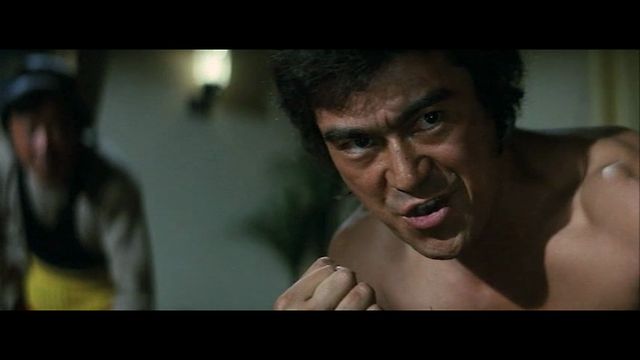
The news today is tragic. COVID has claimed the life of Sonny Chiba. Chiba was 82 years old.
Born Sadaho Maeda, he first entered films when he won a talent search that was sponsored by Toei Studios. The CEO of Toei renamed him Shinichi Chiba. He started his career largely appearing in crime dramas, playing police and gangsters. He found international stardom when he started to play roles that took advantage of his mastery of the martial arts, which eventually led to him playing the lead role in 1974’s The Street Fighter. With the success of that film, he also received a new name when the film’s U.S. distributor, New Line Cinema, advertised the film as starring “Sonny” Chiba. At the time, TheStreetFighter was notorious for being the first film to receive an X-rating due to violence. Perhaps the MPAA was scandalized by the scene in which audiences were literally shown an x-ray of Chiba smashing open a man’s skull.
A good deal of Sonny Chiba’s appeal came from the fact that he actually was a skilled martial artist. He wasn’t faking it through camera trickery or fancy editing. His film fight were exciting because it was obvious that Chiba could do the same things in real life that he was doing in the movies. He was also a good actor, one who had an imposing screen presence and who was legitimately menacing when he scowled at an opponent. Before his death, Bruce Lee hoped to make a movie with Sonny Chiba and George Lazenby. Unfortunately, the day that Chiba arrived in Hong Kong to discuss the film was the same day that Lee died.
Quentin Tarantino was a fan, casting Sonny Chiba in the KillBill films. He was also beloved by the stoners who named a strain of potent cannabis after him. In Japan, Chiba was a tireless advocate for raising the level of martial arts techniques used in film and television. He worked up steadily from 1961 onward and he still has one more posthumous film, Bond of Justice: Kizu, set to be released at some point in the future. He held black belts in 6 different martials arts: Kyokushin, Ninjutsu, Gojo-ryu, Shorinji Kempo, Judo, and Kendo.
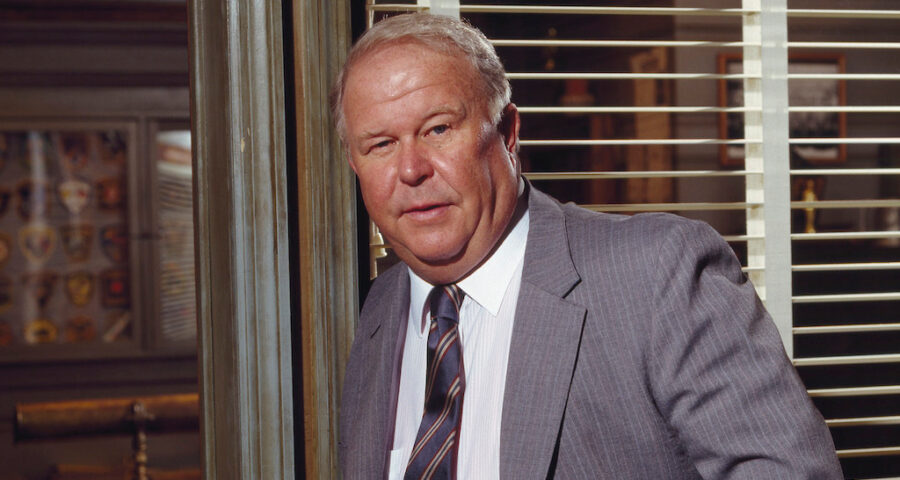
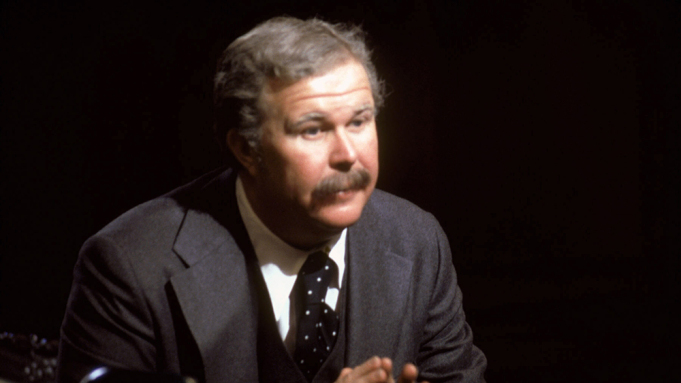
Ever since I heard the news last night, I’ve been thinking about what an amazing actor Ned Beatty was. He could play it all. He could play a hero, he could play a villain, and he could play the quirky comic relief. He could effortlessly move from the movies to television to the stage and he seemed to instinctively grasp how to modify his style for each medium. Physically, he was instantly recognizable but he still managed to disappear into every role he played. You never thought you were watching Ned Beatty. Instead, you thought you were watching Bobby in Deliverance or Detective Bolander on Homicide or Otis in the first two Superman movies.
It’s amazing that, in his long career, Ned Beatty was only nominated for one Oscar and it wasn’t for his film debut in Deliverance. Playing the Atlanta salesman who is raped by two inbred hillbillies, Beatty gave a fearless performance in a role that a lot of established actors probably would not have had the guts to accept. Beatty wasn’t nominated for Deliverance or for his charming work in the British film, Hear My Song. Instead, he was nominated for his thunderous cameo in Network, in which he told Howard Beale that he had upset the natural order of things and, in a few brief minutes, stole Network from every other member of that film’s legendary cast. The same year that Beatty was in Network, he also appeared as an honest but befuddled investigator in All The President’s Men. Though his screentime was limited in both films, he made a lasting impression.
One of my favorite Beatty performances was as Detective Stanley Bolander on Homicide: Life on the Streets. For the first three seasons of that underappreciated show, Beatty played a veteran detective, the type of man who had dedicated his life to giving a voice to the voiceless. Who can forget him in the pilot, taunting Richard Belzer’s Detective Munch into solving a cold case? Even though Beatty was the best-known actor in the film’s cast, he still blended in effortlessly with the ensemble. Watching Homicide, you didn’t see Ned Beatty. You saw Detective Stanley Bolander, an aging Baltimore detective who had seen the worst but still tried to do the best job that he could. Beatty left the show after three seasons, under circumstances that are still hazy, though everyone seems to agree that blame ultimately rests with the ratings and youth-obsessed executives at NBC, who never appreciated the show while they had it.
(Considering we’ve lost both Yaphet Kotto and Ned Beatty in the same year, I hope at least one streaming service will pick up Homicide so people who missed it the first time can see how great it was. Homicide really laid down the foundation for The Wire.)
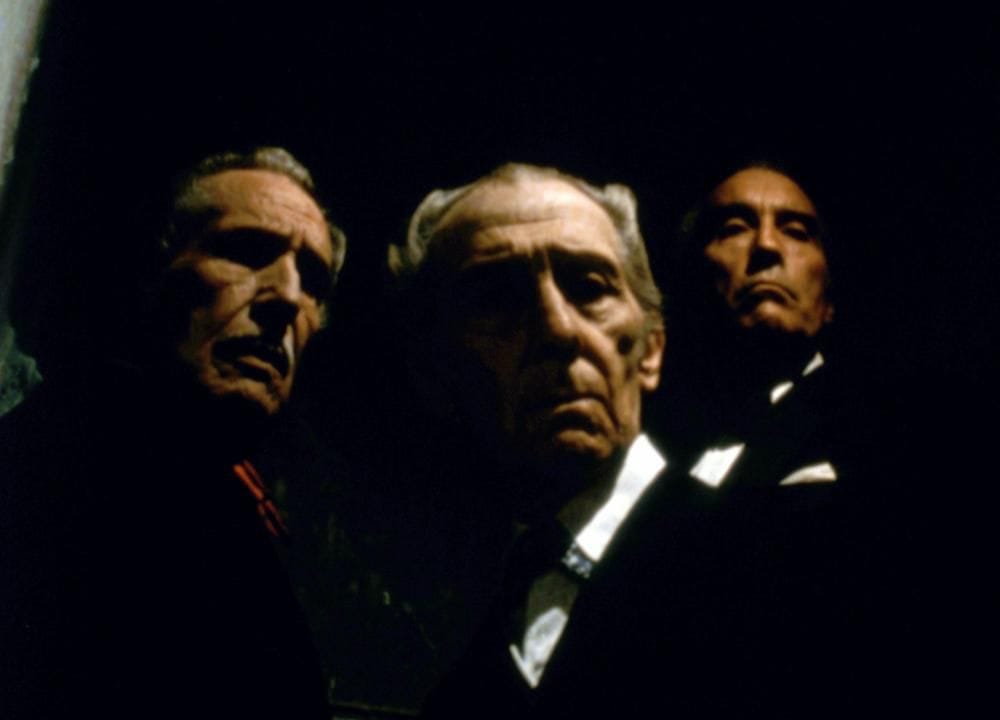
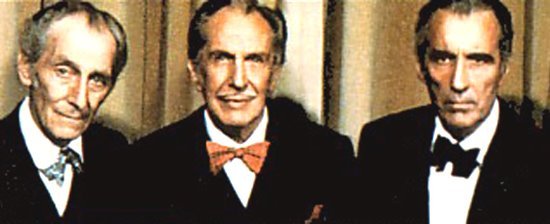
Today, the Shattered Lens honors the birth of three cinematic icons!
Vincent Price was born on May 27th, 1911 in St. Louis, Missouri.
Peter Cushing was born on May 26th, 1913 in Kenley, Surrey, England.
Christopher Lee was born on May 27th, 1922 in London, England!
These three gentlemen went on to not only become very good actors but also horror icons! Each, in their own way, is responsible for my own love of cinema. You could argue that, without them, there would be a lot less horror fans in the world. Just as Lee and Cushing introduced a new generation to Dracula and Frankenstein, Price helped to introduce a new generation to the works of Edgar Allan Poe.
On top of all the work they did in the movies, the three of them were apparently good friends off-screen as well!
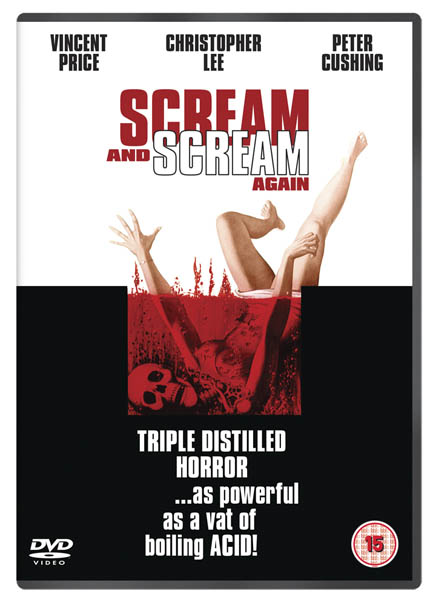
So, today, take a minute or two to remember three great actors! And, if you want to watch a movie with all three of them at their best, might I suggest Scream and Scream Again? It’s my favorite!
It was a story that he told often, about how he was a struggling, 30 year-old actor with a few film credits to his name when he was offered the lead role in The Graduate. Even though producer Lawrence Turman said the role would make him a star, Grodin turned it down because of the low salary that Turman offered. The role was then offered to Dustin Hoffman, who went on to become a star and spend several decades as an unlikely box office draw.
It’s easy to imagine Grodin in the role of Benjamin Braddock. He probably wouldn’t have been as insecure as Hoffman was in the role. He would have been a less passive Benjamin. Grodin’s Braddock would probably have been more obviously frustrated with Mrs. Robinson and his parents. Nobody played frustration quite as well as Charles Grodin. Audiences might not have been as quick to sympathize with Benjamin if Grodin had played the role but I think he would have eventually won them over. Grodin was an actor with a talent for making unlikable characters somehow funny and relatable.
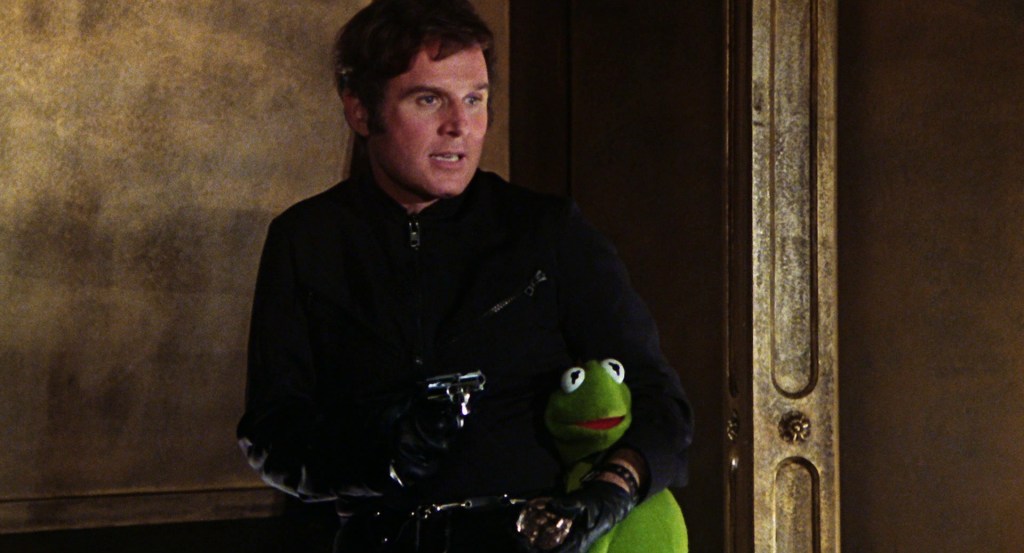
Though Grodin may not have played Benjamin Braddock, he still went on to establish himself as one of the funniest character actors in the business, a master of deadpan humor. He was often the best thing in the moves in which he appeared. In Heaven Can Wait, he was funny even while he was trying to kill Warren Beatty. In Real Life, he was a suburban father who found himself trapped in an early version of reality television. In Seems Like Old Times, he gets more laughs with one annoyed expression than Chevy Chase gets in the entire film. In The Great Muppet Caper, he fell in love with Miss Piggy and tried to kill Kermit. He was one of the few actors to make it through Ishtar with his dignity intact. In Midnight Run, he was the perfect comedic counterbalance to Robert De Niro. In Dave, he taught the government how to balance a budget. Though he was often cast in supporting roles or as a co-lead (as in Midnight Express), he proved that he could carry a film with his starring turn in The Heartbreak Kid.
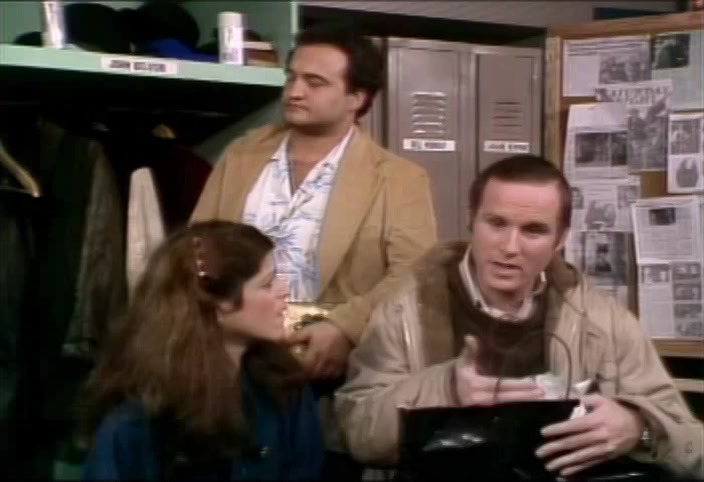
A lot of people knew Grodin best as a late night talk show guest, where he always seemed to be annoyed about something. He would get into mock arguments with the hosts and leave audiences confused as to how serious any of it was. (According to David Letterman, none of it was.) He briefly hosted his own talk show, from 1995 to 1998. Legend has it that Lorne Michaels banned him from Saturday Night Live after he hosted the show, apparently because he was so difficult to work with. How much of that is true and how much of that was just Grodin doing a bit, no one knows. I’ve seen Grodin’s episode. It’s fine. He’s funny.
Charles Grodin died today of bone marrow cancer. He was 85 years old. I’m going to miss him.
Gilda Radner, John Belish, and Charles Grodin on Saturday Night Live
4 (or more) Shots From 4 (or more) Films is just what it says it is, 4 (or more) shots from 4 (or more) of our favorite films. As opposed to the reviews and recaps that we usually post, 4 (or more) Shots From 4 (or more) Films lets the visuals do the talking.
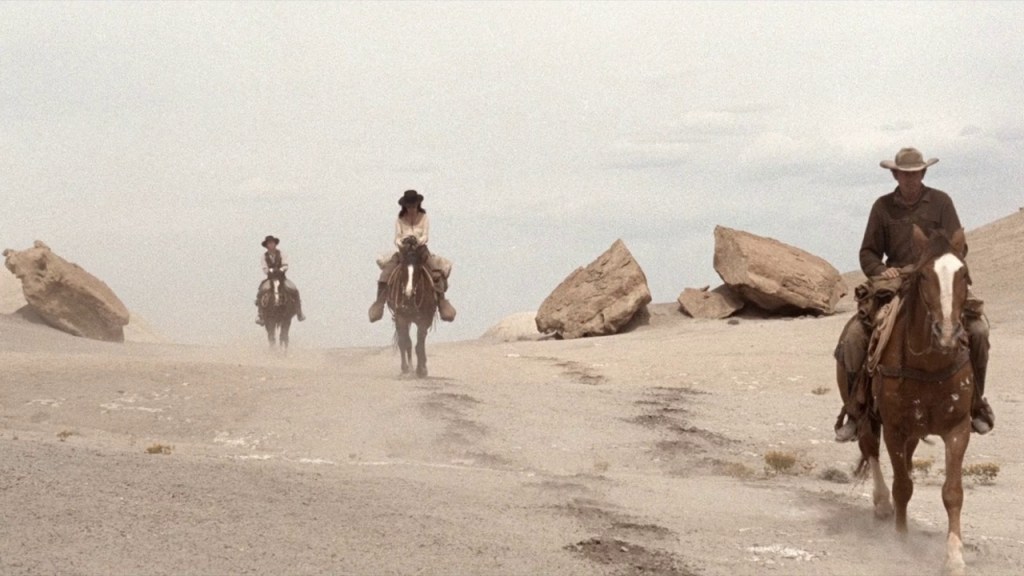
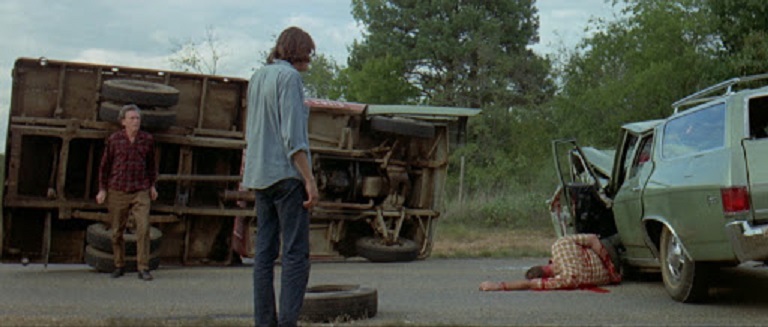
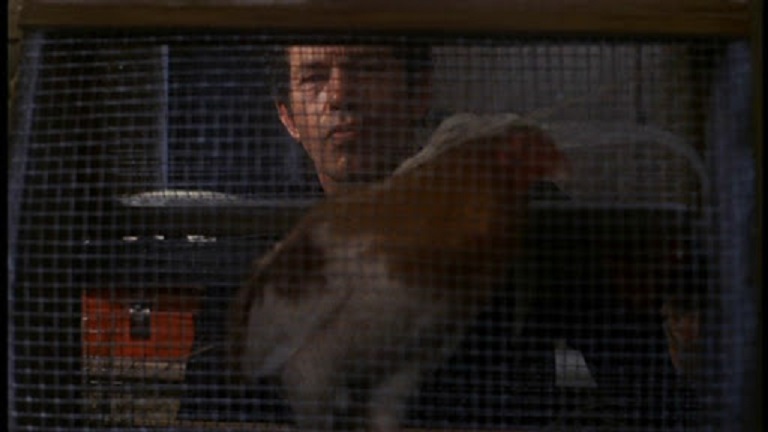
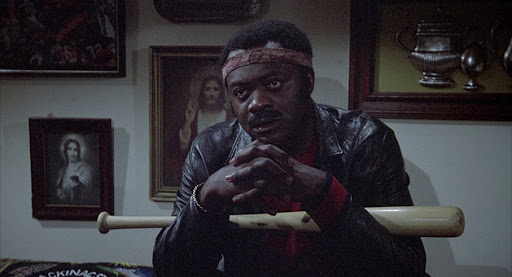
I just saw that Monte Hellman, one of the most interesting American directors of all time, passed away today. He was 88 years old. Hellman didn’t direct a lot of films but the ones that he did direct were some of the most unique American films of their time. The Shooting is perhaps the strangest western ever made. Two Lane Blacktop is one of the greatest road films. Cockfighter and China 9 Liberty 37 both suffered from distribution problems but they have since been rediscovered by audiences and critics. Even Silent Night Deadly Night 3 has its moments of uniquely deranged mayhem, though Hellman himself often said that he did the film strictly for the money.
In honor of Monte Hellman’s legacy, here are….
4 Shots From 4 Monte Hellman Films
The Shooting (1966, dir by Monte Hellman, DP: Gregory Sandor)Two-Lane Blacktop (1971, dir by Monte Hellman, DP: Jack Deerson)Cockfighter (1974, dir by Monte Hellman, DP: Nestor Almendros)Road to Nowhere (2010, dir by Monte Hellman, DP: Josep M. Civit)
Today, Edie Sedgwick would have been 78 years old. Edie and her tragic life has always fascinated me. I’ve always related to her. As Edie once put it, “It’s not that I’m rebelling. I’m just trying to find a different way.”
Below is the “screen test” that Andy Warhol shot of Edge Sedgwick in 1964. Warhol did screen tests of several famous people, everyone from Dennis Hopper to Salvador Dali to Bob Dylan to the various denizens of the Factory. He would simply turn on the camera and film without sound and it’s always interesting to see how each subject deal with being filmed without direction. Edie was one of the few who controlled the camera from the minute her screen test began to the moment that it ended.
Edie Sedgwick’s life is often described as being a tragedy and, certainly, it was. But it was also filled with hope and optimism and future promise. That the world ultimately proved to be unworthy of Edie does not change who she was or how important she was to the development of pop culture.
Today, on her birthday, we honor the the amazing Edie Sedgwick.
I saw rumors on twitter last night that Yaphet Kotto had died but, since it was just random people on social media, I didn’t want to say anything until the news was officially confirmed. Sadly, it was confirmed this morning. Yesterday, at the age of 81, Yaphet Kotto passed away in the Philippines.
Yaphet Kotto was a busy actor who appeared in so many classic films that I think we took sometimes took his talent for granted. Kotto, though, was an actor who could play almost anything. He was usually cast in dramas but he could also do comedy. He could play both villains and heroes with equal skill. He held his own opposite Anthony Quinn in Across 110th Street. He was one of the best Bond villains in Live and Let Die. He was one of the toughest members of the crew of the Nostromo in Alien and a key member of the resistance in The Running Man. Long before Forest Whitaker won an Osar for playing the role in The Last King of Scotland, Yaphet Kotto brought Idi Amin to terrible life in Raid on Entebbe. He was just as believable as an FBI agent in Midnight Run as he was as a auto worker in Blue Collar. Blue Collar was probably he best performance, one in which he easily upstaged both Richard Pryor and Harvey Keitel.
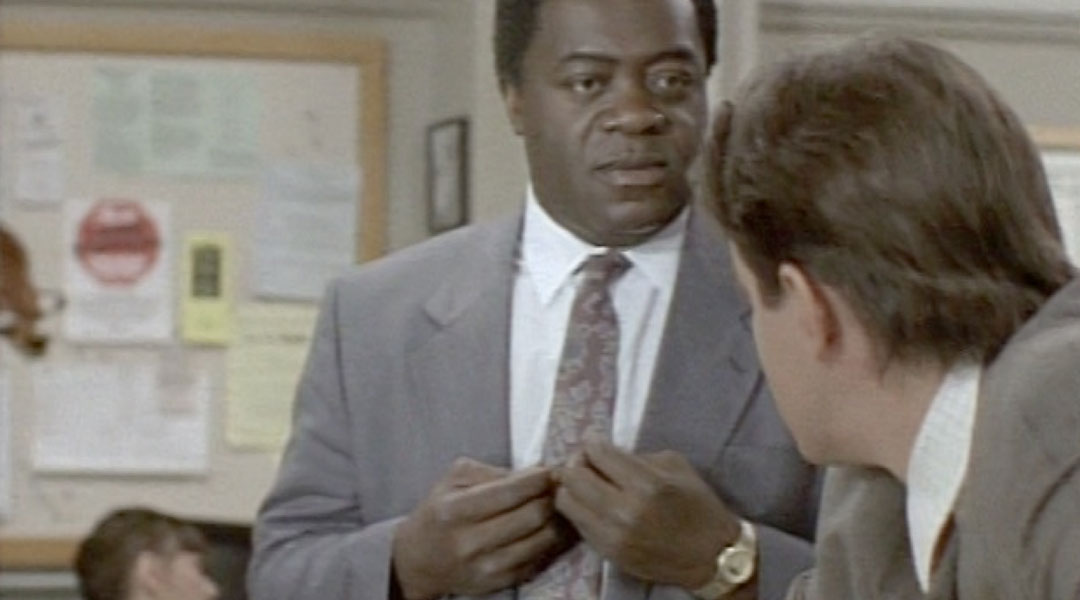
For me, Yaphet Kotto will always be remembered Lt. Al Giardello in Homicide, the philosophical leader of Baltimore’s murder cops. Giardello was written to be a stern and no-nonsense leader but Kotto played him with a subtle sense of humor. He was the ideal leader and one the key cast members of one of the best shows of the 90s. Andre Braugher may have gotten the critical acclaim and Richard Belzer may have gotten an entire new career based on playing John Munch in a dozen different shows but Kotto was the one who often held the show together. Though Homicide was cancelled before it’s time, the show was allowed a reunion movie to tie up loose ends. The movie ended with the death of Giardello and it felt appropriate because, as played by Yaphet Kotto, Giardello was the heart and the soul of the show.
Yaphet Kotto, a great actor, has left us but he will never be forgotten.
A Shock to the System (1990, directed by Jan Egleson)
Today is the 88th birthday of the great actor and British cultural icon, Sir Michael Caine!
As I did with Chuck Norris earlier this week, I want to commemorate Michael Caine’s birthday by sharing ten of his essential roles. Since 1950, Michael Caine has appeared in over 130 films and countless TV productions. Trying to narrow his long and prolific career down to just ten films is not easy, nor is it really necessary. All of Caine’s films are worth watching, even the ones that he made during the period where he basically accepted every part that he was offered. Because he’s so prolific and because so many of his films are already well-known and regarded as classics, I’ve decided to focus of listing ten of his lesser-known but no less essential roles.
A Hill in Korea (1956, directed by Julian Aymes) — This nearly forgotten war film is significant because it featured Michael Caine in his first credited screen role. (He had appeared in three previous films but wasn’t credited.) A veteran of the Korean war, Caine was hired to serve as a technical advisor and he was given the small role of Private Lockyer. Years later, Caine would say that, “I had 8 lines in that picture and I screwed up 6 of them.” The film is a standard war film and Caine is barely onscreen but everyone had to start somewhere and this film did allow Caine to appear opposite Stanley Baker, Robert Shaw, and Harry Andrews.
Billion Dollar Brain (1968, directed by Ken Russell) — In 1965, Michael Caine shot to stardom by playing the working class secret agent, Harry Palmer, in The Ipcress File. Caine went on to play Palmer in four more films. Billion Dollar Brain finds Harry trying to keep a computer and a mad millionaire from starting World War III. This was Ken Russell’s first major feature film and, through not as flamboyant as some of his later films, Billion Dollar Brain still feels like Harry Palmer on acid. Caine gives a typically good performance, as does Karl Malden in a key supporting role. Caine’s future Eagle Has Landed co-star, Donald Sutherland, has a small, early role.
Zee and Co. (1972, directed by Brian Hutton) — Caine is married to Elizabeth Taylor and having an affair with Susannah York. This is the type of movie that probably could have only been made at a time when studio system veterans like Elizabeth Taylor were trying to prove that they could keep up with the new wave of filmmakers and stars. Providing proof of his acting abilities, Caine somehow keeps a straight face and gives a credible performance while Taylor emotes all over the place. The end result is loud, vulgar, and undeniably entertaining.
Beyond The Poseidon Adventure (1979, directed by Irwin Allen) — I’m including this film as a stand-in for all of the films that Caine made strictly for the money. It’s a ludicrous film but hard not to enjoy. Michael Caine plays a tugboat captain who, with the help of Sally Field, attempts to salvage the cap-sized Poseidon before the luxury liner finally sinks. Also showing up: Telly Savalas, Slim Pickens, Peter Boyle, and Billion Dollar Brain‘s Karl Malden.
Mona Lisa (1986, directed by Neil Jordan) — The same year that Michael Caine appeared in his Oscar-winning role in Hannah and Her Sisters, he also played a gangster named Mortwell in Mona Lisa. Caine is chillingly good in a rare villainous role.
The Fourth Protocol (1987, directed by John MacKenzie) — This underrated spy thriller features Michael Caine as a world-weary British spy who has to stop KGB agent Pierce Brosnan from detonating a nuclear device. This is a well-made spy thriller and it’s interesting to see Caine (who started his career as the anti-James Bond in the Harry Palmer films) acting opposite future Bond, Pierce Brosnan.
Without A Clue (1988, directed by Thom Eberhardt) — This genuinely funny comedy stars Caine as Sherlock Holmes and Ben Kingsley as Dr. Watson. The catch is that Holmes is actually a clueless actor who was hired by Watson to pretend to be a great detective. When Prof. Moriarty targets Watson, Holmes is forced to actually solve a case on his own. Caine and Kingsley make for a surprisingly good comedy team.
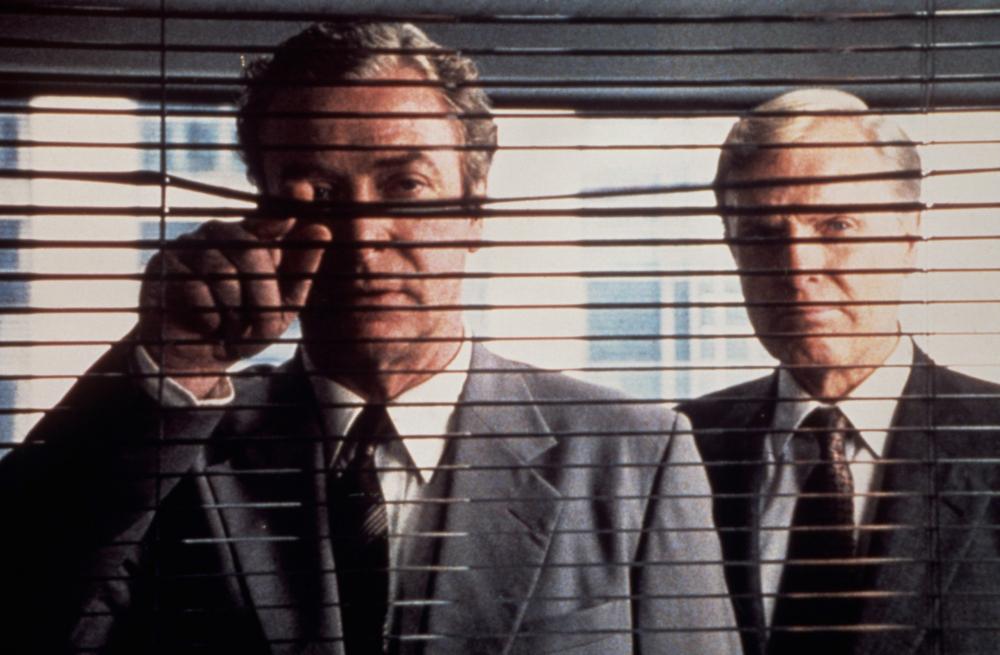
A Shock to the System (1990, directed by Jan Egleson) — In this very dark comedy, Caine plays an executive who, sick of being passed over for promotions and criticized by his wife, decided to just kill everyone who annoys him. This is one of Caine’s best performances and this underrated film’s satire feels just as relevant today as when it was released.
Blood and Wine (1997, directed by Bob Rafelson) — This underrated neo-noir gave Michael Caine a chance to act opposite Jack Nicholson. The two iconic actors bring out the best in each other, playing partners in a jewelry heist gone wrong.
Is Anybody There? (2008, directed by John Crowley) — In this low-key but emotionally effective film, Caine plays an elderly magician who is suffering from the early stages of dementia. Having entered a retirement home, he befriends the son of the home’s manager and the two of them search for evidence of life after death. Though the film didn’t get much attention in the States, Caine described it as a favorite in his most recent autobiography, Blowing The Bloody Doors Off. 75 years-old when he appeared in the film, Caine proved that he could still take audiences by surprise and create an unforgettable character.







 Through the Shattered Lens