Music Video of the Day: Real Men by Joe Jackson (1982, dir. Steve Barron)


Sometimes I remember a special day or month, and sometimes I forget. When I noticed it was Pride Month, I thought I should deliberately put in a couple in that area. I’m glad I remembered this one specifically because much like special times, I always forget that I have Joe Jackson music in my collection.

Technically, my first exposure to Jackson’s music was when I saw There’s Something About Mary (1998). It featured the song Is She Really Going Out With Him? I was really introduced to Jackson’s work by way of the album Strange Little Girls by Tori Amos. I liked the song, found out it was a cover, and sought it out. Cut to a few years later, and I got to see the video for the first time. In fact, I’m quite sure that the version I’ve embedded here is the exact airing of it that I saw.

Back in the early to mid-2000s, VH1 Classic used to do this thing where they would play two songs that would have some connection to each other. I’m pretty sure the pairs would have some connection to each other as well. I don’t remember them ever telling the audience that. I just recall noticing that they played this song along with I Don’t Like Mondays by Boomtown Rats. That song was covered by Amos on the same album. I picked up on a couple of other connections, and figured that’s what they were doing.

If you look around online, then you’ll find plenty of other people who have already written out their opinions on the song and video.

This is one of those that has some material from the book I Want My MTV:

Jeff Ayeroff [former creative director at Warner Bros. Records and the co-chairman of Virgin Records America]: Joe Jackson ended up selling many more records than Elvis Costello did, mainly because of his videos he did with Steve Barron.

Joe Jackson: Music videos weren’t even discussed when I made my first album in 1979. By 1982, there’d been a distinct shift. I made videos with Steve Barron for “Real Men” and “Steppin’ Out,” and by the time we got to “Breaking Us In Two,” I said to the label, “I don’t think this song should have a video.” I was told I had to made a video, whether I liked it or not. “Breaking Us In Two” was a crappy video. I was embarrassed. So I decided in my great wisdom that not only would I no longer make videos, but I would write an anti-video editorial for Billboard magazine. I mean, I’m not such a miserable bastard that I won’t admit that some videos are great fun. But I believed MTV was beginning to have a negative effect on music.

I’m well aware that refusing to make videos accomplished nothing whatsoever except–how should I put this?–to make my next record less successful. It damaged my career and it never fully recovered.

I like Breaking Us In Two. I see where he’s coming from on that one though. Out of the three Steve Barron videos, Steppin’ Out is the best. You can tell from all three of those videos that Barron was trying to craft a reusable formula for his songs. They have all have a similar visual style. Most importantly, Barron found a good place for Jackson. Yes, I’m aware he does more than just play the piano. I’m referring to the idea of each video being a short film that happens to have Jackson pop in, not as a the star, but as the story teller. Kind of like a holographic musical narrator.

Jackson didn’t completely leave music videos. He came back with other ones, which includes getting the Propaganda Films treatment for his song Nineteen Forever. You might know a couple of the people who worked or founded Propaganda Films, such as Nigel Dick, David Fincher, Michael Bay, Mark Romanek, and in the case of Nineteen Forever, Jackson got Alex Proyas.

Despite the 1979 comment, you can find several music videos from 1979. I guess they were done just for fun rather than something that he was obligated to make and weren’t taken so seriously. You can see the second one in the video for his song I’m The Man.

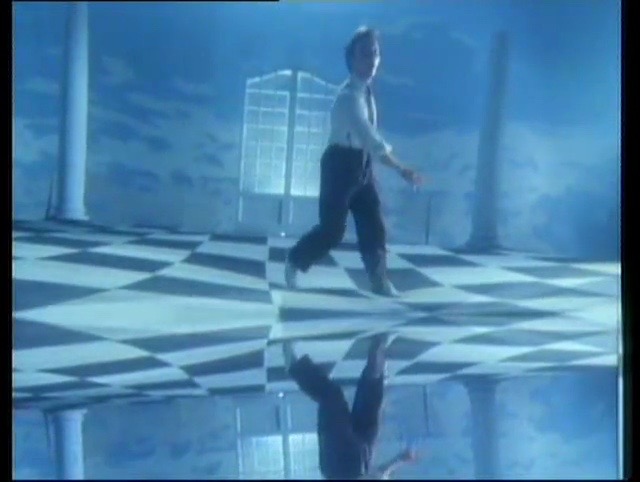
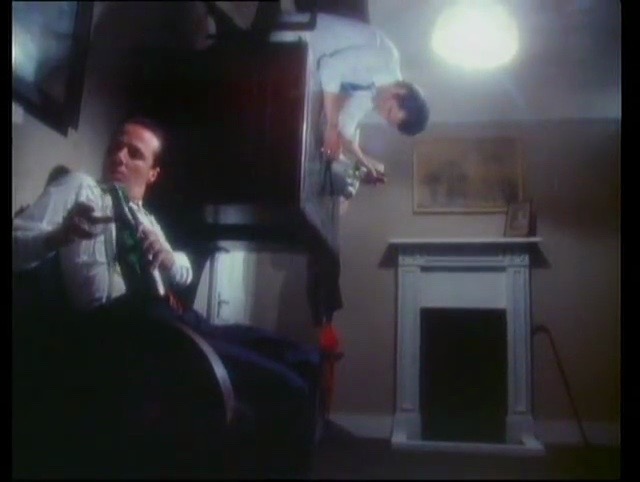
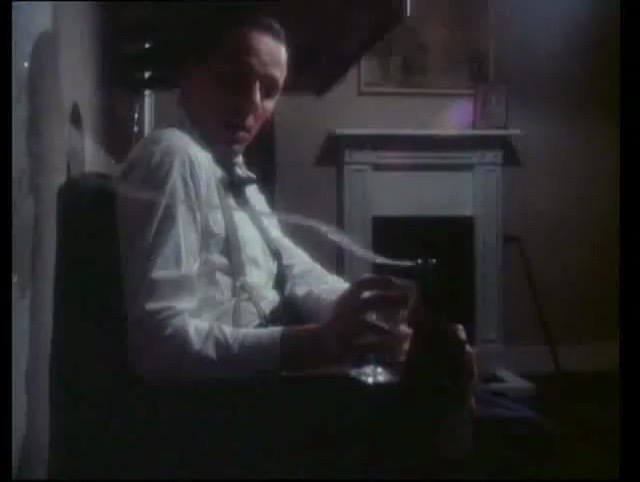
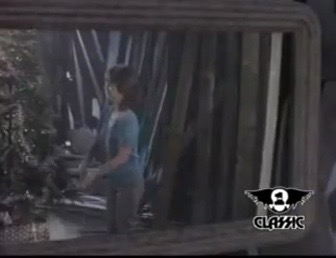
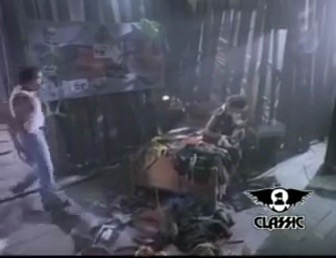
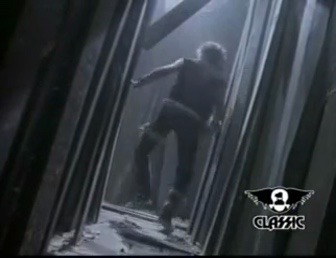
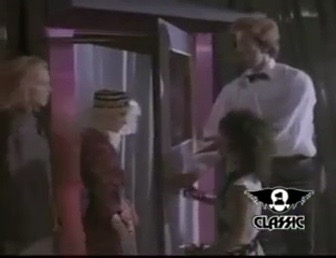
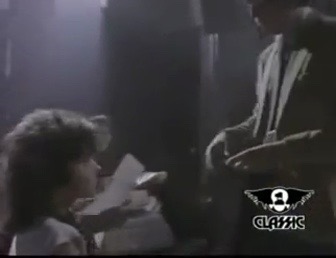
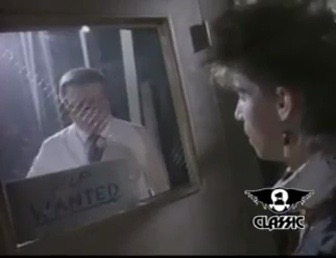
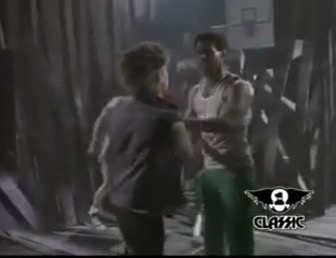
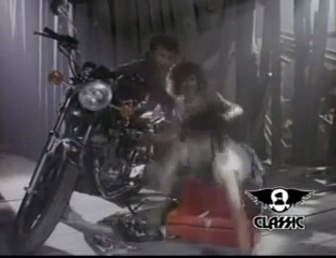
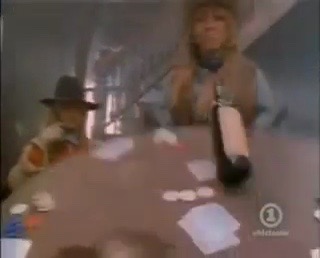
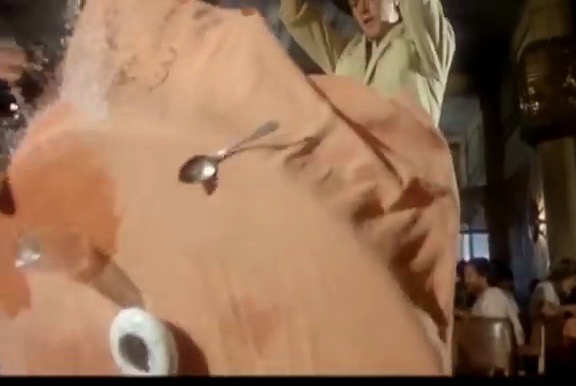
As for this video, it’s pretty basic all things considered. You have the kid who doesn’t like seeing a girl getting pushed around. Then you have the same kid going to put on some powder in a mirror with an American flag in the lower right. He decides against it, and instead goes and watches Red River (1948). Then you get some of the typical gay imagery with bikers and our main character who has grown up to be James Dean. He has trouble with girls and isn’t sure if it’s just that he isn’t good with them or if it’s something else. Jackson pops up occasionally, but isn’t the main focus.

The best part of the video is how it cuts back to footage from earlier in the video as you approach the tragic ending. I especially like the part where it implies that the kid who shot at the girl may or may not be straight himself. They also pair the two guys hitting it off with each other with him not being able to kiss the girl he’s with because she pulls away.

Despite the content of the song and video, it appears to have done well on early-MTV. If there’s one thing I’ve learned from doing these posts, it’s that music video history is distorted. For awhile, early Bon Jovi music videos, like the one for Runaway, were not to be played because it conflicted with the current image of the band.

Enjoy!
Music Video of the Day: Do It Again by Wall Of Voodoo (1987, dir. ???)


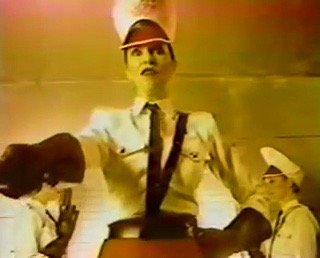
Wow! I have no idea what the story behind this video is, but for some reason, four years after Stan Ridgway left Wall Of Voodoo, they covered The Beach Boys’ song Do It Again, and Brian Wilson is in the video. The only information I can find is in the YouTube comment sections on postings of this video. One says that Wilson and Wall Of Voodoo had a good time putting this together despite the content and where Wilson was at this time in his life. Another says that the group was probably forced by their record company to do something pop friendly, yet dark, in order to survive as a group. Other comments are just about the quality of the song or taking jabs at Eugene Landy–played by Paul Giamatti in the film Love & Mercy (2014).

Sit back and take in the weird. This is like a post-apocalyptic look at the vision of California The Beach Boys created while also being prophetic about their own group breaking up the next year.

30 Days Of Surrealism:

  1. Street Of Dreams by Rainbow (1983, dir. Storm Thorgerson)
  2. Rock ‘n’ Roll Children by Dio (1985, dir. Daniel Kleinman)
  3. The Thin Wall by Ultravox (1981, dir. Russell Mulcahy)
  4. Take Me Away by Blue Öyster Cult (1983, dir. Richard Casey)
  5. Here She Comes by Bonnie Tyler (1984, dir. ???)

Music Video of the Day: Here She Comes by Bonnie Tyler (1984, dir. ???)


Sure, there’s a better known video by Bonnie Tyler where Rambo’s head explodes, but I’ll get to that at some point. This Bonnie Tyler video has both zombie soldiers & a white Bonnie chasing after a black Bonnie while a UFO floats overhead.

Let’s look at the summary on Wikipedia:

The video is set in London. Tyler, dressed in a black leather dress, walks down a cobbled road lined with statues of soldiers. She occasionally looks up to see a duplicate of herself, dressed in a white dress, standing at the top of a fire escape, shrouded in shadow. The statues come to life and follow Tyler down the road. Behind them follows a black car, driven by the duplicate of Tyler. She runs away from them as she notices the statues following her, and locks herself inside a garage. The car then breaks through the doors of the garage and attempts to run Tyler over. She escapes through another door and finds herself on a street, looking up to see a spaceship in the sky. The spaceship descends, and a car appears, which Tyler enters and drives away. The duplicate chases after Tyler in her own car. Tyler drives into another building, and as the spaceship flies above the building, the duplicate drives inside as the entrance explodes. The spaceship then flies away as the animated statues look on.

When you describe it like that, it just sounds stupid. Plus, where is the mention of the UFO exploding at the end?

The only piece of information I could find isn’t about the video. It’s that the song was used in the 1984 release of Metropolis. That would explain the white and black Bonnies. One is meant to be Maria, and the other is meant to be the robot version of Maria. Where the zombies, or “animated statues”, come in to play, I don’t know. I also don’t get the inclusion of a UFO.

I wish I had more. The only other thing I have is something that really belongs with Total Eclipse Of The Heart, so I’ll save it till then. If you go to her section on mvdbase, you’ll find that the majority of her videos have no director listed. Coincidentally, Meat Loaf is the only other very well-known artist that I’ve come across whose music videos are as undocumented as Bonnie Tyler’s. The difference is that they seem to at least have her videos in there.

Enjoy!
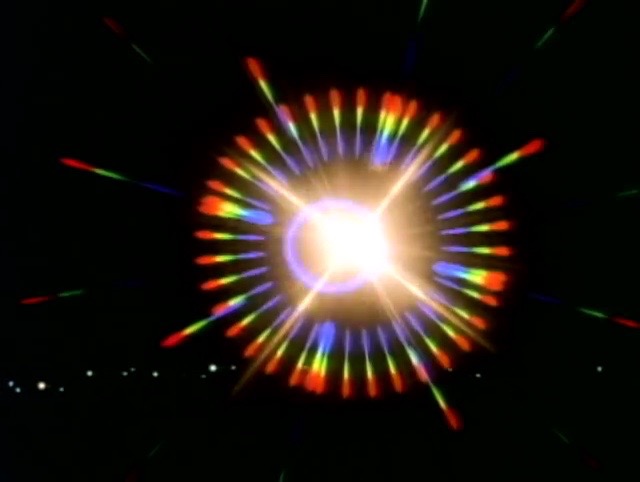
30 Days Of Surrealism:

  1. Street Of Dreams by Rainbow (1983, dir. Storm Thorgerson)
  2. Rock ‘n’ Roll Children by Dio (1985, dir. Daniel Kleinman)
  3. The Thin Wall by Ultravox (1981, dir. Russell Mulcahy)
  4. Take Me Away by Blue Öyster Cult (1983, dir. Richard Casey)

Music Video of the Day: The Cooler with Ringo Starr (1982, dir. Godley & Creme)


I’m terrible with anniversaries or other things I should be aware of to make tie-in posts for. That’s why I missed the 50th anniversary of Sgt. Pepper’s Lonely Hearts Club Band. I’m sure everyone posted the music video for Strawberry Fields Forever yesterday. So let’s go with something else Beatles related.

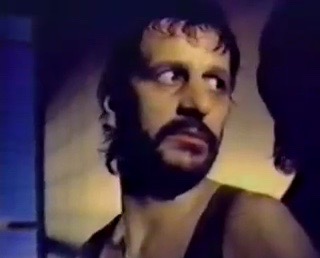
Back in 1982–or 1981 according to mvdbase–a short film was made starring Ringo Starr that is an extended music video for the songs Private Property, Sure To Fall, and Attention. From what I’ve read, this earned Lol Creme and Kevin Godley a nomination for a Palme d’Or at the Cannes Film Festival for Best Short Film. Also from what I’ve read, it not only has Ringo in it, but Paul, Linda, and Barbara Bach.

I know I’ve said on numerous occasions that when something crosses the into A Hard Day’s Night territory then I don’t include it in one of these posts, but I’m making an exception here. Besides, it’s only about 10 minutes long. It’s not like the ABC film Mantrap (1983). That is over 50 minutes long.

I’m guessing this is Barbara Bach. I’m not really sure. I have no idea where Linda is in this.

I do know that this is definitely Paul.

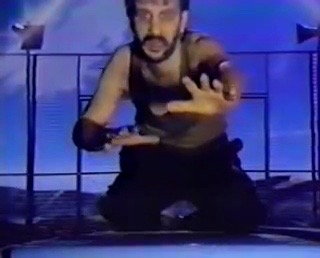
The gist is that the audience travels with Ringo as he goes through a bunch of references to prison movies like The Great Escape (1963). As we go along we see Ringo try to escape in different ways. He has to shine Ilsa: She-Wolf of the SS’ boots. He has a delusion that he is in the Old West where Paul may have also played the following cowboy:

I’m quite sure it’s him. I’m just not 100% sure.

Eventually Ringo McClane…

comes across what he thinks is going to be an exit, but it just takes him back to the cooler again.

Seeing as this came out in 1982, that would make this year the 35th anniversary of The Cooler. I found it to be enjoyable. It’s a nice little piece of post-Beatles work that I have to imagine has all but fallen into obscurity.

We can do one better than just that though. Since it is 2017, that means it’s also the 30th anniversary of when Ringo did commercials for Sun Country Classic Wine Cooler.

Ringo and a polar bear. I love it. I would have enjoyed it more if it were the polar bear played by Vincent Price, but I still enjoy these.

Enjoy!
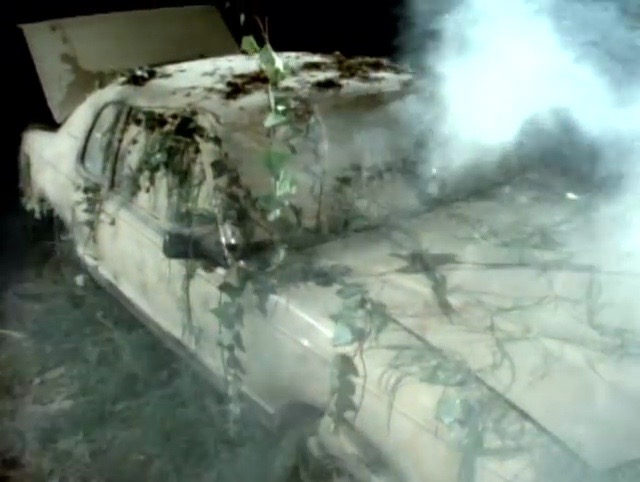
Music Video of the Day: Take Me Away by Blue Öyster Cult (1983, dir. Richard Casey)


I really wish I hadn’t done Shooting Shark by Blue Öyster Cult last year because it would be a perfect fit here. Also, Burnin’ For You by Blue Öyster Cult just doesn’t cut it for me as far as being part of this surreal videos collection. That’s not going to keep me from referencing it in a later post. I just wish I had an excuse to do it before I do the post on the video where I’ll reference it.

Anyhow, let’s take a look at this one brought to us by the same director as Burnin’ For You. He also brought us Buck Dharma having a guitar battle with a Mad Max type character in Born To Rock.

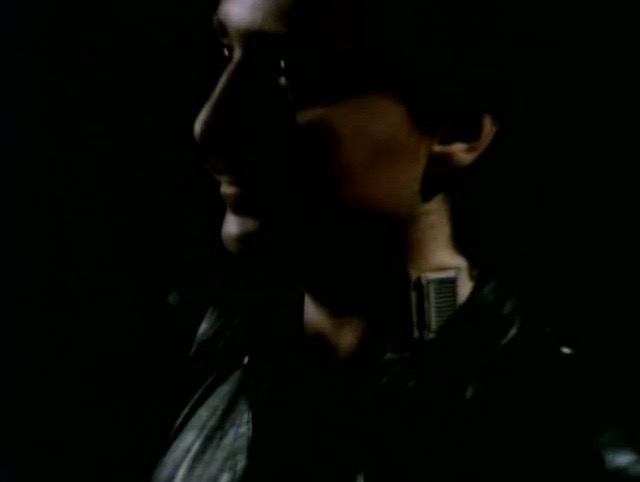
The video starts off with some guy playing a game while we can hear aliens inviting people to join them. The guy has a chip on his neck for…reasons.

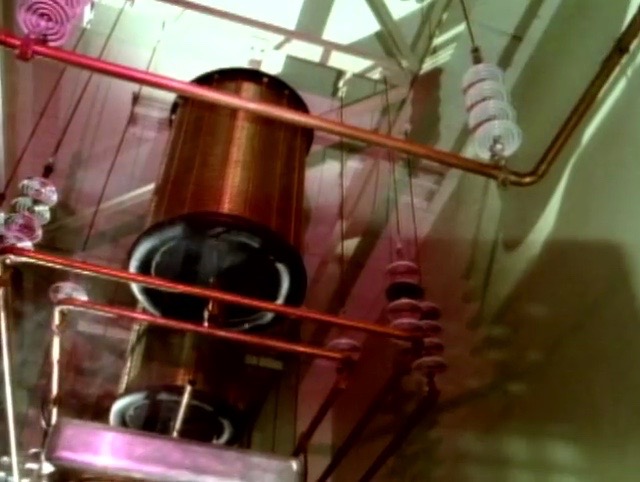
Meanwhile, in a giant circuitboard.

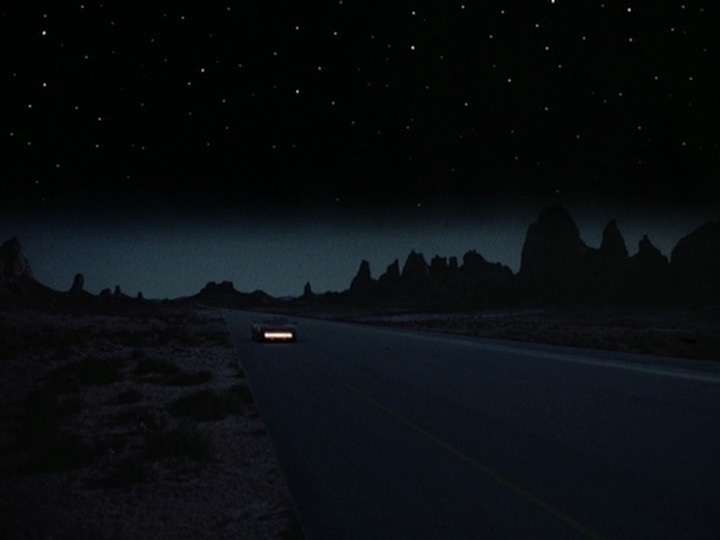
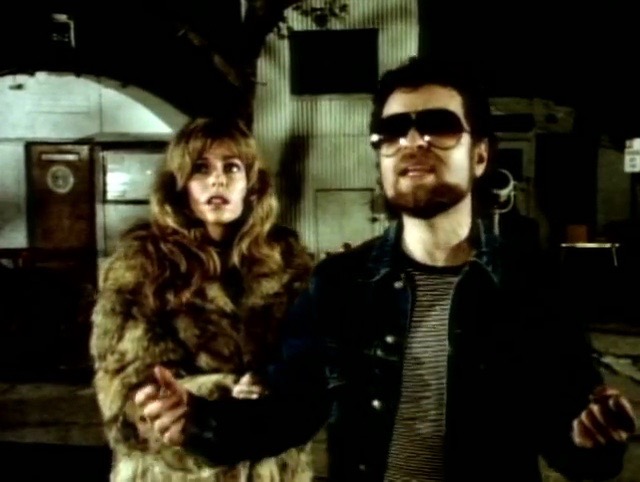
Now we meet our main character as she rides with the lead singer of the band to somewhere.

That looks suspicious.

Imagine, if this were a few years later. Then she could have gotten a ride from Admiral Al Calavicci.

Quantum Leap

Instead, she is taken to a gas station run by someone creepy.

Don’t worry honey, that light back there is just waiting around to make an appearance in the music video for Let It Go by Loudness.

Let It Go by Loudness (1986)

Let It Go by Loudness (1986)

I was more concerned about him. Wait…how do you know that?

We did a song called Godzilla, and not only are Loudness a Japanese heavy metal band, but that video ends with Godzilla showing up.

That doesn’t explain anything. What are those symbols?

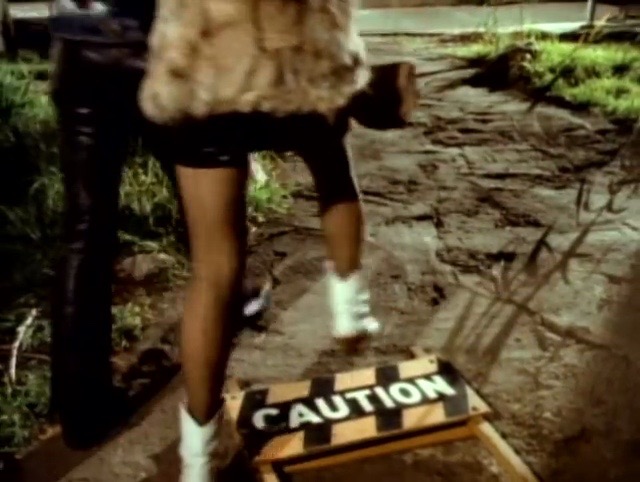
Just step over that “Caution” sign. Also, that lock always closes on its own. I never understood why either since we can just hop the gate.

Seeing as this is a horror related video, they don’t have peripheral vision. That’s why these people go unnoticed.

Honey, who exactly are you singing to?

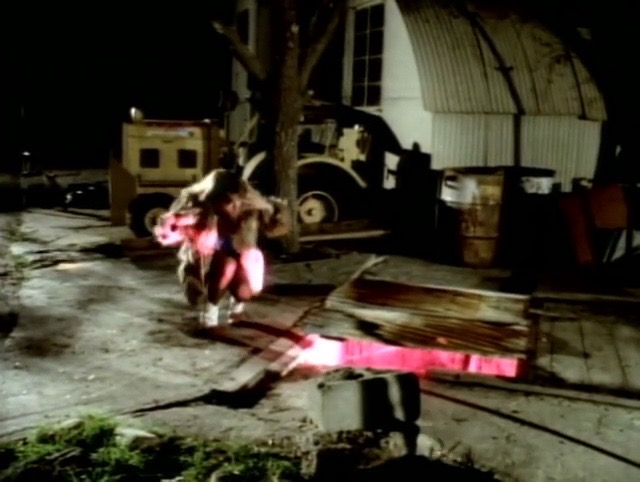
Never mind, I’m going to investigate whatever this is.

I didn’t notice till I was going through these screenshots that this light turned into a skull.

It has the same effect as the ending of Death Game (1977) except with better music.

Death Game (1977, dir. Peter S. Traynor)

There’s all sorts of weird stuff going on down there, including this guy.

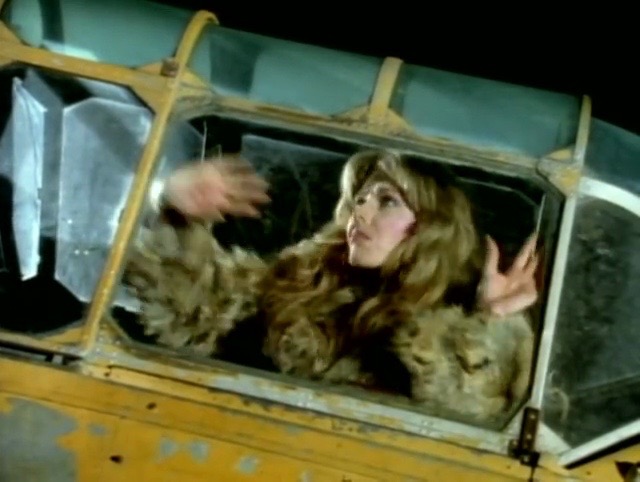
She eventually screams and a nearby plane starts up. She appears inside and can’t get out.

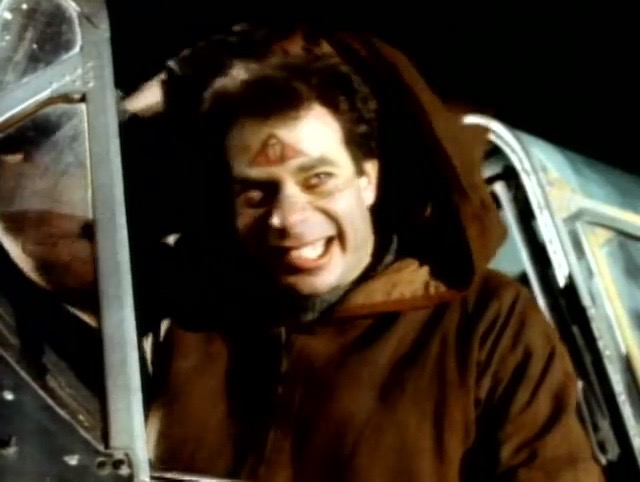
Cult Tim Curry looks really happy to be taking her away.

The gas station was in on it all along.

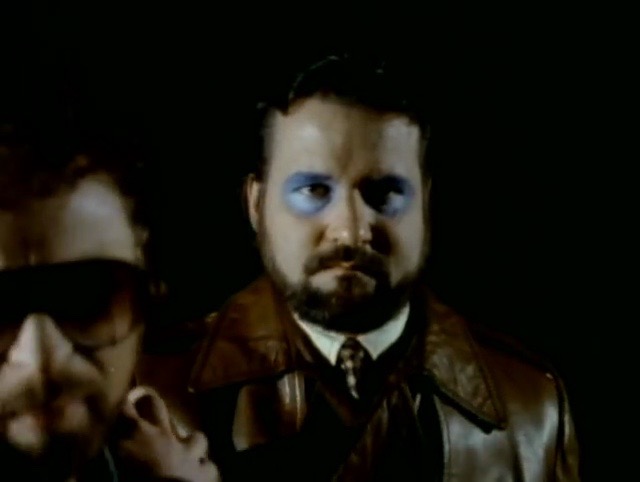
He tries to stop things, but Cult Robert Z’Dar stops him.

Samurai Cop (1991, dir. Amir Shervan)

In the end, she’s taken away.

And the audience is left wondering just how long they’ve been there.

I think the moral of the story is that while you’re obsessed with leaving this world, someone you love can be suddenly taken away from you while you were completely focused on yourself. That’s my best guess. According to Songfacts, lead singer Eric Bloom was referring to aliens that he would go with if they were good ones. Obviously these ones weren’t good.

Nova of Aldo Nova wrote the music for the song, Eric Bloom ended up writing the lyrics, and it became a Blue Öyster Cult song. You might recall that director Richard Casey directed the music video for Fantasy by Aldo Nova.

John Marsh produced the video. He seems to have only worked on 4 music videos. He would go on to be an executive producer on Richard Casey’s film Horror On Highway Five (1985) and on a film my parents would watch on occasion called V.I. Warshawski (1991).

Enjoy!
30 Days Of Surrealism:

  1. Street Of Dreams by Rainbow (1983, dir. Storm Thorgerson)
  2. Rock ‘n’ Roll Children by Dio (1985, dir. Daniel Kleinman)
  3. The Thin Wall by Ultravox (1981, dir. Russell Mulcahy)

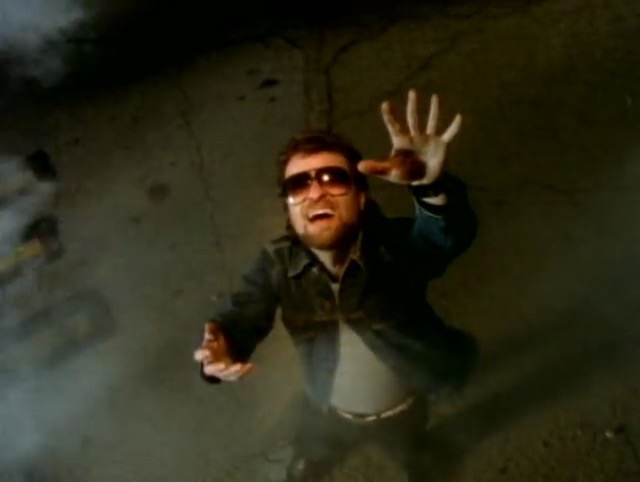
Music Video of the Day: The Thin Wall by Ultravox (1981, dir. Russell Mulcahy)


It was practically unavoidable to do at least one, if not more Russell Mulcahy videos on here during this run of surreal/weird music videos. I could probably fill all 30 days by just doing Russell Mulcahy, Anton Corbijn, Steve Barron, and Richard Casey videos.

I have no idea what to say about this one. I knew the name Ultravox, but this is probably my first song of there’s that I’ve listened to. This video seems to have just about everything Mulcahy could of thrown into it.

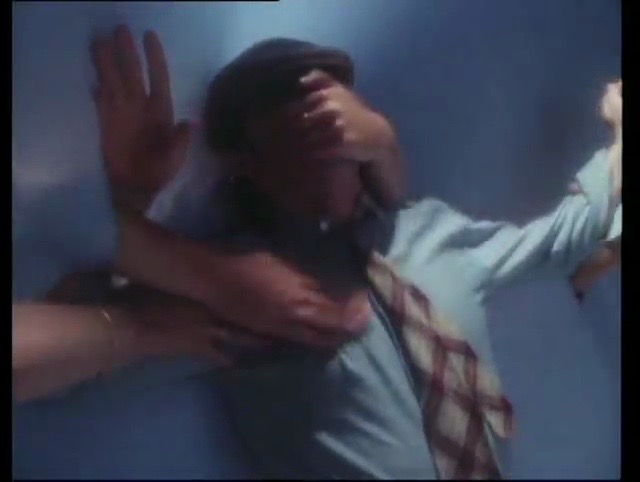
Hands reaching out to grab you through the walls.

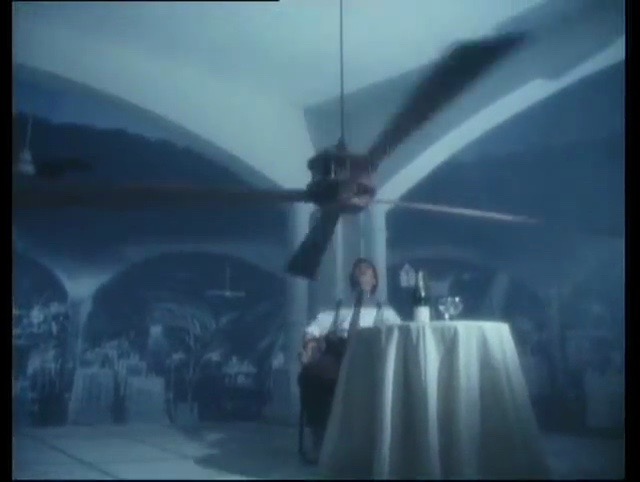
A giant fan.

A disorienting floor.

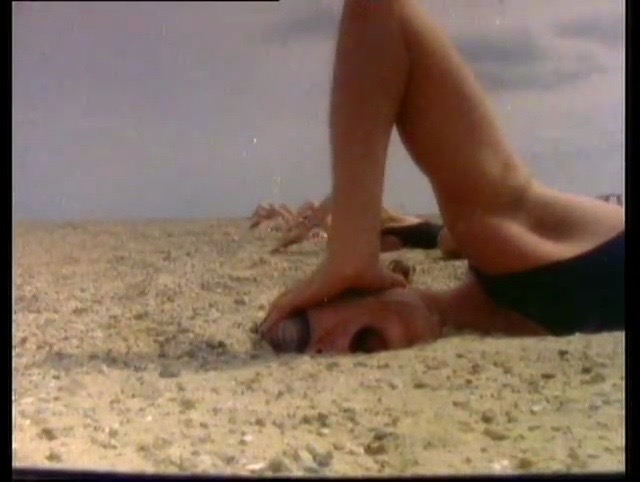
Frightened bisected swimmers in sand.

Playing with gravity.

Seeing as it is Russell Mulcahy, there’s liquids.

Lots of liquid.

Just watch it. There’s other stuff in it as well.

Lexi Godfrey produced the video. Godfrey seems to have only produced about 15 videos. The ones we’ve done so far are pretty good. She also produced A View To A Kill by Duran Duran, Rockit by Herbie Hancock, this one, Video Killed The Radio Star by The Buggles, and one of the versions of Bohemian Rhapsody.

Enjoy!
30 Days Of Surrealism:

  1. Street Of Dreams by Rainbow (1983, dir. Storm Thorgerson)
  2. Rock ‘n’ Roll Children by Dio (1985, dir. Daniel Kleinman)

Music Video of the Day: Rock ‘n’ Roll Children by Dio (1985, dir. Daniel Kleinman)


Since I started with Rainbow, I might as well do a video by Dio next.

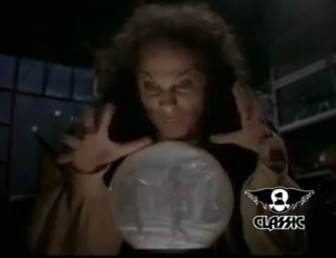
This video is bizarre. Not only because of Ronnie James Dio watching children through a crystal ball…

but because this music video seems to exist in a universe parallel to Young Turks by Rod Stewart where the kids happen to be metal-heads.

Unlike a lot of the videos I do on here, this one comes with info from the book I Want My MTV. The following is from the director Daniel Kleinman about Ronnie James Dio and this video:

Ronnie Dio was a funny little guy. I made a video called “Rock n’ Roll Children” for him. He had two huge minders with him. Because Ronnie was very short–about five-foot-four–they told us we weren’t allowed to allude to his height. But there’s a type of spotlight in America called a “midget.” It’s a very small spotlight, and it has a different name in England. We were getting ready to do a take and the gaffer shouted, “All right, bring on the midget!” The minders thought we were referring to Dio. They went out of their minds.

The video starts with a couple of young lovers who are on the outs that decide to take refuge from the rain in a shop. What they didn’t know is that the shop is Dio’s. I like to think that he waits in there in the dark for runaway metal-heads.

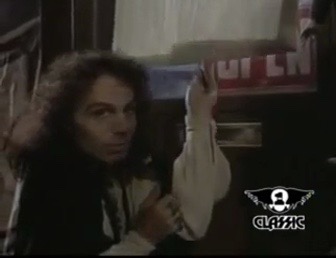
The kids spot someone with a cop looking for them so they go hide in Dio’s closet. This transports them inside Dio’s crystal ball. Dio flips his “Open” sign and pulls down the blinds. Two are his max for a trip through the maze of conformation confrontations.

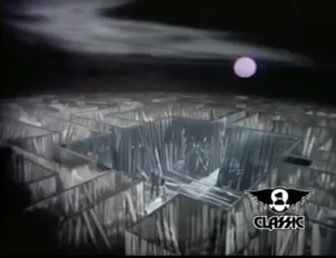
Inside, we get a far-shot of the maze.

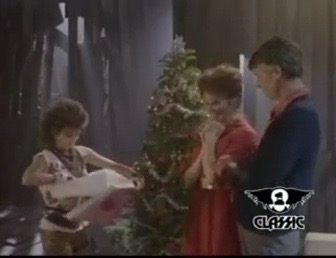
After getting separated, we get the first confrontation. It’s Christmas time, or the time when parents get you things they want you to wear instead of letting you be yourself.

Inside is a sweater that is a far cry from the kind of thing she wants to wear.

Then we get a nice little touch that Kleinman didn’t have to do, but I’m glad he did. The mirror not only has lets her see the sweater over her, but it changes her appearance in general to the established norm that these kids don’t fit into.

Next we cut back to the other kid who has to face the double whammy of a We’re Not Gonna Take It reference by Twisted Sister after he picks up his guitar on the bed and a Girls Just Wanna Have Fun by Cyndi Lauper reference in the form of an abusive looking version of “Captain Lou” Albano.

Jeez! I’ve lost count of the number of 80’s music videos that seem to be inspired by German Expressionism.

You’re not welcome here.

Now she faces a teacher because if you’ve already referenced We’re Not Gonna Take It, then why not I Wanna Rock.

Sorry kid, you’re not the kind of help we want at our store.

Metal-heads don’t play basketball. Get out here!

Get out of here wannabe T-Bird.

I’ll kick you out of my home if you don’t cut that hair!

The kids are finally reunited and get ambushed by actors from the previous scenes, so Dio smashes his crystal ball to let them out.

They leave Dio’s shop and seem to be reunited to fight for their right to be themselves.

Then Dio flips the “Closed” sign back to “Open.”

I’m a little confused here. Does that mean Dio has a supply of crystal balls in there in case more kids wander in? Does he magically repair the ones he breaks? Did Dio cause the rain in the first place to rescue the kids? Was he invisible in there or was he really just cloaked in darkness? Also, again, why does this feel like the dark metal version of Young Turks? So many questions!

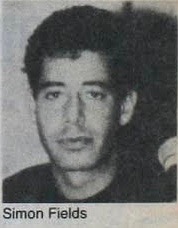
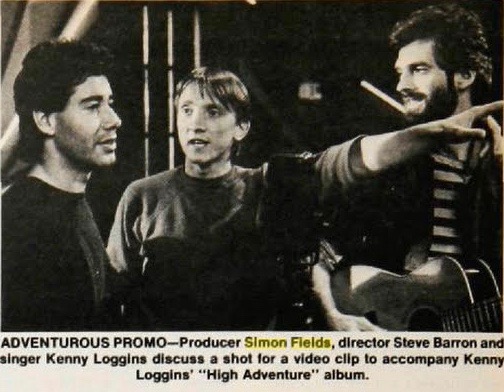
The video was produced by Simon Fields who there are some stories about in the book I Want My MTV. In particular, the ones that involve Madonna. I’ll just quote the one from director Daniel Kleinman about him in general.

Simon Fields and I used to share a house together. Simon has an edge of the wheeler-dealer about him, but he’s also the most charming man in the world, which is quite a quality for a producer. I had the looks and no charm, and he had the charm and no looks. I thought he had a face like the back of a bus. I mean, how he got Janice Dickinson into bed, I do not know.

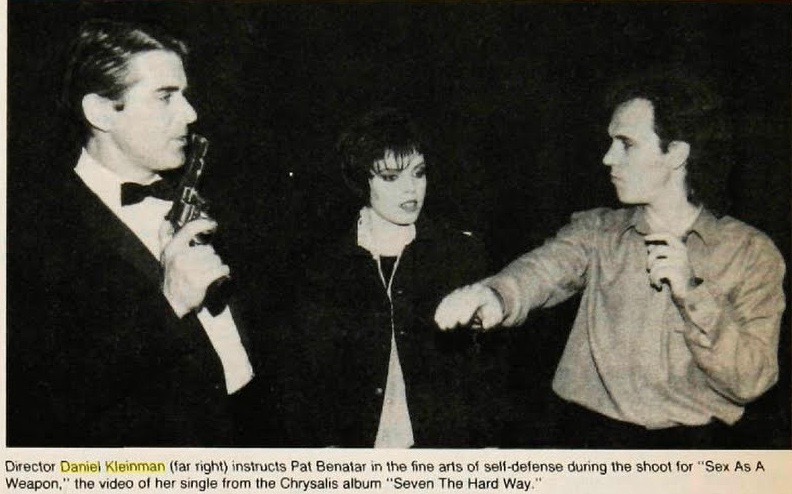
I know these aren’t the best pictures, but here’s a comparison between Daniel Kleinman and Simon Fields as they appeared in Billboard magazine back then.

Daniel Kleinman

Simon Fields

Simon Fields

Simon may or may not have slept with Madonna as well. I’ll include those quotes when I do one of her videos where he was involved.

Crystal Lujan was the casting director for the video. She’s worked on at least 100 music videos. She’s also worked in casting in related fields like feature films and television.

Enjoy!
30 Days Of Surrealism:

  1. Street Of Dreams by Rainbow (1983, dir. Storm Thorgerson)

Music Video of the Day: Street Of Dreams by Rainbow (1983, dir. Storm Thorgerson)


Can I milk Twin Peaks some more? I hope so, because I’m going to do 30 days of surreal–or at least weird–music videos. Twin Peaks being back on TV is totally the reason I’m doing this. It’s not just a flimsy excuse to do some videos I’ve wanted to do for awhile that share a similar quality.

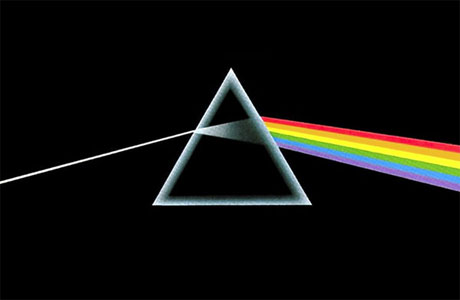
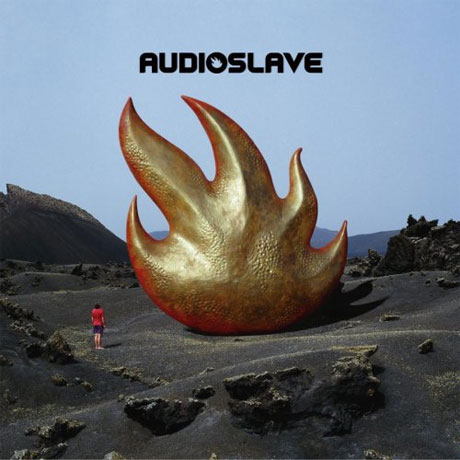
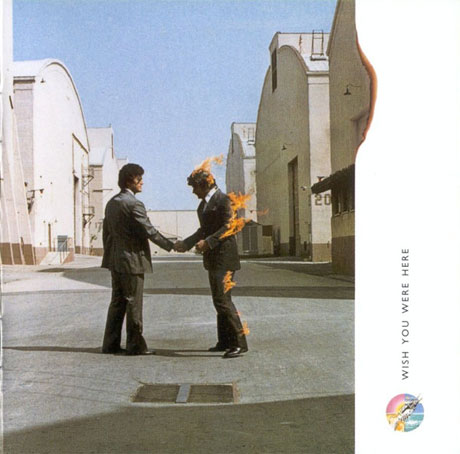
You probably recognize the name of the director. That is thee Storm Thorgerson. If the name doesn’t sound familiar, then some of the album covers below should look familiar.

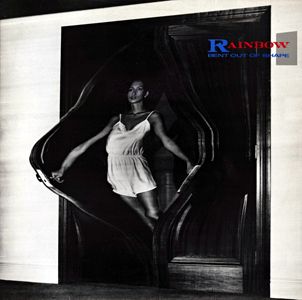
He also did the cover for the album this song is on called Bent Out Of Shape.

What you may not know is that he also directed around 50 music videos. I would love to know if mvdbase is accurate when it comes to the release date of this video. I say that because according to them, it first aired in August of 1983. If you’ve already listened to the music video, then you might of heard something that was new in 1983: dialog. According to mvdbase, Love Is A Battlefield by Pat Benatar aired in September of 1983, making this the first music video that used dialog. Then again, if the music video for Dead Ringer For Love by Meat Loaf & Cher did come out in 1981, as it appears it did, and wasn’t part of the 1981 movie Dead Ringer, then that one proceeds both of them by two years.

The last time I did a Rainbow music video, it was for Since You’ve Been Gone where I spent most of the time talking about the different covers of Roger Glover’s song that have been done over the years. I didn’t really talk too much about Rainbow.

Groups like Black Sabbath and Deep Purple are household names. The first is obvious, but if you need proof of the second one, then just watch 2016’s Hush, and you’ll notice that the female lead is wearing purple for the length of the movie. Hush being one of Deep Purple’s best songs. It was also used in I Know What You Did Last Summer (1997). They may have also done something about smoke and water.

Rainbow is what I think of as a pet project for a bunch of heavy metal icons of the 70s and 80s. The group was created by Richie Blackmore after moving on from Deep Purple. He joined forces with Ronnie James Dio’s band Elf, and soon Rainbow was born with Dio fronting the group. He eventually left, and would take Ozzy Osbourne’s place fronting Black Sabbath. Then Graham Bonnet came in for a short period of time. This song was done with Joe Lynn Turner on vocals. He would front the group till their first break-up in 1984. You can think of him as the MTV-face for Rainbow. That amuses me since between Ronnie James Dio, Graham Bonnet, and Joe Lynn Turner, I would pick Bonnet in a heartbeat to usher my group into the age of music videos.

The video itself features a woman being locked in a room while her boyfriend gets hypnotized onto the sets of a music video. In the end, someone gets caught in the dreamworld. I’m not exactly sure who it is: the male lead or the psychiatrist. I wanna say it’s the second one, but the body moves so fast that I can’t tell. Also, as the boyfriend is freeing the woman, you can still hear water in the background.

My favorite part of this music video is what I have to imagine is an in-joke about music videos. One of the things the guy says is that the band he sees is always playing the same song. A surreal music video for a good song is like a repeating dream–except swap sleep for watching MTV and swap repeating for a video in heavy rotation.

There seems to be some disagreement between whether this aired on MTV in the first place. I’m inclined to believe that it did. Blackmore apparently said it was banned. That doesn’t mean it wasn’t ever aired. The reason this seems to be in dispute is that a Dr. Radecki said the following in a report on MTV for the National Coalition on Television Violence (NCTV):

“Street of Dreams” by Rainbow has a psychiatrist dominating a man through hypnosis intermixed with male-female violent fantasies including a bound and gagged woman.

Then again, based on the Wikipedia article on him, he doesn’t sound like the most reliable source on anything. However, he had to have seen it somewhere back when it would have come out. It’s kind of funny that about thirty years later, he would get arrested and sentenced for one to two decades for an opiates scandal. He appears to have had a checkered past in the field of medicine in general. In other words, it sounds like he sorta became the psychologist in the very video he chastised. It’s coming across weird stuff like this that helps to keep me motivated to continue doing these posts.

Anyways, enjoy the video! It is there. It’s just one of those videos that doesn’t like to show the thumbnail when you embed it.

Music Video of the Day: I’m No Angel by The Gregg Allman Band (1987, dir. Jeff Stein)


Happy Memorial Day. Or at least as happy as it can be with the recent passing of Gregg Allman. I would have done a video for him yesterday, but there were extenuating circumstances that made it impossible–not the least of which is that their videos aren’t exactly well-documented or officially posted on YouTube.

Let’s look at this from the perspective of director Jeff Stein. You made a name for yourself with The Who documentary The Kids Are Alright (1979), which ensured that they wouldn’t be forgotten anytime soon by preserving their history. You directed one of the greatest live videos–Rebel Yell–for Billy Idol who was a 70s artist that you helped to make explode as an 80s MTV superstar. You took the not so photogenic The Cars, and turned in You Might Think, which was very ambitious and successful. You made Out Of Touch for Hall & Oates that Daryl Hall in I Want My MTV said, “was maybe our most significant video.” You survived the production of Torture by The Jacksons–even if that meant having to bring in a wax dummy of Michael and telling Paula Abdul she had to go when Jackie said she wanted to choreograph the video. You handled another 70s artist in Tom Petty And The Heartbreakers by making the wonderfully surreal Don’t Come Around Here No More. You also brought people the videos for My New Boyfriend by Carly Simon and These Dreams by Heart–both 70s artists.

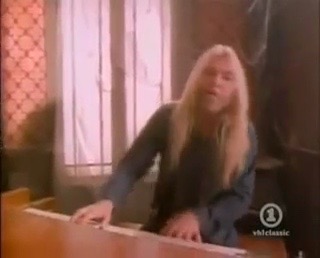
Now you are approached to do a video for The Gregg Allman Band, probably based on your record of being able to bring 70s artists into the MTV-era. I know that the first thing that would have crossed my mind is ZZ Top. They were also a band that had been around since the early 70s, and Gregg would have been about 40 by the time you had to make a video for him. Too bad this video didn’t do for The Gregg Allman Band what the ZZ Top videos did. Then again, that was a minor miracle which even received its own chapter in I Want My MTV, so it’s unrealistic to expect lightning to strike twice. It’s a simple little video that could have just as easily been done as a stage performance. I’m guessing he wasn’t given much of a budget to make this video. I bring up Stein’s record and ZZ Top because ZZ Top was who I thought of when the ladies showed up, and I would imagine that Stein was approached because of his success with 70s musicians. Let’s walk through this video.

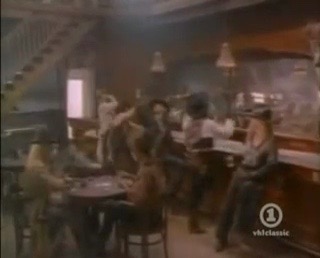
The band pulls up at a rundown saloon.

We see Gregg kick the tire and tell the attendant to fix the car.

The band goes inside to find that under white sheets are instruments and other equipment that is already set up for them. They waste no time, and start playing.

We now find out one thing The Gregg Allman Band has in common with ZZ Top. They’re both a little magic. Gregg may not appear to deliver keys to a hot car, but his music does have the power push certain parts of a location into the past.

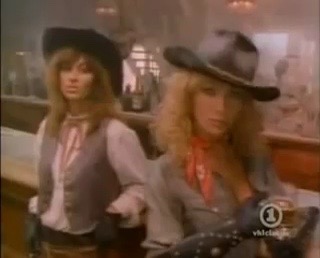
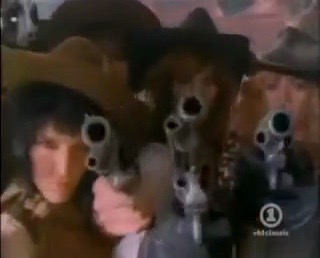
Apparently, this bar used to be frequented by gunslinging women.

Unruly gunslinging women at that at. Bonk! She’s out.

Now we get something I never would have imagined I’d see in a video for The Gregg Allman Band.

Hungry Like The Wolf by Duran Duran (1982)

A Duran Duran reference. Hungry Like The Wolf. I’m No Angel. I see the similarities.

The ladies soon take notice of Gregg, and appear to start to stick him up with their guns.

That’s when we find out that the ladies are indeed in the past as the video acquires a flashback tone. Gregg is taken outside.

They string him up. Gregg gets in a quick kiss before being hanged. Just before it happens, we see that he was the deputy sheriff in the past–or possibly in another life.

The trap door opens and he’s hanged. Then just after we see his feet dangling, it cuts to Gregg putting down the cover over the keys. It sounds like the lid of a coffin closing.

It’s a nice bit of matching on action that brings the music, the story in the song, and the story in the video to a close. Gregg and the band leave the bar to see if their car is fixed. Turns out the badge is still around and was stuck in their tire–somehow.

The attendant offers it to Gregg. I love his reaction: No way! I saw the previous scene. I’ll just be on my way now.
It lends credence to the belief that the song is partially autobiographical. Perhaps his rejection of the badge is Gregg making a break with his past in order to move on with his life.

I can’t imagine this particular video did a whole lot for Gregg Allman. However, I could be wrong. This came out a couple years after MTV founded VH1 in order to drive Ted Turner’s competing network, CMC, out of business, which it promptly did. VH1 did play stuff that wouldn’t have been shown on MTV. Allman did go on to do some other videos, including another one with Jeff Stein and even one with Michael Bay for the song I’ll Be Holding On that was on the Black Rain (1989) soundtrack.

The song was a number-one hit. How much of an affect the video had on its success, I don’t know. It was more of a universally playable song because it fit the AOR (Album-Oriented Rock) format. I’m sure that contributed to it doing so well. From what I’ve read, it seems to be credited with essentially bringing Gregg’s career back to life.

I find it humorous that Wikipedia says the song featured “Allman’s gruff vocals in a Bruce Springsteen sound-alike way.” I say that because director Jeff Stein is the one who was originally meant to direct Dancing In The Dark when Springsteen walked off the set because he didn’t like the direction the video was going, leading to Brian De Palma making the version we are familiar with today.

The video was produced by Mike Riffle. He produced around 10 music videos.

Rest in peace, Gregg Allman.

Music Video of the Day: She’s A Mystery To Me by Roy Orbison (1989, dir. David Fincher)


Seeing as I did In Dreams yesterday, I felt it was necessary to follow it with She’s A Mystery To Me, since they are connected. I’m going quote Wikipedia below about how the song came to be, and it’s ties back to both In Dreams and Blue Velvet (1986) because me paraphrasing it doesn’t make any sense.

During a restless night of sleep in June 1987 in London during U2’s Joshua Tree Tour, Bono slept with the soundtrack to the film Blue Velvet CD on repeat. The CD had been given to him by the Edge’s wife. When he woke the following morning, he had a tune in his head which he assumed was from the soundtrack. He soon realized it wasn’t so he wrote down the basic structure of the song. Later that day he sang the unfinished song to the band at their pre-concert soundcheck at Wembley Arena. After the concert, Orbison paid the band an unannounced visit backstage, where a perplexed Bono played the song for him. Bono and Orbison worked again on the song in mid-November in Los Angeles. The album Mystery Girl was named after the song.

I haven’t seen all of David Fincher’s music videos, and I might be a little biased since I like Orbison so much, but I think this is the best one I’ve seen. I love that he did it with almost no one in the video. It’s all done as if we are a detective arriving on a series of scenes, and trying to piece together what happened.

According to Wikipedia, there are two versions of this video. This is the popular one where it is a grown woman that is planning on leaving, who we assume is Orbison because of the boots. In the other version, it’s a mother who is pursuing her young daughter who is about to board the plane. The woman is played by the same person in both videos. The big difference is that the second version has the one leaving return to the person showing up at the end rather than being left standing alone.

The only other video that I can think of that is quite as beautiful, or is at least very similar, is Butterfly, where Mariah Carey got veteran cinematographer, Daniel Pearl, to co-direct it with her.

The video was shot by Marc Reshovsky. He worked mainly as a cinematographer. However, he did get behind the camera for a few music videos like Nothin’ But A Good Time by Poison and I Remember You by Skid Row.

I’ve included the trailer below for the documentary made about the album, Mystery Girl, that was directed by Orbison’s son, Alex Orbison:

Also, assuming it is still up, here is Bono singing the song:

It’s amazing how much it sounds like something Bono would write, but it’s still inextricably linked to Orbison’s voice.

Enjoy!