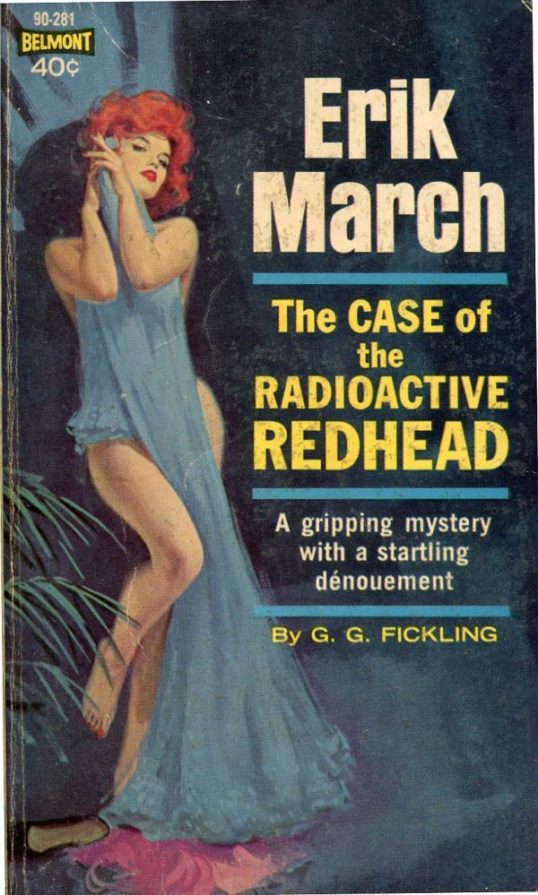
by Robert Maguire
Happy birthday, Lisa Marie!
by Robert Maguire
Happy birthday, Lisa Marie!

Artist Unknown
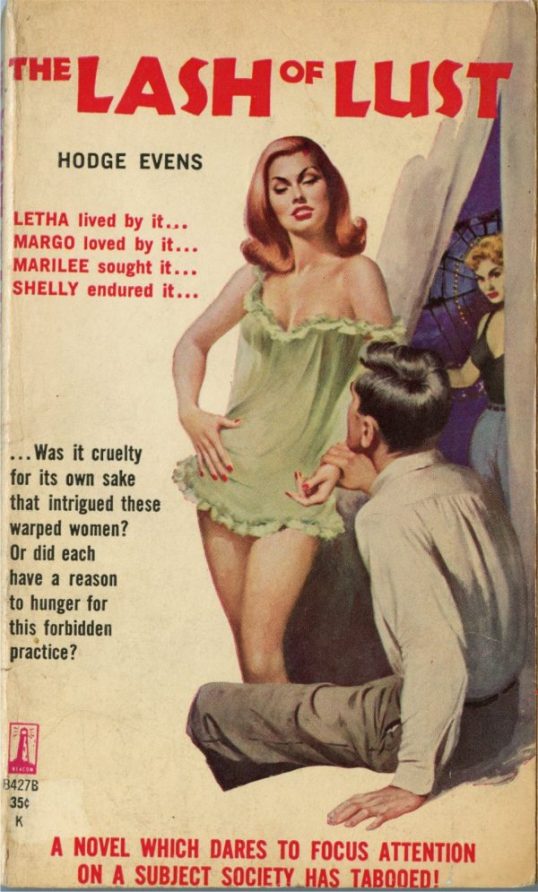
Artist Unknown
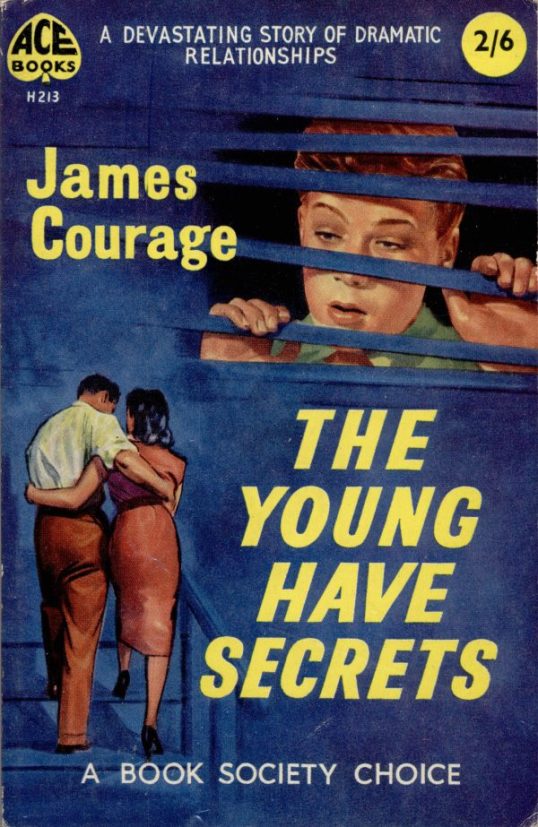
Artist Unkown

by Art Sussman
Who was Steve Harragan? He was a hardboiled private investigator who was the main character of a handful of paperback detective novels that were all published in 1952 and 1953. Though his adventures were not much different from those of any other P.I. of the pulp era, Steve Harragan has a cult following for two reasons.
First off, the author of Harragan’s adventures was also named Steve Harragan. Did the author Steve Harragan name the character after himself or was “Steve Harragan” just a pseudonym for another author or perhaps several authors? No one knows for sure, though all of Harragan’s novel were written in the first person.
Secondly, Steve Harragan the Detective only has one eye. In almost every cover, he’s featured wearing an eye patch.
Here are a few of the Steve Harragan covers. As always, the artist has been identified when known:

Author Unknown

Author Unknown

Author Unknown

by Bernard Safran

by Walter Popp

Author unknown. I’m not sure which one of these men is meant to be Harragan but you’ll notice that the eyepatch got left out of this cover.

by James Avati
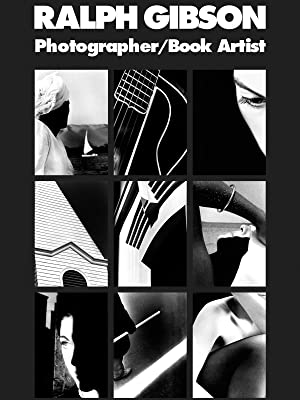
Photographer Ralph Gibson is one of the most important photographers of the last century and, in this documentary, he discusses both his life and his work. An independent iconoclast, Gibson went from serving in the Navy to working as an assistant to Dorothea Lange to eventually publishing his own very influential books of photographs. Gibson’s work is fascinating, sensuous, and frequently surreal and helped to change the public perception about whether or not photography can also be art.
Here’s just a few examples of Gibson’s work:
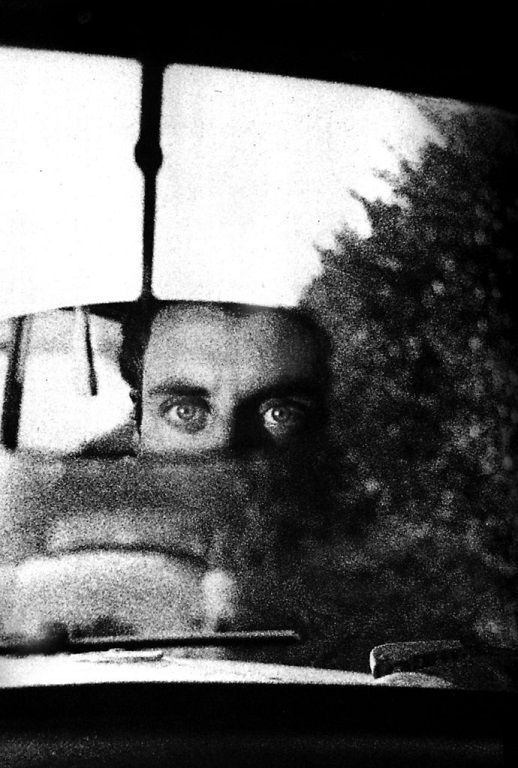
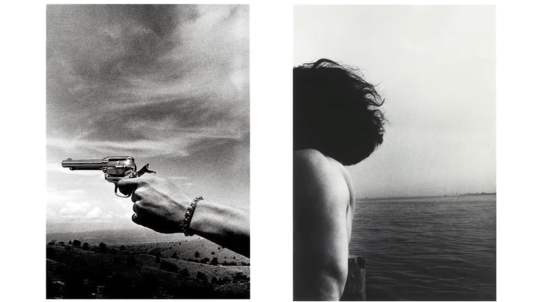
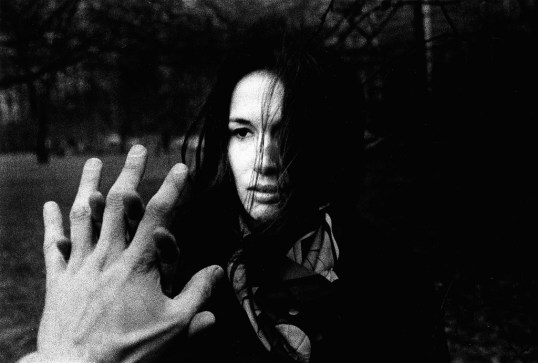
In the documentary Ralph Gibson: Photographer/Book Artist, Gibson tells his own story of how he became both a photographer and a publisher. It’s interesting to listen to him as he explains how he first came to realize that how a picture is placed on a page (especially when compared to the placement of the picture on the facing page) can make as much of an artistic statement as the pictures themselves. The documentary also features interviews with several of Gibson’s contemporaries and also with critics who attempt to analyze what makes Gibson’s work so effective.
The only problem with this documentary is that it’s too short. It’s only 30 minutes long so sometimes, like when Gibson is talking about his childhood and his time in the Navy, it feels rushed. The best thing about the documentary though is that it features many of Gibson’s photographs and also Gibson himself. Listening to Gibson talk will make you want to pick up a real camera and start capturing the world around you.
This documentary is on Prime and if you’re an artist looking for inspiration, I recommend it.

1968
As we wait to discover who has won the presidential election, here are a few presidential campaign posters (and one button!) from the past. Judging from these images, 2020 has been artistically lacking.

1856.

1872.

1920

1924

1928

1932

1944

1948

1968

1968

1968

1968

1976

1984

by Erin Nicole
 Through the Shattered Lens