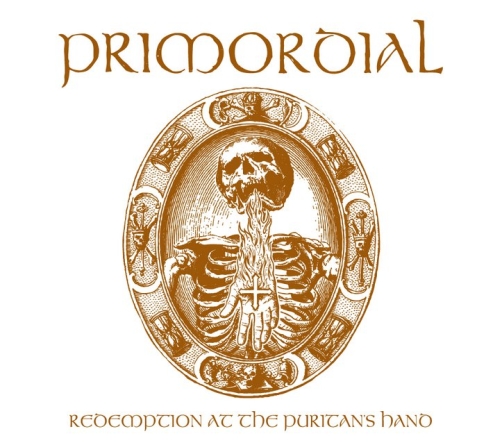
Review: Primordial – Redemption at the Puritan’s Hand


I’ve seen this tagged black metal, and I really have to wonder. I’m not familiar with the band’s history. I haven’t heard any of their earlier releases but To the Nameless Dead, and that only twice back in 2007. So maybe they were black metal once, I don’t know. But calling this anything but Celtic metal would fail to properly describe it. It bleeds green.

No Grave Deep Enough

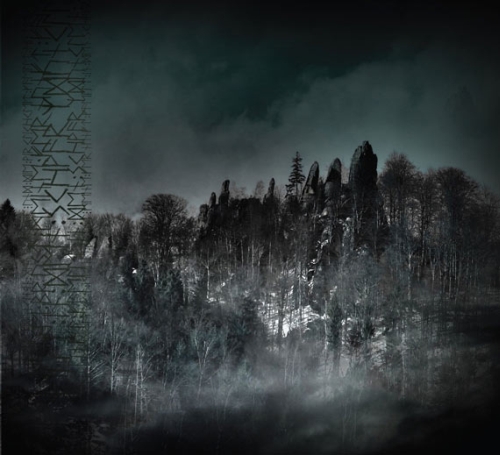
And like many Irish bands, the lyrics are the focal point. Redemption at the Puritan’s Hand is an album about death. The band stated that much pretty bluntly when they released it. But it doesn’t approach the subject through the music (unless metal or Irish melodies can be said to be connected to it by default), nor does it settle for less mature pseudo-poetic lines about chaos and evil and all that nonsense you hear in metal. It’s an in-your-face, unfanciful confrontation. You might not get the bigger picture of each song every time. I’m not going to pretend I do. But line by line it often hits hard and direct, in a powerful vocal style you can understand without having to look up the lyrics.

To the Nameless Dead must not have immediately impressed me too much, because I never did end up giving it an attentive listen. Redemption at the Puritan’s Hand had me hooked by the opening chorus. “Oh death, where are your teeth that gnaw on the bones of fabled men? Oh death, where are your claws that haul me from the grave?” The album is packed full of lyrics you’ll not soon forget.

Bloodied Yet Unbowed

As such, its highs and lows are related. An album like this can be difficult to pull off, because it gives the listener the feeling that every line sung has to matter in some direct, accessible way. Sometimes they simply don’t. For every moment like No Grave Deep Enough’s chorus, you’re going to find an opportunity lost. The song Bloodied Yet Unbowed is a case in point. When the time comes for a powerful stand-alone statement to conclude the opening lines, they really don’t deliver, settling for “You may say I have lost to a better man . . . yet maybe one who did not dare to be wrong or even to be right.” However much meaning might be intended there, and however much you might accurately read into it, there’s a sense of nonsense about it that leaves me unimpressed.

Don’t get me wrong. If I didn’t think Redemption at the Puritan’s Hand had great lyrics I wouldn’t keep going on about them. But they don’t hit home every single time they’re intended to, and that’s at least a minor, petty disappointment.

I haven’t even mentioned the music yet. As you can tell plainly enough from Bloodied Yet Unbowed, there really is a black metal side to them. It just plays no role in driving or defining the album.

The Puritan’s Hand

The penultimate track, The Puritan’s Hand, is my favorite on the album. I about wrecked my car the first time I heard it. Without following a completely direct path of progression, the music evolves from something slow and fairly formless, to something borderline happy that you can really rock out to, to something powerful and intense.

I’m struck by the relative simplicity of the guitar and drumming throughout, and especially in the middle. I’m not sure what direct effect this has, but the track gives off more of an Irish vibe than any other on the album to me. Also the ending is interesting, because it’s the sort of intensity I’d expect in post-rock or pre-commercial success screamo (What’s the acceptable term for that these days? Emo violence?), certainly not from a band with black metal roots. But then, I get the same impression from their fellow countrymen Altar of Plagues, and they’re black metal. Make what you will of that.

Being pretty much new to Primordial, Redemption at the Puritan’s Hand was a delightful surprise–probably the last thing I ever expected from a band generally tagged “folk black metal.” The vocals, the attitude, the unique guitars and drumming that defy thorough classification, an actual regard for the power of words, it all comes together into something pretty unique and refreshing. This one’s definitely worth picking up.

Review: Moonsorrow – Varjoina Kuljemme Kuolleiden Maassa


A few months ago I placed this album in my top 5 of 2011 so far, but I really didn’t have much to say about it. Despite having listened to ample amounts of this band over the years, I really am still in no position to thoroughly compare it to their past works (though I’ll certainly try). Moonsorrow has always been a band I’ve listened to in passing–something I put on for the mood it sets, not to appreciate its intricacies. In this sense Varjoina Kuljemme Kuolleiden Maassa is no different. But in the span of just, what, six months, I’ve listened to it more than all of their other albums combined since I first heard about them. So it’s got to have something special going for it.

Tähdetön

The first thing that makes Varjoina Kuljemme Kuolleiden Maassa so effective is showcased in the first minute of the opening song. That deep, crushing guitar tone that kicks it off doesn’t lose the spotlight until at least half way through the album, and it’s never abandoned completely. A quick skip through their larger discography tells me this is something fairly new. It’s not their first album to be largely driven by guitar chords, but I’ve found nothing as deep, encompassing, or persistent as this. The result is a fuller sound that keeps me connected as the surrounding styles vary. Tähdetön might move over time from something grim to something sweeping and beautiful, but a thread connects it all. The opening song doesn’t transition in the same sense as their previous works; it follows a steady progression.

Huuto (first 15 minutes)

The folk elements of the album are also worth noting. If a bit less authentic in feel than they used to be, they’re far more in touch with the music that surrounds them. I can’t help but think of Equilibrium’s Sagas throughout Huuto, and to a lesser extent on the other three tracks as well. You’ll find little in the raw here; it’s typically encased in or entirely consistent of dreamy keyboards that feel more fantasy than folk. This isn’t something entirely new for the band. They’ve always been pretty synth-heavy. But I don’t think you’ll find a parallel to Huuto’s intro on their past albums. I think it would have started out with just an acoustic guitar and the keyboards would have entered along with the distortion, or else would have been more of a drone than a dreamy accompaniment. Just like the intro to Tähdetön gives you a distinct example of what has changed on this album metal-wise, the intro to Huuto shows their new approach to folk. The keyboards and traditional sounds are inseparably fused, not two distinct elements of the band.

The third great thing for me is that they’ve returned to writing reasonably short songs. Their last couple releases have been made up predominantly of 30+ minute marathons that are hard to engage from start to finish. The longest song on Varjoina Kuljemme Kuolleiden Maassa is sixteen minutes. I have the option to single out a song once in a while and really get into it from start to finish, making each track a bit easier to appreciate.

Kuolleiden Maa (first 10 minutes)

A lot of what I’ve said about this album doesn’t really apply to the final song, Kuolleiden Maa, which is a fourth of the entire album. It is decidedly darker, and the only track that can really be described as black metal. It’s just as enormous as the rest of Varjoina Kuljemme Kuolleiden Maassa, but the feel is very different. That it’s my least favorite track should be no slight against it; it probably sounds more like what you would have expected on a new Moonsorrow album than any of the others. And it’s well placed to not disrupt the rest of the album. The three generally upbeat tracks come packaged together before the bleak conclusion. It also ends where the first track begins (though this sample doesn’t get that far into it), making the whole album very repeatable. The annoying bit of static you hear on the left in this sample is the product of youtube, by the way, and not something to worry about on the album proper.

In short, everything about Varjoina Kuljemme Kuolleiden Maassa feels bigger, more surreal, and all around more engaging than their past works. It has an incredibly dark ending, but I’d also say it’s all in all more happy and optimistic than their past works–something that certainly appeals to me when I’m in the mood for folk metal. As quintessentially Moonsorrow as it may be, it’s a definite step in a new direction, and the result is my favorite release by them to date. I didn’t actually sample my favorite track here. That would be Muinaiset. But all four feature songs (the rest are short intro/outro/transition tracks) are superb, and you’re definitely missing out if you don’t pick this one up.

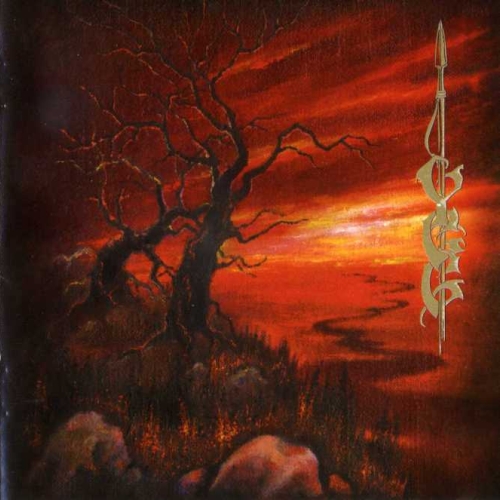
Review: Ygg – Ygg


I don’t know if I’m just a big fan of the Ukrainian metal scene so I’m inclined to notice or if that country really is popping out more bands than anywhere else in the world, but it seems like a year doesn’t go by that I can’t talk about a new band, probably from Kharkiv, releasing an impressive debut album. Ygg is comprised of three musicians from other bands you may have heard of–Nokturnal Mortum, Khors, and Святогор/Svyatogor to name a few–but I wouldn’t call it a side project. Members of that scene collaborate to such an extent that there’s next to no musician you can associate with only one act. The influences are thus a little more engrained, and it would be kind of silly for me to describe Ygg as sounding like a mix of other bands; they sound like Ukrainian metal. And they sound awfully good.

…Знаю, Висел Я В Ветвях На Ветру…(…I know, I hung in the branches in the wind…)

The album kicks off with one of the more effective intros I’ve heard in a while. Alone it might incline you to expect a pretty elementary album. Simple ambient synths, the overlapping sounds of wind blowing and waves crashing (or are those rustling leaves?), and a jew’s harp that they don’t so much play as randomly wank on amounts to something anyone could create in one take given a keyboard and a sufficiently grim, frostbitten basement.

What I’ve come to find over the course of a couple listens though is that the rest of the album is persistently faithful to the mood it sets. I wouldn’t have even noticed the continued presence of that wind and water effect buried beneath the distortion of the first metal track if the intro hadn’t brought it to my attention, and the jew’s harp bleeds into the next song as well. Over the course of the remaining six tracks these effects fade to be replaced by others, but in a way that maintains consistency from song to song.

YGG

So they’re not really switching gears here. They’re presenting the same scene as the intro from a metal perspective. The trance-like mix of tremolo chords and a moderate steady beat certainly maintains that particular ambient feel, and it’s executed in a way that should make any Drudkh fan happy.

The other elements are perhaps a little less accessible though. The kind of wavy, kind of bubbly keyboard sound would seem a bit out of place for me if Nokturnal Mortum hadn’t used the exact same thing so effectively on Weltanschauung. There is already precedence for associating it with paganism, so the sort of futuristic vibe I originally got from it isn’t an issue here. I imagine if I hadn’t listened to specifically Weltanschauung so many times before it might throw me for a loop.

The most obviously distinguishing feature of the album, the vocals, also require a little consideration. It’s a style very seldom used, and I imagine it would inevitably come off as pretty cheesy on first encounter. Previous bands that have employed it have tended to aim for an effect of pure hatred or insanity, for which it’s probably better suited. I don’t really think that fits Ygg’s picture though. Their sound focuses on nature and paganism, at least as I hear it. The track/album/band name is itself one of the many traditional names for Odin, and the introductory track’s title approximates the opening line of the Rúnatal, a 13th century recording of Odin’s self-sacrifice to acquire the wisdom of the runes. No, the vocals aren’t trying to express insanity or hatred.

So I’m inclined to hear the singing as a sort of vocal reproduction of the howling wind in the introduction. I don’t know, maybe that’s a stretch, but it’s an interpretation that works for me. It’s a sound that’s a bit harder to pull off, because a less chaotic theme requires more precision. When his voice occasionally sounds a bit too human it’s more of a brief letdown for me than a poignant reminder of music’s theme. But at this point perhaps I sound so absurdly full of myself that I’m doing the album more harm than good. I’ll just stop. Suffice to say I really like this, and I think a lot more went into its conception than just three guys jamming black metal and landing on something nice. It’s a rewarding work that’s fairly complex in its simplicity, and I highly recommend it.

Review: Kroda – Schwarzpfad


I’ve been listening to this album for months now and I’m still not sure what exactly I want to say about it. The songs are very well written in a format you might come to expect from Ukrainian metal; In some ways I feel like they’re better written than most others in their scene, including Kroda’s past works. But there is a lack of intensity in the execution that leaves me unable to be really moved by it. I don’t know if it’s a matter of performance or production, but something just isn’t there.

First Snow

The result is rather uncharacteristic. I mean, what do most Slavic metal bands have in common if not a degree of savage intensity that puts all other metal scenes to shame? Schwarzpfad goes for a much more mellow approach. It’s got this weird dual effect of highly dynamic song writing and almost monotonal atmospherics. The acoustic breaks, the woodwind solos, the occasional peak into a triumphal chorus, they all just kind of blend together for me. Like on this song, nothing really stands out to mark the switch into the guitar and vocal peak that starts about two minutes in. I sometimes barely notice anything has changed.

Now, I’m not calling this a fault. I don’t know what Eisenslav intended, so I’m in no position to say he missed the mark. But it certainly makes for a difficult listening experience. You just have to force yourself to pay attention, because it can be very inaccessible at times.

Forefather of Hangmen

Any complaints I might have about the sound quality of this album (and these youtube rips actually sound a lot better than the 192 cbr copy I found) shouldn’t overshadow its many positive traits, but what makes Schwarzpfad good I’ve had equal difficulty describing. The songs are just really well written, and I might have to leave it at something as vague as that. Honestly, the juxtaposition of really great songs and what I feel is a really bad recording make both pretty difficult to describe. I can’t hear the good attentively without thinking of the bad, and vice versa. I’ve invested a tremendous amount of time into this album and all I’ve taken out of it is a conviction that there’s something really great here and I’m not hearing it, so I think it’s time I called it quits. If they actually decide to tour the United States for once I’ll be the first in line to find out just how good Schwarzpfad really is, but until then I think I’ll give this one a rest and wait for their next album.

Review: Powerwolf – Blood of the Saints


Over the top gimmicks have been helping otherwise average bands make names for themselves since times unknown. Rarely do they backfire, but with Powerwolf I just don’t know. The music on this album is incredibly good. Having never heard them before, I thought maybe they just drew a lyrical blank, sort of burning out on their gimmick while still steamrolling as musicians. But apparently, from what I’ve read at least, all four of their albums are pretty much identical thematically.

Sanctified with Dynamite

That is pretty strange considering Blood of the Saints is itself so thematically narrow that I get the feeling half of the songs use the exact same lyrics. I mean, I criticized Alestorm this year for pushing the line “get drunk or die” a bit farther than necessary at the expense of more clever lyrics, but compared to this album Back Through Time is pure poetry.

Each track pretty much consists of five lines: the name of the song, something about dying, something about wolves, something about blood, and the word “hallelujah”. That makes the opening track, Sanctified with Dynamite, the most lyrically diverse song on the album, because it is the only track that does not mention blood, wolves, or dying in the title.

They wrote a song called “We Drink Your Blood” and a song called “All We Need is Blood” and put them on the same album. Really? You would think the conceptual powers of an angry eight year old would translate to the music itself.

We Drink Your Blood

But in fact, this album is undeniably great. Their sound is powerful and enormous. The operatic vocals, the sinister organ, the production as a whole, everything just surrounds you and kicks your ass. The heavy metal choruses are always catchy in spite of the far too discernible lyrics. Every track is memorable. Musically, there’s just no getting around the quality of this album.

Why couldn’t they be singing in German or Romanian, their two native languages? Why couldn’t I enjoy this in blissful ignorance and not have to endure some of the lamest lyrics ever written? Oh dear…

Night of the Werewolves

If We Drink Your Blood sounds like a heavy metal version of Lordi, Night of the Werewolves has an almost Iron Maiden feel to it. The album is consistently comparable to my favorites among power-infused heavy metal bands, and they add a unique operatic element to the mix. It’s just that their comedy routine is something more on par with a Meet the Spartans. Blood of the Saints is definitely good enough for me to get over that and still enjoy it. Their lyrics aren’t annoying really, because the vocals are so good. It’s just disappointing that they couldn’t cultivate their gimmick into something actually entertaining. Blood of the Saints could have been a lot better than it actually is with relatively little additional effort on the band’s part. But so what, I guess, because I’m not going to stop listening to this one for a long time.

Review: Eddie Vedder – Ukelele Songs


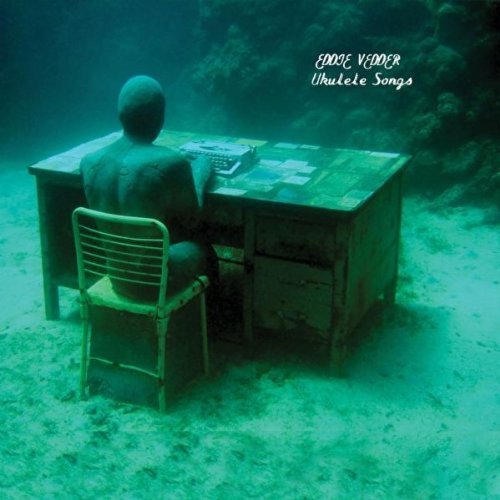
When I heard that Eddie Vedder had released a new album using nothing but a ukelele and his phenominal voice I had pretty mixed expectations. It was the first album associated with Pearl Jam that had been brought to my attention in over a decade. I don’t know what prompted me to never buy Riot Act, because I loved Binaural, but by 2011 they’d dropped so far off my radar that I didn’t even know the self-titled and Backspacer existed until a few months ago. I made the mistake of jumping immediately to Backspacer without hearing their prior two and was so annoyed by the trendiness of it–that incorporation of a somewhat 80s sound that’s all the deplorable rage now–that I couldn’t make it through one listen.

Can’t Keep

So Ukelele Songs was in a pretty good position to impress me, really. I knew Eddie Vedder could do better than what I’d so recently heard on Backspacer, I knew the small scope of his instrument of choice would force him to get pretty creative, and at the same time I was already mildly disappointed going into it, so a poor output wouldn’t have been any sort of heartbreak. As it turns out, what he created here is definitely worthy of attention. This may be no Bob Dylan or The Tallest Man on Earth, but as acoustic solo albums go it’s well above average.

The first track, Can’t Keep, is the most abrasive song on the album. Offering it up first might seem an odd decision. It definitely doesn’t set the mood–that’s something you’ll pick up further in. But it does quickly and definitively do away with any stereotype of the ukelele as a Hawaiian novelty toy.

Goodbye

So as he goes on to apply the instrument a bit more traditionally throughout the rest of the album you never second guess his decision to limit himself to it; If he wanted to do something more aggressive he certainly could. Goodbye is one of my favorite examples of what you’re more likely to encounter further in. Most of the tracks are sort of like this, little subdued 2 minute laments reminiscent of Soon Forget on Binaural. They might start to fade together after a while if you don’t pay close attention, but if you do you’ll find he continues to put the instrument to pretty diverse ends even as he’s maintaining the same general mood.

You’re True

The song that stands out most to me is similar to the opener in that it’s a lot more powerful than the rest of the album, and it really highlights how beautifully Vedder can still sing in the absence of rock and roll. If the entire album had as much emotion packed into it as this one it would be destined for fame. Unfortunately, You’re True doesn’t have much competition there. The rest of the album isn’t so much moving as just calmly pleasant.

Tonight You Belong To Me

Chan Marshall of Cat Power fame makes an appearance on the second to last track, a traditional piece dating back to 1926, marking my other favorite song on the album and the opposite extreme of You’re True. If you think of Ukelele Songs’ sixteen short tracks as all falling somewhere in between these two, you’ll have an idea of what to expect. It’s an unusual and pleasant little work that won’t disappoint, at least so long as you’re expecting what the album title implies and not Pearl Jam. A little too calm and lyrically simplistic to make waves as a folk album, it’s something you’re probably only going to like if you like Eddie Vedder’s voice, but I imagine most people do.

Yeah, nothing earth-shattering here, but it makes me smile, and ever since I picked it up I’ve been on a 90s rock binge, despite of the grand distance between this and the likes of say, Ten or Vs. Vedder’s vocal sound is so unique that you can’t help but make the connection.

From the deepest pits of hair…


A dark cloud looms over our publishing department. The earth trembles, and the lights grow dim. Arleigh is away, perhaps contemplating what to do for our 1000th post landmark here at Shattered Lens. I scurry to the fridge, concerned as usual with my stomach rather than the task at hand, but as I open the door the pent-up horrors of a thousand cheesy grindhouse films and corpse paint-encrusted metal bands manifest within.


Necrocomiccon – Hot Dog Cart Hunger

What could this be? What have we unleashed upon the world? Many a foul fiend has Through the Shattered Lens bravely reviewed before, but none so vile as this. I tremble in fear at what lies before me… the most vulgar, base, soulless abomination to have ever plagued humanity… The 1980s.


Necrocomiccon – Careless Whisper

Congratulations, fellow authors, on reaching our 1000 post milestone, and thank you to all the readers for sticking it out. Maybe Arleigh will have something more interesting in store for you tonight, but in the meantime I couldn’t resist. Necrocomiccon are a new band from “probably Norway” who write black and melodic death metal parodies of 1980s pop songs. You can check out their album for free on their facebook page: http://www.facebook.com/Necrocomiccon.


Necrocomiccon – (I Just) Died in Your Arms

Review: Funerary Bell – The Coven


Funerary Bell formed in Finland in 2007, and The Coven is their first full-length release. For a week or two now it’s served as that album I put on when I can’t decide what I want to listen to, and I’ve come to like it quite a lot.


Vision of the Undead (World)

It might be the album’s lack of distinguishing features that makes it so appealing to me. It’s not distorted or lo-fi to the point of obscurity. There are no unearthly shrieks, just standard death metal growls and some menacing whispers. It never bombards, never gets all that fast, pays ample homage to black metal’s punk/thrash roots without ever breaking from its plodding, eerie pace for more than a few minutes…

It’s really just standard oldschool black metal. But that’s not something I ever really hear these days. Maybe this sort of music isn’t actually that hard to find. I’m not one of those people with the time and resources to keep up with every new release within any particular genre. Yeah, I wouldn’t be surprised if a lot of material similar to this gets released and promptly forgotten every year without my ever noticing. But this is the one I happened to stumble upon.


Detachment

I think what I like best is the tempo. Their determination to never get too hasty gives the album a high degree of consistency. It’s always either a slow plod or a thrash beat. There’s not much else. So it transitions from track to track without ever changing the vibe, letting you just kind of chill out and enjoy the dark feeling without many highs or lows. And the subtler effects of tremolo picking and occasional keyboard organs stand out a bit more when there’s nothing else competing with them.


Cainian Confessions II

If you’re looking for diversity, this isn’t the place. You’ll end the album without remembering any tracks distinctly, and only nod your head in recollection a few times on a second play through. The Coven doesn’t aim very high, and it’s really unremarkable on a track by track basis, especially the further in you get. But as a whole it’s a very nice background piece–something I’ve enjoyed far more in passing than during this more attentive listen through. There’s a decent chance I’ll forget about it entirely before long, but in the meantime it’s been fun. And maybe it’ll find a spot in my queue again this fall, once I’ve played all the classics to death for the year and still want to feel that early black metal vibe.

Review: The Flight of Sleipnir – Essence of Nine


This has been sort of the year of stoner metal. I swear a new entry to the stoner/doom/sludge genre comes out every week. I’ve ignored most of it. It’s not that I dislike it, I just haven’t been in the mood. But once in a while I’ll sample a few tracks here and there, give each band a minute or two of my time. The Flight of Sleipnir didn’t even require that much effort–within the first ten seconds of the opening track I was hooked.

Transcendence

How these guys aren’t on the radar is beyond me, because this is pretty much everything I could ever want from an album. Sure, the production isn’t that great, but neither is Black Sabbath’s, so let’s get over that right form the start and soak this all in. Here’s a band that just hands you everything you could wnat on a silver platter right form the get-go. A killer bluesy stoner metal groove, delicious acoustic interludes, perfectly executed black metal style screaming, beautiful clean vocals that harken to Mikael Akerfeldt, and we’re only five minutes into the album.

As Ashes Rise (The Embrace of Dusk)

As you might have expected, the opener is just an introduction to what they have in store. Sure they’ve played all of their cards. No additional styles or elements are implemented further down the line. But what they’ve introduced just keeps on improving as the album progresses.

There is a surprising prominence of acoustic melodies packed into Essence of Nine, so much so that I’m inclined to call it folk metal just as much as stoner metal. The abundant allusions to Norse mythology and use of rune stones on a decidedly doom metal album cover suggest that the band would agree. That distinction alone could make an album stand apart, but if “stoner folk metal” is now a term with meaning, they’ve done more than initiate. They’ve come awfully close to perfecting it.

The Seer in White

Because the quality of their song writing overshadows the fact that what they’re doing here is unique. And while I’ve showcased those songs that most appeal to me–the most folk-centric of the lot–there is plenty to be had for fans of the more punishing characteristics of doom. It’s never quite crushing enough to rival the best artists of that sort of music, but as a compliment to the folk side of their sound rather than the main focus of the music, it’s certainly sufficient. Given a live venue and enough amplification I think they would blow me away.

As Cinders Burn (The Wake of Dawn)

Anyway, there you have it. I think I’ll spend more time talking about this album than actually listening to it throughout the year. It’s not the sort of thing I’m always in the mood for, but I can find no fault. People looking for strictly doom metal might find it lacking, but if you’re interested in something a bit more diverse Essence of Nine is a sure bet.

Review: Boris – Attention Please


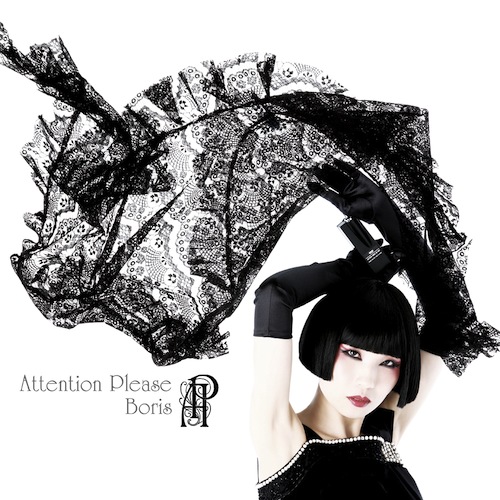
I like to think of Attention Please as Boris’s main release for the year. If the other two are really good, this one’s something closer to brilliant. Typically when Boris release a “normal” album–something composed of distinct tracks, not a concept piece–there’s always a few tracks that fail to do much for me. Even Akuma No Uta and Smile had their down time. Attention Please does not. Every single track is wonderful. It’s also got the least in common of their 2011 works with anything they’ve released before, which, if you know Boris, is a sure sign that you’re in for something good.

Attention Please

The album is a melting pot of laid back songs like the opening track, dreamy shoegaze, and a sort of dirty pop sound that probably finds precedence in genres I’ve never explored. No matter which they’re tapping into at a given moment, they do it well. But it might be kind of pointless for me to just heap endless praise on this. If you’re already a fan of Boris then all you need to know is it’s really good. If you’re unfamiliar with them, then you’re hearing this all in a completely different state of mind than me. Let me give you a little background.


Boris – Track 3 off Vein, 2006

This is also Boris.

Party Boy

So you have to understand, half the fun of the album is hearing what they’re going to do next, and being astonished by how well they pull it off. Maybe this isn’t the best dance electro pop whateverthehell out there, I wouldn’t even know. It’s the fact that Boris is doing it that makes it so remarkable. At least to a point. I mean, a lot of these songs are still excellent by any standard.

Spoon

So enjoy it for its own sake, but also enjoy it because it is Boris. I think that’s all I have to say. Sorry if this isn’t really a “review” of the album. I’m too much of an infatuated fanboy to do much more than drool when I think about it. New Album has its ups and downs, and Heavy Rocks 2011 is somewhat inaccessible, but Attention Please is among their very best. Yeah, I said that about their 4-volume EP series and split with Torche in 2009. Yeah, I said that about Smile in 2008, and pretty much everything dating back to Flood, when I first heard them. But hell, why not. I hope I can keep saying it for years to come.

I’ll leave you with my favorite track off the album, which is kind of an unusual selection you might say, but calms me down in a way no band really has since Sigur Rós released ( ).

See You Next Week