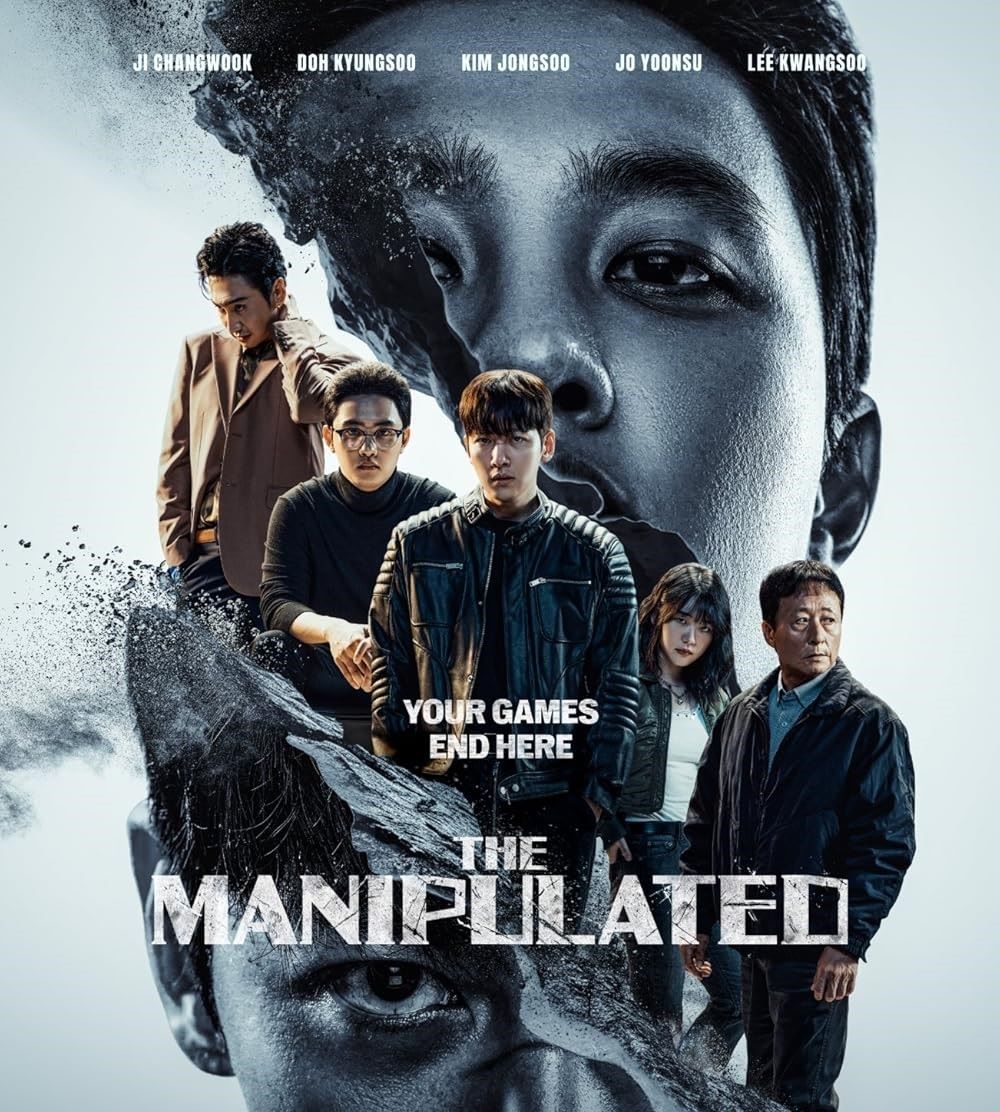
Review: The Manipulated


“Truth is whatever I say it is. You can scream innocence all you want, but in my world, your words are just noise.” — An Yo-han

The Manipulated is a Korean revenge thriller that successfully combines familiar genre elements with a fresh sense of intensity and emotional depth, making it a standout in the crowded field of dark legal dramas. The series centers on Park Tae-jung (played by Ji Chang-wook), a seemingly ordinary delivery driver whose life is shattered when he is wrongfully accused and framed for a horrific crime. Overnight, he transitions from a hardworking, everyday man to a desperate prisoner, and eventually, to a determined figure plotting revenge against those who manipulated his fate—most notably, the cold, calculating antagonist An Yo-han (Do Kyung-soo). The show delivers a layered narrative that explores not just personal vengeance but the broader ramifications of power, control, and corruption within societal institutions.

The heart of the story revolves around the idea of manipulation itself—who pulls the strings, who is controlled, and what lengths are necessary to reclaim agency when everything has been taken away. Tae-jung is depicted as a relatable character: a caring older brother, a man running a humble flower café, and someone leading an ordinary life with steady relationships. The show effectively uses this normalcy to heighten the emotional impact when his world falls apart. The transformation from this everyday existence to being cast into the brutal prison environment is stark and compelling. It’s not subtle, but this unrelenting descent works well to justify the fierce anger and resolve that Tae-jung ultimately channels toward his quest for justice. For viewers who appreciate stories where an underdog is pushed to their limits and beyond, this setup resonates and provides an accessible entry point.

The series’ portrayal of prison life is integral to its gripping atmosphere. Tae-jung’s time behind bars is fraught with constant threats, both physical and psychological. The squalid environment where gang hierarchies dominate adds a layer of tension and realism. The prison gang leader, Deok-su, represents the harsh realities of this closed world, embodying a constant source of danger and oppression for Tae-jung. This portrayal forces the protagonist to quickly learn the unspoken rules of survival. Alongside the violence, the show introduces layered secondary characters such as Kim Sang-rak, Tae-jung’s public defender, and volunteer No Yong-sik, which deepens the emotional dimension of the story. These figures help flesh out the narrative, showing the human cost behind the legal system’s failures and the recurring motif of false accusations beyond just the main plotline.

What sets The Manipulated apart is the growing psychological duel between Tae-jung and the enigmatic antagonist An Yo-han. The series takes its time introducing Yo-han—creating an anticipation that pays off as the character’s cold, detached cruelty reveals itself. Do Kyung-soo brings a chilling, almost theatrical presence to the role, portraying Yo-han as masterful in manipulation and strategic cruelty. His actions throughout the series reflect a bored yet brutal puppeteer’s mindset, someone who views others’ lives as mere pawns in a twisted game. This stark contrast with Tae-jung’s raw, increasingly calculated rage adds a heavy psychological layer to the narrative, enriching what might otherwise have been a more straightforward revenge story.

The Manipulated manages pacing impressively well. The tension is maintained through effective plot twists and steadily unfolding backstory without excessive filler or drawn-out sequences. While some plot elements do follow recognizable thriller tropes—such as coincidental rescues or dramatic last-minute revelations—the show executes them with enough style and emotional weight to prevent these from feeling clichéd. Instead, the narrative leans into moral ambiguity rather than offering a simplistic “hero gets revenge” conclusion. This adds complexity and invites viewers to question the true cost of revenge and justice in a corrupt system.

Visually and technically, the series is polished and cohesive. The direction uses tight framing and muted colors to underscore the claustrophobia and hopelessness Tae-jung experiences, both inside prison walls and within the wider society controlled by manipulative elites. Cinematography favors shadows and long corridor shots, mirroring the themes of entrapment and surveillance woven through the plot. The editing is sharp and intelligent, with effective use of flashbacks and visual clues to assist storytelling without losing narrative momentum. Complementing this is a subtle but atmospheric sound design, featuring a restrained score that amplifies suspense without overstepping into melodrama. Additionally, the quiet moments stripped of music—such as tense interrogations or confrontations—allow the powerful performances to carry emotional weight.

As the series progresses, it becomes clear that The Manipulated attempts to comment on deeper societal issues. It highlights the fragility of truth and the ways in which legal and political institutions can be systematically weaponized to protect the powerful while crushing the vulnerable. The manipulation extends beyond a single framed protagonist to suggest a broader pattern of societal decay and complicity. However, compared to a show like Squid Game, which powerfully and provocatively portrayed the rich and powerful as architecting deadly games to maintain control and stay above the law, The Manipulated’s treatment of these issues feels less nuanced and less impactful. Squid Game uses vivid symbolism, sharp social critique, and a global cultural resonance to expose how elites manipulate systems to preserve their power, whereas The Manipulated deals with similar themes in a more subdued and conventional manner, making its social commentary less striking and memorable.

However, the show is not without its flaws. Despite solid performances and sharp writing for the lead characters, some secondary roles feel underdeveloped. The wider cast representing institutional forces and corrupt entities often serve more as plot devices than fully realized individuals. A deeper exploration of these characters’ motivations would have enriched the story’s critique of systemic injustice and added emotional heft. Additionally, certain plot coincidences and rapid character shifts—while not uncommon in the genre—sometimes strain credibility, potentially pulling viewers out of the experience. These issues are minor but noticeable, especially in a series that otherwise invests heavily in creating a believable psychological and social landscape.

The completed season also confirms the show’s willingness to embrace a darker tone, with unflinching depictions of violence, mental torment, and systemic abuse. This brutal realism distinguishes The Manipulated from softer or more melodramatic legal dramas, catering to viewers who appreciate gritty and hard-edged storytelling. At the same time, this can be emotionally demanding, with some sequences feeling excessively harsh, particularly when multiple intense scenes are stacked together without relief. This makes the series less accessible for viewers sensitive to graphic content or those preferring more hopeful narratives.

The performances of Ji Chang-wook and Do Kyung-soo are central to the show’s success. Ji brings charisma and intense emotional range to Tae-jung, portraying his shift from vulnerable victim to ruthlessly driven avenger with nuance and depth. His portrayal steers clear of caricature, allowing audiences to empathize with Tae-jung’s pain and determination. Do Kyung-soo’s portrayal of Yo-han is equally compelling, embodying the detached menace and intricate mind games of a master manipulator. Their dynamic elevates the series, creating a tense, compelling interplay that holds viewers’ attention even through moments anchored in procedural details or legal maneuvering.

The Manipulated is a strong addition to the landscape of Korean crime thrillers, marked by solid performances, sharp production, and a thematically rich narrative. It successfully balances the emotional core of its protagonist’s journey with a wider critique of institutional corruption and manipulation, providing more than just surface thrills. While it plays safely within the revenge thriller template and occasionally leans on genre conventions, it executes these elements with enough skill and emotional intelligence to maintain engagement across its full season. However, while it raises potent societal questions, its critique of how the rich and powerful manipulate the world around them to stay above the law is less impactful and vivid than the powerful, globally resonant portrayal found in Squid Game. Fans of dark, intense psychological dramas with complex characters will find much to appreciate here. Be prepared for a brutal, sometimes exhausting ride into the gritty realities of power and vengeance—but one that delivers a satisfying and thought-provoking experience in return. This series is highly recommended for those who enjoy charged atmospheres, moral ambiguity, and slow-burning tension wrapped in polished storytelling.
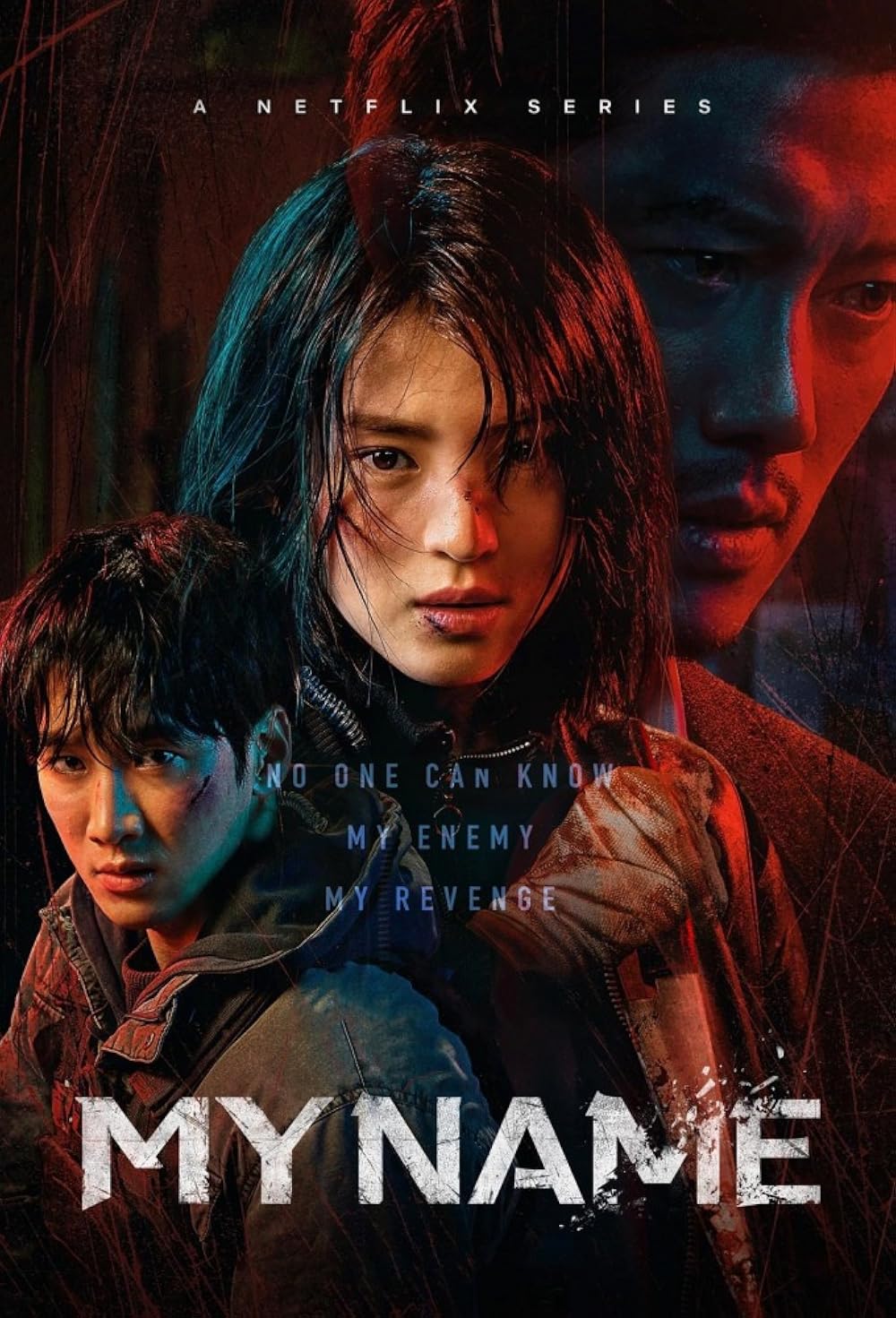
Review: My Name


“I’m not afraid of dying. I’m afraid of not knowing the truth.” — Yoon Ji-woo

My Name is one of those K-dramas that grabs your attention from the start and maintains a relentless pace throughout. It is a gritty, action-packed series set in a dark, unforgiving underworld marked by crime, betrayal, and a driving quest for revenge. The story follows Yoon Ji-woo, a young woman whose life is shattered when her father, a figure tied to the mob, is brutally murdered. What unfolds is her transformation from a grieving daughter into a formidable and determined fighter intent on uncovering the truth behind her father’s death and exacting vengeance.

The series does not shy away from depicting violence in an unflinching manner. For those who appreciate intense and well-choreographed fight scenes, My Name provides a visually and emotionally striking experience. The physicality Han So-hee brings to her role is notable, lending authenticity to every punch, fall, and desperate struggle. However, the violence serves a narrative purpose beyond mere spectacle; it illuminates the bleak world Ji-woo inhabits and the extreme sacrifices demanded of her.

A particularly compelling aspect of My Name lies in its combination of emotional depth and action. Ji-woo is not portrayed as a simple avenger consumed by rage, but rather as a complex individual wrestling with grief, guilt, and profound loneliness. Han So-hee’s nuanced performance effectively balances raw toughness with moments of vulnerability, inviting viewers to engage with Ji-woo on a deeply human level despite her morally ambiguous actions.

The narrative unfolds briskly across eight episodes, avoiding the typical padding seen in many K-dramas. This lean structure maintains a consistently high level of tension as Ji-woo infiltrates the police force undercover on behalf of the criminal organization responsible for her father’s death. The tension arising from this double life—living between two opposing worlds—heightens the drama, creating an ever-present question of trust and betrayal.

This theme of undercover infiltration shares notable similarities with renowned thrillers such as Infernal Affairs and its American remake The Departed. Like those films, My Name explores the psychological strain of agents embedded within enemy organizations, examining shifting loyalties and blurred moral boundaries. Yet, My Name distinguishes itself by focusing intimately on Ji-woo’s personal journey of vengeance and identity. While Infernal Affairs and The Departed emphasize the intricate duality and game of cat and mouse between multiple undercover agents, My Name offers a singular, emotionally charged narrative driven by Ji-woo’s transformation both physically and mentally through relentless trials.

Supporting characters enrich the story further. Detective Pil-do serves as a humanizing counterpoint to the harshness of Ji-woo’s world. His relationship with Ji-woo adds emotional complexity to the story, gently probing themes of trust and moral conflict. The enigmatic crime boss Mu-jin, who mentors Ji-woo, embodies a pragmatic and often manipulative figure, complicating the traditional distinctions between good and evil with a nuanced portrayal.

Visually, My Name excels in creating a brooding and atmospheric setting, with evocative use of shadow, rain, and urban neon lighting that reinforces the noir tone. The haunting soundtrack complements the tension and emotional undertones, underscoring both frenetic action and quieter character moments with equal effectiveness.

That said, the drama’s heavy focus on violence and its dark tone may not appeal to all viewers. The unrelenting grimness and lack of lighter moments could prove challenging to those who prefer more varied emotional rhythms. Furthermore, some secondary characters are not as fully developed as they might be, which occasionally makes subplots feel less integral. Still, the tight focus on Ji-woo’s narrative keeps the drama paced and impactful without unnecessary distractions.

A central thematic strength of My Name is its exploration of identity. Ji-woo’s undercover infiltration prompts profound questions about the self: how much of her original identity can she retain while adopting false personas dictated by survival and revenge? This internal struggle adds a psychological depth that elevates the series beyond a straightforward revenge thriller, inviting reflection on trauma, loyalty, and selfhood.

The pacing is expertly managed, neither rushed nor weighed down by extraneous elements, culminating in a satisfying and emotionally resonant conclusion. The series even incorporates moments of romance late in the narrative, adding subtle layers of hope and human connection to balance the dominant themes of loss and revenge.

In sum, My Name distinguishes itself through Han So-hee’s powerful performance, its raw and realistic action sequences, and its willingness to grapple with complex emotional and moral questions. It is a compelling option for viewers drawn to intense, character-driven thrillers that refuse easy answers while delivering visceral storytelling.

If you are seeking a drama that explores the cost of revenge with both physical intensity and psychological nuance, My Name offers a gripping experience from beginning to end. It acknowledges its influences—such as Infernal Affairs and The Departed—but forges a unique path grounded in Korean drama sensibilities and the deeply personal story of its lead character. Its unyielding tone and evocative storytelling make it a memorable entry in contemporary Korean thrillers.

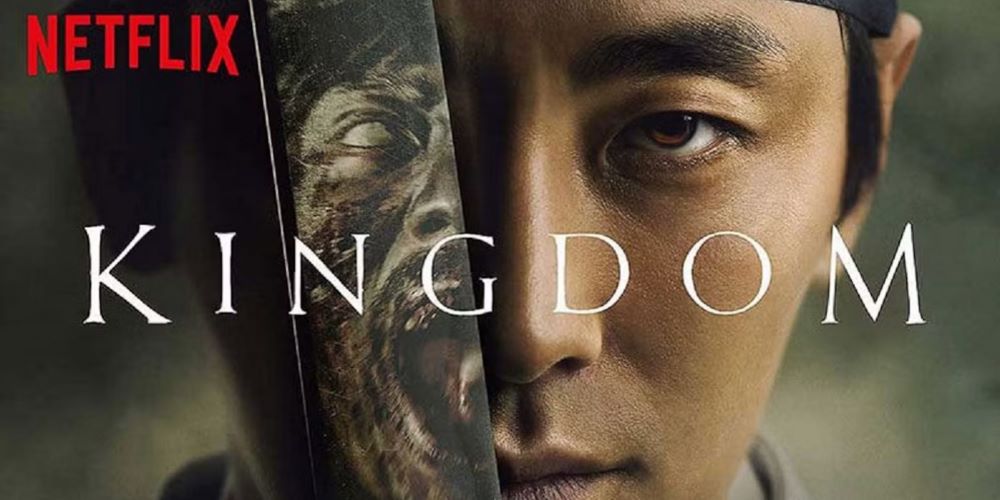
Horror Review: Kingdom


“In a world haunted by both the living and the dead, the true monsters are those who often wear the crown.”

Kingdom debuted on Netflix on January 25, 2019, riding the crest of the global Hallyu wave and building on the international success of Korean horror. The series followed a rich tradition of critically acclaimed films such as Train to BusanThe HostA Tale of Two Sisters, and notably The Wailing. These works helped elevate South Korean horror on the world stage, blending supernatural terror with intense social and psychological themes that primed Kingdom for widespread interest.

The series was adapted by playwright and writer Kim Eun-hee from her own webtoon The Kingdom of the Gods, which she created alongside artist Yang Kyung-il. This blend of popular Korean cultural imports—webtoons and horror cinema—provided a strong narrative base for the live-action adaptation. Kingdom distinguished itself by marrying the zombie genre with historical drama, setting its epidemic in the Joseon dynasty—a period marked by frequent mass deaths and epidemics. This historical backdrop provided a plausible narrative foundation for a catastrophic outbreak, grounding the series’ supernatural horror in the real dread of past pandemics and social collapse.

The Joseon era was repeatedly struck by deadly outbreaks and famines that devastated communities and challenged social structures. While Kingdom doesn’t focus on specific historical records, the knowledge of these recurring calamities creates a realistic and haunting context that informs the series’ tension—the desperation of starving peasants, societal breakdown, and the government’s inability to maintain order under extreme crisis. This setting allows the zombie outbreak to function not just as a horror element but as a powerful allegory for historical suffering and institutional decay.

Kingdom centers on Crown Prince Lee Chang, who is thrust into a deadly fight against both undead hordes and court conspiracies after the king’s mysterious illness and death are covered up by Queen Consort Cho and her father. Their selfish decision to conceal the truth and use a resurrection plant to keep the king “alive” initiates the plague, demonstrating how corruption and obsession with power directly contribute to the kingdom’s fall. The series effectively exposes the deadly consequences of political deceit and unequal society—while nobles hoard resources and betray their subjects, peasants are left starving and vulnerable. Rival political factions further sabotage any chance of a unified response, showing that human ambition is as perilous as the zombie outbreak itself.

What sets the zombies in Kingdom apart from many earlier depictions is their unique behavior and characteristics, which elevate the horror and intensify the series’ kinetic action scenes. These zombies move swiftly and aggressively, unlike the sluggish, shambling undead common in Western lore. Their speed allows them to attack with terrifying suddenness, creating relentless tension and forcing characters into frantic, dynamic escapes and battles. Additionally, the zombies in Kingdom only awaken at night and seem to revert to dormancy during daylight hours, a nocturnal cycle which adds an eerie rhythm and strategically heightens suspense.

Moreover, the infection’s origin tied to a resurrection plant introduces a quasi-vampiric element, blending horror genres and expanding the mythos beyond traditional zombie tropes. This variation not only refreshes the genre but intensifies stakes for the characters, who must navigate a world where death is no longer certain and danger lurks in shadows. The fast-moving zombies enable spectacularly choreographed action sequences, elevating visceral thrills and maintaining an adrenaline-fueled momentum distinct from more lethargic zombie narratives.

The success of Train to Busan played a crucial role in reinvigorating the zombie genre, both in South Korea and internationally, and this revitalization was a significant advantage that the creators of Kingdom skillfully leveraged. Train to Busan injected new energy into zombie cinema with its frenetic, visceral depiction of zombies—fast, aggressive, and highly reactive—breaking away from the sluggish, shambling archetypes prevalent in older Western iterations. Its influence is evident in how Kingdom’s zombies behave; they move swiftly, attack relentlessly, and operate on a nocturnal cycle, which heightens the horror and intensifies the kinetic action sequences. These zombies are not mere mindless monsters but active participants in the chaos, embodying a new standard of terrifying, kinetic undead.

Furthermore, Train to Busan‘s impact extended beyond mere behavior. It was also a culturally resonant piece that connected deeply with Korean audiences by reflecting recent national trauma—most notably the Sewol Ferry disaster—and embedding social critique within a genre framework. This powerful contextualization allowed the film to function as more than entertainment; it became a symbol of societal failure and resilience. The film’s success created a template for how Korean cinema could adapt and localize the zombie mythos, blending horror with social commentary in a way that was both emotionally impactful and commercially successful globally.

Kingdom’s creators astutely drew on this momentum, adopting the highly kinetic, fast-moving zombie model popularized by Train to Busan, but adding their own spin through the behavior and cycle of their undead. These zombies only rise at night, stay dormant during the day, and exhibit contorted, unpredictable movements—something Yeon Sang-ho himself infused into his zombies through choreographed dance routines, emphasizing their frenetic and unnatural agility. Such innovations keep the horror fresh, heighten the visceral excitement of action scenes, and differentiate Kingdom from earlier zombie fare, making its undead both terrifying and uniquely emblematic of Korean horror’s modern renaissance.

This evolution of zombie behavior—fueled by Train to Busan’s successful reinvention—enabled Kingdom to stand out in an increasingly saturated genre. It seized upon the momentum of recent Korean horror cinema, using the distinct movement and cycle of its undead to heighten suspense and deliver a new level of kinetic energy. Through this approach, the series not only paid homage to the genre’s Western roots but also created a uniquely Korean expression of zombie horror that captured global attention, cementing Korea’s place at the forefront of contemporary zombie filmmaking.

Despite its many strengths, Kingdom is not without imperfections. The first season, which premiered on January 25, 2019, unfolds unevenly, at times slowed by a deliberate pacing that prioritizes intricate political set-up and exposition over constant action. This emphasis on explanatory dialogue—essential for unfamiliar viewers of Joseon society and its complex political dynamics—sometimes weighs down character development. Characters often act as instruments for delivering background information rather than revealing themselves naturally through interaction, which can lessen emotional engagement early on. Key information about the outbreak’s origins, political rivalries, and the resurrection plant’s properties is frequently conveyed through heavy-handed dialogue rather than action or subtlety, limiting moments of tension and organic story progression.

The second season, released on March 13, 2020, builds on the first by balancing its horror and dramatics more effectively. Stunning cinematography, immersive production design, and committed performances—from Ju Ji-hoon’s strong portrayal of Lee Chang to Bae Doona’s soulful Seo-bi—deepen the emotional core. More nuanced character work and escalating stakes make the political machinations and zombie horror increasingly compelling. The zombies themselves, with their terrifying speed and mysterious biology, deliver some of the most memorable and intense action scenes in contemporary zombie media.

Adding to the lore and depth of the series is Kingdom: Ashin of the North, a special feature-length episode released on July 23, 2021. This episode acts as a prequel and sidequel to the first two seasons, exploring the backstory of the mysterious character Ashin, played by Jun Ji-hyun. It reveals the origins of the resurrection plant and how it ties into the events that drive the main narrative forward. This special enriches the overarching storyline by providing critical context for the outbreak and weaving a deeper understanding of the motivations behind some of the series’ most enigmatic characters, strengthening the ties within the Kingdom saga as a whole.

Kingdom is a series that skillfully blends the intensity of period drama with the thrills of zombie horror. It offers complex political intrigue, rich historical atmosphere, and pulse-pounding suspense wrapped in strong performances and impressive production values. As such, it comes highly recommended for viewers who enjoy either genre—or both—providing a fresh and compelling experience that stands out within contemporary television drama and horror.